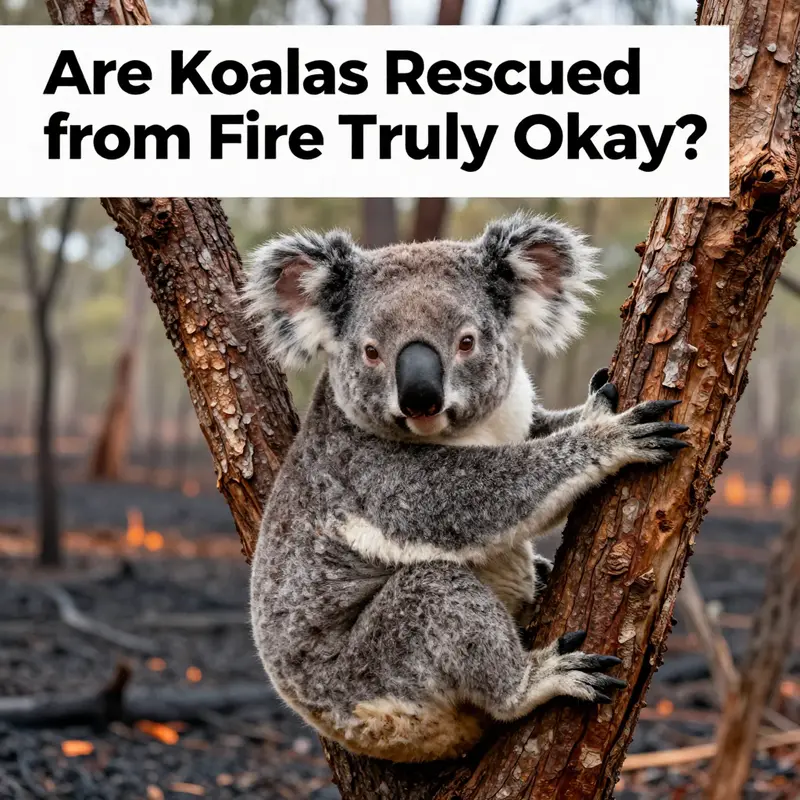
The alarming frequency of bushfires in Australia poses significant threats to wildlife, particularly the iconic koala. These creatures face peril from fires that destroy their habitat and threaten their very survival. Nevertheless, recent efforts to rescue and rehabilitate koalas after devastating incidents provide a glimmer of hope. This article delves into critical aspects of the koala recovery process, from understanding their well-being post-rescue to evaluating the overall health of relocated koalas, assessing environmental impacts, and showcasing poignant case studies. Finally, it outlines long-term conservation strategies vital to securing a future for the koalas rescued from fire. Together, these insights illuminate the path toward ensuring that these beloved creatures not only recover but thrive in a rapidly changing environment.
From Ash to Assurance: How Koalas Rescued from Fire Find Healing, Hope, and a New Canopy
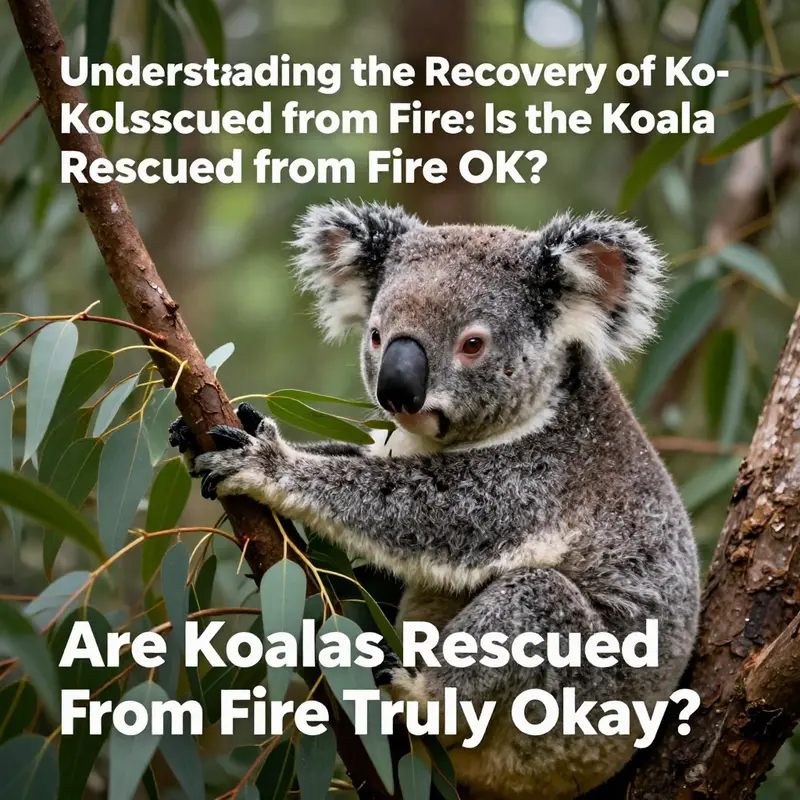
The question in many minds is straightforward but incomplete: is the koala rescued from fire OK? The reality sits along a continuum that begins with shock and injury, and can move toward resilience, recovery, and even thriving in a renewed landscape. In the wake of Australia’s recent bushfires, the story of koalas has shifted from one of singular catastrophe to a narrative of careful restoration. A notable example is the group of twelve koalas rescued from the bushfires in the Blue Mountains region near Sydney, which were successfully relocated to a eucalyptus forest within Kanangra-Boyd National Park. Wildlife experts confirmed there is ample food—eucalyptus leaves—available in the new habitat, a critical foundation for their survival. This move, guided by on‑the‑ground evidence and rigorous monitoring, marks a meaningful step in a broader effort to rebuild koala populations after the declines wrought by fire and habitat loss. It also reflects a broader, science-led approach that has become standard in wildlife recovery: act quickly to rescue, treat wounds, assess habitat suitability, and release only when conditions are clearly supportive of long-term survival. The researchers and conservationists involved emphasize that the outcome for each koala depends on a mosaic of factors, ranging from the severity of injuries to the quality of the surrounding forest and the persistence of threats that linger after the flames. The work is arduous and ongoing, but it embodies a hopeful philosophy: with targeted care and habitat protection, many koalas can move from surviving to thriving once more in their native canopies.
The path from rescue to resilience is paved with medical care and rehabilitation. In the immediate aftermath of fires, koalas arrive at wildlife centers bearing burns on paws, dehydration, and other traumas that can be life-threatening. Here, specialized veterinary teams provide fluid therapy, wound care, and meticulous monitoring. The emphasis is not merely on healing a body but on restoring the animal’s ability to forage and navigate. This requires a careful balance: protect the koala from infections while encouraging gradual exposure to the forest so it can relearn how to climb, feed, and regulate its body temperature in a world that has changed around it. A powerful motif in the recovery narrative is the ability of these centers to transform desperation into steady improvement. When the animals leave care, they carry with them not just medical records but a trajectory that has often evolved from the edge of fatality toward a plausible chance for wild life in their home ranges.
Beyond the clinical care, the rehabilitation journey is deeply ecological. The long-term success of releasing rescued koalas relies on the regrowth of suitable trees and the return of a reliable supply of eucalyptus leaves. The relocation of the Blue Mountains koalas to Kanangra-Boyd is a case in point: staff and researchers assessed the site’s capacity to sustain them, including the presence of species that koalas prefer and the density of forage trees. They concluded that the habitat, though still recovering, possessed the essential food base and shelter opportunities required by these arboreal herbivores. This assessment reflects a broader scientific practice that has grown more sophisticated in recent years. Rather than viewing rescue as a final act, conservationists treat it as the opening of a longer, more nuanced process that includes habitat monitoring, food source analysis, and adaptive management as forests regrow and climate patterns unfold. The careful, patient sequencing of actions underscores the reality that a koala’s OK status is a product of interlocking conditions—medical stability, habitat suitability, and an environment that supports future reproduction and movement.
Personal narratives pepper the science with texture and meaning. Sam, a female koala found severely burned and dehydrated in a charred forest near Melbourne, offers a luminous example. Rescued by a volunteer firefighter, Sam received intensive care at a wildlife shelter and gradually regained strength. Her paws healed, her thirst subsided, and her temperament steadied, enabling a staged return to the wild. Sam’s story—shared along with others like Lucky, a famous symbol from the 2003 Canberra fires—remains a touchstone for conservation messaging. It demonstrates that individual endurance can illuminate a larger trend: what seems irrecoverable at first can become a source of renewed hope when matched with medical prowess, rehabilitative environment, and community commitment. The stories are not merely about survival; they are demonstrations of behavioral plasticity, the capacity to adapt to altered landscapes, and the possibility of genetic continuity as populations recover.
Yet the recovery narrative is not uniform, and it cannot obscure the complexities that shape outcomes. Fire severity and the specific characteristics of the burned area play decisive roles. In some landscapes, rapid regrowth of fast‑returning tree species creates a window of opportunity for koalas to feed and move through the canopy again sooner. In others, prolonged damage to key tree layers or slow ecological succession can constrain the pace of recovery. It is in this variability that the science becomes both predictive and precautionary. Short to medium-term survivorship often hinges on food and shelter available in the months following a fire, while long-term resilience depends on broader ecosystem restoration, connectivity between habitats, and the strength of protective policies across local, state, and national levels. The implication is clear: rescuing koalas is only the first step; safeguarding their habitat and ensuring robust protection for eucalyptus groves and forest corridors are the prerequisites for a durable comeback.
The monitoring and scientific oversight that accompany these rescue efforts are more robust than ever. Researchers, including the voices of conservationists like Dr. Kellie Leigh from Science for Wildlife, emphasize that ongoing observation is essential to understanding how released koalas fare in the wild. Monitoring helps identify issues as they arise—whether a flare of disease, a shift in food availability, or a change in predator pressures—and informs adaptive management. It is a collaborative enterprise that blends veterinary science, field ecology, and policy advocacy. Importantly, the success of such programs hinges on the health of the broader ecosystem. If eucalyptus forests regenerate with structurally diverse canopies, many koalas will have the opportunity to reacquire stable home ranges and mating opportunities. If not, their recovery may stall, no matter how well individual animals heal. In this sense, a single rescued koala is not a success in isolation; it is a data point in a coordinated strategy to restore entire communities and their ecological roles.
Another layer in the recovery conversation concerns policy and public engagement. The lessons learned through rescue and release feed into policy discussions at multiple levels of government. There is a growing recognition that protecting habitat, aligning land-use planning with conservation priorities, and funding long-term monitoring are not extras but core components of wildlife resilience. The koala’s future, therefore, depends as much on political will and resource commitments as on veterinary breakthroughs. This intersection of science, governance, and community action helps explain why koalas rescued from fire can be OK in one context and precarious in another. It also clarifies why each success story—whether a released group in Kanangra-Boyd or an individually rehabilitated animal like Sam—carries lessons about both ecological thresholds and the human responsibilities that accompany them.
For readers who seek practical anchors within this broader story, the message is not merely about hope. It is about a realistic pathway that connects immediate rescue to sustainable habitat management. The Blue Mountains endeavour demonstrates that with timely intervention, careful habitat assessment, and sustained post-release monitoring, koalas can reoccupy old territories or discover new home ranges that fulfill their ecological needs. These pathways are not guaranteed, but they are increasingly probable when supported by a forest that is allowed to recover, a climate that supports regrowth, and a policy environment that honors long-term stewardship. The koala’s OK status, then, is not a fixed verdict but an evolving assessment that reflects ongoing ecological recovery and the people who champion it.
For readers who want to explore more about fire rescue work and the interconnected web of care behind these outcomes, the broader field offers accessible reflections and practical guidance. The Fire Rescue blog hub presents a continuum of insights into safety, rescue training, and the care of wildlife in crisis, reinforcing that rescue work is a collaborative effort that extends beyond the moment of evacuation. By following such resources, communities can stay informed about how to support wildlife recovery as forests heal and the canopy once again becomes a reliable refuge for koalas.
As the story of koalas rescued from fire continues to unfold, it remains essential to recognize both the fragility and the resilience of these iconic marsupials. The hopeful trend—where many now move from rescue to reintegration—depends on a suite of favorable conditions: medical care that stabilizes, habitat that regenerates, and the social and political will to protect those forests into the future. The koala’s OK status is, in many cases, a testament to careful science, patient rehabilitation, and enduring stewardship. And while every rescue is a reminder of the immediate human toll of fire, it also signals a longer, more hopeful arc toward ecological recovery and the renewal of Australia’s cherished eucalyptus kingdoms.
External reading for those who want a deeper dive into the scientific and policy dimensions of koala recovery can be found in the referenced study that inspires this narrative. ScienceDirect external resource.
Monitoring Recovery: How Systematic Health Checks Reveal Whether Koalas Rescued from Fire Are Really Okay
Systematic Monitoring: Measuring Recovery after Fire
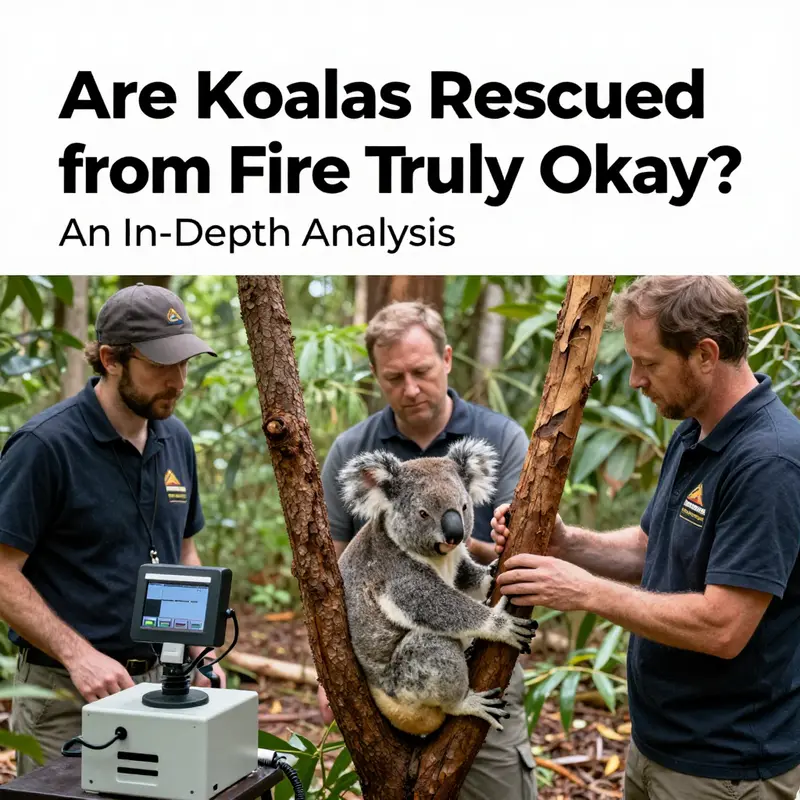
When koalas are rescued from bushfires, the visible drama of smoke and flame is only the start. What follows is a complex, months-long process of assessment, treatment, and careful observation. Systematic monitoring transforms individual rescue stories into measurable outcomes. It shows which animals recover fully, which need long-term care, and which habitats are safe for release. This chapter focuses on how structured health checks and follow-up studies answer the core question: is the koala rescued from fire ok?
Immediate post-rescue assessments are the first critical gateway. Veterinarians and wildlife carers examine wounds, burns, and signs of dehydration or heat stress. In a comprehensive study of koalas after wildfire events, researchers examined 56 animals and found that 10 died or were euthanized. Seven of those deaths occurred among 31 koalas rescued immediately after the fire. These figures underline a difficult truth: rapid rescue does not guarantee survival, and medical triage must be precise.
Yet the data also contain hopeful threads. Follow-up monitoring of many released koalas showed they were generally healthy when recaptured nine months later. This is an important point. The immediate crisis might produce severe injuries in some individuals, but others recover well with proper veterinary care, nutrition, and stress management. Systematic monitoring allows wildlife teams to separate short-term rescue statistics from medium-term rehabilitation outcomes. Without that distinction, we risk underestimating the resilience that many koalas display.
Environmental readiness matters as much as individual health. Koalas are specialist folivores that depend on eucalyptus leaves. After wildfires, the availability of suitable foliage determines whether a released koala can thrive. Research showed that within four months of a wildfire, eucalyptus canopy and leaf chemistry often recover enough to support healthy koala populations. That window gives conservation teams a practical timeline for planning releases. Releasing too early can leave koalas without enough food, and releasing too late can unnecessarily occupy rehabilitation resources and cage space.
Systematic monitoring is not a single technique. It combines field observations, radio-collar tracking, recapture health checks, and habitat surveys. Each method contributes a piece of the puzzle. Tracking reveals movement patterns and habitat use. Recapture and clinical examinations reveal physiological recovery and disease status. Habitat surveys quantify food and shelter availability. When these methods are combined into a standardized protocol, researchers gain a coherent picture of recovery at both the individual and population scales.
Standardization matters. Different organizations previously used varied methods and timeframes, making comparison difficult. Now, state and national agencies increasingly call for consistent protocols. Standardized approaches ensure that a koala deemed fit for release in one region meets the same health and ecological criteria as one released elsewhere. This uniformity improves the credibility of findings and supports evidence-based decisions about relocation, release timing, and post-release support.
Monitoring also identifies hidden threats. Fire-weakened trees can increase the risk of arboreal falls, and altered predator dynamics can expose koalas to new dangers. Systematic follow-up can detect increased injuries or mortality that may not be obvious in the immediate aftermath. For example, if ground predators become more active in a recovering landscape, radio-tracking data may show unusual movement patterns or a spike in disappearances. These signals prompt targeted interventions, such as habitat restoration, supplemental feeding, or predator control where ethical and necessary.
Another critical advantage of monitoring is the ability to measure longer-term trends. Short-term survival provides one snapshot, but conservation aims require multi-year perspective. Recaptures at nine months and beyond reveal whether released koalas maintain stable body condition, breed, or continue to suffer health declines. In the study referenced earlier, many koalas were healthy at release and remained so at nine months. That outcome demonstrates the potential for rehabilitation programs to contribute meaningfully to population recovery when they work in tandem with habitat restoration.
Data from systematic monitoring also guide resource allocation. Rehabilitation centers operate with finite capacity. Knowing when habitats will support released animals helps managers schedule releases to avoid overcrowding. Reliable monitoring data support decisions about where to invest in replanting or corridor creation to connect fragmented populations. They also justify funding for long-term health surveillance, which can be more cost-effective than repeated emergency rescues.
Public support and policy benefit from monitoring too. Clear, evidence-based reporting shows donors and policymakers which interventions succeed and which need improvement. Stories about a single rescued koala can inspire, but systematic evidence proves the broader impact. When monitoring demonstrates healthy outcomes after release, it strengthens the case for investing in both emergency response and habitat protection. Conversely, if monitoring reveals persistent problems, it provides the basis for corrective policy, from land management changes to expanded protected areas.
Monitoring protocols also include welfare safeguards. Pre-release assessments should check for giardia, chlamydia, and other infections that could spread to wild populations. If disease prevalence is high, managers may delay release or choose different release sites. Likewise, behavioral assessments help determine whether koalas have the necessary climbing and foraging skills to survive in the wild. These welfare-focused checks reduce the risk of introducing stress or disease into recovering ecosystems.
There is, however, no single magic solution. Monitoring must be flexible and context-sensitive. Fire severity, regional eucalyptus species, and landscape connectivity differ widely. What works in one national park might not apply elsewhere. This is why multi-method, standardized frameworks remain adaptable rather than rigid. They provide consistent metrics while allowing adjustments for local ecology and logistics.
Finally, monitoring transforms individual rescues into components of a larger recovery strategy. Success stories like managed relocations to suitable eucalyptus forests show how rescue, treatment, and measured release can contribute to rebound efforts. But these successes rest on rigorous follow-up. Without continued observation, good outcomes may go undocumented and opportunities for improvement can be missed.
For those seeking detailed insight into the specific assessment methods and outcomes discussed here, the original research article outlines the protocols and findings in full. That paper provides the clinical criteria, monitoring schedules, and statistical results that underpin the conclusions described.
External reference: https://www.ncbi.nlm.nih.gov/pmc/articles/PMC10487522/
For more context on emergency response principles and community resources related to fire events, see this fire rescue blog: fire rescue blog.
Beyond Rescue: Can Koalas Saved from Fire Really Rebuild Their Home?
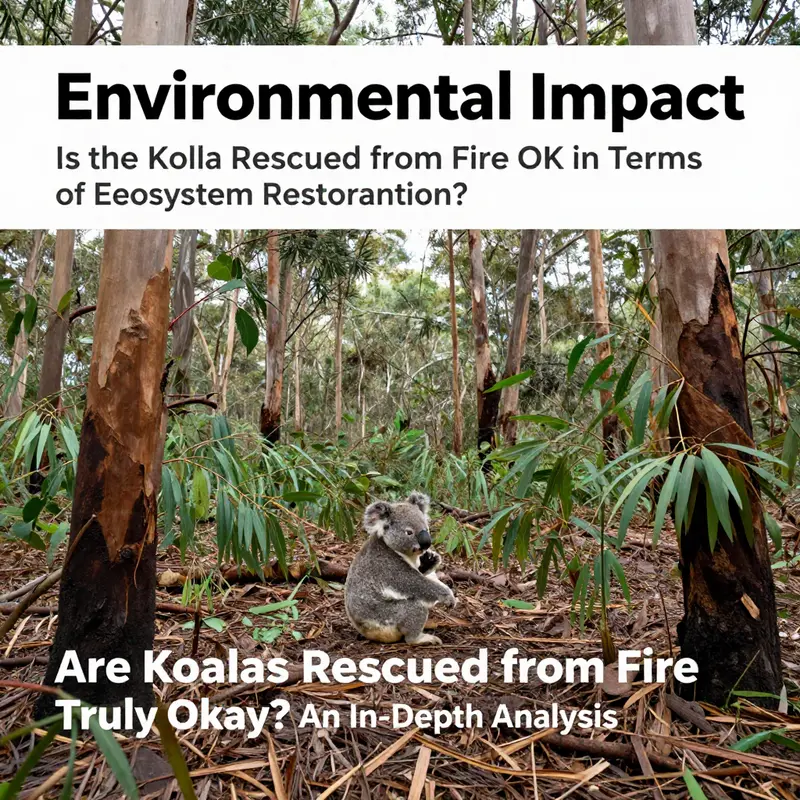
The fate of a koala after it is rescued from a fire depends on much more than its immediate injuries. A single animal can be treated, healed, and released. But whether that animal will thrive depends on a recovering landscape. Rescue addresses urgent suffering. Ecosystem restoration secures future generations. This chapter explores how those two efforts must fit together for a rescued koala to be truly “okay.”
Koalas are specialists. They depend on certain eucalyptus species for food and shelter. When fires sweep through forests, they remove not just animals but the very trees koalas need. In New South Wales, recent assessments found about 80% of koala habitat was affected in some areas. That level of loss changes everything. Trees that feed a koala take decades to reach the size and leaf quality required. Regrowth is not a quick fix.
Regenerating eucalyptus woodlands is complex. Some eucalyptus species sprout back quickly from lignotubers or epicormic buds. Others recover slowly. Even where trees regrow, the structure of the forest changes. Young regrowth lacks the high canopy, hollows, and microclimates that mature forests provide. Koalas need those features for shelter from heat, breeding hollows, and stable food supplies. Thus, a landscape can appear green yet still lack functional habitat.
Fragmentation compounds the problem. Patches of surviving forest become islands in a burned matrix. Koalas that survive or are released into these patches face long journeys to find mates and quality food. Crossing open ground exposes them to predators, heat stress, and vehicle collisions. Fragmented habitats also reduce genetic diversity. Small, isolated populations are more vulnerable to disease and weather extremes.
Disease adds another layer. Koala populations already contend with infectious threats like chlamydia and koala retrovirus. Stress from fire, displacement, and poor nutrition can weaken immune responses. A rescued koala might be healthy at release yet still carry infections that reduce reproductive success. When populations are small or stressed, disease outbreaks can be devastating.
Climate change worsens these trends. Hotter, drier conditions change leaf chemistry and reduce leaf moisture. Koalas obtain most of their water from leaves, so changes in leaf quality reduce their resilience during droughts and heat waves. Fire regimes themselves are shifting, with more frequent and intense fires in many regions. That increases the chance that regrowing stands will be burned again before they mature.
Conservation teams recognize these realities. Wildlife hospitals and rehabilitation centers do stellar work treating burns, dehydration, and injuries. They also monitor animals once released. But medical care alone cannot replace habitat. Successful reintroduction requires planning at landscape scale. That means choosing release sites with sufficient mature trees, food abundance, shelter, and connectivity to other populations.
Efforts to relocate koalas to intact forests are promising when they match ecological needs. Recent relocations to protected eucalyptus stands within national parks show that, when food is available and monitoring is rigorous, rescued koalas can settle and feed. Still, these interventions must be paired with long-term measures to restore broader habitat and reduce ongoing threats.
Restoration strategies must be practical and diverse. Active tree planting speeds recovery in priority areas. Favoring a mix of eucalyptus species ensures dietary options and resilience to pests and disease. Protecting surviving mature trees preserves hollows and seed sources. Creating corridors between patches lets koalas move safely and maintain gene flow. On private land, incentives and stewardship programs help landowners keep and restore koala-friendly vegetation. These actions require coordination across agencies, landholders, and communities.
Fire management also matters. Controlled burns, when carefully applied, can reduce fuel loads and protect key refuges. But poorly planned burns may harm recovering areas and young regrowth. Fire management must balance reducing large fire risk with conserving habitat features essential to koalas. That balance is a technical and social challenge requiring scientific guidance and community agreement.
Breeding and release programs are tools, not solutions. They can bolster numbers in the short term. But without habitat and connectivity, released koalas may starve or fail to reproduce. Reintroduction protocols now emphasize site assessment, pre-release conditioning, and post-release monitoring. Success metrics include survival, reproduction, and evidence of the animals using the habitat naturally over years.
Monitoring is critical. It tells managers if interventions work and where to adapt. Techniques range from radio-tracking individuals to landscape-level surveys of tree cover and leaf quality. Long-term datasets reveal trends in population size, genetic diversity, and habitat maturity. Adaptive management uses these data to change planting priorities, corridor routes, or release strategies.
Funding and policy are persistent constraints. Large-scale restoration is expensive and spans decades. Land-use decisions, such as development or logging near remnant forest, can undermine restoration gains. Policies that protect remaining habitat, fund restoration, and prioritize conservation in regional planning are essential. Community engagement multiplies impact. Local volunteers can help with planting, monitoring, and advocating for protective measures.
The story of individual koalas can inspire action. High-profile survivors draw attention and funding. But emotional rescue stories must translate into durable conservation commitments. Rescue and rehabilitation create opportunities. They highlight where habitat is desperately needed and where restoration can make a difference.
In the end, a rescued koala can be physically “okay” yet still face ecological hardship. True recovery requires a blend of medical care, thoughtful release planning, sustained habitat restoration, and policies that protect and connect forests. If those pieces come together, rescued koalas can be the first generation to reclaim regenerated landscapes. If they do not, relief for one animal may remain a temporary victory.
For practical guidance and ongoing information about habitat restoration, rehabilitation, and conservation initiatives for koalas, consult the Australian Koala Foundation: https://australiankoalafoundation.org.
For broader fire and rescue context that often intersects with wildlife recovery work, see the fire and rescue blog for updates and resources: fire and rescue blog.
From Ember to Eden: Real-Life Case Studies of Koalas Rescued from Fire, Their Triumphs, and the Ongoing Hurdles of Rewilding
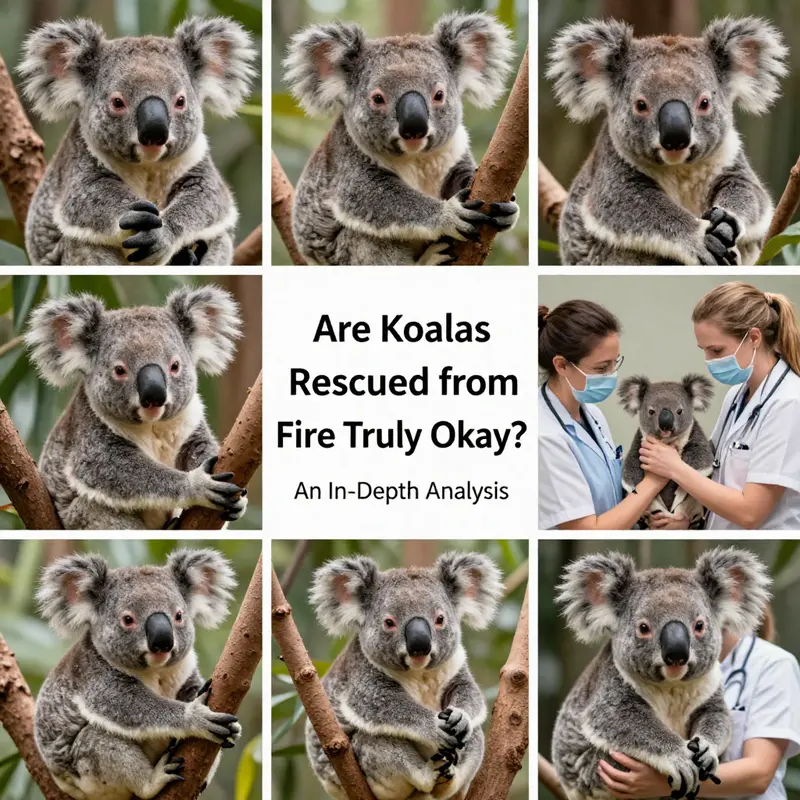
The koalas who survive fire are not simply survivors; they become touchstones for how humans respond to ecological catastrophe with science, patience, and care. Across Australia, the memory of each blaze lives on in the trees that remain and in the animals that cling to life long enough for rehabilitation to offer another chance. The most powerful narratives are not just about the spark and the smoke, but about the long arc of recovery that follows. In this chapter, we trace a thread through several emblematic cases, from the dramatic rescues that capture headlines to the quiet, painstaking work of medical treatment, learning to climb again, and the careful journey back into a landscape that may never look the same as it did before the fire. These stories, taken together, illuminate both the promise and the complexity of freeing koalas from the margins of danger and placing them back into a world where food, shelter, and safety must be earned anew.
The tale of Lucky, rescued during the 2009 Black Saturday bushfires in Victoria, remains one of the most enduring portraits of resilience that wildlife carers can offer to the public. Found traumatized, parched, and bearing the telltale scars of burns, Lucky was cared for with exceptional gentleness and patience. He learned to trust again, and the moment when a rescuer offered him water—the small, deliberate act of feeding life back into a creature that had lost so much—became a powerful symbol of what compassionate, sustained care can achieve. Lucky’s eventual return to the wild, his life in a nature reserve, and his passing years later underscores a truth that guides rehabilitation efforts: recovery is not a single act but a long, evolving process. The emotional bonds formed between carers and rescued koalas can influence how people think about wildlife, driving public support for medical facilities, rescue networks, and habitat protection. This case reminds us that early intervention, gentle handling, and a steady pace toward independence lay the groundwork for meaningful, enduring outcomes. It also cautions us that even after a koala appears to thrive, there can be lingering effects—partly invisible, but real in the form of respiratory challenges or scar tissue—that require ongoing attention and care.
The following years carried increasingly systematic programs designed to bridge the gap between rescue and release. The 2019–2020 bushfire season, one of the most severe on record, catalyzed a broader, more structured approach to koala rehabilitation. Wildlife hospitals and sanctuaries rose to the challenge with a triad of medical treatment, rehabilitation, and rewilding. Burn wounds required careful wound management and infection control, respiratory problems demanded specialized monitoring and supportive therapies, and dehydration called for meticulous fluid management. Yet beyond the immediate medical care, a deliberate effort to restore the koalas’ functional abilities—climbing, foraging, and navigating a forest canopy—became central to the rehabilitation process. A key component of this approach was the rewilding program, in which rescued koalas were gradually reintroduced to natural environments. Large, climate-controlled enclosures simulated the density, routes, and textures of native forests, helping animals regain strength, balance, and the confidence to move through trees as they would in the wild. The progression from medical stabilization to behavioral restoration reflects a sophisticated understanding of what survival truly requires: not merely limbs and breath but the complex interplay of senses, muscle memory, and spatial awareness.
Within this evolving framework, specific habitat restoration efforts gained new urgency as koalas began to move beyond hospital walls and into landscapes that were both promising and perilous. The Blue Mountains region, for example, became more than a backdrop for drama and rescue; it became a testbed for how to reframe the equation of survival in altered environments. A notable initiative involved relocating a group of 12 koalas from devastated bushlands to a eucalyptus forest within Kanangra-Boyd National Park. Wildlife experts assessed their new surroundings with careful attention to food availability, particularly the abundance of eucalyptus leaves, which provide not only nutrition but an essential anti-stress compound for koalas. The relocation was accompanied by scientific monitoring led by researchers such as Dr. Kellie Leigh from Science for Wildlife, who emphasized the need for ongoing observation to ensure the animals settle in, adapt to their new home, and maintain their health as seasons shift and weather challenges arise. This effort, seen as a hopeful model, illustrates how targeted habitat restoration paired with careful relocation can offer a pathway back to the wild when typical home ranges have been destroyed or diminished. It also highlights the reality that successful rehabilitation depends on a landscape capable of sustaining the koalas in the long term, not just during the moment of rescue. The presence of plentiful eucalyptus trees, the cleanliness of water sources, and the structural integrity of remaining canopies all contribute to a viable future.
Yet the story is never simple. The path from rescue to resilience is punctuated by ongoing challenges that test the resilience of both animals and the institutions designed to help them. The most visible hurdles include severe burns and dehydration, but covert, long-term health concerns can complicate every stage of recovery. Chronic pain, reduced lung capacity from smoke inhalation, and the enduring risk of post-traumatic stress-like responses can influence behavior in ways that affect foraging, social interactions, and willingness to climb. In these cases, rehabilitation teams must balance the urgency of immediate healing with the slower, iterative process of reconditioning an animal to wild living. The physical realities of a burned landscape—blackened trunks, altered food webs, fragmented corridors of forest—also complicate the koalas’ return. Even when an animal regains strength, the patchwork of habitat can present physical barriers to movement, limiting access to essential feeding areas or shelter and forcing new routes through unfamiliar terrain. The social dimensions of recovery matter as well. Koalas rely on relatively stable tree networks for safety and mating, and disruptions to these networks can influence population dynamics in ways that are not immediately visible to the eye, underscoring why rehabilitation cannot be confined to individual animals alone.
Against this backdrop, the broader questions of conservation strategy come into sharp relief. The koala’s long-term prospects depend on the protection and restoration of forest habitats that support sustained populations. The intertwining threats of climate change, recurring fires, and habitat fragmentation demand a comprehensive approach: reducing the frequency and intensity of fires through landscape-scale management, safeguarding remaining and regenerating forests, and encouraging connected corridors that allow koalas to migrate safely as environments shift. The benefits of such efforts extend beyond koalas; healthier forests support myriad species and contribute to regional resilience against droughts and heat. In this sense, the koala chapters of fire resilience become chapters in a larger story about how communities, scientists, and policymakers can collaborate to steward ecosystems through disruption and recovery.
Embedded in these narratives is a practical, grounded message for readers who might be pondering how to engage with wildlife rescue and conservation. Case studies like Lucky’s journey, the post-fire rehabilitation programs, and the Blue Mountains relocation offer more than inspiration; they provide a framework for understanding what success looks like—and what it costs. They remind us that the road from rescue to release is paved with careful decision-making, sustained funding, and a commitment to habitat health long after the cameras have moved on. To those who want a closer look at how frontline teams translate studies into action, resources such as the fire rescue blog can offer ongoing insights into field practices, patient care, and the daily realities of keeping vulnerable wildlife safe in the face of danger. For readers seeking a concise, reader-friendly entry point, these narratives also underscore the importance of supporting habitat protection and climate action so that the koalas who survive today do not face the same peril tomorrow. Firenrescue.net blog (https://firenrescue.net/blog/) provides a window into the kinds of practical considerations that shape rescue work and rehabilitation outcomes.
In absorbing these case studies, it is tempting to adopt a single, triumphant takeaway. Yet the evidence favors a more nuanced conclusion: rescued koalas can and do recover, but their futures are inseparable from the health and stability of their habitats. The success stories—Lucky’s compassionate arc, the carefully staged rewilding in sanctuaries, and the hopeful relocation in Kanangra-Boyd—are testimonies not only to animal resilience but to human skill and perseverance. They demonstrate what is possible when veterinary medicine, behavioral science, and landscape management converge with a shared commitment to care. They also warn us not to become complacent. As fires intensify and climates shift, the same energy must be harnessed to protect the remaining forests, to restore degraded habitats, and to build ecological safeguards that permit vulnerable species like koalas to endure generations of upheaval.
The koalas rescued from fire remind us that resilience is both personal and systemic. Individual animals recover, adapt, and sometimes thrive, but the health of their populations depends on the environmental conditions that enable survival in the wild. The chapter of their lives after a blaze is not closed when they leave a rehabilitation center; it continues as they navigate forests shaped by the scars of past fires. Each success story provides a beacon for communities and a benchmark for future work, while each challenge reinforces the reality that recovery is fragile and contingent on proactive stewardship. The ongoing work—medical care, behavioral rehabilitation, habitat restoration, and climate resilience—must remain a collective priority if koalas are to reclaim the landscapes they have long inhabited. To readers who want to dive deeper into the practicalities behind these stories, the linked resource and the related reporting offer a gateway to the complexities of rescue, care, and conservation in a changing world. External resource: https://www.abc.net.au/news/2009-02-11/koala-rescue-story-lucky-the-fire-survivor/867456.
Guardians of the Ember: Securing a Future for Koalas Rescued from Fire
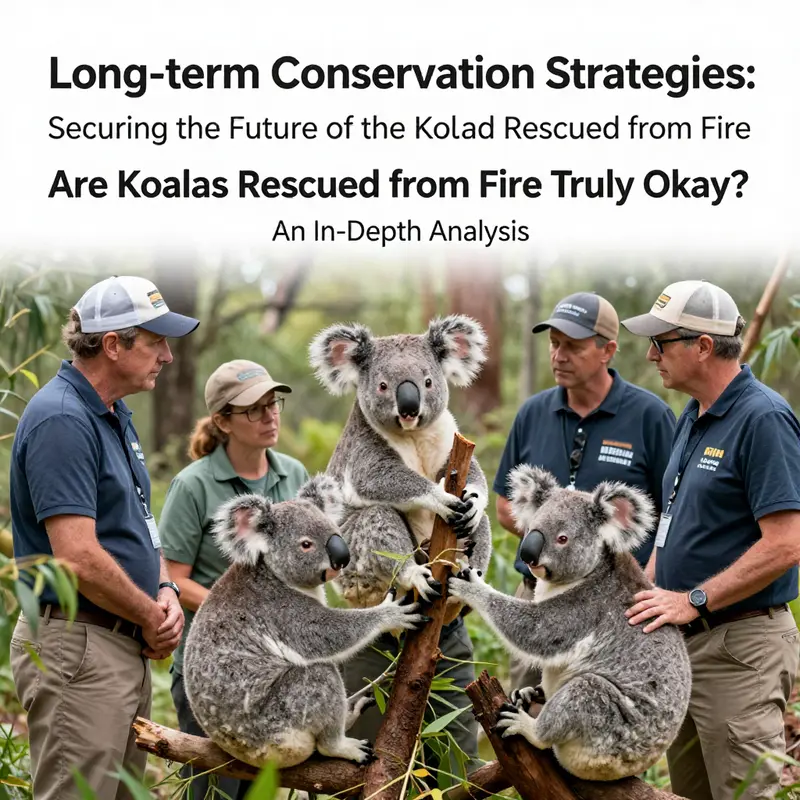
When a choir of sirens cuts through the smoke and the horizon glows with embers, the sight of a koala escaping burn and ash is both heartbreaking and hopeful. The koalas rescued from recent bushfires, like the twelve individuals relocated to a more secure eucalyptus corridor within Kanangra-Boyd National Park, become living symbols of what happens when science, care, and long-term planning converge. The immediate rescue work is only the first act; the real drama unfolds in how communities, researchers, and conservationists translate a perilous moment into a durable recovery. This chapter offers a cohesive view of the long-term conservation strategies necessary to secure a future for koalas rescued from fire, moving beyond rescue to restoration, monitoring, and adaptive management. It situates the drama of a single rescue within a broader environmental narrative—one that recognizes koalas as specialists whose survival depends on carefully managed forests, vigilant health programs, and the capacity to respond to a shifting climate. In this frame, the story of the Blue Mountains koalas becomes a blueprint for what it takes to move from crisis to continuity, not by luck but by coordinated action across science, policy, and community stewardship. The long arc, in short, is about designing landscapes that koalas can navigate with confidence, even as the weather itself grows more volatile.
Habitat restoration stands at the heart of this effort. Koalas depend on a mosaic of eucalyptus forests, where different species provide both their diet and the trees that shelter them from predators and heat. Yet these forests are not static; they are living systems that respond to fire, drought, and disease in ways that can fragment populations and sever genetic ties. Large-scale reforestation, therefore, is more than planting trees. It is about selecting native eucalyptus species that koalas recognize instinctively, restoring canopy layers that offer shade and thermoregulation during hotter seasons, and creating a network of connected habitats that allow animals to move in response to changing food availability. Organizations such as the Australian Koala Foundation emphasize the need to weave these patches into corridors that knit together distant populations, ensuring genetic diversity that buffers against disease and environmental stress. In practice, this means coordinating land restoration with private landholders, local governments, and conservation trusts to steward a spectrum of habitats—from dense stands that support seedlings to open compartments that enable migration. The work requires patience and scale; koalas do not rebound overnight, but when a forest patch is enhanced and linked to its neighbors, the chances of a sustainable population survive stretch themselves into the future. Within this long-term framework, the relocation of the twelve Blue Mountains koalas to Kanangra-Boyd’s protected expanse offers a tangible proof of concept: a carefully chosen habitat with adequate eucalyptus resources can become a springboard for recovery rather than a temporary shelter.
Disease management forms a parallel axis of resilience. Chlamydial infections and other pathogens have long shadowed koala populations, especially in disrupted landscapes where stressors from fire recovery or habitat loss collide with immune challenges. Long-term conservation accepts that medicine alone cannot secure a species’ future; it requires systematic health monitoring, vaccination research where appropriate, and veterinary protocols that can be scaled up during outbreaks. Health surveillance programs track signs of disease, body condition, and nutrition status across wild and rehabilitated cohorts. In rehabilitation centers, koalas receive targeted care for injuries and dehydration, but the longer arc prioritizes preventive care in the wild—regular check-ins through field health teams and the rapid deployment of medical resources when a cluster of illness emerges. This approach reduces the risk that short-term incidents snowball into population-level declines. The science here is iterative: as new data on disease prevalence and transmission pathways accumulate, protocols are refined, ensuring that rescued individuals do not become reservoirs for pathogens that could impact wild populations. The integration of veterinary science with landscape management is essential, because a healed koala is not merely one individual but a node in a wider population network. The coordinated effort to maintain health across the species relies on partnerships with researchers who model disease dynamics and with wildlife centers that translate those models into practical vaccination and screening strategies. In this sense, the fate of a single animal echoes through the health of the broader koala communities.
Climate change adds another layer of complexity to long-term planning. As temperatures rise and rainfall patterns shift, the suitability of current koala habitats will change, requiring the creation of wildlife corridors that permit adaptive movements. The idea is not to confine koalas to a single forest belt but to offer a suite of connected environments across altitudes and microclimates. Canopy continuity, riparian shade, and soil stability all contribute to resilience, allowing koalas to chase cooler refuges as heat intensifies. Corridors must be designed with attention to keystone trees that sustain koalas during droughts and to edge management that reduces exposure to predators and human disturbances. This climate-adaptive thinking aligns with broader conservation principles that recognize landscapes as dynamic rather than static. It also invites a more proactive stance toward land-use planning, encouraging governments and communities to preserve or restore habitat in strategic places where climate models predict future suitability. The Kanangra-Boyd example underscores how targeted habitat enhancement can serve as a climate buffer, but it also signals that continual adjustment will be necessary as conditions shift.
A robust long-term program binds these threads together with governance, funding, and community engagement. The operational reality of koala conservation rests on sustained investment—money, time, and political will that persist beyond headlines andburnt horizons. Long-term success depends on coordinating conservation science with policy instruments that protect critical habitat, incentivize private land restoration, and support monitoring. It also calls for transparent reporting so communities understand the progress and challenges of rewilding koalas after fire. Public engagement is not merely an outreach exercise; it is an essential input to decision-making. Local knowledge, volunteer efforts, and citizen science contribute to a living feedback loop that helps scientists refine restoration plans and disease surveillance. The spirit of collaboration is echoed in forums where researchers share field results, management strategies, and ethical considerations about the welfare of rescued animals. For instance, scientists and practitioners collaborate in ways that translate field observations into scalable action, ensuring that each koala released back into habitat carries with it the chance to thrive, rather than merely survive. In this context, the resilience of koala populations becomes a shared responsibility, one that extends from the bench to the bush and into community life.
The chapters of this long-term narrative are not written in isolation. They unfold through networks that connect on-the-ground work with national and international conversations about biodiversity, forest management, and climate adaptation. Dr. Kellie Leigh and Science for Wildlife exemplify the kind of cross-disciplinary leadership that makes these experiences transferable. Their work, and that of many colleagues, shows how careful monitoring, adaptive management, and public accountability can turn a high-stakes rescue into a durable conservation outcome. The Blue Mountains relocation story is not an endpoint but a living case study—a test case that demonstrates how habitat restoration, disease control, and climate adaptation can function in synergy to secure a koala’s future after fire. Such synergy is essential because each element amplifies the others: healthier habitats reduce stress and disease risk, while proactive disease management sustains population health amid habitat recovery. Together, they create a feedback loop in which healthier ecosystems support healthier koalas, which in turn motivates continued conservation action and stronger protections for forests that sustain entire communities of flora and fauna.
As this chapter moves toward its close, it is useful to acknowledge how information moves through the broader conservation ecosystem. Knowledge sharing across organizations and individuals accelerates progress. In practice, this means repositories of field observations, standardized health metrics, and shared criteria for habitat success become tools that other fire-affected regions can adopt. The power of this approach lies not only in scientific rigor but in its accessibility to land managers, volunteers, and policy advocates who are committed to restorative outcomes. The day when koalas rescued from fire can be celebrated as a thriving presence in diverse forest communities depends on how well we plan today. It depends on the willingness to invest in large-scale habitat restoration, to sustain disease surveillance, and to build climate-ready corridors that give koalas room to move and breathe. It depends, in short, on a shared vision of forests as living systems that can recover and adapt, and on guardians—scientists, volunteers, and communities—who stand beside them as they weather the next set of embers.
For readers seeking practical connections to ongoing initiatives, the fire-rescue community offers a rich tapestry of knowledge and experience. The exchange of insights across projects keeps recovery efforts nimble and responsive, ensuring that the lessons learned from one rescue inform future actions. The link to the broader conversation can be found in the community’s ongoing documentation and discussion, including resources at firenrescue.net/blog. This open channel embodies the ethos that recovery is best pursued openly, with every koala becoming a messenger of the forest’s capacity to heal. In sum, the rescue of twelve koalas from the Blue Mountains is a hopeful hinge—not a conclusion but a catalyst. The long-term conservation of these animals will depend on deliberate habitat restoration, vigilant health management, and climate-aware planning that together create resilient landscapes capable of supporting koalas for generations to come. The work is ongoing, collaborative, and deeply rooted in the ecological truth that a koala’s survival is inseparable from the forests it calls home.
External resource: https://www.koala.org.au/
Final thoughts
The journey of koalas rescued from bushfires highlights the resilience of these magnificent animals and the critical role rehabilitation and monitoring play in their recovery. The insights provided throughout this article underscore the importance of continual support and action, whether through systematic health evaluations or targeted conservation strategies. As demonstrated by successful case studies, the path to ensuring the long-term survival of koalas hinges on our commitment to restoring their habitats and enhancing their ecosystems. While the challenges are formidable, the inspiring stories of these survivors fuel our determination to advocate for their welfare and ensure their rightful place in Australia’s natural landscape.