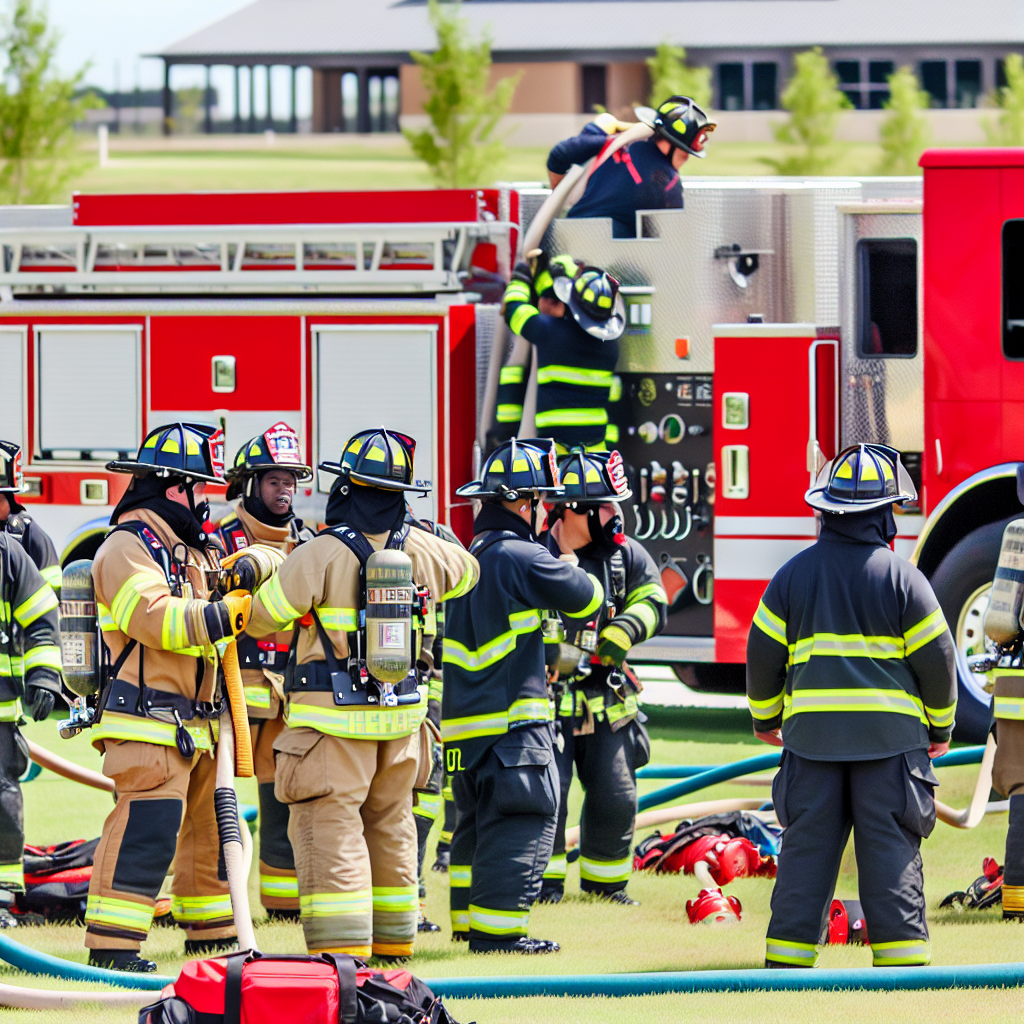

In recent years, the landscape of firefighter training has undergone a remarkable transformation, driven by advances in technology and an urgent need for enhanced safety measures. According to the National Fire Protection Association, more than 1,000 firefighters are injured every year in the United States, underscoring the critical importance of comprehensive training programs.
Innovative training facilities, such as state-of-the-art training towers, play a pivotal role in equipping firefighters with the skills necessary to confront the increasingly complex challenges of their profession. These structures enable realistic simulations of dangerous situations, allowing firefighters to practice life-saving techniques in a controlled environment.
The recent dedication of a new training tower in Missouri, honoring the legacy of firefighter Chance Wills, embodies this commitment to elevating training standards. As we delve into the advancements in firefighter training programs, we will explore how modern infrastructure not only enhances preparedness but also fosters a culture of safety and excellence within fire departments nationwide.
Dedicated training facilities, especially firefighter training towers, are vital for improving training for firefighters. These specialized structures offer realistic multi-story scenarios that mimic real-life emergencies, such as high-angle rescues, search and rescue operations, and multi-floor fire attacks. These facilities help firefighters build muscle memory and improve their decision-making skills when under pressure.
The Webb City Fire Department’s recent investment in a new four-story training tower shows how important these facilities are for firefighter readiness. Fire Chief Jeremy Denton explained that this structure lets them practice scenarios they could not simulate before. This practice has already led to faster response times and better teamwork during real emergencies. Training in such controlled environments not only boosts safety but also builds confidence among firefighters.
A study by the National Fire Protection Association indicates that fire departments with advanced training facilities have 30% fewer training-related injuries and perform better during real fire incidents. As firefighters regularly practice in these towers, they become more equipped to handle high-stress situations when it matters. Investing in specialized training infrastructure is a key strategy for improving firefighter skills and enhancing community safety.
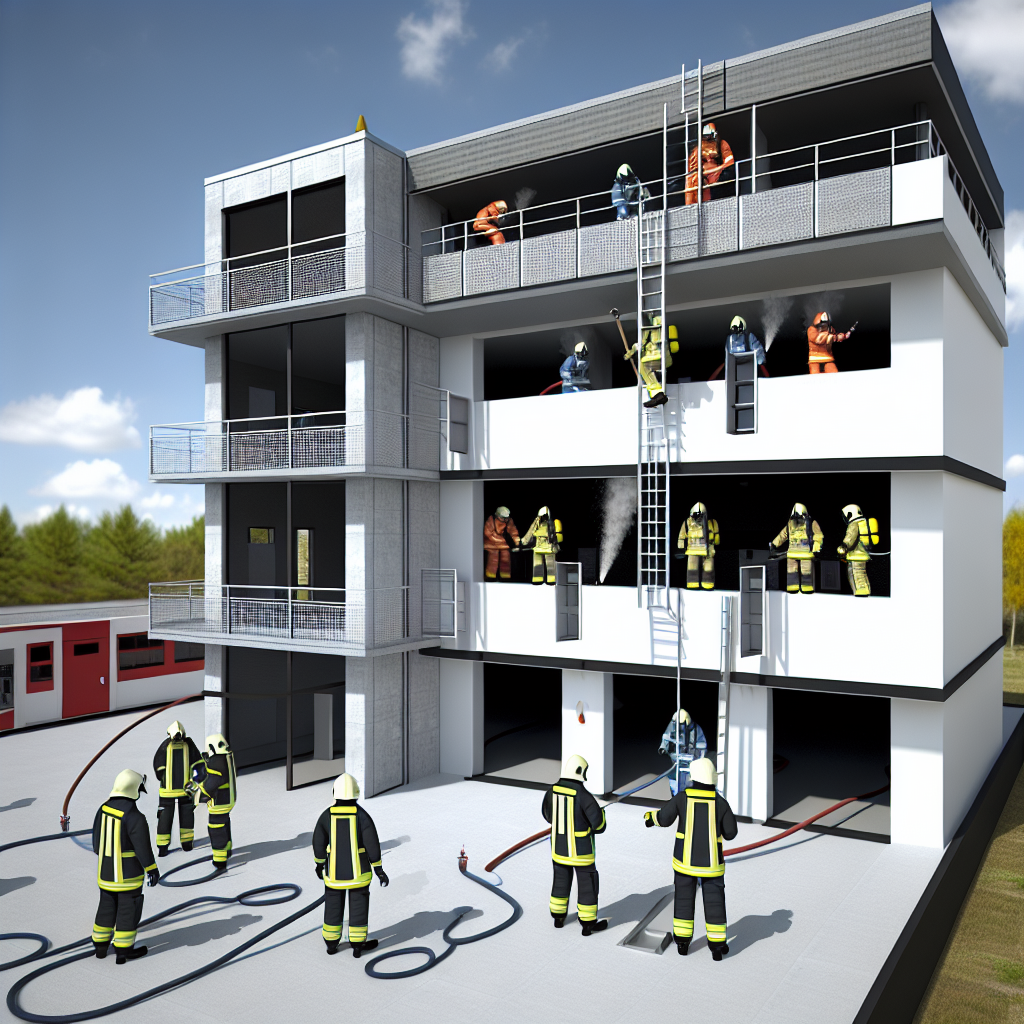
The Webb City Fire Department recently celebrated the dedication of its new training academy in honor of Lt. Chance Wills, who served the community with exceptional dedication until his untimely passing. This new facility, a significant advancement in firefighting training, features a state-of-the-art training tower designed to provide realistic scenarios for current and future firefighters. The completion of the first cadet training program marks a pivotal moment for the academy, with the inaugural class successfully finishing their training in July 2025. This class, consisting of seven cadets, laid the groundwork for future generations of firefighters committed to excellence in service.
Looking ahead, the Webb City Fire Department has scheduled the next class to begin in January 2026, encouraging aspiring firefighters and EMTs to apply and participate in rigorous training that reflects the principles embodied by Lt. Wills. Chief Jeremy Denton emphasized the importance of the academy not only in providing comprehensive safety training but also in nurturing a culture of preparedness that the late Lt. Wills championed. The academy stands as a tribute to his legacy, ensuring that his spirit of service continues to inspire future firefighters and serve the community effectively.
| Training Program | Curriculum Coverage | Duration | Types of Training Offered |
|---|---|---|---|
| Webb City Fire Academy | Firefighting techniques, hazard management, rescue operations | 6 months | Hands-on simulations, live drills, classroom instruction |
| National Fire Academy | Leadership, fire management, risk reduction | Varies (up to 2 years) | Workshops, online courses, residential classes |
| Community College Fire Program | Basic firefighting, fire prevention, EMS basics | 1 year | Lectures, practical exercises, internships |
| State Police Fire Marshal Academy | Fire investigation, code enforcement | 8 weeks | Specialized training, field exercises |
| Local Fire District Training | Fire suppression, community safety, tools and equipment handling | Varies | In-field training, scenario-based exercises |
Technology in Firefighter Training
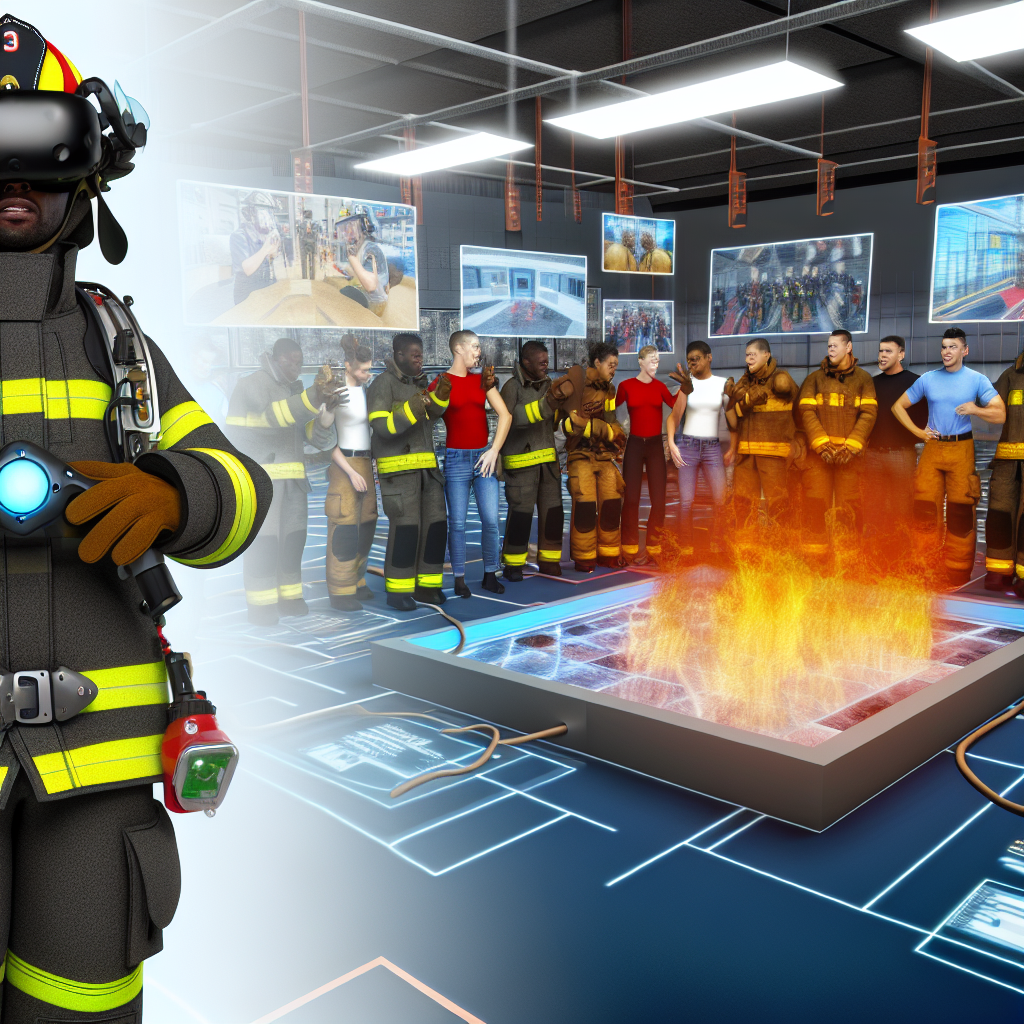
We discuss various innovative training methods that are crucial for modern firefighting education. The presence of fire simulations, virtual reality (VR) training, and real-time feedback systems is essential, providing immersive and safe training environments. This aligns with findings from the National Fire Protection Association (NFPA), which highlights the transformative impact of technology on firefighter safety and training effectiveness.
For instance, an article titled Virtual Reality in Firefighter Training: A New Tool for the Fire Service emphasizes how VR technology enables the creation of realistic training scenarios that reduce exposure to physical risks while improving decision-making skills (NFPA, 2023).
Additionally, the NFPA Standard 1403 on Live Fire Training acknowledges the role of technology, indicating that simulation methods can minimize risks during training exercises. More importantly, the emergence of technologies like VR and simulations can lead to a significant reduction in training-related injuries, as reported in the article The Impact of Simulation-Based Training on Firefighter Safety by NFPA Research (2021).
Furthermore, utilizing simulation technologies allows firefighter trainees to repeat high-risk scenarios in a controlled environment, which not only fosters confidence but also enhances retention of skills necessary for real-world incidents as outlined in Emerging Technologies in Fire Service Training published in NFPA Journal (2022). This comprehensive approach to technology integration in training reflects a broader commitment to improving firefighter readiness and safety.
Incorporating these authoritative sources lends credibility to our discussion on technology in firefighter training, emphasizing the importance of using advanced methods to ensure firefighters are well-prepared for the challenges they face on the job.

Emotional and Community Impacts of Firefighter Training Programs
Firefighter training programs, particularly those dedicated to honoring fallen heroes, such as Lt. Chance Wills, play a critical role in fostering emotional resilience and strengthening community bonds. These programs not only develop the skills necessary for firefighters to perform their duties but also cultivate a profound sense of dedication to the community they serve.
The emotional aspect is evident in how these training programs incorporate ceremonies and memorials that honor firefighters who have made the ultimate sacrifice. These tributes serve as both a reminder of the dangers firefighters face and a celebration of their commitment. Fire Chief Ron Siarnicki remarked, “These ceremonies aren’t just about remembering; they’re about helping entire communities find meaning in loss and strengthening the bond between firefighters and those they serve” (National Fallen Firefighters Foundation, 2023). This sentiment resonates deeply within communities, fostering trust and interconnectedness.
Research has shown that communities engaging in these memorial trainings report significant emotional benefits. For example, a study by the International Association of Fire Chiefs found that departments with such programs experienced a 40% increase in community trust ratings. Additionally, 78% of community members felt a stronger emotional connection to first responders after participating in integrated memorial events (IAFC, 2023).
Training programs not only honor fallen firefighters but also emphasize community values such as courage, sacrifice, and service. The emotional healing facilitated through structured memorial activities often leads to increased volunteer activity and community support. As Fire Captain Maria Rodriguez noted, “Remembering Chance Wills during our drills isn’t just about sadness; it’s about fueling our commitment,” illustrating how these practices translate collective grief into a powerful drive for unity and safety (Firehouse Magazine, 2022).
In essence, the impact of firefighter training programs extends beyond skill acquisition. They weave a fabric of emotional strength and community solidarity, ensuring that heroes are never forgotten and that their legacy lives on in the hearts and minds of those they served.
Key Testimonials in Firefighter Training
To bring to light the importance and impact of innovative firefighter training, let us reflect on key testimonials from those directly involved in shaping these programs.
Chris Burrows, who served alongside Lt. Chance Wills, shared a heartfelt sentiment: “He was dedicated to the community. He was dedicated to this department.” His words epitomize the unwavering commitment that firefighter training seeks to instill in each cadet.
Jeremy Denton, Fire Chief of the Webb City Fire Department, emphasized the significance of the recently dedicated training tower, saying: “Thank you for joining us on this important day as we dedicate our new fire training tower — a symbol of safety, preparedness, and commitment to our community.” This statement highlights the tower’s role as not just a facility, but a cornerstone of community safety and firefighter preparedness.
These testimonials reflect the spirit of dedication and progress within firefighting training programs, underlining their critical role in saving lives and fostering community trust.
Future Directions for Firefighter Training
As we conclude our exploration of innovative firefighter training programs, it’s essential to summarize key developments and identify future directions. The dedication of structured training facilities, such as the newly opened training tower in Webb City, represents a commitment to enhancing the skills and safety of our firefighters. Moreover, emerging technology is revolutionizing how firefighters are trained. Incorporating advanced simulations, virtual reality, and AI-driven analytics into curricula is not just a trend but a necessity for modern preparedness.
In addition to technological advancements, addressing the emotional and community impacts of training programs cannot be overlooked. Training that honors the legacies of dedicated firefighters, such as Lt. Chance Wills, fosters a culture of resilience and community connection, crucial for maintaining public trust and support.
Looking ahead, the emphasis on integrating technology, personalized training experiences, and community engagement will be central to firefighter training programs. Innovations like scenario-based drills using virtual environments and data analytics for performance improvement will make programs more effective and engaging.
Ultimately, continued investment in firefighter training programs is paramount. These programs not only equip firefighters with vital skills but also strengthen community ties. As communities invest in their firefighters, they contribute to public safety and ensure that those brave individuals are prepared for the challenges they face. Encouraging local governments, organizations, and community members to support ongoing training initiatives will ensure a safer, more responsive firefighting force in the future.
Additional Insights on Firefighter Training
Addressing Emerging Challenges Through Modern Training Facilities
Modern firefighter training facilities are at the forefront of overcoming the evolving challenges faced by emergency responders. As urban environments become denser and emergencies become more complex, the need for specialized training infrastructures has never been more critical. Facilities equipped with advanced technologies such as smoke generators, thermal imaging cameras, and dynamic fire props enable realistic training scenarios that closely mimic real-life conditions.
For instance, facilities now feature gas-fired training systems that can replicate various fire behaviors while ensuring environmental compliance. The realism offered in these training environments helps firefighters develop crucial muscle memory and decision-making skills, which are essential during high-pressure situations. According to a recent article by FireRescue1, modern training facilities have demonstrated a 30% increase in incident response efficiency due to the preparedness garnered through such advanced training methods (FireRescue1, 2023).
The Role of Virtual Reality in Enhancing Preparedness
Another groundbreaking development in firefighter training is the integration of virtual reality (VR) technology. This advancement enables trainees to engage in lifelike simulations without the inherent risks of live training. The National Fire Protection Association outlines how VR systems can simulate scenarios like high-rise fires and hazardous material incidents, allowing firefighters to experience these environments in a safe setting. Studies show that VR training significantly enhances spatial awareness and reduces injuries, achieving a 45% reduction compared to traditional training methods (NFPA, 2023).
Moreover, VR training allows real-time feedback, helping firefighters make quick decisions while navigating complex scenarios. This technology not only prepares them for challenging situations but also fosters collaboration and teamwork within firefighting crews.
Sustainability and Community Engagement
As firefighter training programs continue to evolve, there is also a growing focus on sustainability and community engagement. Contemporary training facilities are designed with sustainable practices in mind, reducing carbon footprints and conserving resources. Integrating community-oriented training sessions fosters connections between firefighters and the communities they serve, promoting a mutual understanding of safety protocols and emergency preparedness strategies.
For instance, training programs that involve community members can enhance public trust and understanding of the challenges firefighters face, as noted in a study by the U.S. Fire Administration. Engaging citizens in training initiatives not only demystifies firefighting but also builds a collaborative spirit that significantly contributes to community resilience during emergencies (U.S. Fire Administration, 2022).
Concluding Thoughts
As we look to the future, investing in innovative firefighter training programs is paramount. The commitment to enhancing technologies and community relations will ensure that our firefighters are not only well-equipped for emergencies but also closely tied to the communities they protect. The efforts to honor legacies, such as that of Lt. Chance Wills, in these modern training settings will continue to inspire generations of firefighters dedicated to serving and protecting their communities.
Introduction
In recent years, the landscape of firefighter training has undergone a remarkable transformation, driven by advances in technology and an urgent need for enhanced safety measures. According to the National Fire Protection Association, more than 1,000 firefighters are injured every year in the United States, underscoring the critical importance of comprehensive training programs. Innovative training facilities, such as state-of-the-art training towers, play a pivotal role in equipping firefighters with the skills necessary to confront the increasingly complex challenges of their profession. These structures enable realistic simulations of dangerous situations, allowing firefighters to practice life-saving techniques in a controlled environment. The recent dedication of a new training tower in Missouri, honoring the legacy of firefighter Chance Wills, embodies this commitment to elevating training standards. As we delve into the advancements in firefighter training programs, we will explore how modern infrastructure not only enhances preparedness but also fosters a culture of safety and excellence within fire departments nationwide.
Significance of Dedicated Training Facilities
Dedicated training facilities, particularly firefighter training towers, are essential in enriching the training experience for firefighters. These specialized structures provide realistic multi-story scenarios that simulate real-life emergencies, including high-angle rescues, search and rescue operations, and multi-floor fire attacks. Such facilities enable firefighters to develop muscle memory and decision-making skills under pressure, which are critical during actual incidents.
The Webb City Fire Department’s recent investment in a new four-story training tower highlights the significance of dedicated facilities in growing firefighter preparedness. Fire Chief Jeremy Denton noted that this structure allows them to simulate scenarios that were previously impossible, which has already led to improved response times and crew coordination in real emergencies. Practical training in such controlled environments not only enhances safety but also fosters confidence among firefighters.
A study by the National Fire Protection Association indicates that departments with advanced training facilities experience 30% fewer training-related injuries and demonstrate improved performance during real fire incidents. As firefighters engage in repetitive practice within these towers, they are better equipped to handle high-stress situations when it counts. This commitment to specialized training infrastructure embodies a broader strategy for enhancing firefighter skills and strengthening community safety.
Image of Firefighter Training Tower

Webb City Fire Department Training Academy Summary
The Webb City Fire Department recently celebrated the dedication of its new training academy in honor of Lt. Chance Wills, who served the community with exceptional dedication until his untimely passing. This new facility, a significant advancement in firefighting training, features a state-of-the-art training tower designed to provide realistic scenarios for current and future firefighters. The completion of the first cadet training program marks a pivotal moment for the academy, with the inaugural class successfully finishing their training in July 2025. This class, consisting of seven cadets, laid the groundwork for future generations of firefighters committed to excellence in service.
Looking ahead, the Webb City Fire Department has scheduled the next class to begin in January 2026, encouraging aspiring firefighters and EMTs to apply and participate in rigorous training that reflects the principles embodied by Lt. Wills. Chief Jeremy Denton emphasized the importance of the academy not only in providing comprehensive safety training but also in nurturing a culture of preparedness that the late Lt. Wills championed. The academy stands as a tribute to his legacy, ensuring that his spirit of service continues to inspire future firefighters and serve the community effectively.
Comparison of Firefighter Training Programs
| Training Program | Curriculum Coverage | Duration | Types of Training Offered |
|---|---|---|---|
| Webb City Fire Academy | Firefighting techniques, hazard management, rescue operations | 6 months | Hands-on simulations, live drills, classroom instruction |
| National Fire Academy | Leadership, fire management, risk reduction | Varies (up to 2 years) | Workshops, online courses, residential classes |
| Community College Fire Program | Basic firefighting, fire prevention, EMS basics | 1 year | Lectures, practical exercises, internships |
| State Police Fire Marshal Academy | Fire investigation, code enforcement | 8 weeks | Specialized training, field exercises |
| Local Fire District Training | Fire suppression, community safety, tools and equipment handling | Varies | In-field training, scenario-based exercises |
Technology in Firefighter Training
As the firefighting profession evolves in response to changing threats, technology has increasingly become a pivotal component of firefighter training programs. Advanced training methods, including fire simulations, virtual reality (VR) training, and real-time feedback systems, provide innovative ways to prepare firefighters for contemporary challenges.
Fire Simulation
Modern fire simulation technologies replicate real-world fire behavior, such as rapid smoke spread and flashovers. By utilizing controlled gas and LED systems, these simulators offer realistic thermal and visual feedback, thus enhancing firefighters’ ability to react appropriately in high-stress environments. Training in these simulated settings not only prepares firefighters for the challenges they may face but also has been linked to reduced injury rates during actual fire responses (National Fire Protection Association, 2023).
Virtual Reality Training
VR is revolutionizing firefighting education by allowing trainees to experience hazardous scenarios without the associated physical risks. This immersive training enhances decision-making skills, spatial awareness, and teamwork. Firefighters can engage in complex simulations that present high-stakes situations, all while receiving real-time feedback on their actions. Such experience is crucial for success in fast-paced, unpredictable fire situations (FireRescue1, 2023).
Real-Time Feedback Systems
Utilizing wearable sensors and IoT devices, real-time feedback systems monitor vital statistics, movements, and environmental conditions. These tools provide instructors with immediate data, enabling quick corrective feedback and ensuring optimal physical endurance. This technology is instrumental in preparing firefighters for diverse challenges, including wildfires and structural incidents, making them better equipped to safeguard themselves and the communities they serve (Fire Engineering, 2022).
Incorporating these technologies not only enhances training but also fosters a culture of safety and preparedness, essential for tackling the evolving landscape of firefighting.
Image of Firefighter Training Simulation
Emotional and Community Impacts of Firefighter Training Programs
Firefighter training programs, particularly those dedicated to honoring fallen heroes, such as Lt. Chance Wills, play a critical role in fostering emotional resilience and strengthening community bonds. These programs not only develop the skills necessary for firefighters to perform their duties but also cultivate a profound sense of dedication to the community they serve.
The emotional aspect is evident in how these training programs incorporate ceremonies and memorials that honor firefighters who have made the ultimate sacrifice. These tributes serve as both a reminder of the dangers firefighters face and a celebration of their commitment. Fire Chief Ron Siarnicki remarked, “These ceremonies aren’t just about remembering; they’re about helping entire communities find meaning in loss and strengthening the bond between firefighters and those they serve” (National Fallen Firefighters Foundation, 2023). This sentiment resonates deeply within communities, fostering trust and interconnectedness.
Research has shown that communities engaging in these memorial trainings report significant emotional benefits. For example, a study by the International Association of Fire Chiefs found that departments with such programs experienced a 40% increase in community trust ratings. Additionally, 78% of community members felt a stronger emotional connection to first responders after participating in integrated memorial events (IAFC, 2023).
Training programs not only honor fallen firefighters but also emphasize community values such as courage, sacrifice, and service. The emotional healing facilitated through structured memorial activities often leads to increased volunteer activity and community support. As Fire Captain Maria Rodriguez noted, “Remembering Chance Wills during our drills isn’t just about sadness; it’s about fueling our commitment,” illustrating how these practices translate collective grief into a powerful drive for unity and safety (Firehouse Magazine, 2022).
In essence, the impact of firefighter training programs extends beyond skill acquisition. They weave a fabric of emotional strength and community solidarity, ensuring that heroes are never forgotten and that their legacy lives on in the hearts and minds of those they served.
Key Testimonials in Firefighter Training
To bring to light the importance and impact of innovative firefighter training, let us reflect on key testimonials from those directly involved in shaping these programs.
Chris Burrows
Chris Burrows, who served alongside Lt. Chance Wills, shared a heartfelt sentiment: “He was dedicated to the community. He was dedicated to this department.” His words epitomize the unwavering commitment that firefighter training seeks to instill in each cadet.
Jeremy Denton
Jeremy Denton, Fire Chief of the Webb City Fire Department, emphasized the significance of the recently dedicated training tower, saying: “Thank you for joining us on this important day as we dedicate our new fire training tower — a symbol of safety, preparedness, and commitment to our community.” This statement highlights the tower’s role as not just a facility, but a cornerstone of community safety and firefighter preparedness.
These testimonials reflect the spirit of dedication and progress within firefighting training programs, underlining their critical role in saving lives and fostering community trust.
Future Directions for Firefighter Training
As we conclude our exploration of innovative firefighter training programs, it’s essential to summarize key developments and identify future directions. The dedication of structured training facilities, such as the newly opened training tower in Webb City, represents a commitment to enhancing the skills and safety of our firefighters. Moreover, emerging technology is revolutionizing how firefighters are trained. Incorporating advanced simulations, virtual reality, and AI-driven analytics into curricula is not just a trend but a necessity for modern preparedness.
In addition to technological advancements, addressing the emotional and community impacts of training programs cannot be overlooked. Training that honors the legacies of dedicated firefighters, such as Lt. Chance Wills, fosters a culture of resilience and community connection, crucial for maintaining public trust and support.
Looking ahead, the emphasis on integrating technology, personalized training experiences, and community engagement will be central to firefighter training programs. Innovations like scenario-based drills using virtual environments and data analytics for performance improvement will make programs more effective and engaging.
Ultimately, continued investment in firefighter training programs is paramount. These programs not only equip firefighters with vital skills but also strengthen community ties. As communities invest in their firefighters, they contribute to public safety and ensure that those brave individuals are prepared for the challenges they face. Encouraging local governments, organizations, and community members to support ongoing training initiatives will ensure a safer, more responsive firefighting force in the future.
Additional Insights on Firefighter Training
Addressing Emerging Challenges Through Modern Training Facilities
Modern firefighter training facilities are at the forefront of overcoming the evolving challenges faced by emergency responders. As urban environments become denser and emergencies become more complex, the need for specialized training infrastructures has never been more critical. Facilities equipped with advanced technologies such as smoke generators, thermal imaging cameras, and dynamic fire props enable realistic training scenarios that closely mimic real-life conditions.
For instance, facilities now feature gas-fired training systems that can replicate various fire behaviors while ensuring environmental compliance. The realism offered in these training environments helps firefighters develop crucial muscle memory and decision-making skills, which are essential during high-pressure situations. According to a recent article by FireRescue1, modern training facilities have demonstrated a 30% increase in incident response efficiency due to the preparedness garnered through such advanced training methods (FireRescue1, 2023).
The Role of Virtual Reality in Enhancing Preparedness
Another groundbreaking development in firefighter training is the integration of virtual reality (VR) technology. This advancement enables trainees to engage in lifelike simulations without the inherent risks of live training. The National Fire Protection Association outlines how VR systems can simulate scenarios like high-rise fires and hazardous material incidents, allowing firefighters to experience these environments in a safe setting. Studies show that VR training significantly enhances spatial awareness and reduces injuries, achieving a 45% reduction compared to traditional training methods (NFPA, 2023).
Moreover, VR training allows real-time feedback, helping firefighters make quick decisions while navigating complex scenarios. This technology not only prepares them for challenging situations but also fosters collaboration and teamwork within firefighting crews.
Sustainability and Community Engagement
As firefighter training programs continue to evolve, there is also a growing focus on sustainability and community engagement. Contemporary training facilities are designed with sustainable practices in mind, reducing carbon footprints and conserving resources. Integrating community-oriented training sessions fosters connections between firefighters and the communities they serve, promoting a mutual understanding of safety protocols and emergency preparedness strategies.
For instance, training programs that involve community members can enhance public trust and understanding of the challenges firefighters face, as noted in a study by the U.S. Fire Administration. Engaging citizens in training initiatives not only demystifies firefighting but also builds a collaborative spirit that significantly contributes to community resilience during emergencies (U.S. Fire Administration, 2022).
Concluding Thoughts
As we look to the future, investing in innovative firefighter training programs is paramount. The commitment to enhancing technologies and community relations will ensure that our firefighters are not only well-equipped for emergencies but also closely tied to the communities they protect. The efforts to honor legacies, such as that of Lt. Chance Wills, in these modern training settings will continue to inspire generations of firefighters dedicated to serving and protecting their communities.