

In an instant, a flicker of flames can transform a cherished memory into a haunting reminder of loss. The emotional impact of fire dangers reverberates far beyond the initial destruction, affecting countless lives and communities. It is vital to recognize that fire is not just a natural element; it is a powerful force that, when left unchecked, wreaks havoc in homes, schools, and workplaces. This is where fire safety becomes paramount.
Obtaining fire safety certificates is not merely a legal obligation; it symbolizes a commitment to protecting lives and property from the unpredictable nature of fire. Coupled with rigorous training programs, these certifications ensure that individuals are well-equipped to recognize hazards, respond swiftly in emergencies, and instill confidence among communities.
Engaging in fire safety training helps to nurture a culture of preparedness, equipping everyone, from staff to occupants, with the knowledge to act decisively. Embracing fire safety means prioritizing education and readiness, ultimately safeguarding our most precious assets—our families, our homes, and our futures.

Importance of Fire Safety Certificates
Fire safety certificates are essential for ensuring compliance with safety regulations in buildings and facilities. These official documents confirm that a structure meets fundamental fire safety standards, thereby protecting lives and property from potential fire hazards. They are vital for regulatory purposes and demonstrate a commitment to the safety of staff, occupants, and the surrounding community.
The process of obtaining a fire safety certificate begins with a comprehensive assessment of the property, where regular fire risk evaluations are conducted to identify hazards and implement necessary safety measures. Typically, fire safety certificates must be renewed every five years, reminding property owners and managers to stay vigilant regarding fire safety compliance. This renewal process allows for updates in fire codes and standards to ensure ongoing adherence to safety requirements.
Failure to maintain a valid fire safety certificate can lead to severe repercussions, including hefty fines and potential business closures. Non-compliant businesses may face legal consequences, especially if a fire incident occurs on their premises. Furthermore, the reputational damage from non-compliance can significantly affect customer trust and employee morale.
As expressed by experts, “A fire safety certificate is an official document that confirms a building meets fundamental fire safety standards.”
Understanding the importance of fire safety certificates is crucial for anyone responsible for safety in any environment, as they represent adherence to legal requirements and reflect a proactive commitment to minimizing fire risks and protecting lives.
| State | Certification Required | Renewal Frequency | Training Requirements | Non-Compliance Penalties |
|---|---|---|---|---|
| California | SFM 12-7A-1 | Annually | Compliance with Local Fire Codes, Training on new regulations | Fines, rejected installations, increased liability |
| Texas | Certified Fire Protection Specialist (CFPS) | Every 5 years | Two years of experience or relevant degree, CFD exams | Fines, denial of operating licenses |
| New York | NFPA compliance (several standards) | Biennially | OSHA training, specific for sectors | Legal repercussions, operational delays |
| New Jersey | EMT/First Responder Certification | Every 3 years | Continuous education in CPR and HazMat Awareness | License revocation, inability to work in emergency services |
| Pennsylvania | NICET Fire System Certification | Every 3 years | Training in fire protection technology | Significant fines, operational compliance issues |
| Florida | State-Approved Fire Safety Trainings | Every 2 years | Annual refresher training sessions | Fines, business license suspensions |
Ongoing Training Requirements for Fire Safety
Ongoing training is essential for fire safety management, helping staff and occupants stay safe. Effective training helps everyone recognize potential hazards and understand how to respond. It is crucial for creating a safety culture in every organization.
Training Frequency
The frequency of fire safety training depends on the type of facility and its risks. For instance, the National Fire Protection Association (NFPA) requires schools to conduct emergency evacuation drills each month, healthcare facilities every three months, and most other settings annually. Regular training helps everyone, including new hires, become familiar with emergency procedures. OSHA recommends annual refresher courses to keep staff aware and competent. Regular practice ensures everyone can act quickly during emergencies.
Types of Drills
Drills are a vital part of training. They may include several formats:
-
Fire Drills
These simulate fire emergencies, helping participants practice evacuation strategies. NFPA guidelines suggest testing various scenarios, such as different times and weather conditions.
-
Evacuation Simulations
These help individuals learn how to exit the building quickly and safely, simulating situations with and without alarms to ensure everyone knows what to do.
-
Hands-on Training
Participants practice using fire extinguishers, ensuring they know how to operate the equipment in case of a fire. This training covers the right techniques for using different extinguishers and when to evacuate instead of fighting the fire.
Methods of Training
Modern training techniques include both in-person and digital sessions. Many organizations use:
-
Blended Learning Approaches
Combining online learning with practical exercises has shown higher knowledge retention. For example, recent studies reported that blended learning can improve retention rates by up to 40%.
-
Simulation-based and VR Training
Using virtual reality in fire training allows participants to engage in realistic scenarios, preparing them for emergencies without the risks of real drills.
In summary, ongoing fire safety training is vital for the safety of personnel and occupants. Regular training schedules, diverse drill types, and effective teaching methods improve preparedness and response during fire emergencies. Keeping everyone involved helps meet regulatory requirements and creates a proactive safety culture that protects lives and property.
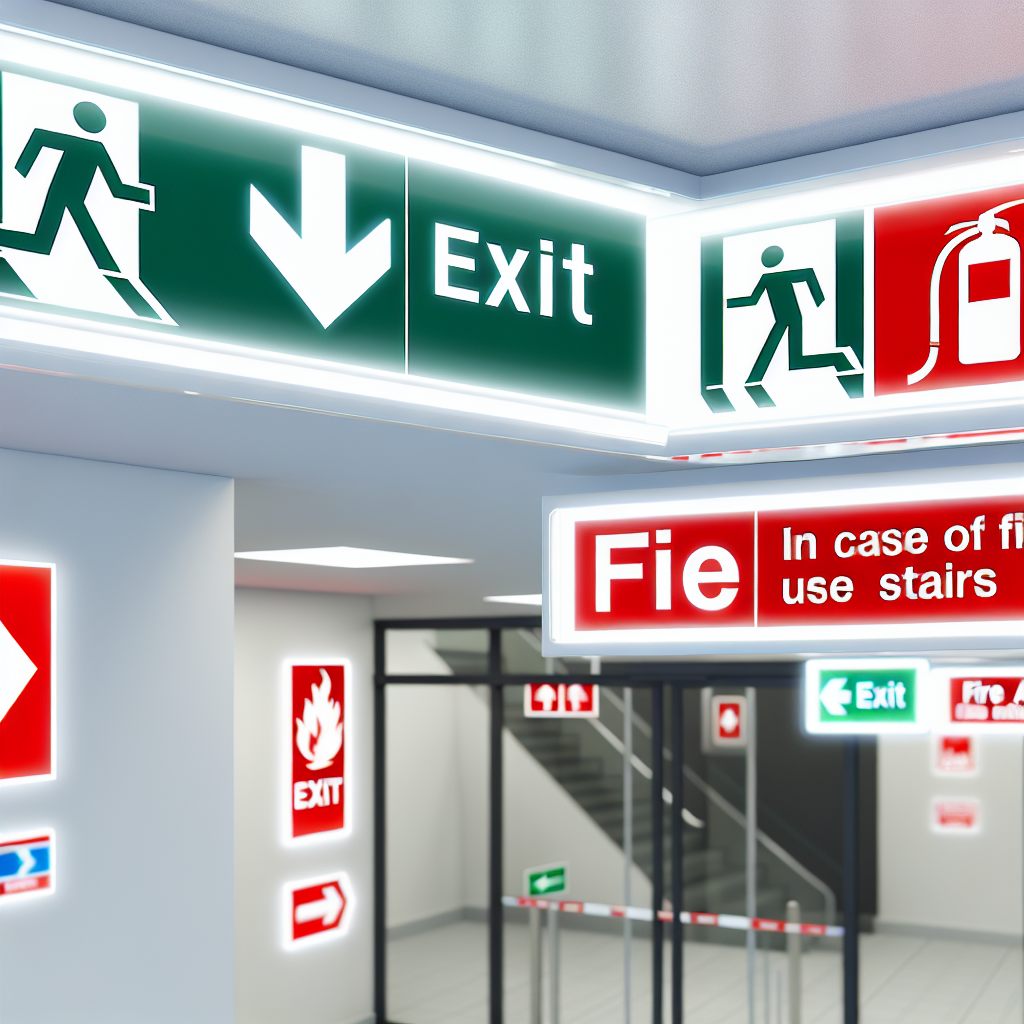
Community Engagement Strategies for Fire Awareness
Community engagement is vital for elevating fire safety awareness and ensuring that all members are equipped with the knowledge and tools to prevent and respond to fire emergencies. Here are some actionable steps that communities can take:
-
Host Educational Workshops
Organizing workshops led by local fire department officials can effectively educate community members about fire prevention and safety protocols. These workshops can include demonstrations on how to use fire extinguishers, escape planning, and the importance of smoke alarms. Encouraging participation from all age groups, including children and the elderly, can enhance overall engagement and awareness.
-
Provide Resources for Families
Distribute free materials such as pamphlets, checklists, and safety plans that families can use at home. These resources should cover essential practices like creating a fire exit plan, discussing fire safety with children, and understanding how to recognize fire hazards. Additionally, providing incentives, such as entry into a prize draw for families who complete safety checklists, can motivate participation.
-
Collaborate with Local Fire Departments
Partnering with local fire departments can offer communities access to expert knowledge and resources. Joint initiatives could include community-wide safety events, educational campaigns during fire safety month, and regular fire drills. Fire departments can also assist in conducting free smoke alarm installations or safety assessments in homes.
-
Leverage Social Media
Utilizing social media platforms to share fire safety tips, upcoming events, and success stories can help keep the community informed and engaged. Regular posts can remind residents of fire safety issues and foster an ongoing conversation about prevention strategies.
-
Involve Schools in Fire Safety Education
Develop programs that integrate fire safety education into school curriculums. Engaging students through interactive and age-appropriate activities can raise awareness from a young age and encourage them to share what they learn with their families.
Statistics on Fire Incidents and Training Effectiveness
Fire incidents continue to be a significant concern, with the National Fire Protection Association (NFPA) reporting that in 2022, U.S. fire departments responded to an estimated 1.35 million fires, which resulted in 3,790 civilian deaths and 13,250 injuries. The associated property damage was estimated at $18 billion. While this data displays troubling figures, it also reveals a long-term decline in fires and fire deaths since the 1970s, thanks in part to improved fire safety education and compliance with stringent building codes and regulations.
For further confirmation, you can explore the NFPA’s comprehensive Fire Loss in the United States report, which details similar statistics and trends in fire incidents.
Effectiveness of Fire Safety Training
Comprehensive fire safety training is more than just a regulatory requirement; it has demonstrable outcomes. Studies indicate significant benefits:
- A meta-analysis of 27 studies found that organizations with robust fire safety training programs experienced 47% fewer fire incidents and saw a 52% faster emergency response time. Furthermore, there was a reported 63% improvement in correct fire extinguisher use among trained personnel versus untrained individuals. This is supported by research from U.S. Fire Administration and echoes trends in workplace environments addressing fire safety.
- Surveys show that facilities with regular fire safety training had 72% fewer fire-related injuries and 58% lower property damage resulting from fires. Notably, 89% of trained employees could accurately identify evacuation routes compared to only 34% of those without training. This statistic is reinforced through resources such as OSHA’s workplace training statistics, which report significant reductions in fire incidents with compliance training.
- Research conducted by the U.S. Fire Administration revealed that communities with active fire safety education programs experienced 31% fewer fire deaths and 27% fewer injuries, alongside a 45% improvement in successful emergency evacuation rates among those who received fire safety training.
- Additionally, the Occupational Safety and Health Administration (OSHA) asserts that for every dollar spent on fire safety training, businesses save an average of $4.27 in potential fire-related costs, supported by a 54% reduction in fire code violations among trained staff. These can be cross-referenced with data available on OSHA Training Programs.
In conclusion, effective fire safety training is critical in shaping a culture of safety within communities and workplaces. The continued emphasis on education and preparedness against fire hazards not only saves lives but also minimizes property loss, reinforcing the essential role of training in fire safety management.
Conclusion
In summary, fire safety remains an essential component of community well-being and requires proactive engagement from all stakeholders. Obtaining and maintaining fire safety certificates is not merely a regulatory obligation but a commitment to protecting lives and property. These certificates, which must be renewed every five years and are supported by regular fire risk assessments, ensure that safety standards are adhered to diligently. Without them, communities risk facing severe penalties and a heightened chance of danger.
Moreover, equipping staff and occupants with ongoing fire safety training fosters a culture of preparedness. Regular training sessions and drills instill knowledge and confidence, empowering individuals to respond effectively during emergencies. Actions such as hosting educational workshops and collaborating with local fire departments can significantly elevate community awareness and preparedness.
Ultimately, the responsibility for fire safety extends beyond regulatory compliance; it emphasizes the importance of public participation. When communities actively engage in fire safety initiatives and prioritize education, they not only enhance their safety but also transform their environments into models of resilience. Together, we can build a future where everyone is equipped to recognize threats and act decisively in the face of fire emergencies.
| Tip | Description |
|---|---|
| Install Smoke Detectors | Ensure smoke detectors are installed in every room and replace batteries annually. |
| Create an Escape Plan | Develop and practice a fire escape plan with all household members, identifying exit routes. |
| Conduct Regular Drills | Schedule and conduct fire drills to ensure everyone knows how to respond in case of an emergency. |
| Keep Fire Extinguishers Accessible | Ensure fire extinguishers are easily accessible and that everyone knows how to use them. |
| Educate on Fire Hazards | Educate your community about common fire hazards and prevention strategies to minimize risks. |
| Maintain a Clear Path | Keep hallways and exits clear of obstacles to ensure a safe exit during an emergency situation. |
| Participate in Community Training | Encourage participation in local fire safety training programs to improve overall preparedness. |
SEO Keyword Integrations
-
Introduction:
The introduction can reiterate the importance of fire prevention, making it clear that fire safety certificates play a crucial role in protecting lives. Mentioning the significance of fire safety training tips ensures readers understand how education can prevent emergencies.
-
Importance of Fire Safety Certificates:
Emphasize that obtaining fire safety certificates reflects a proactive approach to fire prevention. Highlight that regular fire risk assessments are necessary to ensure compliance with current safety regulations.
-
Ongoing Training Requirements:
Detail various fire safety training tips that can enhance the preparedness of staff and communities, such as conducting frequent drills and updating training protocols to include the latest fire risk assessments.
-
Community Engagement Strategies:
Suggest that workshops on fire prevention and fire safety training tips be organized to educate the public. These could cover using fire extinguishers, identifying fire hazards, and emphasizing the relevance of ongoing training and drills.
-
Statistics on Fire Incidents and Training Effectiveness:
When presenting statistics, underscore how communities with effective fire risk assessments and training initiatives not only reduce incidents but also improve response times in emergencies.
Additional Resources
- Fire Prevention Week – National Fire Protection Association
- Effective Fire Risk Assessments – OSHA
- Top Fire Safety Training Tips – Red Cross
- Community Fire Prevention Programs – U.S. Fire Administration
- Integrating Fire Prevention – Ready.gov
By weaving these keywords into key sections of the article, it can attract more traffic from individuals or organizations searching for fire safety-related information online.