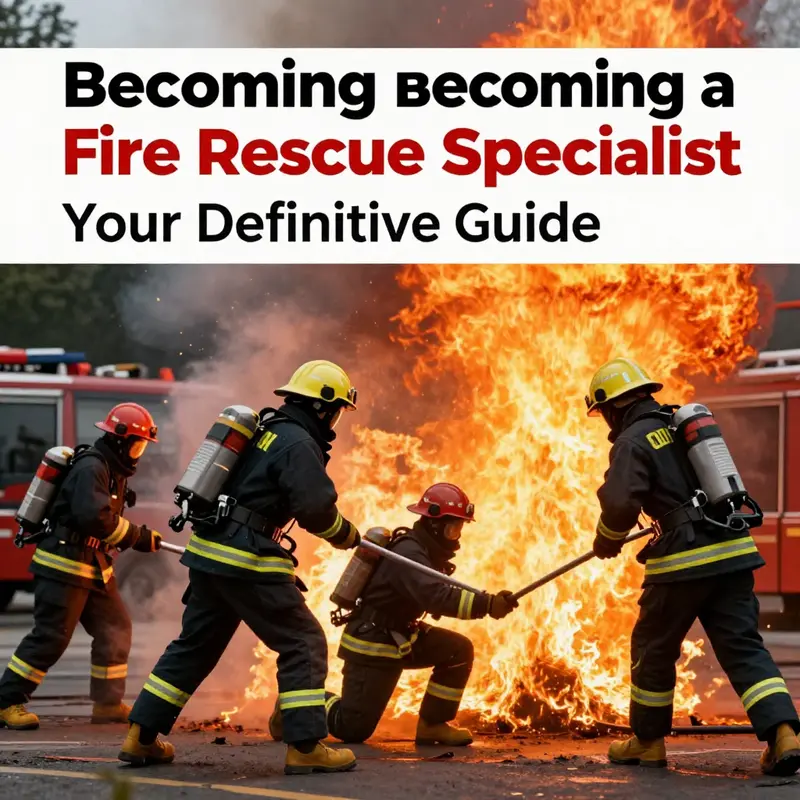
The role of a fire rescue specialist is vital, providing rapid response and skilled intervention in emergencies. This profession requires a unique blend of physical capability, mental fortitude, and technical training. For individuals aiming to join this rewarding field in China, understanding the eligibility criteria, application process, selection mechanisms, training protocols, and career advancement pathways is paramount. This guide delineates each phase of becoming a fire rescue specialist, empowering you with the knowledge needed to navigate your entry into this esteemed profession. Each chapter will elucidate the specific requirements and processes that aspiring candidates must undertake, ensuring a comprehensive understanding of how to successfully meet the necessary qualifications.
Chapter 1: The Gate to Readiness—Navigating Eligibility on the Path to Becoming a Fire Rescue Specialist
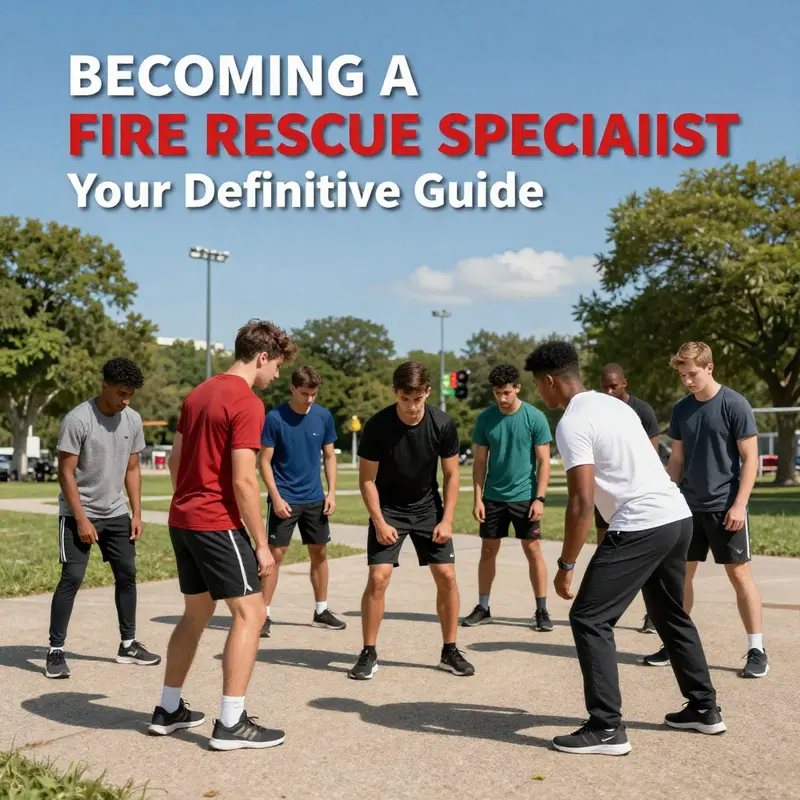
Aspiring to join the ranks of China’s national fire rescue forces begins not with a spark on the training ground, but with a precise and unyielding set of eligibility criteria. These prerequisites function as a gate, ensuring that every candidate who steps into the rigorous world of fire suppression, rescue, and EMS is equipped with a baseline of citizenship, character, and capability. The most foundational layer is legal and civic alignment. Applicants must be citizens of the People’s Republic of China and must demonstrate loyalty to the Constitution, to the state, and to the social order that underpins the country’s emergency response framework. This is not merely about right paperwork; it is about a shared sense of duty and trust, a quiet pledge to place collective safety above individual comfort when the alarm sounds and lives hang in the balance. In practice, this requirement translates into a clean personal record and an unambiguous commitment to the public service ethos that characterizes the fire rescue service. The weight of this expectation is felt from the first interview through to the final medical check, because the profession demands not only strength and skill but also an unbroken front of responsibility and integrity under pressure.
Beyond the ink on a passport lies a more tactical anchor: age. The standard window for general applicants is 18 to 22 years old, a span that aligns with the body’s peak capacity for sustained physical effort and the long arc of career development that follows. Yet life does not always fit into neat brackets. The system recognizes that education or service experience can shift a candidate’s trajectory. Holders of a full-time associate degree or higher may be considered up to age 24, as may those who have accumulated at least two years of frontline firefighting experience in government posts or forestry firefighting. Such extensions acknowledge a candidate who comes with a demonstrated ability to face danger, think clearly under stress, and collaborate with teammates in real-world fire ground scenarios. Importantly, there remains an upper ceiling for specialized technical personnel—those with expertise in communications, chemical defense, aviation, diving, and related fields—who may be considered up to 28 years old, provided they meet stringent criteria. These criteria may include several years of relevant employment, advanced certifications, or provincial-level awards that signal mastery in a demanding domain. The age provisions, therefore, are not arbitrary; they reflect a balance between youthful resilience and seasoned competence, ensuring the pipeline includes both fresh energy and proven capability.
Education is the next pillar, and it is framed not as an exclusion but as a pathway that broadens the pool of capable applicants. A high school diploma or its equivalent is the baseline for most general roles. But the door does not close there for those who have pursued higher learning. College graduates, including university undergraduates and postgraduates, are typically given priority in recruitment due to their broader clinical exposure, problem-solving experience, and ability to adapt to complex operational environments. For some specialized officer positions, higher academic credentials may be required, signaling a readiness to take on leadership responsibilities within a high-stakes team. The system also accommodates recent graduates—those within two years of graduation—whose records remain with educational institutions or placement agencies. This “fresh graduate” consideration recognizes the fresh perspective and up-to-date training that new degrees bring to a field that is constantly evolving with new tactics, standards, and technologies.
Yet education alone does not qualify a person for the dangerous, physically demanding tasks that fire rescue work entails. The physical and mental health criteria anchor every applicant’s ability to perform under extreme conditions. A rigorous medical examination screens for overall fitness, endurance, cardiovascular health, and musculoskeletal strength. Vision and hearing standards are assessed because precise perception can be the difference between life and death in smoky environments or while operating critical rescue equipment. But health is not just physical; it is psychological as well. A structured psychological assessment evaluates resilience, stress tolerance, and the capacity to maintain composure during extended, high-pressure operations. The mental fortitude required is not a luxury but a necessity, because the pace on the fireground can shift from routine to life-threatening in moments, demanding rapid decision-making, clear communication, and unwavering teamwork. A successful candidate must also demonstrate the stamina to train and operate in environments that test both mind and body for long hours, while carrying heavy gear, traversing stairs, and performing rescue tasks that may require extraordinary strength and flexibility. The combination of medical clearance and mental readiness is the foundation of a recruit who can withstand the roadmap of training, deployment, and ongoing development that follows selection.
Character and conduct form another essential strand in the eligibility weave. Fire rescue work places a premium on integrity, discipline, and ethical behavior. Any history suggesting drug involvement, gambling, or other serious misconduct can disqualify a candidate who might otherwise appear physically capable. This criterion is not policy theater; it serves to protect the public from risk, given the elevated exposure to dangerous operations and the responsibility to safeguard the lives of strangers in peril. The expectation is that recruits will bring to the squad a demonstrated sense of duty, reliability, and accountability—a quiet, persistent discipline that underpins decisive action on the scene. In this light, eligibility is not merely about meeting a checklist; it is about confirming that a person’s character aligns with the profession’s enduring demands.
The system also recognizes that the composition of the fire rescue workforce benefits from diverse recruitment pathways. Special recruitment categories exist to strengthen the national team with individuals who bring unique experiences or specialized skills. University graduates remain a critical source of fresh talent, contributing theoretical knowledge and adaptable thinking. Veterans, particularly those with military training and discipline, are valued for their experiential learning in high-stress environments and their familiarity with teamwork, chain-of-command, and discipline. Experienced professionals, including government-employed firefighters and forestry firefighters with more than two years of frontline service, may receive priority consideration or age waivers, reflecting a pragmatic acknowledgment that practical exposure translates into readiness for broader national responsibilities. For specialized technical personnel, explicit criteria ensure that those stepping into advanced roles meet not only general fitness standards but also a proven track record in their field. The recruitment landscape, thus, becomes a tapestry that blends youth with experience, breadth with depth, and the potential to grow into leadership positions with the proven capability to perform when every second counts.
The path from eligibility to active service traverses a precise sequence. Applicants typically begin online, submitting core documents such as identity papers, educational certificates, discharge papers if applicable, and any professional licenses relevant to the role. The process then layers in physical and psychological testing, interviews, and, for specialized tracks, practical skill demonstrations. This sequence is designed not to trip up hopefuls but to sift and shape a pool of individuals who can endure the training gauntlet and emerge ready to protect communities. It is a test of not only the body but the heart—an invitation to demonstrate that one’s motivation rests on a solid foundation of service rather than a momentary impulse. The annual recruitment cycle, with its spring deadlines and rolling regional nuances, also invites applicants to stay informed through official channels and local departments. In this regard, the readiness to pursue a career as a fire rescue specialist is as much about staying aligned with official guidelines as it is about maintaining personal discipline and continuous self-improvement.
For those who want to deepen their readiness before stepping into the gate, several avenues can strengthen eligibility without altering the fundamental requirements. Pursuing evidence of ongoing physical training, maintaining clean personal conduct, and seeking supplementary qualifications—such as certifications in safety, first aid, or emergency response—can both demonstrate commitment and reduce friction during selection. Even for candidates who do not yet meet the maximum age criteria, presenting a robust portfolio of education, training, and practical experience can position them more favorably when regional authorities assess applicants against the national standard. In addition, keeping a meticulous record of service, academic achievement, and any relevant accolades helps to illustrate a consistent pattern of growth toward the responsibilities of a fire rescue professional.
The totality of these eligibility criteria—civic alignment, age allowances tied to education and experience, educational breadth, physical and mental health, character, and strategic recruitment pathways—maps the first horizon of the firefighting career. It frames how a candidate moves from possibility to preparation to practice. It emphasizes that becoming a fire rescue specialist is as much about the person’s life trajectory as it is about the grit required on the ground. The criteria reinforce that successful applicants will carry into training a blend of stamina, discipline, compassion, and intellect, all directed toward the primary mission: to safeguard lives and property when danger looms. As the profession continues to evolve with new techniques and technologies, the eligibility framework too will adapt, but its core purpose remains constant—to ensure every recruit who stands at the starting line does so with a robust foundation and a clear, steadfast commitment to the public good.
For readers exploring how to position themselves effectively within this framework, a practical step is to engage with credible, mission-aligned resources that translate policy into actionable preparation. One particularly relevant entry point highlights how targeted credentials can reinforce a candidate’s profile without compromising the foundational requirements. Read more through the resource linked here: Unlocking Your Future: The Vital Role of Fire Safety Certificates in Your Career Journey. This emphasis on credentialing complements the core eligibility criteria by illustrating how formal qualifications intersect with on-the-ground readiness, a synergy that often resonates with selection panels seeking both breadth and depth in applicants.
As you map your trajectory, keep in mind that the eligibility gates are not merely procedural obstacles but clear signals about the kind of professional the service needs—one who can endure rigorous training, work within teams under stress, and uphold a lifelong commitment to safeguarding the public. The numbers and thresholds—citizenship, age brackets, education levels, health standards, character, and the preferred channels for recruitment—do not restrict ambition; they guide it. They ensure that when the whistle blows and the call goes out, the person who responds is someone who has prepared not just for the day of action but for the long arc of service that follows. In the chapters ahead, we will explore how training transforms eligibility into ability, how academy life and on-the-ground assignments build proficiency, and how ongoing professional development maintains readiness across a career dedicated to saving lives. The journey begins with a clear line in the sand: meet the eligibility criteria, and you join a lineage of responders who stand ready to answer the alarm with courage, competence, and collective resolve.
External resource for official updates and procedures: https://www.mem.gov.cn/gk/tzgg/202506/t20250627_415251.html
Chapter 2: Navigating the Application Path to Become a Fire Rescue Specialist
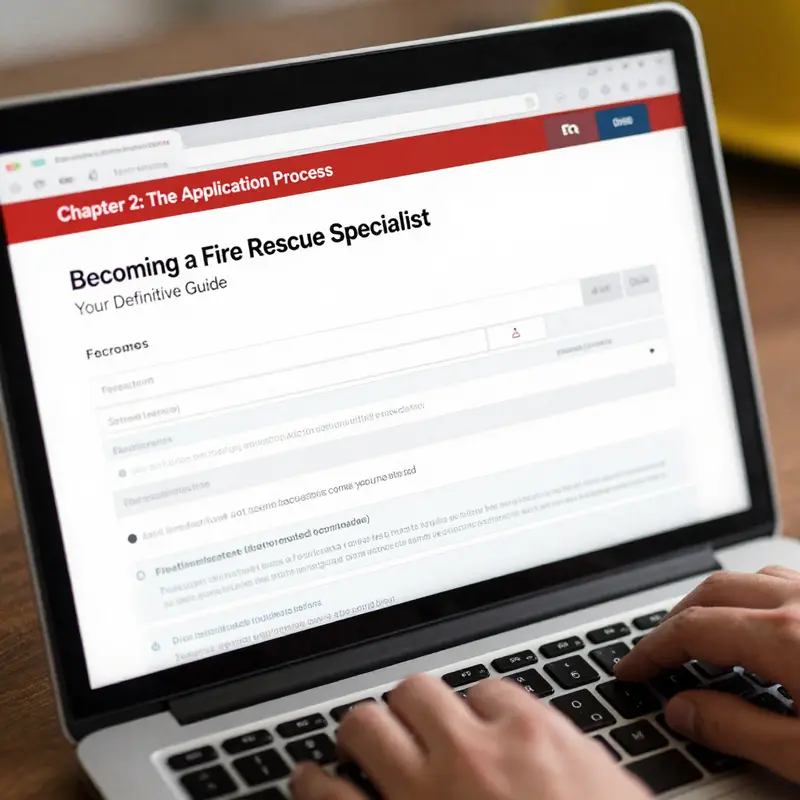
The path to becoming a fire rescue specialist is a multi-stage process that blends physical readiness, mental resilience, and a deep commitment to public service. It unfolds within a national framework that standardizes recruitment while allowing regional variations. The process aims to identify not only those who can meet the demands of a fire scene but those who can operate as part of a disciplined team.
Public announcements mark the entry point into this process. Each year the Ministry of Emergency Management issues recruitment notices through official channels, including a national firefighter recruitment portal and regional fire departments. The notices outline the number of positions, geographic scope, and eligibility criteria tailored to different applicant categories. The sheer scale of these announcements underscores the enduring demand for capable responders and the government’s intention to cultivate a workforce that can handle a spectrum of fires, disasters, and hazardous situations across diverse environments.
The qualifying profile remains demanding. Applicants must be citizens of the People’s Republic of China and meet a baseline education of a high school diploma or higher. The age gate is calibrated: general applicants are typically 18 to 22 years old, but pathways may extend to 24. For university graduates with higher education or for veterans with frontline firefighting experience, the age threshold commonly rises to 24. In select cases, especially for specialized technical roles such as communications, chemical defense, aviation, or diving, the age limit can extend further, up to 28, provided the applicant demonstrates substantial relevant experience and credentials.
Education remains decisive. A high school diploma is the baseline, but some roles may favor higher education. Firefighter officer positions often prefer a bachelor’s degree or higher. The emphasis is on how education aligns with the practical demands of rescue work. Physical and mental health are scrutinized through medical examinations and psychological assessments designed to reveal fitness for duty.
Within this framework, there are channels for specialized talent. The system recognizes urgent needs in technical domains like hazardous materials handling, aviation rescue, or structural engineering. In such cases, the recruitment pathway may involve a formal written application to provincial firefighter recruitment offices, with a professional skill evaluation and review of work history. If approved, the packet moves to the National Comprehensive Fire Rescue Team Firefighter Recruitment Office for final consideration.
Once eligibility is established, applicants enter the main recruitment phase. Online registration is the first formal step, followed by a qualification review where documents like identification papers, educational certificates, discharge papers for veterans, and professional licenses are checked for authenticity.
The evaluation core includes physical fitness and psychological assessment. The fitness test typically measures running endurance, muscular strength, flexibility, balance, and agility. The psychological assessment uses standardized tools to evaluate resilience, stress tolerance, and teamwork, to select individuals who can sustain performance over long hours in demanding conditions.
A practical test of positional adaptability and practical aptitude may be included for technical roles. An interview and, in some systems, a political examination evaluate motivation, communication, problem solving, and allegiance to the state and public service mission. The political review is not a barrier to merit but a safeguard for the integrity and cohesion of the national emergency response system.
Transparency is important. Recruitment results are publicly posted for a designated period. Accepted candidates sign a commitment letter to serve and then begin a probationary training period lasting several months. This probation is a demanding bridge between expectation and performance.
Regional variations exist. Some areas run separate drives for government-employed firefighters or forestry service, and some roles like fire truck drivers may require a driving license. These variations sit within a broader framework of national standards and safety.
Understanding the process helps applicants plan deliberately. The recruitment cycle is annual, with timelines announced in early spring. Following official notices and preparing documents, physical conditioning, and mental readiness can yield advantages. Continuous learning and professional development often accompany advancement within the service.
For those pursuing additional qualifications, credentials can influence entry and long-term prospects. Official channels such as the Ministry of Emergency Management platforms and the national firefighter recruitment portal provide eligibility checks and application forms.
In sum, the application process is a deliberate, multi-layered sequence designed to identify individuals whose character and capabilities align with high standards and responsibilities. It rewards sustained effort, continuous learning, and a commitment to public safety.
Chapter 3: Gateways to the Fireline—How Prospective Fire Rescue Specialists Are Selected, Trained, and Ready
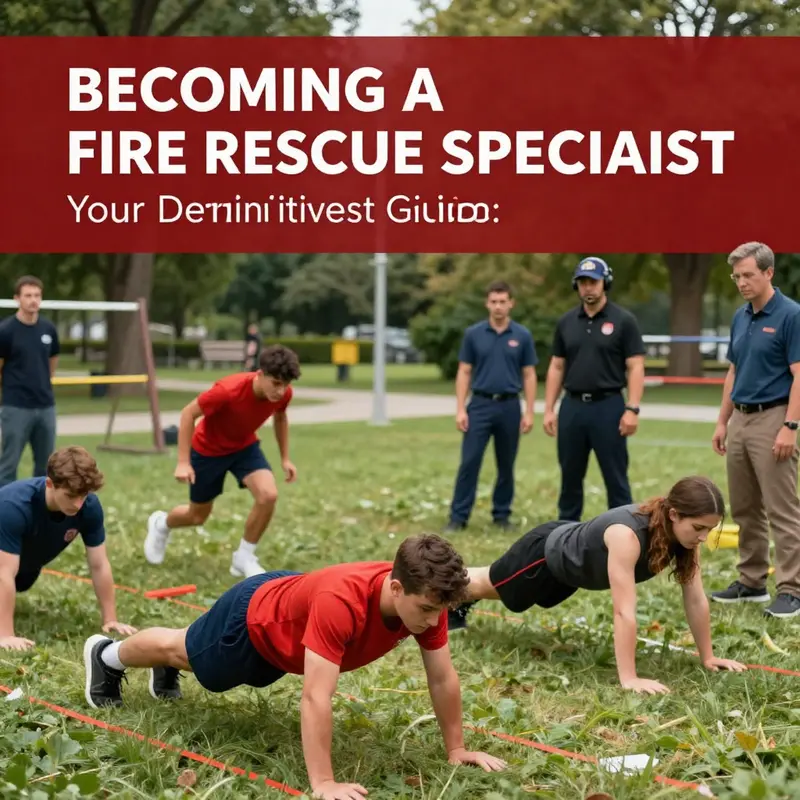
The pathway to becoming a fire rescue specialist is built on strict thresholds, deliberate checks, and a clear map from first eligibility to final readiness. It is a process that seeks not only physical prowess but the steadiness of judgment, the discipline of routine, and the willingness to work within a tightly coordinated team. In the system described for the National Comprehensive Fire Rescue Team, the selection begins with a foundation of eligibility and then unfolds through a sequence of validation steps designed to separate those who meet the profession’s demands from those who do not. The emphasis is on reliability, resilience, and a genuine commitment to public service, all of which must shine through across multiple, often overlapping, assessments. To understand the arc, one starts with the basic gates: citizenship, age, health, and education. Official criteria delineate that applicants must be male Chinese citizens who are physically and mentally fit, and who meet a defined age range. General applicants are typically expected to be between eighteen and twenty-two years old, with the birth window narrowing to September first, two thousand two, through August thirty first, two thousand seven. Yet the door does not close there. The system recognizes that talent and maturity can come earlier through education or service, and it allows for age relaxations that tilt the door wider for certain categories. For college graduates, for former soldiers from the PLA or the Armed Police, and for those who have accumulated more than two years of direct firefighting experience in government-employed or forestry roles, the age cap can extend to twenty-four. For specialized technical personnel—such as those skilled in communications, chemical defense, aviation, or diving—the age ceiling may rise still further, with strict criteria that include three or more years of relevant work and advanced certifications. These nuances reflect a broader goal: to assemble a corps that can adapt quickly to the full spectrum of emergencies, from urban structure fires to complex rescue operations under hazardous conditions. Alongside age, education remains a decisive factor. A high school diploma or its equivalent is typically the baseline, while certain positions—such as firefighter officers—may require bachelor’s degrees or higher. Physical and mental health form the next vital frontier. Applicants must pass rigorous medical examinations and psychological assessments, ensuring there are no color vision deficiencies, visible tattoos, or conditions that would impede intense firefighting duties. This is not merely about passing tests; it is about ensuring you can endure the operational tempo of real emergencies, maintain composure under pressure, and continue performing while fatigued or stressed. Once eligibility is established, the journey moves into the application phase, conducted through official recruitment channels. In practice, candidates apply online through platforms managed by the National Comprehensive Fire Rescue Team Recruitment Office or through local fire departments. Some regions even run separate drives for government-employed firefighters, with roles that can include specialized vehicle operation and technical expertise. The online submission requires careful attention to detail: you will need to provide identification, educational certificates, proof of military discharge if applicable, and any professional licenses you possess. Indicators of honesty and accuracy are crucial because misrepresentation at this stage can terminate a candidacy outright. After the online submission, candidates enter a two-phase review. The preliminary online screening filters out those who do not meet the core requirements, while in-person verification checks the authenticity and completeness of documents. This two-tier check mirrors the broader objective: to ensure that every candidate who progresses to physical testing and interviews is genuinely qualified and fully prepared for the demands ahead. The recruitment itself is complemented by a transparent allocation framework. The Ministry of Emergency Management has circulated planning details that include nationwide quotas and category-based distributions. For example, a recent official notice laid out a total of twelve thousand five hundred firefighter positions, with six thousand two hundred fifty allocated to college graduates, four thousand one hundred seventy to former soldiers, and two thousand eighty to social youths. These numbers underscore how the selection process balances educational pathways with service history and diverse backgrounds, all aimed at building a robust fire and rescue workforce. The stages do not end at document verification. Physical fitness tests are a cornerstone, evaluating running speed, stamina, strength, and agility through standardized tasks. The psychological assessment is equally critical, using validated tools to gauge mental resilience and capacity to function under extreme stress. Interviews or job-fit evaluations probe motivation, problem-solving abilities, and the degree of alignment with the mission of the national fire rescue force. For those pursuing specialized technical roles, some exams will include practical demonstrations of relevant skills, ensuring that theoretical knowledge translates into reliable performance in the field. The final phase leads into immersive training. Once selected, recruits enter an intensive program that spans several months and covers a full spectrum of core competencies. Trainees learn fire suppression techniques, search-and-rescue operations, and emergency medical services. They gain hands-on experience with breathing apparatus, hydraulic tools, and the possible complexities of urban and industrial environments. A strong emphasis on leadership and teamwork runs through the curriculum because fires and rescues are inherently collective efforts requiring precise communication and coordinated action. Completion marks entry into the professional firefighter corps and assignment to a fire station. Yet the path does not end there. Career advancement hinges on ongoing education, performance, and demonstrated leadership. Some officers advance from government firefighter roles to national-level positions, contingent on bachelor’s degrees, clean records, and success in the national civil service exam, which can include written tests, interviews, and skill assessments. Others walk a parallel route through the China Fire and Rescue Academy, where graduates receive training designed to prepare them for higher responsibilities and the higher echelons of the rescue system. The journey, however, remains dynamic and ongoing. Many practitioners pursue additional education while serving, seeking qualifications that enable promotion, specialization, or transfer into areas where their expertise is most needed. This continuity reflects the practical reality of a system that must respond to shifting risks, evolving technologies, and changing urban landscapes. To keep pace with the evolving landscape, candidates and practitioners are urged to stay informed about annual recruitment cycles. Historical patterns show announcements issued in the early months of each year, with deadlines typically in January through March. In recent cycles, recruitment activity has occurred at the municipal level in cities such as Changsha, Shenyang, and Tongliao, signaling ongoing demand across different regions. For anyone planning this life trajectory, the call to stay updated is explicit: consult the Ministry of Emergency Management and your local fire department’s official channels for the latest guidelines and deadlines. The process, though demanding, is designed not only to filter candidates but to prepare them for a life of service where the stakes are high and the impacts are immediate. For aspirants who want a practical glimpse into the professional pathway, there is value in exploring resources that translate these formal requirements into tangible steps—such as the broader conversation around fire safety certifications and continual skill development. As one practical entry point, consider the role of formal training in building credibility and capability. A compact body of knowledge covers fire suppression, rescue techniques, EMS protocols, and the effective use of specialized equipment. The sooner you engage with this training, the more seamlessly you can transition from recruit to responsible responder. For those who wish to anchor their preparation with a concrete understanding of certification pathways and pre-employment readiness, consider exploring resources that detail the importance of certifications and their place in your career journey. These insights can help you frame your study plan, ensure you meet minimum requirements, and position yourself for later advancement within the system. Unlocking Your Future: The Vital Role of Fire Safety Certificates in Your Career Journey offers perspectives on how credentialing interacts with practical competency, teamwork, and resilience—all qualities the selection process seeks at every step. While the exact path may shift with policy updates, the underlying principle remains stable: preparation, integrity, and consistent performance open doors to the most demanding and rewarding roles on the fire line. In linking eligibility to capability, the system also encourages aspirants to look beyond immediate recruitment. The continuity of learning, the willingness to assume increasing responsibility, and the commitment to service form the backbone of a long career as a fire rescue specialist. This approach helps ensure that when a call comes—whether to save lives, safeguard communities, or coordinate complex rescue operations—the team can act with precision, courage, and unwavering reliability. As future chapters will show, the journey from candidate to specialist is not merely about meeting minimum standards. It is about cultivating a professional identity built on trust, accountability, and the readiness to confront danger with skill and composure. The selection process, with its layered verification, testing, and training, embodies this ethos. It compresses a broad spectrum of experiences into one purpose: to produce firefighters who can perform under pressure, lead when needed, and uphold the highest standards of public service. For those who absorb these principles, the path is not an abstract ladder but a practical voyage—one that begins with eligibility and ends in a disciplined, capable, and responsive fire rescue career. Official resources and notices continue to shape the specifics year by year, so ongoing attentiveness to the primary outlets remains essential. The broader lesson is clear: preparation aligned with official standards, a willingness to learn, and sustained personal discipline together enable a meaningful and enduring career on the fire front. External authorities provide the framework; individual candidates must supply the dedication and consistency to meet it. External resource: https://www.mem.gov.cn/gkml/zt/202506/t20250627_498758.html
Forging Resilience: Training, Certification, and the Road to Becoming a Fire Rescue Specialist
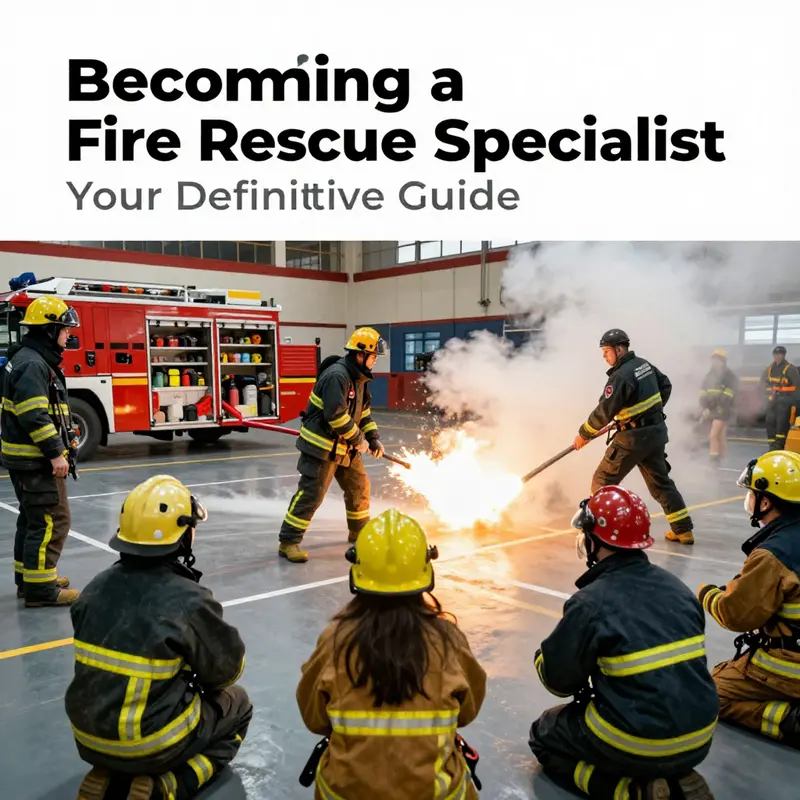
Training is the crucible where a recruit learns to translate physical courage into reliable action under pressure. In the career path to becoming a fire rescue specialist, the training and certification phase is not a single exam but a sustained course that shapes judgment, stamina, and teamwork. After selection, candidates enter an immersive program that blends hard fitness with rigorous classroom instruction, hands-on drills, and real-world simulations. The aim is to produce firefighters who can move with precision through a burning structure, stabilize a patient on a roadside, and communicate clearly with teammates in the chaos of an emergency. This is where core competencies begin to take shape and where the foundations of a professional firefighter are laid. The experience is as much about safety culture as it is about technical skill, and it requires a mindset that blends discipline with adaptability. Each day in training builds confidence that ready responses will emerge even when the scene is unfamiliar, loud, and dangerous. The result is not merely a set of procedures but a practiced capacity to read smoke, judge risk, and coordinate with others under time pressure.
At the heart of most departments is a clear certification ladder that maps how a recruit graduates into a capable public safety professional. The journey typically begins with Firefighter I, an essential platform that introduces the basics every responder must master. It covers fire behavior, hose operations, ladder use, and the core safety procedures that prevent harm to both civilians and responders. Firefighter I is designed to impart a common language and a foundational toolkit, enabling a new recruit to participate effectively in the team’s response to structural fires and a broad spectrum of emergencies. From this foundation, Firefighter II extends the horizon. It builds on the I-level skills with ventilation techniques, more complex search-and-rescue operations, and the handling of specialized equipment under controlled conditions. This level is the bridge to independent execution and to leading elements within a coordinated effort. It is not just about doing more; it is about making smarter, faster decisions as part of a tightly integrated unit. The progression from I to II is deliberate because the realities of the field demand both depth and reliability in technique, not just recall of procedures.
Beyond the generic track, there are specialized certifications that align with the evolving needs of a modern fire and rescue service. A Certified Fire Inspector equips professionals to perform thorough building inspections, identify hazards, and enforce safety codes before a fire starts. This credential is a key preventive tool, enabling responders to reduce the risk of incidents through proactive intervention. Basic Life Support ensures that responders can provide essential medical care while awaiting advanced medics, a common requirement given the frequency of medical calls in many communities. The ability to stabilize a patient, administer basic interventions, and communicate clearly with EMS teams can determine outcomes on the scene and during transport. The Rescue Technician credential targets the high-risk, technical side of the job, with emphasis on vehicle extrications, high-angle rope rescues, and confined-space operations. These scenarios demand specialized tools, stringent safety protocols, and practiced teamwork in environments where missteps can be deadly. The value of these certifications lies in expanding the responder’s capacity to protect life across a broader range of incident types, integrating prevention, medical care, and technical rescue into a single professional practice.
Other credentials begin to broaden a responder’s repertoire based on the department’s needs and the realities of service delivery. Hazardous materials response, wildland firefighting, and advanced life support are among the additional paths that can open for those who pursue them. Each credential signals a specific capability and a readiness to operate under specialized conditions. They are not mere add-ons; they are deliberate investments that extend an individual’s effectiveness across incident types, from urban high-rise fires to rural wilderness rescues and chemical incidents. The combination of core and specialized certifications creates a flexible, multi-skilled team capable of adapting to almost any call and coordinating with other agencies when the situation demands it. In practice, this means a firefighter can pivot from suppressing flames to guiding a building’s safety review to leading a complex rescue with a calm, authoritative presence. The extended toolkit also supports colleagues who may rely on another specialist during a multi-agency response, reinforcing the sense that every credential contributes to public safety as part of a broader system.
The training journey is not purely academic. It is organized around controlled environments that mimic real danger while preserving safety. Trainees spend significant hours in physical conditioning and in drills that rehearse fire suppression sequences, search-and-rescue protocols, and EMS responses. The most compelling preparation often comes from immersive simulations in dedicated facilities, where the rhythm of a tower drill, the weight of a breathing apparatus, and the stress of a time target converge. In this context, the path to certification blends muscle memory with critical thinking, ensuring that when pressure spikes, decision-making remains calm and accurate. For a tangible glimpse of how modern training integrates practice and theory, see the dedicated resources that illustrate realistic scenarios like the firefighter training tower dedication. This kind of exposure makes the abstract principles tangible and helps inculcate the reflexes and coordination needed on real calls. The environment also teaches critical safety habits—checking equipment integrity, maintaining situational awareness, and reinforcing the habit of communicating clearly with every team member on the scene.
Training is more than a one-off milestone; it is a sustained program that continues after the initial certification. After earning Firefighter I and II, recruits transition into live assignments while continuing education. In many programs, officers and instructors track progress through ongoing drills, periodic assessments, and structured skill refreshers. This approach ensures no one becomes a static technician; every firefighter maintains an edge in technique, integrates new safety practices, and stays current with evolving equipment and tactics. The duration of initial training varies by program and role, but it consistently runs for several months and is followed by continuous in-service training. The discipline emphasizes resilience: the capacity to recover quickly from setback, to recalibrate during a shift, and to maintain focus after the adrenaline of a call has subsided. It is in this continuous loop of practice, feedback, and adaptation that a professional identity solidifies—one rooted in reliability, competence, and service to the community rather than mere capability alone.
Career pathways then begin to diverge based on ambition, education, and opportunity. For those who aspire to national prominence within the fire and rescue system, there is a route from government firefighter or forestry firefighter into national officer roles. A bachelor’s degree or higher is often a prerequisite for such advancement, along with a clean record and a successful national civil service examination. Other paths center on professional development through esteemed training institutions such as the China Fire and Rescue Academy, where graduates are prepared to take on officer duties within the national framework. These routes illustrate a broader truth: certification opens doors, but ongoing education, leadership development, and demonstrated responsibility propel a career forward. Even for those who remain in frontline roles, ongoing education matters. Many departments encourage or require higher education while serving, enabling individuals to qualify for promotion and to assume leadership responsibilities when the opportunity arises. The culture of advancement thus intertwines formal credentials with demonstrated judgment and the ability to mentor new generations of recruits.
Training and certification also reflect the evolving nature of public safety. A modern fire and rescue specialist is expected to collaborate with EMS providers, hazmat teams, and technical rescue units as part of a coordinated response. Certification programs are designed with this in mind, promoting cross-discipline understanding and clear lines of authority during an incident. The most competent responders understand how to translate the science of fire behavior into practical, on-scene actions that safeguard lives and protect property. They can assess risks quickly, communicate with the incident command system, and lead teams with calm, decisive instruction. In addition to the practical skills, there is a strong emphasis on ethics, accountability, and community trust. The training culture aims to produce professionals who can be trusted to do the right thing when no one is watching and who can mentor the next generation of recruits through the same demanding process. This holistic perspective acknowledges that technical prowess must be matched by character, and that resilience is as much about mindset as it is about muscle and technique.
As recruitment cycles unfold each year, prospective candidates should stay connected to official channels and timelines. Information about eligibility, training prerequisites, and examination schedules appears on national and local fire department portals. The clarity of these programs helps applicants prepare not only for the physical and cognitive tests but also for the personal and professional commitments that come with a career in fire and rescue. The pathway described here—foundation, specialization, certification, and ongoing development—forms a coherent arc that aligns with the broader goal of becoming a fire rescue specialist who can respond with skill, compassion, and reliability in life-threatening situations. The whole arc is designed to ensure that graduates enter service with a blend of courage, competence, and accountability that serves the public good in the most demanding circumstances. This is not merely a job; it is a vocation that requires continuous learning, disciplined practice, and a commitment to the communities you protect.
External resource: For a broader overview of firefighter certifications and how to obtain them, readers can consult this external guide that outlines typical credential progressions and the standards that shape practice across many fire services worldwide: https://www.firefightercareer.com/firefighter-certifications/
Chapter 5: Climbing the Ranks and Expanding Horizons—Pathways to Leadership and Specialized Roles in Fire Rescue
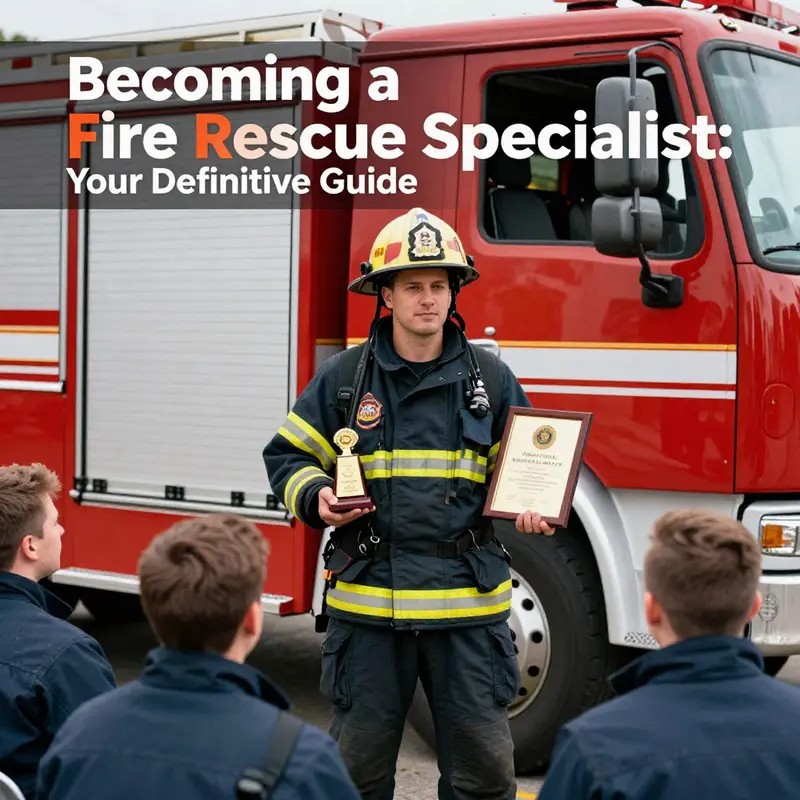
Advancement in the fire rescue profession rarely happens by accident. It is the product of disciplined preparation, consistently proven performance, and a clear map of the routes that lead from initial certification to senior leadership and specialized expertise. This chapter treats advancement as a seamless continuum—the natural extension of the core competencies developed during recruitment, training, and on‑the‑job service. It aims to illuminate how a fire rescue specialist can broaden influence, increase responsibility, and diversify impact without losing sight of the mission: protecting lives, reducing harm, and strengthening community resilience. The narrative here ties closely to the practical realities of the service, acknowledging both the domestic pathways that shape a career in China and the broader opportunities that a seasoned professional may pursue in national and international arenas.
At the heart of career progression lies the portfolio of advanced certifications. Certifications are not mere ornaments but functional milestones that validate specialized capabilities and signal readiness for higher-stakes assignments. Common tracks include Fire Captain, Fire Instructor, and Hazardous Materials Technician, with Emergency Medical Services (EMS) certification often completing the trifecta of field proficiency and medical readiness. Each credential carries a distinct set of prerequisites and assessments, from rigorous written exams to hands‑on drills that test decision‑making under pressure, risk assessment, and teamwork. Mastery of these roles expands the scope of command. A Fire Captain, for example, must translate policy into practice on a bustling fire ground, while a Fire Instructor translates experience into enduring lessons for crews, ensuring that knowledge is transmitted with clarity and consistency. A Hazardous Materials Technician adds the capacity to manage unseen dangers, requiring not only technical know‑how but the calm to coordinate an orderly, safety‑driven response when every second counts. And EMS certification weaves medical judgment into the fabric of rescue operations, enabling responders to stabilize and transport patients when time is a critical variable.
These pathways are more than certifications; they are professional signals that you are ready for greater responsibility. They also create tangible advantages in the promotion process within many fire departments. When leadership assesses a candidate for a higher rank, a documented record of certified qualifications demonstrates initiative, proficiency, and a proven ability to operate across diverse scenarios. For those who seek a route beyond the front lines, advanced credentials often serve as stepping stones into supervisory or administrative roles where policy, training, and resource allocation shape outcomes just as decisively as field operations. In this sense, certification becomes a bridge between hands‑on expertise and organizational leadership.
Alongside specialized credentials, higher education acts as a catalyst for upward mobility. An associate or bachelor’s degree in fields such as fire science, emergency management, or public safety administration broadens a responder’s perspective beyond tactics to include strategic planning, risk communication, and organizational governance. In many systems, these academic qualifications align with formal promotion criteria, enabling technicians who accumulate degrees to qualify for supervisory tracks that were previously out of reach. Balancing work with continued study—whether through evening programs, weekend cohorts, or accredited online offerings—becomes a practical discipline, one that mirrors the balance demanded on the fire ground: preparedness, stamina, and the capacity to integrate new knowledge with established practice. The value of education, in this sense, is not only theoretical; it translates into measurable leadership capacity when confronted with complex incidents, resource constraints, or multi‑agency coordination needs.
Leadership itself represents a core axis of career advancement. As specialists accumulate frontline experience, many departments outline a ladder toward roles such as Battalion Chief, Operations Officer, or Fire Department Commander. These titles carry responsibilities that extend beyond incident response to include incident command system implementation, strategic planning for station coverage, personnel development, budget oversight, and interagency collaboration. The competencies required—crisis leadership, ethical decision‑making, effective communication, and the ability to marshal diverse personnel into a cohesive unit—are cultivated through mentored practice, structured training, and a track record of sustained performance. The ascent often follows a pattern: demonstrate technical mastery and reliability on the fire ground; prove leadership in drills and real incidents; pursue targeted education and certifications; earn recognition through formal assessments and peer evaluations; then seize opportunities for broader assignments that expose you to the full spectrum of the department’s mission.
Yet advancement is not solely vertical. A seasoned fire rescue specialist can significantly extend impact by moving along lateral avenues that nonetheless lead to greater influence. Fire prevention and code enforcement are natural extensions for officers who understand how risk translates into policy. Risk assessment and public education roles allow experienced responders to translate field lessons into community safeguards, thereby reducing incidents before they occur. These tracks often intersect with local or national public safety initiatives, creating opportunities to shape standards, advocate for effective building practices, and contribute to community resilience planning. In this broader sense, progression becomes less about trading the streets for an office and more about expanding impact—leveraging practical experience to inform policy, training, and preventive strategies that save lives long before an emergency unfolds.
For those who crave a broader stage, the path can extend beyond national borders. Fire rescue specialists with a track record of excellence have opportunities to contribute to federal agencies or international organizations that coordinate large‑scale disaster response and safety initiatives. In some jurisdictions, roles within federal emergency management bodies or disaster response programs offer pathways to national level influence, program design, and policy development. International organizations add yet another dimension. For individuals who aspire to work in global contexts, opportunities exist to participate in mission‑critical operations, training initiatives, or safety programs that span multiple countries and cultures. Institutions such as international security and humanitarian bodies look for professionals who couple field excellence with leadership and cross‑cultural communication—qualities cultivated through a mix of experience, education, and sustained professional development.
Within this expansive landscape, mentorship and professional networks play a crucial role. A strong mentor can illuminate pathways that align with personal strengths, regional needs, and organizational goals. Mentors help decode the sometimes opaque promotion criteria, suggest targeted training plans, and provide strategic feedback on leadership style, communication, and decision‑making. Building these relationships requires deliberate effort: seeking opportunities to contribute to multidisciplinary projects, volunteering for specialized task forces, and engaging in cross‑department collaborations that broaden one’s visibility and credibility. As experience grows, so does responsibility, and with responsibility comes the chance to mentor others, thereby reinforcing an upward spiral of capability and influence within the service.
An important element in planning advancement is documenting and reflecting on progress. Keep a personal portfolio that chronicles certifications earned, courses completed, key incidents analyzed, and responsibilities shouldered in leadership roles. This record becomes a narrative of growth that you can present during performance reviews or promotional exams. It also helps you identify gaps—areas where additional training or education could unlock a new tier of opportunity. In many systems, advancement hinges not only on what you know but also on your ability to demonstrate consistent, high‑quality impact across a range of assignments, from routine operations to high‑stress emergencies and large‑scale planning efforts.
The journey to higher ranks and broader responsibilities is ultimately about evolving from a competent responder into a strategic contributor. It is about translating field mastery into organizational capability, and translating risk awareness into proactive safety culture. It is about developing the leadership presence to guide teams through crisis, the technical proficiency to command complex scenes, and the educational vision to prepare the next generation of responders. The pathways described here are not rigid templates but flexible routes that reflect the dynamic nature of emergency services. They acknowledge that individual careers will diverge according to local needs, institutional structures, and personal aspirations while maintaining a shared core: the unwavering commitment to protect life and restore safety.
For readers seeking concrete next steps, consider using a multifaceted plan that integrates certification targets, educational objectives, and leadership opportunities. Start with a short‑term goal—perhaps earning a specific certification within a year while completing a related course in incident command. In the following year, pursue a degree component that complements your specialization. Seek assignments that place you in charge of smaller units or training squads, then gradually assume responsibility for larger scales of operation. Simultaneously engage with prevention and public‑education initiatives to broaden your impact beyond the fire ground. This balanced approach aligns professional growth with the broader mission of modern fire rescue: to prevent harm where possible, respond decisively when needed, and cultivate a resilient, prepared community.
As you chart this course, stay mindful of the interconnectedness of global and local dimensions of the field. The same leadership competencies that elevate a Battalion Chief in one city can empower a disaster response coordinator in another country. The international layer adds rich perspectives on standardization, cross‑agency cooperation, and the rapid exchange of best practices. If you pursue roles with global reach, you will contribute to larger safety ecosystems, cooperate with diverse teams, and participate in shaping standards that affect communities far beyond your immediate jurisdiction. In this light, advancement is not a solitary ascent but a broader contribution to the profession’s evolution, rooted in the experience of frontline service and driven by a vocation to safeguard life, property, and the environment.
For those exploring the first steps on this path, a wealth of resources exists to support your development. Engaging with professional communities, attending specialized trainings, and reading widely about incident management, risk reduction, and leadership in emergency services can accelerate your progress. A practical starting point is to explore targeted literature and case studies that distill lessons from real incidents into actionable knowledge. You can also tap into online materials that emphasize the importance of continuous certification and education—the competencies that distinguish a good firefighter from an outstanding one. Notably, the value of ongoing professional development is amplified when paired with practical experience and mentorship, creating a virtuous cycle of growth that strengthens both individual careers and the safety of the communities served.
For deeper exploration of how certification fulfills career goals, you may find useful insights in the resource discussing the vital role of fire safety certificates in your career journey. the vital role of fire safety certificates in your career journey.
Beyond the internal development arc lies a broader horizon. Fire rescue specialists who reach senior ranks often influence not only their own departments but regional preparedness strategies, contribute to national reforms, and participate in international dialogues on safety standards and emergency response. The trajectory from recruit to leader, from specialist to mentor, and from local responder to global contributor is paved with deliberate choices—choices to pursue knowledge, to embrace leadership, and to commit to the continuous improvement of the professions that safeguard communities every day. As you navigate these possibilities, remember that advancement is as much about character and consistency as it is about credentials. The combination of technical mastery, ethical leadership, and a persistent curiosity about better ways to prevent and respond to danger will sustain a long and impactful career in fire rescue.
External resource: https://www.un.org/undss/en/careers
Final thoughts
Embarking on a journey to become a fire rescue specialist entails meeting specific eligibility criteria, followed by a rigorous selection process, and extensive training. Each phase equips aspiring professionals with the skills necessary for a successful and fulfilling career in emergency services. The opportunities for advancement make this career even more attractive, allowing individuals to grow while contributing significantly to public safety. By understanding and actively pursuing these steps, you can take the first stride towards joining the ranks of dedicated firefighters who protect and serve communities across China.

