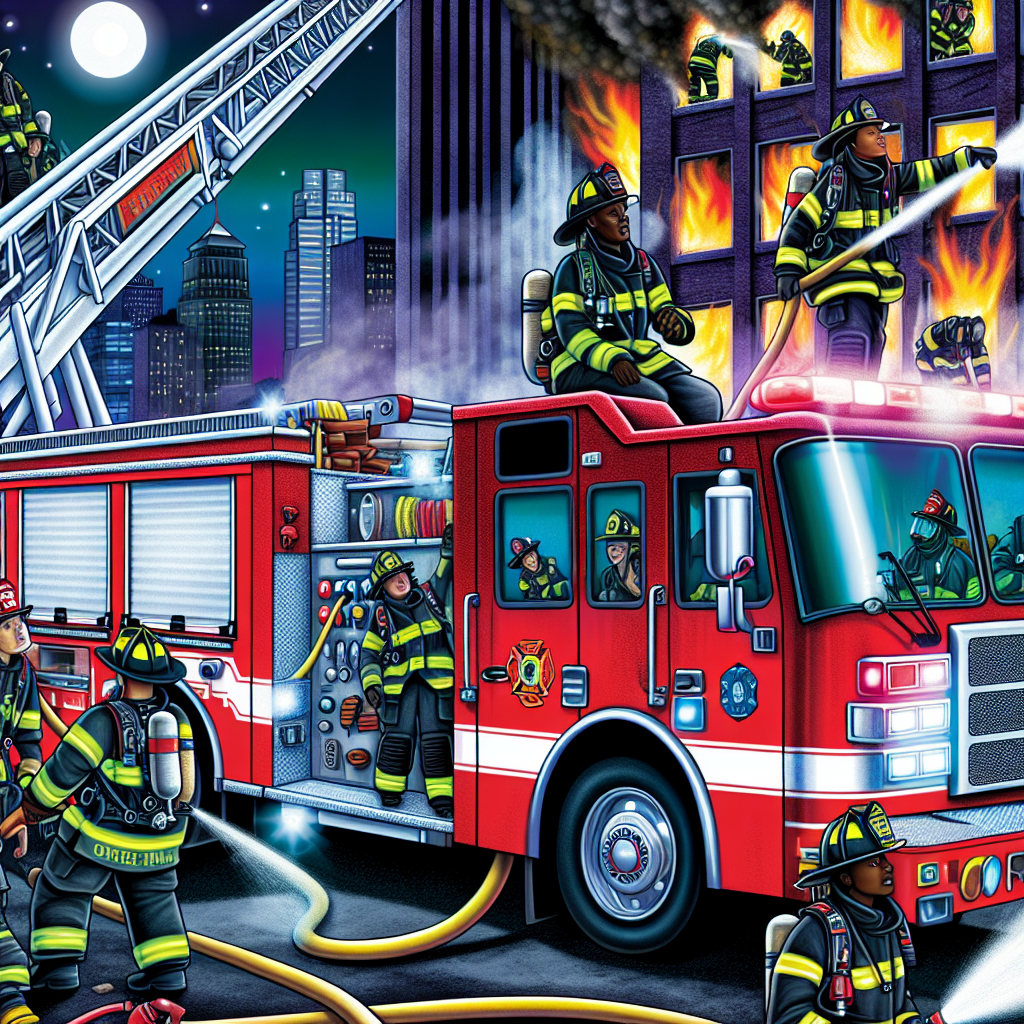
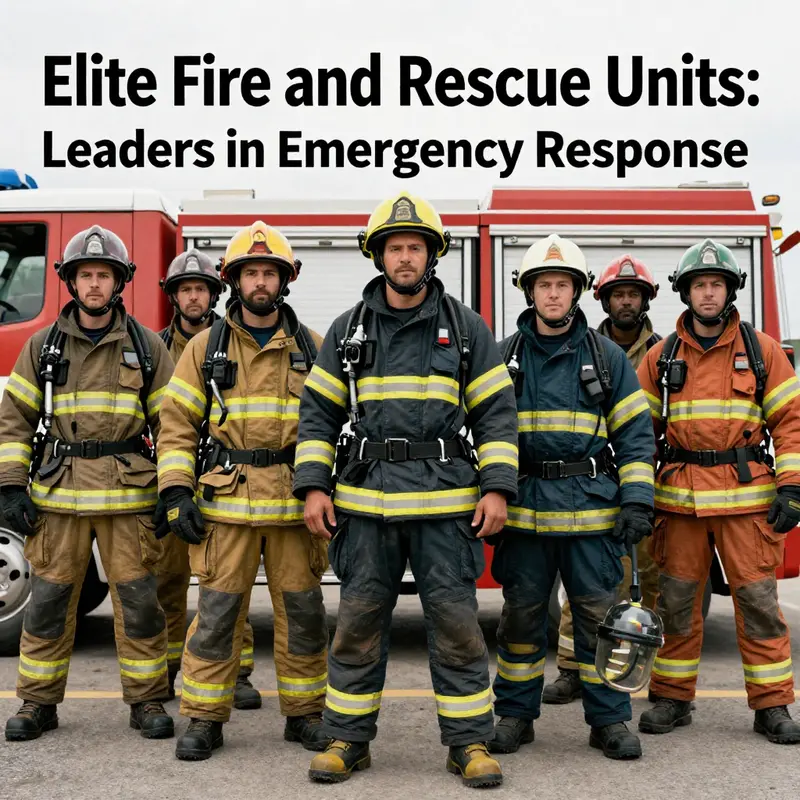
Amidst life-threatening situations, elite fire and rescue units stand ready to respond with unparalleled skill and precision. These specialized teams are not only critical in combating fires but also excel in complex rescue operations, making them vital assets in safeguarding communities. This article explores some of the most esteemed fire and rescue units worldwide: the New York City Fire Department Special Operations Command (SOC), the Los Angeles County Fire Department Urban Search and Rescue Task Force 1, and the London Fire Brigade Specialist Operations Unit. Each chapter highlights the unique capabilities and contributions of these elite teams, thereby underscoring their importance in emergency response and public safety.
Inside the FDNY Special Operations Command: New York’s Elite Rescue Force
Inside the FDNY Special Operations Command: New York’s Elite Rescue Force
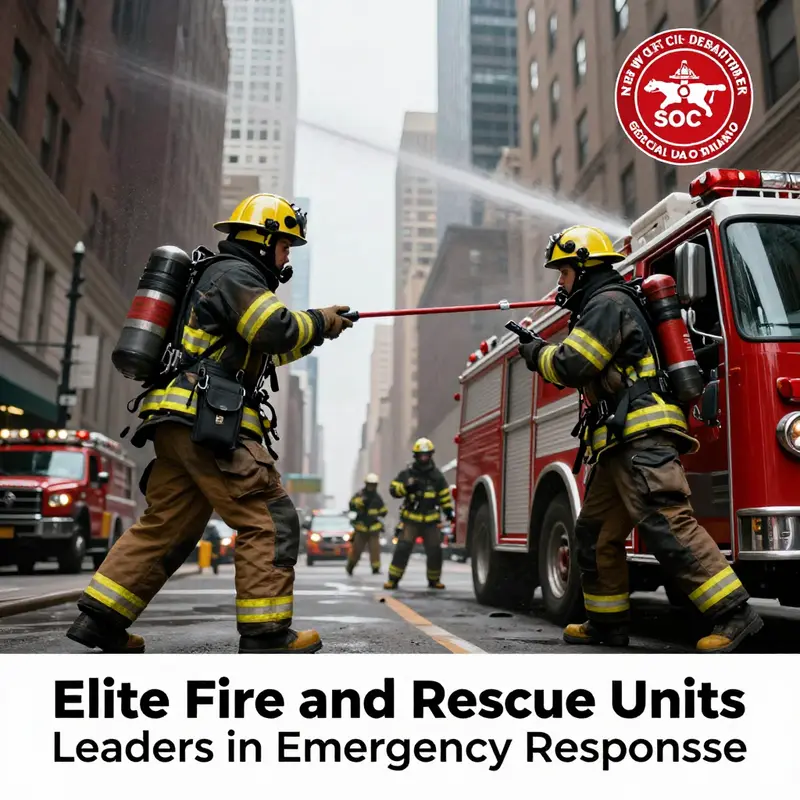
The New York City Fire Department’s Special Operations Command (SOC) stands as a defining example of what an elite fire and rescue unit can be: a tightly integrated collection of specialized teams, disciplined in technique, and equipped to confront dangers that overwhelm conventional firefighting companies. The SOC exists because dense urban life creates emergencies with scale and complexity that demand deep technical skill, rapid decision-making, and constant innovation. It answers calls that range from high-rise entrapments and hazardous materials breaches to structural collapses and challenging water rescues, and it does so with a blend of surgical precision and operational adaptability.
What distinguishes this command is its modular architecture. The SOC is not a single crew with a single mission. It comprises multiple distinct teams—Urban Search and Rescue (US&R) elements, Technical Rescue squads, Hazardous Materials response units, rescue companies trained in rope and confined-space operations, and specialized dive and recovery teams. Each team masters a narrow set of high-risk tasks and then drills relentlessly until those skills can be delivered under pressure. The result is an organization capable of rapidly assembling the exact expertise a scenario requires and performing at the highest level.
Training within SOC is intensive and continuous. Responders practice scenarios that rarely occur but carry high consequence when they do. Confined-space entry drills, building collapse simulations, and complex rope rescues are repeated until reflexes replace deliberation. Partnerships with other agencies refine interoperability. Exercises simulate multi-agency responses, because real disasters rarely respect jurisdictional boundaries. These rehearsals condition teams to manage task allocation, communications, and command under noise and confusion, ensuring that when the alarm sounds, operations proceed as a single, coordinated effort.
The SOC’s performance during major events has shaped its reputation. Its crews were pivotal during the 9/11 response, performing operations that required navigating unstable structures, locating victims in deep voids, and coordinating with multiple search and recovery teams. Those efforts left a legacy in doctrine and training: a renewed emphasis on structural reconnaissance, shoring techniques, and victim-oriented search methods. Lessons learned in those crucibles translated into procedural changes that now permeate the unit’s daily practice. The SOC did not merely react; it institutionalized hard-won knowledge into doctrine and facility design, strengthening resilience across the wider department.
Facility design became an instrument of preparedness. The FDNY’s Project Excellence initiative recognized that optimal outcomes depend not only on individual skill but on the spaces where teams live, train, and stage operations. A notable example is the reconstruction of Rescue Company 2’s firehouse in Brooklyn, guided by close collaboration between firefighters and design professionals. Architects engaged with crews, shadowed emergency calls, and absorbed tacit knowledge about how urban structures behave during crises. The building that emerged integrates operational logic into its design: training bays that mimic real-world constraints, equipment layouts that shorten response times, and recovery spaces that support the physical and mental toll of demanding missions.
This design approach exemplifies how elite units must align infrastructure with mission needs. When a rescue company can practice in a space that imitates the hazards it will face, training gains fidelity. Equipment storage that reflects deployment order shaves seconds during an incident. Even seemingly small design choices—lighting that reduces glare, circulation patterns that prevent bottlenecks, durable surfaces that withstand heavy use—aggregate into greater readiness. The partnership that produced Rescue Company 2’s new home demonstrates an important truth: elite capability grows when operational insights shape the built environment.
Operationally, the SOC excels in rapid assessment and layered response. The first minutes of an incident set the tempo. SOC teams employ systematic size-up procedures that rapidly identify hazards, victim potential, structural stability, and environmental threats. They prioritize life safety while managing hazards for responders. Technical rescue tools—hydraulic cutters, shoring systems, advanced breaching equipment, and confined-space retrieval gear—are paired with tactics that minimize risk to both victims and rescuers. In hazardous materials incidents, SOC’s HazMat specialists deploy containment strategies and decontamination protocols that control the scene and protect the public.
Urban Search and Rescue within SOC represents a confluence of technical rescue, structural engineering, and human-centered search techniques. US&R teams include specialists who can interpret building behavior after an event, identify voids where survivors may be trapped, and create access points while preserving life signs. They use listening devices, canine teams, and remote cameras to reduce unnecessary intrusion. When entry is required, shoring and stabilization precede work to ensure that crews do not trigger secondary collapses. This combination of patience, science, and decisive action is the hallmark of elite search operations.
The SOC’s embrace of technology enhances its effectiveness but never replaces fundamental skills. Thermal imaging, fiber-optic cameras, and drone reconnaissance provide situational awareness that extends human senses. Yet tools are adjuncts to judgment. Teams practice using technology under stress so that equipment supports rather than distracts. Equally important is the SOC’s focus on fitness, mental resilience, and team cohesion. Rescues often demand physical endurance, and teams rely on a culture in which members trust each other implicitly. That trust is forged in repeated practice and shared experience.
Interagency cooperation further amplifies SOC’s impact. The command frequently integrates with police, emergency medical services, transit authorities, and federal assets. For incidents involving critical infrastructure—subways, tunnels, ports—liaison officers coordinate specialized knowledge. SOC’s ability to operate inside complex systems depends on clear communication channels and pre-established mutual aid agreements. This networked approach allows the SOC to plug into broader national and regional response frameworks when events exceed municipal capacity.
Community considerations also shape SOC’s posture. In a city as diverse and dense as New York, public safety depends on informed, calibrated responses that minimize panic and collateral disruption. SOC teams practice public communication strategies and work with community leaders to explain interventions when necessary. For example, decisions to close streets or evacuate buildings are made with both tactical and social factors in mind. Rescuers must balance the urgency of life-saving operations against the broader impact of their actions on residents and businesses.
Maintaining readiness requires sustained investment. The SOC’s equipment inventories are extensive and specialized. Maintaining readiness means lifecycle management for complex tools, regular calibration, and redundant systems to ensure reliability during high-stakes events. It also means sustaining a pipeline of expertise through recruitment and retention of personnel who can commit to the intensive training and irregular demands of specialized rescue work. Mentorship programs pair experienced rescuers with new recruits, preserving institutional knowledge and technical nuance.
The SOC’s institutional learning cycle is deliberate. After-action reviews dissect every complex incident, not to assign blame, but to optimize procedures and update training. These reviews feed into updated protocols and influence procurement, training curricula, and facility upgrades. The process is iterative: each major operation refines the command’s approach to the next one. This cycle has contributed to a culture that views every response as both an obligation and an opportunity to learn.
Beyond tactical effectiveness, the SOC has become a model for how urban fire services can adapt to emerging threats. Rising building heights, new materials, and evolving industrial risks demand specialized responses that traditional companies cannot sustain alone. SOC’s structure demonstrates that specialization need not isolate teams from the broader department. Instead, it shows how specialized knowledge can diffuse across the organization, improving overall capability.
The command’s public profile also contributes to resilience. When elite teams receive attention, it raises awareness about preparedness, encourages investment, and inspires technical innovation. Yet the SOC guards against complacency. High visibility leads to scrutiny, and the command remains committed to continual improvement rather than reputation alone.
Training innovations continue to expand the SOC’s reach. Simulated urban environments, full-scale collapse props, and integrated live-fire and rescue drills create high-fidelity training cycles. Cross-training with international teams exposes crews to alternative techniques and new tools. These exchanges broaden tactical repertoires and create mutual support networks that can be activated during large-scale disasters.
The role of design in SOC’s evolution offers a final lesson. Rescue Company 2’s new facility is not simply a building; it is a statement about the relationship between operations and environment. When responders are consulted and their workflows inform architecture, the resulting spaces improve efficiency, safety, and morale. That design ethic should be a template for other cities seeking to elevate their elite units. Infrastructure that supports specialized missions multiplies the effectiveness of skilled personnel.
In sum, the FDNY Special Operations Command represents a comprehensive approach to elite rescue: disciplined specialization, continuous training, close design partnerships, technological augmentation, and integrated interagency collaboration. Its success rests on a culture that values expertise, embraces learning, and aligns tools and spaces with human performance. Cities facing complex hazards can learn from this model, adapting its principles to local needs while preserving the human-centered focus that makes elite rescue both possible and humane.
For readers seeking deeper detail on the architecture and operational thinking behind Rescue Company 2’s facility, the project received coverage that highlights the collaboration between designers and firefighters: https://www.architecturalrecord.com/articles/14783-studio-gang-designs-firehouse-for-fdny-rescue-company-2
If you are interested in training narratives and facility dedications that reflect how specialized units maintain readiness day to day, see this account of a recent training tower dedication that captures the cadence of ongoing preparedness and institutional investment: https://firenrescue.net/blog/firefighter-training-tower-dedication/
CA-TF1: Inside Los Angeles County’s Elite Urban Search and Rescue Team
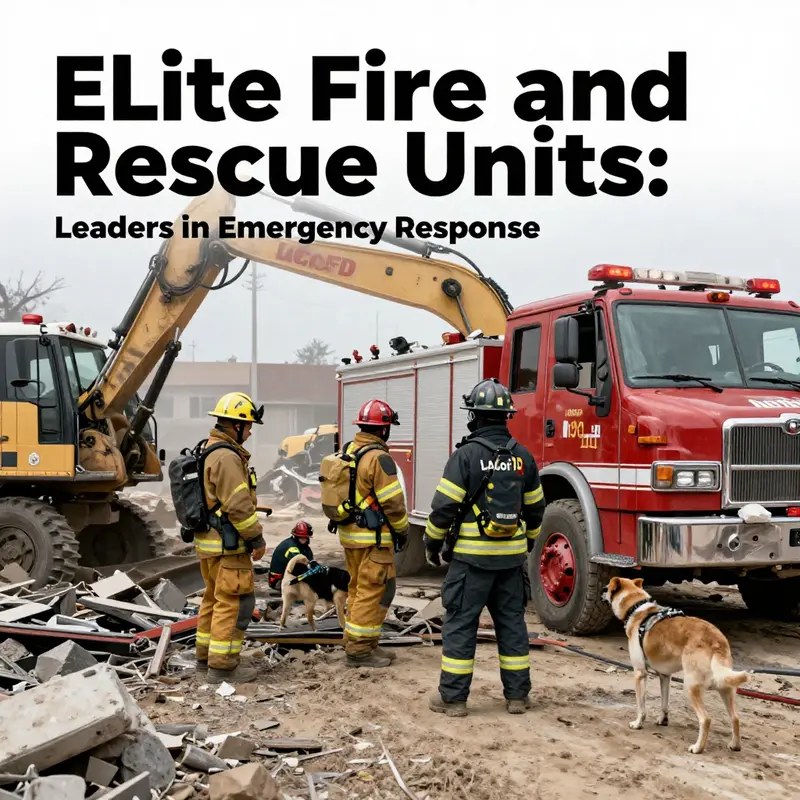
The Los Angeles County Fire Department Urban Search and Rescue Task Force 1 (CA-TF1) stands as a model of concentrated expertise, logistical sophistication, and rapid-response capability within the global landscape of elite fire and rescue units. Born out of the need to confront catastrophic urban disasters that outstrip conventional firefighting resources, CA-TF1 integrates varied specialties into a single, cohesive force prepared to operate where damage is most severe and time is shortest. This chapter explores the task force’s composition, operational doctrine, logistical autonomy, training ethos, and real-world impact to show how a modern urban search and rescue (US&R) team functions at the highest level and why such units matter in a world of growing urban risk.
CA-TF1 is more than a group of highly skilled individuals. It is a deliberately balanced system of people, equipment, and processes designed to solve the complex problems of collapsed structures, entrapment, and post-disaster medical stabilization. Team rosters mix firefighters and paramedics with structural engineers, heavy equipment operators, hazardous materials specialists, technical search experts, logistics personnel, and communications technicians. This multidisciplinary blend allows the task force to evaluate unstable environments quickly, locate survivors with precision, create safe access, and provide acute medical care under austere conditions. The composition mirrors the realities of urban disasters: survival often depends on simultaneous mastery of cutting, shoring, medical intervention, and scene management.
Readiness is a defining condition for CA-TF1. The unit maintains high levels of preparedness through constant training, drills, and equipment checks that simulate realistic deployment conditions. Members rotate through intensive courses covering rope rescue, confined-space entry, breaching and breaking techniques, structural shoring, technical search technologies like acoustic and canine teams, and advanced medical procedures tuned for entrapment injuries. Training scenarios are deliberately complex, replicating the confusion of rubble piles, the hazards of unstable concrete and steel, and the logistical friction of working in damaged urban centers. This cyclical training posture sharpens technical skills and builds the teamwork and communication habits that save lives when seconds count.
Tools and equipment are central to CA-TF1’s capability. The task force travels as a self-contained unit, bringing everything required to sustain search and rescue operations for extended periods in environments where local systems may have failed. Inventories include cutting and lifting gear, hydraulic rescue tools, heavy shoring timbers and metal struts, concrete saws, breaching tools, generators, lighting systems, and medical supplies designed for austere trauma care. The unit stages over 75 tons of gear, organized into modular caches that can be loaded and transported rapidly. This material pre-positioning allows CA-TF1 to deploy with minimal lead time and to operate independently, supporting survivors and local authorities without immediate resupply.
Logistics and sustainment are often invisible but critical dimensions of success. CA-TF1 carries its own food, water, shelter, sanitation, and medical resupply so teams can function for days without relying on damaged civil infrastructure. Logistics specialists manage manifests, maintain vehicle fleets, and coordinate transportation assets like aircraft and heavy trucks. They also plan for contingencies such as fuel shortages, communication blackouts, and extended operating timelines. The result is an operational bubble around the rescue effort, protecting personnel health and preserving mission focus.
The task force’s approach to scene safety reflects a layered risk-management philosophy. Structural engineers evaluate collapse patterns, load paths, and secondary collapse risks to inform shoring and access strategies. Hazardous materials specialists identify chemical or biological threats in industrial or mixed-use urban sites. Confined-space and rope rescue teams assess the ergonomics and human factors involved in extricating survivors from narrow voids. These assessments feed into a unified plan implemented through clear chains of command and integrated communications. Safety officers monitor fatigue, environmental exposures, and the physical stresses placed on rescuers, ensuring that life-saving operations do not become life-threatening to the team.
Technical search capabilities are a hallmark of CA-TF1. The unit employs acoustic listening devices, fiber-optic cameras, and search cameras to detect signs of life inside rubble. Trained search dogs complement electronic equipment by locating survivors through scent within complex debris fields. These capabilities matter because early detection dramatically increases survival probabilities. The task force pairs search data with structural analysis to prioritize access points, insert medical supplies, and perform focused extrication efforts. This data-driven method reduces time wasted on low-probability targets and concentrates resources where meaningful outcomes are most likely.
Medical care in the immediate aftermath of collapse requires specialized skills. CA-TF1 paramedics and medical personnel are trained to manage crush injuries, hemorrhage control, airway stabilization, and hypothermia prevention under prolonged and constrained conditions. Treatment protocols adapt to the realities of delayed evacuation; for example, stabilization techniques emphasize bleeding control and temporary immobilization to avoid further injury during extraction. Medical teams also monitor fluids, electrolytes, and shock indicators, preparing patients for transport once extrication is complete. The blend of technical rescue and medical care exemplifies the task force’s holistic approach: extraction without appropriate medical intervention yields poor outcomes, so both capabilities advance in tandem.
CA-TF1’s deployment history demonstrates the unit’s operational maturity and international reach. The task force has answered calls for help both within the United States and overseas, including high-profile missions such as the response to the 2011 Christchurch earthquake in New Zealand. There, CA-TF1 teams worked in hazardous urban rubble, locating survivors and stabilizing collapse victims. These deployments build institutional knowledge that refines tactics, improves logistics models, and strengthens interagency cooperation. Each mission contributes lessons learned on equipment performance, supply chain vulnerabilities, cultural and logistical challenges, and the psychological impacts of prolonged rescue operations.
Interagency coordination is indispensable to effective large-scale response. CA-TF1 interoperates with local fire departments, law enforcement, emergency management agencies, international partners, and non-governmental organizations. Standardized incident command systems enable this interoperability, allowing diverse agencies to integrate under unified command structures. Mutual aid agreements and pre-deployed liaison officers smooth legal, logistical, and communications barriers, enabling CA-TF1 to focus on technical rescue tasks while partner organizations handle perimeter security, mass sheltering, and infrastructure recovery.
Psychological resilience is another area of emphasis. Rescuers routinely encounter profoundly traumatic scenes. CA-TF1 supports team members through resilience training, peer support programs, and access to mental health professionals. Preparing personnel for moral and emotional stress helps sustain operational effectiveness. It also reduces long-term health consequences that can follow repeated exposure to traumatic incidents. Leaders within CA-TF1 prioritize rotation schedules and monitoring to limit cumulative psychological harm and to maintain clear judgment under pressure.
Innovation and adaptation have kept CA-TF1 at the leading edge of urban search and rescue. Advances in materials science have improved shoring systems, while new sensors and machine-learning tools are transforming how teams detect and map void spaces. Drones extend search reach into hazardous or elevated areas, and remote communication platforms allow medical specialists to advise teams on site in real time. CA-TF1 incorporates new technologies selectively, validating innovations through exercises and matching them to the realities of field deployment. This measured adoption ensures that technology enhances, rather than complicates, mission outcomes.
Community relationships and public education are integral to the task force’s broader mission. CA-TF1 engages in outreach to build awareness of earthquake preparedness, structural safety, and individual survival techniques. Educating the public about personal preparedness reduces casualty numbers and helps rescue teams focus on those most in need. These programs also build community trust and facilitate smoother operations during deployments, as residents are more likely to cooperate with rescue protocols if they understand the rationale behind them.
The task force’s financing and governance are structured to support both local responsibilities and national deployment obligations. As a FEMA-certified US&R team, CA-TF1 receives federal support and participates in national response frameworks. At the same time, it remains firmly rooted in Los Angeles County, where it supports regional disaster response plans and provides specialized capabilities that local departments might not maintain independently. This dual role requires careful planning to ensure resources remain available for day-to-day regional needs while sustaining readiness for national or international missions.
CA-TF1 also contributes to the global pool of rescue expertise through training partnerships, exchanges, and advisory roles. When international disasters occur, the task force can offer direct assistance and transfer hard-won knowledge to host nations and other responding agencies. These exchanges foster improvements in building codes, urban planning, and disaster medicine through practical feedback loops informed by the realities of collapse rescue.
The human stories behind CA-TF1’s operations reveal why elite units matter. Rescuers who extract survivors from meters of concrete use a combination of careful planning, improvisation, and sheer persistence. Every successful extrication is a product of discipline, trust, and accumulated experience. These teams operate in the space where engineering meets medicine, where logistics and leadership converge, and where technical expertise couples with deep respect for human life. The capability to bring someone out alive from a collapsed structure is the outcome of countless hours of preparation, coordination, and resolve.
In the evolving risk environment of the twenty-first century, cities will remain vulnerable to earthquakes, explosions, industrial failures, and extreme weather events that can produce urban collapse. Units like CA-TF1 are not luxuries; they are essential assets that compress time, apply specialized skills, and provide a scalable response to the most challenging emergencies. Their existence reflects a societal decision to invest in capacity where conventional services would be overwhelmed.
For readers seeking a deeper look at CA-TF1’s organizational structure, deployment history, and public materials, the Los Angeles County Fire Department maintains comprehensive information on its official site. The website provides details on task force capabilities, training programs, and community preparedness resources that support both local resilience and national response commitments. https://www.lacounty.gov/fire
For practitioners and enthusiasts interested in broader professional resources and contextual analysis of rescue operations, the Fire & Rescue Blog offers a range of articles on training, equipment, and career development that complement the technical picture painted by CA-TF1’s example. Explore more at the Fire & Rescue Blog to deepen your understanding of how elite units fit within the wider emergency services ecosystem: https://firenrescue.net/blog/
CA-TF1 demonstrates how comprehensive preparation, multidisciplinary teamwork, and logistical independence form the backbone of an effective urban search and rescue capability. Its record of deployments and continual refinement of tactics show a living institution that adapts to new threats. As cities grow denser and hazard exposures shift, the expertise embodied in task forces like CA-TF1 will remain central to saving lives when structural collapse turns routine emergency response into a race against time.
London’s Specialist Operations Unit: Precision Rescue at the Edge of Urban Fire and Structural Ruin
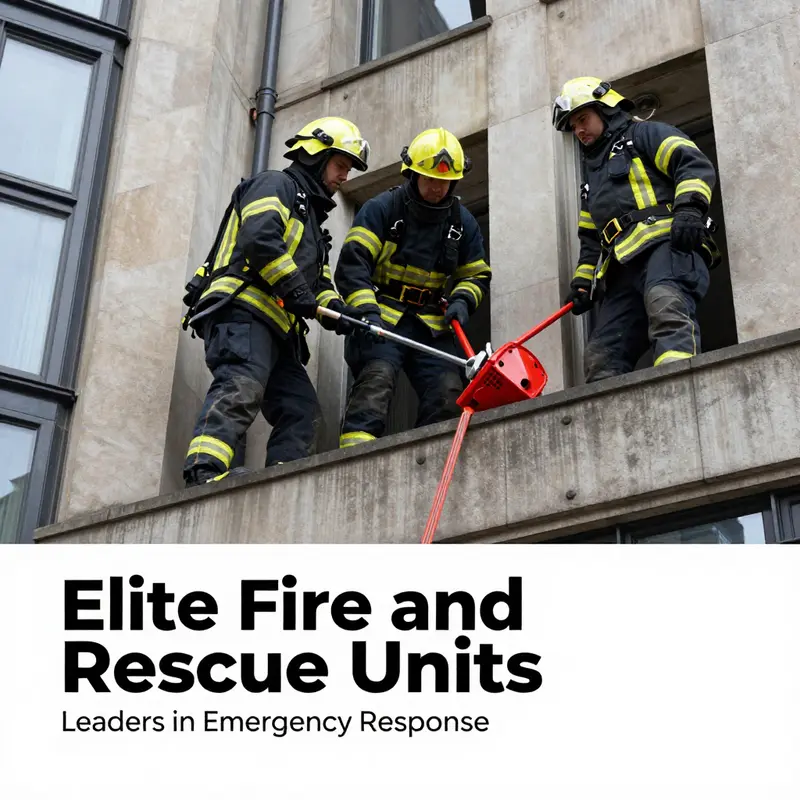
London’s Specialist Operations Unit: Precision Rescue at the Edge of Urban Fire and Structural Ruin
In the heart of a city defined by its skyline and its crowded streets, the London Fire Brigade’s Specialist Operations Unit stands as a quiet counterpoint to the spectacle of flames and sirens. It is not the first line of defense that the public sees at a routine blaze, but when a call comes in that stretches the limits of what standard firefighting can achieve, the SOU is the thin line between catastrophe and recovery. This elite cadre is tasked with the most complex, hazardous, and high-risk incidents—those that require not only courage but a precise blend of technical knowledge, heavy equipment, and coordinated human judgment. Their remit extends far beyond extinguishing fires; it encompasses structural collapse rescue, hazardous materials response, confined-space operations, high-angle rope work, and technical extrications. In London’s dense urban environment, where a single event can cascade into multiple emergencies across different neighborhoods, the SOU functions as a nimble, multi-disciplinary force capable of rapid deployment and decisive action.
The breadth of the unit’s responsibilities mirrors the evolving nature of urban risk. Major structural collapses are not relics of distant disasters; they are real possibilities in a city with aging infrastructure, rapid development, and high mass-building complexity. The SOU’s structural collapse capability hinges on a disciplined blend of search and rescue with stabilization engineering. When a building fails or cannot be approached safely by conventional crews, every minute matters. Teams execute meticulous assessment, deploy stabilization systems, and conduct systematic searches to locate survivors in compromised voids. Their approach is never ad hoc; it is a staged, methodical operation that coordinates with incident command to balance speed with safety. In HazMat scenarios, the unit’s response requires an understanding of chemical, biological, radiological, and nuclear risks, as well as the ability to establish decontamination zones, monitor air quality, and isolate the scene to prevent secondary exposure. The London Fire Brigade SOU drills for worst-case possibilities while maintaining a close watch on the practical realities of the capital—its subways, its rivers, its ports, and its densely packed residential zones—so that when danger arrives, the response is both swift and precise.
Confinement is a frequent feature of urban rescue work. A high number of incidents involve people trapped in confined spaces, whether in underground passages, shafts, or collapsed basements. The SOU’s training in confined-space rescue emphasizes not only patient access and extraction but also the protection of responders in environments where oxygen levels, hazardous atmospheres, and shifting debris create a perilous operating envelope. The unit conducts rope and high-angle rescues that are demanding in both technique and hardware. In a city where access can be obstructed by traffic, construction, or historic architecture, the ability to reach and stabilize an affected person at height or in a difficult-to-reach location is a matter of life and death. Technical extrications, too, require a clean integration of rescue tools and patient care. When a vehicle or equipment becomes the barrier to survival, the SOU’s teams apply controlled, patient-centered extrication methods that minimize further harm while removing the person from danger. Across these varied tasks, the constants are strict safety, continuous risk assessment, and a resolve to preserve life in settings designed to be unforgiving.
Equipment forms the backbone of this capability. The unit operates with a suite of specialized gear that enables work in environments where conventional fire crews would be exposed to untenable risk. Specialized breathing apparatus delivers air in toxic or low-oxygen atmospheres, enabling responders to move through compromised zones with reduced hazard exposure. Thermal imaging cameras cut through smoke and darkness, revealing hidden heat signatures, locating hotspots, and guiding searches in places where visibility is nonexistent. Hydraulic rescue tools—the heavy sledge-like rams and combi-tools of the rescue world—allow responders to pry, cut, and spread apart structural elements with precision, creating access paths and stabilizing debris. Heavy lifting gear then provides the mechanical advantage required to move heavy components, lift fallen masonry, or reposition structural members without compromising the stability of the scene. The cumulative effect of these tools is a capability that looks almost surgical to an observer: patient safety, scene stabilization, rapid assessment, and decisive extraction, all executed within a framework of risk management and interagency coordination.
Central to the unit’s effectiveness is leadership that bundles operational readiness with a culture of continual improvement. A key figure within this elite structure is Josh Faulkner, Station Commander and National USAR Advisor. Faulkner’s leadership anchors the SOU’s approach to urban search and rescue, ensuring that the brigade remains at the forefront of multi-disciplinary rescue. His experience and advisory role extend beyond London’s borders, fostering an exchange of knowledge that strengthens practice not only within the city but across national programs and international collaborations. At the heart of his influence is a commitment to developing robust training pipelines, investing in realistic scenario-based exercises, and ensuring that the team’s decision-making remains informed by the best available evidence and field experience. In this respect, Faulkner embodies a practical philosophy: that elite rescue is as much about people as it is about tools and procedures. The human dimension—the leadership, the morale, the discipline—elevates capability from technique to art, enabling responders to hold the line when a scene threatens to overwhelm even the most seasoned teams.
The SOU’s training ecosystem reflects the complexity of the incidents they are built to confront. Training is not a series of rote drills but a continuous process that simulates the ambiguities and evolving conditions of real events. Scenarios range from a collapsed rooftop structure in a derelict part of town to a hazardous materials release within a high-rise corridor. Drills incorporate coordination with police, ambulance services, and, when necessary, military support for logistics and command-and-control functions. The aim is not only to master the mechanics of rescue but also to cultivate adaptive communication, rapid decision-making in uncertain environments, and the ability to work across agency boundaries without friction. In some sessions, trainees operate within a mock collapse zone, practicing patient extraction while maintaining a safe perimeter, managing air quality, and coordinating with a circular chain of command that mirrors the complexity of a live incident. These exercises are designed to push responders to the edge of their comfort zone in a controlled setting, so that when a genuine emergency arises, the response unfolds with a combination of confidence and humility—the confidence born of rehearsal and the humility born of shared accountability.
If there is a throughline to the SOU’s work, it is the concept of readiness as a living discipline. Readiness means more than having the right gear or knowing the right technique. It means embodying a mindset that anticipates the dynamic nature of a scene and the evolving needs of the people affected. It means rehearsing for the long hours in difficult environments, maintaining composure in the face of danger, and keeping a relentless focus on patient care even when the surrounding conditions are changing in ways that would disrupt a less disciplined team. It means, too, recognizing that the capital’s risk profile is not static. A single incident can cascade into multiple challenges, requiring diversified skills and seamless collaboration with partners across a broad geography. The SOU’s readiness is thus a synthesis of tools, people, and processes designed to function as a single, cohesive unit under pressure.
This chapter would be incomplete without acknowledging the practical pathways by which these capabilities are translated into real-world outcomes. For practitioners and students of rescue, the London model offers a vivid case study in how a city can institutionalize elite preparedness without relinquishing the core values of public service. The unit’s approach blends rigorous technical skill with a deep commitment to community safety, recognizing that the people who live and work in London are the ultimate measure of success. It is not enough to react to danger; the aim is to anticipate risks, mitigate them, and preserve life whenever the public calls. In a city where every neighborhood presents unique hazards—from historic interiors that constrain access to modern high-rise complexes that challenge vertical reach—the SOU demonstrates how specialized teams can adapt, collaborate, and execute with surgical precision.
For readers seeking to connect the dots between training, readiness, and practice, a closer look at firefighter training resources can illuminate the pathways that support elite capability. One accessible route is through dedicated training towers and certification-focused content that explores the dedication behind the scenes of rescue work. See firefighter training tower dedication for deeper context on how training environments build the confidence and competence that emerge in the field. While the London SOU’s operations are shaped by its unique urban fabric, the underlying principles—scenarios that mirror reality, layered risk assessment, and a culture of continuous improvement—are universal across elite rescue programs.
The public-facing face of the SOU is rarely that of a single dramatic rescue or a televised demonstration. More often, it is a composite of careful planning, disciplined execution, and the quiet, persistent work of teams that prepare for the worst while serving the community day after day. The London Fire Brigade’s commitment to maintaining high readiness translates into a networked capability that can respond swiftly to near-catastrophic events, not through bravado but through the steady application of trained judgment, sophisticated equipment, and disciplined collaboration. The unit’s work embodies a broader ethos in elite fire and rescue circles: readiness is a shared obligation, built on the trust that responders place in one another and in the systems that support them. It is this ethos that allows a city to lean into uncertainty with a sense of assuredness rather than fear, confident that its elite teams can reach the heart of danger and guide it toward safe resolution.
As London’s skyline evolves and new districts rise adjacent to historic streets, the Specialist Operations Unit remains a dynamic, evolving force. Its members do not simply rehearse the past; they study the future—how urban growth, climate-driven hazards, and infrastructure challenges will demand even more sophisticated responses. Faulkner’s leadership, along with the broader organizational culture, ensures that the SOU does not become static, but instead continually retools itself to meet new threats. In this sense, the unit offers a blueprint for other cities seeking to elevate their own rescue capabilities: invest in multidisciplinary training, maintain a ready and intelligent inventory of equipment, cultivate leadership that can span agencies, and treat readiness as an ongoing mission rather than a fixed milestone. The result is not only a more capable rescue force but a greater sense of security for the communities they serve, a tangible reminder that elite rescue is as much about precision in action as it is about compassion in outcome.
The chapter today invites readers to imagine the work behind the headlines: the hours of meticulous planning that precede a single rescue, the coordination among different teams to secure a safe corridor, and the quiet confidence that comes from training that never stops. It is the story of a city that expects a lot from its firefighters and receives it through the disciplined, skillful, and courageous work of a dedicated professional cadre. In London, as elsewhere in the world, elite fire and rescue units operate at the intersection of danger and duty, where every decision saved a life and every drill sharpened the instinct to act when the moment arrives. The Specialist Operations Unit stands as a testament to what can be achieved when leadership, equipment, and training converge in service to the public, and its path offers a compelling view into the future of urban rescue.
External resource: https://www.london-fire.gov.uk/
Final thoughts
The elite fire and rescue units featured in this article represent the pinnacle of emergency response. Each unit is uniquely equipped and trained to handle complex situations, demonstrating a commitment to saving lives and protecting property. Their specialized skills, advanced technology, and unwavering dedication to service highlight the critical role these units play in urban safety. As individual car buyers, auto dealerships, and small business fleet buyers consider their own operational readiness, the inspiration and standards set by these elite teams serve as powerful examples of excellence in emergency response.