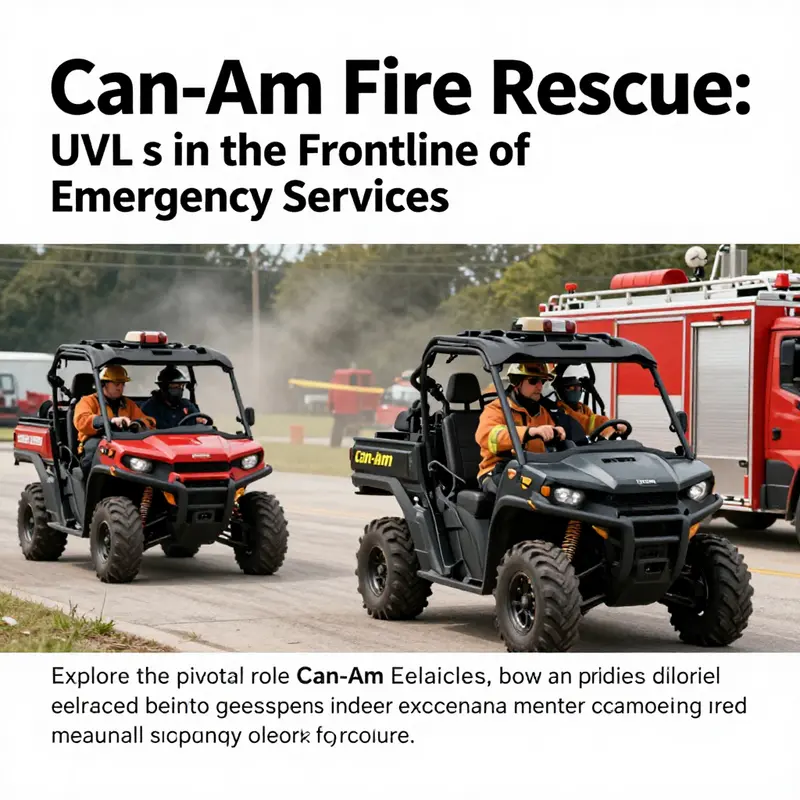
In contemporary firefighting and rescue operations, utility task vehicles (UTVs) have become invaluable assets, particularly the Can-Am Defender series. Known for their off-road capabilities, robust performance, and adaptability, these vehicles empower emergency response teams to tackle various challenges in both urban and remote environments. This article delves into the significance of Can-Am UTVs in emergency services, focusing on their technical specifications and capabilities, as well as their widespread adoption and impact on global response efforts. Each chapter provides insight into the unique attributes that make Can-Am a trusted choice for fire departments and rescue agencies worldwide.
All-Terrain Lifelines: UTVs on the Front Lines of Modern Fire Rescue
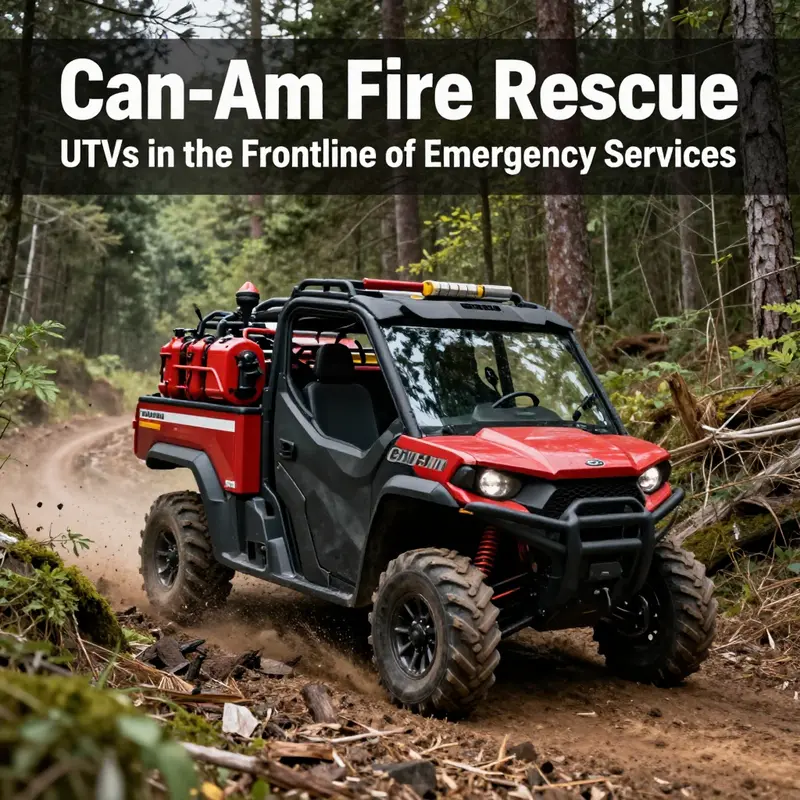
The demands of contemporary fire rescue stretch far beyond the reach of traditional apparatus. In forests dense with unfamiliar scent and shadow, along winding mountain trails, across muddy rangelands, and through the tangled edges of urban perimeters, the first moments of an emergency can hinge on access, speed, and the ability to deliver critical tools and relief where standard equipment cannot tread. As crews confront wildland fires, swift rescue operations, and rapid medical needs in remote settings, a class of rugged, all-terrain utility vehicles has emerged as a vital extension of the response toolkit. These platforms are designed not to replace heavy fire apparatus, but to complement them by bridging the gap between road networks and the most challenging terrain. They move quickly over off-road routes that many emergency vehicles cannot traverse, bring essential gear closer to the scene, and enable responders to reach victims or hotspots with a level of agility that improves outcomes in time-sensitive operations. In this way, they function as rolling force multipliers, extending the reach of every incident command post into environments that would otherwise stall a response and complicate lifesaving efforts.
The essence of what makes these vehicles indispensable lies in their core design philosophy. They are built to tackle rugged terrain while maintaining a disciplined balance between mobility, payload, and safety. The platform is characterized by robust construction that can withstand the rigors of off-road service, including exposure to dust, splash, mud, and cold weather. Their all-wheel-drive capabilities and high ground clearance are not mere conveniences; they are prerequisites for maintaining traction on slippery slopes, crossing uneven rock outcrops, and traversing soft, waterlogged soils where wheels can sink or slide. High-performance engines in these platforms deliver the torque needed to navigate steep grades and challenging angles without stalling, ensuring crews can advance toward the scene rather than stalling in the approach. The payload capacity of these vehicles—often around a thousand pounds—enables responders to carry a full complement of essential equipment, from medical stretchers and first aid kits to specialized firefighting tools and rapid-deployment gear. This combination of power, traction, and carrying capacity enables responders to assemble a compact, mobile operations base near the action, reducing the time between scene arrival and incident stabilization.
In the field, safety remains non-negotiable. The vehicles are equipped with safety structures that account for the unpredictable realities of emergency work. A roll-over protection system provides critical safeguard in uneven terrain where flanking edges or sudden shifts can occur during maneuvers. Seat belts accompany every occupant, reflecting the need to keep responders secure as the vehicle navigates turn, slope, or debris-strewn ground. For operations that extend into adverse weather or long-duration missions, there are options for enclosed cabs with heating, offering a controlled environment that helps maintain operator alertness and endurance. The seating arrangements are designed to accommodate two or more responders and, in some configurations, a patient or additional gear can be accommodated securely. These features collectively transform the vehicle from a simple transport platform into a survivable, reliable node within a larger rescue ecosystem.
The scope of mission profiles that these off-road platforms enable is remarkably broad. In rural districts and wildland interfaces, they excel in rapid scene assessment, patient extraction along trails, and the delivery of emergency supplies to locations where larger units cannot park. In more developed settings, they become valuable in urban edge operations where narrow streets and difficult access points demand nimble handling. The same platform can be readied for wildfire response, where speed and precision are paramount. A speedy approach can mean the difference between a controlled edge and an expanding blaze; the ability to quickly position responders with a toolkit of suppression gear, communication devices, and scene lighting keeps operations coordinated as conditions evolve. The vehicles also satisfy time-sensitive transport roles, acting as a mobile relay between the incident site and medical facilities when larger ambulances cannot reach a location due to terrain or congestion. In this way, the UTVs do not merely shuttle gear; they empower urgent medical and firefighting actions to begin sooner, often delivering a critical early advantage to the entire response.
Customization is a recurring theme in the life cycle of these platforms. Fire and rescue agencies frequently tailor configurations to fit local terrain, incident types, and budget realities. Tool mounts and dedicated storage solutions allow responders to secure axes, ventilation equipment, rescue tools, or spare parts with quick-release access. Integrated communication systems help maintain line-of-sight and radio coordination in remote areas where signals may be inconsistent, ensuring the response remains synchronized with command posts and other units. Enhanced lighting packages enable operations at dawn, dusk, or in smoke-filled environments, while weather-resistant enclosures protect sensitive electronics from the dust and moisture common to fieldwork. The ability to add patient transport options, such as locking mounts for stretchers and partitions that separate care areas from the engine bay, reflects a growing emphasis on integrating medical support into the same platform used by firefighting crews. For mission-specific needs, operators can configure winches, tow hooks, or mounted water/foam delivery accessories to match regional risk profiles, whether wind-driven grass fires, dense forest encroachment on neighborhoods, or flood-related rescue scenarios. A single platform thus becomes a flexible, rapidly reconfigurable asset that can be dialed in to meet the precise demands of a given incident, providing responders with the right tools at the right moment.
Operational practice around these platforms continues to evolve as agencies gain field experience. Training emphasizes not only vehicle handling and familiarization with off-road terrain but also the integration of the platform into standard operating procedures that govern multi-agency responses. Operators learn to judge when the vehicle’s speed, weight, and traction will yield the best results, balancing urgency with safety during unstable conditions such as wind-driven embers or rapidly changing smoke. Maintenance planning is essential, given the exposure to harsh environments. Regular inspections of tires, suspension, and drivetrain components help prevent unexpected downtime during critical operations. Battery performance, charging practices, and cold-weather behavior are likewise addressed, ensuring that the platform remains dependable across seasons and across varied duty assignments. In practice, the success of a UTV-based response hinges on how well its use is integrated with larger tactical plans, including the sequencing of foot teams, the coordination of drone or aerial assets for situational awareness, and the timely transfer of care from field responders to ambulance or hospital services. When integrated thoughtfully, these platforms contribute to a coherent, layered response system that can adapt to an ever-changing emergency landscape.
The adoption footprint for this class of vehicle is wide and indicative of its practical value. Fire departments and emergency response agencies across diverse geographies have incorporated these platforms into their response catalog because they fill an important niche: rapid, reliable access to difficult terrain without sacrificing the option to carry essential personnel and equipment. In forested regions, on pastureland with uneven ground, along snow-dusted trails, or in areas where floodwater might render roads unusable, the platform provides a rapid means of entry. The ability to carry responders and patients together, rather than relying solely on separate transport, supports a more integrated incident management approach and can speed up the initial triage and stabilization processes that determine patient outcomes. Internationally, agencies facing budget constraints or remote service delivery challenges have found that the platform offers strong value for the operating envelope of their operations. It is not a universal substitute for every role, but in the right contexts, it becomes an indispensable piece of the emergency services toolkit, used to extend reach, support forward operating bases, and relieve some of the pressure placed on larger, more specialized apparatus.
A fundamental aspect of the platform’s appeal is its modular potential. The same basic chassis can be outfitted with a range of mission-specific attachments that can be swapped between shifts or deployments. This modularity supports a broader ecosystem of response options, enabling an agency to adapt quickly to new hazards without purchasing a separate, dedicated vehicle for every use case. For example, a unit deployed to a wildfire front might be configured with specialized firefighting tools and a communication radar for coordination with aerial support, while another shift might prioritize EMS readiness with a portable stretcher system, a compact medical supply cache, and a weather-proof cabinet for IV bags and medications. In disasters that hamper infrastructure but demand continuous relief operations, the platform can serve as a hub for staging medical supplies, distributing food and water, or housing a compact triage station. The adaptability keeps response capabilities resilient in the face of evolving risk patterns, underscoring the value of versatile, off-road platforms that can be retooled without extensive downtime or a full fleet replacement.
From a strategic standpoint, the broader implication is clear: rapid intervention on difficult terrain reduces the window between alert and action. The ability to reach a scene quickly, establish a base of operations near the action, and move patients or customers through the chain of care with minimal delay translates into improved safety outcomes and more efficient resource use. This is especially true in wildfire settings, where crews must communicate across irregular terrain and variable visibility while coordinating water delivery, backfilling, and containment lines. The value of such a platform is not only in the speed of arrival but in its capacity to stay mobile and adaptable as conditions shift. A compact, all-terrain vehicle with ample power and storage can serve as a dependable, repeatable asset across many environments, whether a rural mountainside or a smoke-filled urban corridor. In this sense, the platform acts as a connective tissue within the emergency response framework, linking ground operations to command decisions, field medicine, and logistics. It is this integrative capability, more than any single feature, that has earned wide recognition among agencies facing diverse hazard profiles and logistical constraints.
To reinforce the practical dimension of customization and deployment, consider the way agencies talk about environments with varied terrain and cost realities. Acknowledging the diversity of needs, a notable resource in the field highlights how customized firefighting vehicles can be tailored for developing countries, emphasizing efficient, cost-effective, and reliable solutions for diverse terrain and budgets. This perspective mirrors the real-world pressure on many departments to optimize equipment within tight financial envelopes while still delivering robust capability across a spectrum of emergencies. For responders, the takeaway is not merely about adopting a specific platform but about embracing a design philosophy: build versatile, modular, and durable platforms that can be adapted to the local landscape and mission mix. By rooting procurement and training in this adaptable approach, agencies can maximize the value of every asset and ensure that responders are equipped to meet the demands of changing climates, evolving incident types, and shifting urban-rural interfaces. For more context on this customizable approach, see the linked resource that explores how these vehicles are configured to address diverse terrain and budget constraints.
In essence, off-road utility vehicles used in fire rescue embody a practical synthesis of mobility, capacity, and resilience. They are not about replacing larger apparatus, but about extending the reach of the entire response system into places where access is blocked by topography, weather, or time. They enable responders to begin care closer to the place where people are located, to stage equipment efficiently, and to maintain momentum as an incident unfolds. The ongoing evolution of these platforms—driven by real-world feedback, mission-specific customization, and a growing emphasis on interoperability—points toward a future in which response teams can rapidly assemble a multi-asset solution that is both nimble and robust. In that future, these all-terrain lifelines will continue to anchor rapid, effective action across the spectrum of fire rescue, search and rescue, and medical transport in remote and challenging environments.
For readers seeking further context on how customized configurations are shaping the application of off-road platforms in diverse settings, you can explore a resource focused on tailoring firefighting vehicles to developing countries. This broader perspective underscores how modularity, cost efficiency, and reliability are central to enabling effective emergency response in a wide range of terrain and budget scenarios. Customized firefighting vehicles for developing countries.
External resource: For a detailed overview from the official manufacturer’s emergency services page, which confirms the broad applications of these platforms in firefighting, rescue, agriculture, and industry, see the external resource at https://www.can-am.com/en/emergency-services
Crossing Boundaries: The Rugged UTV Platform Driving Modern Fire Rescue Across Harsh Terrain
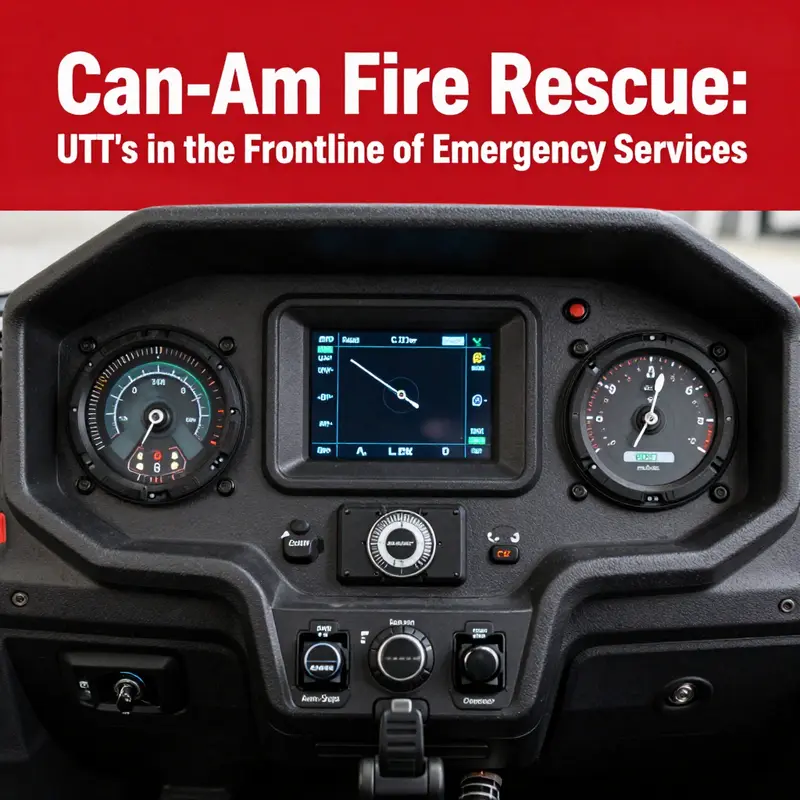
When a fire calls responders to a landscape that tests every inch of a crew’s endurance, the vehicle that carries the mission becomes more than transportation. It becomes a mobile workspace, a miniature command post, and a reliable lifeline rolled into one. In modern fire rescue, the demand for rapid, adaptable access to remote or difficult terrains—snowy roads tucked behind alpine ridges, muddy forest trails that swallow conventional trucks, or steep, rocky ridgelines where every inch of travel matters—has elevated a particular class of all-terrain utility vehicles from optional equipment to essential infrastructure. These platforms, built around a robust frame, high ground clearance, and a powertrain tuned for torque and reliability, act as multipliers for responders. They enable teams to deliver medical care, carry equipment, and support the suppression effort without sacrificing speed or safety. The core of this capability rests not only in the raw numbers—engine displacement, horsepower, or payload—but in the way a modular, dependable platform can be outfitted for a diversity of missions and weather conditions, then trusted to perform when the clock is ticking and the terrain is uncompromising.
To understand the value of this class of vehicle in fire rescue, consider the essential balance between speed, traction, and payload. A compact, purpose-built four-wheel-drive platform can be driven along forest service roads, up rocky fire lines, through snowdrifts, or across boot-slick mud, with a level of stability and control that larger apparatus cannot consistently guarantee in the field. The most capable of these platforms pair a compact yet potent engine with a transmission that preserves power delivery when traction is uncertain. A continuously variable transmission, placed behind a 4×4 drivetrain with selectable high and low ranges, translates power into a steady, controllable surge. This combination matters not only for the time to reach the incident but for the operator’s ability to maneuver around obstacles, stabilize patient transport sites, or reposition equipment as the scene evolves. In practical terms, it means responders can stage closer to the action, reduce the distance patients must be moved over rough ground, and keep the rest of the crew focused on tasks that demand their full attention.
The landscape of capability widens when a vehicle is designed to rise above the usual constraints of off-road travel. A ground clearance that clears obstacles like submerged tree roots, rock outcroppings, or snow banks by a margin of a few inches can be the difference between a mission that reaches its goal and one that stalls. In this class of platform, ground clearance of well over a foot—roughly 13 inches or more—becomes common. High clearance is not about show; it is a practical safeguard that minimizes the need for slow, careful navigation and instead enables confident, deliberate progress along uneven terrain. Alongside clearance, payload capacity matters as much as power. A platform capable of carrying more than a thousand pounds of equipment and personnel opens the door to carrying a patient stretcher, a full complement of medical supplies, extrication tools, and the unique firefighting attachments responders rely on during an emergency. This payload capability is what turns a mobility solution into a fully functional field unit that can support triage, transport, and tool access in a single, four-wheeled package.
The platform’s resilience is inseparable from its chassis and suspension. Independent suspension with long-travel shocks on both ends provides a smoother ride over washboard tracks and uneven ground alike, reducing operator fatigue and protecting sensitive medical gear and delicate rescue equipment from jostling. When a responder needs to react quickly—say, a patient requires immediate stabilization en route to a hospital or a crew must reposition a water supply or hose line to seize control of a flare-up—the stability offered by such suspension becomes a force multiplier. It also helps the vehicle maintain traction on variable surfaces, from slick clay to bedded snow, ensuring predictable handling when conditions change within a single shift. The result is not just a piece of equipment that can drive across rough terrain; it is a deliberately engineered tool that helps responders preserve time and maintain control under pressure.
Where this class of platform truly shows its value, however, is in how easily it can be adapted to the varied demands of fire and rescue work. The vehicle’s modular architecture invites a range of upfit configurations, from winches and storage boxes to lighting arrays and medical stretcher mounts. A winch can be a lifeline when the team needs to recover equipment, reposition a stalled unit, or reach a patient in a location where wheels alone cannot gain purchase. Tool boxes or mounted totes provide rapid access to PPE, first aid supplies, extraction gear, and spare parts, minimizing the time responders spend searching through cluttered interiors or unloaded cargo bays. Specialized mounts, constructed to accept medical devices, radios, or compact sprinklers, turn the platform into a portable treatment station capable of supporting triage and stabilization without diverting attention from the scene’s broader demands.
In firefighting and rescue work, time is measured in minutes, then seconds, and every mile of travel that can be shaved off translates into lives saved and injuries mitigated. The platform’s top speed, while modest by highway standards, is more than adequate for emergency response when paired with its other strengths. A capability to reach incident sites quickly—up to around 60 miles per hour on suitable surface—means responders can cover substantial ground and return to the line faster, bringing with them the analytics of the scene, the tools needed to expand treatment capabilities, and the resources necessary to support a growing incident. This speed, paired with traction and control, grants responders a strategic advantage: they can stage near the edge of a fire or in a safe, accessible location adjacent to the critical work, rather than relying on a single long, vulnerable shuttle from a distant staging area.
The technical backbone of this class of platform—a 976cc V-twin engine delivering roughly one hundred horsepower, a CVT that absorbs the surges of sudden power demand, and a 4×4 drive system with selectable high and low ranges—together crafts a predictable, robust performance envelope. These numbers do not describe mere speed or torque in isolation. They describe a flexible ecosystem that supports varied missions with a single vehicle. When weather turns harsh or ground conditions shift, responders trust that this platform will negotiate the new normal, carry the equipment they rely on, and maintain a stable platform for patient care and rapid deployment. The weight capacity—exceeding a thousand pounds—ensures that a team can bring a patient stretcher and essential medical gear without compromising maneuverability or safety. The combination of durable tires, a resilient frame, and dependable traction underpins the vehicle’s status as a central pillar of a modern emergency response arsenal.
Beyond raw capability, the value of this platform lies in its ability to adapt to the incident’s evolving demands. Rescue operations frequently require more than a single function: evacuation, medical stabilization, scene lighting, and rapid assessment all occur in quick succession. A single, modular base platform can be reconfigured on-site or pre-planned for a particular mission profile. The simple exchange of equipment, or the addition of a compatible winch, lighting package, or medical mount, becomes a strategic decision rather than a logistical hurdle. This adaptability is especially important in regions where terrain and climate demand tailor-made solutions for every season. In snow-laden mountain regions, a high-clearance, four-wheel-drive platform with locked differentials can perform with the efficiency of a larger vehicle yet with the nimbleness that permits safe navigation around tree lines and through tight switchbacks. In remote woods or swampy marshes, the same platform can be outfitted with a winch, protective skid plates, and a compact water supply or foam kit for the firefighting mission. The modular approach is not a luxury; it is a necessity for responders who must balance speed, patient safety, and logistical practicality within the constraints of an austere environment.
The practical outcomes of this design philosophy extend into daily operations and training programs. Fire rescue teams that rely on a versatile UTV platform often integrate it into their drills as both a rescue and a transport element. They practice loading techniques that protect a patient’s spine while considering the ground surface on which the patient will travel, and they rehearse positioning of equipment in the bed area to prevent shifting during travel. The operator’s seat, visibility, and ergonomic access to controls matter as much as the vehicle’s mechanical specifications. A well-designed platform reduces the cognitive load on the operator during an incident, enabling quicker decisions and smoother execution under stress. This, in turn, translates into a safer scene and more efficient patient care arcs between the incident site and medical care facilities.
The broader ecosystem around the platform is also essential. Fire agencies do not rely on a single vehicle type to meet all needs; they curate a lineup of support tools that work in tandem with their UTV platform. The platform’s durability helps reduce downtime in harsh climates, but its value multiplies when paired with well-thought-out accessories—portable lighting that cuts through smoke, compact emergency medical sets that fit within a payload-friendly bay, and weather-resistant storage options for PPE and rescue tools. When these elements are synchronized, responders gain extended capacity in the field. They can dispatch small teams deeper into a fire edge, bring back critical equipment, or stage a mobile treatment zone that can be rapidly evacuated if conditions deteriorate. The ease of access to a broad set of function-specific attachments means the vehicle supports both the initial response and the ongoing work that follows, from triage to casualty handling and to the eventual logistics of returning to the staging area.
This holistic approach—combining power, agility, modularity, and reliability—occurs within a broader context of regional adaptation and resource management. In many parts of the world, departments must balance cost with performance and long-term support. The ability to customize a platform to suit climate, geography, and budget becomes a decisive factor in a department’s overall readiness. The notion of reliability takes on new meaning when a vehicle is expected to operate for long stretches without requiring frequent maintenance, when spare parts and trained technicians are available locally, and when the platform has a well-documented upfit path that keeps pace with evolving rescue protocols. In such environments, the platform is not merely a vehicle; it becomes a modular backbone for a department’s rescue strategy, capable of absorbing new tools and new tactics as the crew’s needs change over time.
To illustrate how this translates into field practice, imagine a wildfire scenario sweeping along a remote hillside where roads end at the treeline. A compact, high-clearance, four-wheel-drive platform arrives with a team of responders who have already established a basic medical station at a safe location. The vehicle’s bed houses a compact stretcher and essential medical gear, while a modular mount holds a portable patient monitor and a prepackaged triage kit. The crew uses a winch to reposition a fixed water supply or to gently maneuver a light hose line up a narrow trail. The operator navigates switchbacks with confidence, guided by long-travel suspension that cushions the ride for a patient on a stretcher and preserves critical equipment alignment. The same vehicle can quickly transition to a transport role, supporting casualty evacuation through uneven terrain while remaining within sight of the medical team, who rely on the vehicle’s accessibility and proximity to maintain continuous care. In urban-edge evacuations or mountain passes alike, this platform behaves not as a single-purpose machine but as an adaptable extension of the responder, enabling rapid decision-making and sustained response with reduced exposure risk for personnel.
The official literature from the vehicle’s manufacturer underscores its broad applicability to firefighting, rescue, agriculture, and industry, reflecting a philosophy that the platform is a dependable, multi-mission tool, capable of delivering on the most demanding assignments without demanding a fleet of specialized vehicles for every scenario. The technical and design choices described here—compact yet powerful engines, CVTs engineered for smooth transitions, rugged 4×4 drive with selectable gearing, generous ground clearance, and a modular architecture—are precisely what enable these platforms to function effectively across diverse geographies and incident types. They also reinforce the idea that the modern fire service benefits from embracing technology that complements human skill rather than replacing it. A well-equipped, versatile platform frees responders to focus on assessment, patient care, and strategic decisions rather than contending with a vehicle that simply cannot reach an objective.
Crucially, the ongoing success of these platforms hinges on more than engineering alone. It rests on training, maintenance, and an understanding of how to integrate new tools into established response models. Agencies that adopt such platforms typically embed them within their standard operating procedures, ensuring that drivers, medics, and incident commanders view the vehicle as a routine, dependable element of the response. This means regular drills that simulate real-world obstacles—from snowbound approvals to muddy, down-slope routes—so crews learn not only how to operate the vehicle but also how to make quick, tactical decisions about patient handling, scene protection, and teamwork. Maintenance programs that prioritize inspections of drivetrain components, suspension health, and mounting points for equipment help preserve reliability when the climate is unforgiving and the mission is time-sensitive. The eventual payoff is a predictable, repeatable performance envelope that responders can rely on when lives and livelihoods depend on it.
In closing, the value of this rugged, modular platform in fire rescue is measured not solely by its specifications but by what it makes possible on the ground. It expands access to remote scenes, reduces the time to deliver care, and lends itself to rapid reconfiguration as the incident evolves. It supports a diverse array of missions—from rapid medical transport along forested corridors to the initial suppression tasks near the fire edge—without demanding a separate vehicle for every role. As fire departments confront increasingly complex emergencies, the attractiveness of a dependable, adaptable platform that can be outfitted for evolving needs will only grow. This is why, in contemporary emergency response planning, a rugged UTV platform that combines power, control, and modularity is not an afterthought but a central asset—one that helps responders reach the scene, stabilize patients, and restore safety with greater confidence and efficiency than ever before.
For readers seeking to explore regional or field-specific adaptations of these platforms, several case studies and practical discussions illustrate how departments tailor equipment configurations to meet local terrain and budget realities. A representative example is the broader narrative around customized firefighting vehicle solutions for developing countries, highlighting how cost considerations, reliability, and local support networks shape the upfit and maintenance approach when deploying such platforms in resource-constrained environments. You can read more about these tailored solutions here: customized firefighting vehicle solutions for developing countries: reliable, cost-effective, and fully supported.
As this chapter threads together the technical, operational, and logistical dimensions of a rugged, modular platform, it becomes clear how a well-chosen, well-equipped vehicle can support firefighting and rescue teams across a spectrum of environments. It acts as a versatile enabler—an all-terrain partner that helps responders reach scenes faster, bring the right tools to the right place, and perform patient care and safety tasks with a previously unattainable level of confidence. The result is a more resilient response framework where technology supports human judgment, teamwork, and the hard-won experience of firefighters and rescue professionals who get the job done under pressure. For practitioners and policymakers alike, this is the kind of robust capability that translates into safer communities and more effective emergency response when every second counts.
External resource: https://www.can-am.com/en/vehicles/defender
Rugged UTV Platforms: Redefining Fire Rescue Through Mobility and Data
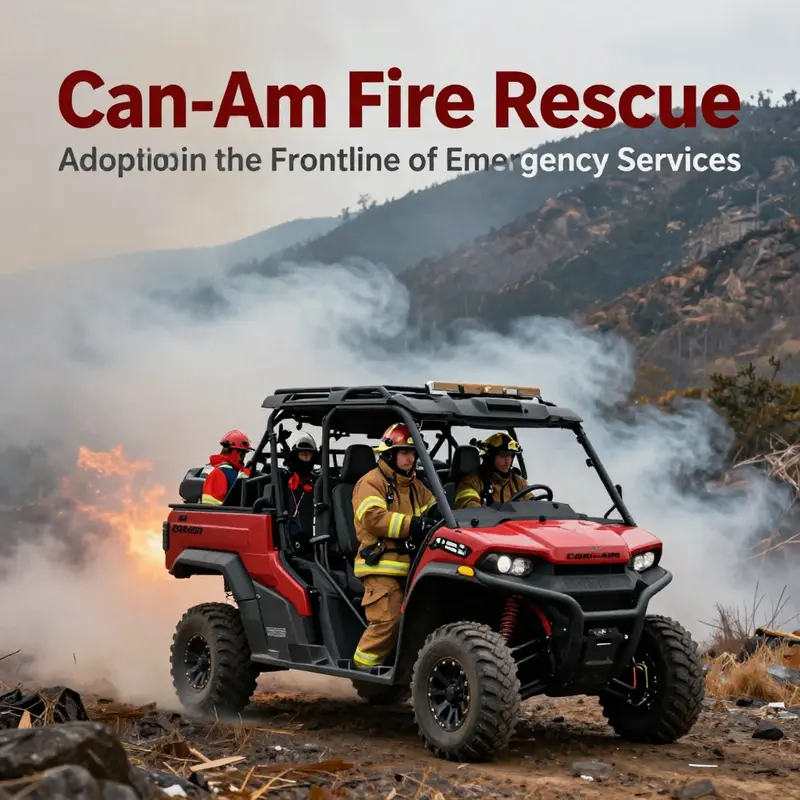
The rise of rugged, all-terrain UTV platforms is reshaping fire rescue by pairing mobility with real-time data. These vehicles operate closer to the edge of danger, carry essential medical and firefighting equipment, and act as moving command posts that gather and share telemetry, environmental sensors, and situational intelligence with incident command. By integrating IoT, AI, and drones, responders gain a common picture of wind, fuel, temperature, and crew location, enabling faster, safer decisions. The result is a platform that supports rapid assessment, coordinated deployment, and seamless handoffs between units, turning mobility into a core component of modern resilience rather than a mere transport tool. Training, interoperability, and disciplined data use are essential to ensure that technology augments judgment instead of overwhelming it, and to realize the promise of a data-informed, faster, and more humane emergency response.
Final thoughts
The Can-Am Defender series exemplifies the evolution of firefighting and rescue operations in an increasingly challenging environment. Embraced by agencies around the world, these UTVs offer exceptional reliability and versatility, enabling teams to respond effectively to emergencies. As they continue to enhance operational capabilities across diverse settings, Can-Am vehicles are not only changing the landscape of emergency response but also safeguarding lives in critical situations. Investing in these vehicles is an investment in resilience and preparedness for any emergency.