As catastrophic fires continue to ravage Australia, the impact on its iconic wildlife is profound, particularly on koalas. In recent years, front-line rescue operations have become increasingly vital in restoring the lives of these injured animals. This article delves into the transformative journeys of koalas, focusing on their critical care and rehabilitation following devastating fires. Through heartfelt stories of connection, like that of Bob and Sam, we explore the bonds formed in recovery and highlight the challenges these creatures face as they adapt to an uncertain future. By understanding the ongoing conservation efforts aimed at protecting these animals from environmental and human threats, we emphasize our collective responsibility in preserving their legacy.
Ash, Leaves, and a Second Chance: A Koala’s Journey from Fire Rescue to Rehabilitation and Release
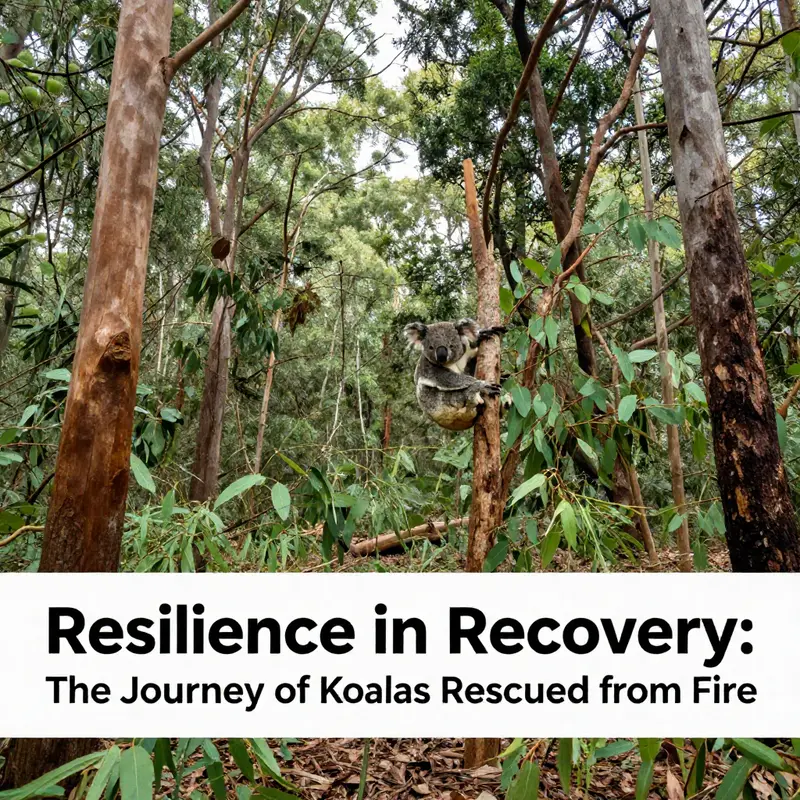
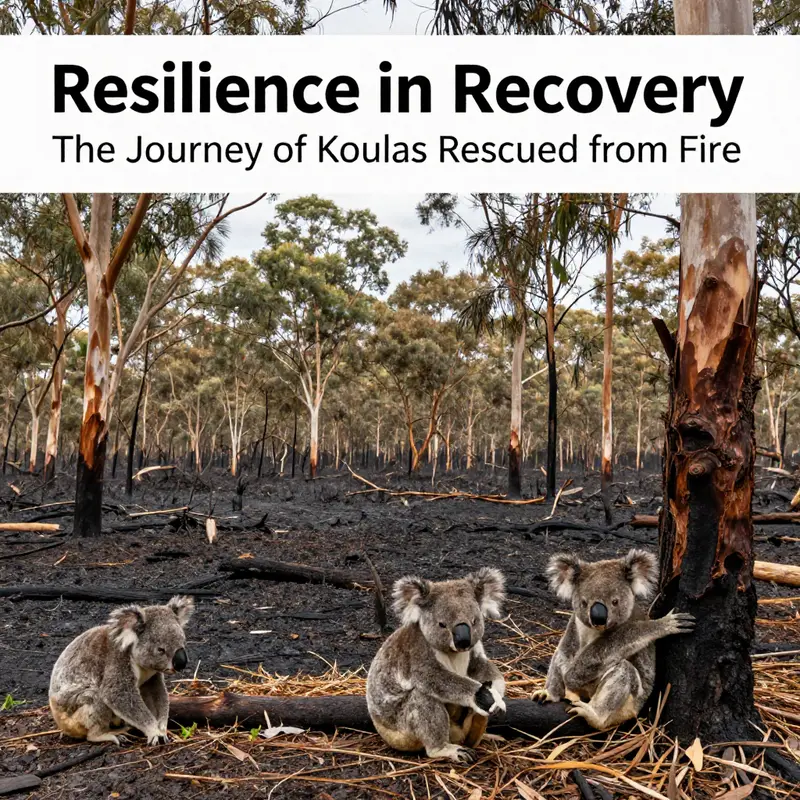
When a forest blaze roars across eucalyptus plains, the landscape becomes a theater of disaster for koalas. Leaves char, branches crackle, and the animals must choose between flight and flame. Koalas are built for treetop life, not speed, and their limited mobility makes them especially vulnerable as fires sweep through their home ranges. In minutes, a thriving population can be thinned, and survivors begin a journey that is as much about medical care as it is about hope. This chapter follows the long, tangible process from the heat of the flames to the careful rebuilding of trust, appetite, and stamina, culminating in the possibility of release back into restored habitat. It shows how critical care, patient rehabilitation, and habitat conservation intertwine to give koalas a fighting chance in a warming world.
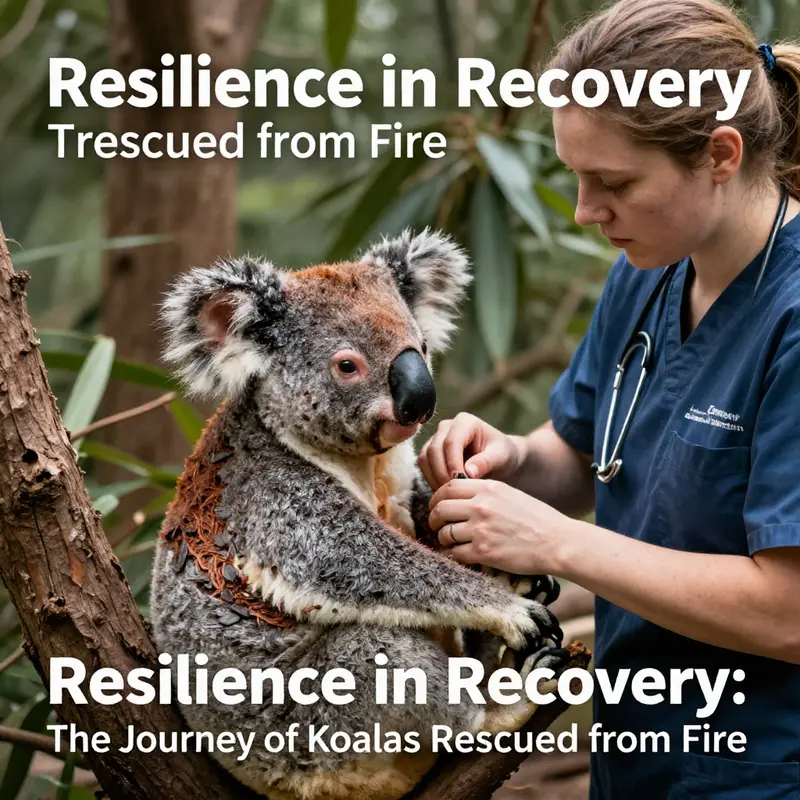
The moment of rescue often comes at dawn, when smoke clings to the sky and first light struggles through the ash. Koalas arrive exhausted, fur singed, paws sore, bodies dehydrated. They may tremble with fear, clinging to a caretaker’s hand as if to a lifeline. At wildlife centers, early acts of mercy begin: wounds cleaned, fur trimmed to prevent infection, bandages applied with steady hands. Fluids restore moisture, and baskets lined with familiar eucalyptus leaves help anchor the koalas amid the unfamiliar hum of a rehabilitation facility. Healing is not just patching skin but reinstating safety, steady breathing, and a rhythm of rest that matches the animal’s needs.
Rehabilitation unfolds as a longer, intricate chapter. Healing burns is surface work; the deeper recovery involves chronic pain management, regaining mobility, and relearning how to feed. A koala might arrive with stinging scabs, sore joints, and a lingering fear of movement. Pain management becomes daily care, not a one-off. Some animals regain strength quickly; others face persistent hurdles: fatigue when climbing, hesitancy about new foods, or old anxieties that make them wary of humans. The emotional dimension is real: trainers observe subtle signals—the tilt of a head, the pace of chewing, the steadiness of a grip—which signal readiness for the next stage.
A telling moment from the rescue story comes from the bond between two koalas rescued during a major bushfire event and cared for at a wildlife center. Their companionship offered hope and underscored a truth: recovery is not solitary but social, a process in which survivors can find solace, learn to trust again, and mirror the endurance of successful adaptation. Through daily routines—shared stretches, cooperative climbs, quiet rests—caregivers witness the emergence of confidence and the re-creation of safety.
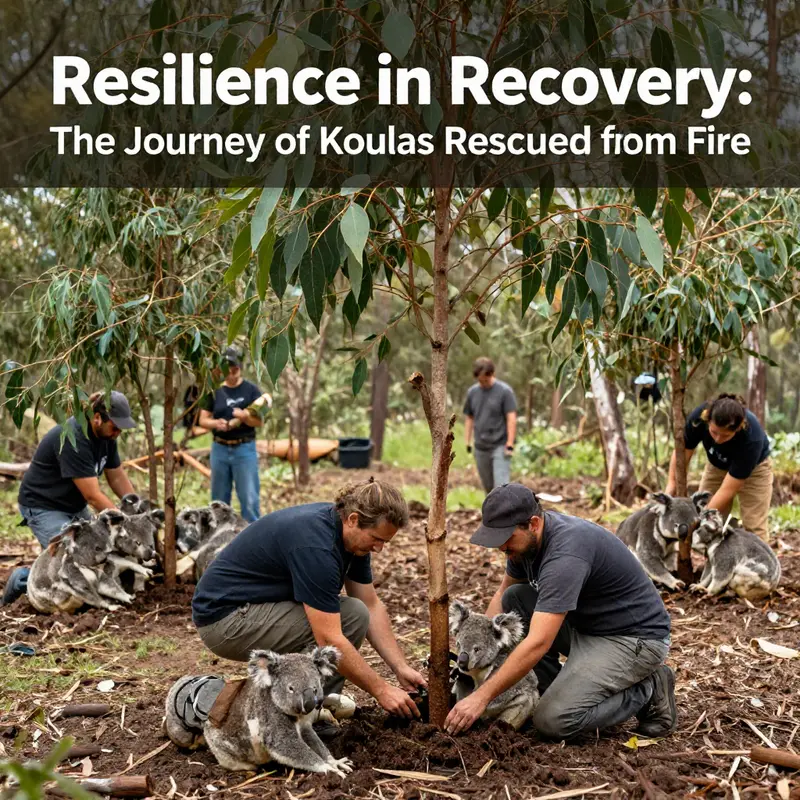
The next hinge point is habitat restoration. A koala’s return to the wild cannot be reduced to medical clearance; it requires intact habitat and relief from future threats. Climate change lengthens fire seasons and alters eucalyptus forests, while development fragments corridors. Rehabilitation thus becomes a broader conservation effort: planting native trees, guarding regrowth after fires, and protecting roosting trees that shelter during heat waves and winds. Policy and land management must keep human activity from fragmenting forests and maintain connectivity between refugia and forage zones so koalas can move safely through the landscape.
Field success is increasingly measured by release outcomes. In recent years, reintroduced groups have demonstrated the viability of carefully monitored transitions from care to freedom. The shift from treatment to release is guided by data: body weight, hydration, wound healing, mobility, and appetite. If released individuals thrive, it signals that the habitat provides shelter, food, and safety; if not, it signals that further habitat work is needed along with ongoing conservation actions. Public understanding remains critical, inviting volunteers and supporters to engage with habitat restoration initiatives that keep canopies intact for future generations of koalas.
For readers seeking practical perspectives that inform field care, resources from rescue networks offer windows into operations that support successful recoveries. Practical guidance and training materials illuminate the realities of rescue work and post-release monitoring. Ultimately, the arc of a koala rescued from fire is a testament to resilience—of the animal, of the caregivers, and of the forest that can recover when care and conservation work together.
External resource: https://www.dcceew.gov.au/wildlife/koalas
Embers and Embrace: The Bob and Sam Bond and the Longer Road Home for Koalas Rescued From Fire
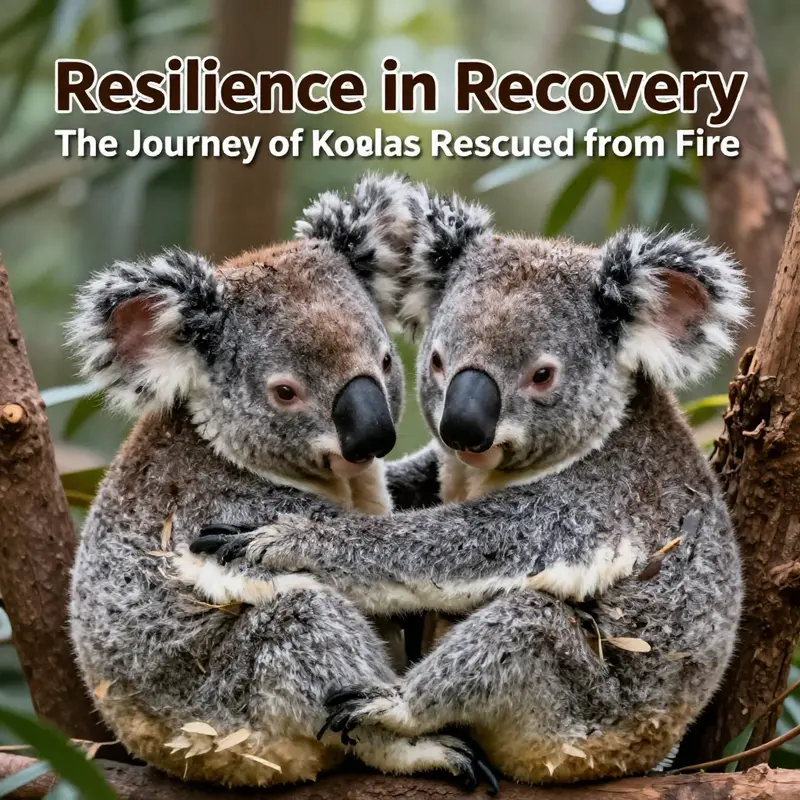
When the flames gnawed through the landscape near Melbourne in 2009, a vividly ordinary creature became part of an extraordinary story. Bob, a shaggy koala with smoke-streaked fur, and Sam, another survivor from a nearby zone, were pulled from charred trees and ash-lit branches. They had endured the worst of a firestorm that took many habitats and lives, and their paths into care began in a moment of urgent triage. What followed was not only a medical recovery but a quiet, stubborn form of resilience that echoed through hundreds of similar rescues across Australia. Photos of Bob with a gentle paw around Sam’s back emerged as a symbol of companionship amid catastrophe. The image spoke in a language all communities understand: even when nature turns brutal, creatures survive together, sometimes with help, sometimes with a bond that sustains them through fear and pain. The koala rescue narrative, anchored by Bob and Sam, became a hinge between the science of rehabilitation and the heart of public empathy. The broader public learned that recovery after a fire is not a single act of healing, but a sequence of careful steps that begin in a makeshift hospital and ends, if fortune allows, in a rewilding effort that must also address habitat loss and future risk.
In the years that followed, the story of Bob and Sam aligned with a wider mosaic of rescue and rehabilitation that has become a defining feature of Australia’s response to bushfires. Koalas arrive at care centers with a spectrum of needs. Burns, dehydration, and shock are common, but the path to recovery also requires attention to nutrition, pain management, and the psychological strain of trauma. Koalas are famously selective eaters, and a disrupted food supply complicates rehabilitation. Vets and wildlife carers work to reestablish peace between sore bodies and the trees that make up their world. The Blue Mountains rescue, for example, saw a crew move a dozen koalas to Kanangra-Boyd National Park—a habitat heavy with eucalyptus and, crucially, accessible to the koalas’ diet and instincts. The aim is not merely to save a single animal but to restore a chance for a koala to rejoin a population and to reestablish its place within a fragile ecosystem. In these efforts, the rehabilitation centers act as bridges. They connect medical treatment with ecological restoration, offering a controlled environment in which koalas can regain strength while scientists monitor their progress to determine the best release strategies.
The tale of Bob and Sam thus opens into a larger current: the recognition that post-fire care must be calibrated to species-specific needs. In a landscape altered by climate change and ongoing development, the survival of koalas hinges on more than medical care. It requires a steady hand on habitat protection, food supply, and disease management. The emotional dimension of recovery—what one observer has called the “compassionate care” of wildlife centers—also matters. Even in facilities designed to mimic the wild, animals form bonds, regulate stress, and adapt through social cues that help them cope with pain and fear. While koalas are typically solitary in the wild, captivity can reveal a different side of their social world, one that centers on safety, companionship, and routine. Retired forest trails, sunlit feeding enclosures, and predictable daily schedules reduce the volatility of their condition and lay the groundwork for a successful return to wild life when the forests are ready to receive them.
Against this backdrop, researchers have begun to quantify the value and outcome of targeted care. A 2026 study published in Frontiers in Conservation Science highlights a notable shift in post-fire outcomes for koalas compared with other marsupials. The study found that the survival and release rate for koalas after the 2019–2020 Black Summer bushfires was about 47 percent, markedly higher than for kangaroos and wallabies, where the rate stood around 15 percent. This data underscores the effectiveness of species-specific triage and rehabilitation protocols that recognize koalas’ unique physiology, nutrition needs, and behavioral cues. It is not merely a matter of providing shelter and fluids; it is about guided recovery—ensuring that burn wounds are treated, hydration is stabilized, and the animals are reintroduced with an understanding of their dietary and ecological requirements. The improvement in koala outcomes signals growing expertise in wildlife medicine and a more coordinated approach among rescue groups, veterinary networks, and field biologists.
The human stories threaded through these clinical numbers matter as well. Bob and Sam’s bond has remained a quiet emblem within a larger scientific narrative: companionship and emotional support can accompany physical healing, even for wildlife. In the controlled environment of a wildlife center, a shared sense of safety can reduce fear, stabilize heart rates, and promote a quicker appetite for nourishment—factors that can translate into better rehabilitation outcomes. This is not to say that friendship cures burns, but it does suggest that humane care, consistent routines, and an emphasis on mental well-being can help creatures regain normal functioning sooner. The idea resonates with carers and researchers alike: recovery is a holistic process, one that harmonizes body, mind, and environment.
The ongoing work around koala rescue and rehabilitation also highlights the necessity of protecting and restoring habitat. Koalas are highly dependent on eucalyptus forests for both food and shelter. When fires burn widely, these forests can be reduced to scraps of landscape that no longer sustain populations. Conservation groups, including global and local organizations, have long argued for a dual strategy: immediate rescue and longer-term habitat restoration. Protecting remaining eucalyptus stands, replanting where forests have been depleted, and defending corridors that allow koalas to move between foraging sites are essential to turning the tide from crisis to resilience. Efforts like these ultimately influence not only the likelihood of survival after a single fire but the capacity of koala populations to rebound after successive threats—heat, drought, and the fragmentation that follows development.
Within this evolving framework, some practical questions guide how rescue agencies operate. What are the best triage protocols when multiple koalas arrive with burns and dehydration? How do carers decide when a koala is ready for release or needs a longer rehabilitation timeline? How can rehab centers balance medical treatment with the psychosocial elements of recovery? The answers emerge through evidence-based guidelines, meticulous veterinary care, and long-term monitoring. The first days after a rescue are perhaps the most critical. Koalas may present with sores, eye infections, and systemic dehydration. Veterinary teams use fluid therapy, pain management, and wound care to stabilize them. Nutritional programs focus on maintaining weight and rebuilding fat reserves so koalas can tolerate stress and maintain energy during the transition to the wild. As the animals gain strength, they are gradually exposed to increasing levels of natural stimuli—ambient temperature, the smell of eucalyptus, and small, supervised forays back toward foraging trees—always with the option to retreat to safe enclosures. Such careful staging helps ensure that when a koala finally steps back into the forest, it has a reasonable chance of survival rather than a brittle, short-lived reentry into danger.
The Bob-and-Sam narrative also invites readers to reflect on how communities respond to fires in a deeply personal way. Public interest can catalyze funding, volunteer recruitment, and political will for habitat protection. In this sense, each rescued koala story becomes a small but meaningful part of a national effort to build more resilient landscapes. The resilience is not merely biological; it is social and infrastructural. It depends on the cooperation of local communities, researchers, rescue organizations, and policymakers who recognize that protecting koalas means protecting broader ecological networks: food sources, tree cover, cool microclimates, and the wildlife corridors that knit the Australian bush together. In this sense, the heartwarming moment of Bob’s paw around Sam’s back is more than a moment of tenderness. It is a reminder that even in the face of catastrophe, there is a path back—through science, care, and a shared aspiration to restore wild places where such bonds can form naturally again.
For readers who want to dive deeper into how these stories are shared and learned from, the broader community maintains a steady stream of updates. The FIRE RESCUE blog offers ongoing narratives about field rescues, care protocols, and the practical realities of preparing wildlife for eventual release. It provides a connective thread that links the dramatic moments in the field to the day-to-day practice of rehabilitation, training, and preparedness that makes these successes possible. By following these accounts, the public can better comprehend the complexity of rescuing a koala from fire and, more importantly, what comes after the rescue. The story doesn’t end with medical clearance; it continues in the forest, among the trees that feed a koala’s life and in the minds of those who work to sustain that life forward.
External resource: https://www.chinadaily.com.cn/australia/2009-02/11/content_7378672.htm
null
null
null
null
null
null
Final thoughts
The journey of koalas rescued from fire is a testament to resilience and the vital importance of rehabilitation and conservation efforts. Through compassionate care and dedicated teamwork, these remarkable creatures are given a second chance to thrive in their natural environment. However, as they face ongoing threats—from climate change to habitat loss—it remains crucial for society to continue supporting conservation initiatives. By raising awareness and contributing to protective measures, we can help ensure that future generations of koalas can enjoy the rich eucalyptus forests that symbolize their existence in Australia. Together, our commitment to their recovery can foster hope for their survival.