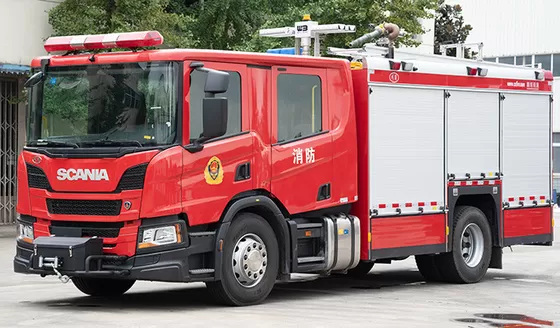
Transformations in the Global Firefighting Industry
In recent years, the firefighting industry has undergone significant changes driven by advancements in technology, increasing urbanization, and the growing complexity of emergencies. As a result, modern fire trucks, including specialized vehicles like ladder fire trucks and ARFF trucks, are not just tools; they are lifelines in combating dangers and preserving lives. Stakeholders from emergency response departments to government procurement units must understand how these innovations can enhance their operational capabilities.
The Essential Role of Fire Trucks in Rescue Operations
Fire trucks serve various critical functions, acting as mobile command centers during emergencies. Equipped with advanced firefighting systems, they are designed to respond to different scenarios, including structural fires, wildfires, and hazardous material incidents.
1. Quick Response and Efficient Resource Allocation
One of the most pressing challenges in firefighting is the rapid response to emergencies. Modern fire trucks are designed for speed and agility, allowing firefighters to reach the scene quicker than ever. With features such as reinforced chassis and high-performance engines, these vehicles can traverse difficult terrains, ensuring timely interventions where they are most needed.
2. Multitasking Capabilities: The Versatile Fire Truck
Today’s fire trucks can perform a multitude of functions simultaneously. They carry a variety of firefighting equipment, from hoses to thermal imaging cameras, which allows teams to assess situations and implement solutions quickly. For instance, a platform fire truck can deliver personnel and equipment to high-rise buildings efficiently, ensuring that help reaches those in need, even at considerable heights.
3. Safety and Reliability
Safety is paramount in firefighting. Innovations in fire truck design are focused on ensuring the safety of both firefighters and civilians. Features such as advanced braking systems, reinforced cabins, and intuitive control systems greatly reduce accident rates during missions. Additionally, routine maintenance and inspections of these vehicles are critical.
Regular evaluation and upkeep of models such as ARFF trucks can enhance reliability, ensuring they are always ready to protect lives.
4. Technological Integration
With the rise of smart technology, modern fire trucks are equipped with sophisticated systems that improve situational awareness. Equipment like GPS navigational systems, real-time communication tools, and integrated surveillance technology allow firefighters to adapt quickly to changing circumstances during rescue missions. These technological advancements have drastically improved decision-making processes in critical moments.
5. Community Engagement and Awareness
Fire trucks are not just operational tools; they also play a crucial role in community engagement. Fire departments utilize fire trucks for public safety demonstrations, educational programs, and disaster preparedness initiatives. Showcasing their capabilities with equipment like tankers not only educates the public about fire safety but also reinforces the importance of effective firefighting resources.
Best Practices for Fire Truck Usage and Maintenance
To maximize the potential of fire trucks, emergency departments must prioritize best practices regarding their usage and maintenance. Here are some key recommendations:
1. Regular Training and Drills
Firefighters should undergo regular training to familiarize themselves with the latest technology and equipment on their fire trucks. Practical drills can enhance their readiness and ensure they can operate all features efficiently during emergencies.
2. Comprehensive Maintenance Programs
Implementing a rigorous maintenance schedule, including periodic inspections and repairs, will ensure that fire trucks remain functional. Departments should collaborate with specialists in vehicle maintenance to develop tailored programs that address the unique needs of different fire truck models.
3. Emphasize Safety Protocols
Prioritizing safety protocols during operations and maintenance can reduce risks significantly. This includes proper equipment usage, personal protective gear, and ensuring firefighters are trained for various scenarios they may face on missions.
Conclusion: Prioritizing Efficiency and Safety in Emergency Response
As fire departments adapt to meet the challenges posed by modern emergencies, the integration of advanced fire trucks into their fleets will be crucial. Understanding the vital role these vehicles play in rescue operations can significantly affect the outcomes of emergencies.
Ready to equip your department with the latest in firefighting technology? Explore our product range of fire trucks today! Check out our selection on Zoomlion, CIMC, and CRRC. Stay ahead in emergency response by maximizing your operational capabilities with our state-of-the-art vehicles.