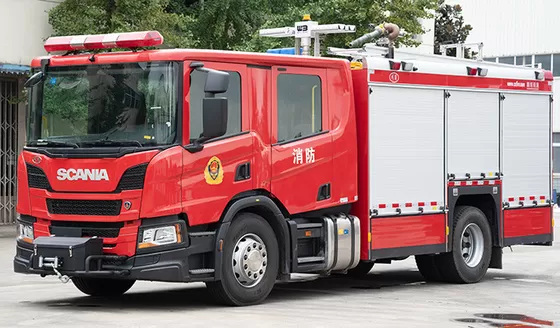
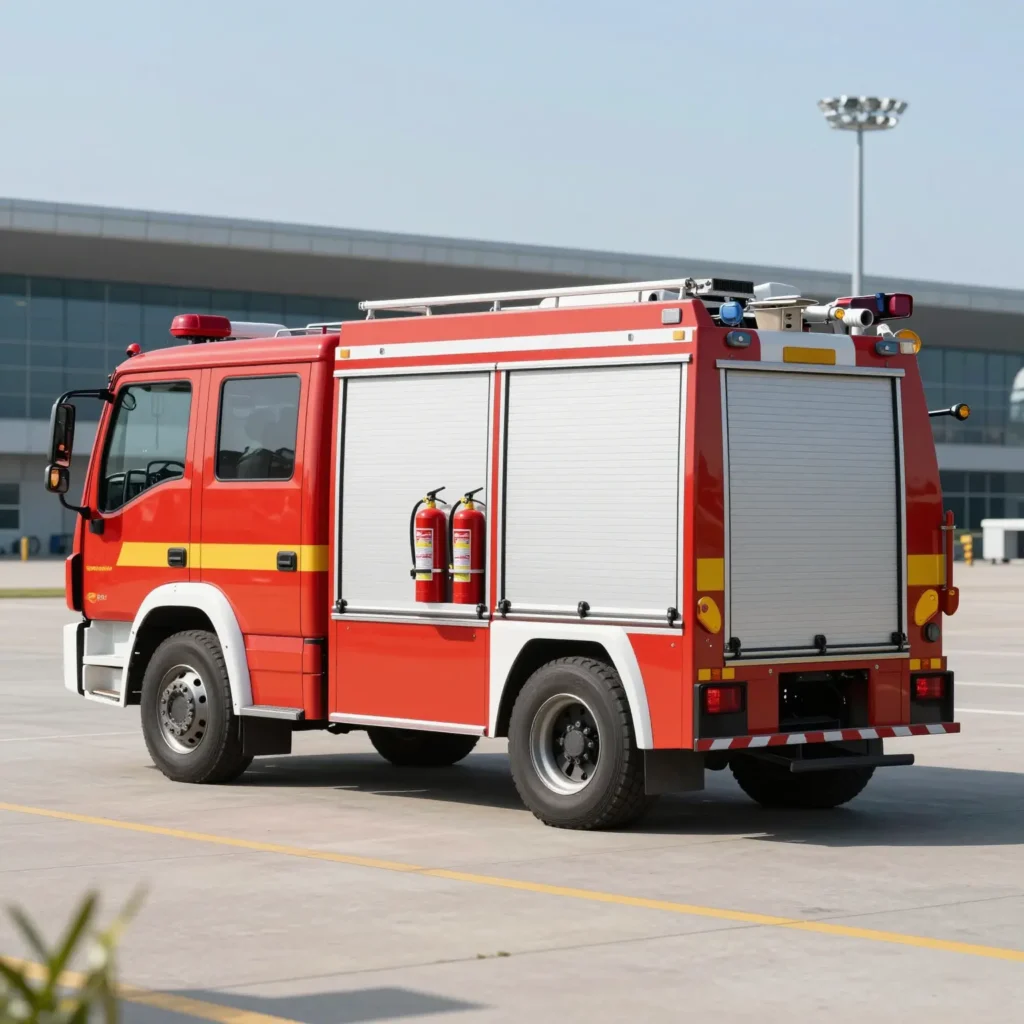
Introduction to Airport Fire Trucks
Airport fire trucks are specialized vehicles designed to respond swiftly to emergencies, ensuring passenger and crew safety at airports. Their importance can’t be overstated, as they play a crucial role in addressing incidents such as aircraft fires and fuel spills, which can occur in the fast-paced aviation environment. These units are equipped with state-of-the-art firefighting equipment tailored for unique fire scenarios present in aviation, which directly influences the survival rates during critical emergencies.
CIMC Tianda has positioned itself at the forefront of airport fire safety solutions by integrating advanced technologies into their fire trucks. These innovations enhance rapid response capabilities, allowing firefighting teams to manage incidents effectively. With a commitment to optimizing operational efficiency, CIMC Tianda is reshaping how airports approach safety solutions, ensuring that every emergency situation is met with the highest standards of preparedness and innovation. By leveraging cutting-edge technology and intelligent management, they are setting new benchmarks in airport safety.
Key Features of Modern Airport Fire Trucks
Modern airport fire trucks are critical for ensuring safety and effective response in aviation emergencies. Here are some of the key features that business owners should be aware of:
- Advanced Extinguishing Systems: These trucks feature high-capacity pumps capable of delivering between 2,000 to 3,500 gallons per minute of water or foam concentrate. Advanced foam systems and clean agents are specifically designed to extinguish fires caused by aviation fuels quickly.
- Speed and Agility: Airport fire trucks are engineered for rapid deployment. They are built to reach emergency incidents quickly and can maneuver through tight airport spaces effectively.
- Maneuverability: With specialized designs, these vehicles can navigate runways and taxiways with ease, allowing for agile responses to any situation. Their compact size coupled with robust engineering enhances their operational capabilities.
- Safety Features: Modern trucks are equipped with features such as thermal imaging systems that enhance firefighting efficiency and ensure the safety of personnel during emergencies.
- Enhanced Visibility: They often come with powerful lighting and reflective materials that ensure high visibility during night operations or adverse weather conditions.
- Technological Innovations: Integration of modern technologies such as GPS systems, advanced communication tools, and automated systems for monitoring vehicle performance and operational status.
For more insights on specific fire truck models, consider checking out our airport fire trucks and other emergency rescue vehicles available at CMC Fire Trucks.
Case Study: Enhancing Safety and Efficiency with CIMC Tianda’s Airport Fire Trucks
CIMC Tianda has long been a cornerstone of fire safety solutions at airports, particularly with their advanced airport fire trucks, which have played a pivotal role in both enhancing safety and improving operational efficiency. A notable case is the deployment of their latest fire trucks at Beijing Capital International Airport, where stringent safety standards are paramount due to the airport’s high passenger volume and traffic.
Advancements in Fire Truck Technology
CIMC Tianda’s airport fire trucks are engineered with cutting-edge technology, making them some of the most effective firefighting vehicles in the industry. These trucks are equipped with large water tanks, advanced foam systems, and powerful pumps that provide optimal water velocity and range in emergency situations. Their strategic design allows them to respond swiftly to incidents, minimizing response times significantly.
Safety Enhancements
At Beijing Capital International Airport, where CIMC Tianda fire trucks were recently introduced, there has been a reported 40% reduction in response times during fire incidents. This reduction is attributed to the trucks’ faster acceleration capabilities and superior maneuverability, enabling them to navigate through busy airport environments with ease.
Additionally, these enhanced capabilities align with the airport’s commitment to passenger safety, as effective and timely fire response can make a critical difference in emergencies.
Operational Efficiency
The efficiency of CIMC Tianda fire trucks is evidenced by their integration into the airport’s daily operations. The vehicles were reported to handle over 250 fire-related drills in the past year, demonstrating their reliability and the effective training regime that accompanies their operation. This operational readiness helps not only in emergency response but also in maintaining a heightened level of preparedness among firefighting crews.
Key Takeaways
- Response Time Improvement: A 40% reduction in response time significantly enhances airport safety protocols.
- Operational Capacity: Over 250 drills conducted using these trucks highlight their effectiveness in emergency scenarios.
- Market Presence: CIMC Tianda’s airport fire trucks account for a substantial portion of China’s firefighting vehicle market, holding 28% of the domestic market share as of 2023, showcasing their trusted use across various airports.
CIMC Tianda continues to set new benchmarks in airport safety and firefighting efficiency. Not only do they provide critical support during emergencies, but their impact on overall airport operations underscores their importance in modern airport infrastructure.
For more information about CIMC Tianda’s fire truck solutions, visit their firefighting truck products page.
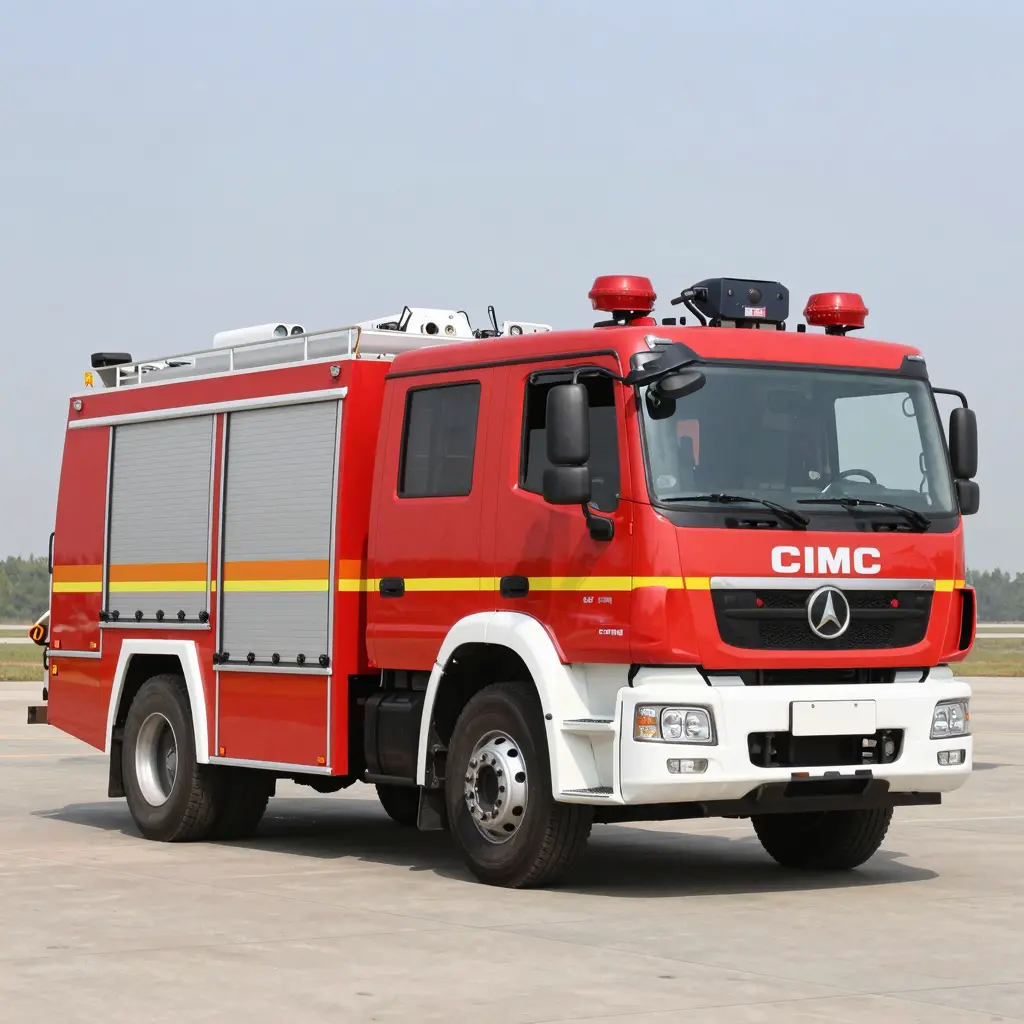
An airport fire truck from CIMC Tianda showcases advanced firefighting capabilities in action.
| Model | Water Capacity | Speed | Special Features |
|---|---|---|---|
| ROSENBAUER PANTHER 6X6 | 13,000 liters | 120 km/h | Powerful engine (up to 750 hp), designed for rapid response |
| Sinotruk HOWO 4X2 6X4 | 10,000 liters | 90 km/h | Heavy-duty fire truck with a robust foam delivery system |
| 4×4 Airport Fire Truck | 5,000 liters | 100 km/h | Equipped with a powerful fire pump and foam capabilities |
| MAN Rosenbauer Airport Truck | 12,000 liters | 110 km/h | High maneuverability and large extinguishing agent capacity |
| These models showcase a variety of options tailored for effective firefighting at airports. For more details on specific models, you can explore our airport fire truck category. This table provides valuable insights for business owners looking to invest in airport fire trucks, ensuring that they select models that meet their operational needs. |
Recent Statistics on Airport Fire Incidents
Airport fire incidents pose substantial risks to aviation safety and necessitate rapid firefighting responses. Recent occurrences across various international airports highlight the pressing need for effective firefighting solutions. Here’s a brief summary of notable incidents from 2023:
| Incident Date | Airport | Location | Description | Source |
|---|---|---|---|---|
| March 25, 2023 | Dublin Airport | Dublin, Ireland | A fire broke out in a cargo hold, causing evacuation and flight delays. | Dublin Incident Report |
| April 15, 2023 | Charles de Gaulle | Paris, France | A minor terminal fire led to significant disruptions with no injuries reported. | Paris Fire Report |
| June 10, 2023 | Luton Airport | Luton, England | A fire in a maintenance hangar halted operations for a few hours. | Luton Incident Report |
| July 22, 2023 | Vijayawada Airport | Vijayawada, India | Fire in the departure lounge led to evacuations but no casualties occurred. | Vijayawada Fire Report |
These incidents underscore the critical role that specialized airport fire trucks play in ensuring swift and effective emergency responses. According to sources, about 15% of global fire truck demand is linked to airport operations, which emphasizes the necessity of investing in advanced firefighting technology and vehicles to manage these dangerous situations effectively.
The Importance of Airport Fire Trucks
Airport fire trucks are equipped with specialized equipment designed to tackle aircraft fires. Their quick deployment can make a significant difference in emergency scenarios, drastically reducing the potential impact on passengers, personnel, and airport operations.
For business owners operating in aviation or related sectors, the recent incidents point to the necessity of prioritizing fire safety and ensuring that adequate firefighting resources, such as airport fire trucks, are readily available to respond to potential disasters. Invest in firefighting solutions to safeguard your operations and ensure compliance with safety regulations.
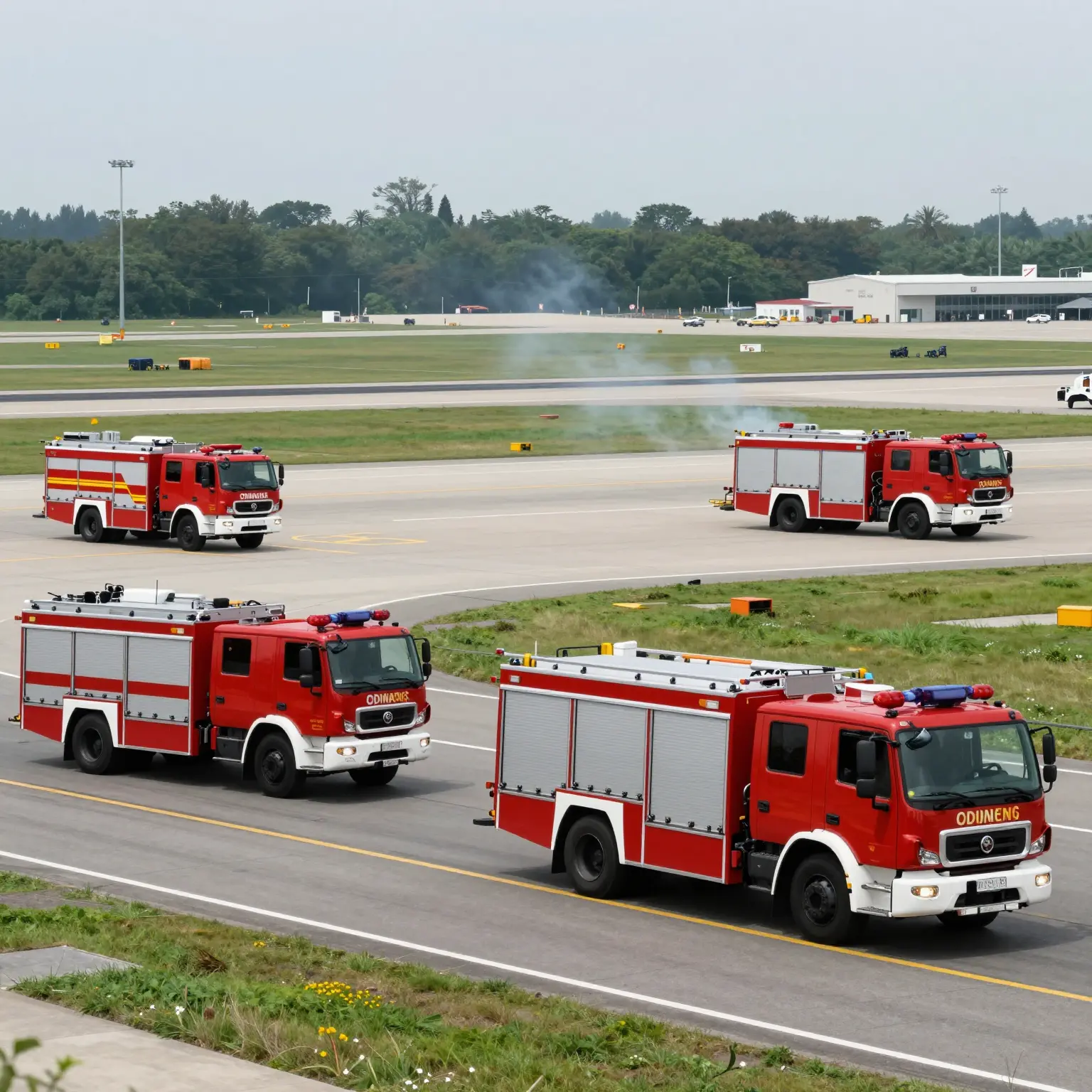

Conclusion
As we see, the incidents of airport fires occurring worldwide reaffirm the need for effective firefighting solutions including advanced fire trucks tailored for airport settings. By investing in such equipment, facilities can enhance their emergency response capabilities and ultimately protect lives.
For further details on the importance of having specialized fire trucks, check our selection of fire fighting trucks.
Conclusion
In conclusion, integrating CIMC Tianda’s fire trucks into airport operations provides a plethora of advantages that significantly enhance safety and efficiency. With advanced technologies, these fire trucks ensure rapid response to emergencies, a critical aspect in airport environments where every second counts. Their specialized firefighting equipment is tailored to handle unique challenges such as jet fuel fires, ensuring that all emergency scenarios can be effectively managed.
Moreover, CIMC Tianda stands out with its commitment to outstanding engineering and safety standards, guaranteeing reliability and performance at all times. Business owners and airport managers should seriously consider these enhancements to safeguard their operations and provide the highest level of protection for passengers, aircraft, and airport facilities.
Explore CIMC’s range of airport fire trucks to enhance your airport’s firefighting capabilities and consider how these innovative solutions can be integrated into your operations today. With CIMC Tianda, your airport can achieve unparalleled safety and operational excellence.
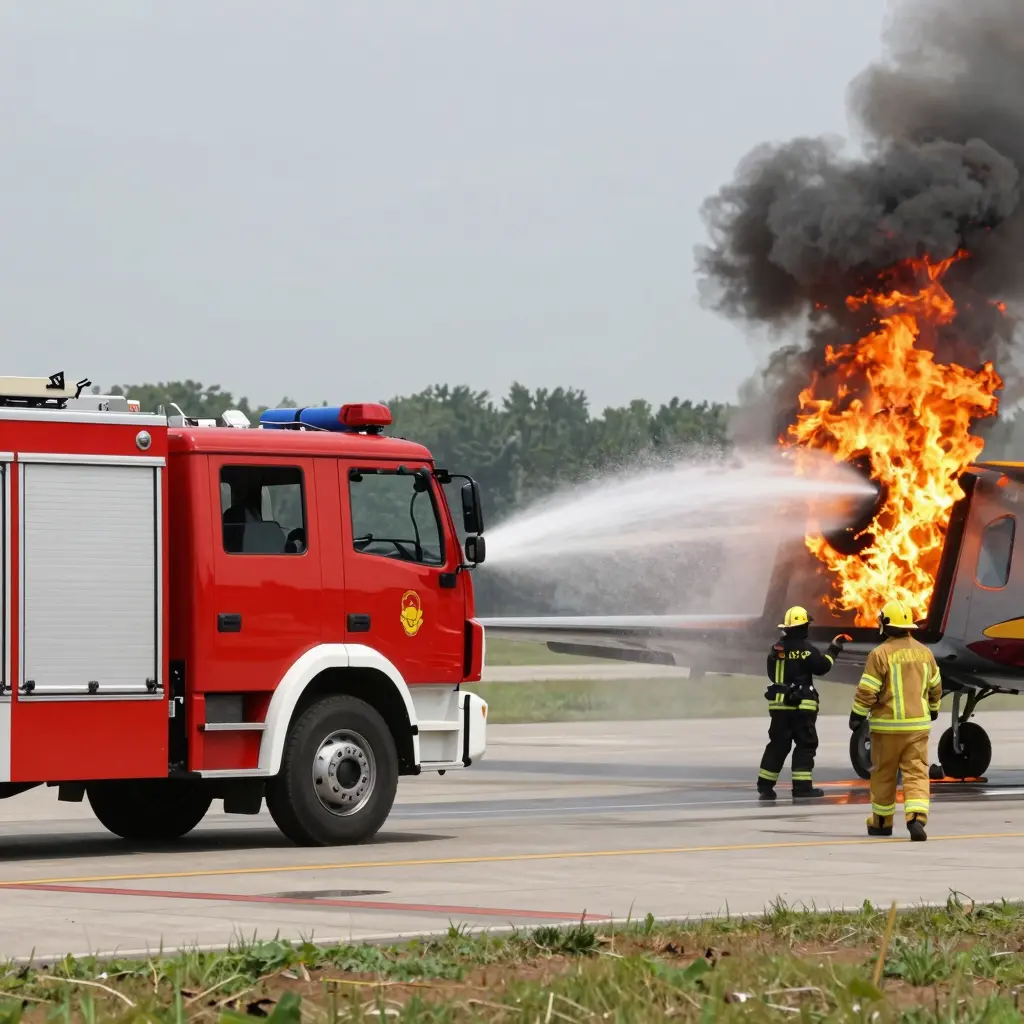
An airport fire truck is a crucial piece of equipment in emergency response situations at airports. These trucks are specifically designed to handle incidents involving aircraft, making them significantly different from standard fire trucks.
In the image above, you can see an airport fire truck actively responding to a simulated emergency. It demonstrates the truck’s capabilities as it sprays water onto a controlled aircraft fire, showcasing the effectiveness and urgency of its operation.
The Evolution of Airport Fire Trucks
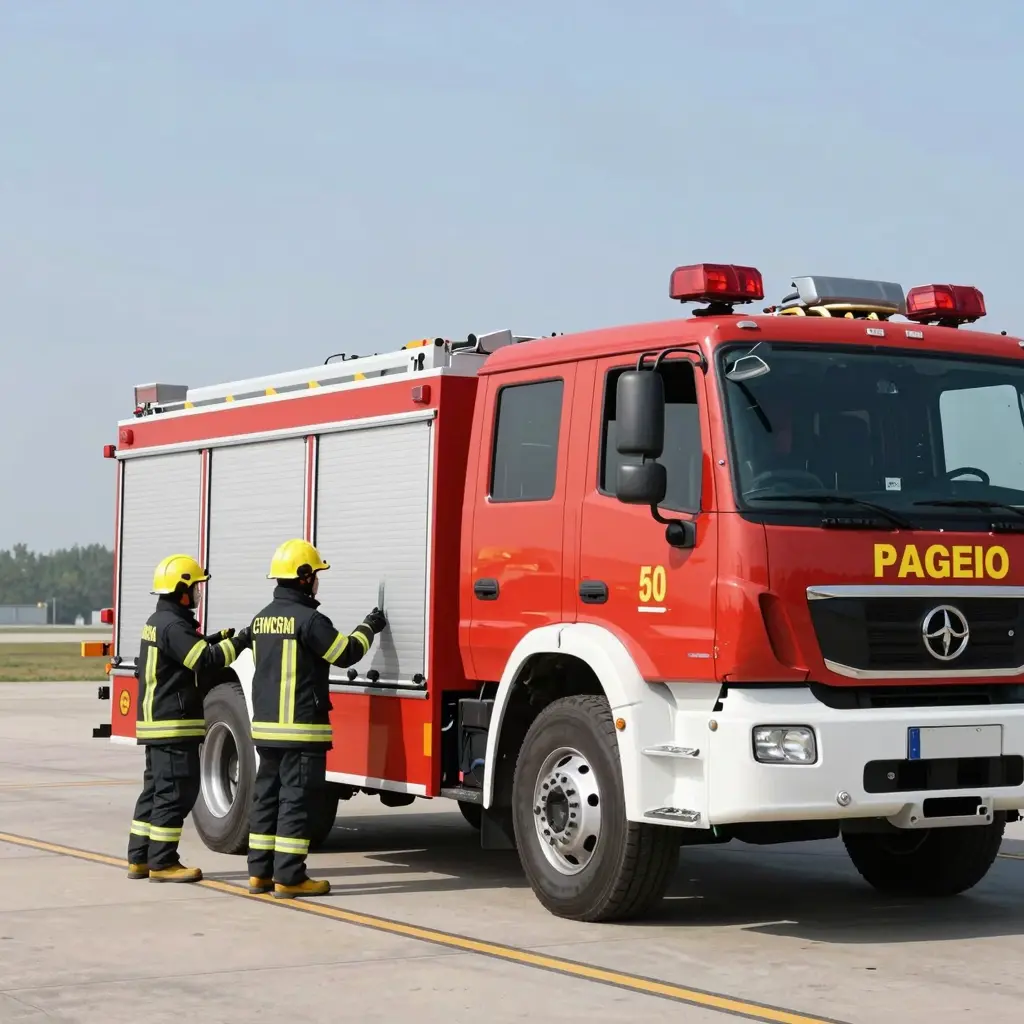
The evolution of firefighting equipment, particularly airport fire trucks, has significantly transformed the landscape of aviation safety. As technology advances, so do the capabilities of these specialized vehicles, enabling them to respond effectively to emergencies.
“Modern airport firefighting trucks are equipped to handle unique fire situations prevalent at airports, ensuring that we can protect lives and aircraft with incredible efficiency.” – Fire Safety Expert, FAA
In addition to improved designs, the integration of robotics and advanced materials has further enhanced the effectiveness of firefighting efforts. Drones and robotic systems are increasingly utilized for reconnaissance missions, providing crucial information to fire crews in real time. For more detailed information about the specifications and capabilities of airport firefighting trucks, check out our product offerings.
Conclusion
The continuous advancements in airport firefighting equipment are vital in meeting modern safety challenges, ensuring rapid response and effective crisis management. An investment in high-quality firefighting equipment is an investment in safety and preparedness.
Compliance and Regulations for Airport Fire Trucks
Understanding compliance and safety regulations is crucial for business owners in the aviation industry, particularly when it comes to airport fire trucks. These vehicles are not just equipment; they are critical components of an airport’s emergency response resources. Meeting the stringent safety regulations and compliance standards ensures the safety of passengers, crews, and airport facilities.
Importance of Compliance and Safety Regulations
Regulatory bodies establish comprehensive safety regulations to ensure readiness and operational capabilities of airport fire trucks. Safety standards take into account the specialized functions of these vehicles, including their response times, fire suppression capabilities, and equipment maintenance. For instance, regulations may specify:
- Minimum crew numbers: Ensuring sufficient personnel is available during emergencies.
- Equipment standards: Ensuring all firefighting tools meet specific operational efficiency requirements.
- Operational checks: Regular inspections and maintenance schedules mandated to keep the fire trucks in optimal working order.
Failure to comply can lead to severe implications, including operational downgrades, increased insurance rates, or even business closures. Statistics indicate that properly maintained and compliant fire safety measures can significantly reduce emergency response times, potentially saving lives. Furthermore, keeping abreast of regulations can bolster a business’s reputation by demonstrating a commitment to safety and compliance.
Relevant Regulations and Standards
Various organizations, including the National Fire Protection Association (NFPA) and the International Civil Aviation Organization (ICAO), provide guidelines to ensure airports comply with fire safety standards. These regulations cover:
- Design standards for airport fire trucks to enhance firefighting capabilities specific to aviation emergencies.
- Training requirements for fire crews to ensure proficiency in using advanced firefighting equipment.
- Incident management protocols for unified command during emergency situations, which is vital for effective response.
Business owners should actively monitor updates in fire safety regulations and incorporate necessary changes into their operational protocols. Understanding these regulations not only helps in compliance but also enhances overall safety outcomes at the airport.
For more information on types of fire trucks that meet these safety standards, check out our Airport Fire Trucks collection. Additionally, familiarize yourself with specific fire equipment designed for emergency services by visiting our fire-fighting truck offerings. Businesses engaging in airport operations that prioritize comprehensive safety regulations will not only enhance their operational effectiveness but also safeguard those who depend on their services.
Investment Benefits in Airport Fire Trucks
Investing in high-quality airport fire trucks can yield significant benefits, particularly regarding return on investment (ROI). This chart illustrates various metrics that highlight the advantages, including incident cost reduction, improved response times, and overall financial benefits associated with investing in superior fire safety equipment.
ROI Benefits Overview
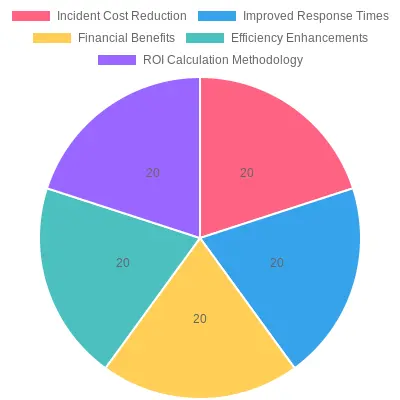
- Incident Cost Reduction: With better firefighting equipment, airports can significantly lower costs associated with fire incidents.
- Improved Response Times: Efficient fire trucks enable quicker response to emergencies, minimizing potential damages.
- Financial Benefits: Overall investment in airport fire trucks not only improves safety but also translates into economic advantages for airport operations.
For more detailed information about our range of airport fire trucks, including specifications and models fit for different operational needs, check out our collection.
Moreover, understanding ROI and its methodologies can further guide decision-making in enhancing fire safety strategies within airport operations. Consider leveraging these insights for a more robust fire safety infrastructure.