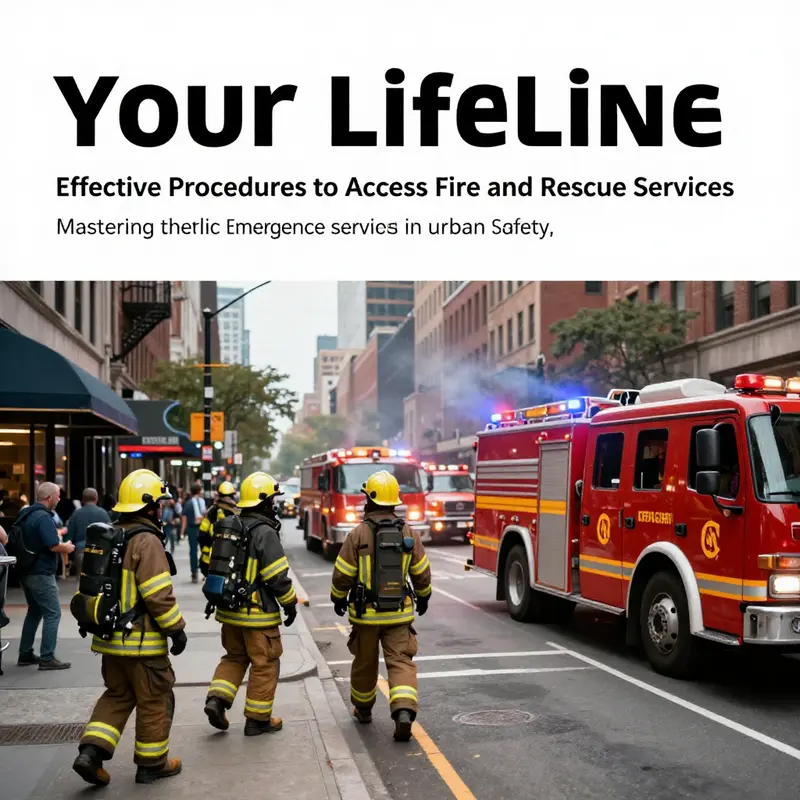

In emergencies, the importance of Fire Safety Certificates is paramount. These official documents confirm compliance with fire safety standards, ensuring that residential and commercial properties are ready for fire hazards. However, getting these certificates is just the beginning; it is equally critical to understand the essential role of fire safety training. If neglected, it can lead to serious consequences, such as hefty fines and increased liability for property owners and managers. Untrained staff members may struggle to respond effectively during emergencies, raising risks and endangering lives. Regular fire safety training gives individuals the skills to identify fire hazards and develop effective response plans, enhancing overall safety in homes or workplaces.
Moreover, it is every property owner’s and manager’s responsibility to maintain valid fire safety certificates and ensure continuous training for staff. Regular updates and fire drills are key to fostering a safety culture within an organization. Therefore, investing in fire safety training and certification is not just about compliance; it is a proactive step towards creating a secure environment for everyone. Prioritizing fire safety training reduces risks and helps protect lives and property, paving the way for a safer future.

Outline of Fire Safety Certificate Requirements
Obtaining and maintaining fire safety certificates involves several critical requirements to ensure compliance with fire safety regulations. Here’s a detailed overview of the processes, including the differences between residential and commercial buildings, along with the importance of regular renewal and training.
- Application Process: Property owners must first apply for a fire safety certificate from their local fire authority. This application should detail all fire safety measures currently in place within the property, including fire alarm systems, extinguishers, and emergency signage.
- Renewal Period: Fire safety certificates must be renewed every five years. However, it is essential to note that many jurisdictions may require more frequent inspections and updates, especially for commercial properties, which are subject to stricter regulations.
- Differentiation Between Building Types:
- Residential Buildings: These properties typically have simpler fire safety requirements. They must be equipped with essential fire alarms, extinguishers, and adequate signage. Annual or biennial inspections by certified professionals are also necessary, along with periodic fire drills to ensure that residents are aware of exit routes and evacuation procedures.
- Commercial Buildings: In contrast, commercial properties are subject to more stringent regulations. They often require complex fire alarm and sprinkler systems, fire barriers, illuminated exit signs, and emergency lighting. In addition, comprehensive inspections must take place regularly, usually on a quarterly basis. Staff in these facilities must undergo extensive training to manage emergencies effectively.
- Penalties for Non-Compliance: Failing to obtain or renew a fire safety certificate can result in substantial penalties. For instance, commercial property owners may face fines that can exceed $15,625 for serious violations. Worse yet, non-compliance could lead to closure orders that cripple business operations, not to mention the potential for increased liability in case of an incident.
- Training Requirements: Fire safety training is crucial for compliance, particularly in commercial settings. Staff members must be trained in emergency procedures, including the correct use of fire safety equipment. This training should be documented, with refreshers provided regularly to ensure that employees remain vigilant and ready to respond to fire hazards appropriately.
By thoroughly understanding and adhering to these requirements for fire safety certificates, property owners can significantly enhance safety standards within their buildings, protecting both lives and property from the devastating effects of fire.
| Criteria | Residential Fire Safety Requirements | Commercial Fire Safety Requirements |
|---|---|---|
| Fire Safety Certificate | Required; simpler assessment process. | Required; complex assessment process with stricter regulations. |
| Renewal | Every five years; may require less frequent inspections. | Every five years; more frequent inspections, usually quarterly. |
| Fire Alarm Systems | Basic fire alarm system required. | Advanced fire alarm and sprinkler systems required. |
| Emergency Exits | Must have clearly marked exits; periodic drills recommended. | Must have illuminated exit signs; frequent evacuation drills required. |
| Staff Training | Recommended, but less intensive training requirements. | Comprehensive training required; documentation of training needed. |
| Penalties for Non-Compliance | Fines usually lower; limited legal liability. | Higher fines for violations (exceeding $15,000) and potential closure. |
| Fire Safety Equipment | Basic extinguishers and signage needed. | Extensive fire safety equipment including barriers and emergency equipment. |
Consequences of Non-Compliance with Fire Safety Training and Certification
The repercussions of failing to comply with fire safety training and certification standards are both severe and multifaceted, impacting legality and safety. Property owners and managers who overlook the importance of proper fire safety training risk significant legal consequences, including hefty fines and potential imprisonment. According to the Occupational Safety and Health Administration (OSHA), fines can escalate significantly, ranging from $13,653 for serious violations to over $136,532 for willful or repeated violations. This highlights the substantial financial risks that come with non-compliance.
Moreover, the National Fire Protection Association (NFPA) reports that businesses without compliant fire safety programs not only face OSHA penalties but also serious civil liabilities. For instance, a restaurant chain faced a staggering $250,000 fine due to insufficient staff training, underscoring how inadequate fire safety training can lead to disastrous outcomes. In the UK, a care home was fined £300,000 after a tragic fire linked to a lack of staff training, demonstrating that neglect could lead to lost lives and legal repercussions.
These legal ramifications are not mere statistics; they translate into real-world consequences. Studies reveal that 40% of businesses that experience a major fire never reopen, primarily due to the financial distress caused by fines and lawsuits stemming from non-compliance with safety training regulations. Research depicted in the Fire Safety Journal found that 70% of non-compliance cases focused on inadequate training. These cases frequently incur penalties averaging $100,000 per incident—a stark reminder that lapses in safety can carry devastating costs.
As one industry expert fittingly quoted, “By securing your fire safety certificates and completing proper training, you’re not just ticking boxes—you’re lighting the way to safety.” This statement encapsulates the essence of fire safety compliance; it is not merely a matter of avoiding penalties but a crucial commitment to protecting lives and ensuring the safety of all occupants. Neglecting fire safety obligations can lead to financial hardships and catastrophic consequences for individuals, families, and entire communities.

Online Fire Safety Training Options
In today’s fast-paced world, online fire safety training provides accessible and efficient ways for individuals and organizations to acquire essential fire safety knowledge and skills. One significant advantage of online training is its accessibility; regardless of geographical location, participants can engage in training at their convenience. This flexibility not only accommodates varying work schedules but also caters to those who need to balance personal responsibilities alongside their educational pursuits.
Moreover, online training programs are often tailored to ensure that they meet regulatory compliance requirements. Organizations can demonstrate their commitment to safety standards by utilizing accredited courses, which often update regularly to reflect the latest fire safety regulations and best practices.
The potential outcomes from completing online training are substantial. Participants typically experience an increase in safety awareness, enabling them to recognize potential fire hazards before they escalate into emergencies. This proactive approach significantly reduces risks within the workplace or residential environments. Furthermore, certified training enhances confidence in emergency response. Completing a course equips individuals with the knowledge and skills needed to act effectively during a fire situation, minimizing panic and improving outcomes for all involved.
In summary, investing in online fire safety training not only fulfills certification requirements but also fosters a proactive culture of safety, protecting lives and property alike.

In conclusion, the significance of fire safety certificates and training cannot be overstated. These certifications serve as crucial indicators of compliance with fire safety regulations, ensuring that both residential and commercial properties are equipped to handle potential fire hazards effectively. Regularly acquiring and renewing fire safety certificates is more than a bureaucratic obligation; it reflects a commitment to safety that protects lives and property alike.
Fire safety training complements the certification process by providing essential skills and knowledge to staff and occupants. Through effective training, individuals learn how to recognize potential fire hazards, respond appropriately to emergencies, and implement preventive measures. This ongoing education empowers individuals to act decisively in crisis situations, reducing the risk of panic and injury during emergencies.
Building owners and managers hold a critical responsibility in maintaining safety compliance. They must ensure that proper training is provided to staff and that fire safety protocols are regularly reviewed and updated. Such vigilance not only mitigates the risk of non-compliance penalties but also fosters a culture of safety throughout the organization.
Neglecting fire safety responsibilities can lead to dire consequences, including significant fines, legal repercussions, and, most importantly, endangerment of lives. The stark reality is that many businesses fail to recover from major fire incidents, largely due to inadequate safety measures and planning.
Ultimately, the journey toward effective fire safety compliance involves a proactive approach to securing fire safety certificates and prioritizing ongoing training. By taking these responsibilities seriously, property owners and managers pave the way for a safer future, ensuring that all occupants are protected and well-prepared in the face of potential fire risks.

Take the Next Step Towards Fire Safety Compliance
Are you ready to enhance safety and compliance in your property? Obtaining fire safety certificates is crucial for ensuring your building meets mandatory safety standards. By pursuing fire safety certifications, you not only protect lives and property but also demonstrate your commitment to safety regulations. These certifications can improve your insurance rates and minimize potential liabilities.
Moreover, investing in fire safety training empowers staff and occupants with the skills needed to respond effectively in emergencies. This training reduces risks and fosters a culture of safety within your organization. Don’t wait for an emergency to highlight the importance of fire safety. Take action today to secure your fire safety certificates and initiate comprehensive training for everyone involved. Your proactive steps today can prevent disasters tomorrow!
Fire Safety Measures by Property Type
-
Residential Properties:
- Install smoke alarms in every bedroom and common areas.
- Conduct fire drills with all household members at least twice a year.
- Ensure easy access to fire extinguishers in kitchens.
-
Commercial Properties:
- Implement trained fire wardens for timely evacuation and emergency response.
- Install and maintain sprinkler systems and fire alarms throughout the building.
- Schedule regular fire safety audits to ensure compliance with local regulations.
-
Industrial Facilities:
- Conduct risk assessments focusing on fire hazards unique to industrial processes.
- Ensure storage of flammable materials is away from ignition sources.
- Establish clear emergency action plans and train workers on their execution.
Training Requirements: Fire Prevention Strategies
Incorporating effective fire prevention strategies into fire safety training is essential for ensuring that individuals and staff are equipped with the necessary skills and knowledge to mitigate fire hazards. Training requirements should encompass a wide range of topics, including the proper use of fire safety equipment, emergency response protocols, and compliance with both national and local fire safety regulations.
- Comprehensive Emergency Procedure Training: Training should educate individuals about recognizing potential fire hazards and implementing emergency procedures effectively. Understanding how to react during a fire emergency can save lives and minimize property damage.
- Fire Risk Assessment: Participants should be trained in conducting fire risk assessments, enabling them to identify areas for improving fire safety and implementing proactive measures to prevent incidents.
- Hands-On Fire Equipment Use: Fire prevention strategies also involve training in the correct use of fire extinguishers, smoke alarms, and other safety equipment. Knowledge of how and when to deploy these devices can significantly enhance response capabilities during emergencies.
- Regular Drills and Refreshers: Conducting regular fire drills is a crucial component of training, reinforcing the learned strategies and ensuring that all occupants know their roles during an emergency. This practice helps cultivate a culture of preparedness and responsiveness.
By integrating fire prevention strategies into training programs, property managers and owners can significantly enhance overall safety and compliance with fire safety regulations. Prioritizing these training measures not only fulfills legal requirements but also contributes to creating a safer environment for all occupants.