Introduction: Firefighter Mental Health Statistics and Support Programs
In the high-stakes world of firefighting, where every second counts and lives may depend on swift, decisive action, seldom does the conversation pivot to the emotional toll that this demanding profession exacts on its heroes. Firefighters repeatedly face traumatic experiences, high-stress situations, and perilous hazards, making mental health support an absolutely critical component of their well-being.
The essential nature of fire safety transcends the need for proper equipment and training—exemplified through adherence to protocols like fire safety certificates—extending into the emotional realm where support systems must be established. Just as fire safety certificates ensure that buildings comply with safety standards to protect occupants, mental health initiatives serve as the pillars safeguarding our firefighters against the unseen dangers of psychological strain.
In this article, we will delve deeper into the emotional challenges faced by firefighters and highlight the invaluable support programs designed to aid their mental health, paralleling their importance with the standards maintained in fire safety practices.
The research reveals alarming statistics on mental health issues among firefighters that underscore the urgent need for mental health support programs. Key findings include the following:
- PTSD Rates: Approximately 20% of firefighters experience PTSD, a rate significantly higher compared to the general population, where the prevalence is about 3.5%. Additionally, 9-22% of career firefighters meet the criteria for PTSD.
- Suicidal Thoughts and Attempts: A staggering 36.7% of firefighters have contemplated suicide during their careers, with 15.5% having made suicide attempts. Firefighters are statistically more likely to die from suicide than in the line of duty.
- Additional Mental Health Issues: Roughly 50% of firefighters have considered suicide, and a considerable percentage, 30%, report problematic alcohol use. Furthermore, 15-20% of firefighters struggle with clinical depression.
- Unreported Cases: There is a significant stigma surrounding mental health issues within the profession, leading to underreporting of cases, particularly of PTSD and depression.
- Cumulative Trauma Effect: Research indicates that the cumulative exposure to trauma correlates directly with the severity of mental health challenges, particularly in firefighters with over 10 years of service.
These statistics highlight the pressing need for comprehensive mental health support programs tailored for emergency service workers, addressing not only PTSD but also the various mental health challenges firefighters face.
Mental Health Support Programs for Firefighters
Firefighting is renowned for its adrenaline-filled challenges and life-threatening scenarios that contribute to significant mental health stressors. To counteract these unique challenges, various mental health support programs have emerged, aimed at providing essential assistance to firefighters. These programs are tailored to recognize the distinct pressures of the profession and offer coping strategies, emotional support, and community connection.
- First Responder Mental Health Program – This program focuses on providing mental health services specifically for first responders, including firefighters. It addresses issues like PTSD, anxiety, and depression, which are common in this line of work. Services include counseling, peer support groups, and resilience training, promoting a culture where seeking help is seen as a strength.
- The International Association of Fire Fighters (IAFF) – The IAFF offers its members access to their Peer Support Program, where trained peers provide emotional guidance and support. This program highlights the importance of camaraderie and shared experiences among firefighters, recognizing that those who understand the job can effectively offer crucial support.
- The Firefighter Behavioral Health Alliance (FBHA) – The FBHA aims to reduce the stigma of mental health issues in the firefighting community. They conduct workshops, seminars, and provide resources about mental health topics, suicide prevention, and coping strategies tailored to the firefighting profession.
- Mind the Gap – This innovative initiative includes training modules on recognizing signs of mental health struggles and crisis intervention. It encourages firefighters to engage in discussions about mental health openly and fosters an environment where colleagues support each other during challenging times.
- Project Courage – Developed by the National Fire Protection Association (NFPA), this program connects firefighters with mental health professionals who specialize in trauma and stress management. The program emphasizes proactive mental health maintenance, aiming to equip firefighters with tools to manage stress effectively.
Supporting programs like these address the high prevalence of PTSD among firefighters and tackle the stigma often associated with seeking help. By providing a structured support network and resources, these initiatives empower firefighters to prioritize their mental health and wellbeing, ultimately enhancing their coping mechanisms in the face of the unique pressures of their profession. As the awareness of mental health challenges grows, so do these important support systems, which are instrumental in safeguarding the emotional health of our brave firefighters.
Case Study: Firefighter John Doe and His Journey to Mental Health Recovery
Firefighter John Doe, a dedicated member of the city fire department for over a decade, believed he was invincible. His daily routine involved facing life-threatening situations, rescuing individuals from burning buildings, and providing swift medical assistance. However, beneath the bravado and strong exterior, John battled with the hidden burdens of his profession: PTSD, anxiety, and clinical depression.
After responding to a tragic series of incidents, including a devastating fire that claimed lives, John found himself spiraling into a dark place. The vivid memories of the scenes haunted him, causing sleepless nights and an overwhelming sense of guilt. He felt isolated and ashamed of his struggles, often hiding behind a facade of strength and toughness.
Despite awareness around mental health issues, the stigma associated with seeking help loomed large in his mind. John expressed, “I thought asking for help would show weakness. My job was to be strong for others, not burden them with my problems.” This narrative is common among many in the firefighting community who are faced with similar dilemmas.
The turning point for John came during a department training on mental health awareness. He learned about the First Responder Mental Health Program, a comprehensive support initiative designed specifically for firefighters. Motivated by his peers who shared their experiences of overcoming mental health hurdles, he decided to take a brave step forward.
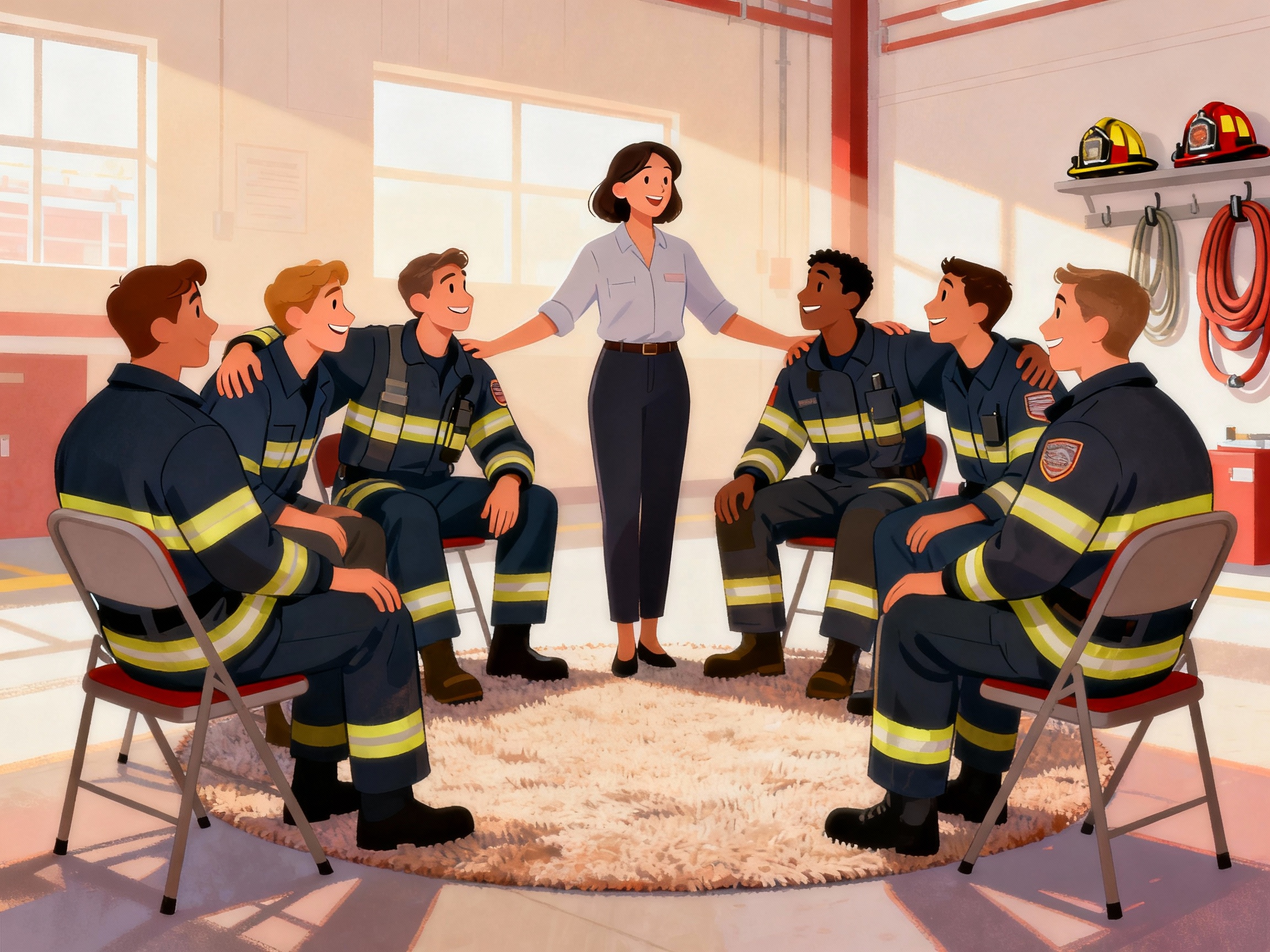
Once enrolled in the program, John began attending therapy sessions, where he spoke openly about his trauma and feelings of inadequacy. The peer support groups provided a network of understanding individuals who had faced similar challenges. He found solace in sharing his thoughts with others who could empathize, helping to break down the walls of isolation that had surrounded him.
With the guidance of mental health professionals, John learned coping strategies to manage his anxiety and PTSD symptoms. Techniques such as mindfulness, physical activity, and structured debriefings after traumatic incidents became essential tools in his toolkit.
As John continued to engage with the program, changes became evident both at home and at work. He began to share his journey with colleagues, advocating for the importance of mental health awareness. In turn, he inspired others to seek help and create a healthier work culture. John reflected on his transformation, saying, “I didn’t realize how much my mental health affected not only me but my team. Now, I feel empowered to support others just as I was supported. Asking for help saved my life.”
Today, John remains a dedicated firefighter but with a renewed sense of purpose and connection to his fellow firefighters. His story is a testament to the power of mental health support programs and their ability to transform lives. His journey underscores the fact that caring for one’s emotional wellbeing is not merely a sign of weakness, but a profound strength that every firefighter should strive to embrace.
| Program Name | Accessibility | Types of Services Offered | Success Rates |
|---|---|---|---|
| First Responder Mental Health Program | Available nationwide | Counseling, peer support, resilience training | High; reported improvement in mental well-being |
| International Association of Fire Fighters (IAFF) | Accessible to IAFF members | Peer support, emotional guidance, community workshops | Medium; anecdotal success in peer-led initiatives |
| Firefighter Behavioral Health Alliance (FBHA) | Resources available online | Workshops, seminars, mental health resource sharing | Varies; reduced stigma and increased awareness |
| Mind the Gap | Training accessible online | Training on mental health recognition and crisis intervention | Positive feedback on openness and communication |
| Project Courage | Program specific to local departments | Connection with mental health professionals, stress management | High; effective in proactive mental health maintenance |
| Program Name | Accessibility | Types of Services Offered | Success Rates |
|---|---|---|---|
| First Responder Mental Health Program | Available nationwide | Counseling, peer support, resilience training | High; reported improvement in mental well-being |
| International Association of Fire Fighters (IAFF) | Accessible to IAFF members | Peer support, emotional guidance, community workshops | Medium; anecdotal success in peer-led initiatives |
| Firefighter Behavioral Health Alliance (FBHA) | Resources available online | Workshops, seminars, mental health resource sharing | Varies; reduced stigma and increased awareness |
| Mind the Gap | Training accessible online | Training on mental health recognition and crisis intervention | Positive feedback on openness and communication |
| Project Courage | Program specific to local departments | Connection with mental health professionals, stress management | High; effective in proactive mental health maintenance |
In conclusion, the intertwined themes of fire safety and mental health support create a critical foundation for the well-being of firefighters. Fire safety certificates are not merely bureaucratic requirements; they symbolize our commitment to safeguarding lives and enabling our firefighting heroes to perform their duties in the safest environment possible.
Equally as important, support programs like the First Responder Mental Health Program and the Firefighter Behavioral Health Alliance provide necessary resources that empower firefighters to proactively address their mental health challenges. Just as regular certification renewals and training drills maintain physical safety, ongoing mental health initiatives are essential for bolstering emotional resilience.
By integrating mental health support into fire safety training, we create a holistic safety framework that not only enhances the lives of those risking everything for our communities but also ensures they have the tools to thrive long after the flames are extinguished. This combined approach fosters resilience in the fire service, ensuring that both the physical and emotional health of firefighters are prioritized, thus laying the groundwork for a safer, more supportive environment.
Expert Quotes on Mental Health Support in Firefighting
-
Ed Kelly, General President of IAFF: “We must treat mental injuries with the same urgency as physical ones. No firefighter should suffer in silence.”
Source: International Association of Fire Fighters (IAFF) -
Dr. Sara Jahnke, Researcher: “The cumulative trauma firefighters face is immense—they need specialized mental health support that understands the culture of firefighting.”
Source: National Alliance on Mental Illness (NAMI) -
Chief (Ret.) Dennis Compton: “Leadership must prioritize mental wellness as a core component of operational readiness. Without support programs, we risk losing our best to silent battles.”
Source: FireRescue1 -
Dr. Michelle Lilly, Psychologist: “Routine debriefings and access to mental health professionals who grasp the first responder experience can mitigate long-term effects.”
Source: American Psychological Association (APA) -
A veteran firefighter and peer support coordinator: “We’re great at helping others but terrible at helping ourselves. Mental health programs give us the tools to process trauma before it becomes overwhelming. When we ignore mental health, we lose brothers and sisters to silence. Talking saves lives.”
Source: National Fallen Firefighters Foundation
User Adoption Data and Feedback on Mental Health Programs for Firefighters
In recent years, various mental health programs aimed at supporting firefighters have emerged across different regions, showcasing their effectiveness and the common challenges that these individuals face in seeking assistance. The findings from several sources paint a comprehensive picture of how mental health initiatives are being adopted and their impacts on firefighter well-being.
- 阳光心理服务工作室: The firefighting rescue team in Shangrao has implemented psychological service studios to conduct regular mental health assessments, create records, and provide targeted interventions. Incorporating community activities to alleviate stress has proven to enhance team cohesion and positively impact firefighters’ overall mental health.
- 心理健康测评系统: A health assessment system has been successfully deployed in several provinces, reaching over 5,000 firefighters. This initiative emphasizes standardized mental health monitoring and offers promising results in diagnosing and addressing various mental health challenges.
- 三维立体体系: The Anji firefighting team has established a three-dimensional approach, which involves prevention, intervention, and support. This system incorporates dynamic profiles and promotes collaborative efforts between families and social entities to diminish psychological burdens, potentially increasing long-term resilience among firefighters.
- 心理服务需求分析: A recent study indicated that 81.3% of new firefighters prefer specialized professional services, albeit with a lower intensity of urgency for such assistance. This reveals a growing demand coupled with an opportunity for more robust promotion and integration of mental health services.
- 心理健康状况调查研究: Research indicates that while a majority of firefighters report good mental health, some experience moderate levels of stress and anxiety. These findings underscore the necessity for enhancing system development, ongoing training, and cultural activities focused on mental health to preemptively address potential issues within the firefighting community.
In summary, the insights from various studies and programs targeting mental health support for firefighters reveal both successes and persistent challenges. The positive outcomes underscore the importance of maintaining a focus on mental health initiatives, ensuring that firefighters receive the necessary support to thrive both personally and professionally.
Significance of Fire Safety Training Requirements in Building Compliance
Fire safety training is of paramount importance, serving as a critical link in ensuring compliance with building safety regulations and standards. According to the National Fire Protection Association (NFPA), fire safety certificates and training measures not only fulfill legal requirements but also play an essential role in protecting lives and property from the devastating impacts of fire incidents.
Regular fire safety training enables everyone within a building, including firefighters, to recognize hazards, understand emergency procedures, and respond effectively during crises. For instance, the Occupational Safety and Health Administration (OSHA) establishes various mandatory fire safety standards, which are rooted in the recognition that training contributes to reducing risks. Continuous education on fire prevention and emergency response protocols helps create a safer environment for all occupants, drastically improving the chances of survival during an incident.
Moreover, the integration of mental health support into fire safety training is crucial for maintaining a compliant and safe environment. The National Institute of Standards and Technology (NIST) emphasizes that untreated psychological stress, such as that stemming from PTSD, anxiety, or depression, can impair a firefighter’s ability to make sound decisions in emergencies. This deterioration in mental health not only hinders compliance with safety protocols but may also lead to critical errors during operations.
In line with this, the International Association of Fire Chiefs (IAFC) highlights that mentally healthy firefighters are more likely to adhere to safety protocols, recognize hazards, and perform effectively under stress. By integrating mental wellness into training programs, departments can improve compliance with fire safety standards, ultimately reducing accident rates and enhancing operational effectiveness.
Thus, both compliance with fire safety regulations and mental health support are inseparable components of a holistic approach to fire safety training—one that not only safeguards physical spaces but also supports the emotional welfare of those who protect us from fire threats. Fire safety training, therefore, is not merely a regulatory checkbox but a foundational element in fostering a safe and resilient society.
Key Mental Health Statistics
- PTSD Rates: Approximately 20% of firefighters experience PTSD, significantly higher than the general population rate of about 3.5%. 9-22% of career firefighters meet the criteria for PTSD.
- Suicidal Thoughts and Attempts: A staggering 36.7% of firefighters have contemplated suicide during their careers, with 15.5% having made suicide attempts, indicating that firefighters are statistically more likely to die from suicide than in the line of duty.
- Additional Mental Health Issues: Roughly 50% of firefighters have considered suicide, with 30% reporting problematic alcohol use, and 15-20% struggling with clinical depression.
- Unreported Cases: Stigma surrounding mental health issues within the firefighting profession leads to significant underreporting of cases, especially PTSD and depression.
- Cumulative Trauma Effect: Cumulative exposure to trauma correlates with the severity of mental health challenges, notably in firefighters with over 10 years of service.
These statistics underscore the urgent need for comprehensive mental health support programs tailored to emergency service workers, addressing the various mental health challenges firefighters face.