
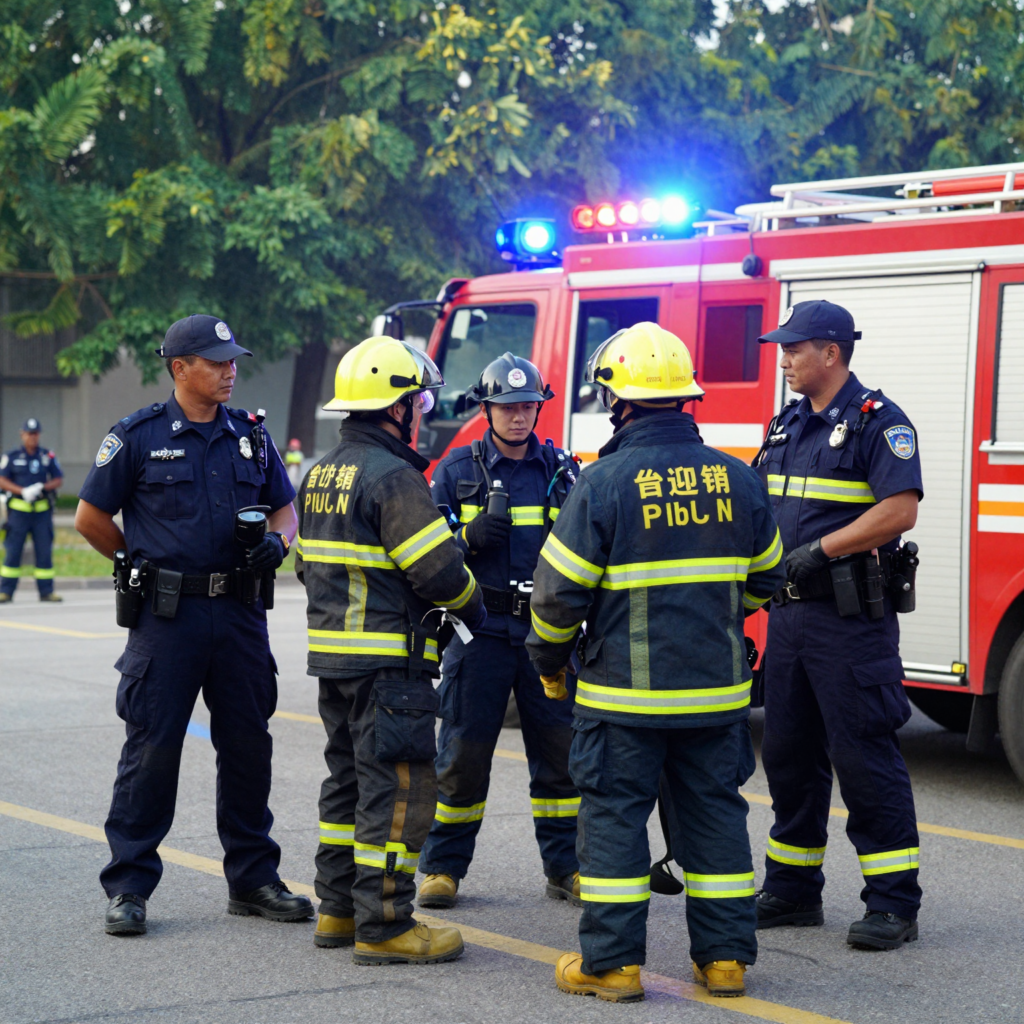
In the fabric of community safety, the cooperation between police and fire rescue services plays a vital role that extends beyond mere functionality. These two essential arms of emergency response must work in tandem, each bringing unique skills and resources to complex situations. The interprofessional relationship nurtured between police officers and firefighters not only enhances the efficiency of their operations but also fosters public trust and reassurance within the communities they serve. Understanding how these two forces collaborate elucidates the broader implications for safety protocols and emergency response strategies. This article aims to explore the dynamics of police and fire rescue cooperation, highlighting best practices and the mutual benefits derived from their partnership. By examining specific case studies and leveraging insights from thought leaders, we will underscore the importance of this synergy in achieving optimal community safety outcomes-echoing the sentiment that a united front is essential in times of crisis. For more insights, visit our blog on fire rescue and safety topics.
Historical Context of Police and Fire Rescue Relations
The relationship between police and fire rescue services has evolved significantly over the years, marked by periods of both conflict and cooperation. In the early history of these services, jurisdictional disputes were commonplace. Fire departments often operated independently, with fire marshals and police occasionally clashing over authority and responsibilities, which were not clearly defined. This lack of coordination sometimes hampered emergency response efforts.
One of the notable periods of conflict arose during large-scale incidents, wherein the fire and police services found themselves competing for limited resources and visibility during emergencies. Notable examples include the Los Angeles riots in the 1990s and the challenges faced during the Oklahoma City bombing response. These events highlighted systemic failures in interagency communication and roles, leading to significant operational delays and inefficiencies.
However, the aftermath of major disasters has also served as a turning point, fostering improved collaboration. Events such as the 9/11 attacks and Hurricane Katrina prompted a reevaluation of response strategies, resulting in the establishment of standardized protocols and an integrated command structure, such as the Incident Command System (ICS). Following these events, joint training exercises became more common, enabling better coordination between police and fire departments.
Today, initiatives like the National Incident Management System (NIMS) promote interagency cooperation, shifting the focus toward shared objectives and mutual support. This evolution reflects a growing recognition of the importance of collaboration in emergency management, ultimately leading to a more effective response to crises. Despite historical challenges, ongoing efforts continue to enhance the harmony between police and fire rescue services, ensuring preparedness and efficiency in the face of emergencies.
For further insights on emergency management, you can learn more here.
Comparison of Police and Fire Rescue Services During Emergencies
This table outlines the main functions, roles, and average response times of police and fire rescue services. It provides a clear visual comparison for readers to understand how both agencies operate during emergencies.
| Service | Main Functions | Roles During Emergencies | Average Response Times |
|---|---|---|---|
| Police | Crime prevention, public order maintenance, investigation, emergency assistance | Respond to violent crimes, maintain peace, protect the public | 4-6 minutes for high-priority calls, averages can vary by location (6.2 mins for urgent incidents) |
| Fire Rescue | Life safety, property protection, hazard mitigation | Extinguish fires, assist in rescue operations, provide medical aid | 4-5 minutes for emergency medical services, 4-7 minutes for structure fires (85% meet NFPA 1710) |
For more details on the integration of emergency response services, learn more about emergency response coordination.
Common Challenges Faced by Police and Fire Rescue Teams
Collaboration between police and fire rescue teams is vital during emergencies, yet various challenges persist that may hinder their effectiveness. Understanding these challenges is essential for improving inter-agency operations and ultimately enhancing public safety.
1. Communication Barriers
Effective communication is critical during any emergency response, but police and fire teams often face communication barriers. A 2025 National Institute of Standards and Technology (NIST) report highlights issues such as incompatible radio frequencies and a lack of standardized protocols. These barriers can lead to significant delays; for instance, during a mass casualty incident in Chicago, delayed coordination resulted in a 17-minute wait for initial medical triage, hindering the response efforts drastically (NIST).
2. Resource Sharing Issues
Another obstacle involves resource sharing. When police and fire departments respond to an incident together, effective coordination of equipment, personnel, and information is vital. However, inconsistent resource availability or budget constraints can complicate these efforts. Often, departments prioritize their own resources over inter-agency collaboration, leading to inefficiencies and delays in emergency response.
3. Jurisdictional Conflicts
Jurisdictional conflicts can complicate collaborative efforts. Police and fire services often operate under different organizational structures and regulations, which can lead to confusion regarding command and operational authority. Instances of unclear chain-of-command structures or overlapping jurisdictions can further exacerbate response times and coordination efforts (FEMA).
In summary, overcoming these common challenges requires a commitment to joint training, improved communication systems, and a unified approach towards resource sharing between police and fire rescue teams.
Recent Incidents of Police and Fire Rescue Collaboration
-
Geriatric Flying Squad Initiative
Date: March 25, 2026
Summary: This case study highlights the collaboration between a specialized flying squad for the elderly and emergency responders, including police and fire services. They established joint protocols for the rapid response to emergencies involving senior citizens. Read more about it here. -
Base Station Development in Pomerania
Date: March 31, 2026
Summary: Fire and police departments in Pomerania initiated a joint base station to enhance their operations during emergencies, ensuring faster response times. They improved their inter-departmental communications and resource-sharing capabilities.Learn more.
These incidents showcase the effectiveness of collaboration between police and fire rescue services, yielding improved emergency management outcomes.
Solutions to Improve Police and Fire Rescue Collaboration
Enhancing collaboration between police and fire rescue teams is crucial for effective emergency response. Various strategies can improve cooperation and create integrated teams, ensuring public safety is maximized during crises.
Training Programs
-
Joint Training Exercises: Regular joint training sessions foster familiarity and teamwork between police and fire rescue personnel. These exercises can simulate real-life scenarios that require coordinated responses. For example, combined drills on handling hazardous materials or disaster emergencies can help both teams understand each other’s protocols and operational strengths.
-
Cross-Training Opportunities: Providing cross-training sessions where members of police forces learn fire rescue tactics and vice versa can enhance mutual understanding. This training equips both parties with critical skills to handle situations collaboratively, enhancing overall efficiency and effectiveness.
-
Specialized Workshops: Organizing workshops that focus on aspects like communication during emergencies (utilizing incident command systems) can bridge gaps in operational procedures. Learning together can significantly reduce confusion during actual incidents.
Technology and Communication Tools
- Utilizing unified communication systems can ensure that police and fire teams have real-time access to crucial data and updates during emergencies. For instance, implementing joint dispatch systems can streamline incidents and reduce response times.
Establishing Joint Task Forces
- Forming task forces for specific types of emergencies encourages joint oversight and proactive measures. Regular meetings and strategy sessions can facilitate continuous knowledge sharing and planning for potential incidents.
Additionally, detailed analysis of previous joint operations can provide insights for improvement. By focusing on fostering collaboration through training, communication, and strategic planning, police and fire rescue teams can become a cohesive unit ready to serve their communities effectively.
For more information on the vital role of collaboration in emergency services, read more.
The Importance of Collaboration Between Police and Fire Services
Collaboration between police and fire services is crucial for enhancing community safety. The integration of these two critical services allows for shared intelligence, coordinated response efforts, and unified public education initiatives.
As Dr. Elena Martinez, a leading fire safety researcher, stated:
“Firefighters bring life-saving skills; police bring situational awareness and access to critical information. When they work as one team, they don’t just react-they anticipate. This synergy turns community safety from a reactive model into a proactive, preventive one.”
This quote emphasizes how combined efforts can lead to not only faster responses to emergencies but also preventative measures that address potential hazards before they escalate into serious issues. Strong partnerships between police and fire departments can result in communities experiencing up to 30% fewer fire-related fatalities and quicker emergency response times.
When these services collaborate effectively, they can engage in joint training, share databases, and collaborate on public safety education that is vital for community resilience. The shared responsibility in maintaining safety not only enhances operational capacities but also builds public trust, making communities feel safer overall.
To learn more about how first responders can work together better, see our latest articles for insights and updates in fire and police collaboration.
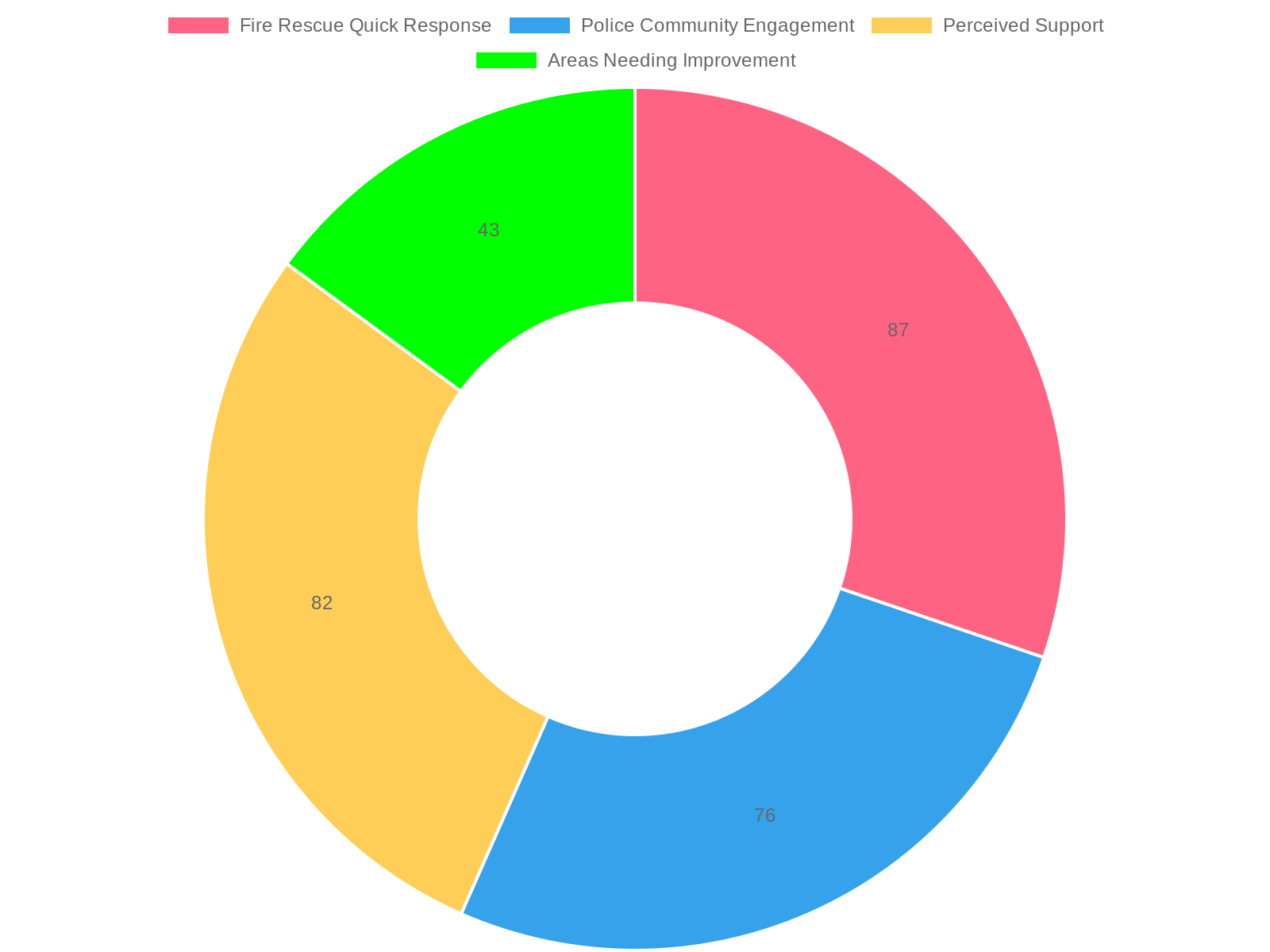
Public Safety Perception Ratings (2023)
A recent survey highlighted public perceptions regarding the effectiveness of police and fire rescue services:
| Category | Percentage Rating |
|---|---|
| Fire Rescue Quick Response | 87% |
| Police Community Engagement | 76% |
| Perceived Support | 82% |
| Areas Needing Improvement | 43% |
Source: National Public Safety Perception Survey, 2023 (U.S. Department of Homeland Security)
Learn more about public safety perceptions here.
Conclusion and Call to Action
In conclusion, the collaboration between police and fire rescue teams is crucial for effective emergency response. The seamless integration of efforts not only enhances public safety but also bolsters community trust in these vital services. As various studies have shown, shared training and communications between departments can significantly improve emergency responses, enabling quicker and more efficient actions during crises. By working together, both police and firefighters are better equipped to tackle complex emergencies, thereby saving lives and minimizing damage.
Despite the occasional perception of rivalry, it is clear that cooperation is essential. Numerous positive outcomes have emerged from joint operations, including improved situational awareness, resource sharing, and a unified command structure during critical incidents. This cooperative synergy enhances their capabilities and ultimately benefits the communities they serve.
As members of the public, it’s important for us to recognize and support this cooperation. Engaging in community safety programs, understanding emergency response protocols, and fostering relationships with local first responders can encourage further teamwork.
We invite you to learn more about emergency response teamwork and consider ways you can contribute to your community’s preparedness and safety. By advocating for cooperative efforts among your local police and fire departments, we can ensure a safer environment for everyone.