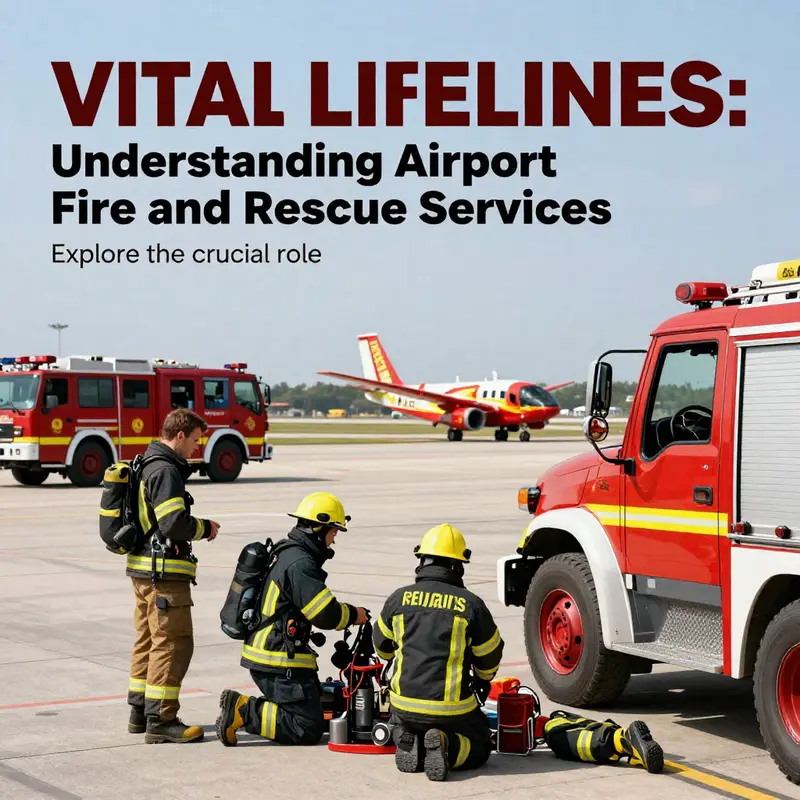
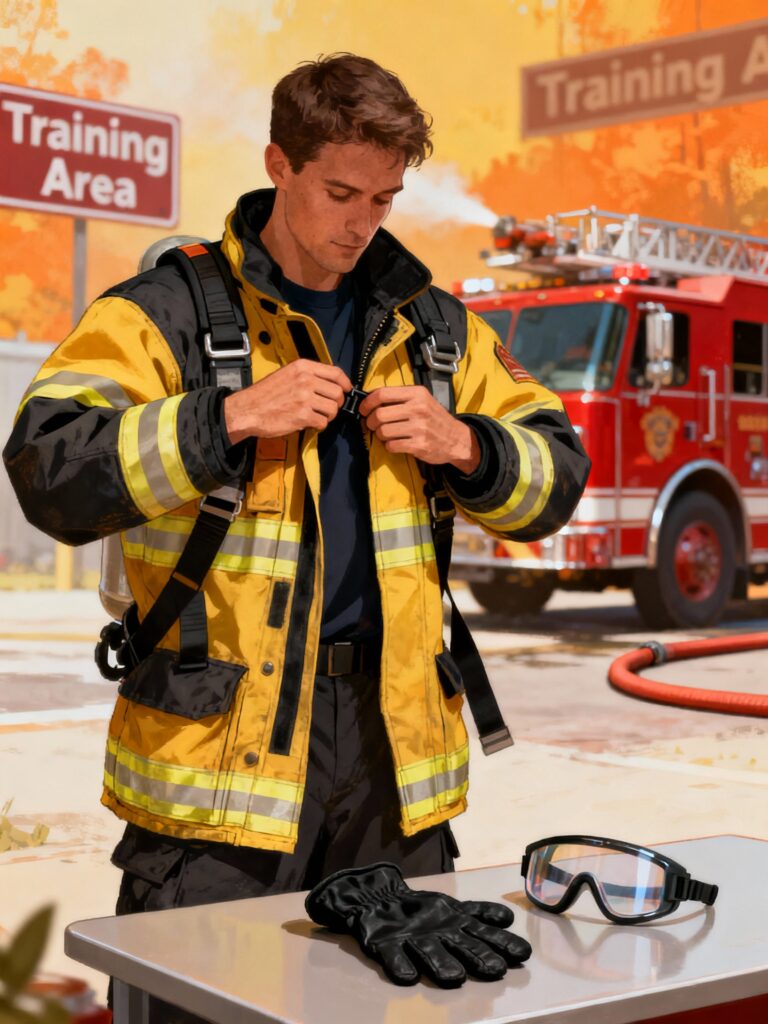
In the high-stakes world of firefighting, every second counts, but so does safety—especially when it comes to the removal of personal protective equipment (PPE). Contaminants and carcinogens can cling to gear, posing long-term health threats to brave firefighters who risk their lives daily. The act of doffing PPE is not merely a procedural formality; it plays a crucial role in safeguarding these heroes from exposure to harmful substances that could elevate their cancer risk.
Proper techniques for PPE removal can ensure they leave the fire scene unscathed, clear of the toxins that often lurk in the very uniforms designed to protect them. As we delve into the significance of effective PPE removal, we aim to shed light on best practices that not only mitigate contamination but also promote the long-term health and well-being of firefighters everywhere.
Key Statistics on the Risks Associated with Contaminated Gear
The alarming statistics regarding the risks of contaminated personal protective equipment (PPE) highlight the urgency of addressing this issue for the safety of firefighters:
- According to the National Institute for Occupational Safety and Health (NIOSH), firefighters have a 9% higher cancer diagnosis rate compared to the general population and face a 14% higher cancer-related mortality rate. The research has pinpointed increased risks for specific cancers, notably respiratory, digestive, and urinary system cancers. This elevation in risk is largely attributed to exposure to carcinogens that adhere to their gear.
- The International Association of Fire Fighters (IAFF) asserts that contaminated turnout gear contains harmful PFAS chemical residues that firefighters may absorb through their skin or inhale as these materials degrade. Cancer is reported to be the leading cause of death among firefighters, responsible for 74% of line-of-duty deaths recorded on the IAFF Memorial Wall in 2022.
- Additionally, a comprehensive study by the Firefighter Cancer Support Network revealed that firefighters are 68% more likely to develop esophageal cancer and have a 39% higher mortality risk from bladder cancer. This research underscores the critical need for proper decontamination procedures as contaminated gear was reported to contribute significantly to dermal exposure.
- The USFA Firefighter Cancer Prevention Report indicates that firefighters face a staggering 60% increased risk of dying from cancer when compared to the general public. More specifically, they have an elevated risk of 62% for esophageal cancer, 39% for leukemia, and 28% for prostate cancer.
These statistics stress the importance of effective PPE removal and decontamination processes, which are essential in mitigating health risks associated with exposure to hazardous contaminants in firefighting gear. Understanding these risks can empower firefighters and their departments to implement better safety practices and protocols.
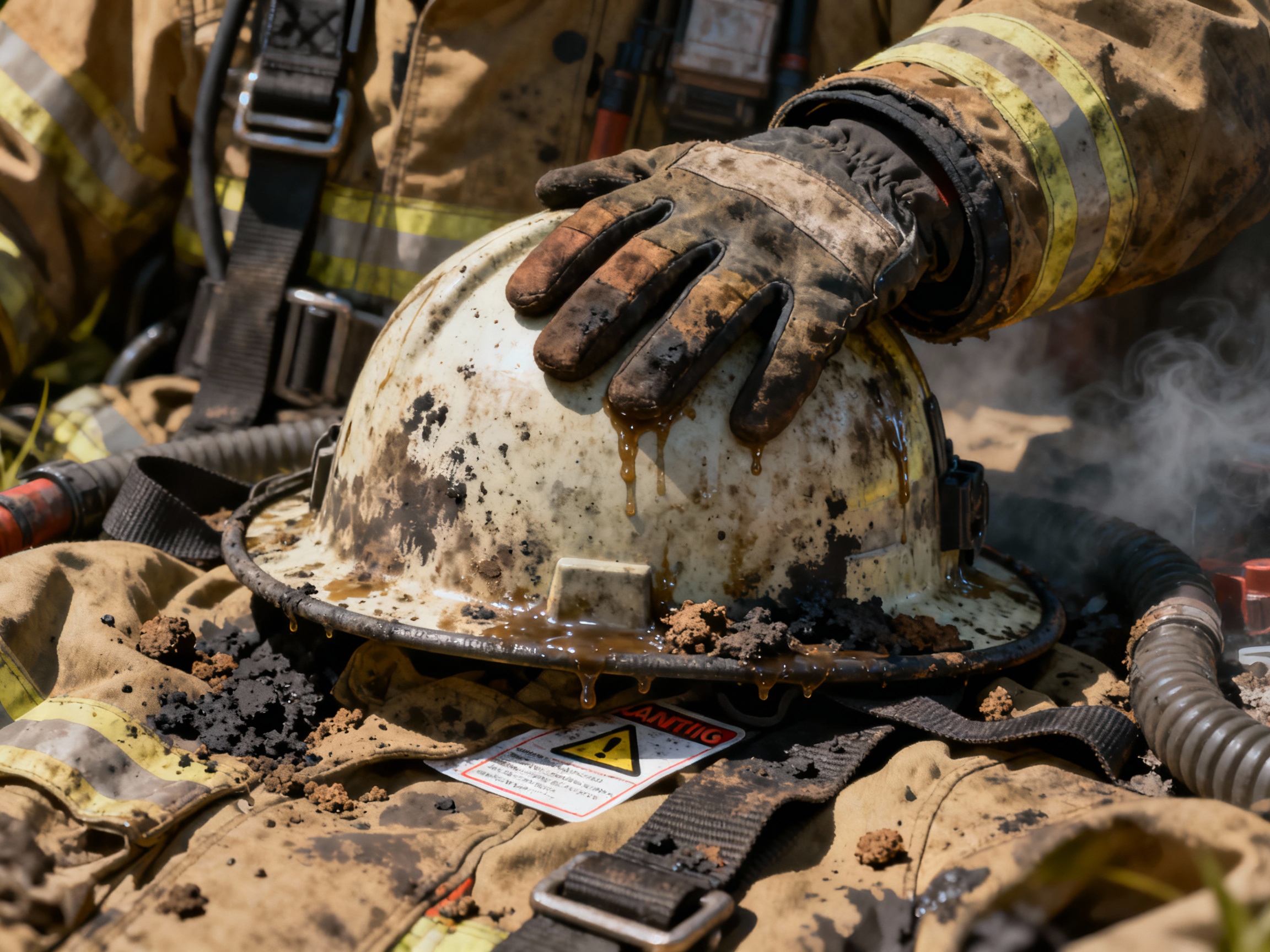
Evoking concern about the risks involved with improper PPE handling.
Proper Doffing Process of PPE for Firefighters
When it comes to removing personal protective equipment (PPE), firefighters must approach the task with as much diligence as they applied while putting it on. The doffing process, while often overlooked, is critical in eliminating contaminants that can jeopardize long-term health. Here is a detailed, step-by-step guide:
-
Begin with Gloves:
Start the doffing process by carefully removing outer gloves, ensuring not to touch the skin directly. Grasp the cuff of one glove and turn it inside out, pulling it off with the other hand. This action minimizes the risk of transferring contaminants from the glove surface onto exposed skin. Following this, immediately dispose of them in a designated hazardous waste container.
-
Hand Hygiene:
Next, it is imperative to perform hand hygiene. Washing hands thoroughly with soap and water or using an antiseptic hand sanitizer removes any residual chemicals or carcinogens that might have clung to the skin during the firefighting operation.
-
Remove the Helmet and Eye Protection:
Transitioning to the headgear, carefully take off the helmet and eye protection. Handle these pieces with caution by avoiding contact with the inside of the helmet. Eye protection should also be cleaned appropriately after removal to prevent any harmful particles from causing irritation or injury.
-
Doff the Turnout Coat:
After securing your head equipment, take off the turnout coat. Grasp the front of the coat and pull it over the head, turning it inside out as you remove it. This step serves a dual purpose: it keeps contaminants contained within the garment while also transferring any possible harmful residues away from the body.
-
Remove the Turnout Pants:
Next, carefully doff the turnout pants by avoiding contact with the outer surface. Similar to the coat, you should pull them off in a manner that keeps contaminants inside. This is crucial because the pants can harbor harmful soot and chemicals that could potentially absorb into the skin if mishandled.
-
Final Hand Hygiene:
Once all gear is removed, perform another round of hand hygiene. It is vital to ensure that any leftover toxins or contaminants are eradicated from skin surfaces before coming into contact with other personal items.
-
Shower and Change Clothes:
Finally, firefighters should shower as soon as possible and change into clean clothing. This step ensures that they wash away any residual chemicals that may have persisted even after gear removal, thereby significantly reducing exposure to carcinogens.
In conclusion, the doffing process is not a mere afterthought but rather a vital component of firefighter safety. Each step plays an integral role in minimizing contamination and safeguarding against health risks associated with hazardous substances. By implementing these careful techniques, firefighters can protect themselves more effectively both on and off the scene.
| PPE Removal Method | Effectiveness | Ease of Use | Recommendations |
|---|---|---|---|
| Technique 1: One-Pull Method | High: Minimizes contamination spread | Moderate: Requires practice | Ideal for experienced firefighters |
| Technique 2: Two-Hand Approach | Very High: Reduces skin exposure | Easy: Intuitive for all levels | Recommended for all firefighters |
| Technique 3: Assisted Doffing | High: Ensures thorough cleaning | Moderate: Needs a partner | Best for high-risk scenarios |
| Technique 4: Turn Inside Out | High: Contains contaminants | Easy: Quick to execute | Perfect for immediate decontamination |
| Technique 5: Full Gear Disposal | Very High: Complete contamination control | Moderate: Logistically demanding | Recommended after severe exposure |
### Graph Comparing Effectiveness of PPE Removal Techniques

Graph comparing the effectiveness of various PPE removal techniques for firefighters including effectiveness ratings, user ratings, and health impact.
| Technique | Effectiveness in Reducing Contamination | User Ratings (Ease/Satisfaction) | Impact on Health Risks | Key Features |
|---|---|---|---|---|
| Traditional Method (e.g., on-scene removal) | Low to Moderate (high risk of cross-contamination) | Mixed (varies by training; often cumbersome) | Higher risk of dermal/ inhalation exposure | Often involves multiple steps without controlled decontamination |
| Wet/Dry Decontamination (e.g., field gross decon) | Moderate (reduces particulates but may not remove all chemicals) | Fair (time-consuming; requires resources) | Reduces immediate particulate matter but may not address gases/VOCs | Uses water/brushing; focuses on visible contaminants |
| Technical Decontamination (e.g., two-stage line) | High (structured process reduces transfer) | Good (clear steps; improves confidence) | Significantly lowers exposure to soot/chemicals | Includes designated clean/dirty zones; often uses water and wiping |
| Encapsulation/Peel-Off Suits (e.g., turnout gear peel-off) | Very High (minimizes skin contact with contaminants) | Very Good (fast and user-friendly) | Greatly reduces dermal and inhalation risks during doffing | Outer layer is removed and contained; reduces self-contamination |
| Assisted Doffing (e.g., buddy system) | High (reduces errors and self-contact) | Good (requires teamwork; improves safety) | Lowers risk of incorrect removal and exposure | Involves a trained partner to guide/assist in removal |
| Mechanical Aids (e.g., gear hangers/racks) | Moderate to High (depends on design and use) | Fair to Good (can be efficient but may need training) | Reduces physical strain and contact with contaminated surfaces | Helps maintain clean interior during removal |
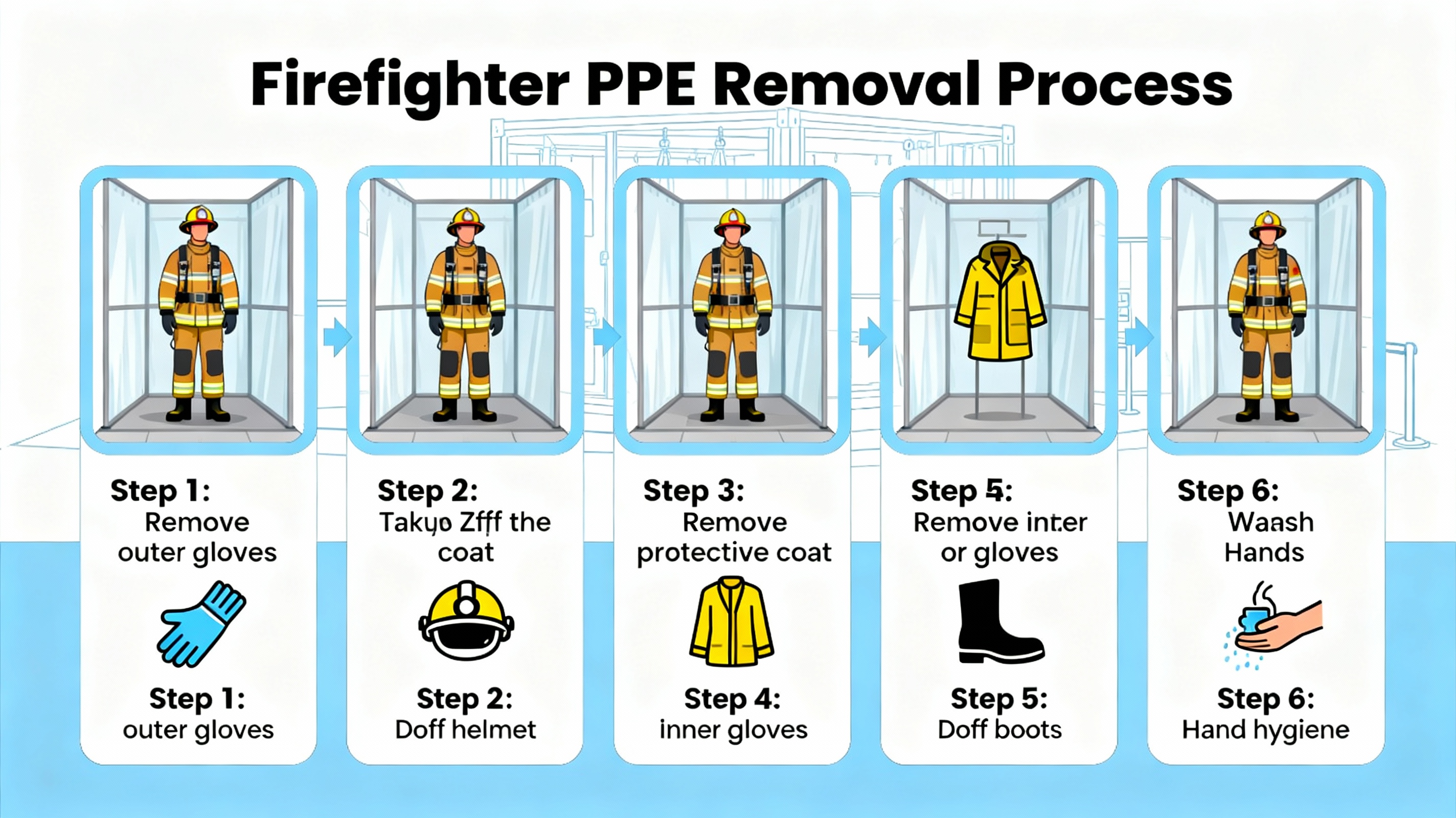
Infographic illustrating the proper steps for PPE removal for firefighters, emphasizing safety and contamination control.
Benefits of Proper PPE Removal for Firefighters
Proper removal of personal protective equipment (PPE) is essential in the firefighting profession, carrying significant benefits beyond the immediate scene. These advantages encompass both short-term actions and long-term health impacts for those who protect our communities:
- Reduction of Contaminant Exposure: Proper doffing techniques significantly reduce the amount of hazardous materials firefighters are exposed to after a call, helping prevent the transfer of toxins from gear to skin.
- Decreased Cancer Risks: Effective PPE removal can minimize the long-term risks associated with various cancers, particularly those well-documented in firefighters, thus contributing to a healthier workforce over time.
- Enhanced Mental Health: Knowing the correct procedures for PPE removal can enhance firefighters’ confidence, reducing anxiety around health risks associated with their work environment.
- Improved Hygiene Practices: The routine practice of proper doffing promotes better hygiene habits among firefighters, which can positively influence their overall health.
- Increased Lifespan: By mitigating exposure to carcinogens and other harmful substances, proper removal protocols can contribute to a longer and healthier life for firefighters, allowing them to enjoy their post-career years.
- Stronger Organizational Culture: Implementing comprehensive PPE removal training creates a culture of safety and vigilance, reducing the chance of accidents or health issues resulting from negligence or lack of knowledge.
- Decreased Healthcare Costs: Ultimately, reduced exposure to toxic substances can lead to lower healthcare costs for firefighting departments and more sustainable health insurance premiums.
In conclusion, proper PPE removal embodies a proactive approach to firefighter safety, ensuring that these brave individuals not only combat fires effectively but also safeguard their long-term health and well-being.
Conclusion
In conclusion, the proper removal of personal protective equipment (PPE) is not just a procedural necessity but a critical aspect of safeguarding firefighters’ health. Each phase of the doffing process plays a vital role in reducing exposure to harmful contaminants that can linger on gear, thereby decreasing the risk of long-term health issues, including various forms of cancer. Ignoring these protocols can have serious repercussions on both the physical well-being of firefighters and the effectiveness of their crucial work.
Embracing the recommended doffing practices ensures that firefighters leave the scene not only equipped to protect others but also safeguarded against the hidden dangers associated with their gear. Therefore, it is essential that all firefighters prioritize proper PPE removal and engage with ongoing training to follow and reinforce these critical safety procedures. By doing so, they not only enhance their own health and longevity but also contribute to a safer firefighting environment for their teammates and the community at large. Let us commit to maintaining the highest standards of safety, demonstrating that vigilance in PPE protocols is as vital as the bravery shown on the front lines.
Call to Action: Download and Share the NIOSH Infographic
Firefighters and safety officers, it’s time to take action! To reinforce the importance of proper personal protective equipment (PPE) removal, we encourage you to download the NIOSH infographic outlining the step-by-step doffing process. This visual guide is essential for enhancing safety practices and minimizing contamination risks associated with firefighting gear.
Not only will this infographic serve as an invaluable resource for your own training and safety protocols, but sharing it with colleagues can promote wider awareness and education on the critical practices that protect our brave firefighters from harmful contaminants.
Download the infographic here and make a difference in ensuring safer fire scenes today! Let’s work together to prioritize health and safety in our firefighting community!
Introduction
In the high-stakes world of firefighting, every second counts, but so does safety—especially when it comes to the removal of personal protective equipment (PPE). Contaminants and carcinogens can cling to gear, leading to significant firefighter health risks, particularly in the form of increased cancer rates. The act of doffing PPE is not merely a procedural formality; it plays a crucial role in safeguarding these heroes from exposure to harmful substances that could elevate their cancer risk as highlighted by recent studies. Proper techniques for PPE removal can ensure they leave the fire scene unscathed, clear of the toxins that often lurk in the very uniforms designed to protect them. As we delve into the significance of effective PPE removal, we aim to shed light on best practices that not only mitigate contamination but also promote the long-term health and well-being of firefighters everywhere, ultimately reducing the risks associated with PPE contamination effects.
Proper Doffing Process of PPE for Firefighters
When it comes to removing personal protective equipment (PPE), firefighters must approach the task with as much diligence as they applied while putting it on. The doffing process, while often overlooked, is critical in eliminating contaminants that can jeopardize long-term health. Here is a detailed, step-by-step guide:
- Begin with Gloves: Start the doffing process by carefully removing outer gloves, ensuring not to touch the skin directly. Grasp the cuff of one glove and turn it inside out, pulling it off with the other hand. This action minimizes the risk of transferring contaminants from the glove surface onto exposed skin.
- Hand Hygiene: Next, it is imperative to perform hand hygiene. Washing hands thoroughly with soap and water or using an antiseptic hand sanitizer removes any residual chemicals or carcinogens that might have clung to the skin during the firefighting operation.
- Remove the Helmet and Eye Protection: Transitioning to the headgear, carefully take off the helmet and eye protection. Handle these pieces with caution by avoiding contact with the inside of the helmet. Eye protection should also be cleaned appropriately after removal to prevent harmful particles from causing irritation or injury.
- Doff the Turnout Coat: After securing your head equipment, take off the turnout coat. Grasp the front of the coat and pull it over the head, turning it inside out as you remove it. This step serves a dual purpose: it keeps contaminants contained within the garment while also transferring any possible harmful residues away from the body.
- Remove the Turnout Pants: Next, carefully doff the turnout pants by avoiding contact with the outer surface. Similar to the coat, you should pull them off in a manner that keeps contaminants inside. This is crucial because the pants can harbor harmful soot and chemicals that could potentially absorb into the skin if mishandled.
- Final Hand Hygiene: Once all gear is removed, perform another round of hand hygiene to make sure that leftover toxins or contaminants are eradicated from skin surfaces before coming into contact with other personal items.
- Shower and Change Clothes: Finally, firefighters should shower as soon as possible and change into clean clothing. This step ensures that they wash away any residual chemicals that may have persisted even after gear removal, thus significantly reducing exposure to carcinogens and enhancing overall firefighter safety training.
Benefits of Proper PPE Removal for Firefighters
Proper removal of personal protective equipment (PPE) is essential in the firefighting profession, carrying significant benefits beyond the immediate scene. These advantages encompass both short-term actions and long-term health impacts for those who protect our communities:
- Reduction of Contaminant Exposure: Proper doffing techniques significantly reduce the amount of hazardous materials firefighters are exposed to after a call, helping prevent the transfer of toxins from gear to skin.
- Decreased Cancer Risks: Effective PPE removal can minimize the long-term risks associated with various cancers, particularly those well-documented in firefighters, thus contributing to a healthier workforce over time, addressing key firefighter health risks.
- Enhanced Mental Health: Knowing the correct procedures for PPE removal can enhance firefighters’ confidence, reducing anxiety around health risks.
- Improved Hygiene Practices: The routine practice of proper doffing promotes better hygiene habits among firefighters, positively influencing their overall health.
- Increased Lifespan: By mitigating exposure to carcinogens and other harmful substances, proper removal protocols can contribute to a longer and healthier life for firefighters, allowing them to enjoy their post-career years.
- Stronger Organizational Culture: Implementing comprehensive PPE removal training generates a culture of safety and vigilance, reducing the chance of accidents or health issues resulting from negligence or lack of knowledge.
- Decreased Healthcare Costs: Ultimately, reduced exposure to toxic substances leads to lower healthcare costs for firefighting departments and more sustainable health insurance premiums.
Conclusion
In conclusion, the proper removal of personal protective equipment (PPE) is not merely a procedural necessity but a critical aspect of firefighter safety. Each phase of the doffing process plays a vital role in reducing exposure to harmful contaminants that can linger on gear, thereby decreasing the risk of long-term health issues, including various forms of cancer. Ignoring these protocols can have serious repercussions on both the physical well-being of firefighters and the effectiveness of their crucial work.
Embracing the recommended doffing practices ensures that firefighters leave the scene not only equipped to protect others but also safeguarded against hidden dangers associated with their gear. Therefore, it is essential that all firefighters prioritize proper PPE removal, engage with ongoing training, and remain vigilant regarding PPE contamination effects. By doing so, they enhance their own health and longevity while contributing to a safer firefighting environment for their teammates and the community at large. Let us commit to maintaining the highest standards of safety, demonstrating that vigilance in PPE protocols is as vital as the bravery shown on the front lines.