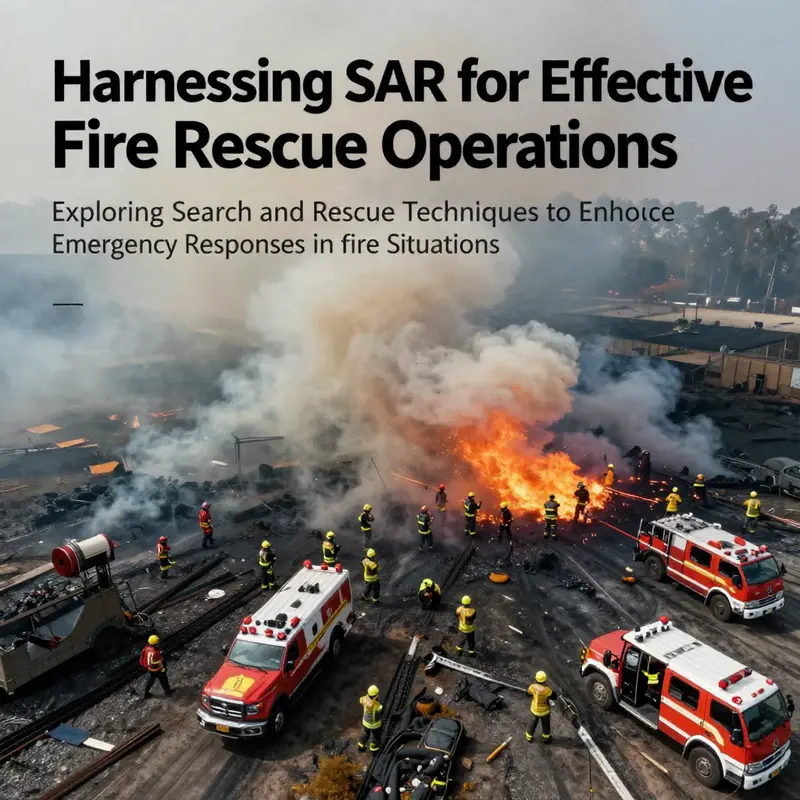
Search and Rescue (SAR) operations play a pivotal role in fire rescue scenarios, navigating the complexities associated with emergencies caused by flames, smoke, and other hazardous conditions. The relevance of SAR lies in its ability to strategically locate, assist, and extract individuals who are trapped, injured, or in peril. This article delves into the crucial components of SAR within fire rescue, systematically exploring the technologies and techniques employed, the elite teams that execute these operations, and the manifold challenges they face. By understanding the landscape of SAR, individuals and organizations involved in auto sales and fleet management can appreciate the importance of equipping emergency services with the tools and vehicles necessary for effective emergency responses.
When Flames Meet Rescue: How Search and Rescue (SAR) Operates in Fire Incidents
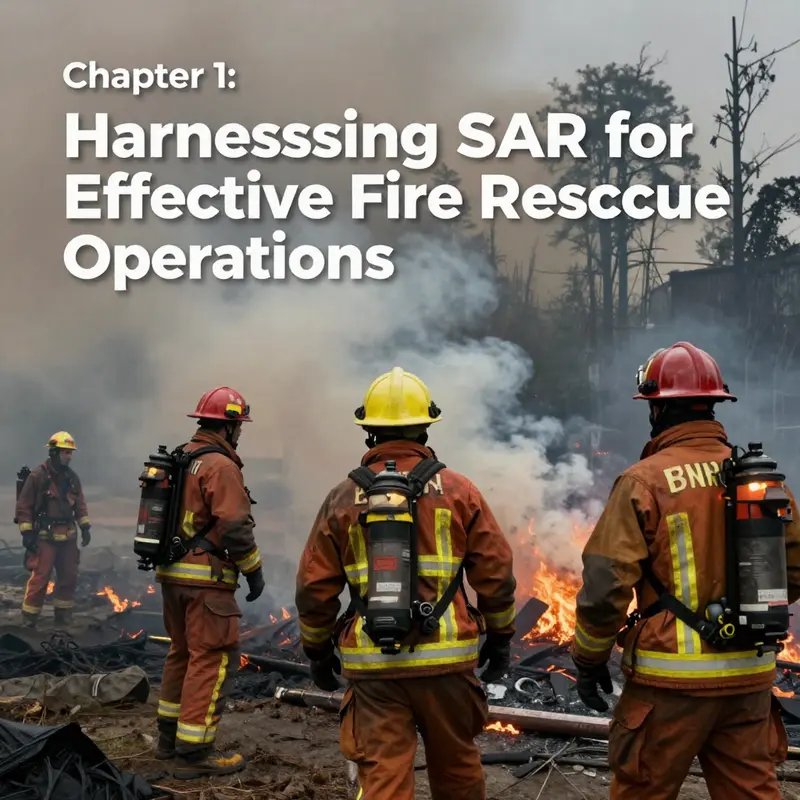
Search and Rescue, commonly abbreviated as SAR, is the life-saving core of many fire rescue operations. In fire incidents, SAR is not a single task. It is a coordinated set of actions aimed at locating, stabilizing, and extracting people who face imminent danger. These missions often unfold where smoke, heat, and collapsing structures create hazards. The environment changes fast. Conditions that were passable a few minutes earlier can become deadly. This reality forces fire departments to combine rapid decision-making, specialized training, and versatile equipment into a seamless response.
The essence of SAR in fire contexts is straightforward: save lives under risk. Yet achieving that objective is complex. Fire-related SAR spans from rapid evacuations around fast-moving wildfires to careful entries into unstable buildings after explosions. It includes high-angle rope rescues off cliff faces and rigging systems for victims trapped on ledges. It embraces confined space operations where toxic smoke and oxygen depletion threaten both victim and rescuer. It also covers swiftwater evacuations when fires spread near rivers or drainage channels. Each of these tasks requires a distinct set of tactics and equipment. The common thread is risk management. Teams must weigh the urgency of rescue against the safety of responders.
One clear distinction within the SAR world is between urban search and rescue and operations in wildland or forested settings. Urban search and rescue focuses on locating victims within collapsed structures and using sound detection, fiber-optic cameras, and trained search dogs to find those trapped under rubble. In contrast, forest fire SAR faces vast, open, and often rugged terrain. Smoke reduces visibility and heat changes air currents. Roads can be blocked or nonexistent. This forces teams to adopt mobility and reach strategies that differ from urban responses. Helicopters, all-terrain vehicles, and foot teams become indispensable. Remote sensing and aerial reconnaissance can change the speed and success of a mission.
Technology has fundamentally altered how SAR is conducted in fire scenarios. Unmanned aerial vehicles and robotic ground units extend human reach into places too risky for crews. Drones provide rapid overhead scans of large areas and locate heat signatures through smoke. Robotic ground platforms can check stairwells and building perimeters when stability is in doubt. These tools let incident commanders prioritize human entry where it is most likely to save lives. They also carry small supply packages—water, radios, or first-aid kits—to stranded individuals. Limitations remain, such as battery life, signal disruption in canyon-like terrain, and the need for operators with technical skill. Still, integration of unmanned systems has shifted the risk calculus for many operations. For a detailed evaluation of these systems in forest fires, see this field trial on unmanned vehicles: https://www.mdpi.com/2076-3417/13/8/4599
Effective SAR requires more than tools. It demands clear command and tight coordination. Incident command systems provide a shared language and structure during chaotic incidents. Within that framework, SAR teams operate under defined roles: search groups, rescue squads, medical units, and communications liaisons. Clear chains of command speed decision making and reduce duplication. They also ensure safety protocols are followed, such as accountability systems that track who is in and out of hot zones. Mutual aid agreements broaden capabilities by allowing neighboring departments to contribute personnel, equipment, or specialized teams. Pre-established memoranda of understanding are critical. When every minute matters, delays from paperwork or unclear authority can cost lives.
Training and preparation are continuous priorities. SAR for fire rescue spans basic skills to advanced specializations. Crews learn breathing apparatus use, rapid extraction techniques, and patient packaging. They also rehearse scenarios like building collapse, rope rescue, and hazardous material exposure. Realism in training matters. Simulated smoke, live fire props, and full-scale drills test decision making under stress. Cross-discipline training enhances outcomes. For example, combining medical personnel with rope rescue teams ensures immediate care once a victim is reached. Post-incident reviews capture lessons learned. These reviews refine protocols and update training curriculums. Investing in continuous competence ensures teams remain effective when called upon.
Human factors greatly influence SAR success. Stress, fatigue, and cognitive overload degrade performance. Fire incidents often extend for hours or days. Rotating personnel, ensuring adequate hydration, and providing mental health support are essential. Equipment ergonomics also matter. Bulky breathing gear, heavy protective clothing, and the need to carry patients complicate tasks. Teams rely on practiced muscle memory to move efficiently despite encumbrance. Leadership must recognize signs of exhaustion and risk-taking driven by adrenaline. A culture that allows members to speak up about hazards enhances safety. It lowers the chance that a rescue attempt turns into a multi-victim incident.
Situational awareness is the glue that binds technology, training, and human judgment. It is the ability to perceive changing conditions and predict how they will affect operations. Fire behavior, wind shifts, and structural integrity are dynamic variables. Incident commanders build situational awareness from multiple data streams: eyewitness accounts, aerial reconnaissance, thermal imaging, and reports from crews on the ground. Communicating that picture clearly to every unit reduces surprises. Radios and digital platforms help, but simple, redundant communication methods remain vital when tech fails.
Safety protocols govern when SAR moves from search to extraction. A primary principle is to never expose rescuers to unacceptable risk. This rule is not a call to inaction. Rather, it obliges teams to use the least risky method likely to succeed. When structures threaten to collapse, for example, remote assessment with cameras may provide a safer means to locate victims. If a person is reachable only across unstable terrain, helicopter hoist operations or ground-based rope systems might be preferable. Decisions hinge on the likelihood of victim survival based on time, injuries, and environmental hazards.
Medical integration is fundamental. Fire SAR teams frequently deliver initial critical care. That care can make the difference between life and death. Protocols emphasize rapid assessment, airway management, and hemorrhage control. Field triage sorts victims by severity and survivability. Medical teams stabilize patients for transport, often under taxing conditions. Evacuation methods range from short carries down stairs to long-range helicopter flights. Coordinating transport resources with receiving hospitals is part of the operation. That coordination ensures continuity of care and reduces time on scene.
Community preparedness influences SAR outcomes profoundly. Clear evacuation plans, education on wildfire behavior, and well-maintained access routes reduce the need for high-risk rescues. Emergency alerts and community warning systems improve rapid self-evacuation. Fire rescue agencies that engage with their communities see measurable benefits in reduced rescues during major incidents. Public awareness campaigns teach residents how to prepare safe rooms, maintain defensible space, and avoid risky behaviors during fires. Those steps reduce the number of people requiring rescue and allow SAR teams to focus on scenarios they cannot prevent.
Logistics underpin every successful SAR mission. Fuel, water, replacement breathing air cylinders, and medical supplies must be available. Staging areas provide safe zones for triage and rehabilitation of crews. Resupply operations keep teams engaged for long durations. Planners anticipate contingencies, including night operations. Lighting systems, thermal imaging, and night-adapted tactics ensure operations continue when darkness arrives. Logistics also includes documentation and evidence preservation. When incidents involve criminal activity or regulatory oversight, accurate records help investigators.
Finally, adaptation drives progress. After-action reviews expose gaps and reveal innovations that worked. Agencies adopt new tools, refine standard operating procedures, and adjust training programs accordingly. Research partnerships with universities and technology developers accelerate improvements. As tools like drones and robotics mature, policy and doctrine evolve to include them safely. At the same time, the fundamentals of SAR remain constant: prioritize life safety, manage risk, and act with speed and precision.
For additional practical perspective on firefighting topics and ongoing professional development, see the fire service resource at the firenrescue.net blog. For deeper technical details on unmanned systems in forest fire SAR, consult the referenced field trial: https://www.mdpi.com/2076-3417/13/8/4599
Seeing the Unseen: How Technologies and Techniques Transform SAR in Fire Rescue
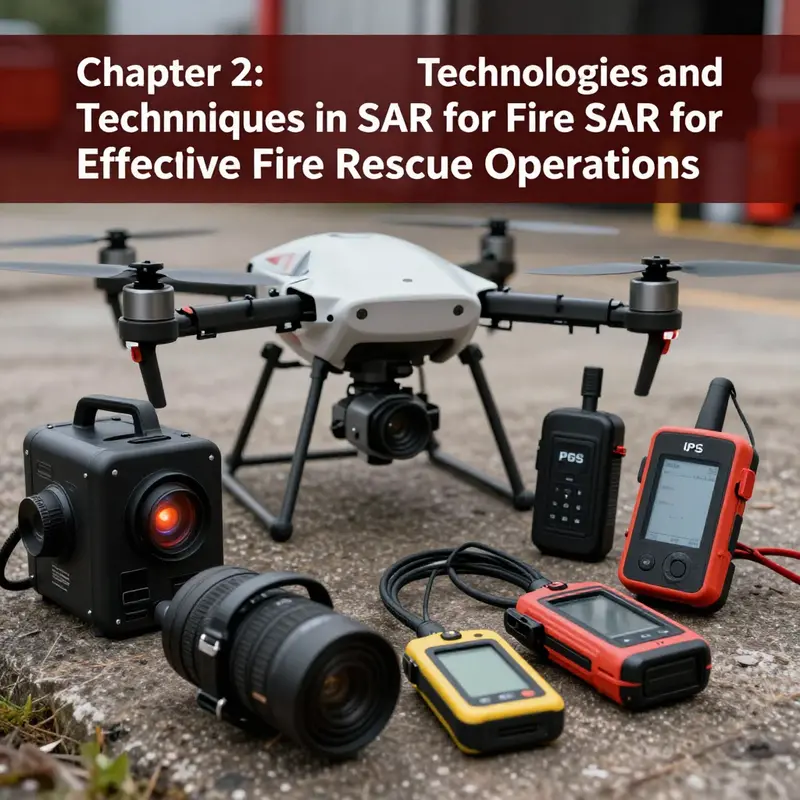
Search and Rescue (SAR) in fire rescue has evolved from brute-force searches and gut instinct into a science of sensing, mapping, and decision-making. Modern SAR blends long-established rescue skills with a suite of technologies that expand what crews can detect, how they move, and how they stay safe. This chapter examines the tools and techniques that together change the odds in life-or-death incidents: remote sensing platforms, high-resolution mapping, advanced thermal imaging, data-driven analytics, and wearable monitoring for responders. It also explains how these elements fit within tactical practice and training to yield faster, safer, and more precise rescues.
The most visible change on the fireground is the proliferation of aerial platforms. Drones have moved from novelty to mission-critical assets. Equipped with thermal imaging cameras, they scan wildfire perimeters and urban neighborhoods alike, revealing heat signatures that are invisible to the naked eye. That capability matters for two reasons. First, it identifies survivors or stranded residents who are obscured by smoke, debris, or darkness. Second, it detects hotspots and concealed flame fronts so crews can avoid ambushes by sudden flare-ups. Teams can launch a drone within minutes and stream thermal video to the incident commander. That real-time view supports dynamic tactical choices while keeping human pilots out of danger.
Ground teams pair aerial data with high-resolution mapping tools. LiDAR—Light Detection and Ranging—creates three-dimensional maps of collapsed structures and debris fields. When a building fails under fire or seismic stress, LiDAR surveys reveal void spaces where victims may be sheltered and highlight unstable masses that threaten secondary collapse. The maps let planners choose entry points that minimize risk and maximize access to likely survival pockets. LiDAR data is also valuable in complex urban search and rescue scenarios, where tunnels, basements, and interconnected spaces obscure simple line-of-sight searches.
Thermal imaging is another cornerstone. Handheld and helmet-mounted thermal cameras enable firefighters to navigate smoke-filled rooms and locate heat signatures quickly. These systems do more than show hotspots; they help crews avoid dangerous zones such as impending flashover conditions or superheated walls and ceilings. Integrating thermal feeds into command displays creates a shared picture. When a rescue team moves into a structure, the incident command can track their thermal view and direct support units to the right corridor or stair. Thermal technology accelerates victim detection and reduces wasted entry cycles that cost time and risk.
While sensors produce large volumes of information, raw data alone does not shorten timelines. Artificial intelligence and machine learning close that gap by turning imagery and sensor streams into actionable insights. AI algorithms sift drone footage, satellite imagery, and ground sensors to detect human shapes, distinguish thermal signatures from background noise, and rank search zones by probable human presence. Machine learning models also detect patterns of fire spread and human movement, helping anticipate where trapped people might try to flee. This analysis reduces cognitive load on commanders and narrows search areas, which matters when every minute affects survival.
The adoption of AI introduces new operational practices. Algorithms are tuned to local environments and feed into human-in-the-loop workflows. An AI suggestion does not replace judgment; it shortlists where to send crews. Teams validate AI findings with targeted reconnaissance and assign priorities accordingly. This partnership between human expertise and machine speed multiplies the effectiveness of limited resources.
Data fusion is the glue that holds these technologies together. Real-time feeds from drones, LiDAR scans, thermal cameras, and firefighter wearables converge on a command dashboard. When data sources are interoperable, the incident commander gains a multi-layered map showing heat, structure integrity, responder vitals, and last-seen locations. That fused common operating picture supports coordinated tactics and reduces duplication. It also improves accountability: every decision is traceable to specific sensor inputs and timestamps.
Responder safety is a separate but equally important domain. Wearable sensors and biometric monitors continuously track heart rate, core temperature, breathing rate, and exposure to hazardous atmospheres. These devices can trigger automatic alerts when a crew member shows signs of heat stress or incapacitation. Their location beacons also reduce the time needed to recover downed personnel. For extended incidents, wearable monitoring preserves team health by informing rest cycles and rotations.
Technology does not operate in a vacuum. Techniques—how crews use tools—remain decisive. For instance, drone operations must be coordinated with airspace control around active rotorcraft, structural collapse zones, and ground crews. Launching a drone without integration into the incident action plan can create hazards. Similarly, LiDAR surveys require safe standoff distances and specialized operators to interpret scans correctly. Thermal cameras require training to avoid misreading reflections or concealed smoldering that could be mistaken for a live victim.
Training bridges these gaps. Regular exercises simulate multi-sensor operations under realistic stress. Crews practice launching drones, interpreting LiDAR maps, and flowing data into the command platform. Fire departments that invest in scenario-based training learn to make technology part of their muscle memory. Training also encourages cross-discipline teamwork: firefighters, US&R specialists, drone pilots, and data analysts must speak a common operational language. For departments seeking examples of realistic training initiatives, programs like the firefighter training tower dedication highlight how investment in facilities and exercises builds the human side of high-tech SAR.
Despite the clear benefits, limitations remain. Sensors have environmental constraints. Thick vegetation or heavy smoke can obscure drone visuals and hinder thermal penetration. LiDAR effectiveness can drop in cluttered urban canopies. AI models trained on one geographical area may underperform elsewhere unless retrained. Battery life and data bandwidth also limit mission durations. Recognizing these limits drives redundancy planning: teams pair technologies and retain fundamental search skills, such as systematic grid searches and tactile probing, as fallbacks when sensors fail.
Interoperability and standards are essential to wider adoption. Fire agencies vary widely in budgets, equipment, and protocols. Shared data formats, common radio procedures, and agreed-upon command interfaces make collaboration possible across agencies and jurisdictions. Standard operating procedures should define who controls drones during joint operations, how LiDAR datasets are labeled, and how biometric alerts are managed by medical support teams. These protocols avoid confusion and ensure that data helps rather than hinders the rescue effort.
Human factors receive particular attention. Sensors and dashboards can overwhelm decision-makers with information. A focused interface that prioritizes what matters right now—probable victim locations, responder status, and immediate structural hazards—works better than an all-data dump. Designers aim for clarity: color-coded layers, simple alerts, and intuitive controls that allow commanders to issue clear, concise commands to ground teams.
Logistics and maintenance also shape effectiveness. High-tech gear requires routine calibration and repairs. Batteries must be charged and rotated. Data storage and encryption protect sensitive information. Small departments often form regional cooperatives to share expensive assets and technical expertise. These cooperative models expand access to technology without forcing every agency to shoulder full procurement costs.
Looking forward, advances will deepen integration. Improved sensor fusion will enable predictive mapping that not only shows where people are likely trapped but estimates the window of survivability. Lighter, longer-endurance drones will push further into wildfire zones. Wearables will gain predictive analytics for heat illness and fatigue. The key will remain the same: combining tools with practiced techniques so that technology amplifies judgment rather than replaces it.
The shift from reactive to predictive SAR is already visible on the ground. Fire departments now deploy multi-sensor toolkits on initial attack, treating situational awareness as a primary resource equal in importance to water and manpower. That change reduces risk, concentrates effort where it matters, and improves the odds for victims and rescuers alike. Integrating technology into doctrine, training, and joint operations ensures these tools deliver consistent value.
In sum, the transformation of SAR in fire rescue rests on five pillars: sensing, mapping, analysis, responder protection, and disciplined technique. Each pillar contributes unique capabilities, and together they enable faster, safer, and more effective rescues. The future will bring sharper sensors and smarter algorithms, but the most important factor remains people who train, plan, and adapt. Technology expands what teams can see. Technique determines what they do with that sight.
For further reading on how drone-based thermal imaging supports wildfire detection and rescue, see the NIST resource below:
https://www.nist.gov/programs/technology-for-safety-and-responders/fire-rescue/drone-based-thermal-imaging-wildfire-detection-monitoring
Beyond the Flame: The Vital Role of Search and Rescue (SAR) in Fire Rescue
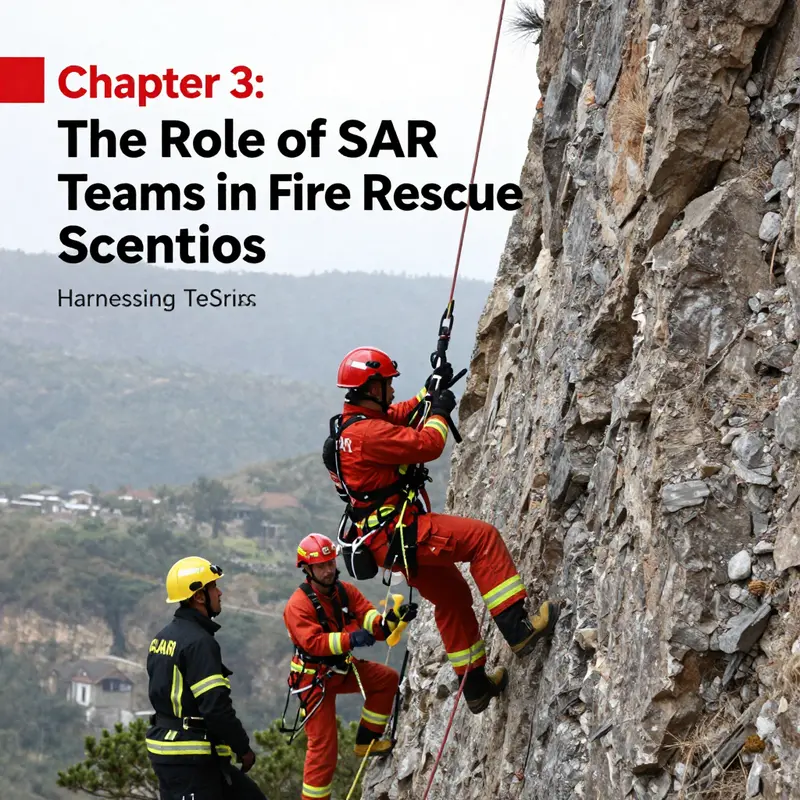
In fire response, SAR teams work with suppression crews, medical responders, and law enforcement to locate victims, triage when possible, and transport people to safety. The practice demands interagency coordination, shared situational awareness, and clear communication. Training and drills build a common operating picture so teams can move as one when time is critical. Canine search teams add a specialized capability, guiding human teams toward pockets of life even when visibility is reduced. Equipment and PPE support sustained operation, but human factors such as experience, teamwork, and calm under pressure remain essential. Environmental hazards like heat, smoke, and unstable debris shape every decision, making protection of responders and civilians a priority. The success of SAR rests on preparedness, adaptable strategies, and ethical care for vulnerable populations and animals involved in rescue work.
Facing the Smoke: Challenges and Breakthroughs in SAR for Fire Rescue
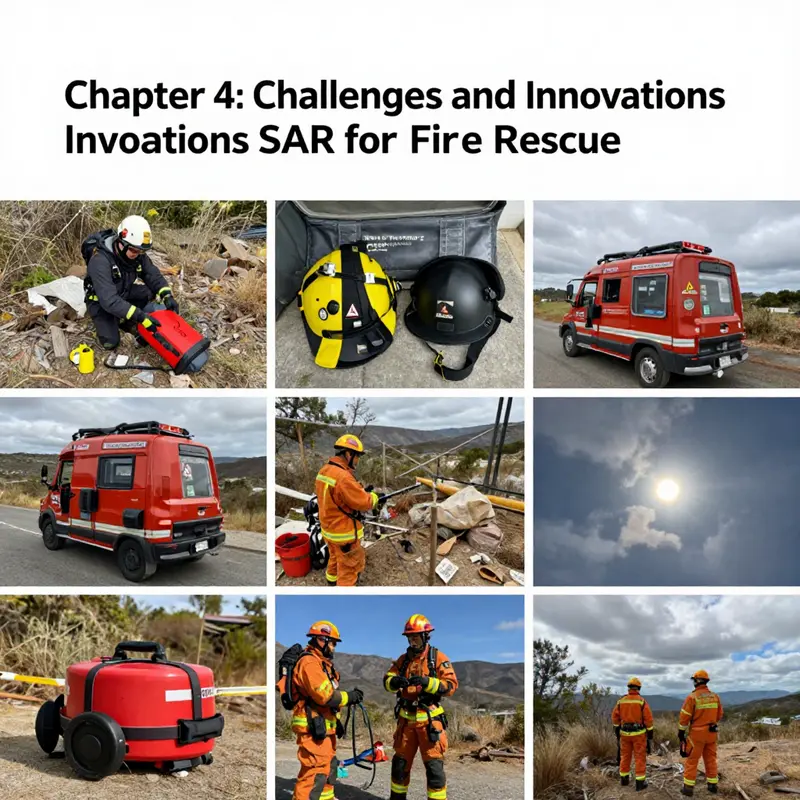
Search and Rescue (SAR) within fire rescue demands a blend of courage, skill, and rapid adaptation. Faced with smoke, heat, collapsing structures, and chaotic scenes, crews work to find and extract people under severe constraints. The operational reality is not only physical danger. It is also incomplete information, stretched communications, and the need to make life-or-death choices in seconds. This chapter examines the core obstacles that complicate SAR in fire settings and the practical innovations that shift outcomes in favor of survivors and rescuers.
Dense smoke and reduced visibility are among the most immediate problems on any fireground. Smoke obscures routes and hides victims. It also degrades breathable air and masks critical cues such as sounds and heat signatures. Teams rely on thermal imaging and trained search patterns to compensate. Even so, smoke moves unpredictably, and thermal signatures can be masked by enclosure geometry or ambient heat. Navigating by touch in zero-visibility interiors remains a basic skill. It is paired now with infrared tools that shorten searches and reduce exposure time. The combination of tactile technique and imaging reduces risk, but it does not eliminate it.
Terrain and structural instability create another layer of complexity. Wildland-urban interfaces put responders on steep slopes, uneven ground, and near falling trees. Urban collapses present voids, unstable slabs, and hidden hazards like gas lines. These environments require specialized skills such as high-angle rope rescue, shoring, and confined-space procedures. Teams must balance speed and caution. A rushed extraction risks further collapse. A delayed approach can cost lives. Planning for access routes, establishing safe zones, and using specialized shore and breaching tools are vital strategies that are practiced until they become second nature.
Toxic exposures and extreme heat add urgent physiological threats. Firefighters face inhalation of toxic gases and particulate matter. Heat stress impairs judgment and endurance. Wearable monitoring and strict rehabilitation cycles aim to limit these dangers. Respiratory protection and advanced turnout gear extend operational endurance, but equipment also raises thermal burden and mobility issues. Managing fatigue, monitoring vital signs, and rotating crews are non-negotiable steps. Training scenarios simulate these stresses so teams can recognize early signs of compromise and withdraw or change tactics before performance breaks down.
Communication failures frequently hinder coordinated SAR. Radio blackspots, overloaded channels, and incompatible systems between agencies produce confusion. A breakdown in communications can stall rescues, misdirect resources, and create duplicate efforts. Robust incident command systems standardize how teams speak and act, but they depend on reliable infrastructure. Tactical solutions include redundant radio systems, mobile repeaters, and pre-planned channel assignments. Equally important is clear, consistent terminology across agencies. Joint exercises and interoperable equipment reduce friction and speed unified action.
Coordination among multiple agencies and disciplines is an operational necessity. Fire departments rarely work alone on complex SAR missions. Law enforcement, emergency medical services, search teams, and utility crews all contribute. Each agency brings different priorities and equipment. Successful missions require unified objectives and clear roles. Pre-incident planning, shared protocols, and cross-training build the relationships needed for smooth cooperation. These investments pay off when every participant knows what to expect, how to communicate, and where their responsibilities begin and end.
Training limitations and human factors remain persistent challenges. Realistic drills are expensive and time-consuming, yet they are essential. Simulation-based learning, live-fire exercises, and structured debriefs help embed skills. Training towers and dedicated facilities allow teams to practice rope work, forcible entry, and search choreography safely. Regular exposure to realistic stress conditions improves decision-making. A useful resource on the value of dedicated live training is the account of firefighter training tower programs, which highlights how structured training saves lives and builds confidence: https://firenrescue.net/blog/firefighter-training-tower-dedication/.
Technology is reshaping SAR in practical ways. Thermal imaging cameras make hidden victims visible through smoke. Drones provide aerial perspectives, map hot zones, and locate trapped individuals in terrain that is hard to reach on foot. When equipped with cameras and AI, drones can autonomously scan patterns and flag anomalies that suggest a human presence. Wearable sensors for both victims and responders transmit location, heart rate, and environmental exposures. These data streams reduce uncertainty and prioritize rescues.
Robotic tools extend reach into hazardous spaces. Ground robots with cameras and acoustic sensors can enter voids where collapse risk is high. They use microphones and vibration detectors to pick up faint sounds. Robotic probes also collect air samples to assess toxicity before human entry. In urban search and rescue, these devices supplement trained canine teams, offering longer endurance and consistent data feeds. Acoustic detection arrays and fiber-optic probes enable rescuers to pinpoint survivable voids faster than ever.
Data integration is a force multiplier. Combining IoT sensors, drone feeds, firefighter wearables, and satellite imagery creates a unified operational picture. Data fusion platforms present this information to incident commanders in near real time. The result is better-informed decisions, smarter resource allocation, and faster victim locations. Nevertheless, integrating disparate data sources requires standards, training, and resilient networks. Without common formats, data streams can confuse rather than clarify. Implementing interoperable frameworks and practicing with data-rich scenarios are critical steps toward reliable situational awareness. For an authoritative perspective on real-time data integration and standards, see NIST’s work on sensor and data systems: https://www.nist.gov.
Innovation also raises practical trade-offs. Drones extend reach but have flight limitations and regulatory constraints. Power life and payload capacity limit how long a tool can operate. Wearable sensors add weight and complexity to gear. Robotics require maintenance and skilled operators. The clever application of new tools depends on tactical wisdom. Leaders must weigh benefits against added logistical burdens. Technology should augment proven tactics, not replace them.
Post-incident analysis closes the learning loop. After-action reviews, incident reporting, and structured debriefs convert experience into improved doctrine. Honest critique identifies close calls and systemic gaps. These sessions should be data-driven, using recorded comms, video captures, and sensor logs to reconstruct decisions. Formalized recommendations then guide policy changes, training adjustments, and procurement decisions. Over time, this iterative learning process reduces preventable errors and enhances safety.
Public education plays a meaningful role in reducing SAR demand and improving outcomes. Communities that know evacuation routes, defensible-space practices, and home hardening measures reduce the number of preventable rescues. Clear public guidance also reduces false alarms and improper behaviors that interfere with emergency operations. Outreach and preparedness messaging make the public an active partner in saving lives.
Ultimately, the evolution of SAR in fire rescue is pragmatic and human-centered. Innovations are judged by their ability to reduce risk and increase the speed and success of rescues. The most effective advances blend technology, training, and organizational practice. They tighten coordination between agencies, expand situational awareness, and protect responders from avoidable harm. As new tools arrive, the core commitment remains unchanged: locate survivors quickly and extract them safely while minimizing danger to rescuers.
This chapter ties the technical and tactical aspects of SAR into a single narrative. It stresses that challenges such as smoke, heat, collapse, and communication gaps are not solved by gadgets alone. Rather, they are met through a disciplined combination of training, inter-agency cooperation, data-driven tools, and continuous learning. The path forward is steady improvement, anchored in lessons learned at every incident. Each innovation must prove itself under hard conditions. Each training hour counts. Together, they increase the chances that when smoke rises and lives hang in the balance, SAR teams will see clearly, move decisively, and bring people to safety.
Final thoughts
Understanding the intricacies of Search and Rescue operations in the context of fire rescue is essential for enhancing emergency response capabilities. The dedicated efforts of SAR teams, backed by advanced technologies and effective strategies, ensure the safety of individuals facing perilous situations due to fires. As the landscape of fire rescue continues to evolve with innovative solutions and adaptations, fostering collaboration among auto dealerships and emergency services can significantly contribute to improving the accuracy and efficiency of rescue operations. Embracing these insights not only benefits fire rescue outcomes but also strengthens community resilience in the face of emergencies.

