

In the realm of fire and rescue services, fire safety certificates are not merely a bureaucratic requirement; they are a vital shield that protects lives and property from the devastating impact of fires. Neglecting these certificates can lead to catastrophic consequences—both for those physically present in a building and for the professional reputations of those responsible for emergency management.
The importance of obtaining and maintaining proper fire safety training cannot be overstated, as it not only equips individuals with essential knowledge and skills to effectively manage emergencies but also serves as a significant stepping stone in building a successful career in this essential field. When professionals commit to understanding fire hazards and compliance protocols through rigorous training, they not only enhance their employability but also contribute to a culture of safety that benefits entire communities.
In this article, we will explore the critical role of fire safety certificates in the fire and rescue sector and the imperative for ongoing training that can save lives.
| Type of Building | Certification Duration | Training Required | Compliance Deadlines |
|---|---|---|---|
| Residential | Every 5 years | Initial and refresher training for staff | Varies by local regulations |
| Commercial | Every 5 years | Regular training sessions and drills | Varies by local regulations |

An illustration showcasing firefighters engaged in training exercises to emphasize the importance of ongoing fire safety education.
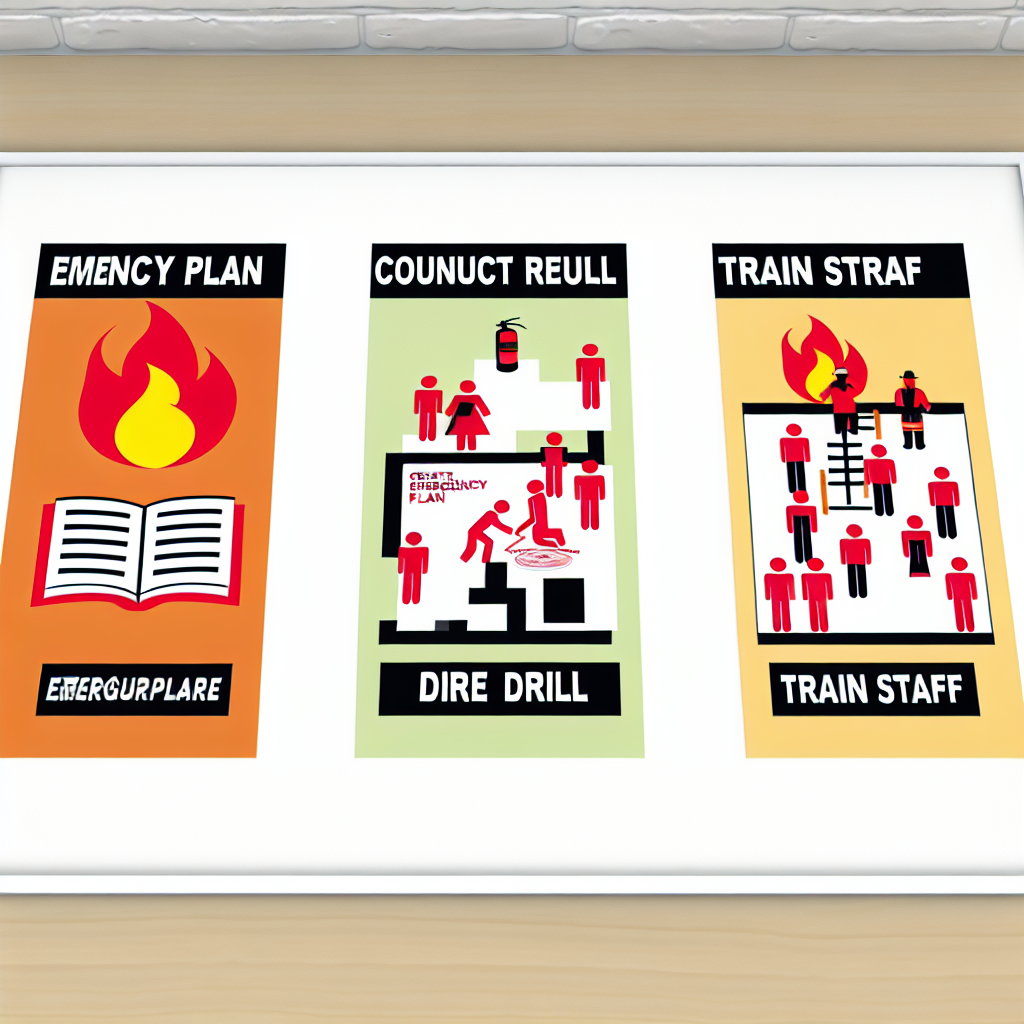
This diagram illustrates fundamental steps for emergency preparedness related to fire safety, including creating an emergency plan, conducting regular drills, and training staff.
The Importance of Renewing Fire Safety Certificates
Renewing fire safety certificates every five years is pivotal for compliance and safety. These certificates not only symbolize a commitment to fire safety regulations but also confirm that facilities maintain up-to-date fire safety measures. A comprehensive assessment of fire protection systems, equipment, and procedures is performed during the renewal process. This evaluation can identify new hazards that may have emerged since the last inspection, allowing for necessary preventive actions before incidents occur.
Neglecting to renew fire safety certificates can result in severe repercussions, including financial penalties and increased liability risks. Without a valid certificate, the likelihood of fire-related incidents escalates, potentially leading to significant legal ramifications and voided insurance policies.
Conversely, renewing fire safety certificates brings numerous advantages. It fosters a safer environment for occupants across both residential and commercial properties. Regular renewals align with contemporary fire safety standards by integrating the latest advancements in fire detection and suppression technologies and necessitating staff training, which enhances emergency preparedness. Therefore, maintaining the currency of fire safety certificates is essential for safeguarding lives and property, establishing a culture of safety, and ensuring that communities remain vigilant against fire hazards.
In conclusion, renewing fire safety certificates is not just a regulatory obligation; it is a proactive strategy vital to sustaining safety, security, and readiness in our communities. These certificates play a crucial role in protecting lives and assets from fire risks.
Online Fire Safety Training Options
For individuals pursuing a career in fire and rescue services, online fire safety training options offer a flexible and accessible route to gain essential knowledge and skills. These programs can be attended from anywhere, allowing participants to fit their training around work or personal commitments. Many reputable institutions provide online courses that are certified and designed to cover critical topics such as fire prevention, emergency response, and safety regulations.
Online training often features interactive modules, video demonstrations, and quizzes that not only enhance understanding but also engage learners effectively. This format is particularly beneficial for those who may find it difficult to attend traditional in-person classes due to scheduling conflicts or geographical constraints.
Moreover, the convenience of online training means that learners can progress at their own pace, revisiting challenging modules as needed without the pressure of a fixed classroom environment. This adaptability ensures that students fully grasp the material before advancing, ultimately leading to better preparedness for real-world scenarios. Many online training programs also integrate simulation exercises that mimic emergency situations, allowing learners to practice their skills in a controlled virtual environment. Thus, online fire safety training not only provides the necessary education but also equips aspiring firefighters with vital practical experience that can be crucial in saving lives and property.
User Adoption Data for Fire Safety Training
Over the past five years, user adoption rates for fire safety training have shown notable trends that reflect both advancements and challenges within the field. The most recent data indicates varied engagement levels across different institutions, highlighting a complex landscape of participation and completion rates.
In November 2025, several educational institutions conducted fire safety training sessions, resulting in a range of online participation rates. Exam completion varied significantly, with some colleges achieving completion rates as low as 21.7%, while others reached as high as 76.7%. This disparity suggests that while initial engagement may be high, ongoing participation in assessments is an area that requires attention to improve overall training effectiveness.
Earlier in November 2025, fire safety training camps also reported high learning rates, with some colleges achieving an impressive 98.06%. However, this success was contrasted by lower exam completion rates, indicating that while learners initially grasped the content, they struggled with the evaluation phase, pointing to a need for strategies aimed at enhancing engagement during assessments.
Manyou Education, in 2025, reported a 93% pass rate for their fire facility operator training. This remarkable outcome can be attributed to a blended learning approach that integrates theoretical instruction, live demonstrations, and practical training sessions. Ongoing improvements and investments in course content have consistently contributed to these high pass rates, underscoring the effectiveness of innovative training methodologies.
Conversely, Youlu Education reflected varied results across different regions. Theoretical pass rates were recorded between 80% and 90%, though practical exam pass rates suffered, with some regions reporting as low as 15%. This drop can be linked to the cancellation of online simulations, which previously aided practical understanding, illustrating how methodological changes can significantly impact training outcomes.
In summary, while there has been considerable progress in the adoption rates of fire safety training, disparities in engagement and assessment completion signal ongoing challenges. Emphasizing interactive training methods and practical applications remains essential for improving overall program effectiveness and ensuring that individuals are well-equipped to respond to emergencies.
Conclusion
In summary, the significance of compliance with fire safety regulations cannot be overstated. Fire safety certificates serve as critical components in safeguarding lives and property, ensuring that buildings adhere to established safety standards. These certifications are more than just legal obligations; they reflect a commitment to ongoing safety and preparedness and signify that a facility is equipped with the necessary safeguards against fire hazards.
The process of obtaining and renewing fire safety certificates not only highlights the importance of regular assessments but also fosters a culture of awareness and training within communities. Well-trained staff and occupants, backed by valid fire safety certifications, are better equipped to prevent accidents and respond effectively during emergencies. Furthermore, compliance with these regulations plays a vital role in minimizing potential penalties and liability issues, thereby enhancing the reputation of businesses and organizations.
Ultimately, through dedication to fire safety compliance, we contribute to a safer community for everyone, reinforcing the notion that preparedness is key to overcoming the risks associated with fire incidents. Together, by prioritizing these standards, we foster an environment where safety is the norm, allowing our communities to thrive without the threat of fire-related tragedies.
The Importance of Fire Risk Assessments
Fire risk assessments are crucial in identifying potential fire hazards and ensuring the safety of buildings and their occupants. Conducting these assessments is not just a regulatory requirement; it plays a fundamental role in shaping a proactive approach to fire safety. By meticulously evaluating a facility’s layout, fire detection systems, and occupancy behavior, organizations can pinpoint vulnerabilities and implement necessary safeguards. These assessments complement fire safety training by providing clear insights into specific risks that staff must be aware of during emergencies. When employees understand the unique risks associated with their environment, their training becomes more relevant and focused, enhancing their preparedness to react effectively under pressure.
Moreover, proactive measures stemming from fire risk assessments include improved emergency plans, routine safety drills, and effective communication strategies. These actions create a culture of safety where everyone is well-informed about their roles during a fire incident. Regularly updating risk assessments ensures that any changes in the environment or occupancy levels are assessed, allowing for dynamic responses to emerging hazards. Ultimately, a thorough understanding of fire risks combined with comprehensive training significantly reduces the likelihood of fire-related incidents, safeguarding lives and property. Investing time and resources into these assessments fosters a safer community, preparing individuals to respond confidently and competently to emergencies.
Case Studies and Real-Life Incidents in Fire Safety
Understanding how fire safety protocols can change lives is essential. The following case studies highlight significant incidents that showcase the critical importance of fire safety training and compliance.
The Station Nightclub Fire
In February 2003, The Station Nightclub fire in Rhode Island tragically resulted in the deaths of 100 people and injured over 230. The fire was ignited by pyrotechnics used during a band performance, quickly spreading due to flammable soundproofing foam. Key failures included blocked exits and a lack of adequate training regarding crowd management and emergency protocols. According to the National Fire Protection Association (NFPA), proper training in pyrotechnic safety and adequately maintained exits could have prevented the catastrophe. Statistics indicate that 60% of fatalities occurred within the first 90 seconds due to blocked exits and ensuing panic.
Grenfell Tower Fire
The Grenfell Tower fire in June 2017 claimed the lives of 72 people in London. The inquiry revealed numerous systemic safety failures, including the use of combustible cladding and inadequate fire safety training for residents and staff. Experts noted that effective training in evacuation procedures and conducting regular fire drills could have significantly improved outcomes. Alarmingly, 70% of residents initially adhered to the ‘stay put’ advice issued by emergency services, highlighting the critical need for better training in fire response.
Learn more about the Grenfell inquiry
Triangle Shirtwaist Factory Fire
The historical Triangle Shirtwaist Factory fire in 1911 resulted in the deaths of 146 workers due to locked exits and inadequate fire safety measures. This tragedy spurred significant changes in workplace safety regulations in the United States, leading to the establishment of modern fire safety codes and mandatory workplace safety training. Key outcomes included required unlocked exits and regular fire drills to ensure employee safety. Notably, the incident underscored the importance of fire safety training and proactive measures to prevent similar tragedies.
BP Texas City Refinery Explosion
In March 2005, the BP Texas City refinery explosion killed 15 workers and injured 180 others. Investigations revealed multiple safety management failures, including a lack of adequate operator training and poor maintenance procedures. Critical lessons learned emphasized the necessity for process safety management certification and regular training assessments. Improved safety communication and a stronger focus on hazard training could have mitigated this disaster’s impact.
Find out more about the explosion
MGM Grand Hotel Fire
The MGM Grand Hotel fire in 1980 claimed 85 lives and exposed critical deficiencies in fire detection systems and smoke control. This incident catalyzed changes in hotel fire safety standards across the country, particularly emphasizing the need for automated fire detection and certified emergency response training for all staff members.
Learn more about this fire incident
Lessons Learned from These Incidents
Each of these case studies illustrates the crucial importance of fire safety training and certification across industries. They reveal that neglecting fire safety protocols can lead to tragic consequences. The lessons learned can be distilled into several key takeaways:
- Comprehensive Training: Continuous fire safety training for all staff is essential to ensure effective emergency responses.
- Regular Fire Drills: Mandatory fire drills can familiarize employees and residents with evacuation procedures, reducing panic during real emergencies.
- Use of Non-Flammable Materials: Implementing non-flammable materials can help minimize fire risks and improve safety.
- Accessibility of Exits: Keeping exits clear and well-marked is vital to allowing safe evacuations during emergencies.
- Regular Risk Assessments: Ongoing fire risk assessments can identify and mitigate new hazards that may arise as facilities change or evolve.
Ultimately, these incidents highlight that fire safety is not just a matter of compliance—it’s about saving lives and protecting communities. By learning from the past, we can build a more secure future where fire hazards are effectively managed and mitigated.
The Importance of Fire Hazard Assessments
Fire hazard assessments are crucial in identifying potential fire hazards and ensuring the safety of buildings and their occupants. Conducting these assessments is not just a regulatory requirement; it plays a fundamental role in shaping a proactive approach to fire safety. By meticulously evaluating a facility’s layout, fire detection systems, and occupancy behavior, organizations can pinpoint vulnerabilities and implement necessary safeguards. These assessments complement emergency response training by providing clear insights into specific risks that staff must be aware of during emergencies. When employees understand the unique risks associated with their environment, their training becomes more relevant and focused, enhancing their preparedness to react effectively under pressure.
Moreover, proactive measures stemming from fire hazard assessments include improved emergency plans, routine safety drills, and effective communication strategies. These actions create a culture of safety where everyone is well-informed about their roles during a fire incident. Regularly updating risk assessments ensures that any changes in the environment or occupancy levels are assessed, allowing for dynamic responses to emerging hazards. Ultimately, a thorough understanding of fire risks combined with comprehensive training significantly reduces the likelihood of fire-related incidents, safeguarding lives and property.