Fire and rescue services play a crucial role in safeguarding lives and property, often extending far beyond traditional firefighting. Their multifaceted duties encompass fire suppression, technical rescues, emergency medical services, hazardous materials management, and public education, ensuring that communities are well-prepared for various emergencies. This article delves into these essential functions, illustrating the comprehensive nature of fire and rescue operations and their vital contribution to public safety.
Precision Under Pressure: The Hidden Architecture of Fire and Rescue in Fire Suppression
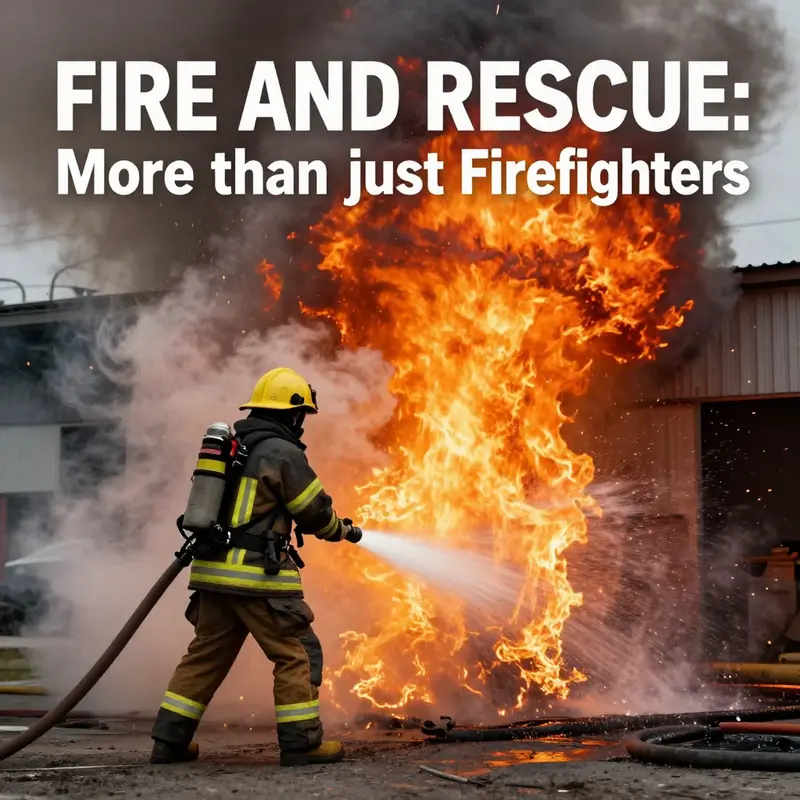
Fire and rescue operations are often understood as the dramatic moment when flames leap from a structure into the night. Yet the true story of suppression unfolds in a longer arc: one that blends speed with discipline, improvisation with protocol, and risk with protection. When a call comes in, crews don’t race blindly toward danger; they advance with a plan that fits the size of the threat, the terrain, and the people potentially trapped. This chapter follows that arc, showing how suppression work is not a single act but a sequence of tightly choreographed moves designed to control fire quickly, safely, and with enough flexibility to adapt as conditions shift. The aim is to prevent loss of life and to minimize damage to homes, forests, and critical infrastructure. Across many communities, the same core logic guides responders, whether they are stationed in a dense urban district or a rural area where wildfire behavior also shapes the response.
At the incident’s first minutes, the purpose is precise. Early suppression buys time for a more deliberate attack and reduces the chance that fire will cut off escape routes. In practical terms, this means using whatever tools are quickly at hand, applying heat and fuel control, and protecting bystanders and occupants. A telling example comes from a 2026 kitchen grease fire in Changxing County, Zhejiang Province. Firefighters controlled the pan fire within three minutes by smothering with a lid, turning off gas and electricity, and using a wet towel to shield themselves while they lifted the burning container outdoors. This sequence—contain, isolate energy sources, and move hazardous material away from flammables—illustrates how essential it is to act fast with the right technique and the right safety margins. It is not about heroic improvisation alone; it is about disciplined application of fundamentals that professionals train for, reinforced by experience and clear situational awareness.
Equally important is what happens before responders arrive. Neighborly action can alter the trajectory of a fire. A January 2026 fire in Mangshi, Yunnan Province demonstrated that community involvement matters as much as equipment. When a resident woke to the alarm and helped others evacuate, a second neighbor used a building’s fire hydrant to suppress spreading flames. Their quick intervention bought precious seconds and often prevents a fire from reaching adjacent structures. In many places, this early intervention is a formal part of the safety chain, with public education campaigns encouraging residents to plan exits, to practice fire drills, and to maintain simple, effective fire safety habits in the home. The most effective suppression plan blends municipal resources with homeowners’ preparedness, because the first minutes belong to people who act before the sirens fully wake the response system.
When the fire grows beyond initial control, professional teams step into a structured theater of operations. They operate under a hierarchical command system that prioritizes firefighter safety while coordinating multiple attack lines and rescue operations. A fireground commander assumes a central role, directing crews to prevent backdrafts, manage hose lines, and maintain communications with other units. The teamwork is not abstract; it is tangible cooperation where firefighters outside a structure can support secondary attack lines and assist colleagues who become trapped or injured. This mutual aid is a lifeline, especially in sprawling incidents or when the fire threatens critical infrastructure. The emphasis is on clear roles, shared mental models, and frequent, concise updates so everyone knows where to position the next line, what hazards to avoid, and how to synchronize with medical and hazmat responses when necessary.
For larger incidents, such as forest or grassland fires, the suppression process expands in scale and complexity. A front-line command post forms, and a total commander, typically a senior official, leads the field operation while professional officers handle the tactical details. National integrated fire and rescue services coordinate across jurisdictions, providing expertise, equipment, and standardized procedures. In such contexts, authorities may implement strategic measures like firebreaks or controlled backburns, clear obstacles, and enforce traffic control to maintain evacuation routes and allow equipment to move unimpeded. The aim remains consistent: to segment the flame’s advance, protect vulnerable zones, and open safe passages for evacuation and redeployment. Large-scale suppression tests both resource management and political will, requiring transparency, reliable data, and steady public communication so communities understand when and why actions are taken.
Once a blaze is declared contained, the focus shifts to post-fire operations. Crews carry out thorough inspections for hidden embers and re-ignition risks, sometimes returning to the site for days until the area is deemed safe. Securing the site involves dismantling temporary command posts, preserving evidence for investigations, and ensuring that neighboring properties remain protected from secondary threats. Local governments may assign personnel to monitor the site and implement containment measures. In some cases, authorities can seize equipment, vehicles, or land to prevent lingering hazards or to support ongoing investigations, with compensation arranged afterward. These steps are not bureaucratic afterthoughts; they are essential to breaking cycles of revival and to restoring a sense of security for residents and businesses alike.
A centralized communication system underpins all of these actions. Information about the fire—its size, impact, and the evolving response—flows through the county-level emergency management department. For major or catastrophic fires, statements emanate from provincial authorities or the national fire prevention command center. The structure ensures that the public receives accurate, timely updates and that rumors or conflicting reports do not derail containment or evacuation efforts. In a landscape where incidents can stretch across jurisdictions, centralized communication also coordinates weather advisories, road closures, and shelter availability. This orchestration matters as much as the physical execution of suppression because public compliance and situational awareness hinge on trustworthy, consistent information.
Suppression is only one facet of a broader mission. Fire and rescue services routinely integrate prevention, public education, and response planning to reduce the risk of fires and to raise resilience. Training underpins every successful suppression operation, from the initial attack on a kitchen fire to the long, demanding work of securing a wildfire’s perimeter. The profession continually refines tactics, drills for high-risk scenarios, and revisits incident data to spot patterns that can inform future responses. Across regions, access to ongoing education—refresher courses, drills, and leadership development—keeps teams ready to adapt to changing conditions, whether urban density, building construction trends, or evolving hazardous materials profiles. The effectiveness of suppression depends as much on preparedness as it does on courage under pressure, because well-prepared teams can anticipate complications and adjust strategies without losing cohesion or momentum.
Prospective firefighters and safety professionals can deepen their understanding of how training builds readiness by exploring resources on dedicated training facilities and programs, such as those highlighted in the article about the firefighter training tower dedication. This kind of dedicated preparation translates into real-world readiness when alarms sound and the clock starts ticking. The bridge between classroom learning and field performance is built through repeated practice, realistic simulations, and a culture that values both safety and service.
Seen together, suppression operations reveal a quiet architecture. They rely on rapid initial decisions, coordinated teamwork, disciplined command, careful post-fire stewardship, and a communications backbone that keeps all hands aligned. The public benefits from this architecture every time a neighbor’s action or a professional crew’s training intersects with fire dynamics on a real scene. In the best cases, suppression becomes less about firefighting and more about preserving homes, rather than the flames themselves, and about returning communities to stability as soon as possible after danger passes.
External resource: NFPA Residential Fire Incident Report provides data and analysis that illuminate the patterns behind these practices. https://www.nfpa.org/News-and-Research/Fire-statistics-and-research/Incident-reports/Residential-fire-incident-report
Rescuing Beyond the Flame: How Fire and Rescue Teams Safeguard Lives, Property, and Community
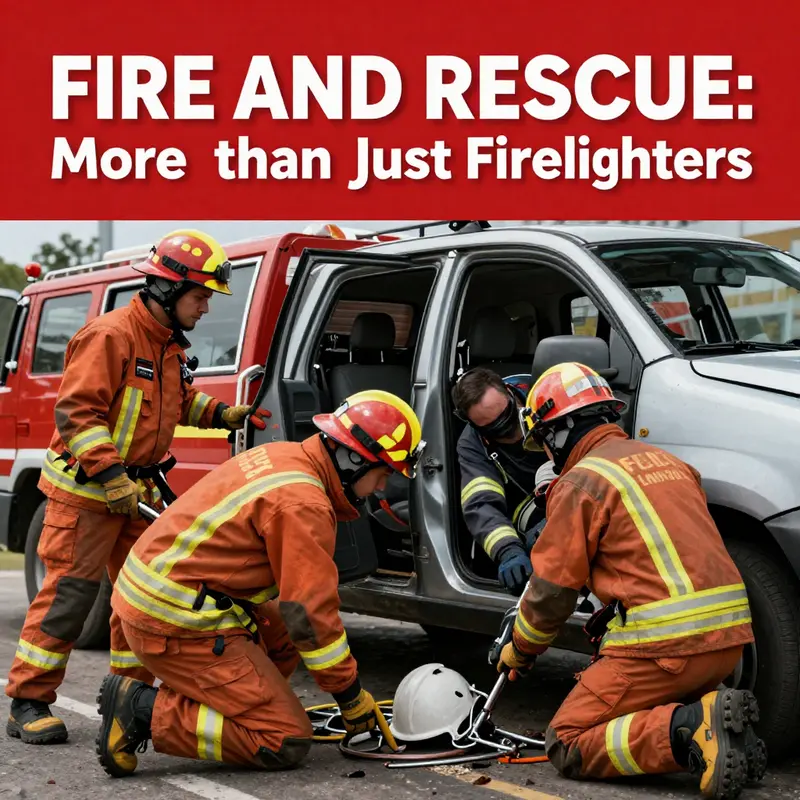
When people ask what fire and rescue do, they often imagine smoke, sirens, and the dramatic moment when flames yield to water. But the true breadth of their work extends far beyond extinguishing fires. Fire and rescue services are a central thread in the fabric of community safety, weaving together rapid response, skilled rescue, medical care, hazardous materials management, prevention, and resilience. Their purpose is not limited to one event; it is a continuous cycle of readiness and care that protects life, safeguards property, and preserves the environment. This expansive mission is best understood as a single, cohesive practice that integrates response, recovery, and preparedness, and it is anchored in a philosophy of safeguarding the most vulnerable members of a community while strengthening the capability of every citizen to withstand and recover from emergencies. The National Fire Protection Association’s descriptions of the field underscore this complexity, highlighting emergency response, prevention, public education, and resilience as core pillars that keep communities safer over time.
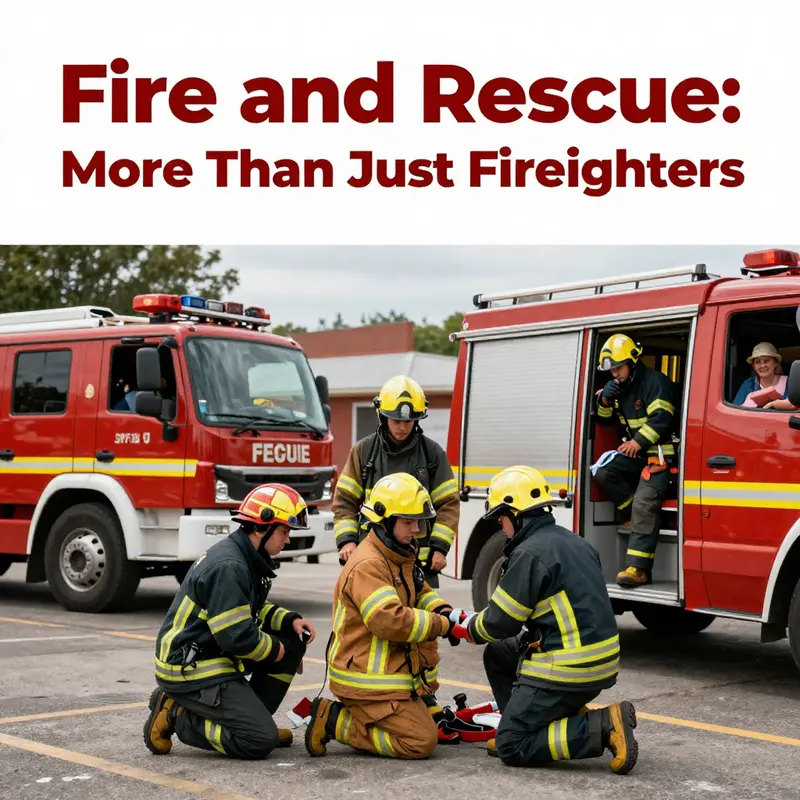
From the moment a call comes in, fire and rescue teams shift into a mode that blends speed with precision. Emergency response is their first priority, and it spans a wider spectrum than most people realize. Medical emergencies frequently place these responders at the front line of care. They arrive with the equipment to stabilize life-threatening conditions, administer essential medications or interventions, and transport patients to hospitals where clinicians can continue treatment. In many communities, firefighters are trained as paramedics or advanced EMTs, a dual credentialing that enables seamless handoffs of care from the scene to the emergency department. The same teams manage vehicle extrications, freeing people who are pinned in wrecked cars or buses. They work with careful, calculated force, using tools that cut through metal and lift debris while protecting the patient from further harm. Each operation requires situational awareness, teamwork, and rapid decision-making under pressure, all while maintaining safety for the patients and for the rescuers themselves. This fusion of medical and technical skill represents one of the clearest tests of a fire and rescue system’s depth.
Hazardous materials response is another facet that broadens the scope of the work. When dangerous chemicals, gases, or unknown plumes threaten communities, responders assess the risks, isolate the hazard, and establish containment or decontamination measures. Their actions prevent far-flung consequences, protecting water supplies, soil, air quality, and public health. The unpredictable nature of hazmat incidents—whether a transportation spill, a pipeline release, or a laboratory accident—demands specialized training, meticulous protocol, and robust coordination with public health authorities and environmental agencies. In parallel with these high-stakes events, fire and rescue units often support communities during natural disasters, from floods to earthquakes or hurricanes. In such moments, the mission expands again to search and rescue, debris removal, and the safeguarding of critical infrastructure, all while communicating with citizens to reduce panic and provide clear guidance.
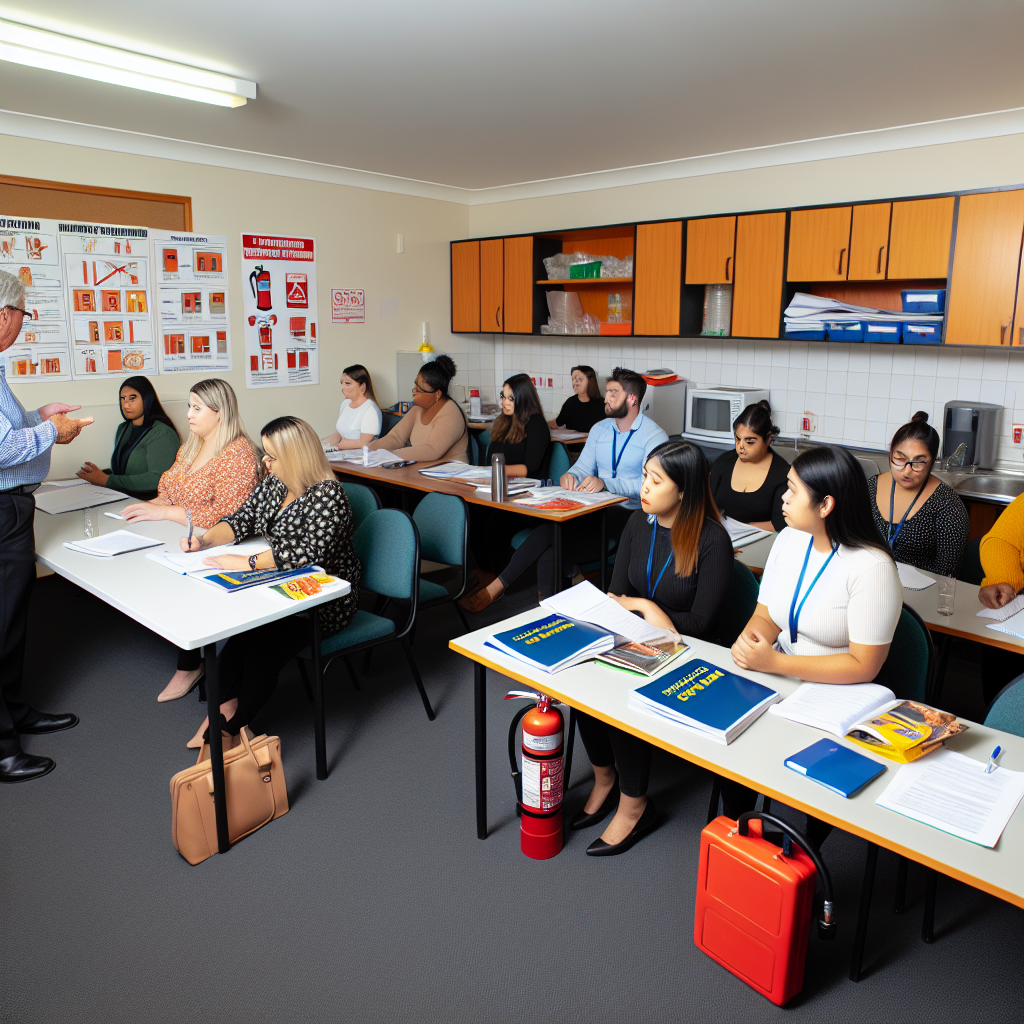
Yet the core identity of fire and rescue is not solely about reaction. A vital part of their work lies in preparing communities to face emergencies with confidence. Public education and prevention efforts are deeply embedded in every level of the service. Fire safety inspections help identify hazards in homes and workplaces before a crisis can begin. Fire departments teach children and adults how to respond to smoke alarms, how to evacuate quickly, and how to recognize warning signs of danger in electrical systems, gas lines, and flammable materials. These outreach activities have a multiplier effect: when people know how to prevent fires or respond appropriately, the probability of a serious incident decreases, and lives are saved before responders ever arrive on scene. Home safety assessments, smoke detector installations, and evacuation planning become practical, personalized measures that families can implement, empowering them to take control of their own safety. The aim is not merely to react to danger, but to reduce its likelihood and impact.
In many respects, the public-facing work of fire and rescue is best understood through the lens of community resilience. Departments participate in disaster preparedness planning with schools, hospitals, utilities, and local government. They run drills that simulate a range of emergencies—from a campus fire to a chemical spill to a multi-vehicle collision—so that responders, local authorities, and residents learn how to coordinate effectively. This planning work relies on clear incident command structures, shared communication protocols, and well-rehearsed logistics. When large-scale events occur, fire and rescue teams bring their expertise in these domains to bear, ensuring that medical triage, evacuation routes, sheltering, and resource distribution run smoothly. The result is not a single heroic moment but a sustained, collective effort that reduces fear and accelerates recovery for the whole community.
The tools of rescue work reveal another layer of depth in fire and rescue. Search and rescue operations stretch into environments that demand technical prowess and courage. In urban search and rescue, responders navigate through collapsed structures and unstable debris to locate trapped victims. In wilderness and water rescue, they deploy ropes, harnesses, and personal protective equipment to reach people who are in danger across challenging terrain or water currents. High-angle and rope-rescues illustrate how responders adapt to vertical spaces, while urban search and rescue teams leverage technologies such as thermal imaging to detect heat signatures through rubble and to map complex layouts. Drones and aerial surveillance, increasingly common on large operations, extend the reach of ground teams, providing real-time situational awareness that helps prioritize rescue efforts and safeguard responders. Each operation is a reminder that rescue work is a sophisticated craft, built on meticulous training, teamwork, and the capacity to improvise when the situation evolves in unpredictable ways. The goal remains singular: locate, stabilize, and extract victims with the least possible risk to all involved.
This emphasis on rescue extends beyond dramatic incidents. Even routine responses—like a person trapped in a vehicle after a collision or an occupant unable to exit due to a building malfunction—are opportunities to demonstrate how a fire and rescue service engages with the public. The same crews who would fight a fire on a single family home may also deliver a staged rescue in a crowded shopping center, where crowd management, first aid, and rapid communication with other emergency services are essential. Their ability to transition from a life-safety intervention to a coordinated, multi-agency response underscores the resilience built into the system. The lines between offense and defense blur here; the role of the firefighter often shifts from aggressor against the fire to guardian of life after the initial threat has been addressed.
A continually evolving dimension of the work is the integration of public education with professional development. The skills needed to perform a high-angle rescue, to manage hazardous materials, or to lead a large-scale evacuation require ongoing training that blends classroom instruction with immersive, realistic drills. This is where professional culture matters—where a commitment to safety, accountability, and continuous improvement becomes the default mode of operation. It also explains why firefighter training is not a one-off event but a career-long journey. For readers curious about how training is structured and emphasized, explore the dedicated resources on firefighter training towers and the dedication that underpins such programs firefighter-training-tower-dedication. The article illustrates how facilities, instructors, and practice scenarios work together to prepare responders for the unpredictable conditions they will face.
All these elements converge in a single, overarching purpose: to keep people safe in the face of uncertainty. Fire and rescue services embody a holistic approach to safety that interweaves emergency response, prevention, education, and resilience. Their work is visible in the dramatic moments of extinguishing a blaze and in the quiet, unseen hours of planning, inspection, and community outreach that prevent emergencies from arising in the first place. They operate at the intersection of medicine, engineering, public health, and logistics, translating complex knowledge into actions that save lives. While each incident may tell a different story—the different kinds of fires, rescues, or hazards—the underlying thread is consistent: a prepared, coordinated team dedicated to protecting life and strengthening the community’s capacity to withstand and recover from adversity. This is the essence of what fire and rescue do, and it is why their mission remains central to the safety and well-being of every neighborhood they serve.
External resource for further context: https://www.nfpa.org/About-the-NFPA/What-We-Do/Other-Programs-and-Initiatives/Fire-Service-Resources
Lifelines on the Frontline: Rapid Medical Care in Fire and Rescue
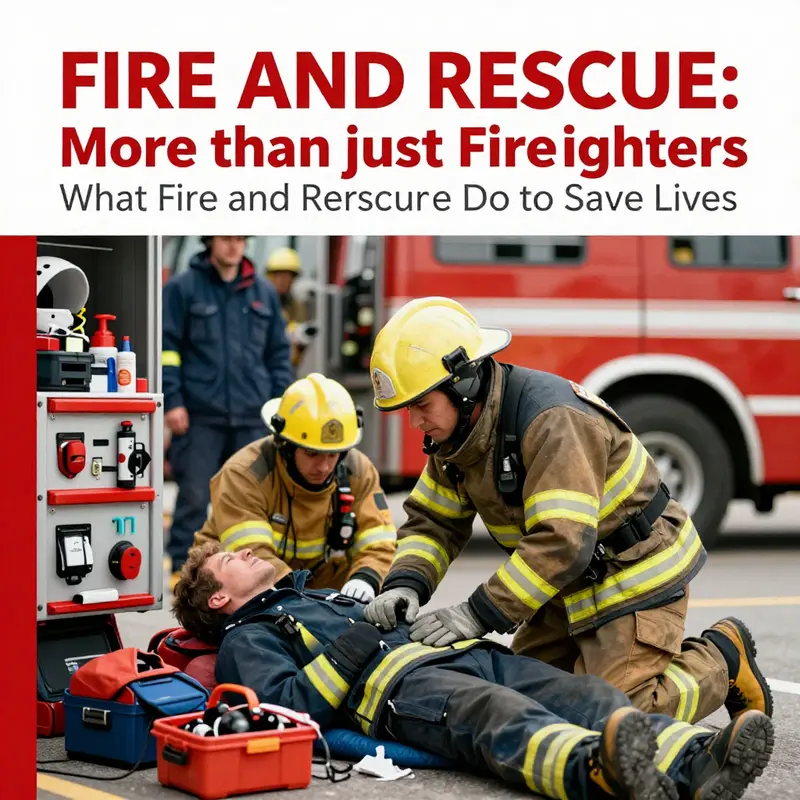
In the arc of an emergency, seconds become lifelines. Fire and rescue services sit at the intersection of protection, prevention, and patient care, a convergence that makes them uniquely suited to time-sensitive crises. When a 911 call arrives, the clock starts on outcomes that can mean the difference between full recovery and lasting impairment, and the firefighters who answer are often the first clinicians on scene. Fire and rescue systems have evolved into integrated public safety networks where rapid response, medical skill, and on-scene judgment blend with fire suppression and prevention. This is a deliberate adaptation to a reality that emergencies rarely respect silos or jurisdictions, and the result is a lifesaving capability that operates at the speed of the event and at the scale of the community it serves.
The core of this lifesaving function is EMS, or emergency medical services, and it serves as the bridge that carries a patient from the moment danger is recognized through stabilization and, when necessary, transport to definitive care. In many places, the fire department is the primary provider of EMS. Firefighters trained as Emergency Medical Technicians or Paramedics respond to cardiac arrest, serious head injuries, diabetic crises, overdoses, or sudden illnesses with a confidence born of training and experience. This dual role—fire suppression and medical care—creates a continuous chain of response that reduces the delay between emergency recognition and effective intervention. Because every minute during a life-threatening event matters, the ability of firefighters to begin critical care immediately, rather than waiting for an ambulance, often improves survival and outcomes in ways that are measurable for patients and families alike.
The practical realities of these missions require a blend of skills, equipment, and decision-making that is refined through training and real-world feedback. Firefighters who are EMTs or paramedics carry the tools of modern prehospital care: defibrillators that can deliver rapid life-saving shocks in cases of sudden cardiac arrest, airway management devices that keep air moving and oxygen flowing when a patient cannot do so on their own, and medications that must be administered with careful dosing and timing. The interventions are designed not to replace hospital care but to stabilize and preserve life in the most critical minutes of a patient’s trajectory. When a doorbell rings at a home, and a family waits anxiously for help, responders bring a combination of speed and skill that transforms fear into reassurance and chaos into controlled action.
The science behind EMS in fire services is complemented by a culture of near-constant readiness. Fire departments conduct routine medical drills that mirror the variations of real events—cardiac, respiratory, trauma, pediatric, and obstetric emergencies—so clinicians can adapt to whatever the scene throws at them. On-scene stabilization becomes a narrative of triage, priorities, and rapid decision-making. The most serious patients are identified quickly, and care is tailored to their needs in the context of the immediate environment. A patient who has suffered a sudden cardiac arrest, for example, receives attention that begins with CPR and early defibrillation, followed by airway management and, when indicated, medications that sustain circulation. A trauma patient might require bleeding control, spinal precautions, and rapid transport to a trauma center, all coordinated with the rest of the response. In many instances, this medical stage is compatible with other rescue tasks, underscoring the need for versatile crews who can integrate medical care with technical rescue and scene safety.
A striking feature of EMS within fire services is the emphasis on rapid response as a clinical intervention in itself. Survival rates for out-of-hospital cardiac arrest climb dramatically when CPR is initiated promptly and defibrillation occurs within minutes of collapse. This is not theoretical—it’s an evidence-backed reality that has shaped policy, training, and deployment. Fire departments often position units strategically to optimize response times, a logistical acknowledgment that proximity matters as much as proficiency. Yet speed cannot substitute for skill; the on-scene clinician must quickly assess, implement, and adapt. Enhancing this balance between speed and sophistication is the ongoing investment in education and credentialing, which ensures that every responder arrives with the right mix of knowledge and hands-on capability.
Integral to this picture is the ability to manage airways and breathing, as respiratory compromise is a common thread across many emergencies. Firefighters trained as paramedics can perform advanced airway procedures, choose appropriate ventilation strategies, and monitor breathing status continually as patients move toward definitive care. They also manage circulation, recognizing signs of shock, controlling life-threatening bleeding, and coordinating with arriving advanced life support teams. In parallel with medical care, responders maintain a focus on scene safety, situational awareness, and the humane handling of patients and families. The dignity of care—speaking calmly, explaining what is happening, and ensuring that the patient’s preferences and needs are respected whenever possible—remains an essential element of effective EMS.
Public education is the other side of the EMS coin. Fire departments often spearhead campaigns that teach CPR basics, the importance of early intervention, and simple, scalable actions people can take to improve outcomes before professional help appears. These community-based efforts extend the reach of the medical mission far beyond the ambulance bay. They empower people to act decisively when seconds count, creating a broader safety net and a culture that values preparedness as a form of resilience. A simple, well-timed rescue of a neighbor can hinge on the recipient of that training knowing how to start chest compressions, how to access an AED, or how to call for help and stay with the patient until responders arrive. In that sense, EMS within fire services is not only about what happens on the scene but also about what happens in kitchens, schools, and workplaces where preventive habits can avert emergencies in the first place.
The scope of medical response in fire and rescue teams extends into specialized, complex operations as well. In many communities, responders are ready to handle mass casualty incidents, where the number of patients outpaces the capacity of any single unit. This requires a trained incident command system, unified communication, and a tiered medical plan that prioritizes those in most need while preserving resources for others. Technical rescues—such as vehicle extrications after crashes or the extraction of victims from collapsed structures—are often conducted with an eye toward medical outcomes, ensuring that the patient remains as safe as possible while the longer process of removal and transport unfolds. In scenarios involving hazardous materials or water incidents, responders bring medical expertise to bear in contexts where exposure risks complicate care. The overarching aim in all these environments is to deliver high-quality, patient-centered care under challenging conditions and to do so with the speed that reduces secondary injuries and delays in treatment.
To sustain this high level of performance, ongoing professional development remains essential. The best EMS-equipped fire departments emphasize continuous learning, peer feedback, and reflective practice. Each call—whether routine medical aid or a catastrophic event—becomes a case study that informs future practice. In practice, this means updating protocols as science evolves, refining triage techniques in mass-casualty drills, and ensuring that equipment and medications are current and ready for immediate use. It also means recognizing the emotional toll of these duties on responders and providing appropriate support and resilience-building resources. The human dimension matters as much as the technical: a well-supported team can sustain the long hours, the demanding decisions, and the physically strenuous work without compromising patient care.
The narrative of what fire and rescue do for emergency medical needs is not a single textbook line but a living, collaborative practice that binds responders, communities, and hospitals. It is a cycle where readiness, response, stabilization, and prevention feed into each other. The most visible expression of this cycle is the on-scene life-saving care that responders provide within minutes of a call. Yet equally important is the quiet work of education, prevention, and community engagement that reduces the likelihood of emergencies and strengthens the social fabric that supports public health. The effect is a public safety system that treats medical emergencies as a continuum—beginning with awareness and prevention, passing through rapid and skilled on-scene care, and culminating in safe and timely transport to definitive care. This is the essence of how fire and rescue services save lives: not only by fighting flames or performing daring rescues but by being a universal, ready medical response that meets people where they are—often at their most vulnerable—and guides them toward safety, healing, and restoration.
For readers seeking a practical glimpse into the preparation that underpins these capabilities, consider engaging with resources that focus on foundational training and the essential competencies that every firefighter-EMT or firefighter-paramedic should master. This emphasis on education and certification is crucial because it translates directly into improved patient outcomes and safer communities. As one piece of guidance, many departments encourage the adoption of structured learning paths and hands-on practice that bridge classroom knowledge with real-world application, an approach that helps ensure responders are not simply following procedures but applying judgment in complex, dynamic environments. If you are exploring this topic for personal career development or community planning, investing in foundational training and ongoing certification can lay the groundwork for a meaningful career that truly aligns with the mission of protecting life and preserving health in the places we call home. fire safety essentials and certification training.
In the larger arc of public health and safety, the EMS function within fire services is a pivotal thread. It demonstrates how a well-integrated emergency response system translates rapid access to care into real-world survival advantages. It also highlights how prevention, education, and preparedness can shape outcomes before emergencies occur, creating a healthier, more resilient society. The interplay between fast action and carefully delivered medical care defines the daily reality of firefighters and rescue personnel. It is a testament to professional dedication, adaptive systems, and the trust communities place in those who answer the call when danger threatens. And while individual responses will always differ—from a quiet medical aid on a local street to a complex rescue on a collapsed building—the guiding principles remain consistent: respond swiftly, treat effectively, and return people to safety with care that respects their humanity. For those who want to examine the science behind these practices in more depth, the relationship between rapid intervention and patient outcomes is well documented in reputable medical resources that describe how early CPR and timely defibrillation can alter the course of a cardiac event. See the American Heart Association’s guide on how to help a person with a heart attack for practical, user-friendly insights into the moments when EMS intersects daily life: https://www.heart.org/en/health-topics/heart-attack/understanding-heart-attack-and-sudden-cardiac-arrest/how-to-help-a-person-with-a-heart-attack.
Hazardous Materials Mastery: How Fire and Rescue Teams Contain, Neutralize, and Protect Communities
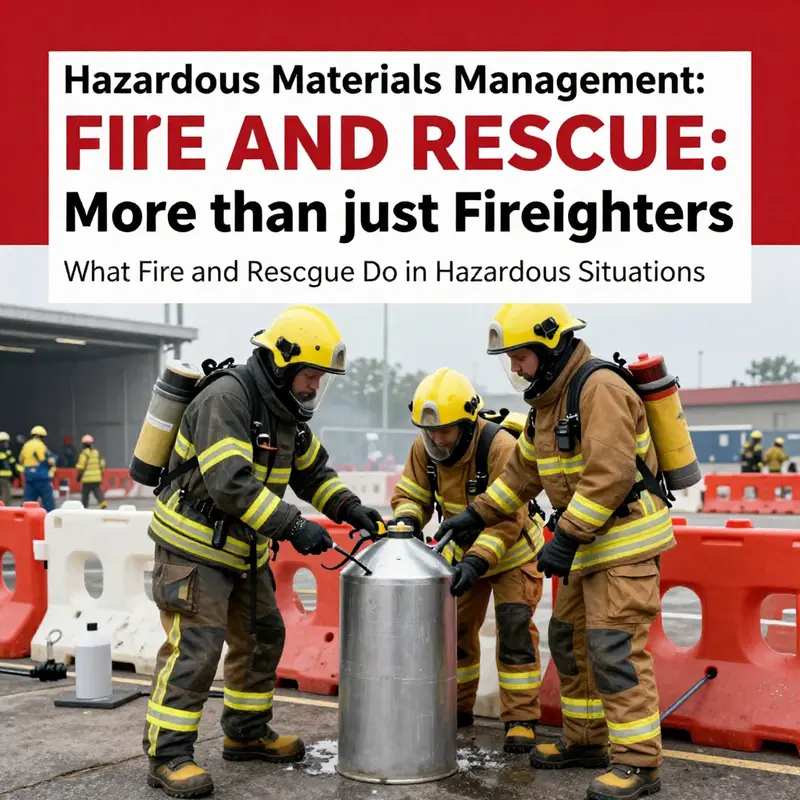
Hazardous materials incidents sit at the perilous edge where chemistry meets public safety. They test the speed, discipline, and judgment of fire and rescue services in ways that simple fires seldom do. This chapter follows a thread through the emergency response tapestry: from the first report of a chemical or unknown substance to the final stabilization of a scene and the long arc of recovery for people and the environment. At its core, hazmat work is a disciplined blend of science, risk management, and human care. It requires teams that can think clearly under pressure, protect themselves with purpose-built equipment, and operate with a precise choreography that minimizes exposure, containment failures, and secondary harm. The aim is not merely to stop a dangerous material in its tracks but to preserve life, prevent irreversible environmental damage, and maintain public confidence in the ability of responders to handle threats that are often invisible yet profoundly consequential.
When a hazardous materials incident unfolds, time becomes a decisive factor. A rapid response is not only about reaching the scene quickly; it is about mobilizing the right mix of capabilities in the first minutes. Responders start with a careful scene size-up, looking for clues about what substance might be involved, its state (gas, liquid, or solid), and how it could move through the environment. They assess wind direction, nearby water sources, and potential pathways for exposure. This early assessment guides decision-making long before technical specialists arrive. Establishing a clear, controlled perimeter is the first concrete action. The goal is to create an exclusion zone that prevents public exposure while enabling responders to work without interference. Within that zone, roles are defined, and communications are streamlined so that every action is understood by the team and by any arriving mutual aid units. The people at the edge of the hazard—the bystanders, the workers nearby, and vulnerable populations—are considered from the outset, with public messaging crafted to reduce panic while providing practical instructions about shelter-in-place or evacuation if necessary.
Containment lies at the heart of hazmat response. Fire and rescue teams are trained to contain spills or leaks to prevent further spread, whether down a storm drain, into a river, or across a porous surface. Containment strategies include physical barriers, absorbent materials, temporary dikes, and controlled isolation of the substance’s source. The principle is straightforward yet demanding: stop the material from moving, slow its dispersion, and protect those who might come into contact with it later. This phase requires a balance of speed and caution. Acting too aggressively can release vapors or cause a reaction; acting too slowly can allow the threat to broaden. Responders therefore rely on protective equipment, detailed standard operating procedures, and a constant appraisal of the changing conditions at the scene. In many contexts, containment is followed by a controlled neutralization of the threat. Neutralization does not always mean eradicating the substance; it often means rendering it less hazardous—stabilizing a reactive chemical, shutting off a leak, or applying a method to prevent evaporation or ignition. The tools and techniques are specialized, and their use depends on the substance involved, the environment, and the available resources.
Throughout containment and neutralization, the safety of responders remains paramount. HazMat operations introduce a unique set of risks to the personnel involved, including exposure to toxic vapors, dermal contact, and the potential for secondary incidents sparked by ill-planned interventions. To mitigate these risks, responders employ a multi-layered protection strategy. This includes appropriate personal protective equipment (PPE), such as chemical-resistant suits, respiratory protection, and decontamination facilities built into the response plan. Decontamination is a critical component, designed to prevent responders from becoming carriers of hazardous substances into safe areas. The process typically involves a staged approach—initial gross decontamination at the scene to remove the bulk of contaminants, followed by more rigorous decontamination at a dedicated station before responders can re-enter routine operations or leave the hot zone. The decon procedures also protect the public and the environment by preventing the spread of materials during transit or disposal. In addition to physical protection, responders rely on medical monitoring and exposure management. Medical teams assess potential injuries, monitor for delayed symptoms, and provide treatment or transport when necessary. The mental and physical toll of hazmat operations is real; thus, continuous training, rest cycles, and after-action reviews are integral to maintaining a high level of readiness.
Education and preparedness are the foundations that sustain hazmat capabilities over time. In a landscape where new contaminants appear with changing industrial practices, training programs must evolve. A key advancement has been the development of contaminant-focused training that keeps firefighters abreast of emerging threats such as novel industrial byproducts and evolving chemical formulations. This ongoing education strengthens decision-making during emergencies. Scenario-based drills that simulate real-world conditions—unknown substances, complex industrial layouts, and multi-agency coordination—help responders translate classroom knowledge into effective, disciplined practice on the ground. Such training also emphasizes the importance of communication. Clear, concise information about the substance, its properties, and the actions being taken keeps command structures aligned and minimizes confusion during chaotic moments. The value of training resonates beyond the immediate incident; it shapes community expectations and, importantly, influences how the fire service collaborates with industry, hospitals, laboratories, and other emergency responders who may be called to assist.
A hazmat operation is not a solo act. It is an orchestra of expertise that often extends beyond the fire service. Incident command systems, unified command structures, and well-defined mutual aid agreements ensure that knowledge and resources converge efficiently. Hazmat teams frequently work alongside environmental health authorities, police, public works, and water treatment professionals. The aim is to weave expertise from multiple sectors into a coherent response plan. This collaboration safeguards not only the scene but also the wider community, including schools, businesses, and vulnerable residents who may have special needs during an incident. When the threat is a chemical release near a water source, for example, responders must coordinate with environmental agencies to monitor downstream impacts and potential drinking-water contamination. They also plan for long-term recovery activities, such as site remediation, waste disposal, and ongoing health monitoring for those who may have been exposed.
Public education and prevention sit upstream of hazardous materials events. Fire and rescue services work to reduce the likelihood of incidents through inspection programs, safe handling campaigns, and partnerships with industry to promote safer processes. The protective cycle is continuous: learn from past incidents, anticipate evolving threats, and share knowledge across communities. Each hazmat incident tested a community’s resilience and a department’s capacity to adapt. In the long run, the goal is not only to extinguish a dangerous event but to reduce the frequency and severity of such events through thoughtful prevention, robust training, and transparent communication.
To illustrate the practical dimension of these principles, imagine a situation where a tanker accident releases a volatile chemical along a roadside. The response begins with rapid scene assessment and the establishment of a controlled perimeter. Within moments, responders identify the substance as a potential hazard and implement containment measures designed to keep the chemical from seeping into a storm drain system and reaching a nearby stream. Protective suits are donned, monitoring equipment is deployed, and a decontamination zone is prepared for personnel leaving the hot zone. As engineers and hazmat specialists work to neutralize the immediate threat, medical teams stand by to provide support for anyone who might be exposed. Throughout the operation, communication remains a lifeline: the public is informed, drivers are diverted, and responding units coordinate with environmental authorities to assess downstream risks. The scene gradually stabilizes, not by destroying the substance in a single moment, but by reducing its potential to cause harm and by preventing secondary exposures that could complicate the situation further. After the incident, investigators review what happened, what was learned, and how response protocols might be refined to prevent recurrence. These cycles of action, reflection, and improvement are essential to maintaining trust in the fire and rescue mission.
The broader significance of hazardous materials management lies in its dual focus on immediate protection and long-term stewardship. While it foregrounds rapid containment and responder safety, it also recognizes the obligation to minimize environmental impact and to support communities in returning to normal life as swiftly as possible. In that sense, hazmat work embodies the same core values that animate all fire and rescue activities: courage, service, and a steadfast commitment to protecting life and property. It is a field where science meets service, and where preparation makes the difference between a controlled incident and a cascading emergency. For professionals who commit to this path, the journey is continuous—new substances emerge, technologies evolve, and the communities they serve look to them for calm competence in the face of uncertainty. Consider the broader training landscape that underpins this work, including highly specialized certifications and ongoing education that keep practitioners vigilant and capable. To explore a key facet of this professional pathway, you can dive into a resource that highlights essential training you can pursue to support a career in fire safety and prevention: Fire Safety Essentials Certification Training.
As we look at the contours of hazardous materials response, it becomes clear that fire and rescue services are not only about fighting flames. They are about managing risk at the boundary where human life, industrial activity, and the environment converge. The work demands not only technical proficiency but also a principled approach to protecting the most vulnerable among us and ensuring that communities remain capable of thriving after a hazmat event. The ongoing evolution of training programs, the strengthening of interagency coordination, and the steadfast emphasis on public safety together form a durable framework. This framework supports the broader purpose of the article: to illuminate what fire and rescue do, not as a collection of isolated tasks but as an integrated service that anticipates danger, responds with precision, and sustains communities through resilience and recovery. For those seeking official guidance on hazardous materials management from government authorities, reference materials and standards are available through national resources that provide foundational directions for practice and compliance. Official guidance on hazardous materials management can be found at: https://www.gov.uk/government/publications/fire-and-rescue-service-hazardous-materials-management
Guardians of Everyday Life: How Fire and Rescue Teams Engage Communities to Learn, Prepare, and Survive
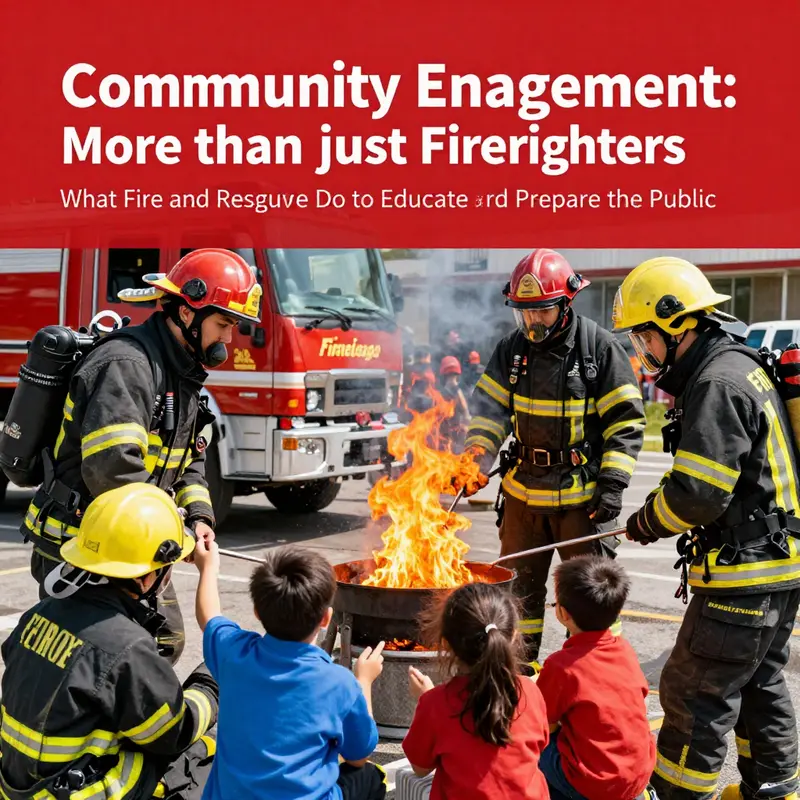
Fire and rescue services are often imagined as rapid responders sprinting toward smoke and sirens. Yet the most enduring protection they offer comes long before a bell rings. Community engagement turns emergency response into everyday resilience. It translates the skill and courage of firefighters into practical, repeatable habits that keep people safer, reduce the need to engage emergency services, and build trust between residents and the guardians who serve them. In practice, this means a deliberate, multi-channel education strategy that meets people where they are—on the street, in schools, at home, and through the screens and speakers that weave through daily life. The Baiyun District Fire Rescue Detachment in Guangzhou has crafted a vivid, multi-faceted model of this approach. It demonstrates how education, outreach, and prevention reinforce the core duties of fire suppression, rescue, and medical response by shaping a culture of safety that anticipates danger rather than simply reacting to it.
The detachment’s mobile fire safety education vehicles travel through streets and neighborhoods as rolling classrooms. They are not stations with doors that only open during an alarm but mobile hubs of learning that carry real-life fire warning videos. These videos pull from actual incidents, offering visceral demonstrations of how quick mistakes or missed precautions can escalate into tragedy. The videos do more than show damage; they personalize risk. They reveal the sequence of events in a way that numbers on a graph never can: how a home can transition from a quiet evening to a life-or-death emergency in minutes, how a small flame can become an overpowering blaze, and how early, decisive action makes the critical difference between a controlled incident and a catastrophe. By taking this content directly into communities, the detachment reduces the distance between awareness and action. It questions complacency and makes the consequences of unsafe behavior tangible for people who might otherwise ignore warnings. In this sense, the vehicles serve as one part of a broader ecosystem that turns information into behavior.
Another strand of this effort operates in centralized venues, where educational viewings are organized for local townships, sub-districts, and social organizations. Indoor and outdoor digital screens across the region broadcast these films frequently. The approach recognizes that repetition matters. Fire safety messages can feel abstract when encountered once. Repeated exposure, especially in familiar settings such as community centers or neighborhood squares, helps people internalize a safety mindset. It also enables the detachment to reach diverse audiences who gather in different places at different times. When communities see consistent content across multiple channels, the messages begin to reinforce, not compete with, one another. The films themselves are designed to be accessible and relevant, often pairing scenarios with practical steps residents can take—installing or testing smoke detectors, planning an escape route, and recognizing early signs of danger in everyday activities. The goal is not to lecture but to invite participation, to spark conversation, and to encourage families to practice what they learn together.
Door-to-door outreach complements these broader campaigns with personalized conversations. Fire safety officers visit households to assess specific hazards and provide tailored advice. This is where knowledge becomes action in the most immediate sense. Officers teach residents how to use fire extinguishers safely, how to shut off a gas supply if needed, and how to respond when a neighbor or a relative experiences a medical emergency. They also demonstrate how to evacuate calmly and quickly, how to keep pathways clear for responders, and how to maintain a safe space for vulnerable family members during a crisis. The door-to-door model respects the unique layout of each dwelling and the particular risks that come with different living arrangements, such as high-rise apartments, older homes with outdated wiring, or households with limited mobility resources. This tailored approach acknowledges that fire safety is not a one-size-fits-all discipline; it is a set of practices that must adapt to the realities of daily life. When residents receive guidance in the context of their own homes, the advice carries more weight and stays with them longer.
In addition to direct contact, the detachment distributes training materials designed to disseminate core concepts beyond immediate neighborhoods. Resources such as the Fire Warning Education Video and the Basic Fire Safety Training Courseware are shared across Baiyun, Gaoxin, and Comprehensive Bonded Zones. This cross-sector strategy leverages leadership within industries to expand reach. It recognizes that safety is not solely the province of firefighters; it is a shared responsibility that involves business leaders, educators, healthcare providers, and municipal workers. When a district mobilizes every stakeholder to champion fire safety, the campaign gains credibility and continuity. People who might not attend a community event still encounter essential messages through workplaces, training programs, or organizational briefings. The result is a network of safety-conscious behaviors that can ripple outward, strengthening the entire urban fabric.
Technology and infrastructure play indispensable roles in this outreach. The detachment maximizes existing communication channels to repeat and refresh essential messages. More than 1,400 emergency broadcasting systems actively share fire safety information, ensuring that even those who do not actively seek out safety guidance repeatedly encounter it. This pervasive coverage helps normalize safety considerations as a daily concern rather than an occasional reminder. In addition, more than 70 buses, 300 taxis, and 50 bus-stop advertising panels are repurposed into mobile billboards for fire safety information. These units travel through everyday life as constant, visible touchpoints. The approach borrows the power of ubiquity, delivering consistent cues that help residents remember what to do in the moment of danger. Such a strategy recognizes that behavior change often arises from repeated exposure in familiar contexts, not from sporadic campaigns.
The impact of this integrated approach extends beyond awareness. It fosters a culture in which self-protection and mutual aid become ordinary practices. When a neighbor recognizes a hazardous condition in a hallway, or a family knows how to respond to a smoke alarm, the likelihood of harm decreases dramatically. The multi-channel model also accommodates diverse audiences—students, workers, elderly residents, and newcomers—by using accessible formats, practical demonstrations, and language-appropriate materials. It builds trust by showing that the fire service is not merely a distant authority but a partner invested in residents’ well-being. This trust is essential for effective emergency response: when communities understand and endorse safety norms, they are more likely to cooperate with responders, report hazards promptly, and participate in drills and preparedness activities. The result is a system that harmonizes prevention and response, with each component reinforcing the other.
Looking ahead, the Baiyun District model suggests several avenues for sustaining momentum. The combination of mobile education, centralized viewings, door-to-door outreach, digital and material resources, and pervasive broadcasting creates a resilient framework. It can adapt to changing urban dynamics, such as rapid population growth, evolving housing designs, and new transportation patterns. It also offers a blueprint for replication in other districts or cities seeking to elevate public safety through education without relying on a single method. Importantly, the strategy emphasizes collaboration and shared ownership. When community organizations, schools, healthcare facilities, and private sector partners participate as champions of fire safety, the reach and relevance of the message expands. The ongoing plan is to maintain regular, year-round education and to deepen partnerships that ensure safety messages remain current with technological and social changes, while preserving the human-centered focus that has proven effective in pressing moments and quiet days alike.
The practical implications of this community-centered approach are clear. Fire and rescue work begins long before a call arrives. It begins with listening—understanding the concerns that keep families awake at night, the hazards that families encounter daily, and the cultural norms that shape how people respond to danger. It continues with accessible, repeated learning that translates into concrete action: checking detectors, planning escapes, practicing with family members, and knowing when to dial for help. It extends into workplaces, schools, and public venues through tailored materials and leadership-driven dissemination. And it closes the loop with feedback, as residents share what worked, what did not, and what new risks require urgent attention. This is not merely a public education campaign; it is the everyday cultivation of a safety-supportive environment in which courageous responders and resilient communities stand together.
For readers seeking to explore this approach in a formal, real-world context, official communications from Baiyun District outline the scale and scope of these initiatives, including the strategies described here. See the district’s recent announcement for a detailed account of the program’s aims and outcomes: https://www.gz.gov.cn/xxgk/tzgg/content_123456789.html. For practical training resources and community-oriented safety materials, a representative resource is available through the fire-rescue focused blog, which highlights essential training concepts and certification pathways for individuals seeking to deepen their preparedness: fire safety essentials certification training.
The ongoing work of fire and rescue services, therefore, reaches beyond extinguishing flames. It involves building durable, everyday habits that prevent fire from starting, spread, or causing harm. It means turning spokes of outreach into a wheel of safety: a wheel that keeps turning in every neighborhood, every workplace, and every school. The Baiyun District model shows how a city can translate courage into care, urgency into education, and emergency response into lifelong resilience.
Final thoughts
In summary, fire and rescue services are integral to public safety and emergency response, performing a wide array of functions that go beyond extinguishing fires. From executing complex rescue missions to providing life-saving medical care and educating communities on safety practices, these organizations are pivotal in ensuring a resilient society. As individual car buyers, auto dealerships, and small business fleet buyers, understanding the extensive capabilities of fire and rescue services highlights the importance of investing in safety, preparedness, and emergency readiness.