
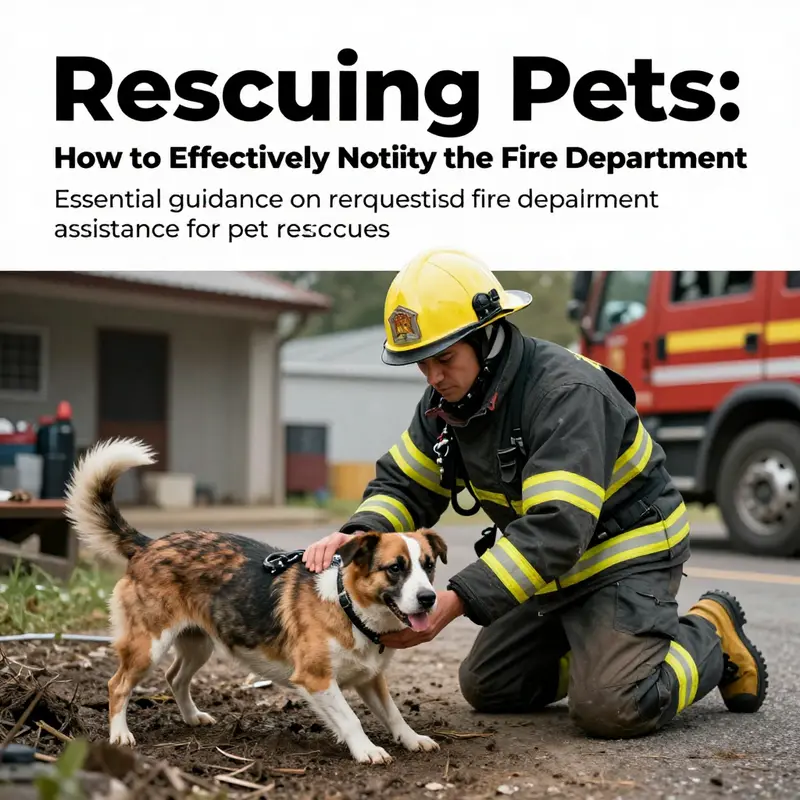
Pet owners face unique challenges in emergency situations, especially when their beloved animals are in distress. Knowing how to contact the fire department for a pet rescue can be crucial. Fire departments are primarily focused on human safety but may assist in pet emergencies that pose immediate danger. This article will explore the proper procedures to follow when notifying the fire department, understand the protocols they adhere to, recognize the limitations of their response, and identify alternative resources for non-emergency situations. Additionally, we will share real-life examples of pet rescues to highlight effective procedures and outcomes.
When a Pet’s Life Hangs in the Balance: Communicating with Fire Services for Rescue in Emergencies
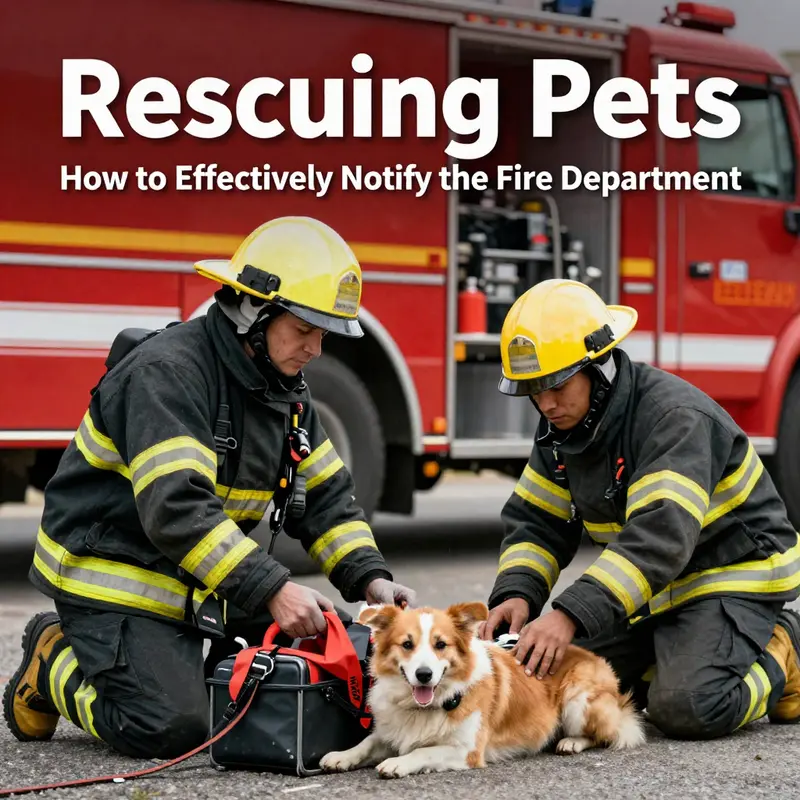
A pet’s cry can cut through a moment of panic, testing both nerves and judgment. In an emergency, the immediate instinct is to act, to save the animal who depends on you. Yet the path to a successful rescue often runs through a careful, precise conversation with emergency responders. Fire departments are trained first to protect human life and safety. That priority shapes every decision they make. In many places they can help with pet rescues, but not in every case. When a threat to people is not present, the response may come from animal control, a private rescue service, or a shelter rather than from firefighters. Understanding this helps you act quickly and stay safe at the same time. In the moments before a call, prepare your mind to present clear, essential information that helps responders decide if a rescue is feasible and safe for both the animal and the rescuers.
The moment you realize your pet is in danger, the first step is to contact the local emergency number. When you dial, speak calmly and unhurriedly. Provide the exact location in clear terms: the full address, building name if applicable, floor and apartment or room number, and any landmark that can guide responders to the scene quickly. If you are in a multiunit building, specify which unit and how to access it. The more precise you are, the faster responders can reach the animal. Then describe the immediate danger. You might say that a cat is hanging from a balcony, or a dog is trapped inside a burning room. Clearly identify that the animal is distressed, but emphasize that you are seeking rescue for the animal while ensuring human safety. The scene’s safety matters too. Mention any hazards such as smoke, fire, exposed electrical wiring, or structural instability. Share any known injuries or signs of severe distress in the pet, such as vocalization, frantic movements, or visible injuries. And always include a reliable contact number so responders can follow up with questions or location updates.
In many jurisdictions, the responders must assess whether a pet rescue can be conducted without endangering people. If the risk to humans is low and the animal is in imminent danger, firefighters or trained personnel may intervene. If the situation presents a greater risk to people than to the animal, responders will often advise alternative options. This nuance is why the exact phrasing of your call matters. Avoid jargon and keep explanations concrete: what is happening, where it is happening, why it is dangerous, and what you fear most for the animal. The more you focus on the danger the animal faces rather than the dramatic nature of the incident, the more likely a clear decision will be reached quickly.
When the call is not an immediate life threat to people, you may be directed to animal control, a humane society, or a private rescue organization. Non-emergency rescues like a cat stuck in a tree or a pet that wandered off are often outside the fire department’s usual mandate. In those cases, responders typically provide guidance on next steps or dispatch a nonfire service that specializes in animal welfare. It is worth knowing the difference in advance so you can act promptly rather than waiting for a response that may not come. If you have a nearby animal welfare group you trust, you can contact them directly for guidance or rapid dispatch. The aim is always to minimize risk while moving the animal to safety as quickly as possible.
Preparation can dramatically increase the odds of a swift, successful outcome. Start with a ready-to-use emergency plan that you rehearse with all household members. This plan should include a current list of emergency contacts, including the local fire department nonemergency line, animal control, a trusted private rescue professional, and a veterinarian who can provide immediate guidance if needed. Keep a clearly posted list at home and a digital copy accessible on a phone. For high-rise homes or apartments, know the fastest exit routes and safe meeting points outside the building. In homes with indoor pets, ensure there is an accessible lockdown plan so you can keep a panic-stricken animal from darting into dangerous areas during an emergency. Stock an emergency pet kit with a leash, a carrier or carrier-like bag, a flashlight, a small towel, basic first aid items, and current medical records or a microchip number. Having these resources ready reduces the time responders spend gathering information and enables them to focus on the rescue itself.
The emotional dimension of an emergency matters, too. People often forget to keep themselves calm, which is essential for conveying information with accuracy. Speak slowly, give the essential facts, and confirm questions from the dispatcher. If you are not sure about a detail, say so and offer to check and relay the information. Do not improvise details about the animal when you are unsure. The dispatcher will guide you through what to say and when to provide more context. After you hang up, move to a safe area with your pet and maintain quiet, steady movement to avoid further startling the animal. If you can, have a second person present to help communicate with responders and to assist with the pet’s handling when rescue teams arrive.
It helps to know how rescue decisions unfold in the field. Fire departments operate within a framework of priorities and safety protocols. They consider whether the scene can be approached without causing harm to bystanders or responders, whether the animal’s rescue can be accomplished without compromising structural integrity or creating new hazards, and whether medical attention is immediately required. In some cases, responders may advise you to wait at a safe distance while they assess the situation from outside or from a controlled vantage point. In others, they may describe a specific plan and required actions to assist with the rescue while keeping you informed at every step. This transparency reduces uncertainty and builds trust during a tense moment.
For nonemergency scenarios, it helps to familiarize yourself with alternatives. Local animal control or humane societies often have trained personnel who specialize in nonfatal interventions for pets in trees, attics, or tight spaces. Private pet rescue services may be available in your region and can offer rapid response for situations that do not involve immediate danger to humans but require skilled handling and specialized equipment. These options can be faster or more targeted than waiting for a fire department response, especially in urban or high-rise contexts where nonemergency rescues are common.
Real-world examples illustrate how the process works. In places with dense urban living, fire departments sometimes respond to pet rescue calls that also present a human safety risk. In the city environments, a dog trapped under debris or a cat perched on a balcony may trigger an urgent response if there is a potential for human harm. In other cases, specialized units or partner agencies handle the rescue, and responders coordinate with animal control to ensure the animal receives veterinary care and a safe return home. These patterns reflect the balance between protecting human life and delivering compassionate animal welfare when circumstances permit.
The guiding thread through all of this is clear communication. When you convey exact location, the nature of the danger, the animal’s condition, and the safety of the scene, you provide responders with the information they need to act quickly and safely. A good emergency call can mean the difference between a successful rescue and a missed opportunity caused by ambiguity. In practice, this means rehearsing a simple script in your mind: the address, the danger, the animal’s status, any hazards, and a reliable contact number. It also means recognizing when a situation calls for animal welfare professionals rather than firefighters. As you prepare for emergencies, you can weave in education that helps others in your household know how to respond without escalating danger.
For readers seeking additional guidance that links practical readiness with professional training, consider exploring resources on firefighter training and readiness. This broader perspective highlights the teamwork, equipment, and planning that underpins both emergency response and pet rescue efforts. You can learn how responders assess scenes, plan entry points, and coordinate with veterinary services to ensure the animal receives medical attention as quickly as possible after rescue.
In the end, notifying the fire department about a pet in danger is not just about making a call. It is about delivering essential information with clarity, respecting the responders’ priorities, and knowing when to seek alternative help. It is about preparation, calm communication, and a readiness to adapt to the reality of each unique incident. And it is about recognizing that while the primary mission of fire services is the safety of people, there is a well-established network of animal welfare resources that can mobilize rapidly to save a life when conditions permit. By integrating these elements into your planning and practice, you raise the odds that a frightened animal will be rescued swiftly and returned to a grateful family.
For readers who want to deepen their understanding of readiness and response, the following resource offers practical guidance on emergency operations and animal rescue coordination. External resource: https://www.nfpa.org/News-and-Research/Publications/Code-Blue/2023/Fire-Department-Emergency-Response-Guidelines. This material helps frame the expectations of responders and the standards that guide emergency calls in real-world scenarios. And as you navigate local realities, you can also connect with trusted local groups through the internal resource on readiness and services, such as the mutual support and training opportunities highlighted by fire safety communities like the one described in the linked article on firefighter training and tower dedication.
Call, Coordination, and Care: Understanding Fire Department Pet-Rescue Protocols When Your Pet Is in Danger
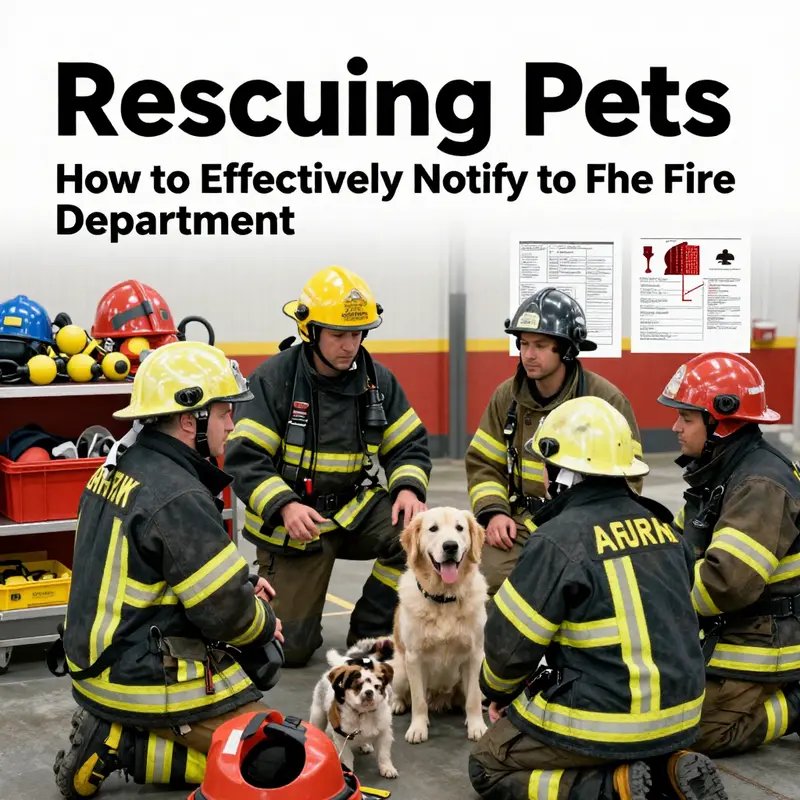
In emergencies, human safety is the top priority. Fire departments evaluate whether rescuing a pet can be done safely without risking firefighters or others. If a pet is in immediate danger, call 911, provide a precise location, the type of pet if known, and any hazards in the environment. Describe whether people are safe, and if there are children or others who may need assistance. This information helps dispatchers decide what resources to send and how quickly. Remember to stay calm and precise, and avoid entering a dangerous scene yourself if not trained.\n\nOnce responders arrive, they will perform a rapid size-up. They assess access to the space where the animal is located, the stability of the structure, potential entrapment hazards, and whether the operation can be conducted without compromising human life. The guiding principle remains: protect people first. If a rescue is judged feasible and safe, trained teams may use specialized equipment to reach the animal and extract it. In some situations, however, rescuing the pet may be postponed or redirected to animal-control or shelters if the risk is too high.\n\nPublic safety messaging emphasizes preparedness: include pets in evacuation plans, prepare a carrier or leash, have veterinary records, and maintain up-to-date identification. Many communities operate animal-rescue units or coordinate with humane societies to ensure medical care and reunification after a rescue. After a successful extraction, the animal may be evaluated by a veterinarian and then reunited with its family when appropriate. If the pet cannot be returned immediately, families may coordinate with shelters or animal-control agencies for temporary care.\n\nOwners can support the process by staying out of the danger zone, following instructions from responders, and providing essential information about the pet’s behavior and needs. When possible, having a recent photo, a microchip or ID tag, and a basic understanding of the pet’s health can facilitate quicker handoffs. This collaborative approach reflects a broader shift in emergency response: protecting animal welfare is recognized as part of community resilience, not a separate afterthought.\n\nFor readers seeking depth beyond the immediate scene, many fire departments publish guidelines on animal safety and rescue practices. Local departments may offer training materials, public seminars, or safety tips that tailor the general principles to your community. The overall aim is clear: ensure that if a pet is in danger, families know how to communicate, how to cooperate, and how to access appropriate help without putting anyone at unnecessary risk. By fostering this coordination, communities reinforce trust between residents, responders, and animal-care partners, and they improve outcomes for pets during emergencies.
Beyond the Siren: Understanding the Limitations of Fire Department Response to Pet Emergencies
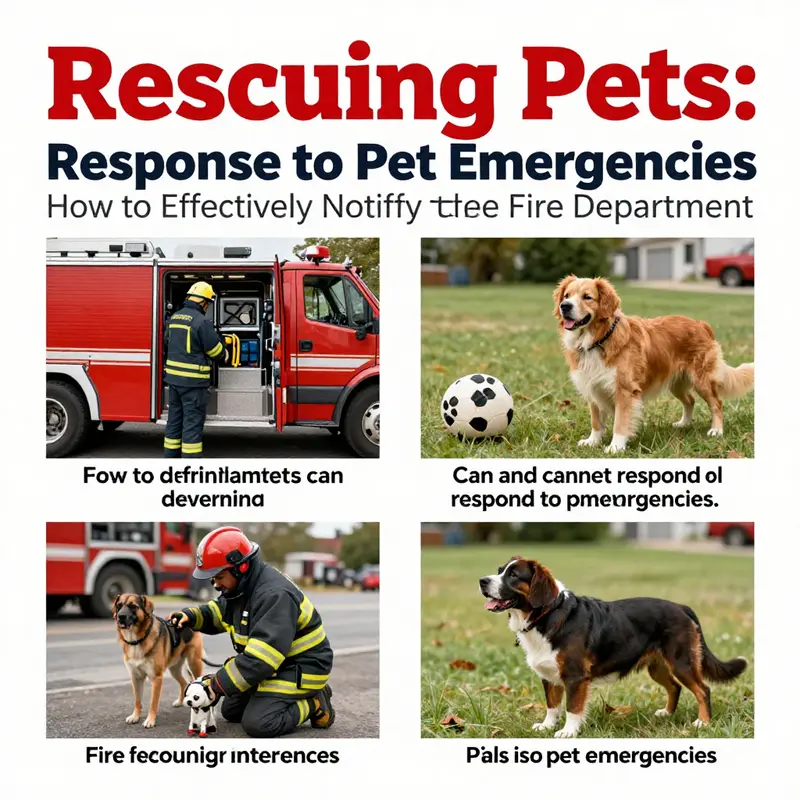
When a pet is in danger, it is natural to look to the fire department for help. Yet the realities of emergency response mean that firefighters, while trained to save lives and protect property, operate under constraints that shape when and how they can assist with animal rescues. This chapter does not dismiss the goodwill and courage of responders; it places the limits in clear, practical terms so families can plan effectively. Fire departments are first and foremost guardians of human life. Their protocols prioritize occupants in danger, structural integrity, and the ability to manage risks that could threaten people. Animals, while deeply valued in homes and communities, are not the central mission of most responses. When a pet’s life is immediately at risk, and rescuing the animal can be done without endangering humans, responders may act. But those moments are forged from rapid assessments of danger to people, the availability of trained personnel, and the feasibility of safely extracting the animal without creating new hazards for occupants or responders alike. The decision is rarely a simple yes or no; it rests on a calculus that weighs timelines, scene safety, and the likelihood of a successful outcome without compromising core duties.
This framework helps explain why certain pet emergencies attract a swift, decisive response, while others do not. A cat dangling from a ledge or a dog trapped under debris after a collapse may trigger a rescue because the animal’s status is entangled with immediate human risk, such as a potential shift in the structure that endangers any nearby person. In contrast, a cat stuck in a tree, or a pet wandering loose in a yard, generally falls into a gray zone where the line between priority and practicality becomes murkier. In such cases, fire departments often defer to agencies whose mandates center on animal welfare. The rationale is not to deprioritize animals but to align action with expertise, safety, and resource management. It is a matter of keeping human life secure first and then, if feasible and safe, offering help to animals through partnerships and carefully delineated protocols. The variability across jurisdictions further complicates the picture. Some areas—especially large urban centers with higher call volumes and urban wildlife management partnerships—have more formalized pet rescue procedures. Others, particularly rural regions or volunteer departments with limited staffing and equipment, may rely heavily on animal control or private rescue groups to handle non-emergency or non-life-threatening animal situations. In places where shelter systems or humane societies have strong hands-on collaboration with fire services, the lines between search and rescue, triage, and transport can blur in constructive ways. Yet the same resource constraints that define rural departments also shape the most common experience for many families: a pet rescue that will be handled by animal control, a private rescue service, or a local shelter rather than by firefighters. This is not a matter of insufficient care but of practical design—how services are organized, funded, and trained to function within the local ecosystem of emergency response.
Crucially, the training and equipment gap helps explain why responders may not be able to transport an animal to veterinary care. Firefighters train primarily for human rescue, fire suppression, and scene stabilization. They may carry basic tools for extrication and handling, but they do not typically possess veterinary training, the drugs, or the specialized transport equipment needed to care for an animal during a long journey to a clinic. Even when an animal is removed from danger, the next steps—assessment, containment, and transport—often require a partner equipped to handle veterinary needs. In many departments, an animal that has been removed from harm may be left with animal control officers or handed over to a shelter rather than being loaded into a fire department vehicle. The end-to-end process highlights why, in many communities, success relies on a broader network: firefighters who secure a scene, animal control that confirms the animal’s welfare, and veterinary professionals who provide medical care. Resource constraints compound these realities. Rural departments, or those that rely on volunteers, may not have dedicated animal carriers, cooling blankets, or rapid access to veterinary networks. The sheer logistics of a large-scale incident—earthquakes, wildfires, or multi-vehicle crashes—can saturate resources, making non-human rescues a lower priority even when staff are sympathetic to the animal’s distress. The result can feel like a disconnect for pet owners who see their beloved animal at risk and want immediate, hands-on assistance. But the absence of universal, standardized procedures for pet rescues across jurisdictions is the most visible reminder that a one-size-fits-all expectation is unrealistic. Programs are uneven, and responsibilities are often shared among agencies that were not designed to operate as a single animal-rescue framework. In some urban areas, formal pet rescue programs exist and integrate with animal control, shelter systems, and even private rescues. In others, the path to help runs through the local shelter or rescue organization, which can mobilize specialists trained in animal handling, behavior, and trauma. The contrast underscores a simple, practical truth: preparedness matters as much as response. The better prepared a household is, the more likely a pet rescue can be accomplished safely and efficiently, even when the fire department’s hands are not the only ones called to action.
For families, the implications of these limitations are straightforward. Do not assume a fire department will automatically respond to every non-emergency pet scenario. If your pet is in immediate danger—on a burning balcony, trapped under debris, or in a position that endangers human safety if not promptly addressed—calling 911 (or your local emergency number) remains the correct action. You should be ready to communicate your pet’s exact location, the nature of the danger, and that the animal is in distress but not currently harming people. Clarity and calmness matter: responders will quickly evaluate whether a rescue can be conducted without putting anyone at risk. When the danger is not imminent or life-threatening, or when human safety is not at immediate stake, it is wise to contact animal control or a local shelter first. These agencies are purpose-built to perform non-emergency rescues, coordinate with veterinarians, and arrange transport when needed. In many areas, private pet rescue services have emerged to address specific challenges—such as climbing to a balcony, retrieving a cat from a tree, or extricating an animal from a tight space. While these services require payment, they can offer rapid, specialized responses that complement public safety resources and often reduce overall risk to both pets and people. For readers seeking practical, standards-aligned training that enhances readiness for pet care in emergencies, resources on fire safety essentials certification training can help volunteers and caregivers align pet-rescue readiness with professional standards. fire safety essentials certification training.
The best path forward thus hinges on collaboration. Fire departments, animal control, shelters, veterinarians, and community members all have a part to play. Clear, pre-existing plans—carriers ready, crates labeled with current contact information, microchips registered and up to date, and a list of local veterinary partners for urgent care—reduce hesitation and improve outcomes when a situation arises. Emergency preparedness for pets is not an afterthought but a core element of home safety. It requires conversations, rehearsals, and readily accessible information. It also requires respect for the fact that even the most compassionate responders operate within defined boundaries. If you understand those boundaries and participate in the broader safety network, you can significantly improve your pet’s chances without complicating the responders’ mission. The goal is to align expectations with reality while building a culture of readiness that keeps both human and animal lives secure. In one sense, the siren can still signal help for a pet in distress, but in another sense, the most effective rescue is the one that empowers families and communities to act decisively, coordinate with the right partners, and know when to call for professional animal care. Official guidance from local fire departments or emergency management offices will provide the specifics for your area, including any formal pet-rescue protocols, after-action practices, and available resources. External resources, such as the U.S. Fire Administration, offer broader perspectives on evolving roles and limitations in emergency response, reinforcing the idea that pet rescue is best handled through integrated, multi-agency planning rather than a single agency’s mandate.
External resource: https://www.usfa.fema.gov/
Beyond the Fire Truck: Reaching the Right Helpers for Non-Emergency Pet Rescues
When a pet finds itself in a tricky spot but the danger to people is not immediate, the rescue landscape shifts from the dramatic to the practical. The image of a fire engine arriving with sirens blazing often lingers in our minds, yet in real life the dispatcher’s priority remains clear: protect human life first. That means fire departments will assess every situation through the lens of human safety and the risk to responders. In many cases, a non-emergency pet rescue can be handled more quickly and more appropriately by animal-control teams, humane societies, or private rescue groups that specialize in moving animals out of trees, balconies, or cramped spaces. Understanding this reality helps you act decisively and compassionately, without waiting for a response that may never come when the call is not an emergency by human safety standards. What matters most is getting your pet the help they need, while ensuring everyone remains safe, including the people who will help them. This is not about avoiding responsibility; it is about directing energy to the right resource at the right time so a frightened animal can be reached with the least risk to all involved.
The network of non-emergency rescue resources is broad and often local, but it operates on a simple premise: specialized teams and organizations exist to handle animal distress in ways that fit the environment and the animal’s needs. Local animal shelters sit at the front line for non-emergency situations, particularly when a pet is physically stuck, disoriented, or unable to reach a safe space on their own. Shelters are more than holding facilities; they are hubs of staff and volunteers who know how to triage practical problems, provide temporary containment, and coordinate with larger networks for long-term care or rehoming when needed. Humane societies expand that reach, offering behavioral support, veterinary care guidance, and connections to foster networks that can stabilize a distressed animal while a more permanent solution is arranged. They can also act as intermediaries, translating the immediate danger into a plan of safe extraction that minimizes stress for the animal and reduces the risk of escalation.
Dedicated rescue organizations play a crucial role when a pet’s situation requires specialized tools or expertise. Some groups focus on certain species or breeds and have protocols for assessing safety, securing environmental hazards, and executing delicate extrications. They often collaborate with veterinarians, arborists, or private handlers who bring the right equipment to extract an animal from a tree, balcony, or tight crawl space. Regional pet-welfare networks weave these capabilities into a broader ecosystem, ensuring information shares quickly and responders connect with the right partner in minutes rather than hours. Nonprofits and volunteer networks that are devoted to animal protection can also offer practical guidance, lend a calm, informed presence to anxious pet owners, and help navigate the often confusing process of requesting assistance. In this landscape, a simple phone call can set off a chain of coordinated actions that preserves both animal welfare and human safety.
Knowing whom to call, and how to frame the request, makes a real difference. When you reach out for non-emergency help, it is essential to be precise about your pet’s location, the immediate hazards, and why you believe the animal needs intervention. A shelter or rescue coordinator will ask for the pet’s species, approximate age or size, any known medical conditions, and the exact spot where the animal is located. They will also want to know whether the animal has an accessible escape route or if the situation has potential to deteriorate—such as exposure to extreme temperatures, exposure to traffic, or access to a dangerous platform. It helps to provide a clear picture: “My cat is perched on a fifth-floor balcony and cannot come down safely,” or “My dog is stuck under a porch and cannot move.” Avoid exaggeration, but describe hazards and the animal’s state—are they panting heavily, meowing frantically, or trembling? Such details guide responders to decide whether immediate extraction is necessary and what equipment or personnel will be required.
Once you have identified the appropriate resource for your area, an important part of the process is how to communicate. If you have to contact emergency services for what is not a direct public-safety threat, tell the dispatcher that the situation involves an animal in distress but not an imminent danger to people. This distinction helps determine whether an emergency unit should respond, or if you should be routed to animal control or a private rescue service. In many communities, animal control will take the lead for non-emergency incidents, dispatching officers or arranging transport to a shelter where the animal can be examined by a veterinarian and assessed for relocation or adoption. If a private rescue service is engaged, you may encounter a fee, but the benefit is often a faster, more targeted response with staff trained in animal handling, equipment for climbing, lifting, or freeing an animal from awkward spaces, and a plan for safe transport to care.
In all cases, prepare for the call with a calm, clear tone and a concise set of facts. Have the pet’s current location within your home or yard documented, including landmarks or access points. If you know the pet’s temperament, share that as well—whether the animal is frightened but cooperative or aggressive when cornered. Mention any hazards that might complicate a rescue, such as a pet near a staircase, around sharp objects, or in a location with limited access. If you have a photo or a short video, be ready to share it. It can speed up the assessment by letting a rescuer gauge the approach, the distances involved, and the best route for extraction. You should also confirm hours of operation and the best point of contact. Some organizations operate around the clock, while others function during business hours and require an on-call arrangement for emergencies. Transparency about what you can and cannot do—such as providing access to the space or assisting with containment—further reduces delays and risk.
As you navigate these options, it is useful to remember that the aim is not to avoid responsibility but to ensure that the right hands are involved for the specific challenge at hand. Fire departments do indeed respond to certain pet emergencies when there is no risk to human life and the rescue can be conducted safely by trained personnel. Yet many regions rely on animal-control networks and private rescues to deliver specialized, rapid assistance in non-emergency contexts. This approach recognizes the distinct skill sets involved in pet handling, animal behavior, and technical extrication in complex environments. It also helps prevent the crowding of emergency lines, which can delay responses for true human emergencies. If you are unsure where to begin, a practical first step is to search for your city or county’s animal-control office and ask about established non-emergency protocols for pet rescues. In many places, the animal-control portal will direct you to the appropriate partner organizations and provide a directory of shelters, rescue groups, and private services that work in your area.
For those who want to broaden their understanding of safe response practices and the ethics of rescue, there are resources that bridge the practical with the theoretical aspects of care. For example, training materials and certifications related to fire-safety and rescue operations can illuminate how responders evaluate risk, communicate effectively with the public, and coordinate with animal-care partners. These insights can be especially valuable if you frequently encounter vulnerable animals in tight spaces or if you are responsible for a household with multiple pets. To explore these concepts further, you can refer to resources such as the Fire Safety Essentials Certification Training, which is accessible through a dedicated internal resource hub, offering guidance on how responders approach rescue scenarios and how communities can prepare for them Fire Safety Essentials Certification Training. This kind of information helps pet owners understand the language and expectations that underpin professional responses, even when the situation is non-emergency in the moment.
The practical upshot is straightforward: when your pet faces danger but there is no immediate threat to human life, lean on the networks built for animal care. Contact your local animal shelter or humane society first, followed by animal-control channels or private rescues if necessary. Communicate clearly, stay composed, and provide precise information about location and hazards. If you do encounter a genuine emergency—such as a fire, the risk of collapse, or an animal in immediate life-threatening distress—dial the local emergency number right away and describe the danger to the dispatcher so responders can triage appropriately and deploy the right team with the right equipment. Balancing these pathways—emergency and non-emergency—helps ensure that every animal in distress receives swift, appropriate, and humane treatment while keeping people safe. For additional context and guidance, official public-safety resources from your local fire department are an excellent reference point and can help you tailor the plan to your community’s specific protocols.
External resources can provide broader guidance as you map out a rescue plan for your neighborhood. The ASPCA maintains a searchable directory of local animal shelters and rescue groups across the United States, a reliable starting point for understanding options in any given region: https://www.aspca.org/animal-protection/animal-shelters-and-rescues.
When Pets Are in Peril: Real-World Fire Department Rescues and the Protocols Behind Every Call
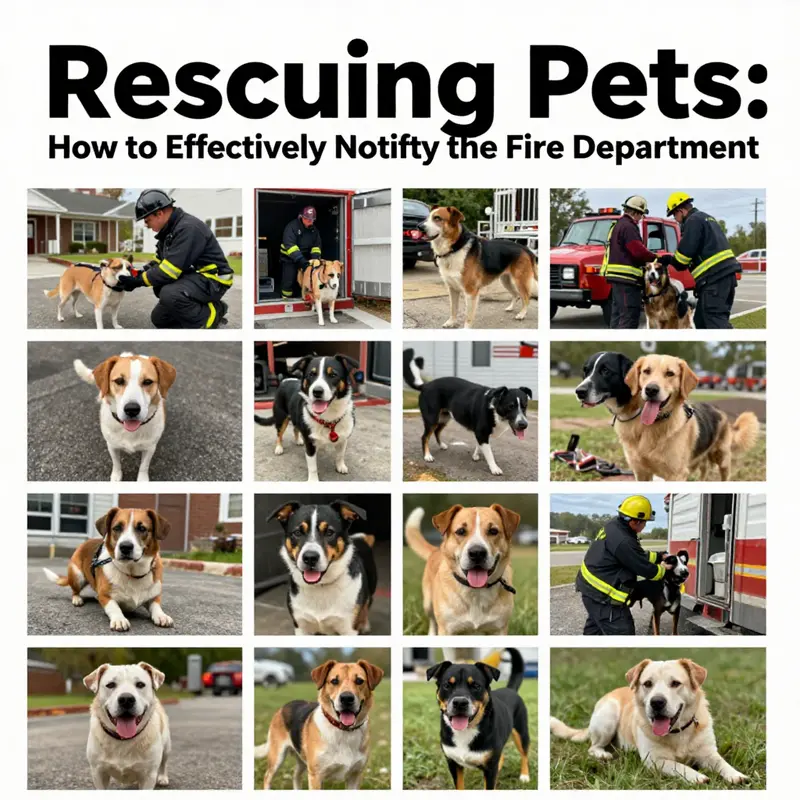
Across regions, fire departments recognize that saving human lives comes first; yet animals in danger often require a careful, protocol-driven response. Real-world responses illustrate a continuum: some scenes involve active flames with animals in peril; others involve animals caught in tight spaces during non-fire crises. In every case the decision hinges on risk to humans. When it is safe, trained crews will attempt to reach the animal and treat it with the same respect and caution they bring to any rescue. The pattern appears in official reports, training manuals, and city-run public safety articles: locate the animal, secure it, monitor its condition, and hand it off to veterinary care when possible. Those steps did not arise by accident. They are the result of deliberate training, team coordination, and a shared understanding that animals matter to the people who call for help. The following examples from different countries show how these principles play out in practice and why the exact steps you take when you call matter just as much as the steps responders take once they arrive. Knowing what to expect can help you stay calm, communicate clearly, and cooperate with responders so that every second counts toward saving a life. In January 2023, the Boston Fire Department faced a house fire in Dorchester that tested the crew beyond extinguishing flames. Smoke thickened the air, and heat radiated through walls as firefighters advanced. Inside a back bedroom, the team encountered a chorus of distressed pets. They deployed thermal imaging to locate animals hidden behind furniture and within shadows, then moved with care to extract each one. Protective gear was matched to the task at hand, and animals were fitted with oxygen masks and blankets to begin stabilization on the way to safety. The incident highlighted a standard practice in many departments: a concise, prioritized pet check during structure fires. After rescue, every animal was escorted to a nearby veterinary clinic for evaluation and treatment. The lesson is clear. Rescues that save both human life and animal life rely on precise tools, disciplined steps, and a commitment to post-rescue care that begins long before responders arrive at the scene. Across the country, another scene unfolded on a different day. In May 2024, the Los Angeles Fire Department responded to a burning vehicle on a busy freeway. A dog could be seen struggling inside the car, and decision-making moved at the speed of the highway. Firefighters weighed the risks of breaking a window against the urgent need to reach an animal in distress. With a rapid, controlled intervention, they created an opening, retrieved the dog, and immediately administered oxygen to counter smoke inhalation. The animal survived, later recovering at a veterinary facility. This case underscores a universal principle: human life takes priority, but if an intervention can be performed without imperiling responders or the scene’s stability, a rapid pet rescue may be included in the response. It also demonstrates how the fluid dynamics of a vehicle fire—heat, smoke, shifting structural elements—shape the rescue approach and the timing of any animal extraction. Not all pet rescues arise from high-heat emergencies. In the United Kingdom, a 2022 residential attic incident tested a different aspect of rescue work. A cat found itself in a high, inaccessible corner, and the fire crew chose a calm, methodical solution. They deployed a ladder and an animal retrieval harness to lower the cat safely to the ground, avoiding aggressive handling that could spark panic or injury. This case illustrates the value of non-confrontational techniques and the option to address pet welfare in the absence of immediate danger to humans. It also emphasizes that animal welfare often depends on the right equipment, trained personnel, and an approach that respects an animal’s fear as much as the fire’s threat. Taken together, these examples reveal a shared framework: locate the animal with precise tools, safeguard its well-being with gentle handling, and coordinate with medical teams for post-rescue care. From these incidents, a few practical threads emerge for anyone trying to understand how to engage with fire responders when a pet is at risk. First, callers play a crucial role by delivering clear, actionable information. The location of the animal matters, as does the exact danger — burning smoke, structural instability, or being trapped in a precarious position. Second, responders operate under a triage mindset that centers human safety but does not ignore animals if a rescue can be achieved without adding risk to the crew or others on scene. Third, for situations that are not emergencies, animal control or specialized private rescues are often better suited to respond quickly, reducing delays and potential danger for everyone involved. This balance between emergency response and appropriate non-emergency channels helps explain why the best outcome often requires both a calm caller and a prepared responder. For responders and civilians alike, ongoing training matters. You can explore foundational concepts in Fire Safety Essentials Certification Training, which emphasizes the skills that make these complex rescues possible. Fire Safety Essentials Certification Training. In practice, the way you convey information can shape the trajectory of a rescue. When a pet is in immediate peril, begin with a direct assertion of danger and location, then add the animal’s species, approximate age if known, number of pets, and any observable distress. If people are nearby who could be endangered by smoke or collapse, note that as well. If the danger is not immediate, you can still request a welfare check and ask for guidance on whether animal control should be dispatched alongside firefighters. If you are dealing with a non-emergency scenario, such as a cat perched in a tree or a dog wandering in a yard, prioritize contacting animal control or a reputable private rescue service that specializes in quiet, careful extrications. The goal is to match the response to the risk profile while avoiding unnecessary risk to yourself or responders. These principles do not exist in a vacuum. They reflect real-world practice and are reinforced by official guidelines that describe how pet rescues fit into broader public safety responses. For communities seeking to understand how this work unfolds, examining major urban responses can be instructive. The London Fire Brigade and other services publish case studies and procedural guidance that illuminate how rescues are planned, executed, and followed by medical care. For those who want to evaluate or improve their own readiness, reviewing established protocols and training resources can be a valuable step toward ensuring that a call for help becomes a successful, humane rescue for both pets and their people. For formal guidance, see the London Fire Brigade’s public resources: https://www.london-fire.gov.uk/
Final thoughts
Understanding the framework for notifying the fire department about pet rescues is vital for pet owners. It helps ensure that situations involving distressed animals are addressed promptly and effectively. By being aware of the fire department’s capabilities, the limitations they face, and the alternative resources available, pet owners can better navigate pet emergencies. Prioritizing immediate calls for help when pets are in danger can lead to successful outcomes and reinforce the importance of community awareness around pet safety.