
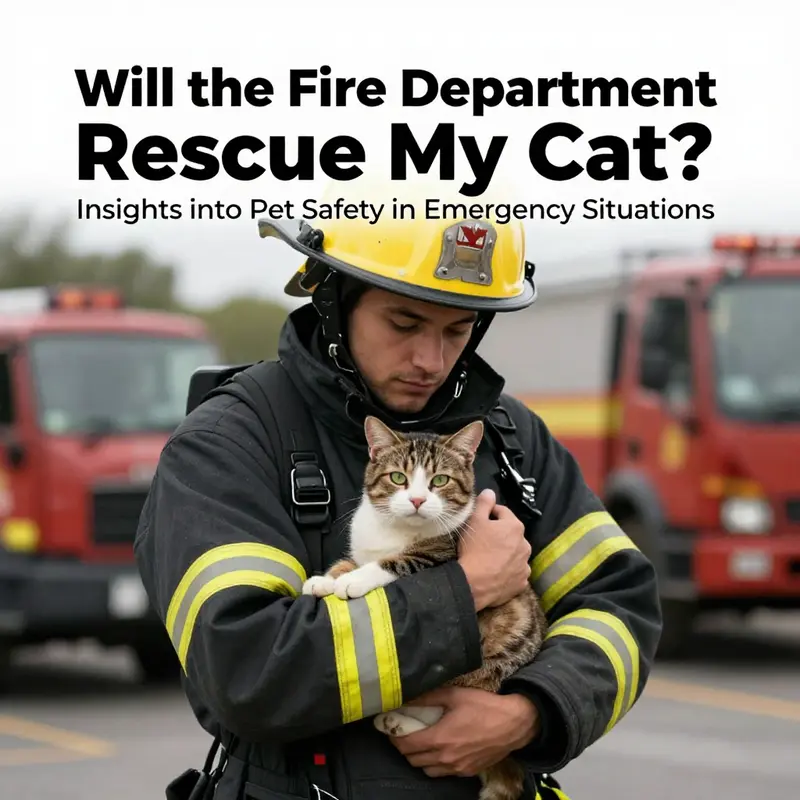
In times of emergency, pet owners often find themselves asking, “Will the fire department rescue my cat?” This question reflects the deep concern many have for their furry companions during crises. While firefighters are primarily tasked with safeguarding human lives, their commitment to protecting pets can be equally noteworthy. This article explores the important role fire departments play in pet rescues, particularly during fires. The first chapter delves into whether firefighters will intervene in various emergency situations involving pets. The second chapter focuses specifically on cat rescues during fire incidents, highlighting successful operations. Finally, the third chapter offers insight into the limitations firefighters face, helping pet owners better understand when and how to seek assistance for their animals.
Between Alarm and Action: How Fire Departments Navigate Cat Crises in Fire Emergencies
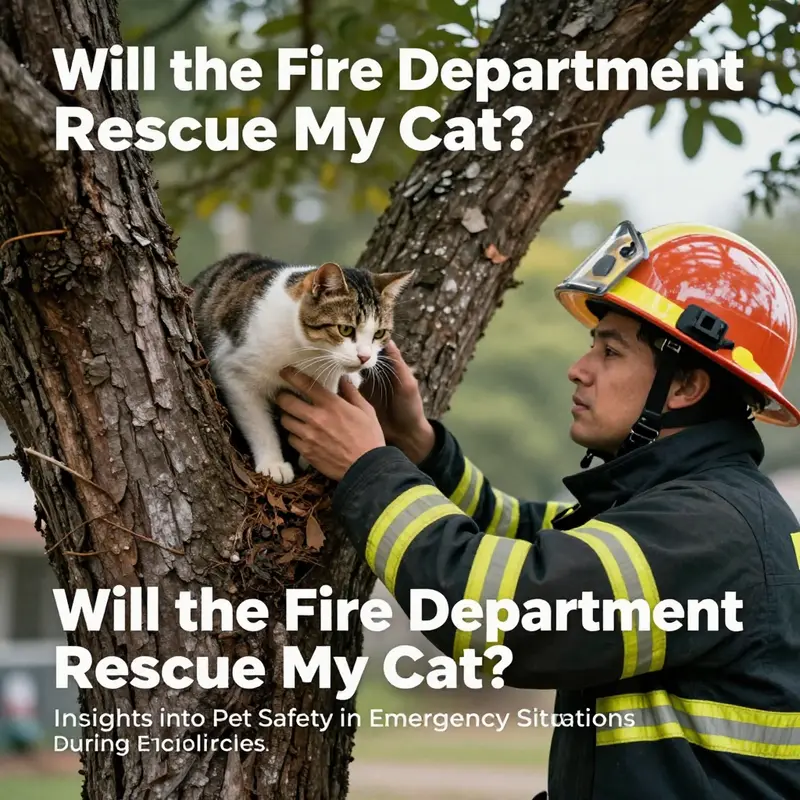
When a household fire erupts or smoke thickens a hallway, the minutes feel stretched, and the question that keeps many cat guardians awake is not just whether help will come, but how it will arrive. The answer is nuanced. Fire departments are trained first to secure human lives, then to control the blaze and limit harm to the structure. Pets, including cats, are considered members of the family, and many responders carry a sense of responsibility toward them. Yet the rescue of a cat is not a guaranteed success, nor is it a simple, one-size-fits-all operation. It unfolds within a complex calculus of risk, safety, timing, and the specific conditions of the scene. A calm, patient assessment at the doorway can be the difference between a successful, life-saving entry and a needless exposure to danger for both firefighters and the animal. This is the heart of how a modern fire service approaches the crisis when a cat is involved: a careful balance of urgency and prudence, guided by training, equipment, and the unpredictable realities of fire behavior.
To understand what happens, it helps to picture the typical sequence in a real emergency. Firefighters arrive to find a scene that may already be chaotic: heat, smoke, and alarms creating a murky, shifting environment. The priority is evacuation and stabilization of human occupants. If people are safe and accounted for, teams will then look outward—toward the flames, the structure, and the spaces animals might be hiding in. The cat owner’s best chance often rests on clear, precise information: the cat’s last known location, the layout of the home, and whether entry may expose occupants to additional risk. In the moment, responders translate this information into a plan that may involve entry through a door, a window, or a mezzanine, all while contending with heat, poor visibility, and the physical fatigue that happens when minutes feel like hours.
The decision to enter a building to search for a cat is rarely made in the immediate instant of arrival. Instead, it comes after a careful risk assessment: is the air breathable, is the floor sound beneath the feet, is the temperature survivable for a small animal, and is there a reasonable expectation that the cat can be found alive and brought out safely? These questions matter because the same conditions that threaten a human rescuer can threaten a cat in equal measure. If structural integrity is compromised or there is a risk of sudden collapse, or if the fire is still actively feeding on the interior, authorities may delay a pet entry to prevent a worse outcome. In some cases, this restraint becomes a difficult but necessary act of protection. Aversion to needless risk does not reflect indifference to pets; rather, it reflects a discipline that seeks to save lives without creating new ones.
When rescuing a cat becomes feasible, responders are equipped with a toolkit of techniques designed to minimize harm to the animal and to the humans present. Firefighters may use a ladder, a harness, or a controlled entry point to reach an accessible upper space. They may search behind furniture, under beds, or inside closets where a frightened animal might cower. The environment often dictates the method. A cat trapped on a second-floor platform, for instance, may be coaxed out with quiet patience and, if the opportunity arises, a soft voice and a preferred treat. This is not the work of force but of trust and precision, a reminder that the animal’s safety is in alignment with the safety of the crew. In some situations, the animal’s welfare can hinge on the timely use of a small amount of oxygen and warmth. Oxygen therapy for animals is a relatively recent and increasingly common tool within urban fire services, reflecting a broader recognition that small pets require the same compassionate care that humans expect in a medical emergency. A properly fitted animal oxygen mask, covering nose and mouth, can make the difference between a precarious rescue and a live, stable animal later ready for veterinary care. Such equipment has been introduced in various cities through collaborations with nonprofit groups and a commitment to expanding the scope of rescue operations beyond human life alone. While it is impossible to guarantee a successful outcome in every case, these tools dramatically improve survival odds when a cat can be reached in time and the scene permits safe intervention.
The narrative of pet rescue has seen notable public demonstrations of this approach in recent years. In a major urban center, firefighters have been trained not only to extinguish but also to locate and retrieve small animals from the peril zone. This training includes recognizing signs of feline distress, handling frightened animals gently to avoid further injury, and applying calm, reassuring communication that helps keep both the creature and people safe. A critical development in this area has been the integration of animal-specific rescue equipment on fire apparatus. Firefighters are now more consistently prepared to address pets in distress, with a keen understanding that many owners risk their own safety to protect their animals. This perspective informs decisions at the point of contact, reinforcing the principle that animal rescue is a meaningful extension of the service fire departments provide to the community.
In another dimension, the interplay between policy, training, and equipment becomes visible when considering the outcomes of rescued animals. The goal is not simply to remove a cat from danger but to ensure its survival and well-being after rescue. The immediate post-rescue period often involves rapid stabilization—checking breathing, ensuring warmth, and preparing the animal for veterinary examination. In cities where partnerships with veterinary clinics and animal welfare organizations are well established, a rescue can transition quickly from emergency response to medical follow-through. The availability of animal-specific oxygen masks, properly sized to fit cats and other small animals, has already shown tangible benefits. In some cases, a cat that might otherwise have faced a grim outcome after inhaling smoke is instead revived and returned to a grateful owner after timely oxygen support and careful handling. Such outcomes do not erase the fact that every rescue involves risk; they highlight how modern practice blends urgency with careful technique to maximize the chance of a positive result.
The existence of these tools and procedures, however, does not erase the essential caveat that the fire department’s primary mission remains human life safety. The priority order, again, is clear and unwavering: save people first, then control the hazard, then consider pet rescue if it is safe to do so. This is not a refusal to help animals but a reflection of dangerous realities. The environment can change rapidly. A corridor may become choky with smoke; a stairwell may become unstable; a fire can flare or spread in unpredictable ways that shift the risk calculus in a heartbeat. In such moments, even a well-planned cat rescue can be outpaced by the need to secure exits, maintain communication with occupants, and preserve the integrity of the structure. For this reason, pet rescue is conditional, contingent on the current danger level and the ability of responders to perform the task without endangering themselves or others. It is a difficult truth, but one grounded in the experience of fire service professionals who weigh every second against the likelihood of a favorable outcome.
An important element of the real-world picture comes from the growing visibility of pet-focused rescue capabilities within urban fire services. The training includes how to coordinate with pet owners, how to interpret the animal’s signals, and how to manage the scene so that the animal can be retrieved as soon as it is safe to enter. A crucial aspect is the communication of expectations: owners should understand that their cat’s rescue may not always be possible if the situation is too dangerous, or if a rescue could put others at greater risk. This honest, transparent communication helps set realistic expectations and protects the integrity of the response. It also reinforces the sense that the responders are working for the welfare of the entire community, rather than focusing on a single outcome. In moments of crisis, this broad view helps to sustain the coordination and calm that mark effective emergencies responses.
What does this mean for a cat owner who calls for help? It means a few practical steps can improve outcomes. First, be precise when describing the scene. Share your location in the building, the ongoing hazards, the cat’s last seen location, and any information about the cat’s temperament and escape attempts. Second, be prepared to move to a safe distance and to allow responders space to work. Firefighters enter smoke-filled rooms with specialized equipment, but they cannot do so if people crowd the entry. Third, if you have a chance to provide a small comfort article or a familiar scent, do so in a way that does not obstruct rescue operations. A favorite blanket or a quiet voice can help ease the animal’s fear, provided it does not impede the entry or the retrieval route. And finally, if your cat is not in immediate danger, consider alternative routes for rescue—directing attention to local pet rescue teams or animal protection organizations that specialize in feline rescues and can operate in parallel with fire responders.
In a real-world sense, the city-based realities behind these decisions are not merely carried in training manuals. They are reflected in evolving equipment and protocols. For example, the adoption of animal oxygen masks—developed by a nonprofit organization focused on pets and their welfare—has become a recognition that small animals require the same level of medical support as humans when they have been exposed to smoke or heat. In cities where this equipment is standard on fire apparatus, a cat rescued from a burning home may be stabilized more quickly and have a better chance of recovery when handed into the care of a veterinarian. The moral of this development is not that pets now replace humans in the chain of rescue, but that the chain itself is expanding to include every living member of the household. It is a sign that a community’s fire service is evolving, not merely in technique but in philosophy, toward a more holistic, humane response to emergencies.
If you are curious about how a particular city manages these rescues, you can look to the broader conversations happening within the fire-rescue community. The aim is to improve speed and safety while honoring the bond between people and their animal companions. In London, for instance, animal rescue has been formalized to some extent within the emergency response framework, with equipment and protocols designed to address small animals quickly. The lessons learned there are informing practice in many other places, including how crews communicate with pet owners, how they stabilize the animal at the scene, and how they coordinate with veterinary services to ensure continuity of care after the rescue. This trend toward integrated care is grounded in the recognition that pets are part of the household’s emergency plans, whether or not every rescue ends in a success. It is also a reminder that the support system surrounding a cat in distress may include volunteers, veterinarians, and local animal welfare groups, all of whom can play a role in bridging the moment of rescue with the longer term recovery.
For cat guardians who want to feel more prepared, there are practical steps beyond hoping for a heroic rescue. Establish a home fire safety plan that includes your pets from the start. Create a dedicated, unobstructed exit path for each pet, practice safe room-to-exit routes, and discuss with your household how to act if smoke alarms go off. Consider installing smoke detectors in areas where pets are commonly found, and ensure that you have a ready-to-go emergency kit that includes veterinary records, current photos of your cat, and a plan for reunification should you be separated during an incident. In the unfortunate event that you must call emergency services, have a clear description of your cat’s location and behavior. If the cat is in a tree, a ventilated shaft, or any high, hazardous area, describe this exactly. The more precise the information, the better responders can plan their approach in a manner that minimizes risk to everyone involved.
The emotional dimension of these calls is undeniable. Cat owners often feel the tug between wanting to sprint into danger to rescue a beloved animal and acknowledging the reality of the hazards that firefighters face. In many conversations with service professionals, the theme returns: the goal is to save as many lives as possible, including the life of a cherished pet, but never at the expense of the human lives at stake or the integrity of the structure. This is why the decision to attempt a cat rescue is not a simple yes or no; it is a situational judgment that reflects decades of training, experience, and a code of professional responsibility that prioritizes safety and lives over sentiment alone. It is also a reminder that while every case is unique, the overarching commitment to safety remains constant across jurisdictions and cultures.
From a broader public perspective, the story of cat rescues within fire response reveals a community-wide ethos. It is a narrative of care that extends beyond the fire hall into the neighborhoods, into partnerships with animal welfare organizations, and into the everyday lives of households who keep pets as family members. In cities where the rescue paradigm includes a strong interface with veterinary networks and animal shelters, the path from rescue to recovery is smoother, and the probability of a cat’s survival after a fire improves. Yet even with the best systems, the core reality stands: a cat rescue is a best-case scenario grounded in the right conditions, the right timing, and the right balance of courage and caution on the part of responders. For most guardians, that balance is not a promise of immortality for a beloved pet, but a clear expression of a rescue service that bears responsibility to all life, not just the living within a single household.
If you want to learn more about the practical, everyday considerations that underpin these rescue efforts, you can explore resources that connect fire safety with pet welfare. These materials emphasize the importance of training, planning, and the collaborative networks that modern fire services rely on to extend their care beyond the flame and smoke. And while every city will have its own exact procedures, the core ideas are consistent: reserve resources for those in immediate danger, use specialized equipment when it adds safety, communicate clearly with pet owners, and recognize that the moment of rescue is the culmination of preparation and prudent judgment.
Ultimately, the question Will the fire department rescue my cat in emergency situations? finds a nuanced answer. In many cases, yes, responders will do everything possible to reach and save a cat when doing so can be done safely. In others, when the scene is too dangerous or when human lives would be put at risk, the rescue may be postponed or redirected. The trajectory of each incident is shaped by the fire’s behavior, the building’s structure, the presence of people, and the resources available. This is the essence of the system: a dynamic, professional, humane response that aims to protect life in all its forms, while acknowledging the limits imposed by the realities of fire and danger. The best way to improve your own odds, as a pet owner, is proactive preparation, precise communication with responders, and a knowledgeable understanding of when to expect help and when to seek pet-specific rescue support from local animal welfare resources. If your cat is ever in peril, the path you follow—your emergency number, your clear description, your calm composure—can influence the outcome as much as the equipment carried on the fire engine.
External resource: https://www.london-fire.gov.uk/news/2022/animal-oxygen-masks-introduced-for-pet-rescues/
For further context on how these skills connect to broader fire-rescue training and practical safety practices, you may also find it helpful to explore related discussions on fire safety training and the role of certification in building a resilient career path for firefighters. A useful point of reference that links the importance of safety training with real-world outcomes can be found through this primer on fire safety essentials and certification training, which provides a broader view of how professionals prepare to respond to a wide range of emergencies, including pet rescues. fire safety essentials and certification training.
Whiskers in the Inferno: How Fire Departments Balance Cat Rescues With Human Safety
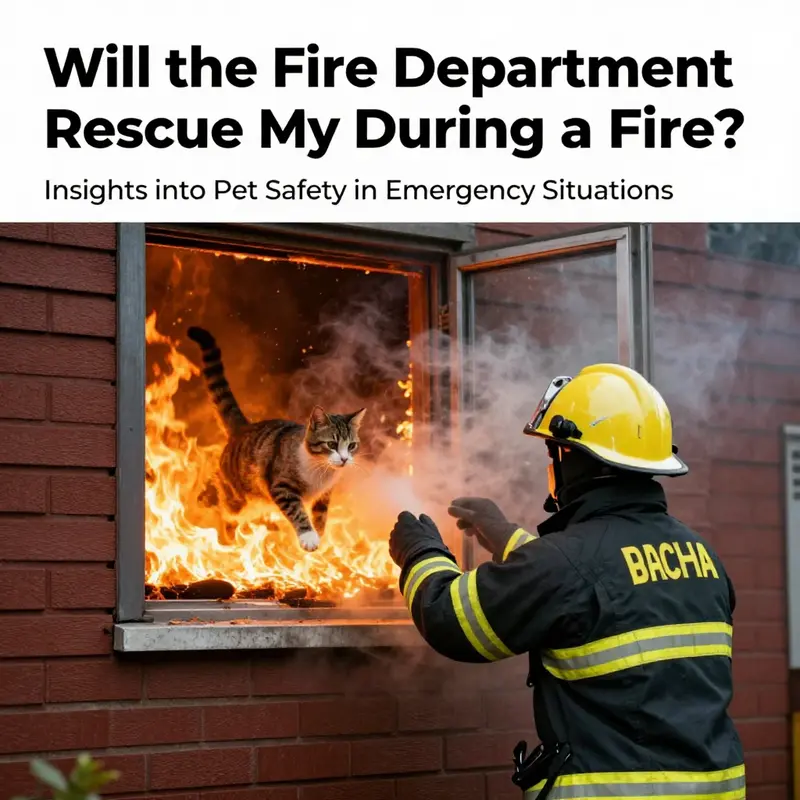
When a building fills with smoke and heat, every second counts, and the loudest question in the minds of anxious homeowners is this: will the fire department reach and rescue my cat? The reality is nuanced. Firefighters are trained to prioritize human life first, to control the hazard, and to minimize harm to themselves so they can continue the mission. Yet the impulse to save a beloved pet is strong in many emergency responders, and it often shapes the way a scene unfolds. In recent years, documented responses from different parts of the world show a consistent pattern: when conditions allow, and when the risk to rescuers is manageable, pets may be saved. In a November 2025 report from Hong Kong, a five-alarm fire led to the rescue of several trapped cats and dogs, underscoring that animal rescue is a meaningful, if not primary, consideration during large-scale emergencies. A separate instance from Beijing Economic-Technological Development Area on November 12, 2025 highlights a kitten rescued from a second-floor platform. The team coaxed the animal out using cat food and patience, completing the rescue in a little over a quarter of an hour. These vignettes matter because they illustrate a core dynamic: rescue is possible, but it hinges on safety and context. The broader picture remains unequivocal— firefighters will attempt to rescue pets when it is safe, resuming otherwise critical duties when it is not. This balance does not come from sentiment alone. It rests on a framework built from training, risk assessment, and the tough calculus of survival under pressure. The primary obligation remains to protect human lives, to maintain structural integrity, and to prevent the fire from spreading. Pets do not outrank people in the eyes of a professional, but they do accentuate the human side of an emergency. Owners often feel a double-edged urgency—the need to protect a life they cherish and the fear that a timely intervention might be delayed or foregone if it jeopardizes human safety. The chapters ahead do not promise a guarantee that a cat will be saved at all costs. They propose instead a clear map of what to expect, what you can do to improve your cat’s safety, and how to communicate with responders so their work can proceed with maximum effectiveness. In discussing outcomes, it is helpful to anchor expectations in the practical realities that firefighters face. If a pet is located in a place where rescue would require entry into a burning structure—an entry that could expose rescuers to heat, toxic gases, falling debris, or a collapse—the decision to enter becomes far more guarded. Rescue operations are staged with a broader mission: to secure human egress, to control flames, and to prevent further harm. The threshold for risking a rescue attempt on a cat is therefore steep. Operators may opt for a brief, targeted entry if the animal is in plain sight, requires minimal manipulation to escape, and can be retrieved without exposing crews to unacceptable risk. This is not an exception to duty but a measured extension of it—an acknowledgment that even in dire circumstances, bravery remains tethered to prudence. The cat, in other words, is not spared the danger of the fire, but neither is it automatically condemned to a fate that would require compromising human safety. The decisions at the heart of these moments are rarely dramatic in the moment; they are procedural and cautious, built from training in search and rescue, fire behavior, and the use of protective equipment. Firefighters must read the smoke, listen to the building, and respect the limits of their own physiology. The most common refrain you will hear in this context is not a romantic declaration of heroism, but a sober acknowledgment: this is a fire, and lives—human and animal alike—depend on the ability to keep everyone safe while pursuing every feasible rescue. The insights from recent cases remind us that the rescue of a cat is not an automatic script written for every fire scenario. It unfolds as a live negotiation between hazards, timing, and the specific anatomy of the building. If a cat is visible and within a few yards, a quick, careful approach may be made. If the animal is in an inaccessible niche or a position that would require a lengthy, exposed ascent, responders may choose to forgo the effort, especially if doing so would delay critical actions like evacuating occupants or controlling the fire. The ethical core of this approach is not a cold calculus but a duty to protect all life while maintaining the integrity of the larger mission. The call to action for cat owners, then, shifts from waiting for a rescue to increasing the likelihood of a safe outcome by design. Preparation, not hope, becomes the primary protective measure. The path to preparedness begins long before the first siren. It starts with the simple, practical steps that reduce risk and facilitate rapid, safe responses if a fire does occur. First, secure your cat in a transport carrier. The carrier acts as both a shield and a portability device that makes an animal easier to handle in a chaotic environment. When trained properly, a cat will tolerate the carrier’s entry, exit, and transport with far less fear and stress. Second, identify escape routes and practice them. This is not a theoretical exercise. It is a tactile, muscle-memory process that your pet can know in advance. Rehearse how to move from room to room, avoid doors that slam, and locate the safest path to an exit. The benefit is twofold: your cat learns to associate the route with calm movement, and you gain confidence in directing your animal under stress. Third, think about the senses your cat depends on in a smoky environment. Visibility is compromised, and familiar cues may vanish. A harness and leash can provide a controlled means of guiding a cat to safety if you must move through a smoke-filled area or down a stairwell. You need a system you trust, one that doesn’t require you to chase your pet through a dangerous zone. Fourth, consider a microchip and a clearly labeled carrier. A microchip helps reunite you with your cat if you become separated in the chaos of an emergency, and a visible label on the carrier or a tag with a contact number can expedite help from responders or neighbors who are nearby. The importance of smoke detectors cannot be overstated. A functioning detector saves lives, giving precious moments for warning, calling for help, and initiating the orderly evacuation of all residents and animals. A home that is prepared in this way stands a better chance of minimizing both human and animal injuries. This is not merely a set of recommendations. It is a practical protocol based on what responders have observed in real fires. Preparedness reduces the pressure on those who must operate in the moment. It clarifies the role you play as a pet owner and user of emergency services. It aligns the actions of family members with the speed and scale of the incident. For those who want to deepen their understanding of how to protect a household, the practical framework described here can be augmented by formal training. The fire safety essentials certification training, for instance, offers a structured way to internalize best practices for evacuation, communication, and safety for all household members, including pets. Embracing this training can translate into calmer, more effective responses when alarms sound. A broader perspective on this topic encourages you to think beyond the immediate crisis. It invites you to recognize the social and emotional stakes at play when a pet is involved in an emergency. People who live with cats bring a sense of responsibility, routine, and attachment to their daily lives. The image of a cat at risk can evoke strong emotions, but these feelings must be integrated with the practicalities of emergency response. Firefighters are trained to acknowledge such bonds and to honor them by acting with both courage and restraint. That balance is not always visible in the heat of a moment, but it is increasingly part of the professional culture. When a rescue does happen, it can feel deeply meaningful to the animal’s family. When it does not, families deserve transparent explanations about why safety constraints prevented entry. This transparency helps maintain trust between the public and the fire service, even in outcomes that are not ideal. If you are preparing for a potential emergency, you may also want to consider alternative rescue resources. While the fire department is the primary responder for fires and many other urgent incidents, there are specialized pet rescue teams and animal protection organizations with expertise in humane capture and retrieval of cats in non-fire situations. For instances such as a pet stuck on a windowsill or a tree, these teams can be the most effective option, because they bring specialized equipment and methods for animal handling. In some places, community initiatives exist where volunteers with experience in animal rescue work alongside the fire service to provide a more tailored response to pets in distress. These partnerships illustrate how communities adapt to the realities of animal rescue, balancing the urgency of human safety with the compassion many families expect for their animals. The practical upshot for cat owners is clear: if you are specifically worried about your cat during a fire, you should behave in a way that supports responders rather than obstructs them. Call the emergency number with a clear description of who is in danger, where the danger is located, and whether a cat is involved in the hazard. If you can, provide floor plans or key landmarks that help responders navigate the structure without unnecessary delays. Your role is not to direct a rescue with a dog-eared plan but to offer precise information that accelerates the crew’s ability to assess risk and determine whether a rescue is feasible. It is important to note that not every scenario will lead to an immediate or successful pet rescue. The structure, the fire’s growth, the location of the cat, and the presence of other dangers all influence the outcome. In some cases, rescuing a pet might require a longer, more deliberate operation that delays other actions. In others, the situation is too unstable to allow any entry at all, and crews must focus on occupant safety and containment of the blaze. Even in the absence of a rescue, the emotional impact remains real. Families who lose a pet during a fire may experience grief alongside relief that human life has been preserved. This is a reminder that emergency work is a human enterprise as much as a technical one. The care with which responders handle animals matters, both as a demonstration of professional discipline and as a reflection of how communities view the value of animal life. In addition to the direct interaction with the fire department, it is worth acknowledging the broader ecosystem of help that may be available when a home fire occurs. Neighbors, nearby residents, and animal rescue volunteers can all play a part in safeguarding pets before, during, and after a fire. They may assist by guiding responders to the most likely locations of pets, sharing critical information about the pet’s temperament and hiding places, and offering comfort to frightened animals once they are out of immediate danger. The moral of these stories is not merely that a cat should be saved if possible, but that a cat’s safety is part of a larger, interconnected response that values life, trust, and community. If you take one message away from this discussion, let it be this: preparation matters more than hope, and understanding the boundaries of rescue helps you and your family respond more effectively when disaster strikes. For many households, the most constructive question is how to reduce risk before a fire starts. The steps are straightforward and within reach. Begin by securing your cat in a carrier, then practice safe evacuations that include your pet. Install and maintain working smoke detectors, and develop a clear, practiced plan for the household that accounts for pets as well as people. Consider adding a simple “what to do if there is smoke in the house” script for kids and visitors, so everyone knows how to respond calmly. Maintain a visible, updated list of emergency contacts, including animal rescue resources in your area. And remember, when you actually call for help, communicate clearly and precisely. You are not merely reporting a situation; you are enabling responders to make the most informed choices under pressure. If you find yourself seeking more detailed, practical guidance on pet safety during emergencies, you may want to explore resources that focus on broader safety competencies, including the specific training referenced earlier. For example, the fire safety essentials certification training provides structured guidance on evacuation planning, sheltering in place, and communicating critical information during crises—skills that apply to households with cats just as much as they do to any family. This kind of education does not replace the expertise of firefighters, but it does empower you to act in ways that support responders and improve outcomes for your pets. As you absorb these ideas, keep in mind that the question remains situational and situationally answered. In some fires, the cat is already out by the time crews arrive, having escaped through a door that was opened by a neighbor or a family member. In others, the cat might be found hiding in a duct, behind a wall, or on a high ledge that would require specialized equipment to access. The variability is part of the reason why a universal promise—“the fire department will always rescue my cat”—is not a guarantee. Yet the underlying pattern holds: rescue is most likely when it is safe to do so, and preparedness makes it safest for everyone involved. When your home is a potential stage for a fire, the best defense remains clear-headed preparation, prompt reporting, and a partnership approach with responders. In this sense, the answer to the initial question—will the fire department rescue my cat?—is both yes and no. Yes, they will attempt it when it is safe and practical. No, they will not risk entry if doing so would endanger human lives or compromise the integrity of the rescue operation. The nuance is not a limitation of compassion but a discipline of professional care. Keeping this balance in mind can reduce anxiety for cat owners and make the most of the resources that are available when the worst happens. It also points toward a hopeful future in which communities continue to refine their response to pets in distress. By learning, planning, and cooperating with local responders, households can improve outcomes for many animals who share our homes and our lives. If you want to anchor your strategies in widely recognized guidance, you can consult reputable organizations that offer pet safety resources during emergencies. For example, the broader guidelines around pet safety during fires and other disasters highlight the importance of early warning, controlled evacuation, and post-incident care for animals. You may also find value in engaging with local animal protection groups that work in tandem with fire services to respond to pets in distress. The shared aim is to protect life wherever it exists, even in the smoke and heat of a large incident. In sum, the cat owner’s path is practical and hopeful: prepare, communicate, and act with calm clarity when the call comes. Firefighters will do everything possible to rescue a cat when it is safe to do so, but they will not compromise human safety to accomplish a pet rescue. Your role is to make it possible for them to decide quickly and correctly by giving accurate details, clear routes, and a well-practiced plan for moving through your home. With these elements in place, you honor the bond you share with your cat and support the brave work of the people who answer the alarm on your behalf. For additional practical steps, consider engaging with resources that translate fire safety theory into home practice. These perspectives emphasize household routines, pet-friendly evacuation drills, and clear labeling of pet transport devices to minimize confusion during a crisis. In the end, the question that began this chapter is answered not by a single promise but by a framework of readiness, communication, and prudent action. The fire department will move toward your cat when conditions permit, and you will be ready to guide them with information, cooperation, and a calm sense of purpose. This is how communities transform fear into effective, humane responses when a cat’s life hangs in the balance. If you would like to explore more about the intersection of fire safety training and everyday household preparedness, you can read further about the practical aspects of preparedness and training in related resources. For a concise overview of these principles, see the linked resource on fire safety training. fire safety essentials certification training. Moreover, when seeking authoritative guidance beyond the home, remember that trusted animal welfare organizations offer fire safety insights tailored to pets and families alike. For additional context and guidelines, consult external resources such as the ASPCA’s pet fire safety page, which consolidates practical tips and education for households facing emergencies. External resource: https://www.aspca.org/pet-care/fire-safety-pets
When the Alarm Rings: What Firefighters Can and Can’t Do to Rescue Your Cat
When a resident learns that a cat is trapped in a burning building, the instinct is to hope for a swift, magical rescue. The scene often feels like a test of faith and timing: seconds count, smoke thickens, and the people responsible for saving lives are already moving toward the danger. This is where the practical truth about fire department pet rescues begins to emerge. Firefighters are trained first and foremost to protect human life, control the spread of danger, and preserve their own safety so they can help as many people as possible. Pets matter to many families in the same way that children do, but the responses are governed by the realities of fire behavior, building structure, and the availability of escape routes. The good news is that when a cat is in an actual threat—caught in flames, trapped behind a collapsed area, or imperiled in a place where rapid access could mean the difference between life and death—the fire department will do what it can, provided it does not put human lives at greater risk or delay critical assistance to people in danger.
Across the globe, there are documented cases that illustrate this careful balance between compassion for animals and the imperative to protect human life. In a large urban fire that spanned multiple alarms, reports from late 2025 show that firefighters managed to rescue several pets, including cats and dogs, from areas where danger was real but not yet overwhelming to the human evacuation process. Those successes are not just anecdotes; they reflect a baseline approach that many departments adopt: assess, evacuate people, stabilize the scene, and only then consider animal rescue if it can be done safely. In another regional instance from 2025, a kitten was coaxed from a second-floor platform by a team using calm and patient method work—food as an enticement, a steady pace, and the assurance of safety to both animal and rescuer. Such actions demonstrate that even in intense environments, there are moments when rescue of a pet is feasible and humane, but they also emphasize that timing and situational awareness are critical.
This is not just about policy or procedure; it is about the moment-to-moment judgment that defines every call. The priority order in almost all fire services is clear: first, remove civilians from danger; second, protect property and limit the spread of fire; third, ensure that responders can continue to operate safely. In practice this means that even when a cat is visibly at risk, firefighters will not enter a compromised area if doing so would expose themselves or others to life-threatening hazards. A hallway filled with smoke thick enough to obscure visibility, a stairwell threatened by collapse, or a ventilation shaft that could channel fire and toxic smoke in unpredictable ways are all reasons to pause. In such cases, rescuers may reposition, wait for incident stabilization, and use the safest possible approach. Their aim is to maximize overall survival, not to prioritize a single animal over human beings who may be in greater danger at that exact moment. This is the tough reality that families must accept: the heroic impulse to rush in is met with a professional calculus about risk, speed, and the best use of limited resources.
When a cat’s danger is more peripheral—on a window ledge, a balcony, or a tree—fire departments increasingly rely on a combination of patience, rescue techniques, and humane strategies that minimize risk to both people and pets. If a cat is perched in a location accessible without extraordinary risk, responders may attempt a careful recovery using standard equipment and procedures. The aim is to avoid heroic but reckless acts that could trap more people or lead to a broader collapse of a structure. Even here, there is nuance. The availability of specialized equipment or trained responders to handle animals can influence the decision. A rescue that would require complex rope work, entry into a high, dangerous space, or prolonged exposure to heat and smoke is typically weighed against the potential benefits for animal welfare and the likelihood of success, given the safety constraints. Fire departments in many regions have learned the value of coordination with animal welfare teams and veterinary partners to ensure that, once an animal is brought to safety, it receives immediate, appropriate care. In London, for example, a documented approach to animal rescue in fires has included equipment that supports animal welfare once humans are out of danger, underscoring that rescue is a system, not a single act. Such practices reflect a philosophy that even in emergencies, there is room for compassion, but not at the expense of broader safety and effectiveness.
The practical limits of pet rescue are not merely hypothetical. They are real, guided by the physics of fire, the geometry of buildings, and the speed with which conditions can change. A cat hidden behind a wall or inside a ventilation system presents a challenging problem. The environment itself can become a trap: hot surfaces, shifting air currents, and the possibility of sudden backdraft or flashover create hazards that can overwhelm even experienced teams. In these circumstances, responders may opt to secure the area, extinguish or control the fire to a safer point, and then consider pet rescue if accessible and if it does not delay critical work on human safety. This is why the response is dynamic and conditional, rather than a guaranteed entry for every animal in distress. It is also why prevention and preparation play such a crucial role for pet owners: a plan and early detection can significantly improve outcomes, especially in fire events where time and reliability of the exit routes are the deciding factors.
The best way to frame expectations is to view a fire department’s response as a sequence of protective actions that protect the most vulnerable first—people, then structure, then, if possible, animals. The reality is that sometimes a cat’s fate is tied to whether a rapid, clear path to safety exists for humans and whether the scene can be made safe enough to allow a pet to be rescued without creating additional risk. This is not a statement of indifference; it is an operational truth that guides every call. It also highlights the importance of preparedness on the part of pet owners. The safer and more proactive a household is, the higher the likelihood that a pet’s rescue, if needed, can be achieved without compromising safety. For families who want to tilt the odds in favor of a successful outcome, there are concrete steps to consider. Indoor containment during emergencies, the use of sturdy transport carriers that are kept in accessible locations, microchipping and updated contact information, and a clearly practiced plan to evacuate all household members—humans and pets alike—are non-negotiable elements of a responsible safety strategy. These measures do not guarantee a cat will be carried out in every scenario, but they do shape the chances in several meaningful ways.
In many cases, the way a family plans for emergencies can reduce the burden on rescuers and increase the likelihood of a successful outcome for a cat. For instance, if a cat can be directed to a safe room with a straightforward exit path and a carrier ready at hand, the time to reach that pet can be drastically shortened. A plan that includes a fast, calm evacuation for all pets, coordinated with human evacuation routes, helps ensure that rescue teams are not forced to improvise under stress. It also allows for clearer communication—families can relay vital details about a pet’s location, temperament, and special needs, enabling responders to tailor their approach without unnecessary delays. The value of this approach is not only in the potential rescue of a cat; it is in the broader principle of reducing risk during chaotic moments. When responders can concentrate on the most critical tasks rather than guessing the layout of a home or the behavior of a frightened animal, they are in a better position to protect everyone who depends on them.
The question of how best to prepare is not theoretical. It has real, practical implications for the way people should live and act when an emergency arises. One important takeaway is the value of prevention and planning, which includes a house-by-house review of escape routes, the distribution of pet carriers, and the establishment of a family plan that designates a safe, prearranged meeting point outside the home. Fire departments themselves emphasize that prevention is as crucial as response. They encourage households to minimize the likelihood of needing rescue altogether by addressing fire hazards in advance, installing working smoke alarms, and rehearsing evacuation with all family members, including pets. These measures align with principles taught in widely available safety training programs and reflect a broader strategy of resilience that communities rely on when every second matters. For those who want to deepen their understanding of how rescues are approached in real-world contexts, a practical companion to this knowledge is the concept of ongoing safety education and training. A resource such as fire safety essentials certification training offers a concrete way to engage with the types of decisions that responders face, from recognizing telltale signs of danger to understanding how to communicate effectively with firefighters during an incident. It is not a guarantee of rescue, but it is a tangible step toward empowering households to act in ways that support safety and speed.
Despite the focus on safety, there remains a sense of hope grounded in the everyday acts of courage shown by responders. The stories that reverberate through communities are those of firefighters who prioritize human life and who, when possible, extend kindness to animals. They also demonstrate the limits of what can be done within the constraints of a dangerous environment. The London example, and others like it, underscore a structured approach to animal rescue that acknowledges the reality of danger while still seeking to provide care for animals once it is safe to do so. In such cases, after the humans are out and the scene is under control, responders may work with veterinary teams or animal welfare professionals to ensure that the pet receives appropriate medical attention. It is a reminder that rescue is rarely a solitary act; it is part of an integrated chain of response that involves multiple agencies, skilled professionals, and a shared commitment to life, whether human or animal.
If there is a message that families should carry with them beyond the immediate crisis, it is this: do not hesitate to call emergency services when a cat is in peril, but be prepared for the reality that the response may focus first on human safety. Giving responders a clear picture of the situation—where the cat is, what the surroundings are like, whether there are people to rescue, and what the pet’s temperament and medical needs might be—can help the team make faster, safer decisions. In urgent moments, clarity is the most powerful tool a household can provide. That clarity, combined with preventative steps like pet containment and evacuation planning, creates an environment in which a rescue, if feasible, has a better chance of success. It also reduces the risk that rescuers will be drawn into difficult, dangerous operations that might compromise their ability to save others.
To close the circle of understanding, consider how this information fits into the broader conversation about emergency preparedness. The overarching topic—will the fire department rescue my cat?—takes on nuance when approached with the right expectations and the right groundwork at home. The answer in practice is not a simple yes or no. It is a conditional yes, grounded in the safety priorities that govern all responding teams. It is a yes when there is a viable path to rescue that does not endanger humans or responders, and the environment allows for safe access. It is a quiet, but important, no when the conditions are too perilous to attempt entry or when saving a pet would unduly delay or jeopardize human evacuation and safety. And it is a contingent, case-by-case yes when circumstances align—clear information, accessible exit routes, and the presence of a well-timed opportunity to reach the cat without compromising broader life-saving goals. In those moments, the bond between firefighters and the communities they serve is reinforced by acts of courage and compassion. The public is reminded to prepare and protect, while responders are reminded that their duties extend beyond any single outcome to the preservation of life and the stability of the entire operation.
In sum, the likelihood that a fire department will rescue your cat rests on conditions more than wishes, more on safety thresholds than sentiment. It is about the balance of risk and reward in a landscape of flames, smoke, and structural uncertainty. It is about knowing when to wait for the scene to become safer, and when a pet’s welfare aligns with the preservation of human life. It is about the practical, not just the emotional, calculations that guide every decision in an emergency. And it is about the quiet, steadfast commitment that fire services bring to every call: to protect life, to act with courage, and to act with care, even when the most vulnerable in the home—the family’s beloved cat—may be counting on them in a moment of danger. As a dogged truth, residents should prepare for the possibility of rescue while understanding the limits that govern the outcome. The best safeguard remains preventive planning, household readiness, and a calm, clear dialogue with local emergency services when a crisis arises. When the clock is ticking, those elements can make the difference between a successful, humane rescue and a perilous wait. If you ever find yourself facing an emergency, remember that you should call your local emergency number and describe the situation with precise details so responders can act as quickly and safely as possible. This is how a community supports the brave people who arrive to do the difficult work of saving lives, human and animal alike.
For those seeking further perspectives on how fire services handle animal rescues, official resources from fire services provide the clearest guidance. In London, for instance, the public-facing materials document animal rescues during fires and explain the roles of specialized equipment and personnel in post-evacuation care. These narratives emphasize that while firefighters are trained to rescue animals when feasible, their first obligation remains safeguarding human life and ensuring the incident does not escalate to further risk. The practical takeaway is simple: awareness, preparation, and a well-communicated plan can materially influence outcomes when a cat is at risk. The more households understand the process, the better they can support responders and the more likely a safe, humane conclusion becomes.
External reference: https://www.london-fire.gov.uk/news-and-media/news/2022/june/animal-rescue-at-london-fire/
Final thoughts
In conclusion, the role of fire departments in the rescue of pets, particularly cats, during emergencies is significant yet complex. While firefighters often display a remarkable commitment to saving animals, their foremost responsibility remains the safety of human lives. Understanding when and how to seek their assistance can enhance the likelihood of successful rescues for our beloved pets. Therefore, in times of crisis, don’t hesitate to reach out to your local fire department. Your proactive approach can make a difference in a pet’s life.