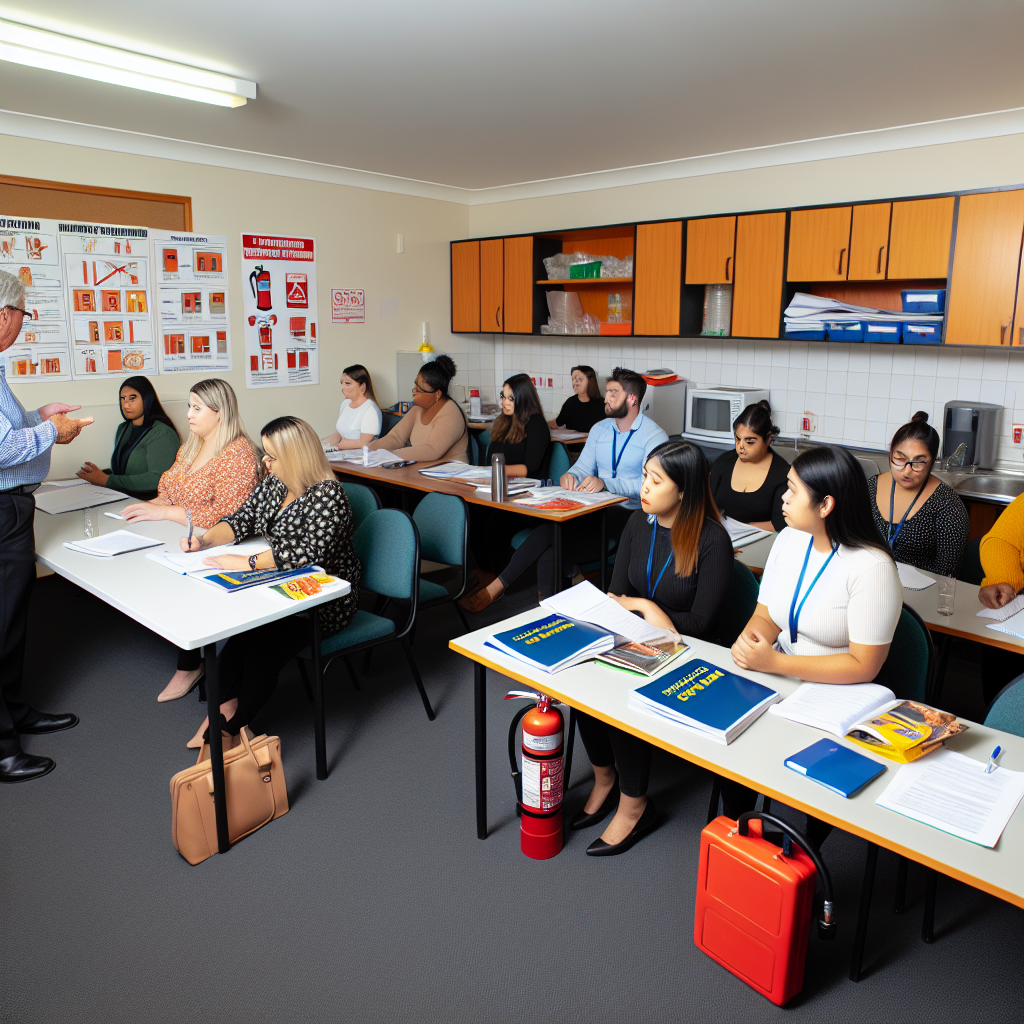
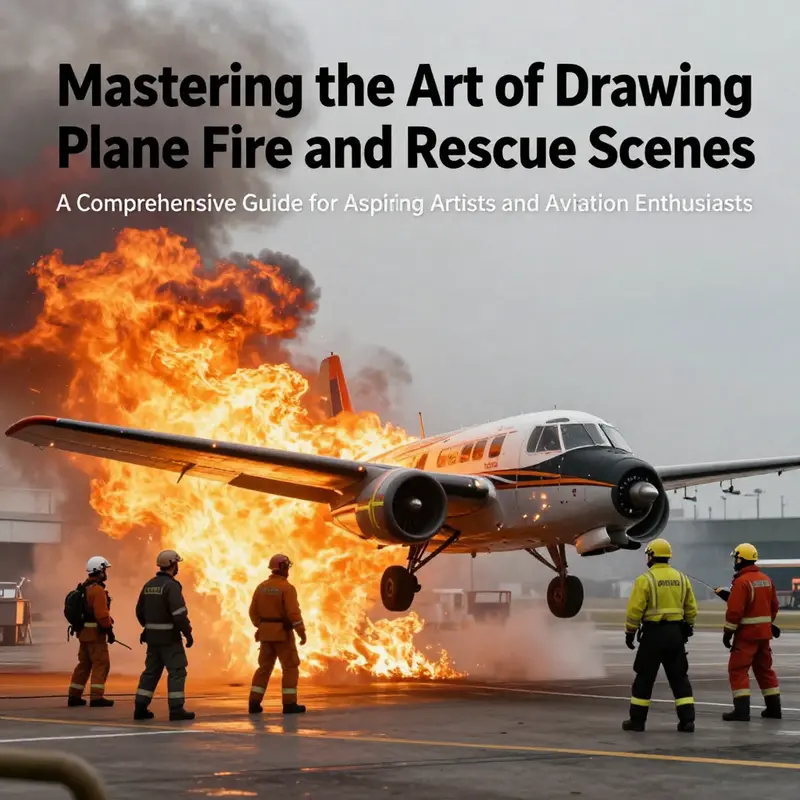
Drawing plane fire and rescue scenes requires an understanding of aviation, emergency response, and dynamic action. The artistry involved not only reflects the technical aspects of aircraft and emergency equipment but also evokes the intense emotions of rescue operations. Each chapter of this guide explores fundamental elements such as scene understanding, composition sketching, detailing aircraft, depicting fire rescue crews, and integrating environmental elements to create compelling visuals. By mastering these components, artists can convey dramatic narratives within their drawings, ensuring the essence of urgency and heroism is artfully expressed.
Sketching Courage in the Skies: Rendering Planes Fire & Rescue with Realistic Drama
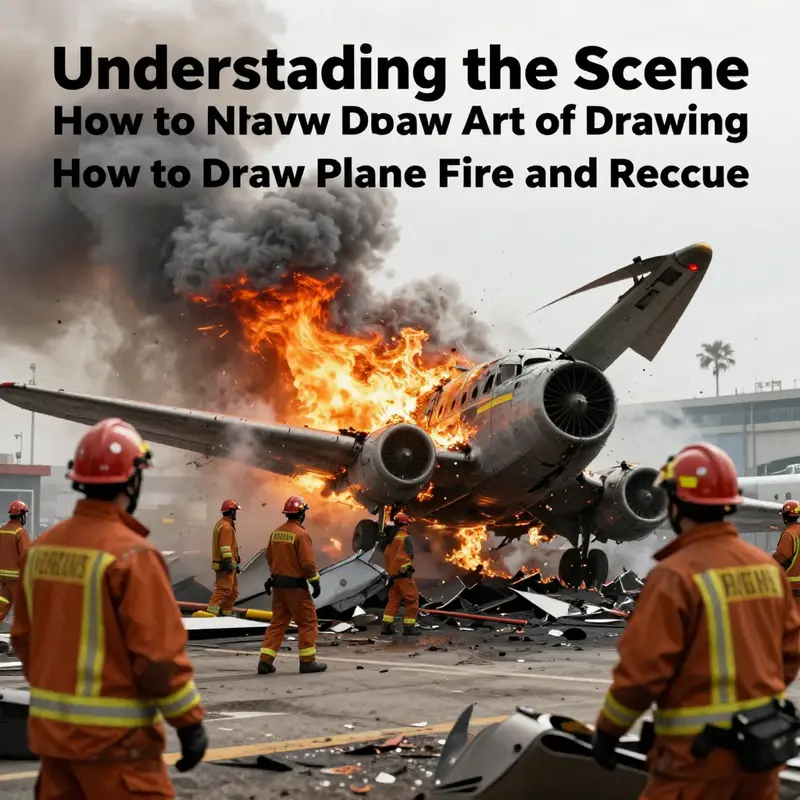
To convey a believable aerial firefighting scene, start with a clear narrative: a distressed aircraft, responders in motion, and the environment reacting to heat and smoke. In painting terms, arrange the composition in three planes: a dramatic foreground plane, a midground tableau of firefighters advancing with hoses, and a distant background that sets scale with smoke and terrain. The airplane’s silhouette should be legible and dynamic, with hints of damage such as torn wing edges or a cracked canopy, while flames should read as motion and heat rather than a static texture. Use jagged strokes for the flame core and softer grays for smoke, letting the fire’s glow bounce on metal surfaces and on water spray.
Color and light drive the drama. Warm reds, oranges, and yellows should dominate the flame, with white-hot centers; smoke should cool toward blues and slate grays. Ground reflections and puddles of fuel add richness, while backlighting from the flames creates silhouettes for rescuers and equipment. The goal is readability at a glance, with subtle details—a glint on metal, the texture of a burnt fuselage, or the determined line of a rescuer’s jaw—that reward closer inspection.
Respect the real-world context by avoiding caricature and focusing on purposeful movement and coordination. Tie the scene to plausible firefighting procedures and equipment, such as hose streams tracing arcs, ladders angled toward the aircraft, and foam pooling on the tarmac. If referencing the film Planes: Fire & Rescue, let the artwork capture the spirit of teamwork and urgent decision-making rather than replicating a specific frame.
Crisis in the Sky: Composition and Sketching for Planes, Fire, and Rescue
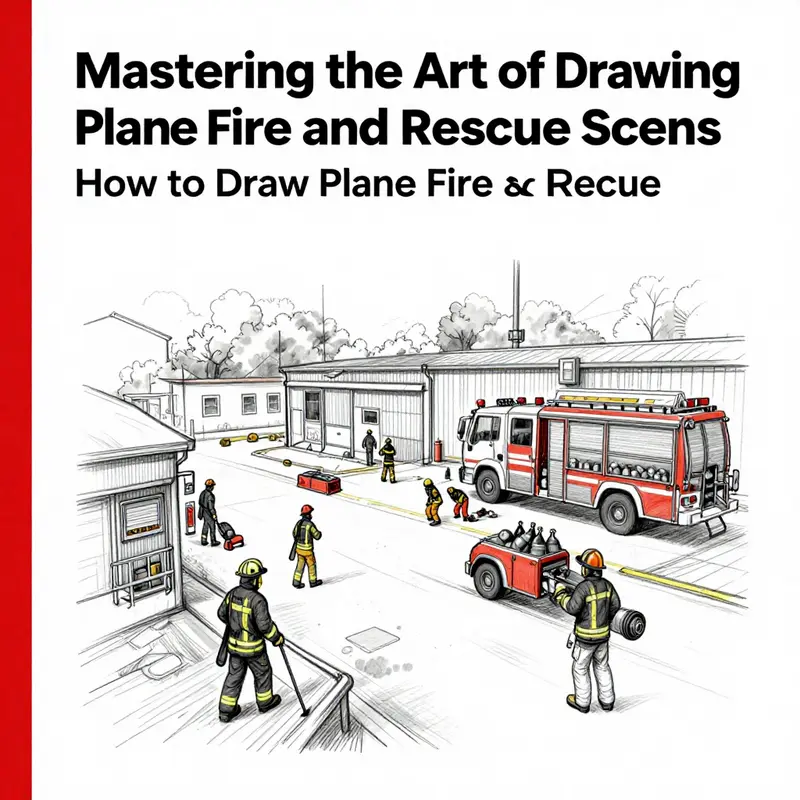
Drawing a plane in a fire-and-rescue moment demands a seamless blend of technical accuracy and narrative momentum. The page should feel like a single breath held between the whine of engines and the hiss of foam hitting heat. To build this, start with the idea of a core axis—the fuselage as its spine—then let the wings and tail read as the arms that propel the scene forward. The aircraft’s silhouette is not a mere outline; it is a structure that carries weight and motion. In your initial stroke, imagine the fuselage as a cylinder, the wings as flattened trapezoids, and the tailfin as a compact triangle or rectangle. Keep these shapes light and playful at first, because the real drama will come from how they intersect with the ground, the emergency equipment, and the rising columns of smoke. Proportions must feel harmonious across depth, so measure the distance from nose to tail with a broad mental ruler, even if you do not draw it precisely. When the plane tilts toward the viewer or away, make the nearest edge visibly broader to convey perspective, while the far edge recedes with a softer line. This shift in scale helps the viewer’s eye travel through the composition without losing track of the aircraft’s familiar geometry. The sense of height and distance also matters; place the jet within a larger context—perhaps a runway edge, a distant hangar, or a skyline—so the scene reads as a moment within a real space rather than a standalone tabula rasa of flames. Within that space, the aircraft becomes a focal point only when other elements push toward it rather than away from it. A faint glow around the engines or windows invites the eye to linger, while smoke drifts in from one side to suggest a direction of force. The path of smoke should arc upward, curling slightly as it climbs, which helps the composition breathe and prevents the scene from feeling too flat or static. You can embed this narrative energy by letting the plane shadow parts of the ground, creating a contrast between heat and shade that anchors the image in three dimensions. This grounded weight is essential when you later introduce rescue crews and equipment, because it ensures the eye can travel across layers without losing the sense of a single, unfolding event. As you refine, return to the idea of balance: the plane’s line should not overpower the firefighters’ silhouettes, nor should emergency vehicles dominate at the expense of the aircraft’s form. The balance is a dynamic dialogue where each element earns its place through motion, light, and narrative purpose. At the stage you begin to sketch rescue action, consider the presence of people not merely as figures but as actors in a scene with intent. Firefighters in bright turnout gear rush toward the airframe, hoses like bright, curving threads that lead toward the blaze, tools extended as if they were extensions of their own bodies. The human figure in motion is what makes a static drawing feel alive; their posture, the bend of a knee, the angle of a shoulder, and the reach of an arm all communicate urgency, teamwork, and procedure. In this sense, your sketch becomes a storyboard rather than a single snapshot. Each person’s focus should be clear: a firefighter advancing with a nozzle, a crew member cutting through wreckage with a hydraulic tool, a medic gathering supplies, or a survivor looking toward help. The narrative should be legible even at a glance, with the equipment acting as signposts that guide the viewer’s eye through the scene. When planning the arrangement, think of the midground as a stage for intervention: fire trucks with their ladders extended, foam tenders spraying arcs of white and pale amber, and responders moving in a choreography that suggests both danger and control. This is where your composition can sing without becoming chaotic. The engines’ glow and the headlamps’ sickle-shaped beams create pockets of light that carve out silhouettes in the smoke. In such moments, contrast becomes your ally. Use hard, deliberate lines for the aircraft’s hard-edged metal surfaces and softer, feathered strokes for the smoke and shadows. The result is a tactile separation between the machine and the atmosphere around it, a distinction that helps the viewer read depth even in a single still image. The educational core of this practice is not just matching what is seen but understanding how to convey process. You want to imply, through form and placement, the sequence of actions: the aircraft’s posture suggesting an emergency landing or crash, the approaching responders signaling command, and the environment responding with sparks, embers, and shimmering heat. The tools you choose should support this clarity. Pencils of varying hardness matter; HB lines may define major contours, while 2B and 4B can shade volumes and emphasize the metallic gleam in the aircraft’s skin. A kneaded eraser offers gentle highlights that mimic reflected light on metal and glass, particularly along wing edges or the cabin windows after the ignition. As you layer, keep the fire’s color family in mind—reds, oranges, and yellows at the core, fading into cooler, smoky blues and grays as the heat dissipates. The smoke edges should not be abrupt; soften them so they smear and drift, suggesting wind and air currents that add life to the scene. With the flame, don’t rely on a single flat color. Build the heat from bright white centers to hot yellows, then orange, and finally a rim of red at the hottest spots. This tonal progression helps the viewer feel the intensity of the blaze and gives your painting a sense of depth. The ground should tell part of the story too. Cracked tarmac, scattered debris, and pools of fuel or water can anchor the composition. The reflections on a slick surface can mirror flames and vehicle lights, turning the ground into a secondary stage that echoes the primary action. Weather conditions, even implied ones, can intensify drama; a swirl of dust or a light fog can soften the horizon and pull the eye toward the plane and responders, enhancing the sense of immediacy. One practical approach to maintaining narrative focus is to give the viewer a single point of emotional contact—perhaps a survivor peering from a shattered window, or a firefighter catching another’s eye in a moment of silent communication. This human connection keeps the image from becoming a technical exercise and instead turns it into a story about courage, urgency, and teamwork. The composition should also acknowledge the learning behind the scene. References to real incidents, ethical considerations about portraying tragedy, and the rigors of rescue work all inform the artist’s choices and help the drawing stay respectful and credible. If you find yourself uncertain about a particular stance or perspective, return to the skeletal shapes and perspective guides you started with, then reintroduce the more complex forms gradually. This iterative process—shapes, perspective, action, atmosphere—creates a coherent workflow that can be repeated for other scenes in your portfolio. For artists who want a jumping-off point that directly links to training resources, you can explore aspects of safety fundamentals in the broader training ecosystem, such as fire-safety-essentials-certification-training. Though the drawing is an art, the discipline of understanding how rescue teams train, coordinate, and respond informs your depiction and heightens authenticity without resorting to cliché. Finally, when you’re ready to translate your sketch into a more finished rendering, consider a staged approach: lock in the aircraft’s silhouette and major shadows first, then lay in the rescue action and lighting, and finally refine the reflections and atmospheric effects. Your goal is to craft a piece that feels dynamic yet controlled, a moment that communicates both the peril of fire and the steadiness of those who answer its call. For readers who want to extend their practice beyond sketching, the realm of structured compositional training offers a path forward. A rich, practice-based resource such as Drawabox provides practical guidance on proportions, perspective, and multi-angle views that can strengthen your ability to render complex scenes like a plane in distress with confidence and clarity. https://www.drawabox.com/lesson/1/3
Mastering Aircraft Details: Crafting Realistic Planes for Fire and Rescue Scenes
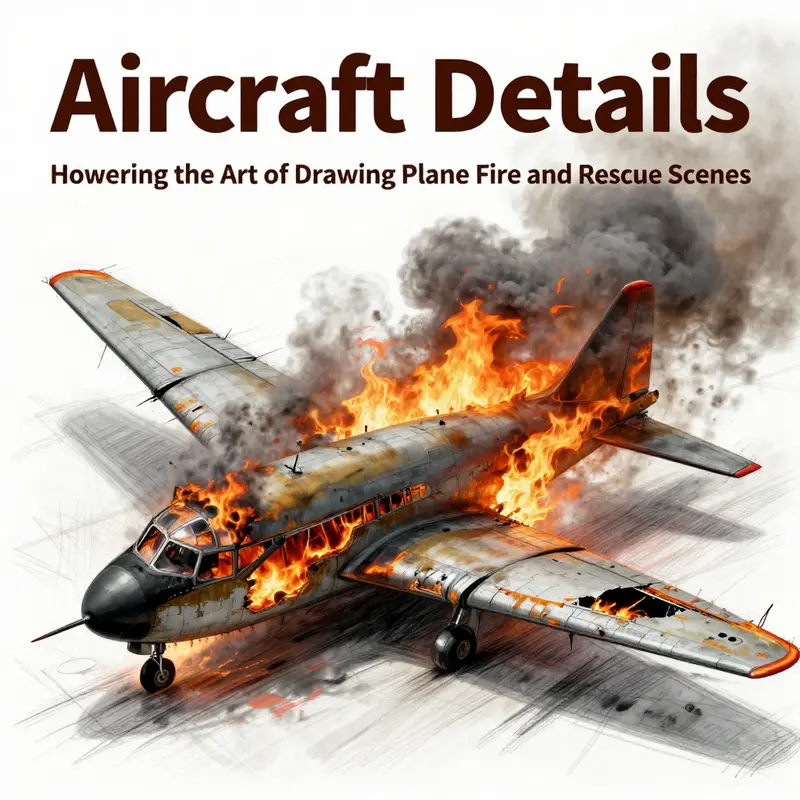
Creating a believable Planes Fire and Rescue scene invites you to marry the elegance of flight with the urgency of a rescue. The aircraft you draw must feel capable of both speed and endurance, able to carry water or foam and drop it with precision, while still reading as a real machine on a smoky, crowded battlefield of asphalt and fire. In this chapter we explore how to translate the film’s distinctive aircraft language into a drawing that reads as authentic and cinematic at once. You will notice that even when you’re drawing a stylized, animated design, there are recognizable engineering cues: shapes that speak to aerodynamics, systems that promise durability, and details that carry the weight of a mission.
Dusty Crophopper, the bright red and yellow racer turned fireplane, provides a compact template for understanding the kinds of features that define an air tanker in art. His design emphasizes a few practical elements: water tanks integrated into the fuselage, reinforced landing gear built to survive rough strips, and a modified engine adapted for long, demanding missions. When you sketch a scene inspired by Dusty, you can borrow that logic without copying exact proportions. Start with the silhouette: a streamlined fuselage, wings swept back to imply speed, and a vertical stabilizer tall enough to make the plane recognizable even in a crowd of emergency vehicles. The water-tank bulges on the belly, the extra wing root fairings, and the reinforced gear all contribute to a sense of rugged capability. If you place the plane in the foreground with its nose slightly lowered, the viewer senses a mission’s immediacy—the plane is unloading its fire-control gear, not merely posing on the tarmac.
Color and texture carry information too. Dusty’s livery is bold and high-contrast, so the drawing can communicate its role at a glance. The red and yellow palette instantly signals danger and urgency, a visual shorthand that is easy for the eye to register even in a busy composition. In a drawing, yellow highlights on the propeller hubs or engine cowl can echo the way light plays on polished metal in real life, while the darkened underbelly or shadowed wings convey mass and weight. In terms of cockpit details, keep the glass slightly faceted to suggest instrumentation inside, with a few bright dials catching a gleam of reflected fire. The wing modifications that make Dusty uniquely suited to firefighting—slightly thickened trailing edges, more pronounced wingtips, and subtle bulges that hint at a water-dumping system—read clearly when you render them as simple, readable shapes rather than a page of micro-details. The goal is not to recreate every part but to elicit the same engineering confidence the film conveys through design cues.
As you plan the composition, think of layers that guide the viewer’s eye through a narrative rather than a static portrait. The aircraft sits in the foreground, powerful and dynamic, its engines possibly belching a plume of smoke as it circles toward the fire. Midground elements—fire trucks with extended ladders, spray nozzles arcing water or foam—should lean toward the plane, forming arcs that echo the airframe’s lines and suggesting coordinated action. Backgrounds can house a runway edge, distant hangars, or low hills to frame the scene; the smoke rising in columns adds vertical rhythm and gives the impression of distance and scale. The lighting must be dramatic: flames provide a harsh, almost strobing light, while the fire trucks contribute cooler whites and blues from their headlights and mobile scenes. When you render the interplay of these light sources, let warm hues dominate near the flames and let cooler tones weave through the smoldering smoke to push depth.
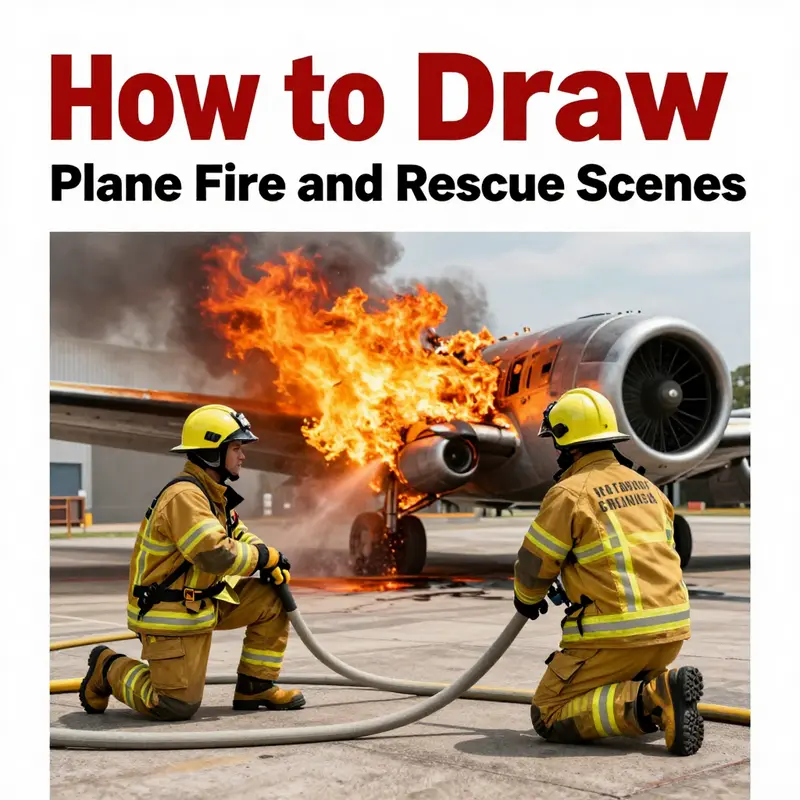
Detailing the firefighting team and tools anchors the fantasy in a believable world. Firefighters in bright turnout gear should be rendered with bold outlines to read as protective equipment, each figure moving with purposeful energy: drawn-to-the-plane figures cutting through wreckage with saws, others aiming hoses, and perhaps a medic stepping forward with a patient on a stretcher. The tools—hydraulic cutters, axes, and medical kits—should appear well-used, with scuffs and reflections that tell a story of a complex rescue operation. The ground is a narrative stage in itself: cracked tarmac, scattered debris, and slick pools where fuel has mixed with water to form dangerous patches. Small reflections on the fuselage can capture scattered tiles of the scene—the spill of a bright emergency light, the glint of chrome on a long-turned ladder, the shimmer of water spraying past smoke.
To render all this convincingly, think in layers of color and edge. Flames are jagged, with a core of white-hot yellow and orange that bleeds into red and depth amber. Smoke unfurls in wispy to dense swaths—start with soft, feathered edges and darken the core as it climbs away from the plane. Ground surfaces reflect the heat and splash of extinguishing agents; you can sprinkle droplets on the tarmac and puddles with a sheen that suggests surface tension in motion. In terms of gear and vehicles, keep the firefighting trucks and water tenders in high-contrast hues, their metallic surfaces catching stray reflections from the flames. Shading should privilege areas not directly lit by fire, such as the plane’s belly and the sides shielded by equipment, to anchor three-dimensional form in space.
There is a balance between realism and storytelling, especially when you’re drawing beloved animated designs. The film’s aircraft are styled to be expressive and readable; you can honor that language while grounding your drawing in verifiable aeronautical cues. Present the water-dumping system as a clear, functional feature rather than a mere ornament: a pair of pivots or a nozzle array under the fuselage, with a visible conduit or hatch that hints at a reservoir inside the belly. You can imply fuel or water lines with a light hatch pattern along the wing roots and a hint of mechanical panels along the fuselage. By combining recognizable shapes with bold silhouettes, your artwork communicates both the character’s personality and the mission at hand.
For readers who want to deepen the sense of safety and training in the scene, consider a cross-reference to resources that explore practical protective practices, Fire safety essentials certification training. This is not a guide to operation but a reminder that the world behind the artwork rests on rigorous standards and ongoing learning, which in turn informs how you visualize the equipment and procedures in your composition.
Finally, finishing touches—labeling, a survivor peering from a window, or a firefighter making eye contact with the viewer—can humanize the moment and remind audiences that every heroic scene begins with real people facing danger, uncertainty, and courage. If you want to study the aircraft designs more closely, refer to official concept art and promotional materials from the film’s wider universe.
External reference: https://www.disney.com/plane-fire-rescue
null
null
Weather, Terrain, and Tactics: Crafting Environmental Realism in Planes Fire and Rescue Art
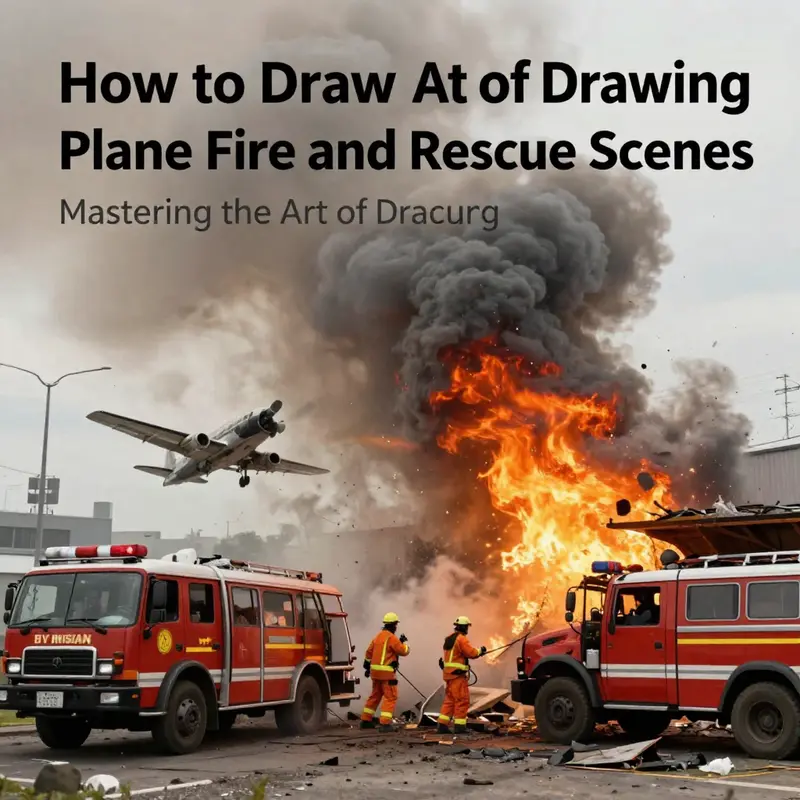
Environmental elements are not mere backdrop; they shape the drama of a planes fire and rescue scene. They set the stakes, influence how flames behave, guide rescue movements, and even hint at the outcome before a single brushstroke is laid. If you want your drawing to feel alive, start by absorbing the environment first—the weather, the ground, the built world around the crash site. The scene you create will carry the weight of real conditions, and that weight translates into credibility for the viewer and a sense of urgency for the characters within it.
Geography and weather color the sky and ground, shaping flame spread and the routes responders choose. In a painting, wind is a quiet protagonist. You can signal it with a light breeze of grain around smoke edges, with embers that seem to chase a gust across the tarmac, or with arrows tucked into a corner of the frame as a nod to the real-world wind direction. The storm of heat and flame interacts with that wind, bending tongues of fire along the wing and driving the foam toward a building or away from a fuel cell. Knowing the lay of runway and the location of fuel storage helps you decide where to place elements in the composition, and it invites the viewer to read the scene with the same logic as a responder would in real life.
Temperature and humidity leave visual fingerprints. A hot, dry air reduces moisture in materials, so you may show the fuselage sweating under heat mirage, metal panels bending slightly, or a cracked asphalt surface that glints with heat. The palette leans toward harsh whites and yellows at the most intense points, cooling to smoky blues and purples as distance from flames grows. Humidity can soften some edges, create damp reflections, and give smoke a more cottony, less brittle texture. These atmospheric choices do not just set mood; they guide how you render light, shadow, and edge quality.
Terrain and airport layout matter for both realism and storytelling. The crash site might sit between runways and hangars, a fuel farm just off-frame, or a water channel used by the fire department for rapid refill. For the artist, this translates into a frame with depth cues: the flat plane of runways in the foreground, the long line of a taxiway receding into background, and distant control towers anchored by towers and hangars. The proximity to life-support infrastructure is not just detail; it signals risk, response time, and the choices rescuers must make. When sketching, imagine the path responders would take—toward the fuselage from a corner, or skirting the edge of a heat-scorched apron—and arrange elements to lead the eye along that path.
Ground surfaces and soil type shape both depiction and narrative. Runways of concrete or asphalt absorb heat and radiate it, sometimes making surfaces appear to glow in the flames’ afterimage. If the plane lands near a grassy shoulder, dry grass can flare and contribute to the sense of out-of-control fire, adding a secondary hazard. You can hint at sub-surface issues by drawing subtle cracks, charred cables peeking from beneath, or steam lifting from warmed ground. If chemical foam or firefighting agents spill, their interaction with soil and water becomes a quiet, invisible tension you can imply with little color patches, slick textures, or a pale sheen on the ground that suggests contamination risk. The environment, therefore, becomes a narrative thread that reminds viewers of consequences beyond flames.
Air and the broader atmosphere are perhaps the most challenging yet the most informative elements. The smoke plume is not a single column; it folds, twists, and narrows as the wind shifts. Its color tells a story: black and gray for burnt materials, rust-orange at the edges where flames still lick, and bluish cast where the heat cools and the air thickens. Reduced visibility becomes a character in its own right, forcing the viewer to imagine what the rescuers see as they advance. Toxic gases, while not visible, are felt through the gear of the crew. Breathing apparatus, gas detectors, and the cautious stance of responders convey the danger without needing explicit labels. The air, therefore, becomes a visual conductor of tension, bridging the status of the flaming aircraft with the measured choreography of a rescue stair-step toward safety.
Water is the lifeline and the constraint in an airport fire. Firefighting crews pull water from hydrants, foam tenders, or nearby lakes, and hoses snake across the tarmac like metallic vines. The way water courses through the scene—spray arcs, droplets catching light, foam surging around debris—can heighten the sense of action. The water also shapes the mood by dimming color saturation where it flows and brightening highlights where it lands. Consider reflections on wet surfaces, the splash of water on a charred wing edge, and the way splashes distort the shapes of metal. If the scene includes a nearby body of water, its surface may show a film of foam or oil slick, a subtle reminder of the environmental stakes that accompany a real incident.
Infrastructure and human environment provide scale and readiness signals. The airport’s control tower, hangars, maintenance corridors, and fuel lines offer spatial anchors. Emergency lighting and signage hint at where responders converge, while the silhouettes of trucks with their ladders raised and hoses deployed read as a choreography of production-level response. Even little touches—the grid pattern of tile around a terminal, a reflection in a glass facade, or the faint glow of a runway beacon—help establish a believable stage on which the drama unfolds. The environment becomes not merely a backdrop but a collaborative partner that dictates timing, line of sight, and the possible routes for evacuation and rescue. Visual rhythm emerges when you let the natural features guide the action, rather than forcing a heroic pose that violates how real responders would move through smoke and heat.
From a technique standpoint, environmental realism is often a matter of color relationships and edge treatment. Warm colors—crimson, vermilion, and molten amber—signal active flame and heat, while cooler tones—indigo, cobalt, and steel blue—give distance and smoke. Layers matter: start with a broad atmospheric wash to set the light quality, then carve in the plane’s silhouette, followed by textures for metal, glass, and char. The smoke’s edges should be soft where it blends into the sky and crisp where it thins near sources of light. Under a harsh light, the reflective surfaces of metal catch a spectrum of highlights, while shaded areas stay cool and deep. In scenes where wind is strong, you can tilt edge lines and create a sense of motion without sacrificing readability. The artful interplay of light and air, flame and soot, becomes a map readers can follow from foreground to background, much as a responder would chart a path through a dynamic incident.
As you plan your composition, remember that the environment is a language you use to tell the story of rescue under pressure. The choices you make about wind direction, heat distortion, surface texture, and smoke density influence not only realism but emotional impact. For readers who want to deepen their practical understanding of safety and response, consider the fundamentals covered in Fire Safety Essentials Certification Training. This background supports artists who aim to translate procedures and discipline into compelling visuals without losing humanity.
Finally, to connect environmental planning with official tools that guide emergency response, researchers point to environmental impact tools that model how fire behavior interacts with terrain, moisture, and man-made features. For further reading, see the Fire Impact Tool.
External resource: Fire Impact Tool
Final thoughts
In mastering the art of drawing plane fire and rescue scenes, artists can effectively communicate not only the technical aspects of aviation and emergency response but also the emotional intensity of such critical moments. Each chapter of this guide has equipped artists with the skills to conceptualize and sketch dynamic scenes that reflect bravery and urgency. By incorporating detailed elements, action poses, and atmospheric considerations, artists can create compelling narratives that resonate deeply with viewers, making their artwork both visually captivating and emotionally powerful.