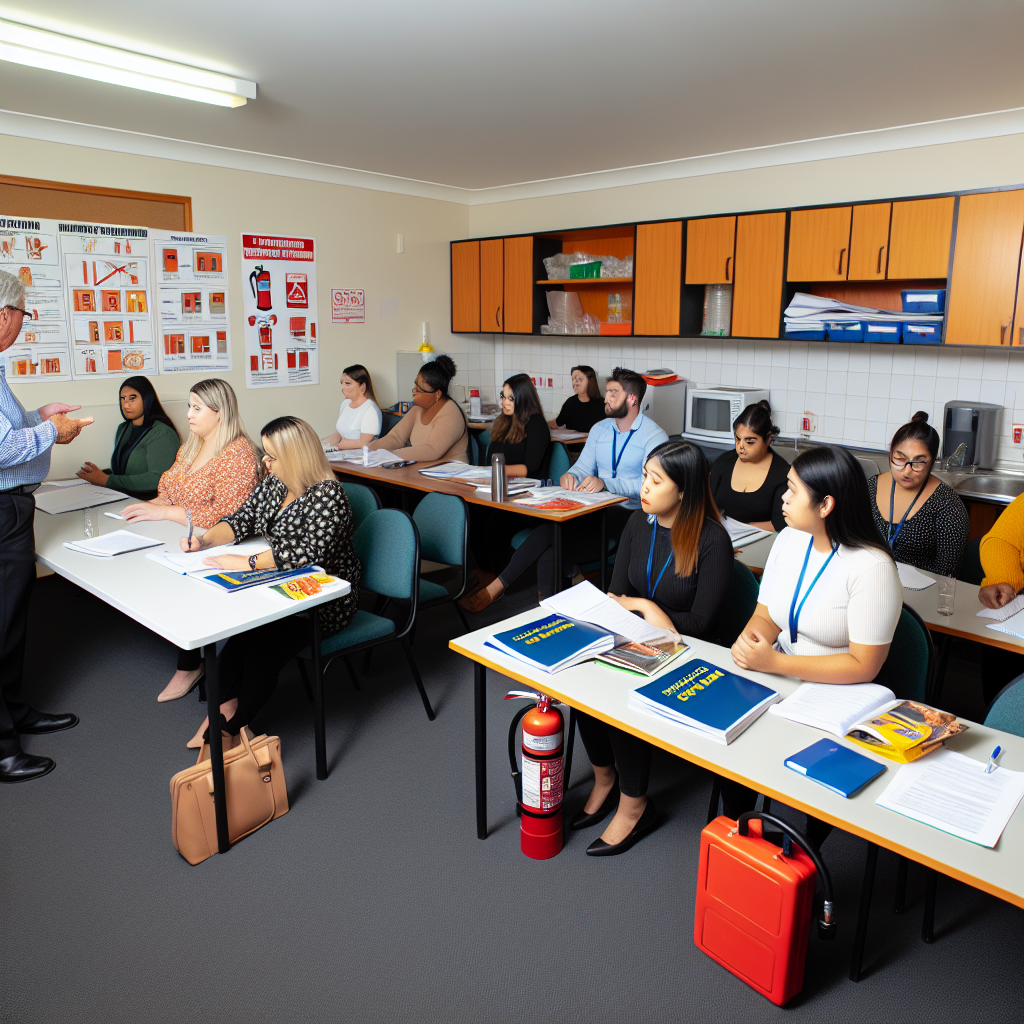
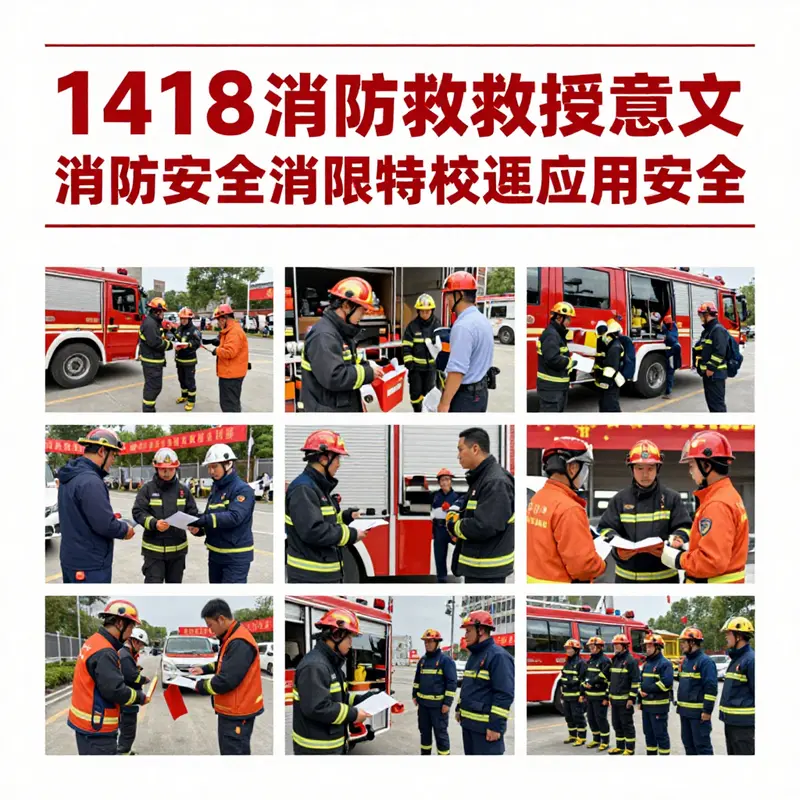
The safety of communities, especially those residing in resettlement areas, is a matter of paramount importance. In China, the 1418 Fire and Rescue initiative represents a proactive approach to fire safety through 1,418 mobile inspections targeted at resettlement sites. By identifying and addressing 2,206 fire hazards, this program underscores the critical role that fire safety agencies play in enhancing community well-being. As we delve into the critical context surrounding these inspections, we will explore their impact on community safety and the broader implications for hazard mitigation in vulnerable populations.
1418 Fire and Rescue Uncovered: Mobile Inspections Guarding Displaced Communities in China
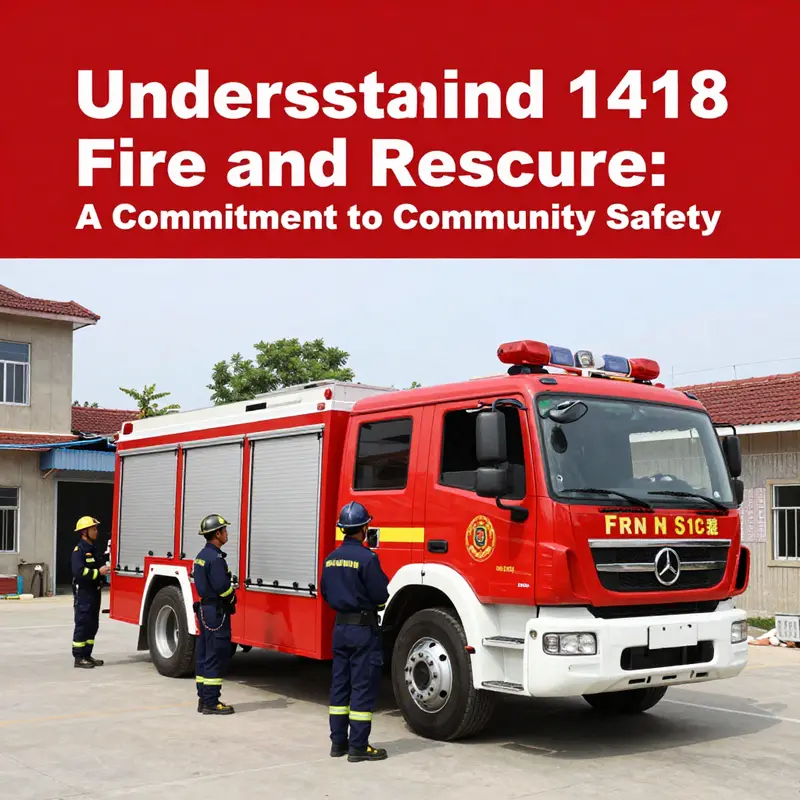
In the evolving narrative of public safety, the term 1418 Fire and Rescue stands as a concrete reminder that prevention must travel with the displaced. It marks a concerted effort by the country’s fire safety apparatus to reach people and places where the threat of fire can escalate quickly because turnover, crowding, and makeshift infrastructure are common. The figure behind this term is not simply a statistic; it is a window into a program that moves, checks, and corrects in real time. Specifically, 1,418 mobile fire inspections were conducted by the China Fire and Rescue Corps at resettlement sites, a category that includes temporary housing areas set up in the wake of natural disasters, development projects, or other large-scale population shifts. These inspections targeted a landscape that is inherently dynamic: shelters that shift as needs change, energy sources that may be temporary, and corridors that must stay clear for safe evacuation. The work is mobile by necessity, because static, fixed-site inspections cannot reliably capture all evolving risk factors in resettlement settings where a single layout might be repurposed several times over the course of days or weeks. The mobilization of inspectors, equipment, and protocols to these sites demonstrates a recognition that risk in displacement zones does not vanish simply because residents find new shelter. Instead, risk migrates, and the 1418 initiative seeks to meet it where it moves, with speed, flexibility, and a disciplined, data-informed approach to safety.
The scale of the effort is notable not merely for the sheer count of inspections, but for what those inspections are meant to uncover and how that information translates into safer living environments. Across these 1,418 visitations, a total of 2,206 fire hazards were identified. That figure—more than one hazard for every inspection—reads as a cautionary drumbeat: where people live in temporary or transitional spaces, the potential for fire rises in relation to certain conditions. The hazards uncovered span several familiar categories that recast themselves in makeshift housing: the risks associated with electrical wiring in temporary shelters, the use and placement of heating devices in spaces with limited ventilation, and the challenge of maintaining clear access to exits when corridors are used for storage or informal room divisions. These are not merely abstract concerns. Each hazard has a practical, potentially life-saving remedy that can be implemented quickly or with modest investment, especially in settings where resources are constrained but the consequences of fire are severe.
To understand what these numbers mean in a broader public-safety framework, it helps to think through the lifecycle of a hazard from detection to resolution. An inspector arrives at a resettlement site, armed with a checklist that is both technically grounded and adaptable to the idiosyncrasies of the site. The process begins with hazard identification: electrical cords that run across walkways, overloaded sockets, or improvised power sources. It continues with hazard assessment: how likely is the hazard to ignite, and what is the potential consequence if it does? Then comes the action: a corrective step—whether it is isolating a dangerous outlet, rerouting power supplies, removing combustible materials, improving ventilation, or reconfiguring living areas to create clear egress routes. Some hazards require a technical fix; others demand behavior changes, such as educating residents about safe cooking practices or the importance of keeping exits unobstructed. The corrective actions are not an afterthought but a central output of the inspection process, designed to reduce risk not only in the moment but in the hours and days that follow. In a setting where households may be transient and infrastructure is provisional, these interventions often rely on rapid, practical solutions implemented through collaboration among residents, site managers, and the fire safety authorities.
One of the most significant implications of the 1418 inspections is the demonstration of a proactive public-safety culture in the context of displacement. Fire safety is often a reactionary discipline—responding to incidents after they occur. The mobile inspection model reframes safety as an ongoing responsibility that follows population flows. It recognizes that in resettlement sites, risk is not a fixed property of a location but a function of how space is configured, how materials are stored, and how residents interact with their environment. By revealing 2,206 hazards, the inspections create a concrete inventory of the most common vulnerabilities and provide a focused basis for targeted improvements. The subsequent actions—immediate de-energizing of hazardous outlets, reorganization of space, installation of safer alternative energy arrangements, or even the relocation of a cooking area—translate into tangible reductions in risk. The cumulative effect of these actions extends beyond the life of a single site. It informs future planning for resettlement operations, including site design, infrastructure provisioning, and resident education, all of which contribute to a broader disaster risk reduction strategy.
The Tibetan context, denoted by Xizang (Tibet) in the official reporting, adds additional layers of nuance to these operations. Tibet presents unique geographic, climatic, and cultural characteristics that intersect with fire risk in specific ways. The high-altitude environment, with its distinct weather patterns and sometimes limited access to resources, can influence the kinds of hazards that emerge in resettlement settings. Cold seasons may increase the reliance on space heaters or improvised heating solutions, while the remoteness of some sites can affect the speed with which corrective measures are implemented or reinforced. The mobile inspectors must adapt to these realities, balancing field conditions with the technical rigor required to identify and mitigate hazards. Yet adaptation is not mere improvisation. It reflects a disciplined protocol that is capable of scaling up across a diverse geography while maintaining a consistent standard of safety. That is the hallmark of a modern fire and rescue operation in a country with a vast and varied landscape: the capacity to translate a shared mission into site-specific actions that preserve life and property.
Beyond the procedural and technical dimensions, the 1418 fire inspections illuminate a story about governance, trust, and the interface between public institutions and communities in times of upheaval. When residents move into resettlement sites, they bring with them concerns about safety, stability, and the ability to protect their families and possessions. Fire safety authorities respond not only with checks and orders but with an ethos of service that emphasizes transparent communication, community involvement, and ongoing support. The process of hazard identification, for instance, is enriched by dialogue with residents and site managers, who can offer local knowledge about space use, routines, and potential exposure pathways that may not be immediately evident to external inspectors. This collaborative dynamic helps to ensure that corrective actions are not perceived as external impositions but as practical improvements guided by a shared goal: keeping lives secure in a setting that is inherently transitional. In this sense, the inspections function as a bridge between state capacity and community resilience, translating data into trust, and trust into safer behaviors that endure beyond the completion of a particular inspection round.
From a policy standpoint, the 1,418 mobile inspections and the 2,206 hazards they uncovered provide a powerful metric for evaluating how well fire safety frameworks align with the realities of displacement. The mobile model addresses a critical gap in static safety programs, which may overlook risk patterns that emerge only when people are mobile and shelters are adaptable. It also serves as a proving ground for resource allocation decisions, informing where equipment, training, and targeted interventions should be concentrated. When inspectors identify hazards, the response may require not only immediate remediation but longer-term planning, such as redesigning a site to incorporate safer electrical layouts, improving access routes, or establishing monitored zones for high-risk activities. The data generated through these inspections can feed into a wider safety ecosystem, shaping guidelines for future resettlement operations, evacuation planning, and inter-agency coordination. In this interconnected frame, the 1418 initiative is more than a one-off exercise; it is a learning loop that converts field experience into practical standards and resilient practices that can be scaled across regions facing similar displacement dynamics.
The narrative of mobile inspections is also a story about speed and effectiveness in emergency preparedness. In a setting where time is a critical factor and delays can escalate minor issues into major incidents, the ability to identify hazards quickly and implement corrective actions becomes a core capacity of the fire and rescue corps. This capability is not merely technical; it rests on a trained workforce, equipped with portable tools, and guided by an operating tempo that matches the pace of displacement and resettlement. Each hazard addressed through a mobile inspection reduces the probability of a fire event at a moment when residents are most vulnerable. The cumulative effect of these actions—hazard mitigation, behavioral guidance, and space reconfiguration—forms a safety net that can absorb shocks from sudden weather events, structural changes within temporary housing, or shifts in population density. It is a practical, workaday form of resilience that rests on everyday interactions, on the willingness of residents to adjust their habits, and on the readiness of quick, decisive interventions from trained responders.
The reference point for understanding these efforts can be found in official reporting that frames the 1418 inspections within a broader national narrative about safety and disaster risk reduction. The China Daily report provides a formal record of the scale and intent of the initiative, offering readers a window into the state’s approach to fire safety in the context of displacement and emergency response. While numbers tell part of the story, the deeper message lies in the culture of prevention they embody. When a safety culture takes root in resettlement sites, it shapes everyday decisions—from how power is routed and stored to how residents plan their routines during a fire drill. It also influences how communities respond in the moments before, during, and after a hazard is detected. The result is a more coherent system in which prevention is understood as a shared responsibility, and where the right information, timely actions, and accessible guidance cohere to protect lives.
For readers interested in delving deeper into the official account of these efforts, the broader reporting around this initiative is accessible through national outlets and official channels. The linked report offers context, corroborating details, and a formal framing of the 1,418 mobile inspections and the resulting hazard identifications. This external source, while not the sole touchstone for understanding the program, provides an important corroborating narrative that complements the field-based perspective described here. The combination of on-the-ground inspections and official reporting underscores a deliberate policy orientation toward proactive safety in displacement contexts, where risk persists even as communities rebuild and relocate. In this light, 1418 Fire and Rescue can be seen not only as a pragmatic operation but as a symbol of an approach that pairs mobility with vigilance, and that recognizes the unique demands of protecting people who are most vulnerable during periods of transition.
The implications of mobile inspections extend into training and professional development as well. If prevention depends on the seamless execution of inspections, then the preparation of inspectors becomes central to the program’s success. The emphasis on mobility requires a certain skill set: the ability to assess diverse environments rapidly, to communicate safety guidance clearly to residents who may have limited literacy or language barriers, and to coordinate with site managers to implement corrective actions without disrupting the daily needs of families. Training programs for fire safety professionals must therefore address the syntax of field inspection—how to adapt checklists to novel layouts, how to prioritize hazards under pressure, and how to document findings in a way that is actionable for residents and site operators. The goal of such training is not only technical competence but also the cultivation of a collaborative mindset. Inspectors learn to serve as translators between safety codes and the realities of temporary housing, ensuring that standards are both enforceable and humane. The interplay between training and field performance is fundamental to the durability of the 1418 initiative, because only through capable, adaptive professionals can mobile inspections maintain momentum across varied sites and over time.
In contemplating the broader lessons of this chapter, one finds that the 1,418 inspections and the 2,206 hazards become a narrative about the architecture of safety in a society that hosts displaced populations. It is a story of how public institutions operationalize risk reduction on the move, with a mix of technical rigor, community engagement, and agile governance. It is also a reminder that safety is not a fixed condition but a continuous practice that must be maintained as landscapes shift and as people reconfigure their lives in response to changing circumstances. The mobile inspection model embodies this ethos by insisting that prevention travels with residents, that hazards are tackled wherever they appear, and that the logic of safety remains active as long as displacement persists. In that sense, 1418 Fire and Rescue serves as both a diagnostic tool and a stabilizing force, translating data into decisive action, and transforming temporary housing into spaces where safety can be more reliably upheld.
For practitioners and scholars studying fire safety in displacement settings, the 1418 inspections offer a particularly instructive case. They demonstrate how scale can be coupled with flexibility, how data can drive an actionable set of interventions, and how collaboration across partners—resettlement administrators, residents, and fire safety authorities—can yield meaningful risk reduction. The numbers are not merely ends in themselves; they are indicators of a process that raises the baseline for safety in environments that are inherently unstable. As such, they invite reflection on how similar mobile, adaptive inspection models could be designed and implemented in other contexts where displacement, crowding, and temporary infrastructure intersect with fire risk. The core insight is simple: when prevention follows people into their temporary homes, it becomes more attainable, more legitimate, and more effective. In this way, the 1418 initiative contributes to a broader vision of resilient communities where even in the most unsettled moments, the capacity to prevent fire harm remains robust and accessible to all residents.
To connect the thread back to practical resources and further readings, readers can consult training materials and professional primers that emphasize essential safety competencies for inspectors and residents alike. For instance, there is value in engaging with targeted training resources that focus on building safety literacy, risk communication, and hands-on hazard mitigation. This is not just about compliance; it is about empowering people to recognize danger signs, respond appropriately in emergencies, and participate in the maintenance of safer environments within their communities. Citizens who understand basic fire safety principles—how to identify a fault, how to label hazardous zones, and how to keep escape routes clear—become active participants in prevention rather than passive recipients of safety measures. An emphasis on education and practical know-how helps extend the impact of inspections far beyond the moment of assessment and into the daily rhythms of living in resettlement sites.
In sum, 1418 Fire and Rescue, through its mobile inspections, embodies a forward-leaning approach to safety that aligns with the realities of displacement. By moving with communities, inspecting for hazards in real time, and implementing corrective actions promptly, the program translates a complex risk landscape into a tractable sequence of improvements. The numbers—1,418 inspections and 2,206 hazards—are not merely counts; they are testimony to a continuous commitment to safeguarding life and property in transitional spaces. They illustrate how a disciplined, responsive, and community-focused fire safety framework can function effectively within the challenging setting of resettlement sites in Xizang and beyond. As one looks ahead, the lessons from this initiative offer a roadmap for how mobile safety practices can be scaled, adapted, and sustained in diverse contexts where displacement, infrastructure gaps, and evolving living arrangements demand nimble, capable, and compassionate public safety leadership. The chapter thus closes not with a conclusion, but with an invitation: to carry forward the practice of mobile inspections, to deepen the collaboration between residents and responders, and to continue translating the data of hazards into the daily acts of prevention that keep people safe wherever they live.
External resource: For a formal account of the initiative and its reported figures, see the China Daily report at https://www.chinadaily.com.cn. To extend your understanding of practical safety training linked to this material, consider the resource on Fire Safety Essentials Certification Training, which offers focused insights into foundational safety competencies and risk awareness that support field inspectors and residents alike.
Counting Hazards, Forging Resilience: The Grounded Impact of 1418 Fire and Rescue Inspections on China’s Resettlement Communities
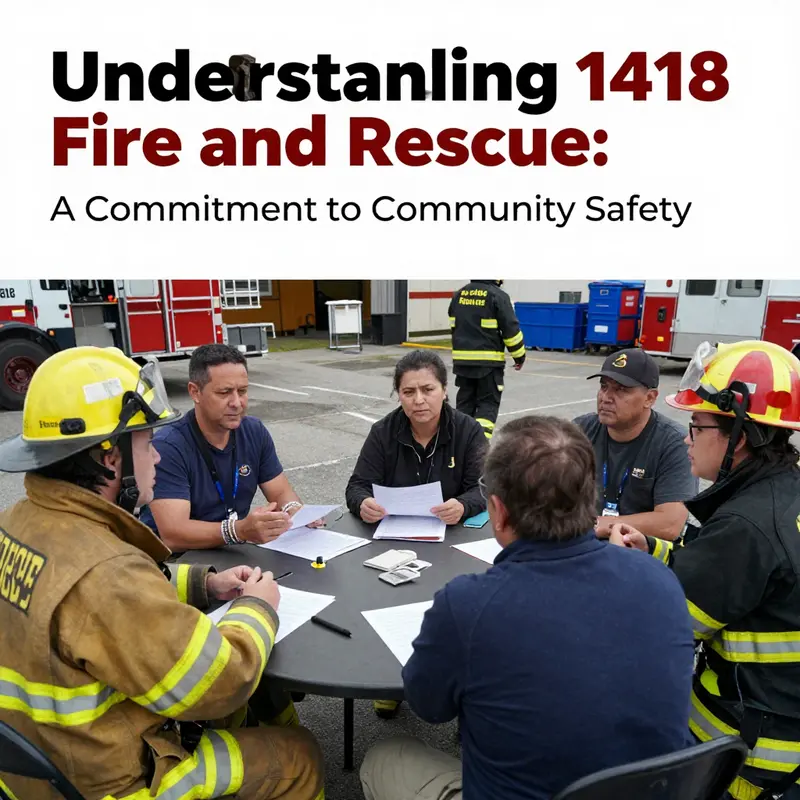
In the sweeping landscape of public safety, the term 1418 Fire and Rescue has become more than a slogan. It marks a deliberate, data-driven push to understand and mitigate fire risk where people are most exposed to danger: resettlement sites and temporary housing areas born out of disasters or relocation. The specific year-and-a-number cadence of the initiative signals a structured program with scale, mobility, and a stubborn insistence on prevention as a frontline defense. In the record of this initiative, 1,418 mobile fire inspections were conducted by the China Fire and Rescue Corps in resettlement sites, a number that invites us to look beyond procedures and toward outcomes. Across those inspections, practitioners identified a total of 2,206 fire hazards. Taken together, these figures reveal more than the sheer count of checks and faults; they illuminate a narrative about risk, vulnerability, and the cautious, relentless march toward safer living conditions for people who have already endured upheaval. The setting matters. Resettlement sites, by their very nature, compress life into semi-permanent arrangements that can outpace the steadying, long-term improvements that healthier neighborhoods typically enjoy. Overcrowding, makeshift electrical installations, improvised cooking spaces, and the proximity of combustibles to living areas are not mere footnotes in a safety manual; they are lived realities that can transform a quiet evening into a crisis. The inspections acknowledge this reality and attempt to translate it into actionable change. They are less about apprehending a single hazard in isolation and more about mapping a network of risks that, when left unchecked, can cascade into fires that devastate families, disrupt schooling, and erode trust in the institutions charged with protection. The numbers are a record of attention paid, but they are also a record of a culture of prevention taking root within communities that previously may have felt overlooked during emergencies. The stories embedded in the statistics—of families who discovered improper electrical wiring just as a cold wind began to creep through the corrugated walls of a temporary shelter, or of a corridor where blocked exits might have trapped residents in a fire’s fastest moments—are not just anecdotes. They are data points that, when analyzed alongside population movements and housing conditions, become a map of risk and a blueprint for safer design and behavior. This is not just about inspecting rooms; it is about building habits of care that ripple through daily life and school routines, market days, and shared kitchens. The inspectors move through spaces that echo with the rhythm of ordinary life—children playing, elders listening to a radio, families gathering for meals—and every finding they record becomes a note in a larger symphony about resilience. The act of inspecting mobile and resettlement housing demands a specialized approach. These environments are dynamic; occupancy may rise and fall with seasonal work, relief distributions, or the arrival of new arrivals seeking shelter after a flood or landslide. The inspectors must adapt, reading structures that were never meant to be permanent with the seriousness of engineers yet with the sensitivity of social workers who understand the human stakes at stake. The 1,418 inspections thus embody a practice that blends technical diligence with an ethic of care. They require teams that can assess electrical safety, fuel storage, and ignition sources while also recognizing how residents use spaces in ways that engineers could never predict from blueprints alone. The inspections thus become a kind of living inventory, a continuous dialogue between safety standards and lived experience. In many ways, the effort reflects a broader shift in fire and rescue service operations toward preventative culture. It is no longer adequate to respond to fires after they start; the aim now is to reduce the likelihood of ignition and to shorten the gap between hazard recognition and hazard elimination. Pre- and post-inspection data form the backbone of this approach. The numbers provide clear, tangible targets for improvement, but the real value lies in understanding how those targets translate into safer behaviors and fewer near misses. The literature on measuring the impact of community safety initiatives supports this view. A key study, published in a contemporary scholarly outlet, emphasizes that while it is difficult to prove a direct causal link between inspections and a decrease in fires, there is a robust correlation between regular, consistent community safety visits and reductions in fire-related injuries and fatalities when viewed across time and population. This perspective matters because it reframes inspections from one-off interventions into sustained public safety commitments that require ongoing data collection, analysis, and community feedback loops. The body of evidence around such initiatives underscores the importance of triangulation: combining quantitative indicators—like hazard counts, near-miss reports, and incident rates—with qualitative insights from residents, inspectors, and community leaders. When the China Fire and Rescue Corps logs 2,206 hazards across 1,418 sites, it is not merely tallying problems; it is curating a reservoir of signals about how households use space, how electrical systems age under stress, and how emergency exits function under real-life conditions. The hazard discoveries carry implications that stretch beyond the immediate act of remediation. They inform priority setting for future inspections, guide recommendations to housing managers and local authorities, and shape training curricula for inspectors who must operate with speed and precision in environments that can suddenly shift from calm to crisis. In this sense, the 1418 initiative participates in a virtuous cycle: inspection reveals hazards, hazards prompt corrective actions, and the resulting improvements reinforce a culture of safety that encourages ongoing vigilance. The cycle also depends on the trust and cooperation of residents. Residents must feel that inspectors are partners, not gatekeepers, and that safety commitments will translate into tangible improvements in their day-to-day lives. Achieving this trust is a delicate process because the settings are often crowded and under-resourced. Inspectors may encounter residents who have learned to adapt to hazard-filled conditions simply as a matter of survival. In such contexts, the way a hazard is communicated matters as much as the hazard itself. Language, tone, and clarity can determine whether a family accepts a recommended change or resists a suggestion that seems to threaten a cramped daily routine. The inspectors’ approach, therefore, must be anchored in empathy. They need to explain risks in relatable terms and provide concrete steps residents can take to reduce danger without imposing burdens that families cannot bear. This requires not only technical expertise but also skills in community engagement, conflict resolution, and culturally informed communication. The outcomes of the 1418 inspections extend beyond the immediate hazard removals. They contribute to a more credible sense of safety, which, in turn, can influence the psychological well-being of residents. Knowing that authorities are systematically assessing risk and acting on findings can reduce anxiety about fires and empower residents to participate in safety planning. When residents are invited to co-create safety solutions—such as reorganizing a shared cooking space, establishing clear egress routes, or agreeing on a schedule for routine electrical checks—the intervention moves from being a top-down mandate to a collaborative process. This shift often yields more durable gains, as residents attach meaning to the changes and see themselves as stewards of safety rather than passive recipients of directives. The data also informs policy at higher levels. By aggregating hazard types, locations, and the time patterns of risk, authorities can identify structural vulnerabilities that require long-term investments in housing design, infrastructure upgrades, or regulatory adjustments. The lessons from 1418 feed into a broader public safety framework that links fire prevention with disaster risk reduction, housing policy, and urban resilience planning. In this light, the initiative becomes a model for how a country grapples with displacement and accommodation challenges without surrendering ground on safety. The tension between immediate hazard mitigation and long-term risk reduction is real. Some hazards can be addressed quickly—such as removing blocked exits or correcting obvious electrical faults—while others require capital improvements, code changes, or relocation of residents to more suitable environments. The value of the 1,418 inspections lies in their dual function: they deliver quick wins where feasible and generate a longer, strategic data stream to guide future investments. Even as the data are being collected and acted upon, the inspections contribute to building a safety-literate culture within the community. This cultural shift matters because fire safety is not a one-time event. It is a set of daily decisions, from how a stove is used to how a corridor is kept clear of clutter, that accumulate over time. The 2,206 hazards identified across many sites become a chorus of small, specific improvements, each with the potential to prevent a fire or mitigate its consequences. It is in the aggregation of these micro-improvements that broader resilience emerges. From a public safety perspective, the phenomenon is instructive: it demonstrates that a well-organized inspection regime can produce measurable changes in the built environment even in contexts characterized by precarity and rapid change. It also underscores the importance of sustaining funding, training, and operational capacity so that inspections do not become episodic but remain a steady feature of how communities live with risk. The implications for research and policy are practical as well as aspirational. Researchers can use the 1418 dataset to examine how hazard types cluster by housing type, occupancy density, or proximity to shared facilities, thereby refining risk models for resettlement settings. Policymakers can translate these insights into targeted interventions, such as prioritizing electrical safety improvements in certain zones or designing evacuation routes that align with the actual patterns of movement in crowded shelters. Yet, even with sophisticated data, the human element remains central. The value of the inspections depends on actions taken in the wake of findings. Quick fixes—like re-routing a cord, removing flammable materials, or installing clear signage—demonstrate immediate impact. Longer-term measures—like upgrading the infrastructure of a shelter or reconfiguring the layout of a dormitory-style block—require sustained commitment and coordination among multiple agencies. In the broader arc of public safety discourse, the 1418 Fire and Rescue inspections sit alongside a growing emphasis on evidence-based practice. The literature on measuring impact, including the work with community safety initiatives, suggests that triangulating data sources yields more credible assessments of success than any single metric could. It is this triangulation—the combination of quantitative hazard counts, incident trends, and qualitative resident feedback—that renders the narrative of 1418 both credible and actionable. For readers seeking a more formal treatment of how such initiatives are evaluated, a foundational study outlines practical methods for capturing outcomes, including pre- and post-inspection data, trend analysis, and community perceptions. It emphasizes that while causality remains challenging to establish with absolute certainty, the aggregated evidence consistently points toward risk reduction and improved safety outcomes when inspections are regular and coupled with meaningful resident engagement. As the program evolves, its lessons will continue to inform a range of safety practices, from frontline inspection protocols to the governance structures that support them. The goal is not merely to eradicate hazards but to cultivate a resilient everyday environment in which people can live with greater confidence, knowing that safety is a shared responsibility and that data-driven actions can translate into tangible, lasting improvements. This orientation—toward prevention, partnership, and persistent learning—resonates with the broader mission of fire and rescue services in contexts of displacement and reconstruction. It invites ongoing reflection on how best to balance the urgency of hazard removal with the patience required to rebuild safer, more stable living spaces. The 1418 inspections, in their quiet way, illuminate a pathway for doing just that. In the end, the true measure of success is not a final tally of hazards eliminated, but a sustained reduction in fire risk experienced by residents over time, a growing sense of safety in daily routines, and a community that believes its safety conversations are not only heard but acted upon. For those who study safety as a social practice, the 1,418 inspections offer a compelling case of how method, empathy, and policy converge to protect lives amid upheaval. And for practitioners, they underscore the value of maintaining a culture where wonder about potential hazards becomes a shared responsibility to act, learn, and improve together. If readers seek to leverage these insights in similar contexts, they may be drawn to the practical emphasis on training and community collaboration that underpins successful prevention work. The journey from hazard discovery to durable safety is long, but it is navigated more confidently when teams combine rigorous data collection with transparent communication and genuine partnership with residents. In that sense, the 1418 Fire and Rescue inspections are less a finite event and more a living framework—one that translates numbers into protection, and protection into peace of mind for communities that deserve safety as a constant, not a conditional luxury. For a broader understanding of how such community safety initiatives are measured in practice, and how their findings inform policy and program design, the literature offers a robust set of methodologies and interpretations. Readers can consult the detailed study on measuring impact, which situates this approach within a larger field of public safety research and policy development: https://www.emerald.com/insight/content/doi/10.1108/FS-09-2024-0075/full/html. And for ongoing training and safety literacy within fire and rescue work, practitioners may find relevant resources that emphasize core competencies and the essential role of certified training in building durable safety cultures. For a practical reminder of the training ground for frontline responders, consider the foundational resources on fire safety education and certification. The ongoing work to map hazards, respond to concerns, and refine prevention strategies continues to shape not only how agencies operate in China but how fire and rescue services worldwide conceive prevention as an integral, daily discipline. The 1418 inspections, thus, become a case study in disciplined care—care that starts with counting hazards and ends with saving lives, not just in moments of crisis but in the daily rhythms of resettled communities. If a reader wishes to explore aligned resources or to engage with a broader conversation on how inspections translate into reliable life safety, the path is clear: engage with evolving training standards, participate in community dialogues that demystify safety steps, and support policies that sustain the resources necessary for consistent, meaningful inspections. These are not abstract conclusions but actionable directions that reflect the core idea of prevention as a continuous, collaborative effort. In that spirit, the journey of 1418 Fire and Rescue is ongoing, and its chapter in the public safety record is a reminder that every hazard identified and every safe habit reinforced contributes to the larger objective of protecting lives amid displacement and change. It is a testament to the idea that when those who safeguard communities listen carefully, act decisively, and learn openly from data, resilience becomes possible even in the most challenging environments. The future work will likely refine methods, deepen community engagement, and expand the scope of inspections to capture evolving risk profiles, all while maintaining the central principle that prevention is a shared journey—one that requires transparency, patience, and constant learning. As the narrative continues, readers can reflect on how such initiatives translate into practical outcomes: fewer fires, fewer injuries, and a more secure sense of home for families navigating the uncertainties of relocation. This reflection also invites comparative insights from other regions facing similar challenges, inviting cross-pollination of best practices and the adaptation of proven approaches to diverse contexts. The ultimate aim remains clear: to transform a count of hazards into a safer everyday life, where every resident feels protected by a system that is both trustworthy and effective. In closing, the work of the 1418 inspections is not merely a record of what was found but a living commitment to what can be done—one that continues to unfold as data informs policy, training deepens care, and communities participate in shaping their own safety future. For readers seeking foundational training and further enrichment in safety education, see the internal resource linked here: fire safety essentials certification training. And for a rigorous synthesis of how such community safety measures are evaluated across contexts, the external reference provided above offers a broader methodological map that complements the specific case of 1418, helping readers situate these inspections within a global dialogue about measuring safety outcomes.
Unraveling the Myth of 1418 Fire and Rescue: Reframing Fire Safety in Resettlement Areas
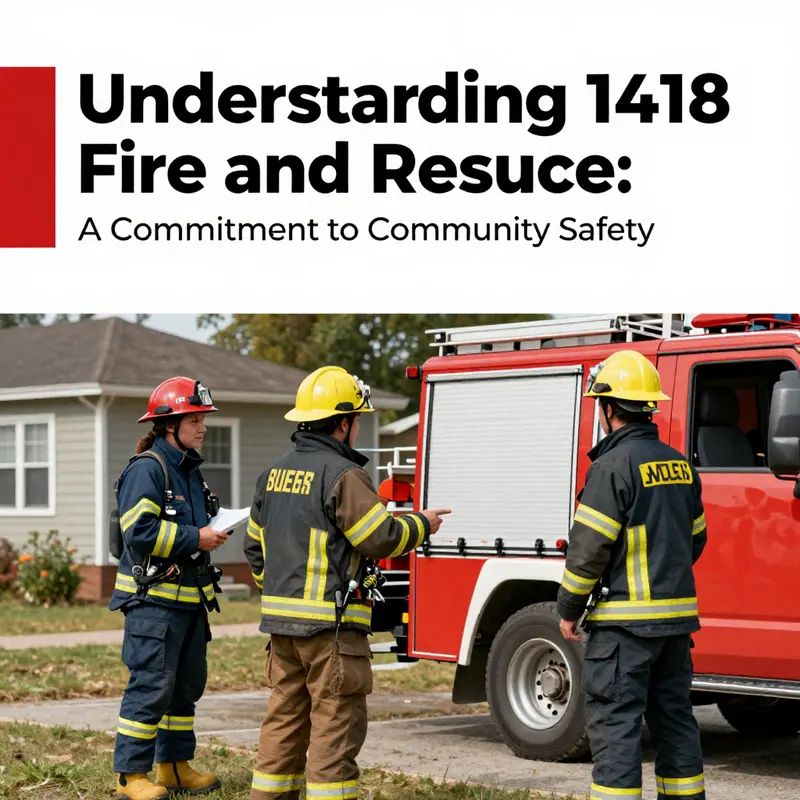
Numbers travel fast in a crowded information landscape, and they can carry a double edge. They can illuminate a real, practical program, or they can mislead when attached to a supposed institution that does not exist. The phrase 1418 Fire and Rescue has appeared in conversations about fire safety in resettlement areas, but careful examination reveals a mismatch between the name and any recognized organization. This chapter does not merely debunk a label; it uses that label to illuminate how fire safety operates in settings where displacement, temporary housing, and rapid reconstruction create a unique risk profile. If the label stands for anything concrete, it is a reminder that the real work of protecting people from fire in resettlement sites rests on a system of actions, responsibilities, and continuous learning rather than on a single, solitary agency. To understand what is truly at stake, we must look at what fire safety work in resettlement contexts actually involves and how credible sources describe the architecture of prevention, preparation, and response.
In some sources tied to recent discussions, a program is described as the 1,418 mobile fire inspections conducted by the China Fire and Rescue Corps within resettlement sites. Those inspections reportedly identified a total of 2,206 fire hazards. Taken at face value, these numbers tell a story of large-scale, proactive fieldwork designed to prevent fires before they start. They point to a core principle of fire safety in any living environment: prevention is not a one-off gesture; it is a continuous, disciplined set of activities carried out by trained teams within the communities they serve. The idea of mobile inspections underscores mobility as a strategic asset. In dynamic settings—where people might relocate or where shelters are reconfigured due to changing conditions—being able to move teams quickly, inspect sites, and verify hazard remediation becomes essential. The principle is simple: you cannot protect people if you cannot reach them where they live, work, and gather. Yet the value of the inspections lies not only in the tally of sites visited or hazards found. It lies in the chain of actions that follows detection: communicating risk clearly to residents, coordinating with local managers to mitigate hazards, and verifying that corrective steps are completed and effective.
And here another layer emerges, one that can easily be overlooked when numbers dominate the discussion. The term 1418 Fire and Rescue, as a label or banner, does not map onto a recognized organization operating within the international or national fire safety landscape. The same piece of research material that highlights the 1,418 inspections also emphasizes a crucial caveat: there is no widely acknowledged entity named 1418 Fire and Rescue. The number 1418 appears in another, unrelated context within a United Nations document—A/77/627—concerning the clearance of hazardous areas contaminated by landmines and unexploded ordnance. That document is about a different hazard matrix altogether. The juxtaposition matters. It shows how a numeric tag can travel across different humanitarian and safety domains, dragging along assumptions about institutional identity that simply do not hold up under scrutiny. In practice, this means readers should be cautious about conflating a numeric reference with a formal organization. The risk of conflation is not merely academic. It affects how communities perceive the legitimacy of safety efforts, how budgets are allocated, and how partnerships are formed with external responders. If the public misreads a number as the name of a capable, accountable entity, the risk is that trust in actual fire safety programs may be undermined or misdirected.
What, then, is the reality behind the term that circulates loosely in public discourse? The chapter’s guiding thread rests on two propositions. First, credible fire safety work in resettlement areas exists as a system of processes carried out by legitimate institutions and trained professionals. Second, the absence of a formal organization named 1418 Fire and Rescue does not diminish the importance or urgency of the work. Instead, it invites a closer look at how fire safety is organized on the ground. In the context of resettlement and temporary housing, fire risk is shaped by a constellation of factors: crowding, makeshift housing structures, electrical improvisations, cooking arrangements in shared spaces, and the variability of local governance. Any robust prevention program must account for these realities and tailor interventions accordingly. When we consider the 1,418 inspections in resettlement sites, we are witnessing a practical response to those realities. Teams can reach into housing blocks, communal kitchens, storage areas, and corridors, checking for the presence of functioning smoke detectors, clear and accessible exits, safe electrical connections, and safe storage of fuels and flammables. They can also verify the effectiveness of fire safety education given to residents and ensure evacuation drills are conducted in a manner that respects the rhythms and constraints of displaced populations.
If one accepts the premise that 1418 Fire and Rescue is not a named, existing organization, what remains compelling is the operational ethos behind the inspections. They embody a core principle of modern fire safety: prevention anchored in evidence. Data gathered through inspections are most valuable when they translate into concrete improvements in the built environment and daily practices. For example, the discovery of hazards—without elaborating on a single hazard type—needs a structured remediation path. A hazard might be a wiring pattern that overstresses a temporary circuit, a blocked escape route in a crowded dormitory, or a storage arrangement that places flammable materials near heat sources. In all these cases, the next steps involve notifying site managers, prioritizing hazards by risk, implementing immediate safeguards, and following up to confirm sustained compliance. The cycle of detection, notification, remediation, and verification is the heartbeat of fire safety work in any setting, and it is especially critical where people live under the pressures of displacement. The capacity of inspectors to communicate risk in accessible language, to coordinate with residents who may speak different languages or come from varied cultural backgrounds, and to coordinate with local authorities is what transforms raw counts of inspections and hazards into real-world safety gains.
The broader human and governance dimensions of fire safety in resettlement areas demand attention as well. The United Nations, in its broader humanitarian and peacekeeping framework, emphasizes foundational principles of fire prevention, preparedness, and response. Even if the 1418 numeral is not attributable to a specific institutional actor, the UN’s fire safety guidance offers a blueprint that translates across borders and missions. At its core, the UN document streamlines three interlocking ideas. One, establish fundamental principles for fire prevention, preparation, and response that apply to varied environments—from field offices and temporary camps to urban resettlement sites. Two, assign clear responsibility to a designated security official at each field location who is accountable for implementing and reviewing fire safety plans on an annual basis. Three, rely on external authorities and established mechanisms when necessary, recognizing that no single organization can own every facet of fire safety in complex humanitarian contexts. This framework creates a shared language for safety practice that local responders, international staff, and residents can understand and apply. It also reminds us that the legitimacy of safety efforts rests not on a catchy label but on transparent processes, verifiable results, and continuous improvement.
The absence of a recognized entity named 1418 Fire and Rescue also invites a practical strand of advice for readers who want to understand where to look for reliable information. The fire safety ecosystem operates through a network of national and regional fire protection associations, government agencies, and specialized response teams. To gain clarity, one should consult those official sources, confirm the roles and competencies of the actors involved, and verify that the reported activities align with established safety standards and local regulations. In the meantime, the record of mobile inspections in resettlement sites stands as a tangible example of how safety work is conducted in real settings. The mobile nature of inspections signifies an adaptive approach suited to the mobility and changes typical of resettlement contexts. It also implies a need for sustained funding, logistical planning, and a workforce that can be deployed across multiple sites with relatively short notice. Such infrastructure of inspection capability is a practical indicator of seriousness, even if the exact organizational name attached to the effort remains uncertain or debated.
This is a moment to reflect on the relationship between numbers, names, and accountability. Numbers like 1,418 and 2,206 can communicate scale and intensity, but without a clear institutional anchor, they risk becoming abstract symbols. When numbers are tied to a named program with recognized oversight, they become a governance instrument—one that enables budgeting, performance measurement, and public accountability. When numbers drift into the domain of labels without clear provenance, they can sow confusion and erode trust. The resilience of fire safety in resettlement areas depends on avoiding such confusion and instead building a coherent, transparent chain of responsibility that communities can observe and participate in.
From a practice perspective, what matters most in resettlement areas is not the label assigned to the activity, but the quality of the outcomes. Are hazards identified and mitigated in a timely way? Are residents informed about risks and equipped to protect themselves and their families? Are exits kept clear, floors kept dry, cooking areas designed to minimize flame exposure, and electrical wiring wired and tested to handle temporary loads? Do inspectors, local managers, and residents share a common understanding of what constitutes a safe environment and a safe distance from fire hazards? These questions guide the operational heartbeat of safety work and anchor it in the lived realities of people who need protection the most.
Crucially, the path to credible, sustained safety also runs through the channels of learning and professional development. For practitioners who seek to strengthen their credentials and deepen their competence, there are established avenues for training and certification that reinforce the fundamentals without relying on tenuous labels. A practical resource path is to pursue recognized training in fire safety essentials and related subjects, which can reinforce core competencies such as hazard recognition, risk assessment, evacuation planning, and emergency communications. For readers exploring such professional development opportunities, one relevant resource is a program described in an industry blog: fire safety essentials certification training. This resource can be accessed here: fire safety essentials certification training. It provides a concise overview of what certification entails, the kinds of knowledge that are validated, and how formal credentials support safer operations in challenging environments. The emphasis on training should not be seen as a retreat from fieldwork but as an essential complement to it. Trained professionals bring consistency, reliability, and a shared language to inspections, risk communications, and remediation efforts. In resettlement sites, where language barriers, cultural differences, and stress levels can complicate safety outreach, the ability to convey clear instructions and to implement standardized procedures is particularly valuable.
The larger narrative, then, is not about naming or branding but about alignment with credible standards and transparent practice. When the term 1418 Fire and Rescue enters public discourse, it should trigger a careful look at sources, a check against established authorities, and an appreciation for the complex, on-the-ground work that keeps people safe in resettlement contexts. It should also prompt a broader awareness of how international guidance informs local actions. The UN’s emphasis on foundational fire safety principles, the assignment of responsibility to a designated security official, and the insistence on consultation with credible national or government bodies create a scalable template. This template can guide future efforts in diverse settings—from disaster relief camps to urban neighborhoods undergoing rapid reconstruction after displacement. The essential point is that safety is a system, not a slogan, and that robust fire protection is the product of coordinated actions across multiple actors, disciplines, and communities.
In closing, the myth of a singular, named entity such as 1418 Fire and Rescue should not overshadow the real and verifiable work being done to protect people in resettlement areas. The evidence points to active field operations—like the mobile inspections in resettlement sites—that detect hazards and prompt remediation, thereby preventing fires before they happen. The bigger picture is the architecture of fire safety: preventative principles, accountable roles, collaborative processes, and continuous improvement. In the world of humanitarian and disaster response, credibility rests on transparency, on adherence to recognized standards, and on the observable outcomes of safety practices. By focusing on these pillars, communities can build resilience against fire hazards even in environments shaped by displacement and rapid change. As readers seek further information, they would be well served by consulting official national and government bodies or fire protection associations for the most current and credible guidance. For international context, the UN’s peacekeeping missions resource offers a broader lens on how fire safety protocols are integrated within complex operations that cross borders and jurisdictions: https://www.un.org/en/about-us/un-peacekeeping-missions-unmiss.
Final thoughts
The 1418 Fire and Rescue initiative exemplifies a robust commitment to community safety through diligent fire inspections in resettlement areas. By addressing fire hazards identified during inspections, fire safety agencies play a vital role in protecting vulnerable populations from potential disasters. This program not only enhances immediate safety but also fosters a culture of awareness and proactive prevention that extends beyond the inspections themselves. Communities, once armed with knowledge, can significantly reduce fire risks, contributing to overall resilience against emergencies.