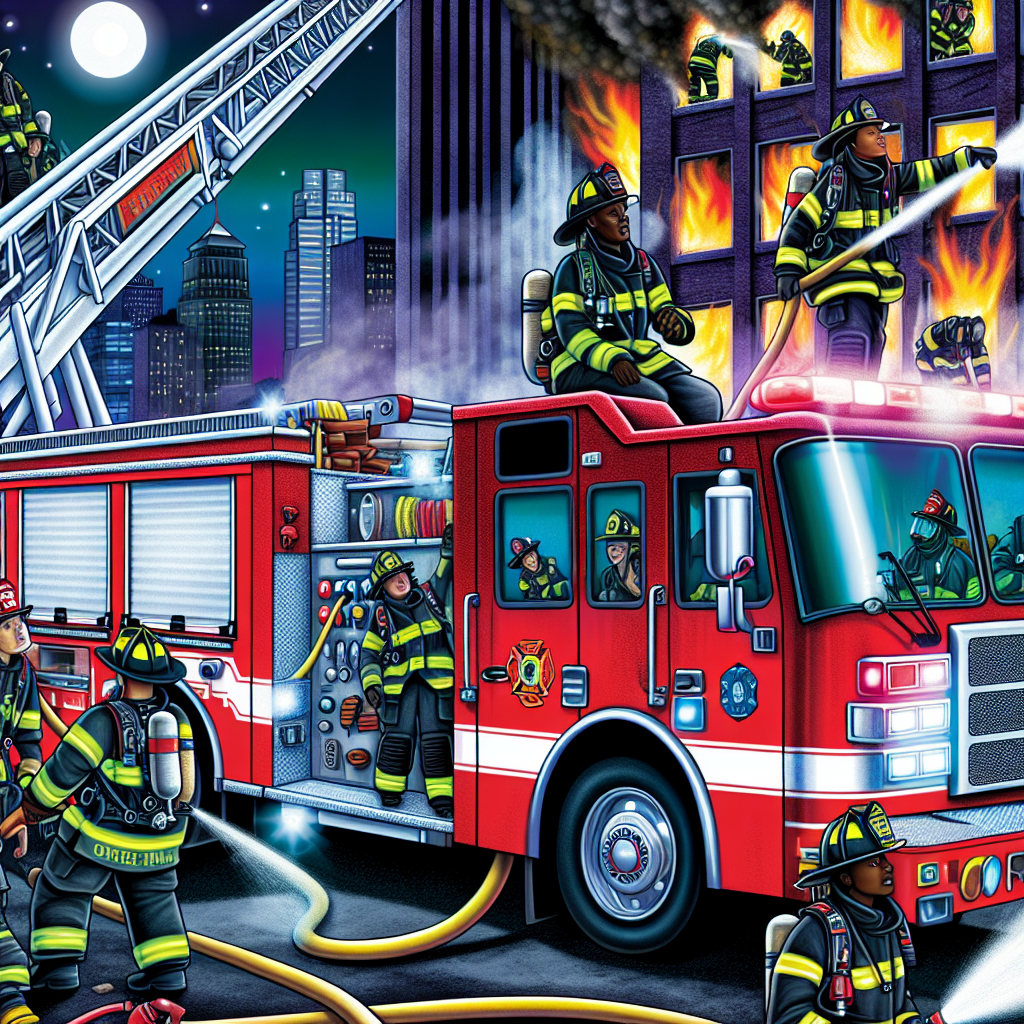
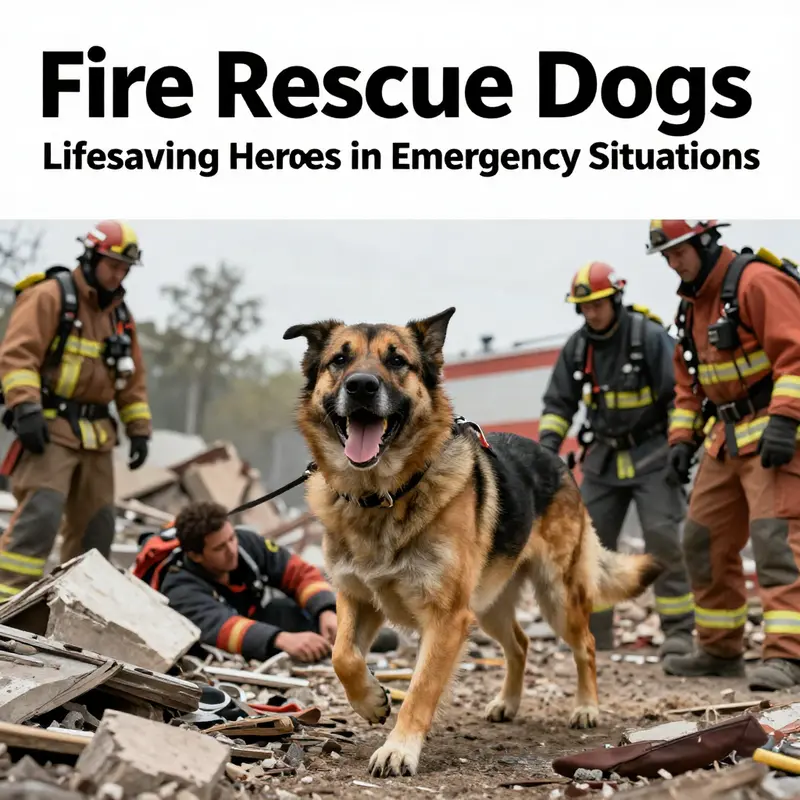
Fire rescue dogs, also known as search and rescue (SAR) dogs, play an essential role in saving lives during emergencies. Their unique abilities, honed through rigorous training, allow them to locate survivors trapped under debris, assist in hazardous environments, support large-scale search operations, provide critical information to rescuers, and perform specialized roles. This article delves into each of these vital contributions, demonstrating how fire rescue dogs serve as indispensable partners in emergency response, ultimately improving outcomes and enhancing safety for both rescuers and individuals in distress.
Scent-Signaled Rescues: How Fire Rescue Dogs Locate Survivors in Emergencies
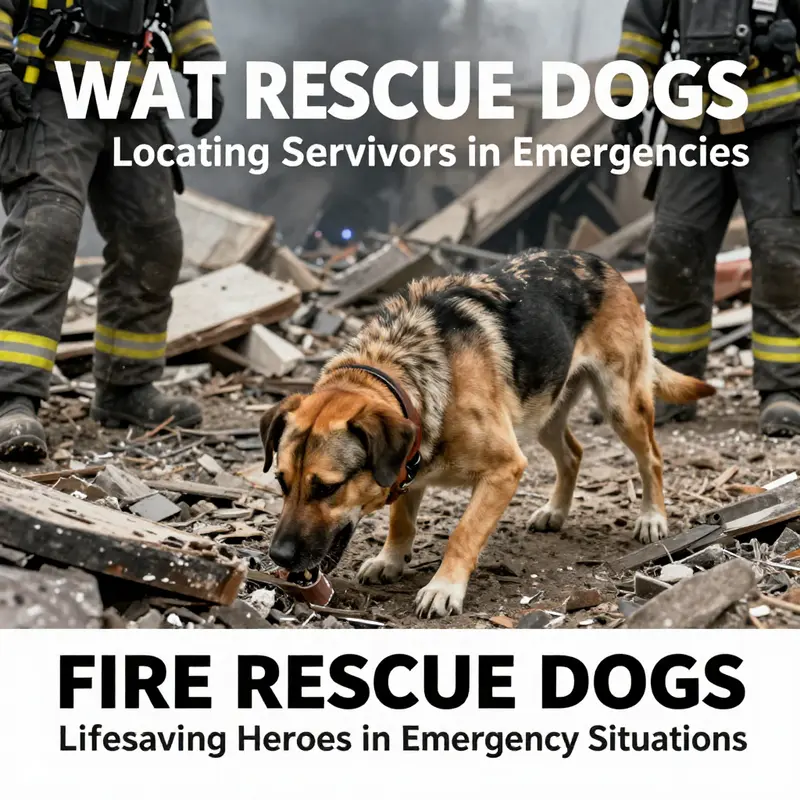
When a building trembles, a street collapses, or forest flames roar, a different kind of hero moves through the smoke and dust. Not all rescues rely solely on human legs and the echo of shouted commands; some rely on a nose that can detect a whisper of human life when others cannot hear it. Fire rescue dogs, often trained as search and rescue dogs within broader disaster response programs, bring a precision and a pace that human searchers can rarely match. Their work begins long before an emergency ever appears on a siren-filled horizon. In training, they learn to interpret a world of scent, sound, and subtle movement that humans barely notice. A dog’s nose is not simply an accent to a firefighter’s strategy; it is a primary tool, a sensory instrument that translates the chaos of a disaster into a map of possible survivors. The partnership between handler and dog is built on trust, routine, and a shared expectation that time matters, sometimes more than danger itself does. The chapter that follows threads through the science of scent, the realities of dangerous environments, and the lived experiences of teams who have watched a canine canine’s nose time after time narrow the search field to a single, hopeful moment.
From the moment a disaster strikes, the dog begins to do what humans cannot: swim through the layers of debris and dust, through heat and smoke, to follow a delicate breadcrumb trail of human scent. This scent trail is not a single, simple map but a complex mixture produced by the body’s chemistry—the unique blend that each person leaves behind as they move, breathe, and fail or succeed in fighting for air. It travels with air currents, finds its way around obstacles, and can persist long after visible signs of life have vanished. A trained fire rescue dog learns to pick up that scent, to separate it from the many other odors that surround a chaotic scene, and to maintain focus even when the environment challenges a lighter human approach. The dog’s nose does not merely detect presence; it helps the handler locate a precise point to where a person may be buried, trapped, or hidden behind a wall, beneath a pile of rubble, or within a maze of collapsed corridors. In this way, the dog translates a potentially endless search into a finite, actionable lead that can be pursued with the calm efficiency of a well-practiced team.
The best rescue dogs are trained to interpret a bright, observable set of signals from their handlers. When a dog cues a find—often by coming to pressure on the handler, alert barking, or a controlled sit—the handler marks the location and then coordinates with the broader rescue operation. A single alert becomes a beacon for unit officers, medical teams, and entry crews. It is a moment where minutes compress into seconds, and the effort of many hands hinges on the reliable accuracy of one dog’s nose and one handler’s interpretation. The training for this moment blends scent work with situational awareness. Dogs learn to search in grid patterns that optimize coverage of extensive spaces, to radiate outward from a central point, and to adjust their pace when visibility drops or sounds become confounding. All of this work happens under conditions meant to simulate the real environments they will eventually face, including low light, smoke, and surfaces that itch, sting, or burn. The discipline of training emphasizes not just finding life but preserving it, ensuring that the dog remains safe and effective as conditions shift around them.
In practice, the dog’s noses guide the operation through layers of hazard. Fire scenes present heat sources that can quickly overwhelm a human rescuer; yet dogs can often move with a steadiness that remains intact where human stamina may crack. They are deployed to identify pockets of air where a survivor could be, or to rule out zones where time has already run out. The process is not a single leap from scent to rescue; it is a choreography of movement, signals, and swift decision-making. For example, in urban searching, a dog might work alongside firefighters to locate an individual who has slipped behind a wall or wedged in a narrow gap between debris and structural elements. The dog’s ability to reduce a mass of rubble into a precise location helps the team avoid unnecessary delays in dangerous areas and instead channel energy toward extraction efforts. In forested settings or more remote disaster zones, dogs can be used to scan large swaths of terrain more quickly than human teams can on foot, threading scent trails with sound cues and visual checks to ensure no area is neglected.
The communication between dog and handler underpins every successful find. A dog’s alert—whether a bark, a bark-and-freezes moment, or a sit at a particular location—tells the handler that life may lie just beyond the next threshold. The handler’s response is a careful synthesis: confirm the signal, coordinate with teammates, and mark the precise spot so that a rescue crew can plan entry routes that minimize further risk. This is especially crucial when the search transects unstable structures. A dog’s alert can be the difference between moving forward confidently and withdrawing to safer ground. Time is a factor that takes on a different cadence in these moments. In the “golden window” concept that rescues use, minutes can mean the difference between a life saved and a life lost. A swift, accurate canine find compresses this window into a tangible step for crews to take—pull after pull, lift after lift, as the dog’s nose becomes a compass guiding the effort.
The environments in which fire rescue dogs operate demand a level of adaptability that goes beyond typical obedience training. In burning buildings, dogs contend with heat shimmer, rapidly changing air currents, and the scent of burned materials that can disguise human odor. Their training includes exposure to simulated fire conditions and deliberate practice with equipment that might be a match for what they will encounter in actual incidents. In rubble, the surfaces beneath may hold no stable footing, and stability is a constant concern for both dog and handler. The dog’s body must be resilient against fatigue, and the handler must maintain control in the face of exhausting scenarios where the risk of collapse and secondary hazards is ongoing. The dogs’ paws are robust, their coats shielded by protective gear, and their mental conditioning—focused, calm, and persistent—keeps them from becoming overwhelmed by noise, flashing lights, or the sense of urgency in a fire scene. These factors—physical resilience, sensory prowess, and mental stamina—are the core pillars that enable rescue dogs to reach the most challenging search areas where human searchers would struggle to get a foothold.
Beyond the immediate act of finding a person, fire rescue dogs contribute to the broader hazard assessment that saves lives. When a dog indicates a likely location, teams can prioritize entry points, re-evaluate structural integrity in the moment, and allocate resources more efficiently. In some operations, dogs are trained to perform specialized tasks that extend their utility beyond locating living victims. They may be taught to detect hazardous materials, which helps prevent additional exposure for rescue crews, or to identify signs of toxic substances in a collapsed space. Other dogs are taught to guide evacuees toward safety, gently escorting people away from danger and clearing paths for the arrival of larger equipment like fire trucks and heavy rescue gear. Stories of dogs who have helped clear streets for fire engines, or who pressed forward to guide someone to safety through a smoky corridor, illustrate how the canine partners fuse practical skill with emotional resonance. The image of a dog standing steady while smoke swirls around them often becomes a powerful symbol of hope amid chaos.
The practical consequences of a successful canine search extend well after a rescue is completed. The dog’s health and well-being are monitored to ensure long-term effectiveness in future missions. High-volume operations can leave a dog with temporary nasal congestion, sensitive airways, or fatigue that requires careful care and decontamination. Care routines include regular rest, hydration, and cleaning to protect the animal’s scenting abilities for the next call. The human teams that work with dogs also learn from each mission: debriefs, adjustments to search patterns, and ongoing training to incorporate new techniques or adapt to changing environments. This continuous learning framework helps ensure that the partnership between handler and canine remains dynamic, resilient, and ready for the next challenge.
In a broader sense, the work of fire rescue dogs embodies a synthesis of art and science. The art lies in the dog’s instinct, trust, and drive—the almost inexhaustible sense of purpose that can turn fear and confusion into direction and momentum. The science lies in the structured training, the careful management of scent cues, the precise signaling between dog and handler, and the strategic planning that considers the physics of fire and debris. When observers witness a dog cross a smoky room with unerring focus, they glimpse not only a remarkable animal but a living interface between the natural world and human-made danger. This interface is a testament to how training, teamwork, and compassion intersect, enabling firefighters to respond more quickly, efficiently, and safely when lives hang in the balance. The work is not glamorous in the conventional sense, but it is profoundly consequential, turning the animal’s extraordinary senses into a tool for saving human lives.
To ground this narrative in real-world context, consider how multiple dogs can work together in large-scale emergencies. In many operations, a team of dogs and handlers forms a network that spans urban centers, rural zones, and wilderness terrains. The dogs’ coordinated efforts—each following a set of pathing rules and signaling cues—enable a comprehensive sweep of a disaster site. This grid-like or radiating search pattern allows teams to cover thousands of square meters quickly and with a high degree of confidence. Reports from across the world document drills and real incidents where canine teams located victims who otherwise might have been missed or discovered too late. The consistent thread across these scenarios is the dog’s ability to sense life where it cannot be seen, to provide a precise location to the rescuers, and to help preserve both human life and the safety of the responders. The partnership between canine and human teammates has become a cornerstone of modern emergency response, recognized by agencies and communities that rely on these loyal, capable partners in the most trying moments.
For readers curious about the human dimensions of this work, research and reportage emphasize how the human-canine dyad builds trust under pressure. A handler bears responsibility for maintaining the dog’s welfare, guiding the animal through dangerous spaces, and translating a dog’s signals into actionable operations. The dog, for its part, relies on consistent rules, predictable routines, and the security of a relationship in which it feels supported by the person guiding them. When that trust is in place, the dog can operate at the edge of risk, moving from one debris pile to the next with a clarity of purpose that comes from countless hours of practice and a shared mission.
Ultimately, the story of fire rescue dogs is a story of possibility within peril. It is a reminder that life often clings to the margins of danger, and that the right partnership can pull a life back from the brink with grace, speed, and quiet bravery. The work remains iterative and evolving, as teams refine their approaches to scent, signal, and safety, and as communities recognize the depth of value that these canine partners bring to emergency response. The next time a firefighting ensemble prepares for a dangerous entry, the conversation might begin with a dog’s nose, a handler’s trust, and a shared, relentless hope that a single alert can turn a moment of peril into a life saved. For those who wish to explore this topic further within the broader ecosystem of fire safety and rescue culture, resources and training discussions offer a gateway to understanding the full arc of canine contribution—from scent work to life-saving action—and the ongoing commitment to protecting both the people we seek to save and the dogs who save them.
In short, fire rescue dogs do more than track odors; they translate the language of life into actionable intelligence on the ground. Their work reshapes the way rescue operations unfold, turning uncertainty into clarity, peril into plan, and fear into a route to safety. It is a collaboration built on discipline, devotion, and a shared purpose that continues to evolve with every deployment and every training session. The domain of rescue, in essence, is not just about where we search for life; it is about how we choose to search, with a partner who can smell hope amid the smoke and lead the way to someone who needs it most. Fire Safety Essentials Certification Training offers a window into how human teams prepare for the kinds of challenges that canine partners meet with such poise, illustrating how human and dog training intersect to create a robust, life-saving capability.
External resource: https://www.nbcnews.com/news/us-news/fire-dogs-rescue-heroes-who-save-lives-paw-123456789
null
null
Tracking Hope: How Fire Rescue Dogs Drive Effective Search Operations Across Disasters
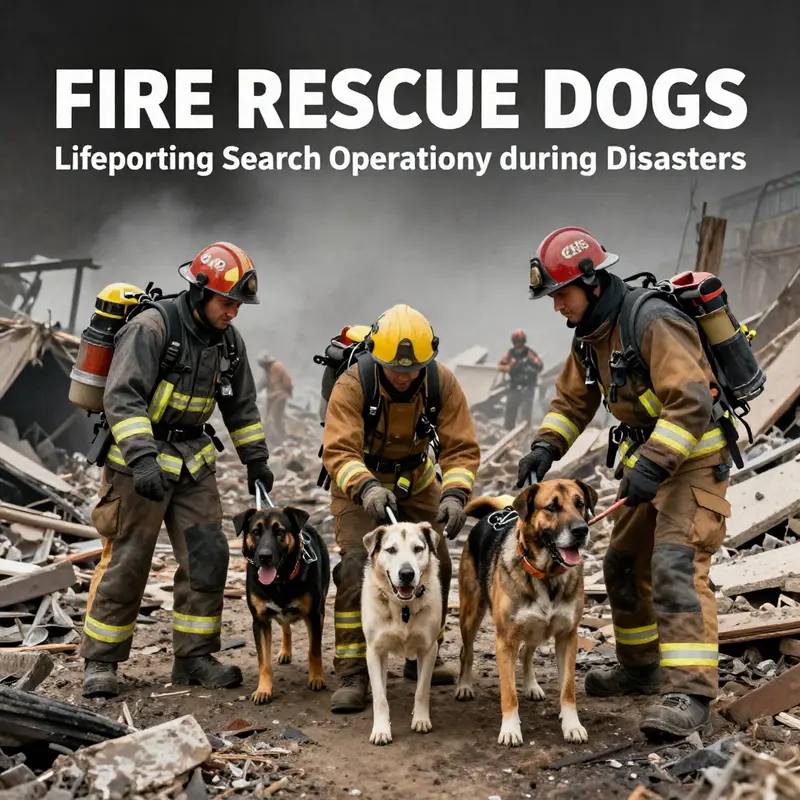
When a disaster unfurls in smoke and ruin, the first responders arrive with gear and courage, but it is the fire rescue dog that often penetrates the quiet chaos first. These highly trained canines, known in many circles as search and rescue dogs, move through debris, ash, and shattered structures with a precision that human search teams can hardly match. Their work is not a spectacle or a luxury; it is a purposeful sequence of tasks that, when performed well, translates into minutes saved and lives recovered. In the aftermath of earthquakes, building collapses, wildfires, and avalanches, the dog and handler become a single, integrated unit. The dog’s nose does the heavy lifting, guiding the team to pockets of living human scent hidden beneath rubble or snow. The handler translates that scent into a navigable path, and command structures on the ground help coordinate efforts across a scene that can overwhelm even seasoned responders. The result is a cascade of lifesaving actions that show how canine partners extend human reach into places that would otherwise remain inaccessible, leaving responders to focus on a careful, methodical rescue once the canine signals a likely location.
The essence of their contribution rests on detection capabilities. A SAR dog’s sense of smell is extraordinarily acute, capable of distinguishing human scent amid the most challenging conditions: dense smoke, dust, or the tangled remains of a collapsed structure. This talent is not limited to identifying living victims; it can be trained to locate human remains as well when necessary, aiding recovery operations with dignity and precision. The difference a dog makes is often measured in minutes; when a victim is buried under debris or snow, those minutes can determine survival. The dog signals a potential find through a repertoire of behaviors that a trained handler reads with experience: a change in pace, attention to a particular area, or a focused alert at a specific point in the rubble. The handler then verifies the signal, marks the location, and relays the information to the command center. The moment of signal is more than a cue; it is a bridge from possibility to action, a cue that a trapped person may still respond to aid and thus must be prioritized in the chaotic cycle of a rescue.
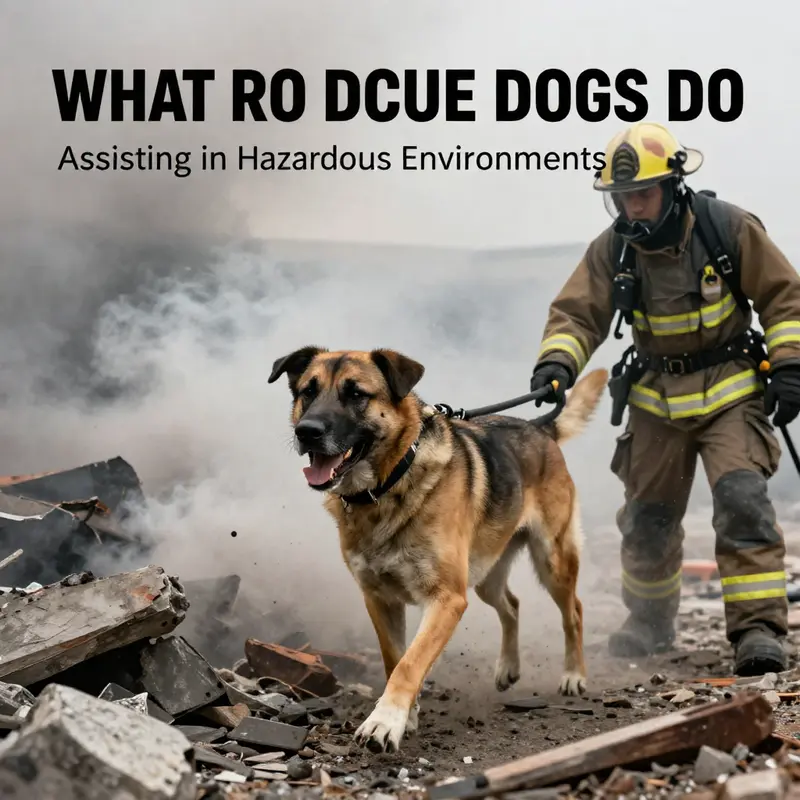
Beyond scent work, these dogs are trained to navigate hazardous environments that would deter or harm human rescuers. They can operate in high temperatures, poor visibility, and unstable terrain, from the soot-darkened interiors of burning buildings to the unpredictable spoil of collapsed facades. Their presence in the most dangerous stages of a rescue operation serves a dual purpose: they identify survivors and they reduce the risk to human teams by pre-emptively locating safest avenues of approach. When a dog enters a scene first, firefighters and paramedics gain critical situational awareness. They know where to focus their efforts and where to stage equipment, which can conserve energy and prevent further collapse or injury during the extraction process. This dynamic is not simply about speed; it is about strategic engagement with danger, allowing human responders to choreograph a safer, more effective sequence of actions.
In large-scale emergencies, SAR dogs often operate as part of a coordinated team whose tactics resemble a carefully choreographed grid or radiating search pattern. The goal is to maximize coverage while maintaining a manageable flow of information from the field to incident command. In practice, this means teams fan out across a site, each dog following a scent cone toward a likely area of survivor presence. The dogs do not act in isolation; their signals are integrated with drone surveys, thermal imaging when appropriate, and ground-penetrating tools. The handler translates canine cues into practical directions for the rest of the team, guiding search lines, entry points, and ventilation strategies that can dramatically alter the likelihood of a successful rescue. Reports from training drills in diverse environments, including simulated collapsed buildings and remote forested areas, demonstrate that this approach scales effectively from urban centers to wildland settings, confirming that the canine contribution is adaptable and robust across contexts.
The role of a SAR dog extends into the interpretation of emotional and psychological cues as well. The presence of a dog can calm frightened survivors, particularly children, and provide a sense of safety for people who have just endured traumatic exposure. This emotionalbridge is not incidental; it helps steady the nerves of those who have been exposed to danger and can assist with cooperation during extraction. In high-stakes environments, where every moment is measured in heartbeats, the dog’s calm energy—coupled with the handler’s professional demeanor—creates a softer, more navigable path through fear and confusion. Such effects may seem intangible, but they are a meaningful part of the rescue equation because they influence how quickly and effectively a person can respond to directions and stay oriented under stress.
Training for these roles is rigorous and multifaceted. Modern SAR programs span a long arc of development, typically between 1.5 and 3 years, and include repeated, varied simulations that mimic disaster conditions. Trainees confront smoky rooms, unstable debris piles, weather extremes, and both urban and wilderness terrains. This breadth ensures that dogs become dependable in a wide range of situations, from tight urban canyons to open, rugged forests. The standards governing this training emphasize consistency, reliability, and the ability to function even when human partners face fatigue or fear. A key component is the equal emphasis on the dog’s welfare and mental readiness. Handling teams schedule regular rest and veterinary checks, recognizing that a dog’s stamina and nose health are essential to sustaining long missions.
The relationship between dog and handler is built on trust, routine, and shared experience. Handlers learn to read subtle signals—where a dog chooses to pause, where a nose tilts toward a debris pile, or when a dog hesitates and then resumes with renewed focus. This partnership is a living system in which the handler translates sensory data into a plan, and the dog provides a compass for the team’s actions. The synergy extends beyond the technical realm; it also communicates confidence to people on the scene. When a survivor hears the certainty in a dog’s alert and sees the dog moving with deliberate purpose, fear can be tempered, and hope can endure long enough for responders to complete a careful, methodical extraction.
Historical impact offers a compelling lens on these capabilities. Research and field notes suggest a consistent thread: dogs strengthen disaster response by bridging the gaps between hope and information. In large-scale emergencies, the presence of SAR dogs correlates with more efficient searches and, in many cases, with survivors being found in conditions that would have otherwise overwhelmed responders. Reports from significant past events reveal how a dedicated canine cadre can remain a steady, reliable force even as buildings crumble and time compresses. The broader implication is clear: canine partners magnify human capacity, allowing responders to extend their reach into dangerous zones without disproportionate risk to themselves. This pairing—nerves of steel and a sense of smell millions of times sharper than humans—constitutes a durable, resilient approach to life-saving work.
Alongside detection and navigation, SAR dogs are increasingly deployed in expanded roles that support the mission in further dimensions. Some dogs are trained to detect hazardous materials or explosives, safeguarding responders from secondary hazards. In some instances, canines guide evacuees to safety, helping to clear paths for emergency vehicles or to locate safe staging areas. A well-known example from public accounts tells of a dog named Duoduo who helped clear streets for fire trucks, demonstrating how canine partners can influence not only inside a building but the broader flow of a disaster response. These expanded roles reflect a continuous evolution in training, driven by lessons from real incidents and drills and by a growing recognition that canine skills can complement technical equipment and human judgment.
Post-rescue care for these dogs is also a vital piece of the system. Their noses, their most valuable assets, can become blocked or strained by dust and debris during operations. Consequently, responders implement routine cleaning and veterinary oversight to maintain peak detection capability. The welfare of the working dog is not an afterthought but a core element of mission readiness. When dogs are healthy and rested, their performance remains consistent across multiple deployments, which is essential during prolonged disaster responses that demand sustained attention and energy from both humans and animals alike.
A broader, global perspective reinforces how the SAR dog program has become a standard of practice in many regions. The 2026 study focusing on Serbia, Croatia, and Slovenia underscores that the dogs’ effectiveness hinges on standardized training, seamless coordination among teams, and sufficient resourcing. In other words, the strength of the canine-human unit rests not only in the dog’s nose but in the ecosystem that supports training, deployment, and welfare. The synthesis of these factors points to a coherent model of disaster response in which canine teams are embedded within a well-resourced, well-trained emergency framework. In the United States and beyond, official sources and professional literature alike emphasize that these dogs are not optional extras but essential members of the emergency response family.
Through all these dimensions, the core narrative remains consistent: fire rescue dogs extend the reach of human responders, enabling faster detection, safer entry, and more informed decisions in the chaos of disaster. The scent-guided path they offer is a compass that leads teams toward survivors who might otherwise be missed in the rubble. The professional discipline, the emotional steadiness, and the intimate collaboration with handlers all contribute to outcomes that can mean the difference between a successful rescue and a lost opportunity. This cohesive teamwork—nose, judgment, training, and trust—embodies the practical reality of what these dogs do when disaster strikes. For readers seeking a deeper understanding of how canine heroes fit into the broader landscape of fire safety and rescue readiness, engaging with formal training resources and ongoing research is indispensable, as it helps ensure that the lessons learned on the ground are translated into policies and programs that benefit communities over time. In that sense, the work of fire rescue dogs is both a technical craft and a humane commitment to preserving life in the face of overwhelming danger.
Internal link note: the dedication to structured preparation echoed in SAR training resonates with foundational fire safety education. For those exploring how training shapes the readiness of all responders, the Fire Safety Essentials Certification Training resource offers a companion perspective on disciplined preparation and ongoing professional development. Fire Safety Essentials Certification Training
External resource for further reading: for a broader look at how dogs support life-saving missions across disasters, see the DVM360 article on search dogs providing lifelines during disasters. https://www.dvm360.com/animal-health/search-dogs-provide-a-lifeline-during-disasters
Scent Signals on the Front Line: How Fire Rescue Dogs Deliver Critical Information When Time Matters
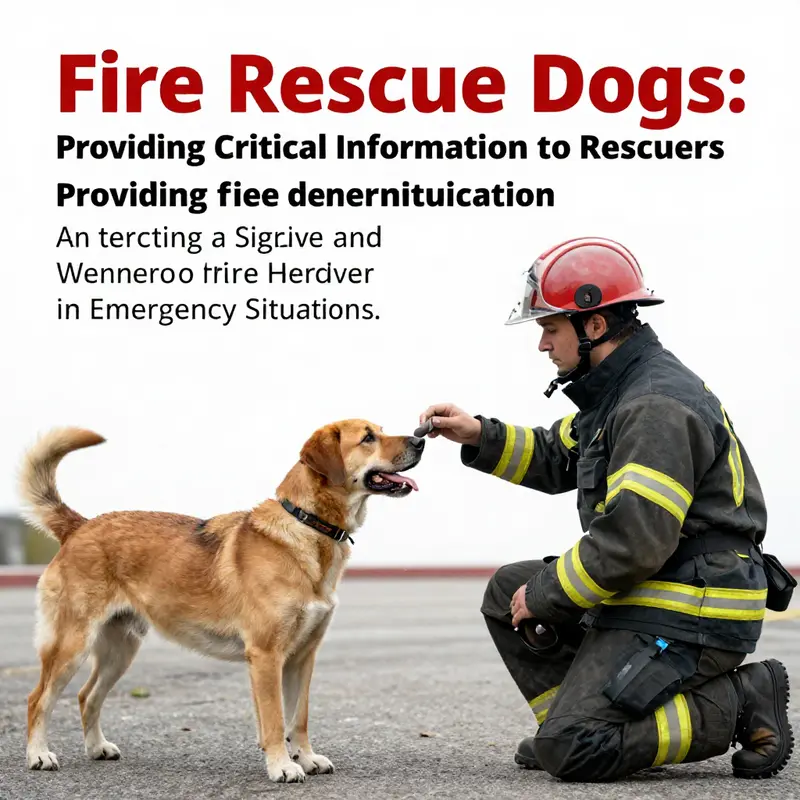
In the chaotic wake of a fire, when smoke roils like a slow storm and heat folds the air, a partner moves with a calm precision that seems almost otherworldly. Fire rescue dogs are not decorative symbols of rescue operations; they are integral, live sensors whose noses map the routes to safety long before human eyes can glimpse the danger ahead. Their work begins with trust between dog and handler, a discipline born of long days of training and countless drills. They glide through heat and ash, through rubble and wind, guided by instinct that has been carefully tempered by instruction. The outcome of every mission hinges on the information these dogs relay in real time: not a guess, but a signal that directs teams toward living targets or toward the safest paths in and out of a collapsing structure. In this constant exchange, the dog’s role becomes a bridge—between what a human can safely endure and what a survivor needs now, in the narrow window when chances of rescue are highest.
What makes that bridge possible is the dog’s extraordinary sense of smell, sharpened far beyond ordinary life. A canine nose can detect human scent amid smoke, dust, and the pervasive din of a rescue scene. The scent molecules released by breath, sweat, or skin cells disperse through air, seep into cracks, cling to surfaces, and ride on gusts that shift with every movement. For the dog, this is a living map. It is not simply about following a trail; it is about recognizing a signature—an intimate, personal scent that remains identifiable even when the world around is unrecognizable. The handler translates this raw signal into concrete action: moving the dog along a route, reading the dog’s posture and vocal cues, and then marking a precise location where a survivor likely lies. The chain of communication is short and efficient, an algorithm of sight, sound, and scent that becomes the team’s earliest medical and tactical alert.
Beyond locating survivors, rescue dogs enter decisions that matter under extreme conditions. In a burning building or a collapsed warehouse, time folds and space shifts; visibility may vanish, and heat can melt the line between object and hazard. The dog’s presence reduces the exposure risk for human rescuers by leading them to life signs and, in effect, confirming whether a path is worth pursuing. This is why teams often deploy dogs before firefighters enter a compromised zone. The dog’s behavior—an alert, such as a bark, a sit, a pawing gesture, or a direction cue—provides an immediate signal to the handler. The handler then verifies the find, marks the location, and communicates it to command. The quick relay of this information can determine whether a trapped person receives aid within the critical golden hour, a span in which seconds become lives regained or lost.
The specialized searches these dogs perform come in several forms. A grid search across a plaza after a forest fire or a building collapse maximizes area coverage, while a radiating search tightens focus from the center outward to detect faint scents that could indicate a survivor. In both urban and wilderness settings, the dog’s sensory edge allows teams to prioritize where to allocate human resources and how to coordinate entry and extraction routes. These are not abstract techniques but practiced methods that emerge from years of joint work between dog and handler. Real-life drills conducted by diverse rescue organizations have demonstrated the dogs’ ability to locate victims in simulated collapses and in remote terrains such as forests or rugged mountains. The science behind the craft relies on the dog’s ability to separate a human odor from the omnipresent odors of the environment, and then to maintain concentration in environments that would overwhelm an untrained detector. This concentration, in turn, is reinforced by the handler’s guidance and the continuous evaluation of the mission’s tactical plan.
In addition to their primary task of locating living people, fire rescue dogs can contribute to the broader investigative arc of a scene. While their core mission is rescue, some dogs are trained to detect specific scents that intersect with forensic inquiries. This capability is not a substitute for formal evidence collection, but it can help forensic teams narrow down potential sources or links between an item found at a site and a suspect’s recent odors. The practical upshot is that a dog’s scent observations can provide a probabilistic signal, guiding investigators toward areas worth closer examination and helping to reconstruct the sequence of events in the aftermath of a disaster. This aspect of canine work underscores the multi-layered value of trained dogs: they support immediate life-saving actions while also offering ancillary insights that may assist longer-term investigations.
The operational environment for fire rescue dogs is deliberately punishing, and their training reflects that reality. Dogs learn to tolerate, and to some extent ignore, the hazards of smoke, heat, and unstable debris—conditions that would hinder a human worker. Their noses, while powerful, are also sensitive; continuity of detection requires ongoing care, such as careful cleaning to prevent odor blocking from dust or mud. The care extends to the dog’s health, as handlers monitor stamina, hydration, and recovery between deployments. In practice, this means regular rest periods, veterinary check-ins, and adaptations to gear that safeguard the dog’s comfort without compromising detection. The goal is to preserve the dog’s diagnostic edge across repeated missions, ensuring that a single operation does not diminish future readiness.
Operational success also relies on the human element—the handler’s ability to interpret signals, manage risk, and coordinate with other teams on the ground. The relationship between handler and dog is a tight feedback loop in which training, experience, and trust are constantly exchanged. A well-coordinated team can translate a subtle canine movement into a precise action plan that minimizes risk while maximizing the chance of rescue. In this sense, the dog does not replace human skill but augments it, feeding back actionable intelligence that sharpens judgment during a volatile period. This cooperative dynamic is visible in the field, where a dog may lead the way into a smoke-filled corridor, pausing at a threshold to signal a potential life sign. The handler notes the location, updates the command post, and the search strategy adjusts in minutes, not hours.
As the search evolves toward extraction, the dog’s role can shift from locating to guiding and assisting. In some communities, these dogs are trained to guide evacuees toward safety or to create open lanes for emergency vehicles. Their instincts and training thus extend beyond the moment of rescue to ongoing risk management and scene safety. In rural or forested landscapes, where mobile lines of communication may be stretched, a dog’s signal can unify disparate teams and maintain a coherent, shared situational picture. This continuity is critical for maintaining momentum—whether the objective is to reach a survivor, to clear a corridor for medical teams, or to ensure that a rescue path remains viable as the scene evolves.
The narrative of canine rescue work also carries the human element of gratitude and accountability. Communities recognize these dogs as essential members of the emergency response ensemble, a recognition that translates into support for rigorous training, humane care, and public awareness. The work is strenuous, emotionally demanding, and physically taxing for the animals, but it is playfully balanced by the joy of a successful rescue and the knowledge that the dog’s senses have helped save a life. For handlers, the reward is not merely the accolade of a saved person but the confidence that their training has created a reliable, repeatable method of reaching someone who might otherwise remain hidden. The chain of trust—from trainer to dog, from dog to handler, and from handler to command—is reinforced through every mission, and it is this chain that sustains the operation even in the most trying circumstances.
The impact of fire rescue dogs on overall incident outcomes becomes most evident when we consider the tempo of response and the clarity of the information they provide. Real-time alerts shorten search times, prioritize areas of highest probability, and reduce exposure for human rescuers. In the field, this translates to faster triage, quicker medical attention for survivors, and, crucially, a more strategic use of limited resources. The dogs’ capacity to convert complexity on a chaotic scene into a single, actionable cue makes them not only officers of search but also translators of risk—a linguistic bridge that turns a volatile environment into a navigable set of choices. For those seeking a broader perspective on how canine work intersects with safety certification and ongoing professional development, training resources such as Fire Safety Essentials Certification Training offer a roadmap for staying aligned with best practices in fire-rescue care and canine welfare.
For readers curious about the wider public and media portrayal of fire rescue dogs, coverage has highlighted their role as trusted partners rather than mere props. Public storytelling reinforces the belief that canine teams deserve sustained support and visibility. It also invites ongoing research into odor science, welfare standards, and the evolving tactics of urban search and rescue. The BBC has documented aspects of canine rescue work, illustrating how these dogs operate in real-world scenarios and how their contributions fit into larger emergency response systems. This external perspective helps frame the dog’s work as part of a robust, adaptable approach to disaster response. https://www.bbc.com/news/world-europe-37918245
In moments of reflection, it becomes clear that fire rescue dogs do more than locate a body or a breath; they carry a form of localized intelligence that humans alone cannot generate under pressure. Their noses map still-air pockets of life, their signals cue decisive action, and their presence steadies teams as they move through uncertainty. The result is a rescue operation that feels both intimate and efficient: a handful of trained dogs and their handlers, working with millions of tiny cues—the rustle of dust, the faintest bite of scent, the soft landing of a paw on debris—that together rewrite the physics of time in a crisis. As we look toward the future of emergency response, the ongoing partnership between dogs and handlers will likely grow more precise, more humane, and more capable of bending the arc of a disaster toward life.
Finally, the well-being of these remarkable dogs remains a central concern. The best outcomes arise when care routines match the intensity of work. Regular health checks, tailored rest periods, and careful, odor-conscious cleaning practices help keep the dogs sharp for their next mission. Training never ends; it evolves with new scenarios, new environments, and new lessons learned from each deployment. In that sense, fire rescue dogs are not only trained to search; they are trained to endure, to stay focused under duress, and to maintain a partnership built on trust with the people who rely on them most. For handlers seeking to deepen this bond, ongoing education can explore aspects of safety, canine welfare, and communication that reinforce the effectiveness of the team. To learn more about essential safety training and certification, you can explore resources dedicated to fire safety fundamentals through this program: Fire Safety Essentials Certification Training.
This chapter has traced the throughline of what fire rescue dogs do, how they do it, and why their role remains indispensable in emergencies. They are not merely tools of rescue but co-pilots in the navigation of danger, translating scent into strategy and breath into hope. Their work embodies a precise blend of science, training, and unwavering trust—an embodiment of how humans can work with animals to protect life in the most challenging conditions.
What Do Fire Rescue Dogs Do: Specialized Roles Beyond Basic Rescue
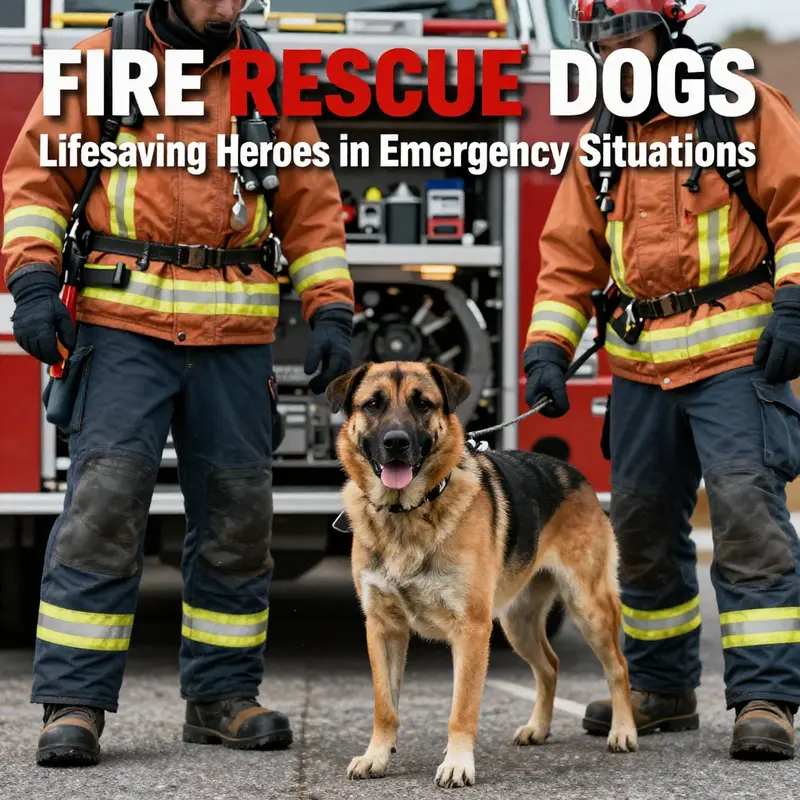
When we picture a fire scene, the flames crackle, the air tastes of smoke, and the urgency of rescue hums around responders. Beside the human teams, a different partner moves with quiet confidence: the fire rescue dog. These dogs are trained to perform a spectrum of interlocking roles that expand the reach of a rescue operation and reduce risk for everyone involved. Their work unfolds in a rhythm that blends scent, sound, and human cues, transforming traces of life into tangible leads. In many operations, their value is measured not only by the moment they locate a survivor but by how they open pathways through danger and guide the broader team toward safety and efficiency.\n\nAdvanced search in extreme conditions is the core of their daily craft. Rescue dogs must navigate environments that would deter even the bravest human rescuer. In collapsed buildings, rubble piles, or debris fields that threaten further collapse, these dogs squeeze through narrow gaps, traverse unstable floors, and weave around jagged remnants with a balance that seems almost instinctive. Their agility allows them to reach places where gravity itself seems to betray, and their noses, honed through repetitive, high-stakes practice, can pick up human scent trapped beneath dust, mud, or broken concrete. The moments when a dog disappears from sight are balanced by the certainty that somewhere nearby is the sign of life, a faint rustle, a breath, or a movement felt more than seen. The dog’s persistence in these perilous nooks often makes the difference between a long, uncertain search and a focused, hopeful chase toward a survivor.\n\nDetecting specific traces and hazards expands their role beyond locating people. Trained dogs can follow human scent trails that may lead to a buried child or an injured adult hours after a disaster begins. In addition, some teams train dogs to sense the presence of hazards—hazardous materials or potential secondary dangers that could imperil rescue workers after lives are found. The dog’s nose becomes a warning system, shortening exposure time for human responders and shaping the sequence of operations. This dual capacity—to locate and to alert—means handlers rely on a dog’s nose as a compass through otherwise opaque conditions. When a dog signals a possible location, the handler verifies the find, marks the zone, and communicates the lead up the chain of command so responders can act swiftly and with precision.\n\nThe performance under duress is a defining trait. Fire rescue dogs confront heat, toxic fumes, mud, and debris that would tax any single human. Their work is strenuous and emotionally demanding; the concentration required to distinguish a subtle scent cue from chaos around them is prodigious. Reports from field operations describe mud blocking their noses, a simple, stubborn obstacle that can degrade scent perception. In some major disasters, handlers report needing to clean mud from noses every ten to twenty minutes to maintain detection accuracy. Yet even when blocked, the dogs adjust, using lingering cues in the environment—the dampness on a floor, the rhythm of a breathing pattern, a micro-drift in scent carried by air currents—to steer toward life. This resilience speaks to the intensive conditioning and the deep bond between dog and handler, a bond built on trust, practice, and the shared purpose of saving lives.\n\nInternational disaster response further demonstrates their versatility. Fire rescue dogs are not restricted by borders; they are deployed where needed, crossing geographic and climate barriers to assist in large-scale emergencies. A notable example has been documented when Chinese fire rescue dogs were sent to support relief efforts in a neighboring region after a severe disaster. Working in high heat and dusty, challenging conditions, they contributed critical searches that helped locate survivors and map danger zones for foreign responders as well. The global reach of these dogs underscores a universal truth: the training, discipline, and intuition of a well-prepared rescue dog can be deployed across contexts and terrains, from urban cores to rural expanses, and from warmth to harsh dryness.\n\nThe most compelling demonstrations of their impact come from moments when timing becomes an unsung but decisive factor. In one recorded case, a dog named Hai Tao—translated as Sea Wave—began a careful crawl through tilted, debris-strewn ruins of a shattered school. Despite injuries to his claws from rebar and the treacherous terrain, Hai Tao located two surviving students, delivering a signal that redirected human teams to a life-sustaining window of opportunity. In another instance, Jin Diao—translated as Golden Eagle—continued the search even after his paws bled, his stamina carrying him toward a cluster of signs that revealed ten lives were still at risk and needed rapid extraction. These narratives are not mere anecdotes; they are testament to specialized training, unwavering focus, and the dog’s willingness to endure hardship for a cause beyond themselves. They reveal a partnership where human strategy meets canine perception, and together they push the boundary of what rescue missions can accomplish.\n\nPost-rescue care and continuity of mission are essential facets of a dog’s role that often go unseen by the public. After the dramatic moment of locating survivors, the dogs shift from active search into a supportive, protective mode. Their health and welfare require meticulous attention: ongoing monitoring, hydration, rest, and careful cleaning to restore their noses’ sensitivity. Dust, mud, and irritants can dampen a dog’s olfactory brilliance, so handlers—and the teams behind them—prioritize routines that preserve the dog’s long-term detection ability. This practical stewardship is part of a broader ethic that regards the dog not as a one-off tool but as a lasting member of the rescue family, whose well-being is equal to the success of the operation. The steady rhythm of care, rest, and continued training ensures that even after a rescue, the partnership remains ready for the next call.\n\nTo understand how these specialized roles come together in real scenarios, consider the way a dog signals a find. The classic signals—an alert such as barking, sitting, or returning to a chosen location—are not mechanical cues. They are the result of intense training that teaches the dog to respond in a consistent, interpretable way. The handler then calibrates the team’s response: a rapid verification, a precise marking of the location, and a clear relay to command and other responders. The efficiency of this communication can determine how quickly paramedics reach a survivor, how early a ventilation team can arrive, or how effectively a fire line can be established to minimize further risk. In the field, the dog’s signal triggers a cascade of coordinated actions, and the people who follow those cues carry forward a plan designed to maximize life-saving potential while minimizing harm to those already found.\n\nThis chapter would be incomplete without recognizing the broader ecosystem that sustains such work. The animal-handler relationship is the core engine of success. It rests on rigorous training that blends scent work, obedience, stress inoculation, and problem-solving under pressure. It rests on the handler’s ability to read subtle changes in a dog’s body language and temper—a silent conversation that guides a mission as much as any radio call or map. It rests on ongoing care: regular veterinary checks, nose treatments to prevent infections, and a schedule that respects the animal’s need for rest after demanding deployments. It rests, finally, on the cultural and professional respect accorded to these dogs within the emergency services world. Their presence embodies a principle as old as rescue itself: that life is often preserved when humans listen—closely and humbly—to the signals offered by another species whose senses are tuned to what we cannot see.\n\nThe practical takeaway for readers who want to appreciate the scope of these dogs’ work is that their value extends far past their initial success in detecting a survivor. They expand the boundaries of where responders can search, reduce the exposure time of humans to dangerous environments, and provide the emotional and logistical lift that keeps large crews moving under pressure. The stories of Hai Tao and Jin Diao are striking not only for what they achieved, but for what they stand for: extraordinary dedication, rigorous training, and the intimate synergy that arises when a handler and a dog share a mission. The dogs’ specialized roles—ranging from navigating collapsing structures to detecting traces and hazards, to maintaining peak performance under harsh conditions—illustrate a holistic approach to disaster response. They remind us that the most effective rescue operations are rarely the work of a single hero, but a collective effort in which every partner, whether human or canine, fulfills a crucial function.\n\nFor readers curious to explore ongoing field knowledge and case studies, the FIRE Rescue Blog offers a living archive of experiences and lessons learned from real deployments. It serves as a reminder that what seems like a single, dramatic discovery is often the culmination of careful preparation, collaborative planning, and the quiet, consistent work behind every signal a dog delivers. As the community of responders continues to grow and share insights, the work of fire rescue dogs remains a vivid illustration of how scent, training, and trust can alter the course of a disaster in profound and measurable ways. \n\nExternal resources provide a broader context for understanding the science and practice behind search-and-rescue canines. For a comprehensive overview of how these dogs operate in various rescue contexts, see https://www.akc.org/dog-breeds/search-and-rescue/. \n\nInternal link note: for further reading and case-based discussions, you can explore the FIRE Rescue Blog at the dedicated hub of field reports and insights: FIRE Rescue Blog.
Final thoughts
Fire rescue dogs are not just skilled workers; they are invaluable assets that enhance the capabilities of emergency responders. Their specialized training significantly contributes to saving lives in emergencies, minimizes risks for human responders, and ensures that critical information is relayed efficiently in high-pressure situations. As we have explored throughout this article, their diverse roles—ranging from locating survivors to operating in hazardous environments—underline the necessity of having these loyal canines as part of every emergency response team. Recognizing their contributions can lead to better integration of rescue dogs into future emergency strategies, ultimately saving more lives.