

Fire rescue operations stand as a vital pillar in emergency management. These coordinated efforts not only focus on extinguishing fires but also encompass rescuing individuals, protecting properties, and offering medical assistance during fire incidents. The significance of fire rescue extends beyond immediate firefighting; it incorporates advanced technologies and profound societal impacts that save lives and shape community resilience. In this exploration, we will delve into an overview of fire rescue operations, unveil the technological innovations enhancing these efforts, evaluate the economic contributions of fire rescue services, and reflect on the broader societal implications of their work. Collectively, these chapters provide a comprehensive understanding of what fire rescue entails and its critical role in our communities.
Navigating the Smoke: The Dynamic, Data-Driven Orchestration of Modern Fire Rescue
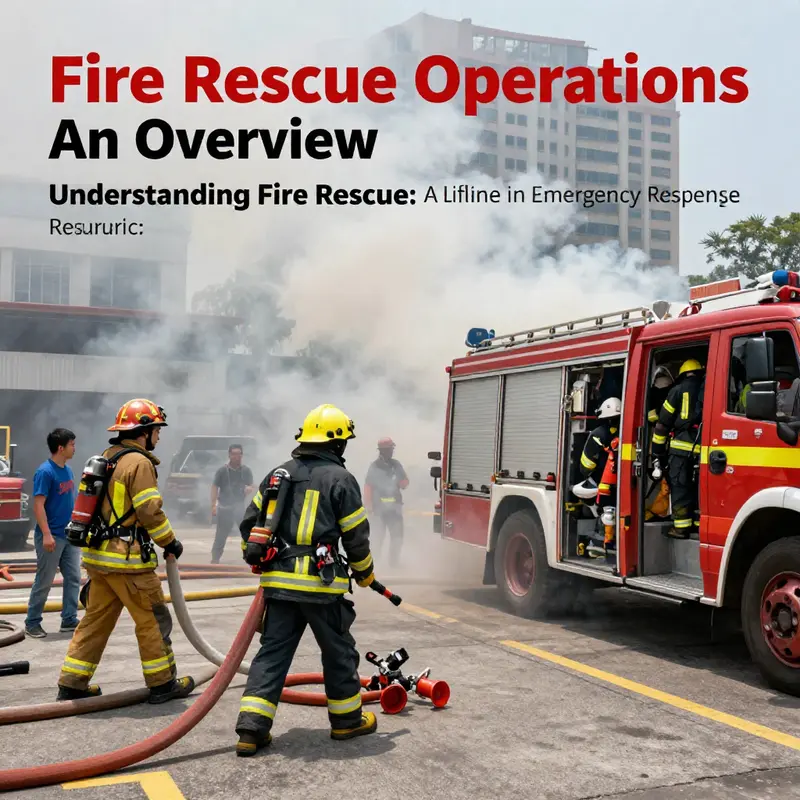
When people think of fire rescue, they often picture a single decisive moment—the moment a firefighter reaches a victim or a stream of water breaks the blaze. Yet the truth of fire rescue is a living, breathing system that unfolds in real time, a choreography of people, tools, and information designed to protect life and preserve property under extreme pressure. Fire rescue operations braid firefighting, rescue, medical care, and hazard mitigation into a single, high-stakes mission. They depend on not just courage and strength but also discipline, planning, and a continuous feedback loop between observation and action. At its core, fire rescue is a disciplined response system built to adapt as conditions change, from the moment the alarm sounds to the final moment of recovery and reflection. The coordinated effort relies on specialized training and equipment, but it also hinges on a shared command of information, a well-oiled chain of communication, and the ability to foresee, rather than merely react to, the evolving landscape of danger.
A defining feature of contemporary fire rescue is the integration of real-time data and communication into every decision. The modern command post is no longer anchored to static maps or dated plans; it becomes a dynamic hub where wireless sensors, visual guidance, and instant situational awareness converge to chart safer, faster routes for intervention and safer, more effective evacuations for civilians. Research in real-time path planning for dynamic building fires highlights how data networks and visual guidance can replace rigid rescue maps with live, data-driven models. Commanders can adjust routes as fire conditions shift, prioritizing occupied egress paths, then pivot to alternate corridors when smoke layers move or visibility deteriorates. The impact of this approach is not merely theoretical. It translates into fewer fatal outcomes, reduced exposure risk for responders, and a more precise allocation of scarce resources when every second counts. The essence of this shift is not the replacement of human judgment but the amplification of it—technology acts as a force multiplier that enhances human decision-making under duress.
Yet data alone does not drive rescue; it informs judgment. The human dimension remains central. Firefighters, paramedics, and police must fuse their expertise with the information stream without becoming overwhelmed by it. The operational tempo in a burning building can swing quickly from aggressive interior attack to rapid search-and-rescue, or from ventilation control to hazard mitigation. In environments of high risk, such as long tunnels or deeply compromised structures, the need for reliable communication cannot be overstated. Confined spaces create unique challenges: access is limited, visibility is poor, and the potential for rapid smoke and heat migration demands a preplanned, resilient approach. Here, robust communication networks become as critical as any tool in the kit. Even when conventional infrastructure fails, research into ad hoc, resilient networks offers a path to maintain coordination across teams and agencies. The idea is to preserve a continuous information thread among responders, enabling a unified understanding of the scene and preventing a single point of failure from crippling the operation. In practice, this means devices and radios that can form a resilient mesh, data that can be shared across teams in real time, and visual guidance that keeps responders aligned with the evolving strategy.
The choreography of rescue unfolds within a hierarchy of safety that stays in balance with every action. The guiding principle, echoing widely recognized standards, is to place rescuer safety first, then scene safety, and finally casualty rescue. This sequence is more than a motto; it shapes every decision, from the way teams stage their entry to the order in which they deploy search operations. Pre-entry planning plays a pivotal role, especially in high-hazard situations such as confined-space rescues where the risk to personnel is substantial. Within that framework, the rescue teams train to execute three levels of rescue—self-rescue, non-entry rescue, and entry rescue—each with its own procedures to reduce exposure to danger. The emphasis on planning mirrors a broader professional shift: prevention and readiness as pillars of response. Training, exercise, and drills translate into muscle memory that helps responders act decisively when conditions deteriorate. To an observer, this may appear as calm, almost textbook precision, but it is the product of hours and hours of deliberate practice, simulated under pressure, with feedback loops that continuously refine technique and judgment.
The evolution of fire and rescue services over recent decades reflects the twin pressures of urban growth and scientific advancement. Cities have become denser, more complex, and more interconnected, bringing elevated hazards and a broader spectrum of emergencies—from high-rise fires to industrial incidents and beyond. In response, fire services have transformed from reactive emergency providers into proactive agents of public safety. They now engage in community education, disaster preparedness, and post-disaster psychological support for survivors and rescuers alike. This broader remit recognizes that fires and emergencies are not isolated moments but part of an ongoing cycle that includes prevention, response, recovery, and resilience. In many regions, this approach has led to more robust training pipelines, standardized safety protocols, and stronger collaboration with other public safety entities. The result is a system that not only fights flames but also reduces risk at the community level, dismantling myths about the inevitability of danger and fostering a culture of preparedness.
A practical illustration of the new paradigm is the use of real-time route optimization during a fire within a building. When a fire starts, a commander weighs multiple objective criteria: the fastest path to the most critical zones, the safest path for evacuation, and the minimization of exposure for trapped civilians and responders. Wireless sensor networks and visual guidance enable rapid scenario modeling, turning a chaotic environment into a web of actionable data. The operator can see the evolving smoke plume, identify the latest hot spots, and recalibrate the evacuation routes in response to shifts in heat and visibility. This is not a fantasy of the distant future; it is a developing standard of operations in many modern departments. The practical upshot is a higher probability of locating and rescuing occupants who are unable to self-evacuate, while reducing the likelihood that firefighters become part of the casualty count themselves. In the most challenging cases, where time is measured in minutes rather than hours, the capacity to adapt quickly becomes the difference between a contained incident and a catastrophe.
Training remains the bridge between policy and practice. In addition to the cognitive load of coordinating multiple teams under stress, responders must master the tactile and procedural aspects of the job. Firefighter training often emphasizes drill-based learning, scenario-driven practice, and the cultivation of calm, disciplined behavior under pressure. An emblematic component of advanced training is the use of purpose-built facilities that mirror real-world conditions, where crews can rehearse complex rescue sequences and test new tactics without risking lives. For those evaluating career pathways, the value of consistent, tech-enabled training cannot be overstated. It is through rigorous practice that responders build the confidence and competence needed to enact the safety hierarchy and to exploit new data-driven methods during live incidents. The field thus shoulders a dual obligation: to preserve essential, timeless skills—such as hazard recognition, rapid risk assessment, and tactical communication—while embracing innovations that elevate safety and effectiveness.
The broader ecosystem in which fire rescue operates is increasingly interagency and multi-disciplinary. Police and emergency medical services form an integral backbone, ensuring that the response is not only swift but also medically appropriate and legally sound. This collaboration is essential in complex scenes that require crowd management, traffic control, evidence preservation, or rapid triage. The modern rescue mission emphasizes command-and-control structures that can absorb the inputs of multiple agencies and dissolve uncertainty into decisive, well-coordinated action. It is a shift from isolated responses toward integrated operations, where the shared language of safety, planning, and care binds diverse professionals into a single, effective team. In practice, this means joint training, common communication protocols, and unified incident command that can scale up or down as the situation dictates. The result is a more resilient public safety framework, one that can confront the unpredictable nature of fire and related hazards with composure and precision.
This evolution is underscored by the longevity and breadth of research that informs practice. Foundational texts and recent studies alike emphasize the need for robust ventilation strategies in different environments, from rooms and corridors to elongated tunnels. The unique challenges of tunnel fires—limited access, controlled ventilation demands, and rapid smoke movement—illustrate why specialized considerations matter. The practical issues discussed in the Handbook of Tunnel Fire Safety provide a framework for deploying mobile response units, coordinating ventilation control, and conducting evacuations in these confined environments. The lessons from such contexts feed back into everyday operations, reminding responders to anticipate complications that may not be present in standard structures. The core lesson emerges cleanly: fire rescue is as much about anticipating what could go wrong as about responding to what is happening now. This mindset prompts continuous improvement, from forward-looking training programs to improved incident planning and the adoption of resilient communications technologies that sustain operations even when infrastructure is compromised.
In thinking about the future of fire rescue, it is useful to recognize how far the field has come from its early, more solitary roots to a system characterized by collaboration, data, and rapid adaptation. The shift toward proactive engagement, risk reduction, and post-incident support represents a holistic philosophy. It acknowledges that saving lives is not confined to the dramatic moments of the blaze; it also encompasses prevention education, building codes, community readiness, and psychological care for those affected by disasters. The interconnectedness of these efforts makes fire rescue a comprehensive enterprise that touches many aspects of public safety and community well-being. As cities continue to grow and as climate and industry evolve, the need for resilient, data-informed response will only intensify. This is the enduring impetus behind the ongoing convergence of technology, training, and teamwork in rescue work.
For readers seeking practical avenues to deepen understanding or to connect theory with hands-on practice, a range of internal resources offers guidance and real-world perspectives. One particularly relevant portal presents a pathway into the culture and mechanics of training, safety, and career development in the field. It highlights the importance of ongoing education and certification, while also offering a window into the daily realities of those who work at the edge of danger. The linked resource serves as a bridge between conceptual discussions of rescue science and the lived experience of responders who carry it into every shift. As you explore the material, consider how training environments, such as specialized towers and simulators, help translate complex, data-rich strategies into reliable on-the-ground performance. You can learn more about this dimension of preparation at the following internal resource: firefighter training tower dedication.
The journey of fire rescue is ongoing, and its chapters intertwine human courage, technical ingenuity, and the inexorable truth that danger often travels faster than plans. The modern operation is not a single act but a continuum of readiness, response, and recovery, governed by clear safety priorities and supported by ever more capable tools. It remains a discipline defined by its people—the firefighters who study the floor plans of danger, the paramedics who transform trauma into hopeful outcomes, and the police and public health professionals who ensure that the response is lawful, ethical, and compassionate. It is a field that has learned to listen to signals from the scene, to adjust to the weathering of smoke and heat, and to keep pace with the accelerating cadence of urban life. In this sense, fire rescue embodies a core public-safety truth: when communities invest in preparation, training, and coordinated systems, they tilt the odds toward safety, even in the face of uncertainty.
External readers who wish to explore the technical depth behind some of these ideas will find a rigorous treatment in recent research on real-time path planning and sensor-guided rescue operations. This work examines how wireless sensing and visual cues can direct crews through dynamic, hazardous environments, offering a blueprint for smarter, safer intervention strategies. It is a reminder that the best rescue operations combine the instinct and experience of seasoned responders with the precision and speed of modern analytics. For a deeper dive into this area, see the external resource: https://www.sciencedirect.com/science/article/pii/S187704282300001X.
The story of fire rescue, then, is both practical and aspirational. It is practical in its insistence on safety-first principles, rigorous training, and the disciplined deployment of gear and technique. It is aspirational in its embrace of data-driven decision-making, interagency collaboration, and a public-safety culture that seeks to reduce risk before, during, and after every incident. The arc of fire rescue is the arc of public safety itself: a continual test of our ability to anticipate, prepare, and respond with courage, competence, and care. As this chapter closes, the next steps in understanding fire rescue will continue to unfold in laboratories, training facilities, and on the ground, where the reality of rescue work continually informs the science that shapes it. The balance remains constant: protect the ones who rush toward danger so that the many may live with greater security. And in that balance lies the enduring purpose of fire rescue—a mission anchored in human resilience and reinforced by the tools and technologies that make resilience possible.
Prevention in Motion: How Technology Transforms Fire Rescue into a Precision Emergency Response
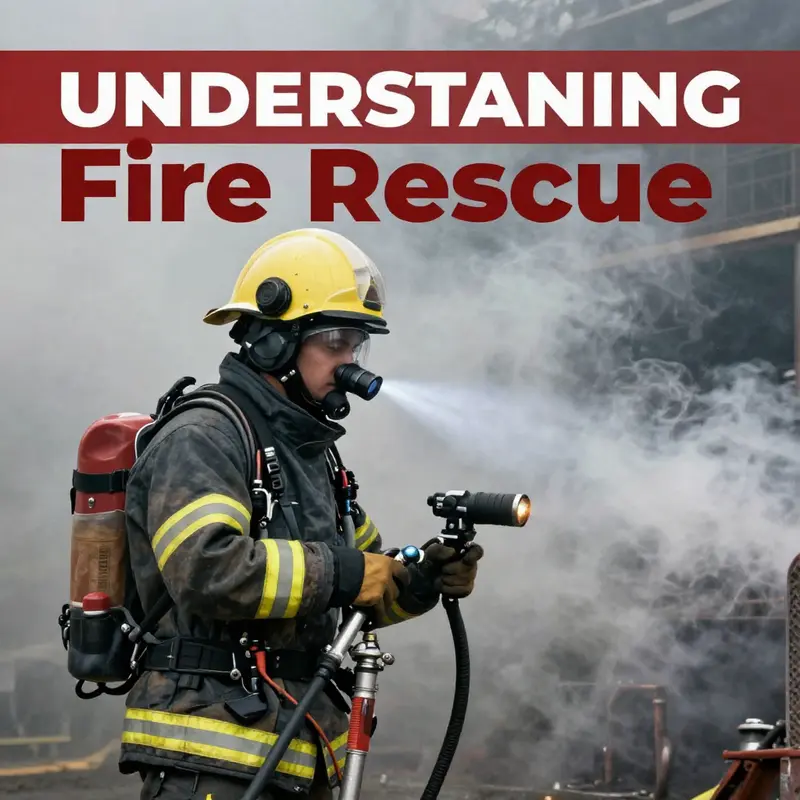
Fire rescue has always hovered at the edge where danger and duty meet. Yet the edge itself is shifting, widening the gap between reaction and anticipation. Today, the field is being reimagined not just as a battalion of brave individuals battling flames, but as a tightly integrated system where information, automation, and human judgment converge. This transformation is not a mere upgrade of tools; it is a redefinition of the very workflow of rescue, written in lines of code, stamped into the design of gear, and tested in the unpredictable theaters of real-world emergencies. The result is a practice that blends prevention, precision, and partnership—between firefighters, machines, and the environments they guard. Across high-rise cores that trap heat and smoke, across forests where ember storms leap from treetop to treetop, and across industrial sites where lethal hazards loom, technology is turning the once unfathomable into a sequence of safer, faster, smarter moves. In this evolving landscape, the essence of fire rescue remains simple at heart: save lives and protect property. Yet the means by which that mission is achieved have become profoundly sophisticated, and the implications are far-reaching for communities and for the professionals who answer the call when danger arrives.\n\nThe most visible frontier of change is the deployment of unmanned systems. Drones and ground robots are not mere cameras in the sky or wheeled sensors; they are mobile observers and scouts, capable of penetrating environments too risky for human entry. In new generations of aerial platforms, ducted fans and optimized propulsion enable rapid takeoff, stable flight, and precise delivery of critical payloads at distance. Instead of waiting for conditions to be ideal, responders can project a presence where visibility is worst, guiding crews below and preparing ventilation or entry routes before a single flame is touched. In high-rise fires, for example, these airborne units can establish a safety corridor by delivering ignition-resistant agents or by creating controlled vent points that help clear smoke, reducing heat buildup and improving visibility for interior teams. On the ground, quadrupedal or wheeled robotic units navigate shattered floors, crawl through pockets of toxic gas, and maneuver through dense smoke with sensors that translate temperature, gas concentration, and structural integrity into actionable data. They can transmit real-time video and thermal imagery, helping teams locate victims, identify shifting hazards, and decide when a collapse risk requires retreat or reinforcements. The appeal of such systems rests not only in extending reach but in protecting frontline personnel from exposure to extreme heat, toxic atmospheres, and violent mechanical hazards. They also help preserve scarce rescue time, which, in life-and-death terms, is the currency of success.\n\nBehind these mobile sentinels lies a broader architectural shift: intelligent command and control that weaves together disparate data streams into a coherent picture of a changing incident. Digital twin concepts have moved from theoretical planning into practical reality, as modern command centers synchronize Building Information Modeling data, geographic information, real-time personnel locations, and sensor feeds into a dynamic, three-dimensional map of the fire scene. This map is not a static diagram but a living model that updates with every new input—wind shifts, new heat signatures, changes in structural stability, and the movement of crews. The capacity to forecast likely fire trajectories with the help of AI, trained on a blend of historical incidents and live data, turns a firefighting mission into a probabilistic plan. When a commanding officer can see, minutes before a flame reaches a corridor, where it is most likely to intensify, resources can be oriented to the most dangerous zones, escape routes can be protected, and evacuation messaging can be issued with confident timing. It is the quiet, disciplined science of risk reduction, a shift from waiting for events to anticipating them with a confidence that grows with data quality and system integration.\n\nThe value of predictive analytics becomes especially evident when it is married to advanced video analysis and evidence-gathering tools. Fire investigation has historically relied on the painstaking work of human analysts, piecing together trajectories, materials, and ignition sources after the fact. Now, machine-learning-assisted video analysis can rapidly locate relevant patterns in hours of footage, extract key moments, and organize them into a coherent narrative. This speed matters not only for post-incident learning but for ongoing public safety responses. In the wake of major emergencies, the ability to reconstruct sequences of events with greater certainty accelerates lessons learned, informs code improvements, and strengthens future prevention strategies. The same technology ecosystem that supports investigation can feed back into prevention: patterns detected across incidents—such as common ignition sources or failure points in structural systems—can shape proactive inspection regimes, targeted outreach, and community risk reduction programs. In short, the line between response and prevention grows blurrier, with information ecosystems feeding a cycle of continual improvement.\n\nA parallel revolution runs through the personal protective gear and equipment that firefighters rely on as they work at the edge of danger. Protective helmets now integrate augmented reality overlays and thermal imaging, enabling crews to visualize heat sources and teammate locations while moving through smoke. This capability not only increases the chances of a successful interior operation but also helps reduce the cognitive load on individual firefighters, who must make rapid decisions under extreme stress. The next generation of materials promises both protection and sustainability. Graphene-based coatings and advanced flame-resistant fabrics offer enhanced heat resistance while reducing weight, improving mobility, and lessening fatigue during long operations. At the same time, exoskeletal supports built from lightweight alloys can augment physical endurance, allowing responders to lift heavy loads, drag equipment, and move through debris with less strain. The cumulative effect is a uniform that helps the wearer endure longer, operate more effectively in hostile environments, and communicate more reliably with the team outside the fire zone. The human element—the ability to reason, improvise, and adapt to the ever-changing conditions of a dangerous scene—remains indispensable. Technology does not replace judgment; it amplifies it, extending the reach of each firefighter’s awareness and resilience.\n\nThe march of devices and systems continues with next-generation firefighting technologies that redefine how fires are fought and how damage is controlled. Conventional water-based approaches are now complemented by advanced delivery systems capable of projecting heavy flows of foam and suppressant agents over great distances. In scenarios such as ultra-high-rise buildings or petrochemical facilities where conventional water alone is insufficient, foam-based formulations provide extended blanket coverage and cooling, while specialized delivery mechanisms can extend reach along vertical shafts or long corridors. In addition, new strategies to prevent vertical flame spread—sometimes described as the “chimney effect”—employ targeted substances that seal shaft openings and disrupt the air channels that drive gases upward. Such measures enable interior teams to advance with greater confidence and reduce the risk of rapid, unseen fire progression. On the energy front, there is talk of hydrogen-powered fire apparatus and alternative-energy drones that can operate with reduced carbon footprints, balancing the imperative of rapid response with the broader need to decarbonize public safety operations. While the adoption of any new energy source or agent requires rigorous testing and procedure refinement, the trajectory is clear: fire rescue is steadily moving toward cleaner, more efficient options that do not compromise, and often enhance, effectiveness in complex environments.\n\nDespite the richness of these innovations, their real power emerges when they are integrated into a coherent system rather than deployed as an assortment of shiny devices. The 2026 international fire and emergency rescue exposition, with its emphasis on convergence, illustrated how drones, robots, protective technologies, and AI-driven command platforms can work in concert to create a responsive, intelligent, and resilient emergency network. The overarching aim is to shift from a purely reactive posture—where teams respond after a fire starts—to a more proactive mode that anticipates hazards, reduces exposure, and preserves life and property through precise, coordinated action. In practice, this means a rescue operation where a drone provides early reconnaissance over a devastated street, a ground robot scouts a compromised building, a smart helmet relays vital signs to the incident commander, and a digital twin continually updates the plan as conditions evolve. The synergy of these elements creates a kind of collective situational awareness that is greater than the sum of its parts. It is not a science-fiction vision but a tangible trajectory already advancing in many departments worldwide, reshaping budgets, training, and career paths in the process.\n\nWith these advances, a broader cultural shift follows. Fire rescue is increasingly viewed as a continuous loop of prevention, readiness, response, and recovery. The emphasis on prevention grows stronger when the data begets new insights—forestalling failures, strengthening building codes, and refining risk communication with the public. Readiness is enhanced by simulation and training tools that replicate the pressures of a real fire while letting teams practice complex, multi-agent strategies without endangering lives. Response becomes more precise as responders are guided by real-time models and sensors that reveal hidden threats and evolving hazards. Recovery benefits from rapid, evidence-backed analyses that accelerate restoration and reduce future risk. All of this hinges on a culture of collaboration: between human operators and machines, between responders from different agencies, and between the fire service and the communities it serves. The result is not merely a faster response but a more thoughtful one, where each action is informed by an expanding cosmos of data, experience, and shared purpose.\n\nFor those considering a career in this evolving field, the pathways extend beyond traditional on-the-ground firefighting. Training increasingly emphasizes digital literacy, field robotics, data interpretation, and the ethical dimensions of emergent technologies. Fire departments are rethinking recruitment and professional development to incorporate these competencies, while training centers are expanding simulators that merge physical drills with virtual modeling. Those who prepare now will not only master conventional firefighting techniques but become adept at coordinating with autonomous systems, interpreting complex analytic outputs, and leading multi-disciplinary teams during high-stakes operations. The concept of expertise, once tied to hands-on fire suppression alone, is expanding to include proficiency in operating and collaborating with intelligent tools that can absorb and clarify information under pressure. In this sense, the chapter of fire rescue that centers on technology is really a chapter about people—their adaptability, their judgment, and their willingness to embrace new ways of protecting life and property under the most trying circumstances.\n\nAs the field presses forward, several themes emerge that anchor both practice and policy. First, safety remains the primary priority, but the definition of safety broadens to include data integrity, cyber-resilience, and the protection of responders from ambient hazards introduced by new equipment or operational concepts. Second, reliability becomes non-negotiable. The success of an agile, data-driven response hinges on robust communications networks, redundant power and data channels, and rigorous maintenance of both hardware and software. Third, equity in access to advanced capabilities becomes a pressing issue. As technologies evolve, ensuring that developing regions and smaller departments can deploy effective, affordable solutions becomes a matter of public policy as well as professional ethics. Finally, the ethics of autonomy and decision-making in crisis contexts commands ongoing attention. How much oversight should autonomous systems have? What are the safeguards against misinterpretation of sensor data? How do we ensure accountability when algorithms shape critical rescue decisions? These questions demand thoughtful, transparent answers that evolve in step with capability.\n\nIn weaving together these technological threads, the fire rescue enterprise is becoming a learning organism—a system that grows through experience, measurement, and adaptation. The exhibitions, prototypes, and field deployments described in contemporary literature suggest a future where prevention, detection, and intervention occur in a near-synchronous rhythm. The aim is not to replace the judgement and courage of firefighters but to augment them; not to eliminate risk but to manage it more effectively; not to delay action but to ensure that when action happens, it is smarter, faster, and safer. The shifting paradigm also invites communities to participate more actively in safety regimes. Public education about building safety, hazard awareness, and evacuation planning can now be fused with real-time alerts and personalized risk communication delivered through connected devices and urban infrastructure. When residents understand the tripod of prevention, preparedness, and response, their actions reinforce the system’s effectiveness during a crisis.\n\nThe trajectory is clear: fire rescue is veering toward a model of prevention, precision, and seamless human-machine collaboration. It is a model that recognizes the limits of any single approach and celebrates the strengths of a coalition—of people and technology working in concert. The result promises not only to save more lives and protect more property but to reduce the personal cost of emergencies for the responders who devote their careers to this demanding calling. As this chapter of technology and practice continues to unfold, it invites ongoing reflection on how best to equip and empower the people who stand between danger and those they serve, while respecting the communities whose safety depends on their readiness. For readers seeking practical avenues to engage with these innovations, training and certification remain essential touchpoints, offering pathways to build competence and confidence in rapidly changing environments. And for those who want to glimpse the broader horizon of what is possible, the evolution of these technologies offers a compelling, almost inexorable narrative: that the future of fire rescue will be defined not merely by the flames it fights but by the intelligent, humane systems that anticipate and prevent them.\n\nExternal reference: https://www.hzfireexpo.com
null
null
When Alarms Ring: The Social Fabric that Supports Fire Rescue and Shapes a Resilient Society
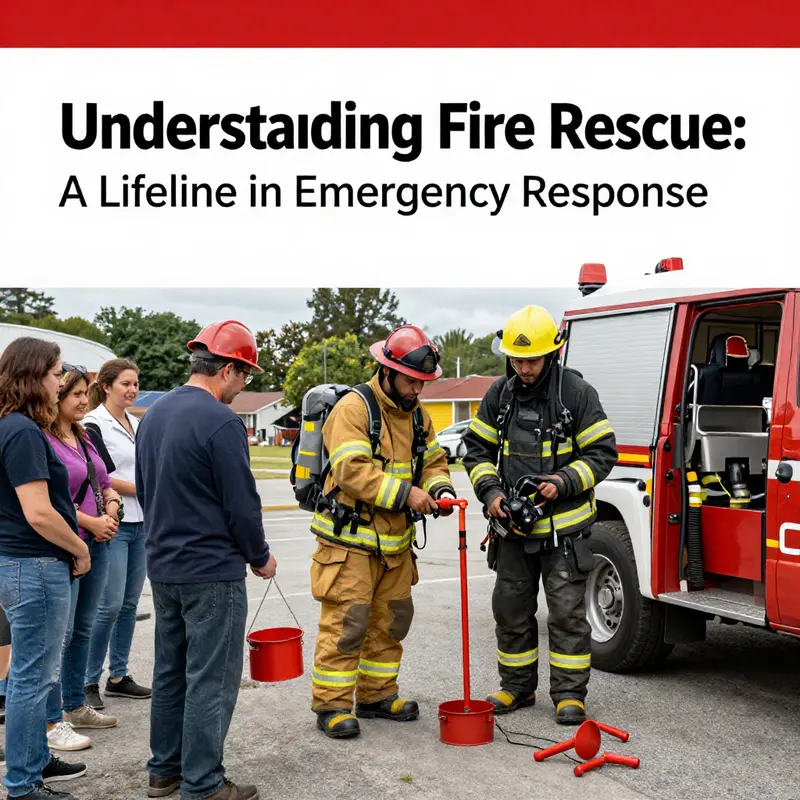
Every time an alarm sounds, the scene unfolds as more than a fire and motionless flames. It begins a chain of social actions that reach far beyond the blaze. Fire rescue is not just a set of skills or a fleet of equipment; it is a living system that affects how communities perceive risk, organize themselves for safety, and recover after destruction. In that sense, fire rescue acts as a social technology, translating trained response into a shared sense of protection. When trained teams arrive, they do not replace communal responsibility but multiply it. They convene local knowledge, public trust, and mutual aid into a coordinated effort that sustains households, businesses, schools, and neighborhoods alike. The overall topic of this article asks what fire rescue is at its core. The answer is multi-layered: it is a capability, a service, a network, and a social covenant that keeps people safer than any one institution alone could achieve.
The social dimensions of fire rescue expand as the practice itself broadens. A 2022 overview of emergency management reform highlights a shift from a narrow focus on urban and rural firefighting and forest suppression to a comprehensive, multi-hazard response framework. This evolution signals rising expectations from the public for fast, effective action across a wide range of disasters. It is not only about putting out fires; it is about anticipating crises, coordinating across agencies, and stabilizing communities as dangers unfold. The growing scope is accompanied by an increasingly complex risk landscape. That complexity is reflected in the statistics of alarms themselves. Between 2018 and 2021, alarms rose from 1.173 million to 1.963 million. Behind that rise lies a tapestry of events—floods, structural failures, alien hazards, and urban emergencies—that require rapid, capable orchestration from trained responders and the communities they serve. The numbers are more than a tally; they are a gauge of social momentum toward preparedness and resilience.
This broader mandate brings into view an important, often overlooked, human dimension: the well-being of the rescuers themselves. The people who run toward danger carry a psychosocial burden as heavy as any physical load. Research on first responders shows that perceived social support plays a crucial role in shaping how they cope with stress, and in turn, how effectively they perform under pressure. When firefighters, emergency medical technicians, and other responders feel that their communities and institutions stand behind them, their coping styles tend to become more adaptive. They exhibit greater resilience, maintain focus during long shifts, and sustain higher levels of job performance even after traumatic incidents. Conversely, a culture of invisibility or neglect can erode morale, accelerate burnout, and jeopardize retention. The social contract here is not merely about gratitude. It is about tangible support structures—peer networks, counseling resources, family-friendly policies, and stable career pathways—that sustain a resilient workforce over time. In a system designed to save lives, the mental health of the responders becomes as vital as their physical safety. This link between social support and professional efficacy anchors the broader argument: to secure safer communities, societies must invest in the people who enact rescue, not only in the gear they wear or the protocols they follow.
The idea of support extends beyond formal institutions to a broader social ecology that includes grassroot and non-governmental response forces. These groups contribute agility, local knowledge, and diverse skill sets that enhance the speed and relevance of interventions. Their involvement—whether through organized volunteer networks, neighborhood-based response teams, or informal mutual-aid channels—can strengthen the integrity of an official response framework when properly integrated. Governments have begun to recognize this potential by formalizing collaboration with civil society and by offering avenues for skills validation, standardized training, and coordinated planning. Such integration does more than increase capacity; it builds social trust. When citizens see their neighbors organizing, training, and preparing, they learn that preparedness is a shared duty and a shared capability. This fosters a culture of mutual aid that travels beyond the emergency itself and into everyday life, where people are more likely to look out for one another, inspect their homes for hazards, and participate in community safety initiatives. A key feature of this collaborative approach is not simply the presence of volunteers but the alignment of their competencies with official standards. In practice, this means competitions and exercises, protocols for information sharing, and joint drills that reduce friction when real emergencies occur. The result is a resilient public-safety ecosystem in which formal agencies and informal networks operate in a complementary, not competing, relationship.
Climate change intensifies the stakes of fire rescue in a measurable way. More extreme weather events—droughts that heighten wildfire risk, heavier rainfall and flooding that complicate rapid evacuation, and heat waves that strain both infrastructure and responders—create new pressure points for rescue systems. Vulnerable populations suffer disproportionately in these scenarios, which deepens social inequality and threatens societal stability. Fire rescue then emerges as a frontline mechanism of social protection, buffering communities against displacement, economic loss, and long-term hardship. A robust rescue capability can shorten the duration of crises, limit property damage, and reduce the cascading effects on neighborhoods and supply chains. To the extent that climate risks menace daily life, fire rescue becomes a pillar of adaptive governance. It embodies the capacity of public systems to anticipate hazards, respond swiftly, and restore social function after shocks. In this frame, the response is not simply about “putting out fires.” It is about maintaining the social order that enables households to recover, businesses to reopen, and schools to continue operations despite disruption.
Together, these threads illuminate a central truth: fire rescue is inseparable from society’s health and progress. The public’s confidence in emergency services grows when the system demonstrates reliability, transparency, and reciprocity. Reliability comes from well-trained personnel, modern equipment, and efficient coordination. Transparency emerges through clear communication with communities about risks, available services, and the steps taken during and after incidents. Reciprocity shows in the ongoing commitment to public safety—through prevention campaigns, home safety checks, and community drills—that remind people they matter in the defense against danger. When a fire department or rescue unit interacts with a community through positive, supportive, and inclusive avenues, it builds social trust. That trust, in turn, feeds compliance with safety norms, willingness to participate in training programs, and readiness to engage in collective resilience activities. It creates a virtuous circle: better support reinforces preparedness, which reduces risk, which makes the rescue system more effective, which reinforces public trust, and so on.
A practical reflection on everyday life makes these relationships tangible. Consider the school drill, the neighborhood hazard inspection, or the local workshop on safe storage of flammables. These may seem small, but they are the connective tissue of a resilient city. They demonstrate that safety is not a one-off event but a pattern of behavior sustained by shared norms and ongoing collaboration. The social implications of fire rescue thus appear in quiet streets as much as in dramatic rescues. They appear when a resident helps a neighbor create a defensible space around a home, when a volunteer helps transport supplies after a flood, or when a family gains access to mental-health resources after a traumatic incident. In every case, the outcome is the same: communities that understand risk, share responsibility, and invest in each other become harder to destabilize in the face of crisis.
From this vantage point, the article’s central question—what is fire rescue?—gains a more textured answer. Fire rescue is the integration of professional expertise, community action, and systemic design aimed at safeguarding life and property under a changing climate and a rising tide of complex emergencies. It is the visible action during a fire, but equally the invisible work that happens in planning, training, and sustaining a culture of preparedness. The public’s perception of this work matters, not just for compliance but for the sense of collective efficacy that makes communities feel capable of facing the unknown together. When residents see responders arriving with calm, when they hear about effective prevention programs, and when they observe volunteers being integrated into official response schemes, confidence grows. That confidence becomes a social resource—a shared asset that reduces fear, expands cooperation, and mobilizes people to participate in safety initiatives.
For readers seeking a direct connection between training and social resilience, consider the value of accessible, high-quality education around safety practices. The pathway to stronger communities is paved by knowledge that travels swiftly from training rooms to living rooms. A practical way to connect with this emphasis is to explore foundational safety training opportunities that emphasize both skill and well-being. fire safety essentials certification training offers a concise example of how formal instruction translates into everyday confidence and readiness. This link is intended to illustrate how education supports the social mission of fire rescue, underscoring the belief that knowledge is a cornerstone of protection and trust across a community.
In contemplating policy and governance, one finds that the social implications of fire rescue are inseparable from the governance of risk. The 2022 reform discussion, with its emphasis on multi-hazard response, is not merely a bureaucratic adjustment. It is a statement about how a society chooses to distribute risk, resources, and responsibility. It signals a commitment to a system that not only responds to fires but also anticipates and mitigates a broad spectrum of dangers. Such a system requires attention to staffing, training, mental health, and the social networks that support responders. It demands a governance mindset that values transparency, accountability, and continuous learning. When these conditions are present, communities can experience more reliable response times, better communication during crises, and faster recovery after events. The social dividends are substantial: fewer displacements, lower economic losses, and a stronger sense of public safety that reinforces civic participation and social cohesion.
As we broaden the lens to connect fire rescue with the larger trajectory of emergency management, it becomes clear that society’s health hinges on how well a rescue system is designed to face uncertainty. The integration of community forces with professional agencies, the emphasis on responder well-being, and the adaptive capacity to confront climate-driven risks all contribute to a more resilient public sphere. This resilience is not a passive state; it is actively built through education, collaboration, and sustained investment. It is visible in the calm of a well-executed drill, the readiness of volunteers who are trained and connected to official structures, and the renewed trust of communities that recognize safety as a shared responsibility rather than a distant ideal. In short, fire rescue is a social enterprise that sustains life and stabilizes society under pressure. Its value extends beyond extinguishing flames to preserving the social fabric that keeps people connected, hopeful, and prepared for whatever the next alarm may bring.
External context: https://www.gov.cn/guoqing/2022-09/12/content_5714875.htm
Final thoughts
Fire rescue is more than just a response mechanism; it embodies a comprehensive approach to ensuring safety and community resilience. By understanding the intricacies of fire rescue operations, embracing technological innovations, recognizing the economic benefits, and appreciating the societal implications, we gain a clearer picture of its critical role. As challenges evolve, the adaptability and commitment of fire rescue services remain paramount, ensuring that lives are protected and communities thrive in the face of adversity.