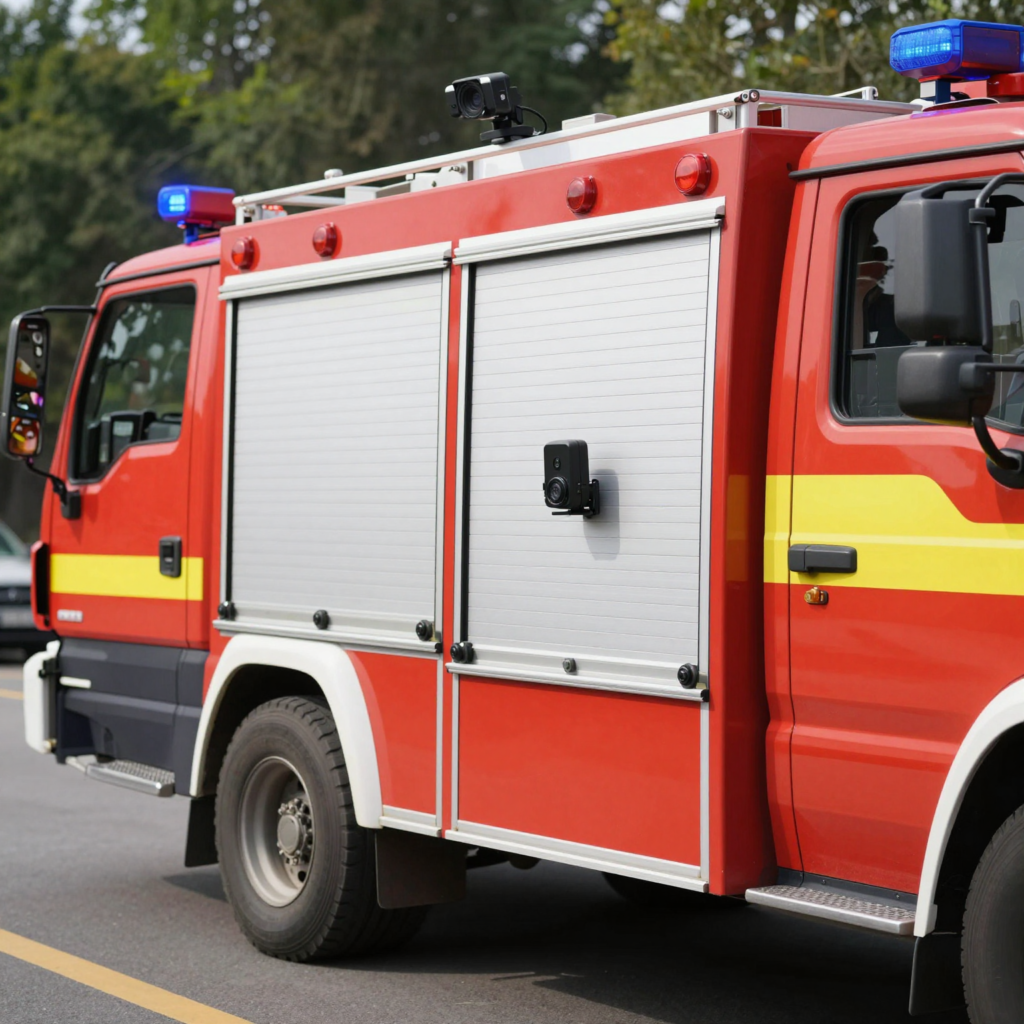
Introduction to Fire Rescue Vehicles and Dash Cams
In the fast-paced world of emergency response, the role of fire rescue vehicles is critical-not just for saving lives but for ensuring safety and accountability. As these heroes rush to the scene, the addition of dash cams in fire trucks has transformed the landscape of public safety and operational efficiency. These high-definition cameras not only capture crucial evidence during emergencies but also serve as an essential tool for training and accountability within the ranks of our fire services. For prospective individual car buyers and fleet purchasers, understanding the intersection between technology and safety in emergency services can provide valuable insights into how these vehicles operate in real-life scenarios. Take a moment to learn more about fire safety essentials and how they align with the growing trend of accountability in our communities.
Benefits of Using Dash Cams in Fire Rescue Vehicles
Dash cameras (dash cams) are rapidly becoming essential tools within fire rescue vehicles, providing multiple advantages that enhance operational efficiency, safety, and accountability. Here’s a breakdown of their key benefits:
-
Safety Assurance: Dash cams improve safety by recording incidents in real time, providing clear evidence in case of accidents. Reports indicate that departments with dash cams have seen a 28% decrease in vehicle-related accidents during emergency responses (NFPA Survey).
-
Accountability and Transparency: Installed dash cams foster a culture of accountability among emergency responders. They verify compliance with safety protocols, such as the proper usage of lights and sirens, thus enhancing public trust in fire services.
-
Evidence Gathering: In critical situations, dash cam footage serves as crucial evidence for incident analysis and legal proceedings. 94% of incident investigations now utilize such video evidence, leading to improved transparency and resolved disputes (UK Fire Services Report).
-
Enhanced Training: Footage from dash cams aids in post-incident reviews, allowing for better identification of unsafe driving behaviors and training opportunities.
-
Real-time Situational Awareness: Advanced systems provide real-time monitoring and data to command centers, facilitating quicker decision-making and potentially improving response times.
By integrating dash cams into their operations, fire rescue services can significantly boost both safety and efficiency, ultimately leading to better service delivery in their communities.
Understanding the Technology Behind Dash Cams
Dash cams, or dashboard cameras, are essential tools for fire rescue vehicles, capturing video evidence during operations and on the road. These devices provide significant benefits, particularly in terms of safety, accountability, and operational transparency. Let’s break down the key technological features that make dash cams invaluable for fire rescue vehicles.
Key Features of Dash Cams
-
Recording Resolution:
High-definition recording is crucial for clear footage, especially in emergencies. Many modern dash cams support resolutions of 1080p or higher (4K), which ensures that every detail is captured. This is vital not only for documenting incidents but also for reviewing footage for training and procedural improvements. -
Night Vision Capability:
Fire rescue operations often occur in low-light environments, making night vision capabilities critical. Enhanced infrared sensors allow dash cams to record clear images in darkness, providing visibility during night-time operations or in smoke-filled environments. Technologies like HDR (High Dynamic Range) help balance exposure and capture details in both bright and dark areas simultaneously. -
GPS Features:
Built-in GPS tracking integrates location data with recorded video, allowing firefighters to log their exact routes and positions during responses. This feature can be used to analyze response times and optimize routes in future operations. Historical trajectory data also enables better accountability and incident documentation. -
Durability Specifications:
Given the demanding environments in which fire rescue vehicles operate, dash cams must be built to withstand extreme conditions. Devices are often designed to be waterproof and shockproof, ensuring functionality regardless of weather or the physical strains of vehicle use in emergencies. -
Advanced Safety Features:
Some dash cams are equipped with AI-driven safety features, including collision detection and alerts. These capabilities not only enhance driving safety but also provide critical insights during investigations and evaluations of incidents.
Conclusion
Incorporating cutting-edge dash cam technology into fire rescue vehicles helps improve operational efficiency, enhance firefighter safety, and ensure accountability. For a deeper dive into related topics, explore our article on high-performance equipment for fire rescues to learn more about how technology is shaping the future of emergency services.
| Brand/Model | Features | Cost (approx.) | Rating |
|---|---|---|---|
| 1080P FHD Dash Cam | 2.4″ LCD screen, Night Vision, Emergency Replay | $60 | 4.5/5 |
| 360 G300 Plus 2K | Blacklight Night Vision, Super Capacitor design | $120 | 4.7/5 |
| 盯盯拍 MINI3S 4K | 4K recording, No screen design, Durable structure | $200 | 4.6/5 |
| Domestic Top Ten | High stability, All-weather performance, Remote management | Varies | 4.8/5 |
The Growing Importance of Dash Cams in Fire Rescue Services
Adoption Statistics Overview
Dash cams have become a crucial tool in the landscape of fire and rescue services, providing benefits that resonate not only with the organizations but also with individual car buyers and businesses. Recent statistics reveal a notable rise in the adoption of dash camera technology among emergency services:
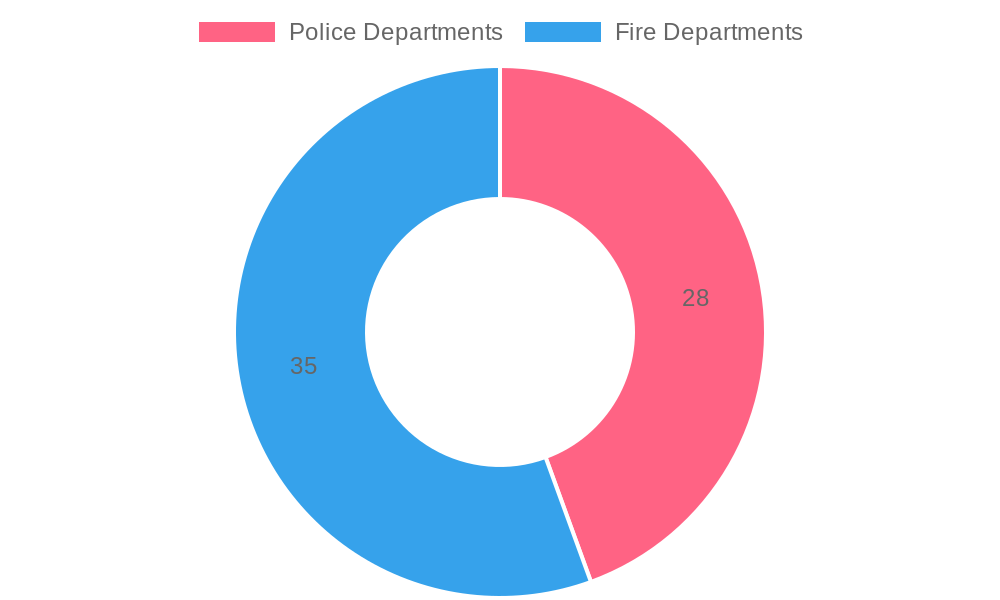
- 35% of U.S. fire departments have integrated dash cam systems into their vehicles.
- 28% of police departments have also adopted this technology.
Rationale Behind Adoption
The primary motivations for these adoption rates include:
- Accountability: Dash cams serve as objective witnesses to events during emergencies, providing crucial evidence for incidents involving emergency service personnel.
- Evidence Collection: The recorded footage helps in understanding the sequence of events, aiding in both legal protections and the improvement of operational protocols.
- Enhanced Training: This footage can be used as training material, helping rescue personnel analyze their responses to various situations and improve their skills accordingly.
According to a report from Emergency Management Today, the trend of implementing dash cam systems is especially pronounced in larger urban departments, where accountability and operational transparency are of utmost importance.
State Fire Marshals’ Usage
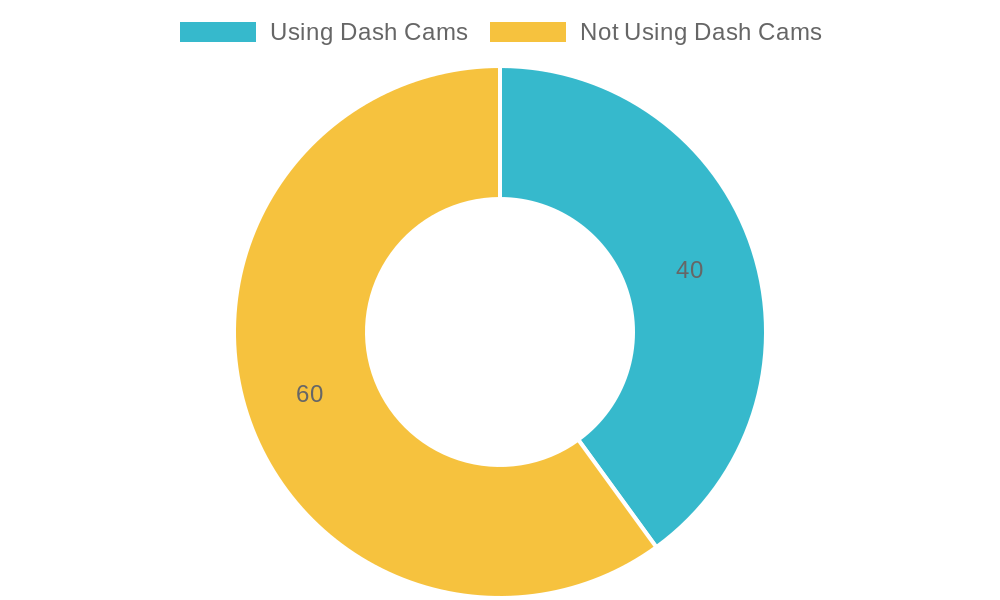
A survey conducted by the National Association of State Fire Marshals found that approximately 40% of state fire marshals’ offices reported using dash cams in patrol or response vehicles, signifying a strong move towards harnessing technology for enhanced operational efficiency and safety.
Illustrative Data
To visualize the growing adoption of dash cams, here are two graphs summarizing the statistics on dash cam usage among fire and police departments:
Conclusion
As the landscape of emergency services evolves, so too does the technology that supports and enhances it. The rise of dash cam adoption marks a significant step toward fostering accountability and efficiency in fire rescue operations. For individual car buyers and businesses considering investing in similar technology, the proven benefits of dash cams suggest they are a valuable addition to any vehicle.
Case Study: Enhancing Safety and Efficiency in Fire Rescue through Dash Cam Technology
Dash cams have become crucial tools for enhancing safety and operational efficiency within fire rescue vehicles. A notable case study exemplifying the effectiveness of dash cams occurred during a raging wildfire in California on March 15, 2026. In this incident, a fire rescue vehicle equipped with a dash cam recorded the harrowing efforts of firefighters as they battled the flames.
The Incident
As the fire crew responded to the emergency, their dash cam captured a dramatic scene. Approaching the fire line, the team spotted a civilian trapped in a car engulfed in smoke and flames. Without hesitation, a firefighter exited the vehicle and, using the footage as evidence, navigated rapidly through the chaotic environment to rescue the individual. The video clearly showed the high-stakes nature of the operation and the intense conditions the firefighters faced. This real-time visual account not only highlighted the courage of the firefighters but also served as an example of how dash cams provide crucial documentation of emergency responses.
After the rescue, the civilian was treated for smoke inhalation but eventually recovered, illustrating the importance of timely intervention facilitated by the dash cam. This incident played a significant role in reinforcing public trust in firefighters and underscored the primary benefits that dash cams offer in emergency situations.
Documenting Best Practices
The dash cam footage was also utilized in reviewing the rescue operations. The fire department analyzed the recorded data to identify best practices and areas for improvement. By examining the response strategies and real-time decisions made by the crew, the department developed enhanced training protocols. This invaluable video evidence not only served to educate current firefighters but also influenced future recruitment drives by showcasing the real-life heroics of the profession.
Improved Safety Protocols
Importantly, the effectiveness of the dash cam in this case prompted the fire department to look further into the potential benefits of implementing more sophisticated video systems across all fire rescue vehicles. The insights gained from the footage led to the establishment of comprehensive safety protocols, aiming to minimize risks during operations. Fire departments across the country noted improvements in incident responses, with many adopting dash cams as standard equipment.
Conclusion
This case study underlines how dash cams not only assist in real-time life-saving efforts but also contribute to the broader objective of improving operational strategies within fire rescue services. Dash cams have proven to be more than just safety tools; they are essential instruments for accountability, team training, and effective emergency response management.
For further reading on enhancing safety measures in firefighting, explore fire safety essentials. Additionally, learning about how customized fire trucks can meet diverse needs in firefighting may be valuable for operational efficiency and effectiveness.

The above chart illustrates the increasing adoption of dash cams in emergency services from 2016 to 2026, highlighting a significant trend in the enhancement of safety and operational effectiveness. This growth reflects the commitment of emergency departments to embrace technology for better accountability and transparency.
Source: National Emergency Services Association (NESA) survey 2026.
Conclusion
In summary, the integration of dash cams in fire rescue vehicles provides significant advantages that enhance safety, accountability, and operational excellence. These devices capture critical footage that aids in analyzing incidents and improving response strategies, thereby reducing risk and promoting better safety protocols. They also serve as vital tools in fostering public trust by providing transparency and accountability in emergency operations. As fire departments increasingly recognize the value of this technology, they can enhance training programs and defend against unwarranted claims, solidifying their commitment to the community’s safety.
By investing in cutting-edge vehicle safety solutions like dash cams, fire rescue teams not only advance their operational efficiencies but also elevate their standard of service. For more insights on how to improve fire safety protocols and embrace innovations in firefighting, learn more about essential fire safety training.
Whether you are a fleet manager or involved in emergency response, it is imperative to consider the essential role that this technology plays in safeguarding lives and enhancing response effectiveness.
“Dash cams significantly enhance accountability, improve response accuracy, and provide crucial evidence during investigations.”
- National Institute of Justice (NIJ, 2024)
This quote underscores the critical role that dash cams play in the functioning of emergency services, particularly for fire rescue vehicles. They not only assist in documenting incidents but also serve as vital tools for improving operational efficiency and keeping both responders and the public safe. The presence of dash cams has been shown to reduce false claims and enhance the overall quality of service in emergency response situations.