Introduction to Fire Rescue Trucks
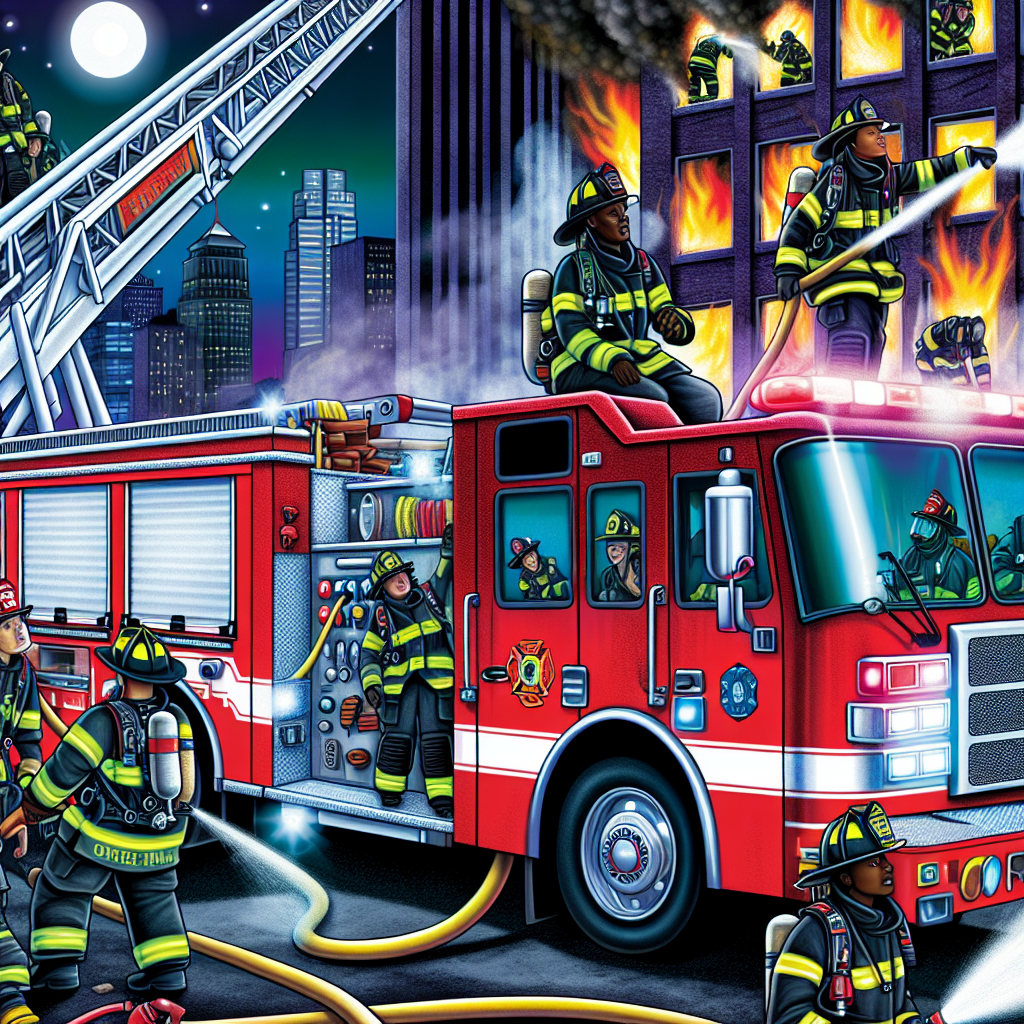
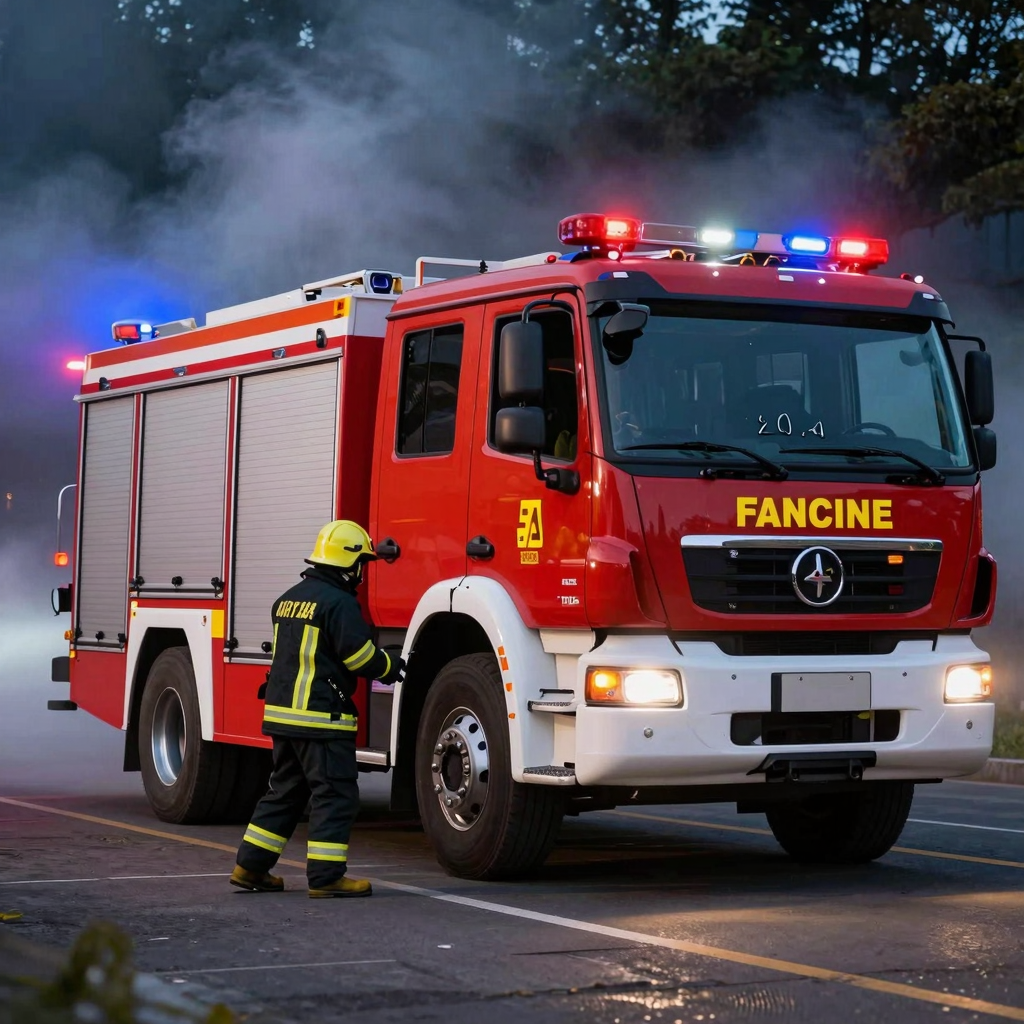
Fire rescue trucks play an indispensable role in emergency responses, serving as the frontline vehicles for firefighters and emergency medical services. Their design is specifically tailored to meet the challenging operational demands of firefighting, rescue operations, and emergency medical assistance. Equipped with essential tools, equipment, and substances such as water tanks and fire hoses, these vehicles are critical in extinguishing fires, rescuing trapped individuals, and providing immediate medical attention in the wake of disasters.
In this article, we will delve into the various aspects of fire rescue trucks, including their key features, types, and the numerous benefits they provide to communities. We will explore how these specialized vehicles contribute significantly to enhancing firefighting capabilities, ensuring quick response times, and ultimately saving lives. Furthermore, we will address the importance of proper training and certification for personnel operating such pivotal equipment, as highlighted in our previous discussions on fire safety essentials and the effective utilization of high-performance equipment in fire rescues. Join us as we uncover the multifaceted significance of fire rescue trucks in safeguarding lives and property.
The History of Fire Rescue Trucks
Early Designs: The Horse-Drawn Era
The history of fire rescue trucks dates back to the early 18th century when fire brigades began using horse-drawn apparatuses. These early fire trucks were essentially large wooden wagons equipped with barrels of water and hand-operated pumps. Firefighters had to rely on manpower to transport the truck to the fire scene.
The Introduction of Steam-Powered Engines
By the mid-19th century, advancements brought about steam-powered fire engines, which significantly improved response times and fire suppression capabilities. These engines utilized steam pressure to pump water, reducing the physical labor required from firefighters. This era marked a substantial leap in technology, allowing for faster and more efficient firefighting efforts.
The Shift to Motorization
The early 20th century saw the transition from steam-powered engines to gasoline-powered fire trucks. This change allowed fire departments to increase their fleet sizes and response capabilities drastically. Motorized fire trucks often came equipped with more sophisticated pump systems and aerial ladder capabilities, which became essential for high-rise building fires.
Technological Innovations in the Late 20th Century
Advancements continued through the latter half of the 20th century and into the 21st century. Features such as:
- Computer-Aided Dispatch (CAD): Improved response times by integrating technology for quicker location and dispatch of fire units.
- Enhanced Safety Features: Modern fire trucks now incorporate advanced safety measures, including rollover protection systems, automatic braking, and improved lighting systems for night operations.
- Specialty Vehicles: The evolution of fire rescue trucks includes specialized units like aerial ladder trucks, foam tenders, and hazmat response vehicles tailored for various emergency scenarios.
Modern Fire Rescue Trucks
Today’s fire rescue trucks are high-tech, multi-purpose vehicles. They often include:
- Water Tanks and High-Capacity Pumps: Larger water tanks and pumps capable of delivering high volumes of water quickly during emergencies.
- Advanced Communication Systems: Integrated radio systems and GPS technology to improve coordination during large-scale incidents.
- Safety Gear Storage: Design optimizations allowing for efficient storage of fire gear, medical equipment, and even space for rescue personnel.
Conclusion
The evolution of fire rescue trucks reflects the advancements in technology, addressing both operational effectiveness and firefighter safety. The journey from horse-drawn wagons to today’s sophisticated vehicles demonstrates a commitment to protecting both lives and property. For those interested in the importance of these vehicles, learn more about fire safety essentials and how they are crucial to modern firefighting.
Fire rescue trucks are essential vehicles equipped with specialized tools and equipment designed to respond to emergencies, particularly fires. These trucks come with various features that enhance their operational capabilities. Below are some of the most critical components:
-
Water Tanks:
-
Fire rescue trucks typically carry large water tanks to provide immediate water supply during firefighting operations. Tank sizes can vary, but many have a capacity ranging from 500 to 3,000 gallons, enabling firefighters to manage fires effectively before additional resources arrive.
-
Hoses:
-
Equipped with high-pressure hoses, fire rescue trucks allow for the rapid deployment of water at the scene. Most trucks carry multiple hose lines, including attack lines and supply lines, with diameters varying from 1.5 to 5 inches, suitable for different firefighting scenarios.
-
Ladders:
-
Aerial ladders are a hallmark feature of many fire rescue trucks. These extendable structures can reach heights of up to 100 feet, facilitating access to upper floors of buildings and rescue missions in challenging situations.
-
Pump Systems:
-
Fire rescue trucks are equipped with powerful pump systems that can draw water from the onboard tank or external sources. These pumps are crucial for generating the necessary pressure to effectively spray water.
-
Specialized Equipment:
-
Fire rescue trucks are often stocked with an array of specialized equipment, including:
- Cutters and Spreaders: Tools used for extrication in rescue operations.
- Firefighting Foam: Used for controlling flammable liquid fires.
- Medical Supplies: Many fire trucks carry first aid kits and automated external defibrillators (AEDs) to provide emergency medical assistance.
-
Communication Systems:
-
Robust communication systems are essential for coordinating efforts between different units at the fire scene. These can include radios and telecommunication devices to ensure seamless interaction.
-
Lighting:
-
Equipped with powerful lights, fire rescue trucks offer visibility at night or in dark environments, enabling firefighters to work safely and efficiently during emergencies.
-
Storage Compartments:
-
Organized storage systems allow for fast access to tools and equipment. Compartments often contain essential gear such as hoses, firefighting tools, personal protective equipment (PPE), and rescue gear.
-
Stability Features:
-
Fire rescue trucks also come equipped with stabilization systems to ensure safety during operations, especially when using aerial ladders or performing rescues.
Understanding these features of fire rescue trucks is essential for appreciating the vital role they play in emergency response efforts. For further insights into fire safety essentials and vehicle specifications, you can learn more about fire safety training and explore customized fire truck solutions.
Comparison of Fire Rescue Truck Models
| Truck Model | Specifications | Uses | Advantages |
|---|---|---|---|
| Pumper Truck | Capacity: 500-750 gallons water | Fire suppression, rescue | High water capacity, quick deployment |
| Aerial Truck | Height: 100+ feet ladder | High-rise fires, ventilation | Access to high places, maneuverability |
| Rescue Truck | Equipped with medical gear and tools | Medical emergencies, rescue | Versatile equipment, rapid response capabilities |
These types of trucks play crucial roles in fire rescue operations, and understanding their specifications helps in making informed decisions for fire departments.
For further insights into the essential aspects of fire safety and vehicle solutions, learn more about the fire safety essentials.
Importance of Fire Rescue Trucks in Community Safety
Fire rescue trucks are a critical component of public safety, embodying the frontline defense against emergencies ranging from structural fires to medical emergencies. Their importance cannot be overstated, as they are equipped to respond swiftly and efficiently, saving lives and protecting property. This section will discuss the vital role fire rescue trucks play in community safety, despite the challenge of finding specific statistical data in recent searches.
Rapid Response Capabilities
Fire rescue trucks are specifically designed to mobilize quickly and carry a range of essential equipment. They typically include fire hoses, water tanks, ladders, and other emergency tools that enable firefighters to tackle incidents immediately upon arrival. The speed at which these vehicles can reach the scene of an emergency is crucial; according to the National Fire Protection Association (NFPA), the chances of survival decrease by approximately 10% for every minute that passes in a fire situation.
Enhancing Public Safety
The presence of fire rescue trucks in a community enhances overall safety and offers peace of mind to residents. These vehicles are not only pivotal in fighting fires but also in conducting rescues, providing medical assistance, and responding to hazardous material incidents. Communities equipped with reliable fire trucks are better prepared to handle crises, reducing the potential for severe outcomes.
Community Engagement and Education
Fire rescue trucks also serve as a platform for community engagement. Fire departments often host events where these trucks are displayed, allowing residents, especially children, to learn about fire safety and prevention. Engaging the public in this way fosters a culture of safety awareness that can lead to proactive measures being taken within the community.
In conclusion, while specific statistics were elusive in recent searches, it remains evident that fire rescue trucks are indispensable in promoting community safety. Their rapid response capabilities, ability to enhance safety measures, and role in community education highlight their critical value. For further insights into fire safety and training, learn more about fire safety essentials and high-performance equipment for fire rescues.
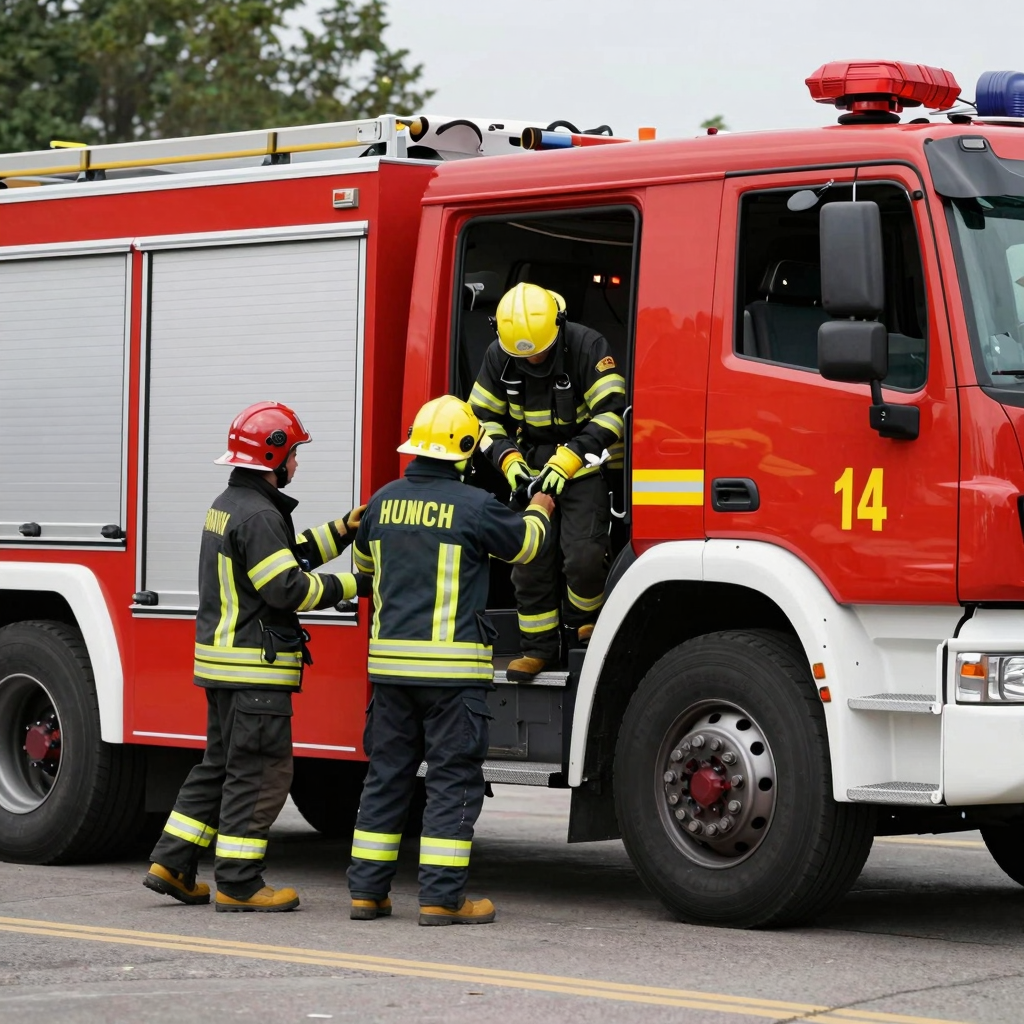
Fire rescue trucks are not just vehicles; they are lifelines that bring our firefighters closer to those in need, ensuring swift response and life-saving interventions. – Chief [Name], Fire Department
In the realm of emergency response and community safety, fire rescue trucks serve a critical role. These specialized vehicles are not just capable of extinguishing flames; they are multifaceted tools designed to navigate challenging terrains, transport essential firefighting equipment, and facilitate quick rescue operations. The importance of fire rescue trucks lies in their ability to protect lives, safeguard property, and build resilience within communities.
When evaluating such vehicles, it’s imperative to consider the various features and benefits they offer, including advanced communication systems, water pumping capabilities, and customizable storage for rescue gear. These features significantly enhance the efficiency and effectiveness of fire departments in responding to emergencies, ensuring that they can act swiftly in life-threatening situations. By investing in a high-quality fire rescue truck, departments can improve their operational readiness and, ultimately, save lives.
We encourage readers, whether individual car buyers, auto dealerships, or small business fleet buyers, to carefully assess the specifications of fire rescue trucks. Understanding the value these vehicles bring, both in emergencies and as part of community infrastructure, is crucial. After all, the safety of our communities depends on robust emergency preparedness. Every second counts in emergencies; therefore, choosing the right vehicle can make a world of difference. Consider fire rescue trucks not just as vehicles, but as vital allies in the ongoing fight to keep our communities safe.
By fostering awareness and recognition of their significance, we can better support our bravest-those who risk their lives for us. Now, as you ponder your next investment or fleet decision, remember the profound impact a fire rescue truck can have, and act accordingly.
Learn more about fire safety essentials and certification training to further enhance your knowledge and support on this vital topic.
Now, let’s work together to ensure that our future is both fire-safe and resilient.
Purchasing Considerations for Fire Rescue Trucks
When it comes to buying fire rescue trucks, organizations must take a careful approach to ensure they meet their needs while staying within budget. Here are key factors to consider:
1. Budget
Establishing a clear budget is the first step in purchasing fire rescue trucks. Costs can vary significantly based on vehicle type, specifications, and features:
- Initial Cost: Consider both new and used options. New trucks come with warranties, but used ones might fit a tighter budget.
- Financing Options: Look into financing options such as loans, grants, or lease agreements. Many manufacturers offer financing plans that could ease the burden on small departments.
2. Needs Assessment
Conducting a thorough needs assessment is crucial:
- Capacity Requirements: Determine the number of personnel and equipment the truck must accommodate. The size and type of fire rescue truck can greatly affect operational efficiency.
- Types of Emergencies: Assess the types of emergencies the truck will primarily address (e.g., wildfires, urban rescues), which will influence vehicle specifications.
- Terrain and Environment: Consider the typical environment in which the truck will operate (rural areas, urban settings, etc.) and choose equipment that is fit for those conditions.
3. Quality and Durability
Fire rescue trucks see heavy usage and must withstand harsh conditions:
- Manufacturer Reputation: Research manufacturers known for high-quality, durable vehicles. Read reviews and seek feedback from existing users.
- Maintenance and Repairs: Investigate warranty options and the availability of replacement parts. A truck that is easier and cheaper to maintain can save money in the long run.
- Safety Features: Prioritize trucks that come equipped with the latest safety features for both the crew and the communities they serve.
4. Customization Options
Fire rescue trucks can often be customized to meet specific needs. Determine what aspects of the truck can be tailored, such as:
- Equipment Storage: Layout and size for carrying hoses, tools, and medical equipment.
- Technology Integration: Consider fire mapping systems, communication devices, and other technology to enhance operational efficiency.
Questions to Consider
When assessing potential fire rescue truck purchases, here are some pertinent questions to guide your decision-making:
- What is our overall budget, including costs for operation, maintenance, and potential upgrades?
- What are the specific roles the fire rescue truck will fulfill in our community?
- How frequently will the vehicle be used, and what kind of wear and tear should we anticipate?
- What manufacturer service and support systems are in place?
- Are there funding opportunities through local government grants or partnerships?
Conclusion
Purchasing a fire rescue truck is a significant investment that requires careful planning and evaluation. By considering budget constraints, conducting a thorough needs assessment, prioritizing quality and durability, and exploring customization options, organizations can make informed choices that enhance their firefighting capabilities. For further insights into fire safety essentials, check out our blog on fire safety essentials.