
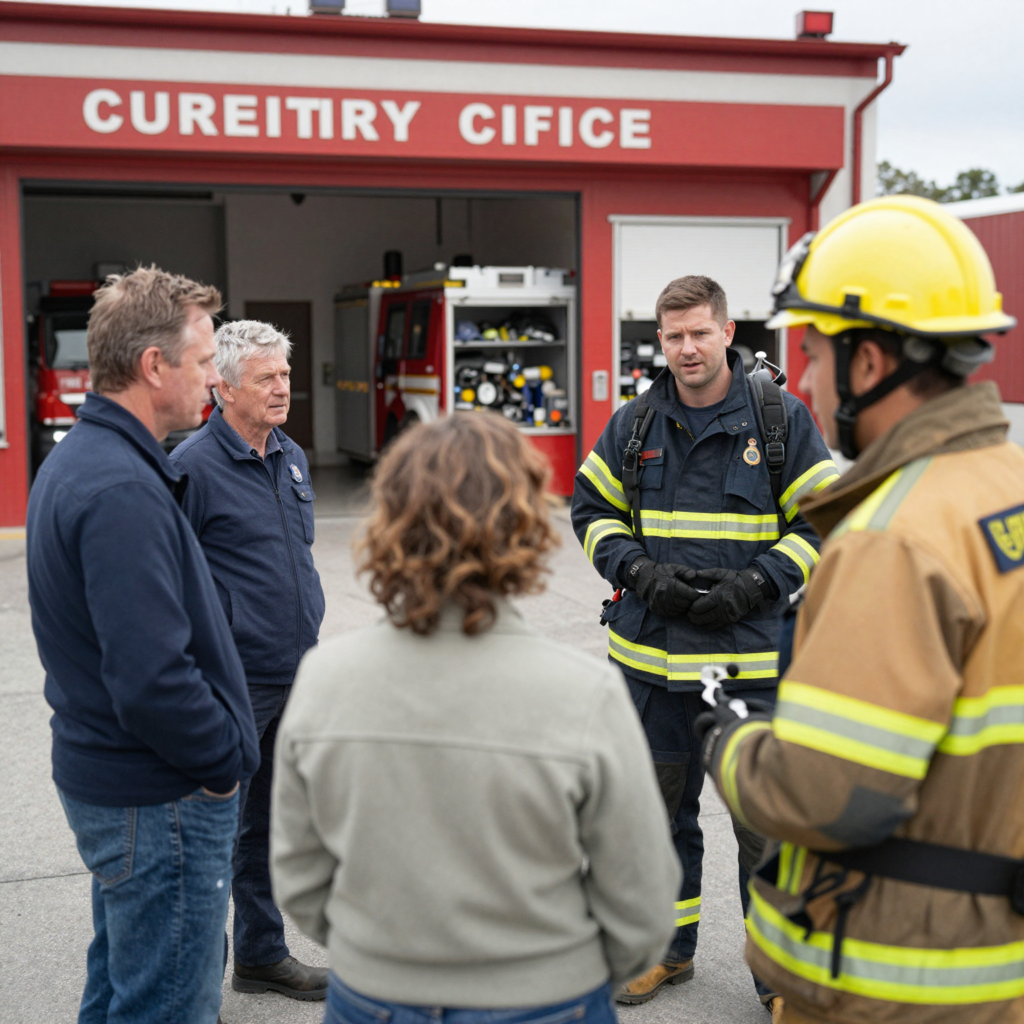
The Importance of Stakeholders in Montgomery County Fire and Rescue
In the realm of emergency services, the significance of stakeholders in Montgomery County Fire and Rescue cannot be overstated. Stakeholders, including local government officials, community organizations, and the citizens themselves, play a crucial role in shaping the effectiveness and efficiency of fire and rescue operations. By collaborating and aligning their interests, these diverse groups foster an environment where safety, preparedness, and rapid response become integral parts of community life. Their involvement not only enhances resource allocation but also ensures that the fire and rescue services are tailored to meet the unique needs of the community they serve. As we delve deeper into the intricate network of stakeholders, we uncover how their relationships and responsibilities contribute to developing a robust fire safety culture in Montgomery County. Join us in exploring the pivotal roles these stakeholders play in creating a resilient community amidst the ever-present challenges of fire safety. For more insights into emergency response strategies, you may want to learn about fire safety essentials and training.
Key Stakeholders of Montgomery County Fire and Rescue
Montgomery County Fire and Rescue (MCFR) plays a vital role in ensuring public safety through a robust network of stakeholders. Each of these stakeholders contributes uniquely to the department’s mission and effectiveness in emergency response:
-
Montgomery County Council: This legislative body oversees the budget and policies affecting fire and rescue services, advocating for priorities related to public safety.
-
Office of the County Executive: The executive branch is instrumental in implementing the council’s policies, ensuring that fire and rescue services receive necessary resources and support.
-
Emergency Management Agencies: Local, state, and federal agencies, including FEMA and Maryland State Police, collaborate with MCFR in emergency preparedness, response, and recovery efforts.
-
Community Organizations: Various local non-profits and civic groups provide resources and support for fire safety education and community outreach, enhancing the overall effectiveness of MCFR’s public education efforts.
-
Public Health Officials: These stakeholders play a crucial role in coordinating responses to health emergencies and ensuring that emergency medical services (EMS) adhere to health standards.
-
Fire Department Leadership: Led by the Fire Chief, this group manages operational decisions and strategic planning for the department, including training and staffing.
-
Union Representatives: Labor unions like the IAFF (International Association of Fire Fighters) advocate for the rights and welfare of firefighters, influencing policies related to labor and safety standards.
-
Volunteer Firefighters: Essential for enhancing response capabilities, volunteers engage in training and community projects, helping to mitigate emergency situations.
-
Residents of Montgomery County: The community is both a stakeholder and a beneficiary of fire and rescue services, providing feedback and support that help shape the department’s focus and strategies.
These stakeholders work collaboratively to foster a safe environment, engaging in initiatives such as public education on fire safety, efficient emergency response planning, and community involvement. Together, they ensure that Montgomery County remains prepared for emergencies while continuously improving public safety. For further insights on safety training, check out Fire Safety Essentials.
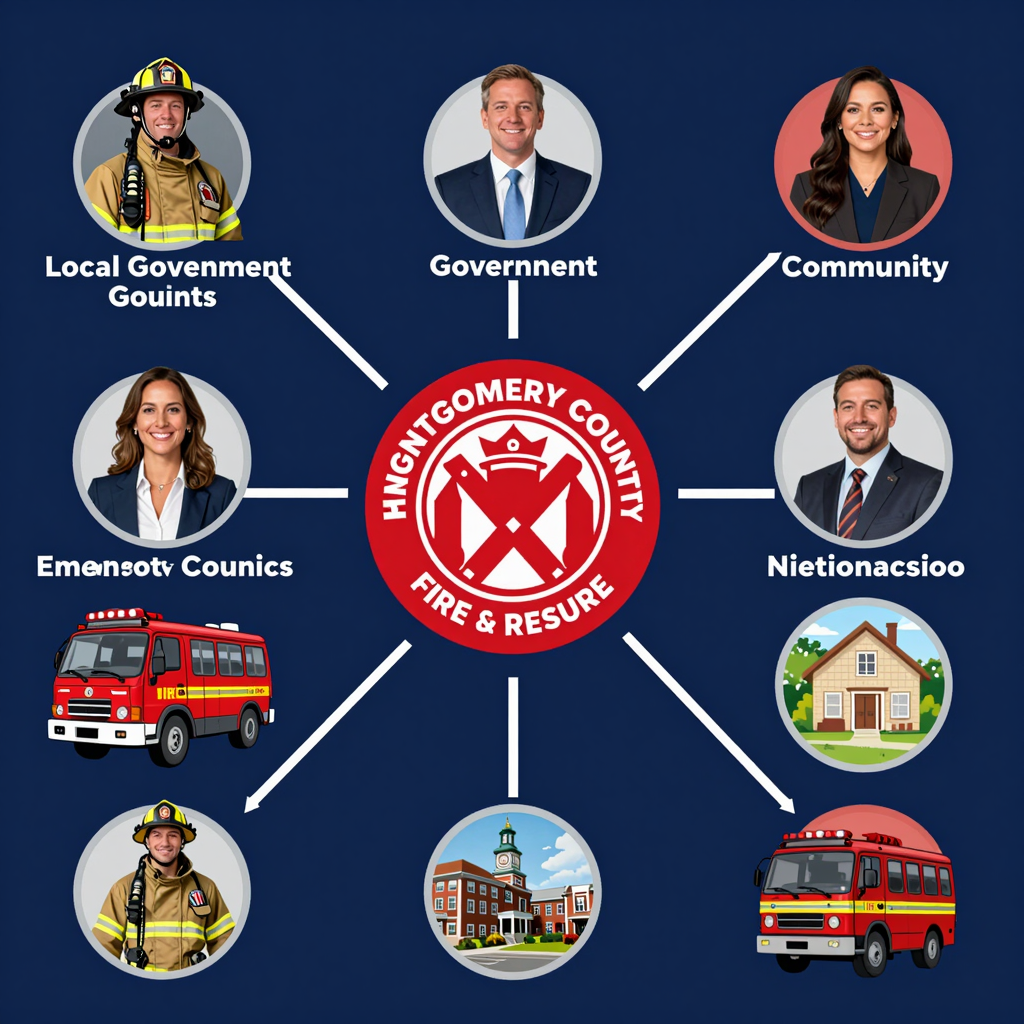
Community members play a critical role as stakeholders in fire and rescue departments, serving not just as passive recipients of services but as active participants in shaping the safety and resilience of their communities. Their engagement can significantly enhance the effectiveness and reach of fire and rescue services.
Contributions of Community Members
-
Volunteerism: Many community members volunteer with their local fire departments, joining forces as auxiliary firefighters or emergency response team members. This volunteer contribution allows fire departments to extend coverage and support, particularly in underserved neighborhoods. Volunteers often assist in response during minor incidents, help conduct safety drills, and distribute educational materials regarding fire safety and emergency preparedness (American Red Cross).
-
Public Education: Community stakeholders participate in educational programs that promote fire safety awareness, such as the well-known “Stop, Drop, and Roll” campaign. Through such initiatives, they help raise awareness about fire hazards and preventative measures, culminating in a more informed and prepared populace. This proactive dissemination of knowledge can lead to enhanced community preparedness and a decrease in fire-related incidents (National Fire Protection Association (NFPA)).
-
Feedback and Advocacy: Citizens often provide valuable feedback that helps fire departments adjust their operations to better meet community needs. They act as liaisons, conveying concerns about specific risks in their neighborhoods, thereby advocating for targeted risk management strategies and necessary infrastructure improvements. This kind of engagement has been shown to lead to significant reductions in residential fire fatalities-by up to 30% in communities with strong citizen participation (U.S. Fire Administration).
Benefits for Community Members
The benefits of strong community involvement in fire and rescue services are substantial. Community members experience enhanced safety through faster response times due to better-informed citizens and improved operational efficiency within the fire department. Furthermore, public involvement fosters trust between residents and fire services, creating a cooperative atmosphere that encourages more residents to participate in safety initiatives.
Additionally, the benefits extend to economic dimensions. Fire and rescue services not only provide critical life-saving capabilities but also significantly mitigate property damage costs and lower long-term economic burdens due to the effective management of emergency situations. For example, investing in fire prevention services can yield savings of up to five times the initial investment in future property damages (FEMA).
Conclusion
In summary, community members are indispensable stakeholders in the fire and rescue sector, contributing through volunteerism, education, and advocacy while reaping the benefits of enhanced safety and economic resilience. Their active involvement not only improves outcomes during emergencies but also fortifies the social fabric of their communities. These synergistic interactions between fire and rescue departments and the community highlight the importance of engagement and partnership in public safety endeavors.
The Role of Local Government in Supporting Montgomery County Fire and Rescue
The local government plays a vital role in the effective operation of the Montgomery County Fire and Rescue Service (MCFRS). This governmental entity is responsible for ensuring public safety through fire suppression, emergency medical services (EMS), technical rescue operations, and hazardous materials response. The Montgomery County government funds personnel, equipment, training programs, and essential facilities to support its fire and rescue operations. This funding is crucial for maintaining the operational readiness of the service, which serves a diverse population across varied urban and rural settings.
Policy Implementation and Oversight
The Montgomery County Council, as the legislative body, is pivotal in developing and implementing policies relevant to fire and rescue operations. They approve the annual budget that allocates funds to the MCFRS, covering staffing, maintenance of vehicles, and technology upgrades. Moreover, the council conducts oversight hearings to assess the performance and preparedness of the department, ensuring that public safety goals align with community needs and expectations. For example, the approved Fiscal Year 2025 budget includes a $37.8 million allocation for the MCFRS, reflecting a 4.2% increase aimed at enhancing staffing levels, replacing aged equipment, and expanding EMS capabilities. This budget also plans for the construction of a new fire station in Gaithersburg, targeting improved response times in rapidly developing areas.
Impacts of Budget Decisions
Budget decisions directly influence the scope and quality of fire and rescue operations. Recent reports indicate that while this fiscal increase is significant, challenges persist due to rising operational costs driven by inflation. Concerns from the Montgomery County Fire and Rescue leadership highlight that even with additional funding, ongoing financial pressures can impact response times and training quality. As the county prepares for future budget cycles, it must balance the realities of fiscal constraints with the necessity of maintaining a high standard of emergency service.
Community Engagement and Future Planning
As part of its strategic approach, the local government also focuses on community education and risk assessment programs in conjunction with MCFRS. This collaborative effort entails promoting fire safety through various outreach initiatives, thus enhancing the overall preparedness of residents in case of emergencies. The Montgomery County Office of Public Safety and Emergency Management coordinates multi-agency responses, ensuring that fire prevention and emergency management strategies are interlinked, particularly for large-scale incidents or natural disasters. By investing in policy development and budgetary commitments, the Montgomery County government is not only supporting the immediate needs of fire and rescue services but is also setting the foundation for sustainable, long-term improvements in public safety.
By navigating these complex challenges, the local government ensures that the Montgomery County Fire and Rescue Service remains adequately equipped and trained, ultimately fostering a safer environment for all residents.
For more information on the importance of fire safety training, learn more here. Additionally, discover how community input shapes emergency preparedness strategies in our related article.
Stakeholder Involvement in Montgomery County Fire and Rescue
Understanding the various stakeholders involved in Montgomery County Fire and Rescue (MCFRS) is crucial for grasping the collaborative efforts that enhance public safety and service delivery. The table below outlines the responsibilities, investments, and outcomes associated with key stakeholders involved in MCFRS.
| Stakeholder | Responsibilities | Investments | Key Outcomes |
|---|---|---|---|
| Montgomery County Government | Oversight, funding allocation, emergency management | $25 million capital investment for upgrades | Enhanced service delivery, improved responder safety |
| MCFRS Staff and Firefighters | Emergency response, training, public education | $18 million for new fire apparatus | 95% success rate in cardiac interventions |
| Community Volunteers | Supporting disaster response, community outreach | Training and participatory workshops | 20% increase in community participation in safety workshops |
| Local Businesses | Collaborating on risk assessments, safety programs | Providing resources for community drills | Improved fire safety awareness and preparedness |
| Educational Institutions | Hosting educational sessions, safety drills | Use of facilities for training sessions | Increased awareness and safety knowledge among students |
| Non-Profit Organizations | Coordinating community safety initiatives | Funding for outreach programs | Increased engagement in fire safety initiatives |
For more information on MCFRS’s commitment to fire safety and training, you can learn more about fire safety essentials and training. Additionally, MCFRS collaborates with various organizations for customized fire truck solutions to meet specific community needs. For comprehensive insights, check out our blog on customized firefighting vehicle solutions.
The Critical Role of Volunteer Firefighters in Montgomery County Fire and Rescue
Volunteer firefighters serve a crucial role in the operations of Montgomery County Fire and Rescue, acting as dedicated stakeholders committed to enhancing community safety and fostering resilience. This dynamic group is primarily responsible for responding to emergencies, but their contributions extend far beyond; they are pillars of support in community education, outreach, and preparedness.
Training and Commitment
Volunteer firefighters in Montgomery County are rigorously trained, undergoing a comprehensive program that spans several months. Initially, volunteers participate in a 6-month training regimen, which consists of:
- Classroom instruction covering fundamental fire science and emergency medical services (EMS).
- Physical fitness drills designed to build the necessary strength and stamina to manage the demands of firefighting tasks.
- Hands-on field exercises that simulate real-life scenarios, ensuring that volunteers are well-prepared to tackle various emergencies, including hazardous materials response and technical rescues.
Moreover, ongoing training continues through monthly drills, focusing on skills such as rapid equipment donning and vehicle operations, vital for effective emergency responses. The commitment of these volunteers is remarkable, with some dedicating 10 or more years of service, reflecting both their passion for public safety and the community spirit.
Benefits to the Community
The impact of volunteer firefighters on the community is profound. They enhance the emergency response capacity, especially in rural and suburban areas where career firefighters may not be present at all times. Over 70% of frontline responders in Montgomery County are volunteers, highlighting their significance in maintaining effective emergency services.
In addition to emergency response, these volunteers engage in various community outreach initiatives. They conduct safety presentations in schools, participate in local disaster preparedness training, and assess neighborhood risks to ensure comprehensive community safety. This direct engagement fosters stronger community ties and provides invaluable safety education, allowing residents to better understand fire prevention and emergency preparedness.
Furthermore, volunteer firefighters also experience numerous personal benefits, including improved physical health, mental well-being, and a strong sense of civic purpose. The structured environment and peer support systems contribute positively to personal development, allowing volunteers to gain leadership skills and professional capabilities that extend beyond firefighting.
In conclusion, the role of volunteer firefighters within Montgomery County Fire and Rescue is indispensable. Their commitment, training, and active community involvement significantly enhance public safety, making them vital stakeholders in creating a resilient and prepared community. To explore more about fire safety training for volunteers, click here.
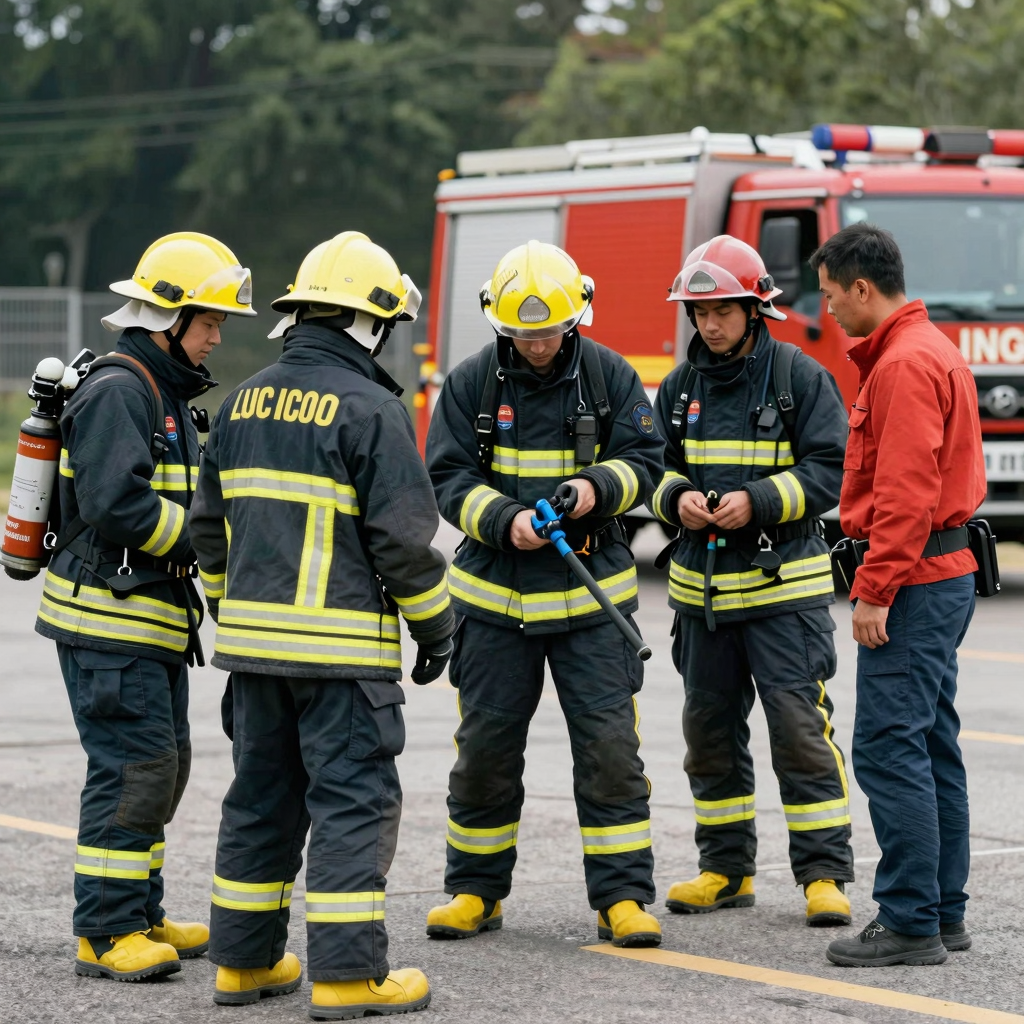
The Importance of Stakeholder Engagement and Community Support
Engaging the community and creating strong relationships are vital to the effectiveness of fire and rescue services. Local fire chiefs emphasize that support from residents is not only about funding but also about building trust and cooperation.
“When a community stands with us, it’s not just about funding-it’s about trust. That trust means quicker response times, better cooperation during evacuations, and more people volunteering to help.”
- Fire Chief Michael Williams, Portland Fire Department [Source]
This approach enhances preparedness and fosters a culture of shared responsibility within the community. Engagement activities, such as open houses and public education campaigns, significantly improve public safety outcomes by promoting proactive measures and ensuring citizens feel connected to their fire services.
For more insights on fire safety and effective training, learn more about fire safety essentials here.
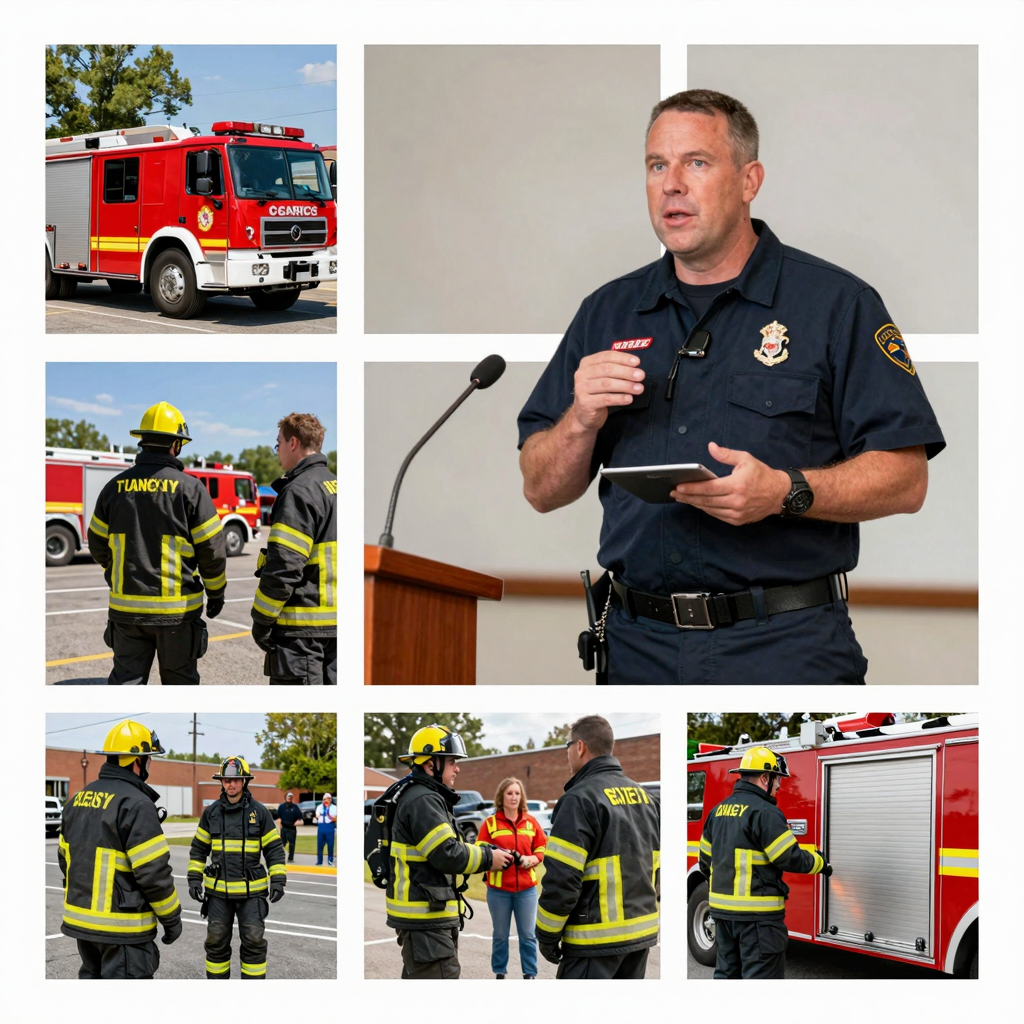
Local Fire Chief discussing community support.
In conclusion, community engagement is a non-negotiable aspect of effective firefighting. By forging relationships, fire departments can respond more effectively to emergencies and create a safer environment for all citizens.
In conclusion, the effectiveness of the Montgomery County Fire and Rescue (MCFR) is intricately linked to the active involvement of various stakeholders, including local government agencies, healthcare providers, non-profit organizations, and the community at large. The emphasis on collaboration has proven to be a game-changer in emergency response and disaster preparedness, significantly enhancing both operational efficiency and public education. With a reported 30% reduction in response times over five years due to these partnerships, it becomes clear that collective efforts lead to improved outcomes during crises. Moreover, by regularly engaging in joint training and information-sharing protocols, MCFR and its stakeholders not only build resilience but also foster trust and innovation within the community. As we move forward, it is essential for all stakeholders to continue to prioritize collaboration, ensuring that Montgomery County remains a model of effective emergency management and community safety. For further insights into the training and certification aspects that support this framework, learn more about fire safety essentials and explore the role of firefighters in community safety.
Funding Sources for Montgomery County Fire and Rescue
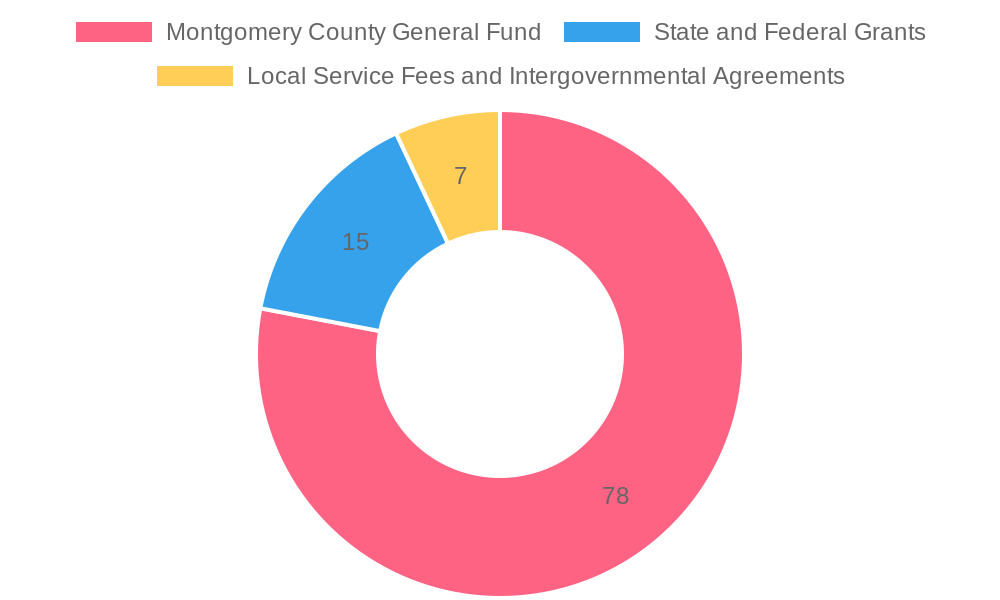
Montgomery County Fire and Rescue receives funding from various sources to ensure effective emergency service operations. The funding structure for fiscal year 2024 is broken down as follows:
| Funding Source | Percentage |
|---|---|
| Montgomery County General Fund | 78% |
| State and Federal Grants | 15% |
| Local Service Fees and Intergovernmental Agreements | 7% |
The largest portion of funding, 78%, comes from the Montgomery County General Fund, which is crucial for covering personnel, equipment, and training necessary for efficient emergency service delivery. State and federal grants contribute 15%, helping to support capital equipment and specialized training, while local service fees and intergovernmental agreements make up the remaining 7%.
Visual Representation of Funding Sources
Below is a pie chart providing a visual representation of the funding sources for Montgomery County Fire and Rescue:
For further details on funding and budgeting for Montgomery County Fire and Rescue, you can visit the Montgomery County Fire and Rescue Funding Overview.