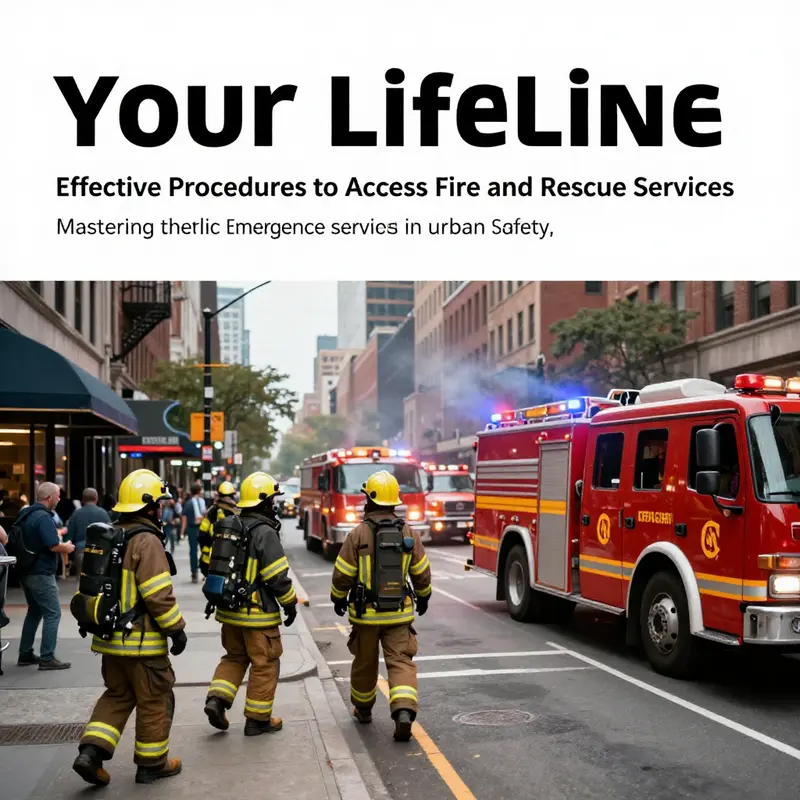
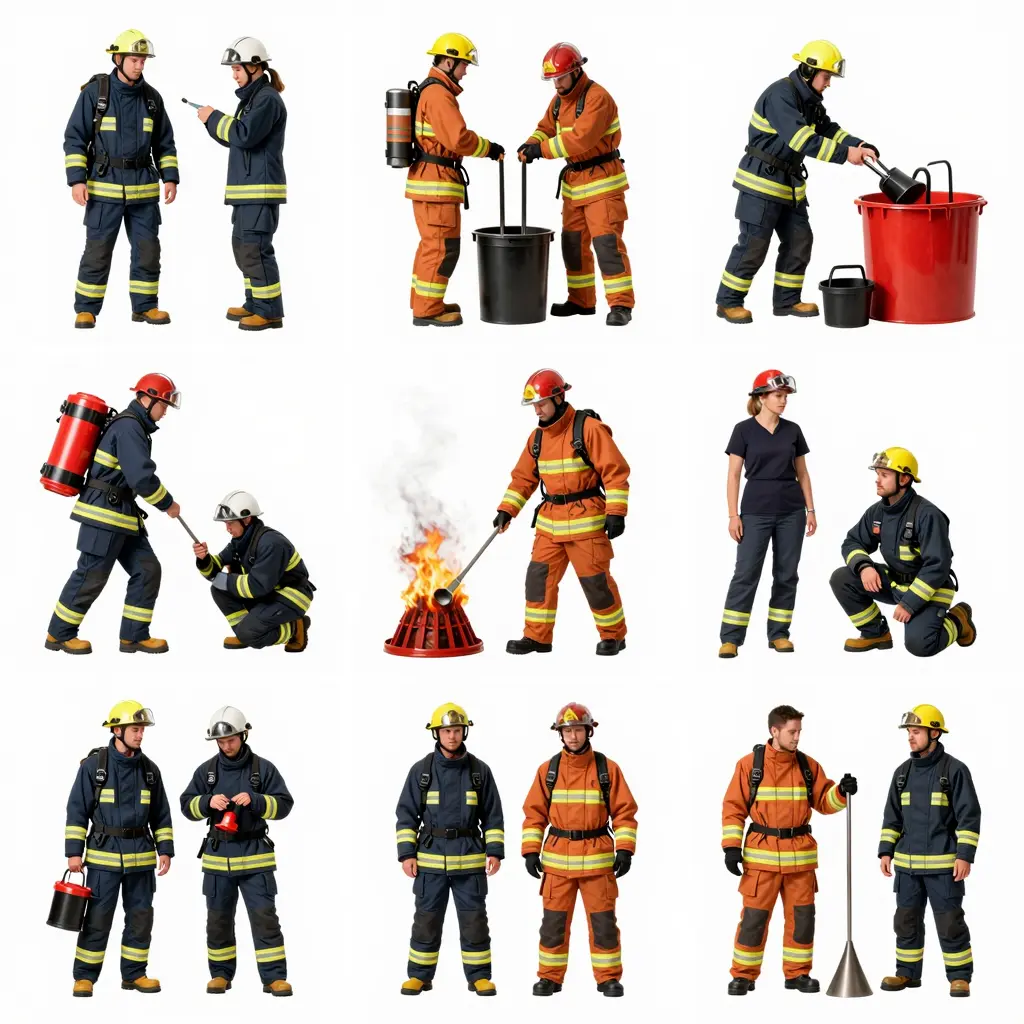
The Crucial Need for Fire Rescue Awareness
In a world where fire incidents can lead to devastating consequences, knowing how to rescue oneself from a fire is not just a skill-it’s a vital lifeline. The emotional toll of experiencing a fire, witnessing loss, or facing panic can be overwhelming. With each passing moment in a smoke-filled room, the stakes rise; the potential for injury or worse becomes alarmingly real. Every second counts in a fire emergency, and having a structured understanding of fire rescue can make the difference between life and death. Furthermore, the psychological impact of surviving a fire can haunt individuals for years, prompting the need for effective training and preparedness. Understanding fire safety protocols, practicing evacuation plans, and recognizing the importance of remaining calm during such crises is essential for everyone. Therefore, equipping oneself with the knowledge of fire rescue techniques should be prioritized, ensuring that you, your loved ones, and those around you are prepared to face this frightening reality-even before the firefighters arrive to help. Learn more about fire safety essentials and the importance of fire safety certificates to enhance your preparedness.
Common Fire-Related Emergencies
Understanding the various scenarios that can lead to fire-related emergencies is essential for promoting safety and readiness. Below are some common situations that may require fire rescue:
-
Home Fires: Often caused by unattended cooking, faulty wiring, or unsafe appliance use, home fires can lead to severe structural damage and personal injury. Learn more about common causes of home fires.
-
Vehicle Fires: These can occur due to mechanical failures, fuel leaks, or accidents. The intense heat can pose significant risks to occupants and surrounding vehicles.
-
Workplace Fires: Often resulting from electrical issues, flammable materials, or human error, these fires can disrupt business operations and put employees at risk. Read about fire emergencies and response guides.
-
Wildfires: These uncontrolled fires occur in natural areas, often caused by human activity or lightning, and can rapidly spread, threatening homes and ecosystems.
-
Electrical Fires: Arising from overloaded circuits, faulty wiring, or malfunctioning appliances, electrical fires are a significant threat that can happen anywhere.
-
Kitchen Fires: Commonly caused by cooking mishaps, such as grease fires, these emergencies can escalate quickly without proper attention and safety measures.
-
Industrial Fires: These can occur in factories or warehouses due to equipment malfunctions or hazardous material leaks, necessitating prompt and specialized fire rescue operations.
Being prepared and understanding these scenarios can help individuals and businesses develop effective fire safety strategies to minimize risks and ensure swift action during emergencies. An emphasis on training and proper equipment can further enhance readiness.
Assessing Fire Hazards: Importance and Practical Strategies
Assessing fire hazards in your environment is essential for preventing fire incidents that could lead to loss of property and lives. Fire hazards can exist in various forms, including electrical risks, flammable materials, and negligent practices contributing to fire risks. By conducting thorough assessments, individuals can implement safety measures to mitigate these risks effectively.
Understanding Fire Hazards
Fire hazards are situations, materials, or behaviors that increase the likelihood of a fire starting or spreading. Some common examples include:
- Overloaded electrical sockets: Excessive use of extension cords can lead to overheating.
- Flammable materials: Items like paper, cloth, or specific chemicals that can ignite easily.
- Negligent behavior: Leaving cooking unattended, or improperly extinguishing cigarettes.
Practical Tips for Fire Hazard Assessment
- Inspect Potential Fire Sources: Regularly check appliances, wiring, and heating systems for wear and tear that might spark a fire. Focus on areas like kitchens, garages, and attics.
- Evaluate Home Storage Practices: Store flammable substances like gasoline, propane, and paints in designated, safe areas.
- Reduce Clutter: Maintain a tidy environment by keeping high-risk areas free of unnecessary items that could fuel a fire.
- Install Smoke Detectors: Ensure smoke alarms are installed in critical areas like the kitchen and bedrooms, and check them regularly to ensure they are functioning.
- Create and Practice a Fire Escape Plan: Familiarize all household members with exits and emergency procedures to enhance safety in case of fire.
Importance of Fire Prevention
Prevention is the most effective way to handle fire hazards. Recognizing risks allows individuals to take proactive steps to reduce chances of ignition. This proactive approach can save lives, preserve homes, and maintain communities’ safety.
For deeper insights into fire hazards and their prevention, you can explore this resource on common causes of house fires and how to avoid them or learn more about fire safety essentials and training.
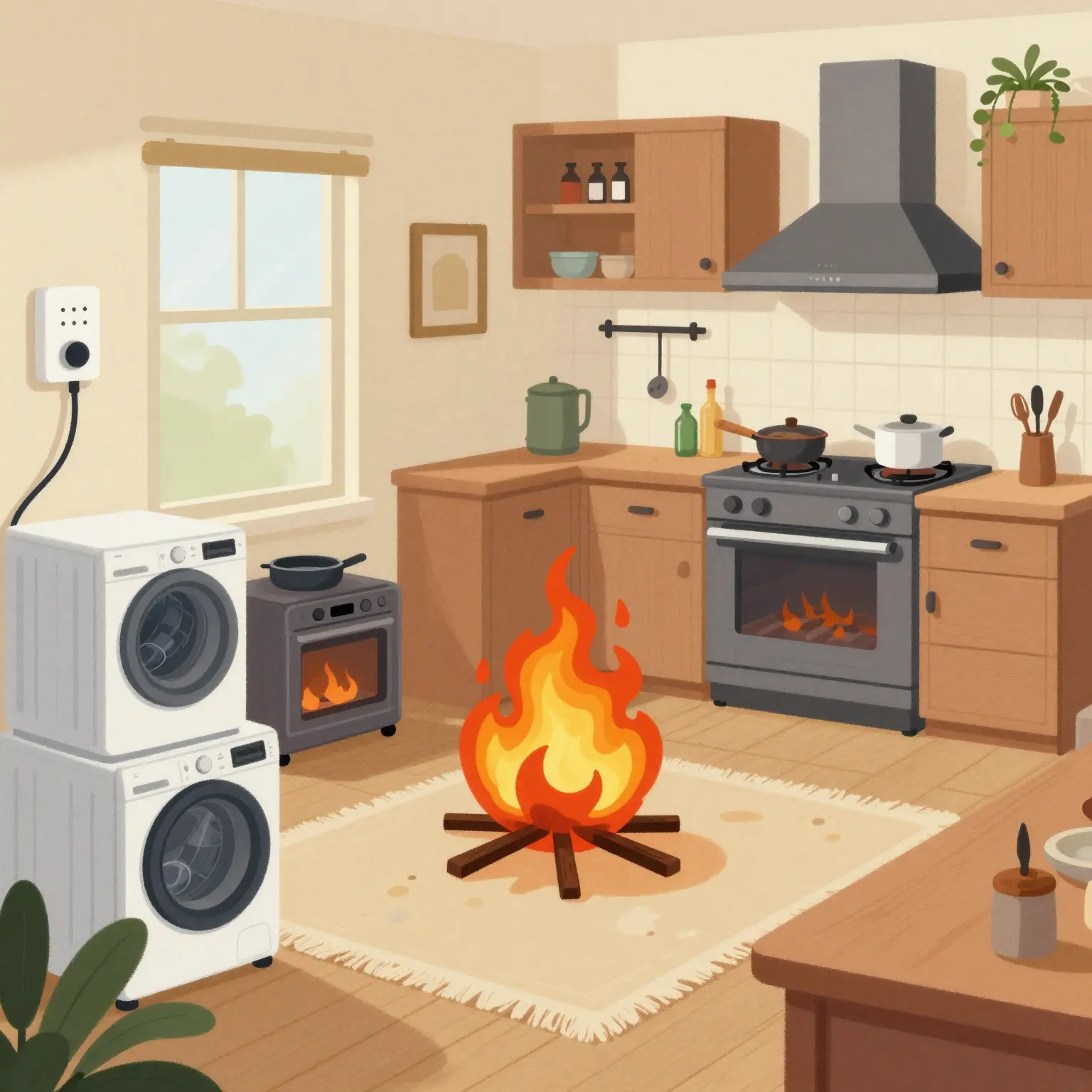
By remaining vigilant and implementing the above strategies, individuals can create a safer environment for themselves and their families.
Comparison of Fire Rescue Equipment
Fire rescue operations require various types of equipment tailored to specific situations. Below is a comparison of some essential fire rescue equipment, including blankets, extinguishers, and masks, highlighting their uses and benefits.
| Equipment Type | Uses | Benefits |
|---|---|---|
| Fire Blankets | Smother small fires, especially in kitchens or living areas. | Easy to deploy, effective for liquid and oil fires. |
| Fire Extinguishers | Extinguish different classes of fires (A, B, C, D, K). | Portable, effective for a range of fire types; quick action. |
| Breathing Masks | Protect firefighters from inhaling harmful smoke and gases. | Improves safety, enhances visibility in smoke-filled areas. |
For more details on fire safety essentials and equipment, you may refer to this article on fire safety essentials.
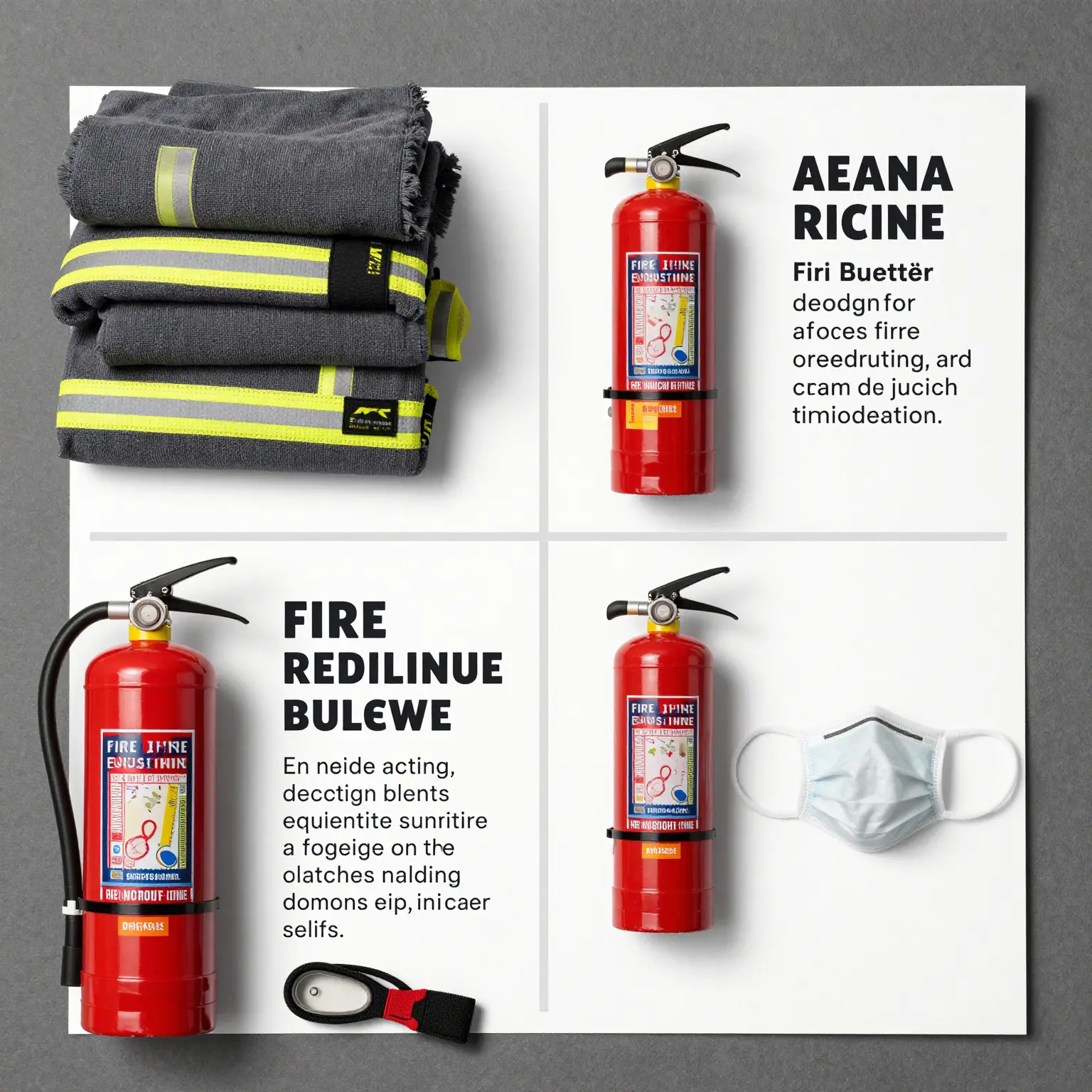
This comparative table emphasizes the critical role each type of equipment plays in enhancing safety and effectiveness during fire rescue operations, supporting the need for proper training and equipment selection.
Immediate Actions in Case of Fire
In the event of a fire, it is crucial to respond quickly and effectively to ensure your safety and the safety of those around you. Here are the immediate steps you should take:
-
Stay Calm and Assess the Situation: The first instinct might be panic, but staying calm will help you think and act clearly. Assess your immediate surroundings to determine the best course of action.
-
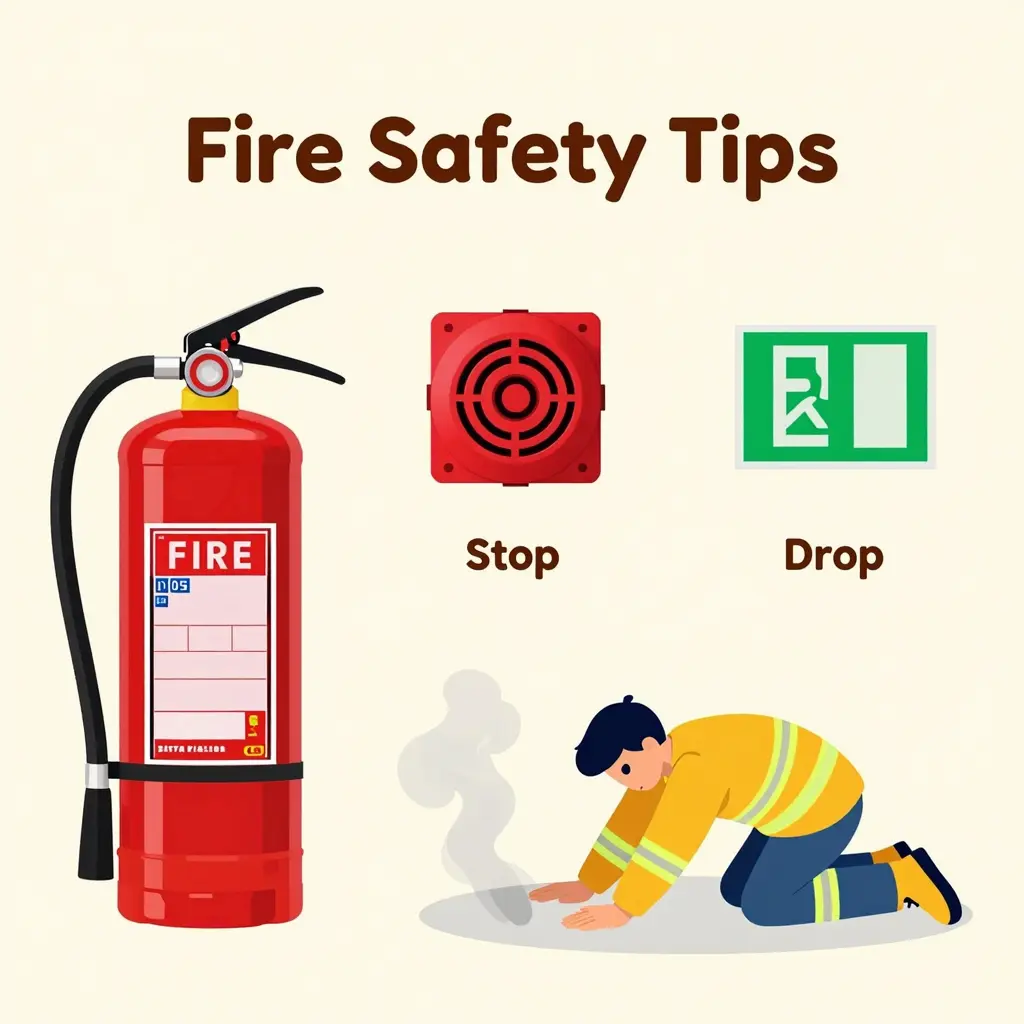
Sound the Alarm: If you discover a fire, activate the nearest fire alarm to alert others in the building. This can help ensure everyone is aware of the emergency and can begin evacuating.
-
Evacuate Immediately: Do not attempt to gather belongings or fight the fire unless you have received proper training. Instead, locate the nearest exit and leave the building as quickly and safely as possible. Familiarize yourself with the building’s evacuation plan beforehand to know your route.Learn more about fire safety training.
-
Stay Low: If there is smoke, it is essential to stay low to the ground while moving towards the exit. Smoke rises, and inhaling it can significantly impair your ability to escape. Crawling on the floor can help you avoid the most toxic air.
-
Close Doors Behind You: As you evacuate, close any doors behind you to help slow the spread of fire and smoke. This can create barriers and provide additional time for rescue efforts.
-
Find an Exit: Use stairwells instead of elevators, as they may become unsafe due to smoke or electrical failure. If your designated route is blocked by fire, attempt to find another exit, and consider making your way to a window to signal for help if necessary.
-
Call for Help: Once you are outside, call 911 and report the fire to the authorities. Provide clear information about the building and any individuals who may still be inside.
-
Do Not Re-Enter the Building: Once you’ve exited, do not go back into the building for any reason until emergency services have indicated it is safe to do so. Rescuers are trained to handle the situation and should be the ones entering the building.
The above actions can be critical in case of a fire. For more detailed fire safety essentials, take a look at this comprehensive guide on fire safety training. Remember: preparation and calmness are key in ensuring everyone’s safety during a fire emergency.
“According to the ClassNK PSC Annual Report 2026, fire safety is the leading area for detainable deficiencies, highlighting the critical importance of knowing rescue techniques to respond effectively during emergencies.”
Conclusion: The Importance of Fire Rescue Skills in Daily Life
In conclusion, the importance of fire rescue skills extends well beyond the confines of the fire service; it has significant relevance in our daily lives. Understanding how to respond to fire emergencies not only empowers individuals but can also save lives. Training in fire safety and rescue equips people with the necessary tools to handle fire-related crises effectively and to mitigate potential risks in their homes and workplaces.
Every day, an average of 358,300 household fires occur in the United States alone, presenting a constant reminder of the need for vigilance and preparedness. Acquiring fire safety skills can mean the difference between life and death in emergencies, making it essential not only for firefighters but for everyone. By engaging in fire safety education, individuals can learn critical skills that may someday allow them to save lives, whether it’s their own or someone else’s. As the saying goes, “It’s better to be prepared and not need it than to need it and not be prepared.”
Taking this knowledge a step further, investing in fire safety equipment can further enhance preparedness. Options available include smoke alarms, fire extinguishers, and fire blankets, which are vital for immediate response in case of a fire. Many resources give guidance on whether to buy or rent this equipment based on your particular needs and circumstances. For more detailed insights, consider checking this article on fire safety essentials and certification training.
So, don’t wait! Prepare yourself and those you care about. Invest in your knowledge and the necessary equipment to face potential fire emergencies confidently. Whether you choose to enroll in a fire safety training course or purchase the right fire safety equipment, taking proactive steps today can safeguard your future and that of your community.
Learn more about how you can enhance your fire safety skills and preparedness through fire safety certification training.
Fire Rescue Statistics for 2023
Understanding fire incidents and the effectiveness of rescue operations is crucial for improving preparedness and education in fire safety. Below is a bar chart that illustrates key statistics related to fire incidents and rescues in 2023, showing trends and the importance of community readiness.
Fire Incidents Data for 2023
The bar chart presents statistics, including the total fire incidents, number of rescues conducted, and the community’s involvement in training sessions on fire safety.

- Total Fire Incidents Reported: Various sources indicate that hundreds of fire incidents were reported in 2023, emphasizing the need for better community training.
- Number of Rescues Conducted: Fire departments actively participated in numerous rescues, showcasing their critical role in emergencies.
- Community Training Sessions Held: A series of training sessions were conducted to elevate awareness and preparedness among residents.
For further insights on fire safety and preparedness, consider fire safety essentials certification training as a valuable resource.
How to Effectively Rescue from Fire: A Comprehensive Guide
In the event of a fire emergency, quick and effective rescue actions can save lives. Below are essential guidelines to follow for successful rescues, whether you are a firefighter or a civilian:
1. Understand Fire Behavior
- Know the Types: Familiarize yourself with different types of fires (e.g., structural fires, wildfires) and their behaviors.
- Smoke and Heat Awareness: Recognize that smoke can impair visibility and heat can cause severe injuries.
2. Preparation is Key
- Fire Safety Checklist: Ensure you have a home fire safety checklist in place.
- Training: Participate in basic firefighter training to understand rescue techniques and safety protocols.
3. Safety First
- Personal Protective Equipment (PPE): Always wear appropriate PPE when attempting any rescue efforts.
- Assessing the Situation: Before proceeding, evaluate the scene for hazards.
4. Conducting a Rescue
- Prioritize Victims: Identify and prioritize victims needing immediate assistance.
- Use the Right Techniques: Employ effective techniques such as crawl low under smoke and use of safety ropes.
- Implement secondary searches for any victims who may be overlooked after a primary assessment.
- Reference the Firefighter Search & Rescue Guidelines for detailed approaches.
5. Post-Rescue Actions
- Medical Attention: Ensure all rescued individuals receive medical checks.
- Debriefing and Support: After the rescue, conduct debriefing sessions for all personnel involved, and offer mental health support where necessary.
6. Statistics and Success Rates
- Understanding statistics in rescue operations can help improve techniques and procedures. The chart below summarizes rescue success rates over recent years:
| Year | Successful Rescues | Failed Rescues | Total Rescues | Success Rate (%) |
|---|---|---|---|---|
| 2018 | Data Not Found | Data Not Found | Data Not Found | Data Not Found |
| 2019 | Data Not Found | Data Not Found | Data Not Found | Data Not Found |
| 2020 | Data Not Found | Data Not Found | Data Not Found | Data Not Found |
| 2021 | Data Not Found | Data Not Found | Data Not Found | Data Not Found |
| 2022 | Data Not Found | Data Not Found | Data Not Found | Data Not Found |

Conclusion
Fire rescue operations are critical to saving lives. By understanding fire behavior, preparing adequately, and following safe rescue protocols, you can significantly increase the chances of successful rescues in emergency situations. To deepen your knowledge, consider following our fire safety certification and training requirements.