
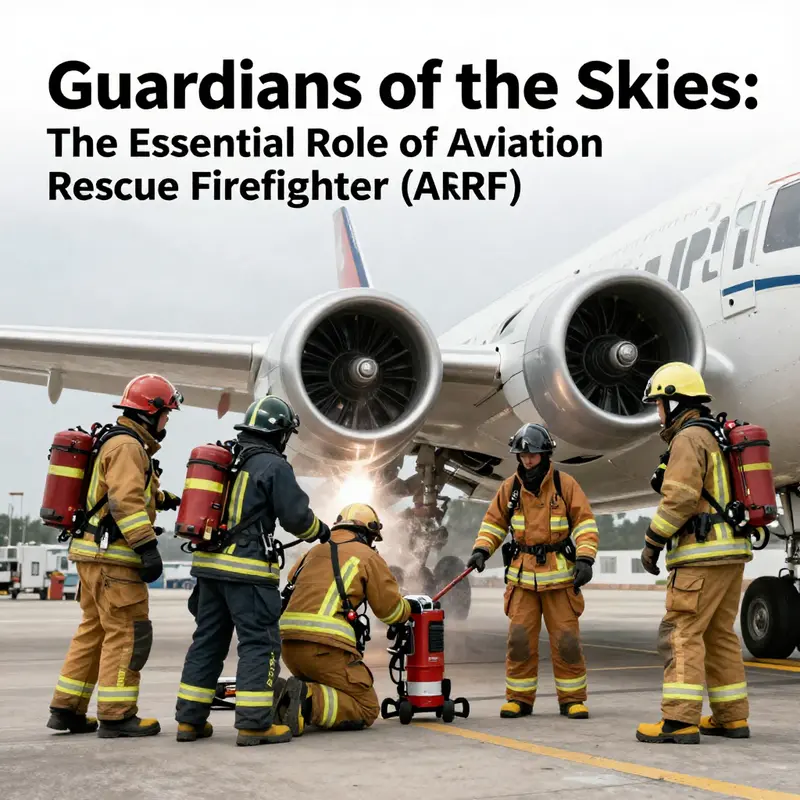
Aviation is a driving force in global connectivity, but with it comes inherent risks. At the heart of mitigating these risks are Aviation Rescue and Firefighters (ARFF), trained experts who protect lives in critical situations. In this exploration, we’ll delve into the critical role ARFF plays in ensuring aviation safety, the sophisticated equipment and techniques they employ during emergencies, and the rigorous training and standards that define their profession. Each chapter will build on the understanding of how ARFF firefighters are indispensable to air travel safety, highlighting their expertise and the protocols guiding their actions in emergencies.
Forging the Frontline: The Integral Role of ARFF in Advancing Aviation Safety
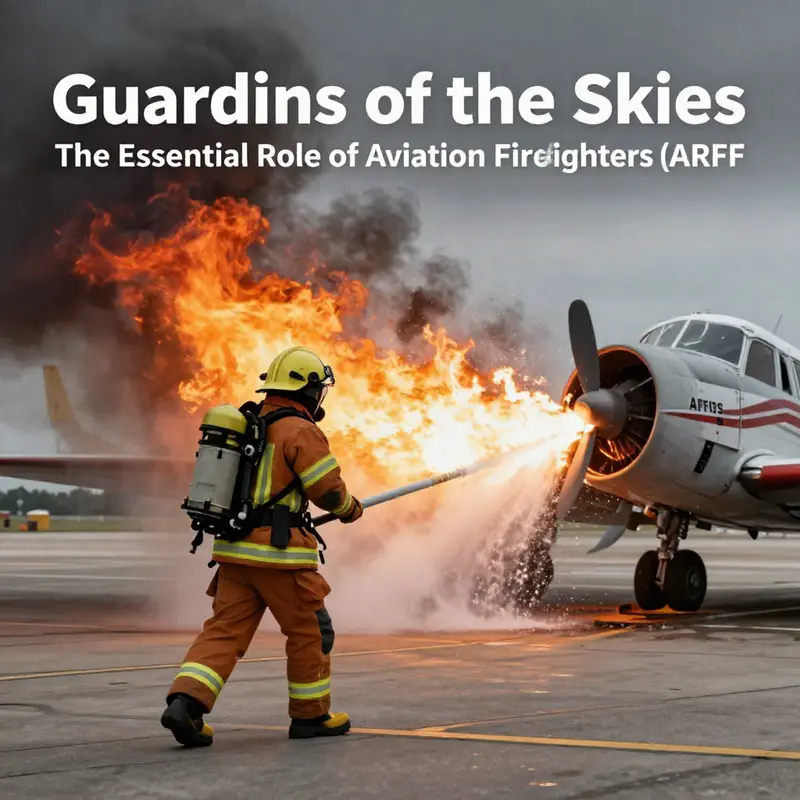
Aviation incidents demand a rapid, expert, and coordinated response, and for decades the role of Aviation Rescue Fire Fighters (ARFF) has been fundamental to ensuring that airports around the globe remain safe havens of transit. In this chapter we explore the expansive responsibilities, training, and strategic importance of ARFF units, highlighting their multifaceted operations from initial response to restoration of airport functionality. Through a narrative that interweaves technical training, regulatory compliance, and the relentless commitment of these professionals, we reveal how ARFF teams stand as the last line of defense against potentially catastrophic incidents, ensuring the safety of passengers, crew, and airport personnel.
An ARFF firefighter is not merely a conventional firefighter; it is a professional honed by rigorous training specialized in dealing with the unique hazards of aviation emergencies. Unlike typical fire departments that might respond to structure fires or roadway incidents, ARFF personnel must cope with the complexity of aircraft-related emergencies. Aircraft fires involve high-energy jet fuels that burn at extreme temperatures, and in many cases, these fires can re-ignite despite initial suppression efforts. Such scenarios require an in-depth understanding of aircraft design, fuel systems, and hazardous materials management. These professionals are trained to quickly assess situations where fuel leaks, structural failures, and explosions can occur in rapid succession. With this expertise, ARFF teams not only tackle flames, but also address secondary hazards that can quickly escalate.
Central to an ARFF firefighter’s role is the imperative of speed combined with tactical proficiency. International guidelines, such as those established by the International Civil Aviation Organization (ICAO), necessitate that any ARFF unit has the ability to respond within a three-minute window from the moment the alarm is raised. Within these critical minutes lies the potential difference between survival and tragedy. The phrase “golden 90 seconds” is often used to underscore the tremendous importance of rapid action, during which any delay can have irreversible consequences. ARFF units are thus designed to achieve an instantaneous shift from alert to action, with crews being expected to be fully motorized and en route in under a minute, ready to confront high-intensity scenarios such as post-crash fires, fuel spills, and other post-impact emergencies.
At the heart of these operations is the knowledge that every second counts. The deployment vehicles used by ARFF teams are not ordinary fire trucks, but high-performance apparatus specially engineered for rapid mobility on airport runways, taxiways, and aprons. These vehicles carry a combination of water, foam agents (such as AFFF – Aqueous Film-Forming Foam), and other specialized firefighting materials required to tamp down intense fires quickly. The design and performance of these apparatus are optimized to navigate the unique surfaces and traffic patterns of airports, ensuring that no time is lost when responding to an incident. In addition, the vehicles are often fitted with advanced water/foam monitors and high-speed pumps, which provide the necessary power to extinguish flames that seem impervious to standard firefighting efforts.
Aviation emergencies do not only involve the initial challenge of combating intense, often unpredictable fires; they also demand sophisticated incident management to prevent secondary disasters. Once an ARFF unit is deployed, the approach shifts to a multi-layered risk mitigation strategy. The first layer focuses on immediate suppression. This involves deploying the foam and water system to dampen visible flames quickly, ensuring that the high-energy combustion of jet fuel is arrested before it can spread. The second layer calls for the cooling of heated aircraft sections, a critical step to prevent the distortion or collapse of the structure and to minimize the risk of explosions that might follow. Finally, ARFF teams establish containment barriers to isolate areas affected by fuel spills, thereby preventing the hazardous materials from reaching critical zones such as runway surfaces or nearby facilities. This systematic approach not only curtails the immediate threat but also creates a buffer that safeguards additional airport infrastructure and minimizes the danger of further incidents.
The specialized training of ARFF personnel is another pillar of their effectiveness in aviation emergencies. ARFF firefighters receive extensive instruction in handling emergencies that are markedly different from terrestrial fires. Their curriculum goes beyond conventional firefighting techniques and incorporates modules on aircraft rescue procedures, hazardous materials management, and confined space rescue operations. This training is often aligned with standards set forth by international bodies like ICAO, as well as national regulations such as those promulgated by the U.S. Federal Aviation Administration (FAA) or the Civil Aviation Administration of China (CAAC). With such rigorous training, ARFF professionals become adept at managing complex scenarios that include not just fire, but chemical spills, structural instability, and even secondary emergencies such as runway incursions. For instance, in the aftermath of a collision or crash, ARFF teams are tasked with ensuring that injured passengers are quickly evacuated and provided with medical aid, all while managing the broader threat posed by hazardous materials.
This comprehensive approach to training and operational readiness also involves continual drills and simulations that mimic real-world emergencies. Many ARFF units participate in joint exercises with local emergency services, aviation authorities, and even military personnel. Such real-time simulations help refine operational protocols and reinforce the critical aspects of rapid response, communication, and coordination. One especially valuable area of focus is the integration of technological advancements into ARFF operations. Modern firefighting vehicles are increasingly outfitted with computer-aided systems that provide real-time data on aircraft conditions, fuel types, and hazardous material locations. Furthermore, these units frequently engage in lessons learned sessions after every major exercise, ensuring that feedback is continuously integrated into training programs. This culture of perpetual improvement is one of the key reasons that ARFF services are regarded as a cornerstone of aviation safety.
Maintaining operational continuity during and after an incident is also a central concern for ARFF teams. When an aircraft accident occurs, the immediate goal is not only to extinguish fires and save lives, but also to secure the site for swift recovery and restoration of airport operations. Runway closures have far-reaching consequences, including not only the delay of scheduled flights but also the economic impact on airlines, airport staff, and the surrounding community. ARFF teams are trained to quickly clear any wreckage, decontaminate affected areas, and perform assessments that enable air traffic controllers to reopen runways with minimal delay. This seamless transition from emergency response to operational recovery is testament to the comprehensive planning and exhaustive training that ARFF personnel undergo as part of their duty.
Beyond the tangible aspects of firefighting and rescue, ARFF teams play a crucial role in fostering a culture of safety and preparedness among all airport stakeholders. Their presence serves as a constant reminder of the hazards inherent in high-volume aviation operations and underscores the necessity of strict safety protocols. Regular engagement with airport management, airlines, and regulatory authorities ensures that safety measures remain robust and are updated consistently in line with the latest standards and technologies. ARFF units often contribute to safety audits and risk assessments conducted by aviation bodies, lending their on-ground experience to develop more effective safety strategies and emergency response frameworks. This constant dialogue between practitioners and policymakers not only results in improvements in emergency preparedness but also reinforces public confidence in the aviation sector.
In many respects, ARFF is a profession defined by its dedication to safeguarding human lives, property, and the lifeblood of global air transit. It requires a level of preparedness and an understanding of risks that far exceed that of many other public safety roles. The valor and expertise of ARFF personnel are the result of years of rigorous and specialized training, attuned to both the science of firefighting and the engineering of modern aircraft. Their ability to quickly discern the best course of action under extreme pressure often hinges on both instinct and experience—a synthesis of training and real-world exposure that can only be achieved through continuous learning and adaptation.
Symbiosis between ARFF teams and the regulatory frameworks is another vital aspect of their work. International standards, as articulated in ICAO Annex 14, prescribe specific performance criteria for ARFF units operating at different classes of airports. These guidelines are not mere recommendations, but mandatory protocols that help shape the design of ARFF apparatus, the training regimen of firefighters, and even the spatial planning of airports. For instance, airports classified as high-risk due to large aircraft operations or densely trafficked skies must meet more stringent response times and possess more robust fire suppression systems. These layered regulatory requirements ensure that regardless of where an incident occurs, ARFF units are equipped to deliver consistent and efficient service.
Moreover, national bodies such as the CAAC are increasingly adopting comprehensive regulatory frameworks to manage ARFF operations more effectively. Recent draft regulations, such as the Management Regulations for Dedicated Fire Brigades at Transport Airports, are designed to enhance coordination, streamline equipment procurement, and set higher benchmarks for training programs. These regulatory moves have a dual purpose—improving safety outcomes and standardizing operational protocols across diverse airport environments. With regulatory oversight ensuring that ARFF units adhere to best practices and maintain readiness, passengers and airport personnel alike can have confidence in the resilience of aviation safety measures.
An aspect that is often overlooked, yet essential to the efficiency of ARFF operations, is the dynamic integration of new technologies. In recent years, many ARFF units have incorporated advanced thermal imaging cameras, automated spraying systems, and even drone surveillance into their operational toolkit. These innovations provide real-time insights into fire behavior, structural heat zones, and potential hazards that might not be immediately visible to the naked eye. The integration of technology ensures that ARFF teams can plan their offensive measures with greater precision and adjust their strategies dynamically as fire conditions change. Such enhancements do not replace the skill and judgment of seasoned professionals but rather empower them to make more informed decisions in moments when every second counts.
The commitment to continuous improvement and embracing innovation extends to the area of professional development as well. Many ARFF organizations partner with educational institutions and specialized training centers to provide courses that not only cover advanced fire suppression techniques but also address emerging challenges such as cyber threats to airport systems or environmental considerations related to the use of firefighting chemicals. For individuals aspiring to join this elite group of emergency responders, opportunities such as fire safety essentials certification training become instrumental in building a foundational understanding of the complex interdependencies between technology, safety regulations, and human resilience.
In practical terms, the effective functioning of ARFF units is most poignantly illustrated during post-crash scenarios. When an accident occurs, there is rarely a moment of calm. Instead, ARFF teams plunge into an environment where every minute is filled with challenges: fires must be contained, victims must be rescued, and hazardous materials must be addressed. The layered approach—starting with the immediate suppression of flames, followed by cooling and containment—ensures that the situation is managed with a clear, focused strategy. Each action taken is calculated and precise, reflecting the cumulative expertise acquired over years of specialized training. At times, these professionals must operate in conditions that are fraught with uncertainty and danger, yet their systematic methodology and unwavering commitment transform even the most chaotic scenes into manageable operations.
The complexity of ARFF operations also extends to post-incident analysis and recovery planning. After an emergency is subdued, there is a critical need for detailed assessments to ensure that all hazards have been eliminated and that the airport environment is safe for reactivation. ARFF teams often collaborate with forensic experts, structural engineers, and environmental protection agencies to evaluate the aftermath of an incident. This collaborative approach not only aids in understanding the incident better but also improves future response protocols by identifying gaps and areas for enhancement. The knowledge gleaned from these assessments feeds directly back into training programs, making each subsequent operation safer and more effective.
In the grand tapestry of aviation safety, ARFF units hold an irreplaceable position. They are the embodiment of a proactive response to the inherent risks of air travel, serving as a critical safeguard that underpins the entire framework of modern aviation. The synthesis of rapid response, technical precision, and deep-rooted regulatory compliance coalesces into a service that not only resolves emergencies but also reinforces public trust in the aviation system. While many may view air travel solely as a matter of schedules and logistics, the presence of highly trained ARFF professionals is a reminder of the immense challenges overcome behind the scenes to keep passengers safe.
Reflecting on the evolution of the ARFF profession, it is evident that its development has been driven by continuous adaptation. As aircraft technology has evolved and the volume of air traffic has increased, the challenges faced by ARFF units have multiplied in complexity. With each technological and operational advancement, the training methods and equipment used by ARFF professionals have also been refined. This iterative process of evolution ensures that ARFF units are not only prepared for known hazards but are also adaptable to emerging threats. Whether it is through the introduction of new fire suppressant chemicals, the integration of high-speed communication networks, or enhanced protective gear designed to combat extreme temperatures, the field of aviation rescue firefighting remains at the cutting edge of emergency response technology.
In addition to the tangible aspects of equipment and training, the human element in ARFF operations is perhaps the most critical. The courage, determination, and selflessness exhibited by ARFF firefighters during emergencies are qualities that transcend conventional professional boundaries. These individuals are tasked with confronting situations that most of us could scarcely imagine, and the psychological toll of such high-stakes environments is not negligible. As a result, many ARFF units have begun incorporating mental health support and resilience training into their programs, ensuring that firefighters are equipped to handle both the physical and emotional stresses of the job. The holistic approach to training, which considers physical safety, technical competency, and mental well-being, is one of the key strengths of the ARFF community.
This deep commitment to excellence is evident not only in the operational readiness of ARFF teams but also in their ongoing engagement with the community and the broader aviation industry. ARFF professionals frequently participate in public safety seminars, industry conferences, and joint initiatives with other emergency services. These interactions foster a culture of shared learning and combined vigilance, ensuring that the collective expertise continues to grow. In doing so, ARFF personnel help to cultivate a sense of trust and reliability among the public, reinforcing the notion that every flight and every journey is underpinned by a network of dedicated safety experts.
The integration of ARFF units into the overall framework of aviation safety is a testament to the foresight of regulatory bodies and the ingenuity of emergency management professionals worldwide. With the collaborative efforts of international organizations such as ICAO, national regulators, and on-the-ground ARFF teams, the aviation industry has managed to create an ecosystem where preparedness, rapid response, and continuous improvement converge. For those interested in a deeper exploration of how modern firefighting strategies and training are shaping our safety protocols, additional insights can be gathered from external resources such as the detailed standards provided by the International Civil Aviation Organization ICAO Annex 14, Aerodromes.
In summary, the role of an ARFF firefighter transcends the simple act of extinguishing fires; it is about forging resilience in the face of adversity, safeguarding lives, and fortifying the infrastructure that keeps global transit in motion. Their extensive training, rapid response capability, and unwavering commitment to operational excellence make ARFF teams an indispensable part of the aviation safety ecosystem. The continuous evolution of their techniques, the adoption of innovative technology, and the holistic approach to emergency management all highlight how ARFF professionals remain at the forefront of ensuring that every emergency is met with immediate expertise and an unyielding dedication to safety.
Every day, as aircraft touch down and take off on runways across the globe, it is the silent assurance provided by ARFF teams that underpins air travel’s reputation as one of the safest modes of transportation. The blend of advanced equipment, structured regulatory frameworks, and dedicated manpower ensures that when calamity strikes, the response is not only swift and effective but also adaptive to the unique challenges of the aviation world. Embedded within this dynamic response system are the stories of countless ARFF professionals who risk their lives to secure ours, demonstrating that the true spirit of emergency response lies in preparation, solidarity, and an unwavering resolve to maintain the safety and integrity of our skies.
As we conclude this exploration of ARFF operations, it becomes abundantly clear that the journey toward enhanced aviation safety is a collaborative and ongoing process. The role of ARFF firefighters is emblematic of this ethos—a harmonious blend of technology, training, and human courage that together form the bulwark against the unforeseen. The ever-evolving landscape of aviation safety continues to challenge these professionals, yet with every response, they not only extinguish the flames of disaster but also kindle the enduring spirit of resilience and preparedness within the aviation community.
This in-depth understanding of ARFF operations, from the precision of their rapid response protocols to the integrated layers of risk management and technological adaptation, stands testament to the high standards of modern aviation safety. In every emergency, the commitment of ARFF teams shines through, ensuring that while the skies may present inherent risks, they are fiercely protected by those dedicated to making air travel as safe as possible for everyone involved.
Mastering Lifesaving Techniques: The Advanced Equipment and Strategies of ARFF Operations
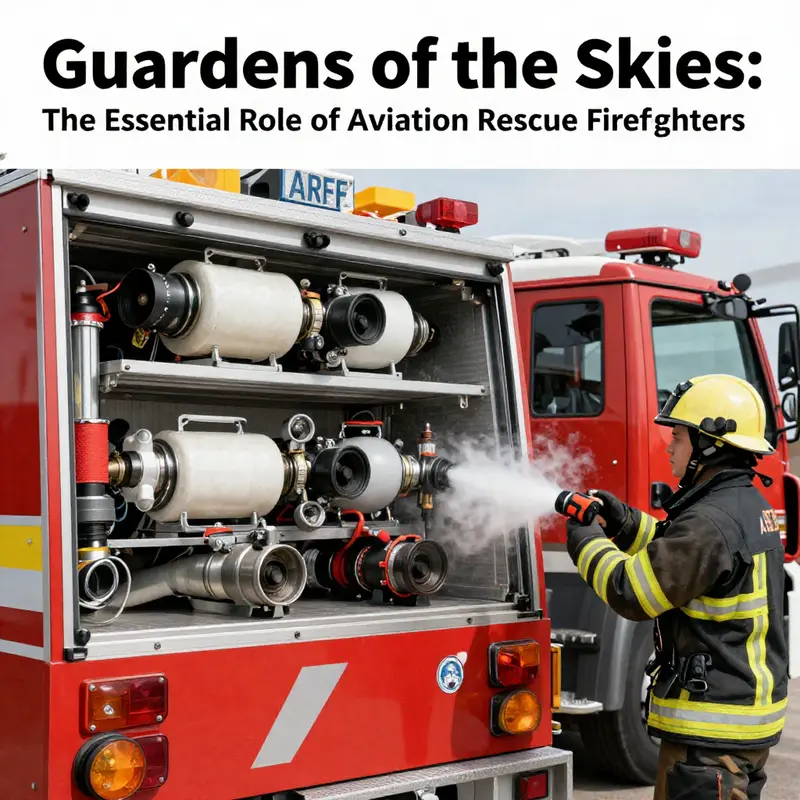
Aviation Rescue and Fire Fighting (ARFF) is not merely a profession—it is a high-stakes, precision-driven endeavor where every second counts and every decision bears critical consequences. ARFF firefighters are equipped with a unique blend of specialized gear and innovative techniques, each tailored to address the multifaceted challenges of aviation emergencies. In this chapter, we delve deeply into the equipment and strategies that form the backbone of ARFF operations, painting a detailed picture of how modern technology and time-tested methods converge to protect lives and property in the high-risk environment of airports.
The essential nature of ARFF operations is clearly underscored by the inherent hazards associated with aircraft incidents. The presence of immense quantities of flammable jet fuel and the complexity of modern aircraft design mean that fires can escalate rapidly, leaving little room for error. Therefore, the equipment used by ARFF professionals is engineered to deliver unparalleled performance, whether it is to quickly extinguish a raging fire, contain hazardous fuel spills, or facilitate the safe evacuation of occupants from compromised aircraft. Among the most crucial components in the ARFF arsenal is the sophisticated fire-fighting foam, a substance that has transformed emergency response strategies.
High-performance foams such as Film Forming Fluoro-Protein (FFFP) foam stand at the forefront of ARFF firefighting techniques. This foam is specifically designed to manage the unique challenges presented by fuel fires. When deployed, FFFP foam forms a stable barrier that blankets the burning fuel, cutting off the oxygen supply and effectively quenching the flame. This process is not only critical in stopping the spread of the fire but also indispensable in preventing reignition, thereby buying crucial time for rescue teams to conduct evacuation and containment measures. The effectiveness of these foams is rooted in their chemical composition—a precise blend of fluorosurfactants, hydrocarbon surfactants, and proteins derived from natural sources, which together create a resilient film that endures extreme temperatures and dynamic conditions on the tarmac.
As ARFF teams swiftly navigate the complexities of an emergency, the visual characteristics of the foam they deploy become a key element of operational safety. For instance, FFFP foam’s distinctive reddish-orange discharge stands out in the chaos of an aircraft fire. This coloration, often attributed to the inclusion of elements like hemoglobin from blood-derived products, serves as an immediate visual indicator for ARFF personnel, ensuring that the appropriate techniques and protocols are applied consistently across the field. Such visual differentiation is not just a technical detail—it is a vital component of the rapid decision-making process that can be the difference between a contained incident and a full-blown disaster.
Beyond the capabilities of the firefighting foam, the equipment used in ARFF operations is a testament to a relentless pursuit of performance and reliability. Specialized fire apparatus are designed to navigate the challenging terrain of airport environments. These vehicles combine high speed, agility, and robust mechanical performance to ensure that response times are minimized during critical incidents. ARFF units are often stationed on or near the airfield, ready to deploy within a matter of minutes. Once an alarm sounds, these vehicles, bristling with large quantities of suppressant agents and equipped with advanced pumping systems, surge into action to confront the unfolding emergency head-on.
The integration of such advanced vehicles into ARFF operations reflects a broader philosophy: preparedness underpins survival. Firefighters in this arena undergo rigorous and continuous training, not only in the technical aspects of firefighting but also in rescuing aircraft occupants from precarious situations. Their training encompasses a spectrum of skills, from handling hazardous materials and performing confined space rescues to navigating the intricacies of modern aircraft structure during incidents. The equilibrium between rapid response and methodical, safe rescue operations is maintained through a blend of hands-on practice and the relentless pursuit of new techniques. This rigorous discipline in training ensures that each ARFF professional not only masters the use of their equipment but also understands the underlying principles that govern its operation in real-world situations.
A key highlight of ARFF operations is the seamless blend of advanced technology with human expertise. The machinery and chemical agents deployed are only as effective as the skilled hands that operate them. This synergy between man and machine is cultivated through a culture of relentless improvement. ARFF departments frequently invest in updated equipment and enroll their teams in advanced certification programs to ensure that every member is proficient in emerging firefighting methods. This commitment to ongoing education and technological advancement is fundamental—not only does it reinforce the ARFF doctrine of rapid response, but it also ensures that safety standards evolve in tandem with the growing complexity of modern aviation architecture.
Moreover, evolving safety standards continue to reshape the strategic landscape of ARFF operations worldwide. International bodies such as the International Civil Aviation Organization (ICAO) have established comprehensive guidelines that govern everything from response times to equipment specifications. These standards are instrumental in harmonizing ARFF practices globally, ensuring that regardless of where an emergency may occur, the procedures and equipment meet a uniformly high threshold of performance. For ARFF professionals, adherence to these standards means that every decision, every maneuver, and every deployment is guided by rigorously tested protocols designed to maximize effectiveness under the most extreme conditions. For additional details on these international standards, interested readers are encouraged to consult the guidelines available at ICAO’s official website.
The robust training regimes and technological competencies integral to ARFF operations are further enhanced by a deep understanding of the environments in which they operate. Airports can be labyrinthine, with diverse runway configurations, varied weather conditions, and highly dynamic traffic patterns. Each emergency scenario brings its own set of challenges that demand tailored responses. Whether it is a fire originating from a fuel spill or a catastrophic structural failure during takeoff or landing, ARFF teams rely on their expertly honed skills to manage these crises effectively. In many instances, the rapid effectiveness of advanced fire-fighting foams, as described earlier, plays a crucial role in managing a hostile fire environment until a more comprehensive incident control structure can be established.
In addition to the primary focus on firefighting foams and specialized vehicles, ARFF operations increasingly draw upon cross-disciplinary techniques. Continuous innovations in material sciences have led to the development of heat-resistant protective gear that allows firefighters to operate in extreme conditions without compromising their safety. Modern turnout gear, helmets, and gloves are designed to withstand high temperatures and hazardous exposures, providing essential protection during prolonged operations. This integrated approach—where the equipment, training, and operational protocols are all designed to work in harmony—ensures that ARFF departments are equipped not only to extinguish flames but to do so while safeguarding their personnel.
The importance of safety and efficiency in ARFF operations extends into the realm of strategic planning and logistical coordination. Prior to an incident, extensive risk assessments are conducted, and contingency plans are formulated to address a wide array of potential emergencies. These pre-emptive measures include simulations and drills that mimic real-life emergencies, allowing firefighters to familiarize themselves with the shifting dynamics of fire and rescue scenarios. Such drills are crucial in reinforcing muscle memory and ensuring that every action is deliberate and calculated. The resulting preparedness is what empowers ARFF professionals to act decisively in moments of crisis. It provides a framework within which resources are allocated optimally and response times are minimized—a testament to the interplay between strategic planning and on-the-ground execution.
A vital element within the strategic framework of ARFF is the integration of advanced communication systems. Coordinated communication between incident command, rescue teams, and on-field operators enables a streamlined response that is refined down to the second. This communication infrastructure is essential when every moment matters, as it ensures that valuable data—whether it pertains to the evolving nature of the fire, the condition of the aircraft, or the safety of potential victims—is relayed instantaneously. Such systems are often supported by real-time data feeds and location tracking, which significantly optimize the coordination of rescue efforts. The efficacy of these communication systems further underscores the importance of technology within ARFF operations.
One of the most profound impacts of modern ARFF techniques is the reduction in both loss of life and environmental damage. While the primary goal of ARFF teams is to safeguard human life, their operational strategies also place a strong emphasis on preserving critical infrastructure and minimizing ecological harm. The specialized fire-fighting foams not only act rapidly to control the spread of fire but are also designed with environmental considerations in mind. For instance, the distinct formulations used in ARFF operations ensure that while they are extremely effective in quelling fires, they also mitigate the potential for long-term environmental contamination. However, the debate over the environmental impacts of fire suppressant agents remains a discussion point among experts, and research continues into developing foams that strike an even finer balance between performance and ecological stewardship.
The evolution of ARFF techniques is a story of continuous innovation informed by real-world experience. Historically, firefighting strategies were based on conventional methods that, although effective for ground-level fires, were quickly outpaced by the demands of aviation emergencies. Today, ARFF operations represent the convergence of decades of accumulated expertise, cutting-edge chemical engineering, and advanced mechanization. Firefighters are now able to deploy suppression agents that not only stop fires in their tracks but also work to prevent the re-ignition of hazardous spills—a transformative shift from earlier methods that focused solely on cutting off the fire’s oxygen supply.
Central to the success of these modern techniques is the ability to customize responses based on the specifics of an incident. Each airport may have its own unique risks, influenced by factors such as climate, infrastructure, and traffic density. As a result, many ARFF departments engage in regular revisions of their standard operating procedures, ensuring that every aspect of their response plan is aligned with the specific hazards present in their operating environment. This dynamic adaptation is supported by continuous feedback loops, where lessons learned from each incident are integrated into training programs and equipment evaluations, thereby driving an ongoing process of improvement.
The field of ARFF is marked by a pronounced commitment to excellence and precision. It is an arena where the smallest oversight can have profound consequences, making it imperative that every element—from foam composition to vehicle design—is honed to perfection. In this context, the interconnectedness of equipment and technique becomes evident. For example, the rapid deployment capacity of high-speed fire apparatus is directly tied to the efficiency of the onboard suppression systems, including the pumps and foam injectors. These components are regularly maintained and upgraded to meet evolving performance standards, ensuring that ARFF units remain at the forefront of firefighting technology. The rigorous standards for equipment maintenance and the systematic approach to training not only safeguard the lives of ARFF personnel but also maximize the overall resilience of the aviation system.
The human aspect of ARFF operations cannot be overstated. Every firefighter is a vital cog in a well-oiled machine that operates under the constant pressure of life-threatening emergencies. Part of their extensive training involves developing an intuition for reading the dynamics of a fire as it unfolds. This intuitive understanding is cultivated through years of experience, augmented by the latest simulation training that replicates the unpredictability of real-world incidents. These simulations often mimic a variety of scenarios, ranging from small-scale fuel spills to full-scale aircraft emergencies, allowing firefighters to refine their tactics in a controlled environment before facing an actual crisis.
Moreover, the camaraderie and trust amongst team members form an indispensable part of successful ARFF operations. In moments of crisis, firefighters rely heavily on each other, drawing on a shared history of rigorous training and collective experience. This unity is fostered not only through joint drills and rigorous certification programs but also through a culture of respect and mutual reliance. Such teamwork is critical during the intricate process of alone or coordinated rescues, where even a minor miscommunication can result in dire outcomes. In this regard, ARFF professionals continuously work on building not just their technical competence but also a deep sense of solidarity that enhances their operational effectiveness.
Emphasizing the complexity of ARFF tasks are the constantly evolving challenges that come with changes in aviation technology itself. As modern aircraft become more sophisticated, the potential hazards they present during emergencies also evolve. For instance, the integration of new composite materials in aircraft construction has altered the nature of fire dynamics, necessitating adjustments in firefighting techniques and equipment. ARFF units have responded to these changes by updating both their tactical approaches and their equipment inventories, ensuring that they remain prepared for any eventuality. Their adaptability is a clear reflection of the ongoing dialogue between technological progress in the aviation industry and the corresponding innovations in fire rescue operations.
In light of these evolving challenges, continuous professional development remains a cornerstone of ARFF operations. Firefighters engage in regular training cycles that include classroom sessions, practical drills, and even participation in international exercises designed to benchmark their skills against world-class standards. Such comprehensive training endeavors are bolstered by partnerships with institutions that specialize in emergency management and hazardous materials response, further enhancing the depth and effectiveness of ARFF preparedness. For aspects of advanced instruction and certification related to fire safety, one can explore detailed insights available through resources on fire safety essentials and certification training.
The overarching mission of an ARFF firefighter, supported by cutting-edge equipment and refined rescue techniques, is to intervene swiftly and effectively when disaster strikes. Every piece of specialized gear—from the high-performance fire apparatus that roars onto the runway to the chemical formulations in their foam—plays a critical role in the incident management process. These interventions, implemented under intense pressure and within rapidly changing conditions, serve as a powerful reminder of the dedication and expertise that underpin each ARFF operation. It is a discipline where advanced engineering, tactical nuance, and human fortitude merge in a relentless pursuit of safety and efficiency.
Ultimately, the field of ARFF is a living, evolving testament to the collective commitment to safeguard lives and infrastructure in the face of aviation emergencies. The seamless integration of technology, process, and human resilience ensures that when the unthinkable occurs, ARFF units are positioned at the vanguard of emergency response efforts. The continuous innovation, detailed planning, and diligent execution that define ARFF operations not only save lives but also preserve the intricate web of modern aviation, which is so essential to global connectivity and economic stability.
This comprehensive exploration into the specialized equipment and techniques of ARFF operation reveals the sheer complexity and meticulous planning embedded in every response. The journey from raw materials and advanced foam chemistry to the intricate choreography of high-speed rescue operations underscores a universal truth: in the world of aviation emergencies, every element is interdependent. The pace at which technology evolves and the corresponding adaptations in firefighting methodology epitomize the relentless pursuit of perfection—a pursuit that ensures that ARFF professionals remain ever ready to face the challenges of tomorrow.
In conclusion, ARFF operations symbolize a fusion of innovation, expertise, and unwavering courage. The advanced equipment and techniques deployed are complimentary facets in a broader strategy focused on rapid intervention, thorough risk management, and sustained safety in the aviation sector. As ARFF teams continue to set benchmarks in emergency management, their ability to integrate new technologies and refine established practices stands as both an inspiration and a testament to modern resilience. It is within this dynamic interplay of science, technology, and human determination that the true essence of ARFF operations is found—an essence that will undoubtedly drive future advancements in aviation safety and beyond.
Mastering the Skies: The Rigorous Training and Global Standards for Aviation Rescue Firefighters
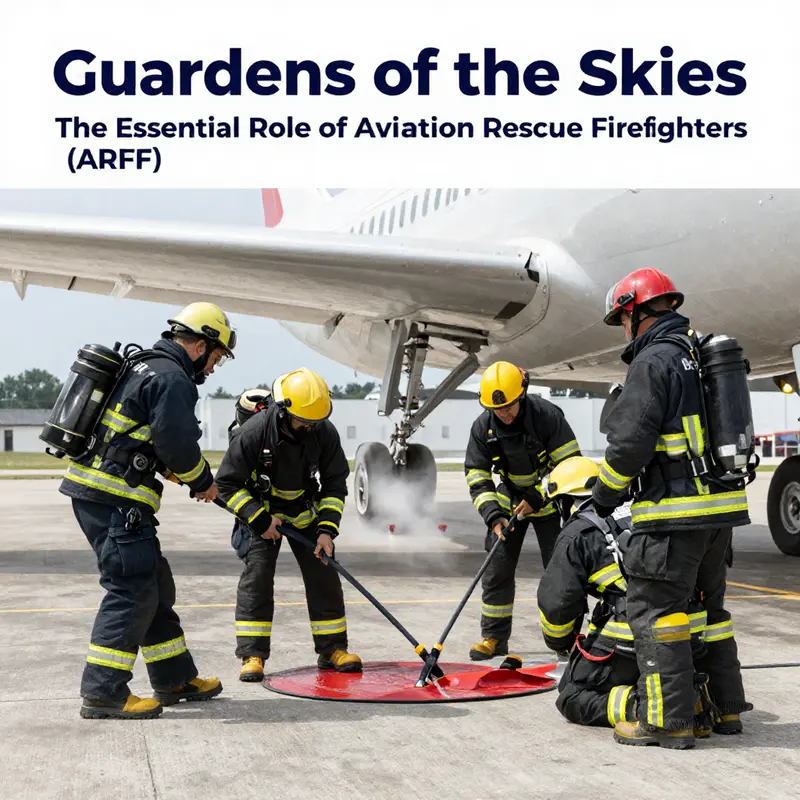
Aviation Rescue Firefighters: The Backbone of Airfield Safety
Aviation Rescue Firefighters (ARFF) are more than just emergency responders; they are elite professionals who stand as the last line of defense against potential disasters on the tarmac and during critical phases of flight operations. Their role is uniquely challenging, requiring a blend of physical prowess, technical skill, and mental acuity. The journey to becoming an ARFF firefighter is long and arduous, embedding not only firefighting expertise but also precision aircraft rescue techniques, hazardous material handling, and emergency medical response into a single continuous education and training process. In this chapter, we delve deep into the intricate world of ARFF training and the standards that guide them—both internationally and nationally—with an emphasis on creating a force that can respond swiftly and effectively when every second counts.
From the moment a trainee embarks on an ARFF training course, a comprehensive skill set is introduced. The curriculum is designed to mirror the high-stakes environment encountered during real-life emergencies. The training modules merge traditional firefighting tactics with cutting-edge aircraft rescue techniques. Police-like precision is required because the environment in which ARFF professionals operate is as unpredictable as it is dangerous. Even routine hazards, such as fuel spills, become life-threatening quandaries when the potential for rapid escalation is factored in.
Embracing International Standards
At the heart of ARFF training lies a commitment to international standards that have been established by influential organizations. The International Civil Aviation Organization (ICAO) plays a pivotal role in setting guidelines. ICAO documents such as Annex 17 and Annex 18 serve as comprehensive manuals that outline the responsibilities, operational readiness, and emergency response protocols that ARFF teams must follow. These standards specify several key elements—one of the most critical being the requirement that ARFF units be capable of arriving on the scene within a target response time of three minutes from the time an incident is reported. This rapid response requirement is not merely a number; it is an operational mandate that underscores the life-saving potential of ARFF units.
ARFF training programs are meticulously designed with these international benchmarks in mind. Every drill, simulation, and classroom session is infused with scenarios that replicate the intensity and complexity of actual emergencies. The training blends theoretical lessons on regulatory compliance with practical, on-ground maneuvers. For example, trainees learn how to coordinate with air traffic controllers, how to assess an aircraft fire scene quickly, and how to make split-second decisions in environments where every second matters.
The Stringent National Standards
While international standards provide a broad framework, national regulations shape the finer details. In the United States, the Federal Aviation Administration (FAA) plays a significant role in specifying detailed requirements for ARFF units through documents like FAA Advisory Circular AC 150/5210-24. This circular outlines everything from the minimum number of trained personnel required at an airport to the advanced capabilities of fire apparatus used by these units. ARFF firefighters in the U.S. benefit from a training culture that is not just standardized but also steeped in the unique demands of the aviation environment, where the margin for error is minimal.
National bodies such as the National Fire Protection Association (NFPA) further enhance these training frameworks with documents like NFPA 401, which detail standards for airport fire protection. These documents ensure that ARFF teams are trained and equipped to respond to a wide range of scenarios—from fuel fires and explosions to the rescue of trapped passengers in confined space environments. The NFPA guidelines demand that all ARFF professionals demonstrate proficiency in advanced techniques, ensuring that they are always a step ahead of emerging hazards.
One cannot overstate the importance of these stringent standards. They act as both a guide and a constant challenge that obliges firefighting teams to be in a perpetual state of readiness. When the unexpected occurs, these standards ensure that ARFF personnel are not reinventing the wheel; they are following a well-drilled protocol that has been refined over years of rigorous testing and real-world experiences.
The Intensive Training Curriculum
The training for ARFF firefighters is multifaceted, combining theoretical instruction with extensive hands-on practice. The journey begins with classroom sessions that lay a solid foundation in the principles of fire science, aircraft construction, and the chemistry of fire suppressant agents such as Aqueous Film-Forming Foam (AFFF). Trainees are immersed in a world where theoretical depth is critical, and understanding the underlying science behind fire behavior could mean the difference between a controlled scenario and a catastrophic event.
After building a strong theoretical base, trainees transition to practical skills. They learn how to operate specialized ARFF vehicles that are designed for high-speed performance and rapid deployment. These vehicles, laden with water, foam agents, and other firefighting materials, are technological marvels in their own right, engineered to be effective even when time is of the essence. Operators are taught to navigate complex airport layouts, including runways and taxiways, which might be riddled with obstacles or debris in a real emergency.
In addition to vehicle operation, trainees undergo intensive practical drills designed to mirror the chaos of an actual aircraft incident. The training facilities replicate the challenging environments found at busy airfields—confined spaces, limited visibility scenarios, and obstacles that restrict movement. During these simulations, every participant is pushed to their physical and mental limits. They confront scenarios ranging from fire outbreaks due to fuel leakage to explosions that require immediate extrication of passengers from damaged aircraft sections. The hands-on drills emphasize not only individual skill but also the seamless coordination required among team members.
Team coordination is a recurring theme throughout ARFF training. Even the best-trained individual can only contribute effectively when working within a well-oiled team. As such, integrated exercises focus on the dynamics of teamwork, emphasizing the importance of clear communication, mutual trust, and a shared sense of urgency. These exercises often include simulated emergency calls where rapid and coordinated responses are critical. Much like a well-rehearsed orchestra, every member of the ARFF team must perform their part flawlessly, ensuring that the whole operation is synchronized and effective.
Moreover, the curriculum incorporates specialized modules on hazardous materials handling. Given that an aircraft incident often involves the release of potentially dangerous substances, ARFF firefighters must be adept at identifying and neutralizing these threats. This includes understanding the chemical properties of substances encountered during fuel fires or when dealing with volatile materials stored on board. The training emphasizes safety protocols, proper equipment usage, and the correct procedures for hazardous spills, ensuring that ARFF firefighters can mitigate risks to both themselves and the public.
Certifications, Recurrence, and Continuous Improvement
An ARFF firefighter’s training does not conclude with the initial certification. Recurrency training is a crucial aspect of this career, ensuring that skills remain sharp and updated with evolving techniques and technologies. Regular re-certification programs are mandated, often on an annual basis, to reaffirm that every firefighter can perform under pressure. These recurrent sessions include periodic drills, scenario-based exercises, and theoretical updates that reflect any changes in international or national standards.
Continuous improvement is not just a policy but a cultural cornerstone within the ARFF community. Firefighters are encouraged to participate in advanced training courses, specialized workshops, and even international exchange programs where they can learn new techniques from their counterparts in other countries. This global perspective ensures that ARFF teams remain at the forefront of firefighting technology and methodologies. It also reinforces the sense of global unity that is essential when standards set by organizations like the ICAO are applied across diverse geographies.
The training courses also stress the importance of physical fitness, as the duties of an ARFF firefighter demand high levels of endurance and strength. Rigorous physical conditioning is integrated into the training regimen to ensure that responders are always capable of the physical exertion required during rescue operations and hazardous material handling. The dual emphasis on mental and physical preparedness creates professionals who are resilient, agile, and capable of enduring the stresses of on-ground emergency response.
While the technical aspects of the training are extensively covered, there is also a significant focus on leadership and decision-making under pressure. ARFF training modules include leadership courses that prepare firefighters to take charge during chaotic incidents. These courses are designed to cultivate decisiveness, strategic thinking, and the ability to prioritize under extreme stress. Through simulated emergency scenarios, trainees practice making rapid decisions that have far-reaching consequences. It is in these high-pressure simulations that the seeds of confidence and competence are sown.
Technological Integration and Future Directions
Modern ARFF training has embraced technological innovations that further refine and enhance the skill set of the firefighters. Advanced simulation software creates immersive environments that replicate the complex interplay of variables present in real emergencies. Virtual reality modules, for instance, allow trainees to experience a variety of emergency scenarios, hone their reaction times, and learn to operate in environments that could be too dangerous to replicate physically. These simulated environments are designed to challenge even the most seasoned professionals, ensuring that continuous improvement remains at the forefront of training practices.
Another crucial element integrated into the training is the continual update of equipment and methodologies. ARFF vehicles and gear evolve as new technologies emerge, requiring firefighters to stay updated on the latest equipment capabilities. For example, the evolution of communication systems has dramatically improved coordination during emergencies. Firefighters are trained in operating modern communication devices that ensure real-time information sharing among team members and command centers, allowing for rapid decision-making and coordination. This technological edge is vital when seconds can make the difference between life and death during an aircraft emergency.
The forward-thinking approach of ARFF training is also reflected in how future challenges are anticipated and addressed. With the evolution of aircraft design and increasing complexity in aviation, ARFF professionals are continually adapting their techniques to meet new challenges. Training programs are frequently updated in collaboration with aviation experts, ensuring that protocols are in line with the latest industry advancements and safety recommendations. This proactive approach not only addresses current needs but also lays a foundation for innovations that will shape emergency response practices in the future.
An important aspect of this continuous professional development is the use of data and after-action reviews, which allow teams to analyze their performance during training exercises and real incidents. By examining every detail—from response times and communication efficiency to equipment performance—trainers can identify areas for improvement and tailor future sessions accordingly. This data-driven approach ensures that training is always evolving and that ARFF professionals maintain the highest possible standards in their operational readiness.
Real-World Applications and the Human Element
Despite the technological sophistication of ARFF training, the human element remains central to the profession. The demanding nature of aviation rescue work requires a compassionate and systematic approach. Every training session is designed to reinforce not only technical skills but also the human aspect of emergency response. This includes understanding the psychological pressures on victims, managing panic, and ensuring that clear, empathic communication is maintained during incidents. The ability to calm distressed passengers or crew members is as crucial as extinguishing the fire itself.
In practice, ARFF personnel often work in unpredictable situations where multiple hazards converge. A single incident can present a combination of obstacles—a fire intermingled with hazardous material leaks, structural damage, and intense heat—all of which demand a coordinated response that integrates technical prowess with calm, decisive human intervention. Training, therefore, dedicates significant time to developing emotional resilience and an intuitive understanding of human behavior during crises. This ensures that when firefighters arrive on the scene, they are not only technically proficient but also capable of providing the psychological support needed during traumatic events.
Furthermore, operational drills are often designed to simulate scenarios that involve rescuing individuals from confined spaces inside aircraft wreckage. Here, the delicate balance between technical rescue procedures and emotional support is critical. Trainees learn how to work methodically, ensuring that every life is saved while also managing the inherent stress and high stakes of such operations. The combination of simulation-based learning and real-world practice instills a deep-rooted professionalism that carries over into every aspect of an ARFF firefighter’s career.
The collaborative nature of the training process fosters a strong sense of camaraderie and trust amongst ARFF teams. It is this bond—built over countless hours of shared experiences, both in training and on the job—that enables teams to function seamlessly in high-pressure environments. New recruits are quickly absorbed into a culture that values collective responsibility and shared risk, knowing that their success is intertwined with the competence and dedication of every team member. This ethos, ingrained during the formative stages of training, remains a guiding principle throughout their careers.
For those looking to explore the foundational aspects of firefighter certification and training methodologies further, additional insights can be found in resources like the article on fire safety essentials and certification training. Such resources provide valuable context on the overarching framework within which ARFF training is developed, detailing the range of skills and certifications that form the backbone of the profession.
A Global Commitment to Excellence
The training standards for ARFF firefighters represent a global commitment to excellence in aviation safety. Whether operating in the developing infrastructure of emerging economies or the highly regulated corridors of major international hubs, ARFF teams share a unified mission: to save lives and protect property in the face of extraordinary challenges. The rigorous training regimens are not just about meeting a standard but about exceeding expectations, ensuring that every firefighter is among the best-trained emergency responders in the world.
The path to achieving this level of excellence is paved with persistent learning, constant adaptation, and an unwavering focus on continuous improvement. Firefighters are constantly pushed to refine their skills and embrace innovations that can enhance their ability to respond effectively. This iterative process of learning and adaptation ensures that, no matter how much technology or tactics evolve, the core values of swift action, strategic planning, and coordinated teamwork remain unshaken.
In the final analysis, the story of ARFF training is one of resilience, precision, and dedication. It is a narrative that is continually written by professionals who are committed to remaining at the forefront of emergency response. Their ongoing training reflects the dynamic nature of modern hazards and the ever-increasing complexity of aviation technology. By continuously honing their expertise, they not only meet the stringent requirements set by international bodies such as the ICAO and national agencies like the FAA but also set a powerful precedent for future generations of aviation safety professionals.
For those interested in exploring detailed regulatory guidelines and the latest updates on ARFF training requirements, the FAA provides current and authoritative information through resources like the FAA Advisory Circular AC 150/5210-24. This external resource is indispensable for understanding the evolving standards that underpin every aspect of aviation rescue operations.
In conclusion, the comprehensive training and rigorous standards upheld by ARFF units ensure that every responder is prepared to face the unpredictable challenges of the aviation world. From the classroom to the simulated emergency ground, every aspect of the ARFF training program is designed to protect lives and property. The dedication required to maintain such readiness is a testament to the professionalism and commitment of the ARFF community—a community that, through relentless practice, constant improvement, and unyielding discipline, continues to secure our skies against the potential chaos of aviation emergencies.
This relentless commitment to excellence not only transforms raw recruits into skilled professionals but also reinforces the critical importance of having an agile, well-trained force dedicated to aviation rescue. The legacy of these firefighters is built on decades of accumulated knowledge, continuous training enhancements, and an unyielding drive to safeguard the public. As aviation technology evolves and the complexities of air travel increase, so too does the need for forward-thinking, highly prepared ARFF teams. Their expertise and preparedness stand as a bulwark against disasters, ensuring that the skies remain safe for all who travel them, day in and day out.
Final thoughts
The critical role of Aviation Rescue Firefighters (ARFF) cannot be overstated; they are the unsung heroes of aviation safety. Through their quick response capabilities, advanced equipment, and stringent training protocols, they ensure the safety of air travel and protect lives during emergencies. Understanding their functions not only informs the public about aviation safety but also underscores the complexities involved in emergency response within the aviation sector. Their readiness and expertise are vital to reducing the risks associated with aviation incidents.