
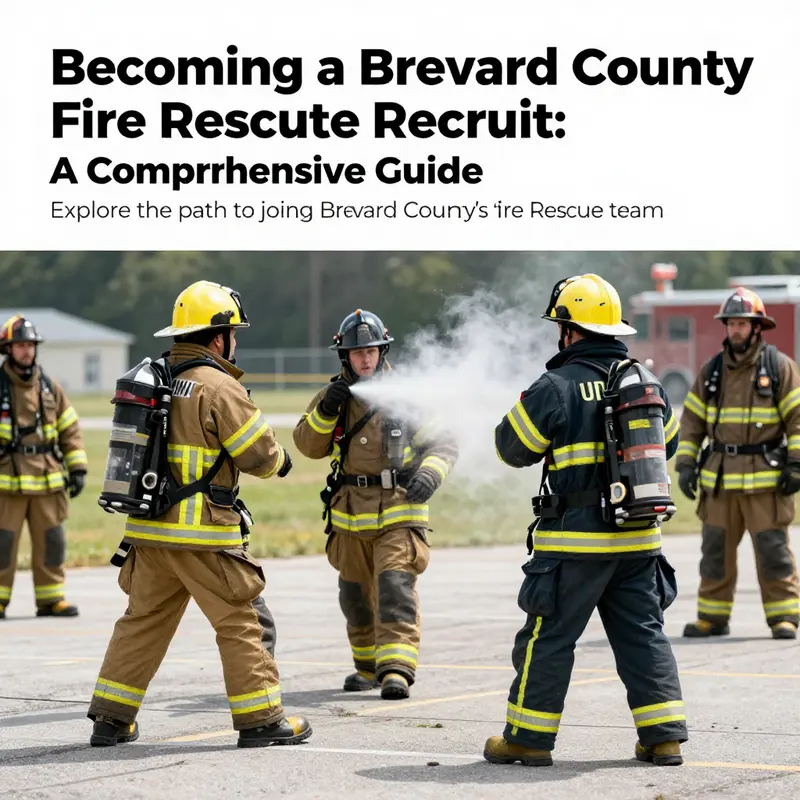
Joining the Brevard County Fire Rescue is a noble endeavor that requires dedication, resilience, and the right qualifications. The journey to become a recruit begins with understanding the specific requirements set by the department. This guide delves into the essential qualifications, the application process, preparation for physical tests, and the expectations faced by recruits. Each chapter will equip prospective applicants with the necessary information to navigate their path into one of the most rewarding careers in public service.
From Qualification to Cadence: Mapping the Path to Becoming a Brevard County Fire Rescue Recruit
Becoming a Brevard County Fire Rescue recruit is less about luck and more about a disciplined preparation that aligns with the department’s standards and the realities of life on the engine. The path to joining the ranks is designed to filter for those who combine physical capability, medical readiness, sound judgment, and a service-minded character. Candidates who understand the holistic nature of the process tend to move with confidence from the first application to the moment they step into a recruit class. This chapter traces that journey, weaving together the core requirements, the rhythm of the selection process, and practical steps a would-be recruit can take to position themselves for success.
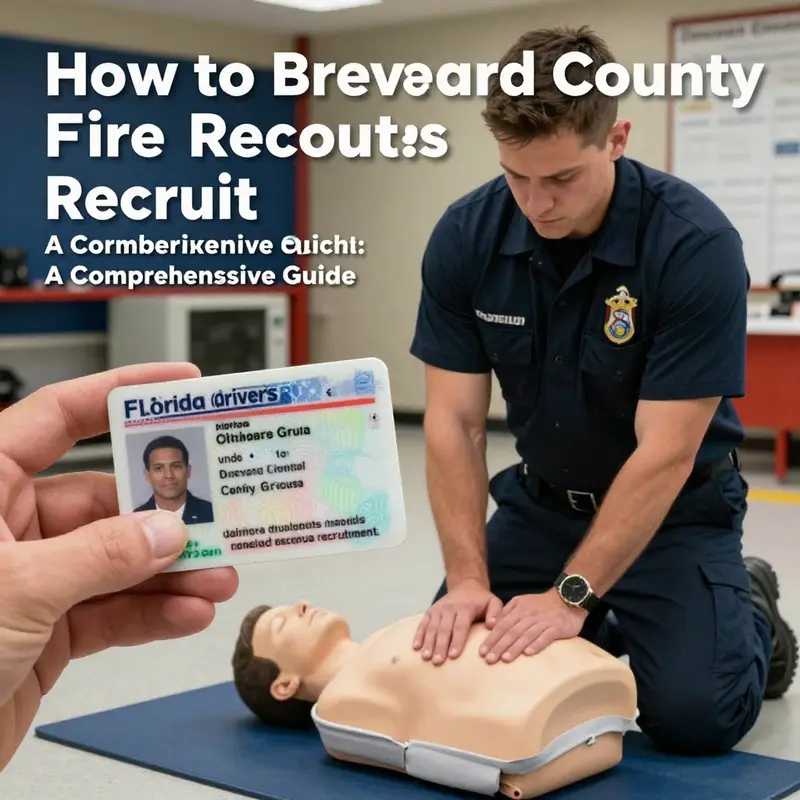
The most visible prerequisites are the basics that frame every applicant’s eligibility. A valid Florida driver’s license is mandatory because the job relies on mobility and the ability to operate in diverse emergency scenes. Without it, the pathway stops before it can even begin. Alongside the license, current CPR and ACLS certifications demonstrate a baseline medical competence, signaling to evaluators that a candidate can act decisively in emergencies where minutes matter. These certifications are not ceremonial; they are a reflection of the responder’s readiness to stabilize a patient, coordinate with teammates, and adhere to established medical protocols under pressure. For those who want a focused way to start sharpening health care readiness, consider foundational training resources such as Fire Safety Essentials Certification Training. The material emphasizes the practical skills that recur across many calls and can anchor further certification work.
Beyond cards and credentials, the Candidate Physical Ability Test, or CPAT, tests the fitness foundation that undergirds every action on the fireground. The CPAT is not a single measure of strength; it is a composite assessment that simulates eight events typical of real incidents. Candidates must demonstrate endurance, strength, grip, balance, and coordination while carrying and dragging equipment, climbing stairs, and negotiating unpredictable paths. Preparation for CPAT should be specific rather than generic: structured conditioning cycles that blend cardio with strength work, practice runs through the eight stations, and a focus on safe, repeatable technique. The aim is to cultivate not only the raw power but the stamina and confidence to complete the course without compromising form or safety. While the CPAT is strenuous, it is also beatable with deliberate pacing and consistent practice, and those who plan their training will find it becomes a predictable, obtainable goal rather than an intimidating hurdle.
The recruitment journey also rests on a foundation of character and public service commitment. Prospective recruits must be U.S. citizens or legal residents who can pass a thorough background check, and they should present a clean criminal record with no disqualifying issues. The evaluation also often includes a psychological component designed to assess judgment, stress tolerance, and team compatibility. These elements reflect the department’s expectation that firefighters will be entrusted with the safety of communities and the care of one another in high-stress environments. As such, personal conduct matters in every phase—from the application to the final interviews. It is wise to begin with self-audit, ensuring there are no gaps in history that could raise concerns, and to be prepared to discuss experiences that demonstrate resilience, integrity, and reliable decision making.
Educational background anchors the applicant pool, generally requiring at least a high school diploma or equivalent. Some departments value or require additional academic or technical training, so pursuing college coursework or related training can be advantageous. This does not mean a four-year degree is mandatory, but it does signal a seriousness about learning, problem solving, and the ability to operate within structured procedures. In tandem with schooling, many candidates enhance their profile with certifications or credentials that align with emergency response roles. EMT certification is often a practical step, and in many communities it is beneficial or expected by the time a recruit class begins. Paramedic certification, meanwhile, adds a layer of advanced medical capability that can distinguish a candidate in competitive applicant pools and may expand future advancement opportunities. Some applicants also explore a Class B CDL endorsement, especially if they anticipate roles that require specialized vehicles or heavy apparatus.
Age and health parameters further shape eligibility. The window commonly includes late teens through mid-thirties, with sustained physical fitness and the ability to pass a comprehensive medical examination that screens for conditions that could impair performance on the job. Health workups are thorough by design because the job demands peak performance, rapid recovery, and long-term endurance. Prospective recruits should not misinterpret physical readiness as mere strength; it is about the capacity to perform a demanding sequence of tasks repeatedly, while preserving stamina for long shifts and potential call surges. Within this context, mental preparedness matters as much as muscular conditioning. The psychological and medical screenings are not about discouraging anyone; they are about ensuring that each recruit can meet the emotional demands of emergencies, stay focused under pressure, and maintain cohesion with colleagues during demanding, sometimes dangerous, assignments.
The recruitment process itself is a staged sequence that tests different facets of a candidate’s readiness. Written assessments gauge problem solving, reading comprehension, and the ability to follow complex instructions. Interviews probe motivation, teamwork, and moral judgment, with interview panels seeking evidence of reliable, community-oriented service. The final selection brings together an integrated view of an applicant’s capabilities, comparing performance across tests, interviews, and the candidate’s overall fit with the department’s values and needs. The entire process rewards steady preparation, consistent performance, and candid self-awareness. Those who navigate these stages well show a clear throughline: a genuine commitment to service, a disciplined approach to training, and a readiness to uphold stringent standards of conduct on and off duty.
To support readiness, many prospective recruits seek early opportunities to build relevant competencies. Engaging in volunteer firefighting or first responder roles, participating in community safety programs, and pursuing related certification tracks can create a practical bridge from interest to eligibility. Maintaining a clean driving record, staying physically active, and keeping certifications current are small daily commitments that compound over time. And while the path demands a clear set of required credentials, it also rewards initiative and foresight. For instance, if one trial or exam is looming, it is prudent to secure all required documentation, confirm current certifications, and have the medical records organized for review by hiring panels. The process is designed not to trap applicants but to illuminate those who are most prepared to serve in Brevard County’s fire service context.
The practical flavor of preparation is as important as the theory. Developing a personal progress plan helps candidates stay on track. This plan might include a realistic weekly workout schedule that builds aerobic capacity, leg and core strength, and functional power—elements that translate directly to stair climbs, hose pulls, and equipment carries. It can also feature time invested in mock interviews, where responses focus on teamwork, leadership under pressure, and the ethical dimensions of fire rescue work. Those who practice their interview skills with peers, mentors, or career advisors report higher confidence and more concise, compelling articulation of their motivations and readiness. In addition, maintaining a calm, methodical approach toward testing days helps prevent anxiety that can inadvertently hamper performance. A calm mind coupled with a strong body is a formidable combination when the CPAT or any other assessment season arrives.
Within the broader ecosystem of the Brevard County Fire Rescue pathway, candidates should remain tethered to the official sources of truth for the most current requirements and processes. The department’s employment pages lay out the latest rules, timelines, and expectations, and they are the best one-stop resource to verify that nothing has changed. While the exact steps and cutoffs may shift over time, the core pillars—license, medical readiness, physical capability, and integrity—remain constant. A thoughtful applicant will treat the process as a learning journey, not just a hurdle to clear. They will reflect on feedback, adjust training plans, and approach each stage with professional poise, recognizing that each milestone is a building block toward a career devoted to public safety and community service.
For those who want to translate theory into practical readiness, there is value in embracing a holistic approach to preparation that integrates physical training, medical certification maintenance, and the development of a service-oriented mindset. When a potential recruit speaks with mentors, peers, and department recruiters, they should listen for the cadence of expectations: consistent effort, adherence to safety protocols, and a demonstrated willingness to cooperate within a team. The job demands not only physical capability but the capacity to communicate clearly, to make rapid, reasoned judgments, and to maintain composure when confronted by danger, noise, and uncertainty. Each recruit class is tough, but the path to it is clear: build a portfolio of certifications, maintain a strong record, and practice the behaviors that embody the firefighting vocation.
In closing, the road to becoming a Brevard County Fire Rescue recruit is a disciplined biography written in real-world steps. It is a journey that starts with meeting the essential prerequisites and culminates in joining a team that operates at the highest standards of public service. The process rewards consistency, resilience, and a clear demonstration of readiness to protect life and property during emergencies. By combining solid preparation with a steadfast commitment to ethical conduct and teamwork, prospective candidates can navigate the recruitment landscape with confidence, knowing they are aligning themselves with a respected community fire service and a career path that offers purpose, challenge, and the opportunity to serve others.
For the official requirements and the current application steps, consult the Brevard County Fire Rescue recruitment page: https://www.brevardfl.gov/fire-rescue
From Application to Appointment: Navigating the Road to Becoming a Brevard County Fire Rescue Recruit
Choosing to pursue a role with Brevard County Fire Rescue is choosing a path that blends service, skill, and steadfast discipline. The journey from the moment you decide to apply to the day you don the turnout gear is paved with clear requirements, rigorous testing, and a sequence of evaluations designed to reveal not just capable firefighters, but dependable public servants. For many, the sequence begins with a decision to meet a set of essential qualifications and to commit to a demanding hiring process that tests both mind and body. The department operates under a standard that values readiness, integrity, and the capacity to function effectively on a team under pressure. If you can align your preparation with that standard, the pathway from candidate to recruit becomes a structured, transparent process rather than a mystery, with each stage building upon the last toward a final, formal appointment. This clarity matters because Brevard County Fire Rescue does not merely fill roles; it cultivates a professional cohort capable of meeting the county’s needs in emergencies, everyday safety education, and long-term community resilience. Your readiness is measured across several dimensions, from credentials you hold at the outset to the composure you bring to interviews and the steadiness you demonstrate during demanding physical and cognitive tasks. The overarching impression the department seeks is simple: a candidate who can protect and serve with competence, communicate clearly under pressure, and uphold the public trust with consistent conduct.
Eligibility in this field is both specific and exacting. The department emphasizes concrete qualifications that establish a baseline of capability before a recruit even steps into the testing arena. Among the core prerequisites are a valid Florida driver’s license and current CPR/ACLS certification. These essentials are more than paperwork; they signal a candidate’s immediate practical readiness to navigate emergency scenes, transport patients when needed, and provide life-sustaining care as part of a broader EMS framework. Additionally, the application package must reflect the candidate’s readiness to meet the physical, mental, and procedural demands of the job. The most definitive certifications, however, are the State of Florida Firefighter II Certification and Paramedic Certification, which Brevard County explicitly requires as part of the submission package. These credentials are not optional add-ons but foundational elements of a recruit’s professional profile. When the application window opens, candidates should ensure these certifications are securely in hand and ready to be attached. The deadline for submission of these credentials is December 15, 2025, a date that provides a finite compass for preparing and aligning your documentation with the department’s expectations. The inclusion of this deadline underscores the practical reality of the process: timing matters as much as the credentials themselves.
Beyond credentials, the path to becoming a Brevard County Fire Rescue recruit is structured around a series of decisive stages. The hiring process begins with a written examination, a assessment that does not merely test factual recall but challenges applicants to apply firefighting principles, emergency medical knowledge, and situational judgment to realistic scenarios. A strong performance here signals to evaluators that a candidate can think clearly under pressure and prioritize actions in the correct order when seconds matter. Following the written component, candidates progress to practical skills tests. These tests are designed to measure hands-on proficiency, not just knowledge in the abstract. They evaluate physical fitness, problem-solving abilities, and the ability to perform critical tasks in fire and rescue contexts. It is in these hands-on scenarios that a recruit’s composure and technical aptitude come under scrutiny: can you carry equipment, coordinate with teammates, assess risks, and execute procedures with accuracy and speed? The CPAT, while widely recognized in fire service hiring, is part of this broader evaluation of physical readiness. It is not isolated from the practical tasks but sits alongside them as a tangible gauge of endurance and functional strength.
As the process advances, a thorough background investigation becomes central to the selection. The department seeks individuals whose character and reliability align with the responsibilities of public safety work. A clean record, demonstrated integrity, and dependable behavior in all aspects of life are repeatedly emphasized. The background phase is more than a formality: it is a comprehensive look at how a candidate handles responsibility, adheres to ethical norms, and maintains accountability in varied circumstances. During this period, candidates should anticipate inquiries into employment history, education verification, and personal references, all guided by the long-standing expectation that public safety work depends on trust and verifiable reliability. Medical evaluations form another layer of scrutiny. The health screen assesses fitness for duty, compatibility with the demanding physical tasks, and the ability to withstand the stress associated with fire and EMS operations. Medical evaluations ensure that recruits are medically fit to perform essential duties without compromising their safety or that of colleagues and the public. Interviews, too, play a critical role. They are opportunities for evaluators to gauge communication skills, teamwork orientation, composure, and motivation. A strong interview performance often reflects not only technical readiness but a candidate’s clarity of purpose, empathy for others, and a genuine commitment to service.
Preparing for these stages requires a balanced plan that blends certifications, physical conditioning, situational practice, and thoughtful self-presentation. A candidate should approach CPAT-like assessments and practical skills tests as opportunities to demonstrate how they would behave in real emergencies. Training plans that emphasize cardiovascular endurance, functional strength, and endurance will serve well. Equally important is the ability to articulate a clear rationale for choosing the firefighting path, an understanding of the department’s values, and a readiness to adhere to the strict standards of conduct and discipline that Brevard County Fire Rescue expects from every member. The 24-hour shift schedule is a defining feature of life as a recruit and later as a firefighter in this department. Prospective applicants should be prepared for long, hands-on shifts that blend patient care, extinguishment, prevention, and public education. Being able to maintain focus, manage fatigue, and communicate effectively across a 24-hour cycle are not ancillary skills; they are essential competencies that distinguish the most successful candidates from those who are merely technically qualified.
In addition to the core qualifications and stages, the process invites a broader perspective on readiness. The department values candidates who see the profession not as a series of isolated tests but as a continuum of service. This perspective includes a commitment to ongoing training, a willingness to learn from colleagues, and a readiness to engage with community stakeholders. The chapter on the application process thus expands beyond checklists and deadlines, inviting applicants to imagine themselves as contributors to a culture of safety and prevention. For candidates who want to deepen their preparation, a practical resource to consult is the blog content on certification and training, which provides insights into the mindset and techniques that underlie successful preparation and performance in critical drills. The link to that resource is embedded here as a helpful guide: Fire Safety Essentials Certification Training.
While the specifics of deadlines and testing dates can shift, the underlying message remains constant: Brevard County Fire Rescue seeks individuals who bring not only skill but a reliable professional character to the door when an alarm sounds. The process is designed to be thorough yet transparent, so applicants can gauge their progress and address gaps before moving to the next stage. The combination of Florida credentials, CPR/ACLS readiness, CPAT, and the ability to endure the demands of a 24-hour shift forms a robust baseline for entry. Written exams, practical skills assessments, and rigorous background checks coalesce to form a comprehensive picture of who you are as a potential member of the fire-rescue family. When you pair your credentials with the discipline to prepare, practice, and present yourself thoughtfully at each step, you place yourself in a strong position to earn a place among Brevard County’s dedicated responders.
For the most accurate and up-to-date information on deadlines, testing dates, and application procedures, prospective candidates should consult the official Brevard County Fire Rescue employment page. This page provides direct guidance on submission requirements, current openings, and any updates to the process that may arise. It is essential to verify the latest details as you plan your application timeline and prepare for each stage of the assessment. In the broader sense of preparation, staying engaged with community safety resources, maintaining professional certifications, and continuing to practice physical and cognitive skills will support your readiness as you progress through the hiring journey. The quest to become a Brevard County Fire Rescue recruit is as much about consistent, disciplined preparation as it is about passing a single test, and that approach will serve you well in the challenging but rewarding path ahead.
External resource for official information: https://www.brevardcounty.gov/fire-rescue/employment
CPAT as the Gatekeeper: Navigating Brevard County Fire Rescue Recruitment with Confidence
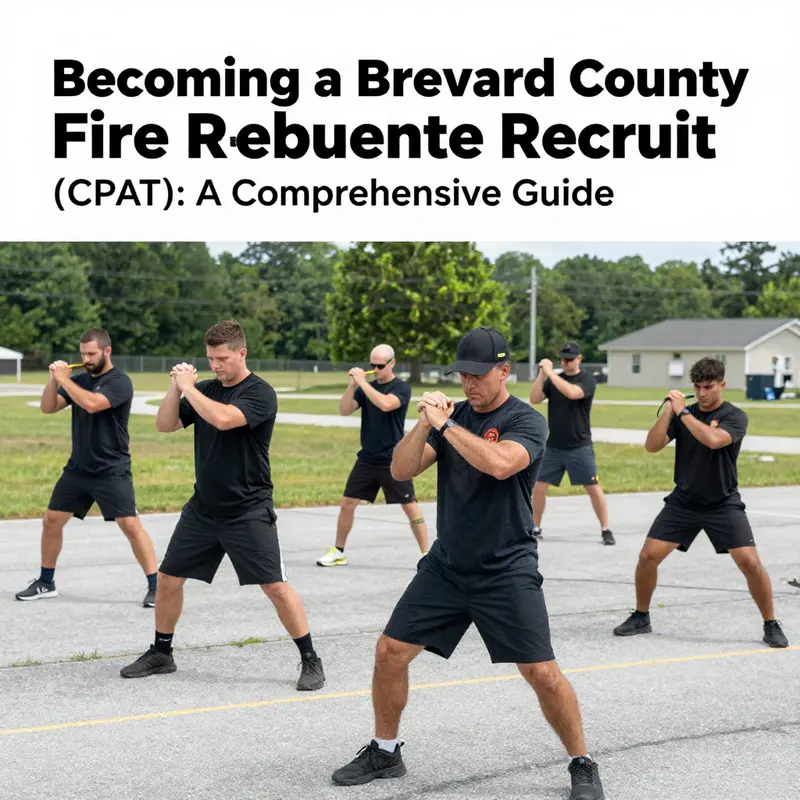
Entering the Brevard County Fire Rescue recruitment process is more than filing an application; it is stepping onto a path where physical readiness, professional credentials, and a demonstrated commitment to service intersect. At the heart of that path lies the Candidate Physical Ability Test, or CPAT, a standardized gauge of your ability to perform the core duties of a firefighter under demanding conditions. The CPAT is not merely a hurdle; it is a window into how you manage effort, operations tempo, and problem solving when fatigue shadows your decisions. In Brevard County, the CPAT sits alongside a framework of prerequisites and evaluative steps designed to identify candidates who can sustain the pace of a 24-hour shift, uphold strict standards of conduct, and integrate into a department whose mission is to protect life and property with precision and teamwork. To understand how best to approach this stage, it helps to view CPAT preparation as a holistic preparation for the role itself—the fitness, discipline, and mental stamina that will be called upon long after the testing room doors close.
First, the prerequisites establish the baseline from which CPAT performance will be judged. A valid State of Florida driver’s license is not just a formality; it is a practical credential that ensures you can respond promptly to emergencies and fulfill the mobility needs of a fire-rescue operation. A current CPR/ACLS certification is another non-negotiable requirement, reflecting the department’s expectation that recruits can deliver life-saving interventions from day one and work within a medical-saturated response environment. Finally, a CPAT qualification is required before you can even apply, which creates a clear sequence: you demonstrate readiness in one domain before presenting yourself for the next. These prerequisites are more than paperwork; they are confirmation that you can meet the immediate physiological and cognitive demands of the job when the stakes are highest.
With those boxes checked, your energy shifts toward the CPAT itself and the broader selection process that follows. The CPAT is a multi-faceted assessment designed to mirror actual firefighting tasks. You will encounter elements that simulate essential duties: carrying equipment, dragging hoses, ascending and descending stairs with load, and maneuvering through obstacles that demand balance, coordination, and spatial awareness under time pressure. Successful CPAT performance translates into more than a passing score; it signals to evaluators that you can sustain efficiency while performing complex tasks, communicating clearly with teammates, and maintaining composure in high-stress settings. Given the stakes, your preparation must cultivate both speed and accuracy—speed without sloppy form, and strength without overexertion that could compromise safety.
A disciplined training plan becomes the backbone of CPAT readiness. Start with a robust cardiovascular base. Aerobic activities such as running, cycling, or swimming build the endurance that keeps you moving when the clock is ticking and the body starts to tire. Alongside cardio, integrate targeted strength routines that fortify the upper body, core, and legs—the muscle groups most engaged during hose deployment, stair climbs, and obstacle navigation. The aim is not to isolate muscle groups in isolation but to develop functional strength that translates directly to the CPAT tasks you will practice. Consistency matters more than intensity on any single day; a sustainable program that you can follow for several weeks is typically more effective than a sporadic push followed by burnout.
The practical work of CPAT preparation involves more than long, slow conditioning. Simulated drills that approximate the actual course build both physical capacity and mental resilience. Timed practice sessions help you develop pacing strategies so you don’t start too fast and crash before the end. Drills such as dragging a hose over short distances, performing stairs with a weighted pack, and negotiating a mock obstacle course are particularly beneficial because they reproduce the sequence of actions you will face during the test. Repetition engrains form, while time constraints enforce discipline. Practicing with purpose also lets you identify and correct weaknesses—whether it’s improved grip on hose handles, steadier footing on stairs, or quicker transitions between tasks.
Nutrition, hydration, and rest are the quiet but decisive partners of your CPAT plan. Adequate hydration supports cardiovascular efficiency and thermoregulation, while a balanced diet fuels peak performance and recovery. Prioritizing nutrient-dense meals with appropriate carbohydrates, proteins, and fats helps sustain energy through challenging intervals of training and testing. Rest is not a luxury; it is a performance tool that reduces injury risk and helps you consolidate motor patterns learned in training. A well-timed sleep plan, especially in the days leading up to CPAT, can sharpen reaction times, mood, and focus—the little cognitive edges that separate good candidates from those who truly excel when fatigue narrows perception.
To translate training into test-day confidence, practice should extend beyond physical readiness to include equipment handling and procedural familiarity. Brevard County Fire Rescue’s CPAT demands that you handle realistic gear and execute movements with proper technique. It is wise to simulate the full workflow, including donning and moving with turnout gear and a portable cylinder, maintaining effective communication with teammates, and performing tasks under time pressure while following safety protocols. In addition to physical drills, mental rehearsal can be powerful. Visualize the course, anticipate potential challenges, and rehearse decision-making processes you would use to stay calm, focused, and methodical when the pressure intensifies. This mental dimension complements the physical work and helps ensure you can perform under stress during the actual test.
Within this preparation framework, there is value in leveraging community resources and guidance from seasoned professionals. Many candidates benefit from joining local fitness communities or fire-service-focused training groups where peers share workouts, scheduling tips, and feedback from instructors familiar with CPAT expectations. Connecting with certified trainers who specialize in firefighter preparation can provide personalized refinements to your technique and training plan. When possible, seek feedback from someone who has previously navigated Brevard County’s hiring process; their insights can illuminate test-day expectations, pacing, and common pitfalls that may not be obvious from reading guidelines alone.
As candidates approach the critical period of application, clarity about the overall process remains essential. The CPAT is a meaningful milestone, but it is embedded in a broader sequence that includes background checks, medical evaluations, and interviews. These steps assess character, reliability, and the capacity to meet the department’s high standards of conduct and discipline. The culture of Brevard County Fire Rescue emphasizes accountability, teamwork, and a strong service ethos. Demonstrating alignment with these values during interviews and background conversations can positively influence overall recruitment outcomes. Those who advance past CPAT will typically confront medical screenings and a review of driving history, which underscores the practical implications of your readiness in multiple dimensions, from health status to professional responsibility.
Preparation, then, is not a one-off sprint; it is a sustained commitment that threads through every stage of the journey. It is helpful to keep a running plan that maps out training cycles, milestones, and rest periods. Schedule CPAT practice sessions as you would any important appointment, ensuring that you balance intensity with recovery. Track progress not only in terms of time and distance but also in form, technique, and consistency. When you notice improvement in one area, reinforce it with deliberate practice that reinforces the right mechanics. This approach minimizes injury risk and maximizes the probability that your CPAT performance will reflect your genuine readiness for the physical demands of fire-rescue work.
In addition to personal preparation, aspirants should stay current with official guidance. The Brevard County Fire Rescue website hosts the most up-to-date eligibility criteria, testing dates, and preparation resources, which helps ensure you follow the proper sequence and provide the correct documentation at the right time. For those who want to broaden their preparation horizons with practical safety knowledge, there are established resources and programs focused on building foundational skills that translate well to CPAT and daily duties alike. As you progress, you can complement your formal training with targeted reading and hands-on practice that emphasizes teamwork, decision making, and safety protocols—elements that deeply influence how you perform under stress and how you contribute to a crew during real emergencies.
In this journey toward becoming a Brevard County Fire Rescue recruit, the CPAT is a bridge between your current capabilities and the responsibilities of firefighting in the county. It encapsulates the physical stamina, technical proficiency, and mental poise that the department expects from every recruit. By treating CPAT preparation as an integrated component of the entire recruitment arc—one that merges training with nutrition, rest, and practical drills—you create a strong foundation not only for a successful test day but for a long, capable career in public service. For anyone serious about joining Brevard County Fire Rescue, the path is clear: build enduring cardiovascular fitness, cultivate functional strength, simulate test-day tasks with discipline, and align every effort with the department’s standards of conduct and teamwork. Along the way, you may find support in the form of specialized training groups and in resources like Fire Safety Essentials Certification & Training, which can augment your knowledge base while you pursue CPAT readiness. Fire Safety Essentials Certification & Training. For official guidance and updates on eligibility, testing dates, and the recruitment process, the best next step is to consult the Brevard County Fire Rescue recruitment portal.
External resource: https://www.brevardfl.gov/firerescue/recruitment
Beyond the Badge: How Background Checks and Medical Evaluations Shape the Path to Brevard County Fire Rescue
Brevard County Fire Rescue (BCFR) presents a demanding yet transformative route to becoming a firefighter. The journey is not only about meeting a checklist of qualifications but about proving, through a sequence of rigorous screenings, that a candidate embodies the integrity, resilience, and steady judgment required to protect a community in crisis. The background checks and medical evaluations at the heart of BCFR’s recruitment are more than administrative hurdles; they are deliberate processes designed to ensure that those who don the uniform can be trusted under pressure, communicate clearly with teammates, and perform essential duties even when fatigue and fear are real factors. The way these steps are conducted reflects the department’s commitment to public safety and to maintaining the high standards that the public expects from its first responders.
The background check is the first layer of this screening, and it travels far beyond a cursory glance at a résumé. It begins with fingerprint-based investigations through state and federal channels to verify a person’s criminal history, if any, and to reveal any past charges or ongoing investigations. The two primary repositories involved are the Florida Department of Law Enforcement (FDLE) and the Federal Bureau of Investigation (FBI). This dual-check system is not a formality; it is a protective measure that helps the department assess potential risks and ensure that a candidate’s past is consistent with the trust placed in someone who might need to operate under extreme conditions and in close proximity to the public. Yet a background check, in BCFR’s view, is not only about whether a crime occurred. It also looks at patterns and context—such as how a person responds to difficult situations, how they handle legal obligations, and whether there is a credible history of reliability or repeated red flags that could undermine judgment in a high-stakes environment.
Alongside the fingerprint investigations, BCFR often undertakes verification of employment history and educational credentials, a review of professional qualifications, and, in some instances, an assessment of credit history. Even social media activity may be considered, not to invade privacy, but to glean how a candidate presents themselves publicly and whether online conduct aligns with the department’s standards of conduct and public accountability. The overarching principle is honesty. BCFR emphasizes that transparency—complete with upfront disclosure of past issues and a clear account of steps taken to address them—counts for more than a spotless resume. Omissions or inconsistencies can derail an applicant long before any interview panel can weigh the candidate’s technical abilities. The message is clear: the department seeks individuals who own their history, learn from it, and demonstrate consistent integrity in every facet of life.
Transitioning to the medical side of the screening, the medical evaluation is designed to confirm that a candidate can meet the physical and mental demands of firefighting without compromising personal safety or the safety of teammates. A physician licensed in Florida, who is authorized to perform pre-employment medical exams for fire service positions, conducts a comprehensive assessment. This exam is not meant to curtail opportunity; it is intended to protect the recruit from risking health issues that could end a career prematurely or worsen during emergency responses. The evaluation includes a detailed physical examination and targeted testing that covers cardiovascular health, pulmonary function, and sensory capabilities. Cardiovascular screening is particularly crucial given the demanding nature of the work, which often involves intense exertion and exposure to hazardous environments. A breathing apparatus, dense smoke, heat, and the need to carry heavy equipment all place a premium on cardiovascular fitness and resilience.
Pulmonary function tests are used to detect conditions that could compromise an individual’s ability to perform in the field. Hearing and vision assessments ensure that a firefighter can observe and respond to hazards, communicate critical information, and operate equipment safely. The psychological evaluation recognizes that firefighting is as much about mental fitness as it is about physical strength. Stress, decision-making under pressure, and the ability to work cohesively as part of a crew are central to successful performance. In this context, the medical evaluation aligns with the broader goal of safeguarding both the individual and the community by screening for conditions that could impair judgment, focus, or endurance when lives are at stake.
Candidates must also demonstrate basic readiness through the department’s standard physical assessments, including the CPAT—the Candidate Physical Ability Test. This test, which simulates the real-life physical tasks of firefighting such as carrying equipment, climbing stairs and ladders, and dragging hoses, serves as a tangible measure of functional fitness. While the CPAT confirms the capacity to perform essential job duties, the medical evaluation confirms that there are no medical conditions that could put the recruit at risk during those tasks or jeopardize team safety. The combination of CPAT performance and medical clearance creates a robust standard for selecting individuals who are physically prepared and medically safe to train, develop, and serve in demanding environments.
Disqualification can arise from medical conditions that could impair performance or pose risks during emergency operations. Untreated hypertension, significant respiratory issues, or certain mental health disorders are among the concerns that may lead to disqualification or a need for further evaluation and management before eligibility can be reestablished. BCFR’s approach ensures that safety is prioritized and that a candidate’s health status is stable and capable of withstanding the stressors of fire service work. This is not a judgment of character alone but a practical assessment of how health factors intersect with on-scene reliability and team protection. The medical component, like the background checks, is an ongoing reminder that firefighters bear responsibilities that extend beyond personal achievement and into public accountability.
For applicants, the approach to these phases should be grounded in preparation, transparency, and proactive health management. Begin with a precise, accurate and complete application, knowing that the department will verify information against official records. If a past event could be interpreted in multiple ways, prepare a candid explanation that outlines the context and the corrective steps taken since. In parallel, maintain current certifications such as CPR/ACLS and ensure your Florida driver’s license is valid. These credentials are not merely formalities; they confirm that you can perform essential tasks and operate during emergencies. Speaking to readiness also means training consistently, understanding that every hour dedicated to fitness and skill development builds a reserve of confidence that can be crucial when the CPAT comes around.
As candidates prepare for the more formal stages of selection, practical steps can help to align the process with BCFR’s expectations. Documentation matters: secure official copies of transcripts, certification records, and employment references; have them organized and readily available for the background checks and the interview. A clear record reduces delays and demonstrates professionalism. Health maintenance matters too: regular medical checkups, adherence to treatment plans if any chronic condition is present, and a focus on cardiovascular, respiratory, and mental well-being all contribute to a smoother evaluation process. In this sense, preparation is a form of self-respect and a way to honor the trust that is placed in those who pursue a career in fire rescue.
For readers seeking a practical touchpoint on safety and training prerequisites, the field of preparation can be enriched by exploring resources that emphasize foundational knowledge and practical readiness. The available guidance on safety training underscores how essential it is to approach fire service readiness with a comprehensive view that blends physical capability with cognitive and ethical preparedness. This broader perspective reinforces the point that BCFR’s recruitment standards are not arbitrary rules but a thoughtful alignment of health, integrity, and capability to the realities of firefighting. If you want to deepen your understanding of the broader safety and training culture that informs these standards, consider exploring related materials and training frameworks that emphasize safety culture, hands-on practice, and continual learning.
Within the narrative of BCFR’s recruitment, the practical steps to prepare for background checks and medical evaluations are as important as the tests themselves. Applicants should cultivate transparency in their personal and professional histories, maintain their certifications, and approach the entire process with a mindset of accountability and ongoing improvement. The department’s emphasis on honesty and reliability means that minor missteps corrected in a constructive way can sometimes be outweighed by a demonstrated record of integrity and responsibility. In contrast, omissions and inconsistencies—whether in the application, the documented history, or on social media—can create a disconnect that erodes trust before the candidate even reaches the interview stage. This dynamic helps explain why BCFR treats its screening as a cohesive, end-to-end evaluation rather than a collection of separate hurdles.
For applicants who want a direct note of encouragement and practical direction, consider the pathway laid out by the department’s official guidance. While the specifics of the process can evolve, the core principles remain constant: verifiable honesty, documented readiness, and medical fitness that supports safe, aggressive, and effective action on the scene. Those who commit—who train, document, and communicate with integrity—typically find that the rest of the recruitment process, including the interview and any follow-up assessments, becomes a matter of demonstrating how their background and health align with the responsibilities of a Brevard County firefighter. The emphasis is on readiness, not perfection, and the invitation is to join a culture that values disciplined preparation as the foundation of public service. For more information about recruitment details, applicants should visit the official Brevard County Fire Rescue employment page: https://www.brevardfl.gov/fire. In the meantime, those who pursue this path can strengthen their candidacy by weaving together a clear personal narrative of accountability with a consistent record of health, fitness, and professional conduct.
Internal linking reference: For practical guidance on safety prerequisites and ongoing certification, see the Fire safety essentials certification training resource: Fire safety essentials certification training.
As a continuous thread through the chapter, the essential message is that background checks and medical evaluations are not endorsements of the perfect past but safeguards for the future. They recognize that fire service is a collective enterprise where every member’s credibility, health, and judgment influence the safety of crews and the communities they serve. By embracing transparency, maintaining readiness, and prioritizing health, applicants can navigate these critical stages with confidence. The result is a recruit who not only meets the standards on paper but stands ready to earn the public’s trust every time the siren sounds and lives depend on the response.
Beyond Training: The Commitment, Criteria, and Courage of Brevard County Fire Rescue Recruits
Becoming a Brevard County Fire Rescue recruit is a journey that tests both body and spirit, a transformation that begins long before the first day of academy and continues long after the helmet goes on. The recent graduation of Class 25-04, where Chief Voltaire praised 21 new firefighters for their unwavering commitment during a period of steady departmental growth, offers a compact snapshot of what lies at the core of the recruit path. It is a path built on steady discipline, relentless readiness, and a clear understanding that modern firefighting demands more than raw strength. It requires a capacity to learn quickly, to adapt to evolving conditions, and to hold safety as the baseline from which every action originates. The narrative of these recruits is not merely about passing a test; it is about becoming someone who can answer the call when seconds matter, work as part of a tightly coordinated team, and carry the public trust with humility and responsibility.
The entry into Brevard County Fire Rescue starts with a concrete set of requirements that signal the seriousness of the profession. A valid Florida driver’s license is nonnegotiable because the job begins in the field with rapid response, vehicle navigation, and a need to arrive prepared at diverse scenes. Candidates must also hold current CPR and ACLS certifications, underscoring that lifesaving skills are foundational to every shift. These credentials are not decorative; they are the minimum bar that ensures a recruit can be of immediate use in critical moments when patients need uninterrupted care and when every second counts toward a positive outcome. The path from the application to the first drill is paved with assessments designed to verify both fitness and judgment.
The Candidate Physical Ability Test, or CPAT, stands as a widely recognized standard in the firefighting field. It is a rigorous, standardized measure of physical capability that mirrors the real demands of emergency work. The CPAT evaluates endurance, strength, agility, and durability—traits that cannot be improvised on the job. Preparation for CPAT is as much about smart, structured training as it is about raw willpower. Recruits often adopt progressive conditioning plans that blend cardiovascular work with functional strength routines, all aimed at reducing risk of injury and ensuring consistent performance through the long weeks of academy drills and field operations that follow.
Beyond the physical, the recruitment process also screens for character and reliability through background checks, medical evaluations, and interviews. These elements reflect a commitment to public safety that extends beyond technical proficiency. A clean background review reassures the public that a recruit’s integrity aligns with the department’s standards of conduct and discipline. Medical evaluations ensure that candidates can endure the rigors of shift work, exposure to hazardous environments, and the stress of life-and-death situations without compromising either their own safety or that of their teammates. In practice, this means long days and longer nights focused on teamwork, procedural accuracy, and unwavering professionalism.
Speaking of shifts, the 24-hour scheduling rhythm common to Brevard County Fire Rescue is a defining feature of the career. It requires a different kind of stamina—an ability to recover between calls, to stay mentally alert through extended periods of activity, and to maintain composure during the inevitable lulls when readiness remains essential. A recruit must not interpret long shifts as a barrier but as a test of consistency. The timetable also reinforces a culture in which personal resilience directly supports collective safety. The recruit who prioritizes rest, nutrition, and steady training builds a habit loop that sustains both individual health and the group’s readiness for whatever incident response demands, from routine inspections to high-stakes emergencies.
To be sure, Brevard County Fire Rescue places substantial emphasis on the safety implications of modern hazards. The department’s training philosophy integrates evolving building technologies and construction methods into day-to-day decision making. In particular, awareness of lightweight steel construction, which is increasingly used in contemporary structures, is now a critical part of the knowledge base for recruits. The ability to recognize construction types and understand their potential failure modes under fire conditions informs both tactical choices and safety protocols. This understanding manifests most tangibly in the habit of proactive inspection and assessment. As inspectors and responders, recruits are trained to perform thorough inspections, including the use of inspection holes to examine bearing walls, internal partitions, and ceilings. Such practices enhance situational awareness and help firefighters anticipate structural weaknesses before they become catastrophic failures. The inclusion of this knowledge in the training curriculum reflects a broader commitment to proactive safety and continuous learning, rather than relying on outdated assumptions about how buildings behave under heat and collapse.
The emphasis on growth is a throughline in the Brevard County program. Recruits are expected to demonstrate personal and professional development as they progress through training. That growth mindset is not limited to physical conditioning; it extends to the ability to absorb complex information, adapt to new procedures, and integrate feedback from instructors, peers, and commanders. In this light, the recruit’s journey resembles a long apprenticeship in judgment and accountability. A recruit learns to balance speed with caution, zeal with discipline, and initiative with restraint. These qualities are not merely abstract ideals; they translate into safer operations, more effective team dynamics, and better outcomes for the community the department serves.
In parallel with the technical and physical dimensions of the process, there is a cultural and ethical substrate that anchors recruits in the department’s mission. The standard of conduct and discipline is not a bureaucratic formality but a living covenant with the public. Brevard County Fire Rescue expects recruits to embody reliability, integrity, and a willingness to serve without hesitation. This expectation informs every interaction, from how a recruit communicates with a caller during a chaotic emergency to how they collaborate with fellow firefighters under stress. The discipline required by such standards is reinforced through continuous training, drills, and evaluations, ensuring that new firefighters internalize them as instinctive habits rather than superficial rules.
For those seeking to join, the practical path toward eligibility is clear and actionable. Begin with a solid foundation in safety and emergency care, which can be built through targeted training programs and certifications. Prospective recruits should actively pursue the prerequisites described above, recognizing that each credential functions as a stepping stone toward the next stage of the process. The application itself is more than a form; it is an opportunity to demonstrate commitment, reliability, and readiness to undertake a demanding vocation. The interview phase, in particular, provides a platform to articulate one’s motivation, situational judgment, and teamwork philosophy—traits that are indispensable when a moment of doubt or fear could arise in the field.
Once admitted, the journey continues with an immersive sequence of classroom instruction, practical drills, and live-fire scenarios designed to mirror the complexity of real incidents. The training environment emphasizes progressive exposure: recruits start with fundamentals and gradually tackle high-stress tasks while maintaining a safety-first approach. Instructors model the precise coordination required for effective firefighting, showing how each role—driver, hose team, search and rescue, medical support—fits into a seamless operation. The experience is designed not to overwhelm but to build confidence through repetition, feedback, and reflective practice. At every step, the emphasis remains on learning how to protect one another, how to preserve life, and how to approach every call with disciplined, methodical, evidence-based action.
To support this journey, prospective recruits can access a broad ecosystem of safety resources and training narratives. For example, foundational safety and certification guidance, underscored by practical demonstrations, is often highlighted in accessible online materials such as fire-safety-essentials-certification-training. This resource, linked here for reference, provides useful context on the kinds of certifications and practical competencies that bolster a recruit’s readiness and confidence as they navigate the complex pathway to hire. fire-safety-essentials-certification-training. While the specifics of Brevard County’s process may be unique, the underlying principles of preparation, fitness, judgment, and teamwork are universal to effective firefighting.
The broader picture of a firefighter’s education also includes staying alert to evolving hazards and learning to translate theory into decisive action. The Brevard County program raises the bar by integrating current evidence from the fire service community with hands-on, field-based practice. The aim is not only to produce technically capable firefighters but also to cultivate professionals who can lead by example, mentor newer members, and contribute to the department’s collective safety culture. The path from applicant to recruit is, in this sense, an apprenticeship in responsibility—an ongoing commitment to the people of Brevard County that begins with a firm personal promise to remain fit, informed, and ready for anything.
The road ahead for recruits who earn a spot is long and demanding, but it is also deeply rewarding. Each day on the job offers opportunities to protect life, safeguard property, and support neighbors in moments of crisis. The standards set by Brevard County Fire Rescue—visible in the graduation praises, the careful screening, and the relentless focus on safety and growth—create a professional home for those who choose this calling. For anyone who has ever wondered how to become a Brevard County Fire Rescue recruit, the answer lies in preparation that blends physical readiness, certification depth, ethical grounding, and a steadfast commitment to service. The chapter of a recruit’s story is written with every drill completed, every building inspected, and every shift embraced as a chance to learn, lead, and protect the community you are sworn to serve.
External resource: For broader context on the dangers of lightweight steel construction and how it informs modern firefighting practice, see the discussion in a Fire Engineering article on lightweight steel construction dangers: https://www.fireengineering.com/lightweight-steel-construction-dangers/.
Final thoughts
Embarking on a path to join the Brevard County Fire Rescue is a journey filled with challenges and rewards. Understanding the qualifications, application procedures, physical test preparations, background checks, and commitment expectations is crucial for success. As you move forward, keep in mind the dedication required and the satisfaction of serving your community. Be proactive, stay informed, and prepare adequately to take the first steps towards a fulfilling career in fire rescue.