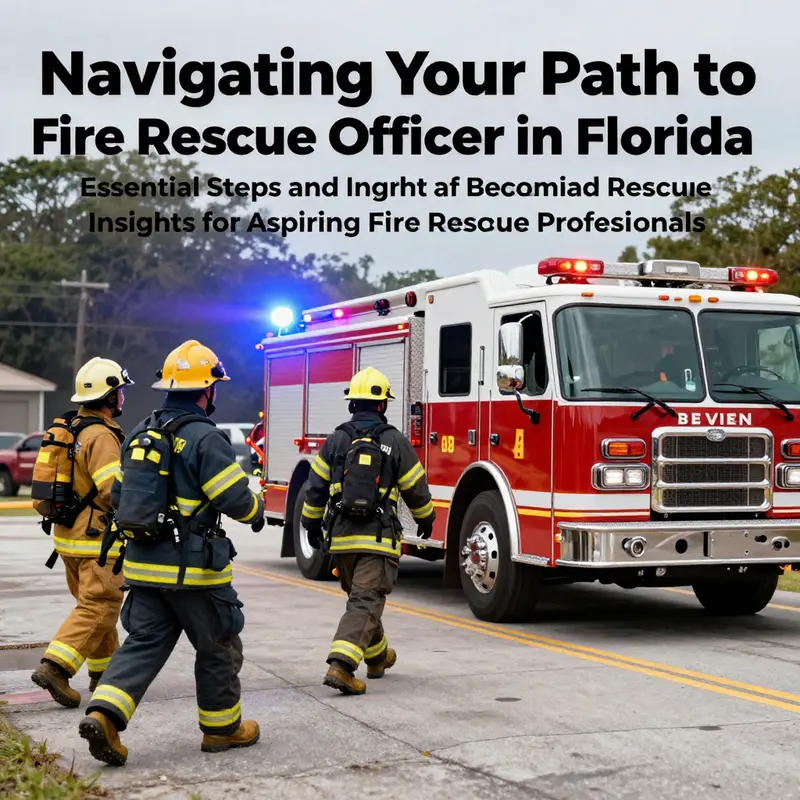
Becoming a fire rescue officer in Florida offers a rewarding career dedicated to public safety and emergency response. This profession demands commitment, skill, and rigorous training, but the impact on communities is profound. Understanding the eligibility requirements, necessary certification training, and navigational application processes is crucial for prospective candidates. This article delineates these processes across three detailed chapters: outlining basic eligibility requirements, exploring required training and certifications, and detailing the application process alongside career advancement opportunities. Each segment builds upon the last, forming a comprehensive understanding of what it takes to succeed in this noble profession.
Pathways to Florida Fire Rescue: Navigating Eligibility, Training, and the Road to the Badge
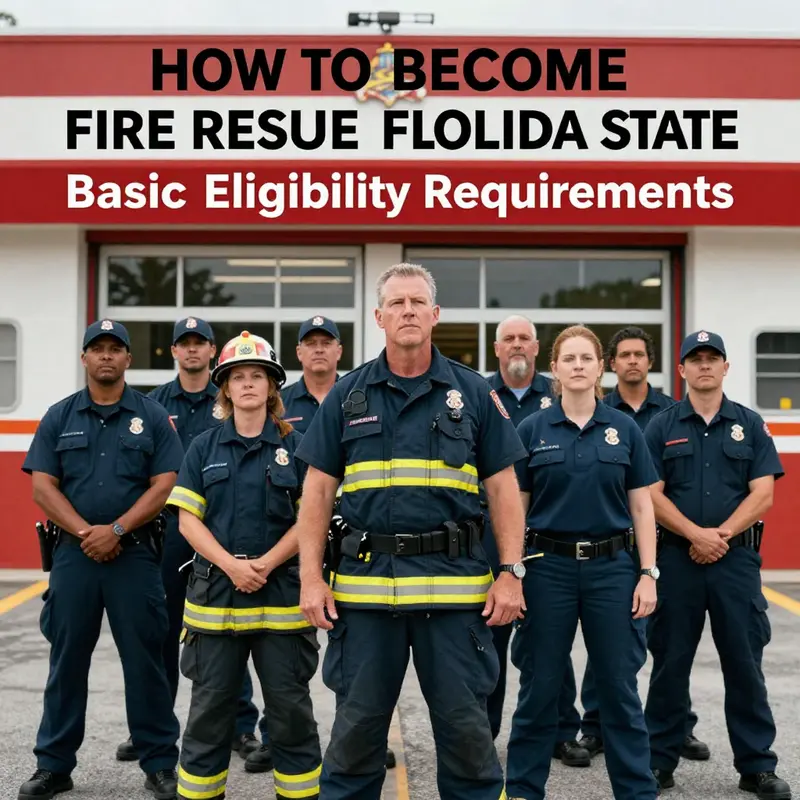
Embarking on the journey to become a Fire Rescue professional in Florida is not just about a single test or a moment of victory on a fire line. It is a carefully sequenced path that blends personal readiness, formal training, and a disciplined selection process governed by the Florida Division of Emergency Management and by local fire departments across the state. The terrain of this path can feel broad, from the basics of eligibility to the nuanced requirements of state academies and department-specific hiring practices. Yet when viewed as a coherent narrative, it reveals a compelling arc: preparation inspired by service, followed by training that equips you to protect lives and property, culminating in a professional appointment that can lead to leadership roles within fire rescue agencies. The course is detailed, but it is also eminently navigable with the right information and a steady, incremental plan.
At the core of the Florida system lies a straightforward, but non-negotiable set of basic eligibility criteria. These are designed to ensure that every candidate who steps toward the demanding work of a fire rescue professional has the fundamental foundations for safety, reliability, and public trust. You must be at least 18 years old to begin the process, though some departments may require you to reach 21 for certain roles or shifts. A valid Florida driver’s license is essential, not only for daily mobility but also for the broader responsibilities you will encounter on the job—driving to emergencies, transporting personnel, and supporting incident command under varied conditions. A high school diploma or GED forms the educational baseline, signaling to employers that you can engage with the complex technical material, safety protocols, and communications that define modern fire service.
But eligibility is about more than age and papers. A clean slate matters, which is why a comprehensive background check and drug screening are standard components of the initial screen. The background process is not a hurdle to exclude applicants so much as a crucial assurance that each firefighter maintains the public’s trust in moments of crisis. This trust extends into medical and physical readiness. The medical examination establishes a baseline of health that reflects the physical realities of firefighting—lifting heavy equipment, navigating smoke-filled environments, and maintaining stamina over long and demanding shifts. In practice, you will be expected to demonstrate the capacity to perform essential duties without undue risk to yourself or others. The Physical Ability Test, or PAT, is the formal instrument used to evaluate your strength, endurance, coordination, and the ability to operate under the unique physical demands of the job. The PAT standards can vary slightly by department, but they share a common purpose: to ensure you can meet the physical requirements of fire suppression, rescue operations, and incident scene management.
Alongside these prerequisites, a readiness to comply with the administrative side of public service is crucial. Expect the process to include a written examination that probes reading comprehension, numerical reasoning, logical thinking, and situational judgment. The written test is a barometer of your cognitive readiness to absorb operational procedures, safety standards, and the critical thinking you will rely on when decisions matter most. An oral interview with a panel of senior personnel often follows. This interview is more than a test of recall; it is an opportunity to demonstrate communication skills, teamwork, ethical judgment, and the ability to stay calm under pressure—traits that are as vital to success on a fire crew as physical prowess. A well-prepared applicant treats the interview as a conversation about character and commitment, not a quiz about memory alone.
If you meet the baseline eligibility and perform well on the initial assessments, the road continues with training that builds the technical backbone of the profession. The core credential many Florida departments require is the Firefighter I & II certification, typically earned through accredited programs offered by community colleges, technical schools, or authorized training providers. This foundational training covers a broad spectrum of competencies: fire behavior, extinguishment techniques, rescue operations, and the practical skills needed for incident command and scene safety. It is not simply about learning how to fight fires; it is about understanding the physics of fires, the chemistry of suppression agents, and the critical safety protocols that keep you and your teammates protected in hostile environments.
In addition to the firefighter certifications, you will commonly pursue Emergency Medical Technician (EMT) credentials. In Florida, EMT-Basic is frequently the minimum healthcare qualification required by many departments. Paramedic-level training is highly valued and can be a decisive factor in securing employment with larger departments or in competitive hiring rounds. The integration of medical skills into the fire service reflects the modern reality of incident response, where medical care is often delivered at the point of care, at the scene, or en route to hospitals. The ability to triage, treat, and transport can differentiate a candidate in a crowded applicant pool and opens doors to broader responsibilities within EMS-first responder roles.
Beyond firefighting and medical readiness, specialized certifications strengthen a candidate’s profile. Hazardous Materials (HazMat) Operations training equips responders to recognize, assess, and manage HazMat incidents with the appropriate protective equipment and procedures. Fire Prevention and Inspection credentials reflect a different facet of fire protection—risk assessment, code compliance, and community education that help reduce incidents before they occur. A Fire Department Safety Officer designation signals a capacity to oversee safety protocols across scenes, ensuring that every stage of an operation adheres to established standards. These qualifications are complementary rather than redundant; they expand your toolkit so you can adapt to diverse incident types—from structural fires to chemical spills to public education campaigns that reduce risk within communities.
As you accumulate credentials, you should understand the practical routes into the workforce. Florida boasts more than a thousand fire departments, spanning large municipal entities to rural and specialized agencies. The application process typically unfolds in a familiar pattern across departments: an online application through the department’s careers portal, a structured written test, a physically demanding PAT, and an oral interview with senior officers. A thorough background check and medical evaluation accompany these steps, ensuring alignment with the department’s standards for integrity, reliability, and fitness. The sheer scale of opportunities means that there are paths for graduates of different training streams, including those who have pursued EMT training, fire tech programs, or combined certificates that integrate fire science with emergency medical care. The process can feel exacting, but the consistency of the framework across departments offers a reliable roadmap for prospective firefighters who want to serve the Sunshine State.
For those who want a more principled, organized preparation, the state offers an acceleration channel through the Florida Fire Rescue Academy (FFRA). While attendance at the FFRA is not universally mandatory for every department, it is widely regarded as a valuable credential that demonstrates formal readiness and a demonstrated commitment to the profession. The FFRA, operated by the Florida Division of Emergency Management, provides structured coursework, drill scenarios, and standardized assessments that can sharpen your practical abilities and expand your understanding of state protocols. Completing the FFRA often signals to larger departments a well-rounded, investment-worthy candidate who has proven they can operate within a state-aligned framework of practices and safety standards. The choice to pursue FFRA should be weighed against your local department’s requirements, your personal schedule, and the specific career trajectory you envision within Florida’s fire rescue ecosystem.
The application process is not merely a hurdle to clear; it is an opportunity to stage a professional identity built on service, reliability, and lifelong learning. As you navigate this landscape, it is prudent to maintain a disciplined schedule: complete formal training with diligence, accumulate relevant certifications, and pursue practical experience through cadet or explorer programs that many departments offer for youth and early-career individuals. These programs provide early exposure to the rhythm of fire rescue work, mentoring from seasoned firefighters, and a window into the culture and expectations of the profession. They also help you refine your personal narrative—how you describe your motivations, your commitment to safety and teamwork, and your readiness to contribute in high-stakes environments.
Perhaps the most practical piece of guidance during this phase is to stay anchored in the most up-to-date information available. Department websites and the state’s official career resources are the best sources for precise eligibility cutoffs, test formats, and the list of approved training providers. The recruitment landscape evolves as departments adjust to workforce needs, funding, and changes in safety standards. Subscribing to job alerts and setting reminders for application windows can transform an overwhelming amount of information into a manageable cadence. In addition, a proactive approach to career preparation can leverage mentorship opportunities. Engaging with current firefighters, training officers, and department recruiters helps you understand which certifications are most valued in your region and how different career tracks—firefighter, rescue technician, fire marshal—align with your goals.
A practical note on resources helps anchor this journey in reality. The state maintains a central channel of information for careers in fire rescue, with links to certification programs, approved providers, and details about state-level examinations and advancement paths. For a solid starting point, consult the official resource at Florida Cert, which consolidates relevant credentials, testing standards, and pathway options. This hub can be the one-stop reference as you plan your training schedule, confirm department expectations, and chart a course toward your first appointment as a Florida fire rescue professional. Alongside this, remember that individual departments may have unique prerequisites or preferred sequences of certification; your plan should remain flexible enough to accommodate local nuances while staying aligned with state policy.
In parallel with the certification track, cultivating a professional identity grounded in service, resilience, and teamwork matters as much as technical proficiency. Fire rescue work is profoundly collaborative. You will rely on partners to manage life-threatening events, make rapid, safety-driven decisions, and support families in moments of crisis. The interview process, therefore, often emphasizes real-world scenarios that test your communication, problem-solving under pressure, and ethical judgment. A narrative built from volunteer or cadet experiences, emergency response simulations, and a record of consistent attendance at training sessions signals to hiring panels that you show up prepared, accountable, and committed. It is not merely about answering questions correctly; it is about demonstrating that you understand the ethos of the fire service, that you prioritize safety for the public and your crew, and that you will contribute to the department’s mission with integrity and humility.
As you advance toward your first appointment, it is helpful to visualize the initial years as a blend of learning and service. The entry point may involve a probationary period during which you apply newly learned skills under supervision, assimilate the culture and operations of a particular department, and demonstrate your readiness to grow into a full-fledged firefighter. Within this window, ongoing education becomes a defining feature of your career. Many departments encourage or require continuing education to maintain certifications, expand into specialized roles, and prepare for promotional tracks. This culture of ongoing development aligns with the broader arc of professional life in public safety, where knowledge updates, evolving equipment, and new hazard profiles demand constant readiness.
For readers planning ahead, a clear takeaway emerges: the path to Florida fire rescue is not a single moment of achievement but a sequence of deliberate steps. Start with solid eligibility, then pursue a robust training portfolio, engage with department recruitment processes with honesty and preparedness, and complement your certifications with practical experiences and mentorship. The state’s system rewards those who invest in a well-rounded, certificate-rich profile that demonstrates not only the ability to perform technical tasks but also the judgment and character required to serve communities with courage and care. With this approach, the prospect of joining a Florida fire rescue team becomes a tangible, well-structured ambition rather than a distant dream. The journey, while rigorous, is clearly defined and reachable for those who commit to the long arc of preparation, training, and service.
To ground this discussion in a practical frame, consider how a candidate might sequence steps in a realistic timeline. Begin by confirming basic eligibility, including the age requirement, education credential, and a clean background. Schedule the medical evaluation and prepare for the PAT, giving yourself ample time to improve fitness levels if needed. Enroll in a Firefighter I & II certification program and, where possible, pursue EMT training to align with common department expectations. Explore HazMat, Fire Prevention, and Safety Officer credentials to broaden appeal and versatility. Simultaneously, scan department websites for application windows, testing dates, and any department-specific prerequisites. If the FFRA appeals to you, factor it into your plan as a way to reinforce readiness and signal state-aligned preparation. Throughout this period, keep your communication clear and consistent with recruiters, build a record of reliable training attendance, and actively seek opportunities to gain hands-on experience through cadet or explorer programs that align with your age and status.
In keeping with the practical aim of this chapter, you may want a concrete reminder of where to verify the official framework. The Florida Fire Rescue Training Council remains a primary reference for the core eligibility and training landscape, and it is wise to bookmark the central pages that summarize minimum qualifications and recognized training pathways. This ensures your plan stays aligned with current standards and avoids becoming outdated as policies shift in response to staffing needs or safety innovations. For continuing education and a deeper dive into program specifics, you can also explore the broader ecosystem of training resources that exist across the state, including community colleges and technical institutions that partner with public safety agencies.
Finally, while the technical and administrative components are essential, the human dimension should not be overlooked. Fire rescue work is as much about character as it is about capability. The people who hire you want to see your commitment to service, your ability to function under pressure, and your willingness to learn and adapt. Use every stage of the process to convey those values—through punctuality in applications, through professional conduct in interviews, through a demonstrated track record of ongoing learning, and through a clear, honest articulation of why you want to serve in Florida. Your story matters as much as your credentials, and when both are compelling, you stand a strong chance of turning your ambitions into a badge-and-broom of the trade that defines your career.
For readers who want a closer look at the materials that support this journey, a practical note about additional learning resources is helpful. The following internal resource offers curated guidance on foundational training and certifying experiences that align well with the early stages of your career plan: Fire Safety Essentials Certification Training. This resource helps you map out the sequence of training that can make a meaningful difference in the early phases of your preparation and complements the formal steps described above.
As you move through the process, remember that the road to Florida fire rescue service is a marathon rather than a sprint. It rewards perseverance, strategic planning, and a commitment to service at every stage. With a clear understanding of eligibility, a robust training portfolio, and a proactive approach to applications and ongoing learning, you place yourself in a strong position to join a department and begin a career marked by public service, teamwork, and continual growth. The state’s fire rescue system is designed to recognize and develop dedicated individuals who bring both skill and heart to the mission of protecting life and property. By approaching the journey with discipline, curiosity, and resilience, you transform the aspiration of becoming a Florida fire rescue professional into a concrete, attainable objective—and you set the foundation for a meaningful career that can evolve into leadership and public safety stewardship.
External resource: For the most accurate, up-to-date information on eligibility, testing, and state-level requirements, consult the official Florida Fire Rescue Training Council site at https://www.floridafirerescue.org.
Igniting a Florida Fire Rescue Career: A Comprehensive, Integrated Path through Training, Certification, and Service
When you imagine a career in Florida Fire Rescue, you may picture rushing toward danger with courage as your compass. The reality is a carefully structured journey that blends physical preparation, formal training, rigorous testing, and ongoing professional development. In Florida, the path from interested resident to front-line firefighter or rescue officer is shaped by state guidelines and the practices of local departments. Understanding this path in a cohesive way helps you move from curiosity to capability with confidence. It begins long before you pull on a turnout coat and ends only after you commit to continual learning that keeps you and your community safe. The process integrates eligibility criteria, foundational training, certification, and a sequence of assessments designed to evaluate fitness, judgment, and technical knowledge. At its core lies a simple premise: readiness. Readiness to perform under pressure, to protect life, and to adapt to evolving hazards that test every responder. Florida’s approach, though rigorous, is transparent and standardized enough to provide a clear road map while allowing for local variation across the state’s more than a thousand fire departments. The result is a system that graduates capable professionals who can serve in bustling urban centers, regional municipalities, or rural districts with equal seriousness and competence. If you’re ready to embark, the journey can be understood as a cascade of steps that build on one another, each one reinforcing the next, so you have the right combination of education, fitness, and practical skill when you arrive at the door of a fire department ready to hire.
What follows is a cohesive account of how to become a Fire Rescue professional in Florida, from baseline eligibility to the point where you are ready to interview, and beyond. The story is less about ticking boxes and more about cultivating a mindset that aligns with the mission of firefighting: service, safety, teamwork, and disciplined practice. The state places emphasis on a firm foundation in basic requirements before entering a formal training program. Age is the first gate: most programs require you to be at least 18, with some departments preferring or requiring applicants to be 21. This is followed by the practical necessity of holding a valid Florida driver’s license and possessing a high school diploma or GED. A clean slate is essential in every sense, because the background check you will undergo must reflect trustworthiness and reliability. The background screen, along with a drug test, protects the integrity of a team whose members must rely on one another in life-or-death moments. The background requirement is not merely a formality; it acts as a signal of character and responsibility—qualities every firefighter must demonstrate when lives are at stake. Once these gates are cleared, you can begin to assemble the more technical dimensions of the preparation that truly define the profession.
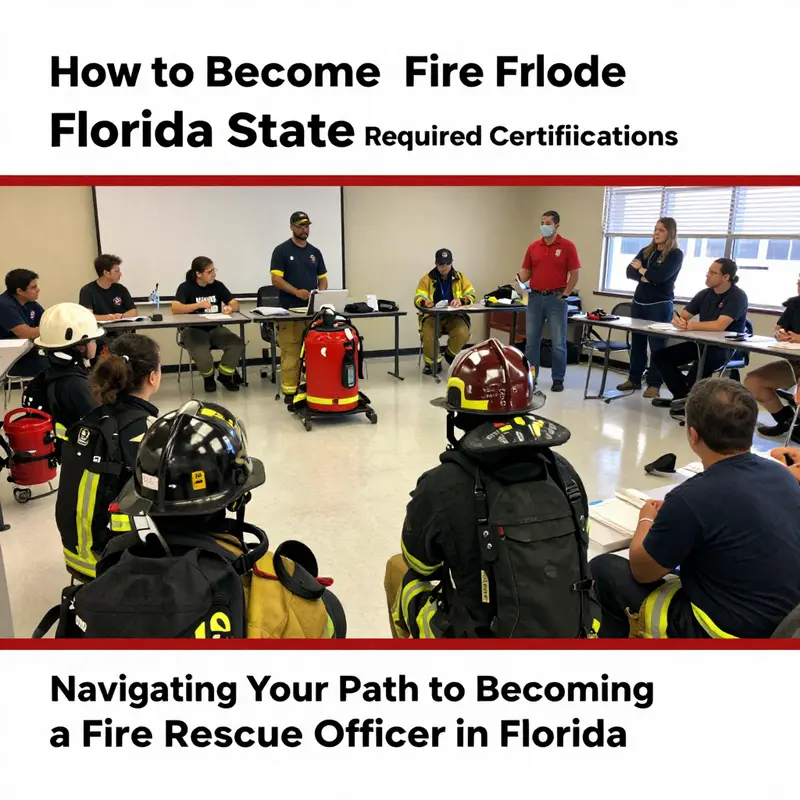
The training phase is where theory becomes practice. Florida requires successful completion of an approved Firefighter I & II certification program, typically offered through community colleges, technical institutes, or dedicated fire training centers. In many communities, you will enroll in a state-aligned curriculum that covers core competencies such as fire behavior, rescue operations, and fire suppression tactics. The academic backbone supports hands-on skills that become second nature after repeated drills and real-world simulations. Alongside Firefighter I & II, there are certifications that frequently appear as prerequisites or strong preferences in hiring. An Emergency Medical Technician (EMT) certification, at the Basic level, is commonly required, and in many departments Paramedic training is either preferred or required. These EMS credentials reflect the reality that modern fire rescue work often blends firefighting with medical response, especially in areas where incidents involve trauma, cardiac events, or exposure to hazardous environments. In addition to EMS credentials, professionals regularly pursue Hazardous Materials (HazMat) Operations, Fire Prevention and Inspection, and Fire Department Safety Officer certifications. Each adds a layer of capability that broadens a responder’s effectiveness across incident types. The result is a well-rounded profile that makes an applicant versatile: capable of charging into a smoky scene, stabilizing a patient, recognizing structural hazards, and contributing to the prevention of future emergencies through inspection and education.
As you progress through training, you will also encounter the natural emphasis on fitness and health. The ability to perform under stress, maintain stamina through long shifts, and execute complex tasks with precision is as important as any technical skill. The physical demands are not incidental; they are central to mission readiness. The state’s standards anticipate this reality by integrating physical assessments into the hiring process. A rigorous Physical Ability Test (PAT) is typically required, and many departments use standardized tests such as those aligned with PAPAT or NFPA 1588 guidelines. Preparing for these tests is a discipline in itself—emphasizing endurance, grip strength, agility, and coordination. The practical threads of training interweave with medical readiness; EMT and related certifications equip you to manage medical emergencies that accompany fire incidents, while the fitness regimen ensures you can meet the physical challenges of rescue operations. The integration of EMS and fire training embodies a modern rescue culture where responders move fluidly between fire suppression and patient care, maximizing the impact of every call.
The application process to a local fire department, which is the gateway to a firefighting career in Florida, reflects the competitive nature of the field and the demand for dependable, capable personnel. Florida’s vast network of departments includes large urban entities and smaller, rural districts. The application steps are designed to assess both knowledge and character, and they typically include an online application, a written examination, a physical performance test, and an oral interview. The written exam often tests reading comprehension, mathematics, logic, and situational judgment—skills that translate directly to the decisions firefighters must make under pressure. The physical ability test evaluates functional strength and endurance, simulating tasks like stair climbs, hose pulls, and equipment manipulation. The oral interview places you before a panel of senior firefighters or officers who evaluate not only your technical potential but also your judgment, teamwork, and communication abilities. A thorough background investigation accompanies the process, followed by a medical evaluation to confirm you can meet the demands of the job from a health perspective. The sequence of evaluations is meticulous because it serves to ensure that only candidates who can meet the multifaceted expectations of the role are advanced toward hiring. The purpose is clear: to build a department with a cohesive team ready to operate safely and effectively in all manner of emergencies.
While the path can appear lengthy, the Florida model also contains a practical, action-oriented option that can accelerate your exposure to training and assessment. A state-sponsored academy, often referred to as a Fire Rescue Academy, exists as a structured, immersive program that aligns with state standards and the needs of the largest departments. Although participation in the academy is not mandatory for every department, completing it typically strengthens your resume, signals commitment, and demonstrates a higher level of readiness. The Florida Fire Rescue Academy, overseen by the Florida Division of Emergency Management, provides condensed, rigorous instruction that integrates fire suppression, EMS basics, and rescue operations into a cohesive course of study. The academy can be a particularly advantageous pathway for those seeking entry into competitive departments that prioritize a standardized credential set and a proven track record of readiness.
At the conclusion of the formal training and certification sequence, you earn the Florida Fire Rescue Certification, a credential that attests to your competence in essential areas of firefighting and rescue. This certification serves as a baseline credential across most departments and informs both hiring decisions and promotion prospects. In addition, a robust portfolio of certifications is increasingly prized. Maintaining current CPR and Basic Life Support (BLS) certifications is nearly universal, as these life-saving skills are integral to almost every on-scene intervention. Beyond the basics, many firefighters elect to pursue higher EMS qualifications, such as EMT and Paramedic, either to expand their scope of practice or to improve career mobility within the state’s system. The Bureau of Emergency Medical Services (BEMS), part of the Florida Department of Health, oversees EMS certification standards and ensures consistency across the state. This alignment ensures that paramedics and EMTs are recognized and eligible to perform essential medical care in emergencies, complementing the fire suppression and rescue competencies earned in training.
With credentials in place, the next stage involves navigation of employment prospects and the ongoing journey of advancement. State and local agencies that hire Fire Rescue personnel typically expect not only a set of formal qualifications but also a demonstrated commitment to ongoing professional development. For some roles within the Fire Marshal’s Office or other state agencies, additional requirements may include deeper background checks, medical screenings, or security clearances. Even when you secure a job, the work does not end with the first badge. Firefighters and rescue officers are expected to engage in continuous training to stay current with evolving safety protocols, new equipment, and the latest best practices in patient care. This emphasis on lifelong learning is not a mere formality; it is a recognition that the landscape of emergency response changes rapidly as threats shift, technology advances, and communities grow more complex. Engaging in ongoing education, attending specialized courses, and participating in department drills all contribute to a professional trajectory that can lead to leadership roles such as captain, lieutenant, or chief, as well as specialist positions like fire marshal or training officer. Promotions are typically earned through a combination of time in service, demonstrated performance, additional certifications, and the results of department-specific evaluations.
Alongside formal progression, practical experiences such as cadet or explorer programs for youth can play a meaningful role in preparing you for the field. These programs offer early exposure to the culture, discipline, and day-to-day realities of fire rescue work. They can help you build foundational knowledge, connect with mentors, and start cultivating the habits and attitudes that will serve you well once you enter a licensed program. For many, participating in cadet or explorer opportunities can translate into smoother transitions when they apply for entry-level firefighter positions and compete for scholarships or prioritization during the hiring cycle. Keeping an eye on department postings and subscribing to job alerts improves your chances of learning about openings as soon as they become available. A proactive approach is essential in a field where openings can appear with little notice, and where timing can influence access to the right opportunities.
A central element of this journey is the relationship between the aspirant and the official sources of information. The Florida Division of Emergency Management maintains resources for firefighter certification programs, training providers, state exams, and pathways for career advancement. This state-level guidance complements the specific application process of each department, which often includes online portals, written and physical testing, and interviews tailored to the department’s culture and mission. The combination of state guidance and local hiring practices creates a coherent framework in which motivated individuals can plan a career path with realistic expectations and concrete steps. Staying current with official announcements, deadlines, and changes to requirements is essential because licensing standards, medical criteria, and qualification expectations can evolve with time. The official site serves as the primary hub for verified information, but local departments remain the most practical entry points for actually initiating the job search and pipeline into the fire-rescue community.
As you prepare, you may also encounter resources that emphasize the broader value of fire safety expertise within communities. The training you undertake does more than qualify you for a wage; it equips you to contribute to public safety through prevention, education, and rapid response. Firefighters who understand fire behavior and risk reduction are better prepared to work with residents, schools, and businesses to create safer environments. The combination of prevention, preparedness, and response becomes a holistic approach to safeguarding people, property, and the shared spaces in which Florida communities live and work. It is this integration of prevention and response that defines the modern fire-rescue professional. When you read the job descriptions of departments across the state, you will notice a consistent emphasis on teamwork, communication, and a willingness to adapt under pressure. The ability to communicate with co-workers, medical staff, and the public is as critical as any technical skill. The culture of mutual support, accountability, and continuous improvement supports every call you answer and every life you help save.
There is also value in recognizing how a career in Florida Fire Rescue can be shaped by personal motivation and community service. Many who choose this path are drawn by a desire to help others, to work in a high-energy, physically active environment, and to be part of a team whose contributions have immediate, tangible impact. The steps outlined here are not merely procedural; they are a framework that invites you to cultivate the resilience, empathy, and discipline that define effective responders. Your progression from applicant to certified firefighter to experienced professional is, in many ways, a narrative of growth in competence and character. Whether you remain in a single department or move across districts as your career evolves, the underlying commitments remain constant: to train thoroughly, to act ethically, and to serve with courage when the worst moments in a person’s life demand your presence and skill. The Florida system, with its combination of state oversight and local execution, supports that mission by ensuring that every responder who wears the badge carries proven capabilities, up-to-date knowledge, and a steady readiness to face whatever emergency unfolds.
To make this journey more tangible, consider how the training, certification, and testing weave together. You begin with eligibility: age, education, licensure, and a clean record. You then enter recognized training programs that build the foundational competencies and EMS integration necessary for today’s fire rescue roles. As you complete required courses, you accumulate credentials that demonstrate your readiness to perform in a real-world context. The department’s hiring process then becomes a structured evaluation of your ability to apply what you have learned in a controlled setting and under the scrutiny of experienced professionals. Finally, once you secure a position, the ongoing development and potential advancement opportunities give your career a trajectory that aligns with your growing expertise and leadership ambitions. This progression, from eligibility through certification to career advancement, creates a sustainable and rewarding path for individuals who are committed to public service and ready to dedicate themselves to a profession that is as demanding as it is essential.
For those who want to see how this path translates into resources and concrete steps, a good starting point is to explore the specifics on the official career pages and training programs referenced by the Florida Division of Emergency Management. The emphasis on certification, ongoing development, and state-supported training reflects a system designed to ensure consistency across a diverse set of communities while still allowing departments to tailor certain aspects to their local needs. If you are contemplating this path, you can begin by aligning your personal goals with the core requirements and then progressively layering in EMS credentials, specialized certifications, and the practical experiences that make you a strong candidate for the department you wish to serve. The end result is not only the achievement of a hard-won credential but also the cultivation of the professional identity that defines a firefighter who serves with integrity, skill, and a deep sense of responsibility to Florida’s people and places.
For a concise overview of the training and certification landscape in Florida, you can consult the official resource that outlines firefighter certification programs, approved training providers, and details about state-level exams and advancement avenues. This resource serves as a central reference point to confirm that you are pursuing credential paths that are recognized across departments and aligned with state standards. In parallel, you will want to monitor the careers section of your target department so you can respond promptly to openings and understand any department-specific prerequisites that may influence your timeline. Engaging with career counselors, connecting with veteran firefighters, and participating in explorer or cadet programs can also provide practical insights and mentorship that helps translate the formal requirements into a successful application strategy. The blend of formal education, hands-on training, physical readiness, and professional networking creates a robust foundation for a career that will challenge you, reward you, and place you at the forefront of Florida’s public safety mission.
As you work toward this objective, remember that the core value of readiness remains constant: you must be prepared to act, to learn, and to adapt. Whether you are newly embarking on this journey or already shaping your progression through EMT or Paramedic studies, the path requires dedication and a clear understanding of the steps and standards that govern this field. To support your preparation, you can explore a range of resources that emphasize practical skills, safety culture, and the importance of ongoing training. A helpful internal resource that aligns with the emphasis on essential certifications and safety training is available here: Fire Safety Essentials Certification Training. This piece complements formal curricula by highlighting the kinds of foundational certifications and safety practices that reinforce every other element of the Fire Rescue pathway.
In closing the arc of this chapter, keep in mind that the route to joining Florida’s Fire Rescue ranks is not a single fixed track. It is a framework that accommodates diverse backgrounds while demanding a standard of excellence. Your readiness, commitment to learning, and willingness to serve will determine how swiftly you progress from applicant to firefighter, from firefighter to officer, and beyond into leadership roles that shape the safety culture of your community. The process rewards preparation and consistency, so plan strategically, train purposefully, and pursue certifications with intention. The goal is not only to secure a badge but to become a capable, trusted professional who can respond calmly and decisively when every second counts. For official, up-to-date information, always refer to the Florida Division of Emergency Management and the state’s career resources, including the path you will follow as you advance toward a meaningful and enduring career in Fire Rescue.
External resource for further exploration: For accurate and current information on approved fire academies, certification processes, and state-specific regulations, visit the official site of the Florida Division of Emergency Management at floridadpm.gov.
Florida Fire Rescue Path: Eligibility, Training, and Lifelong Service in the Sunshine State
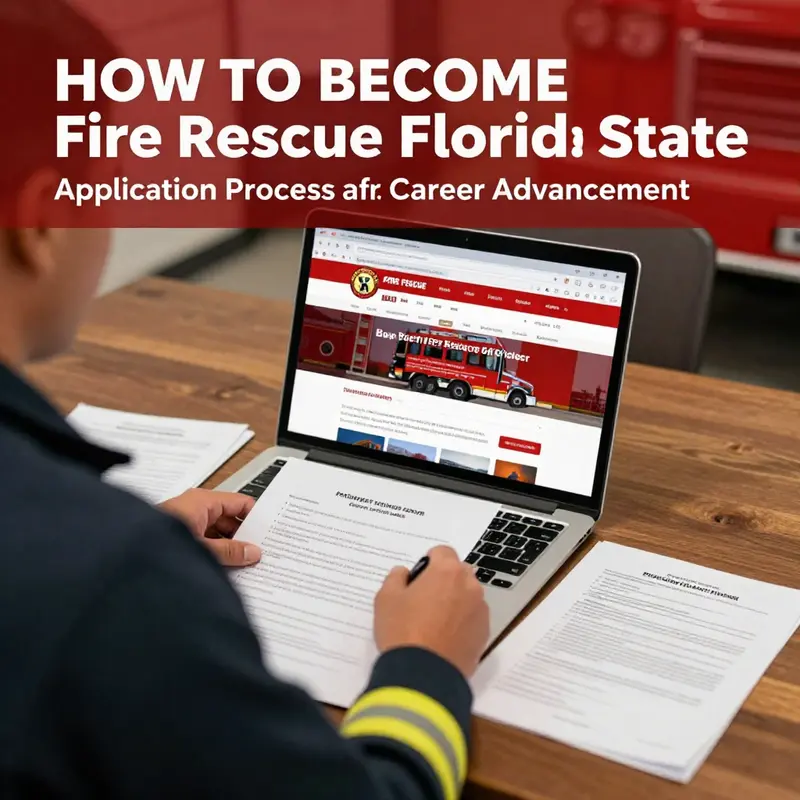
In Florida, becoming a Fire Rescue professional is a multi-step journey that blends personal readiness with formal training, screenings, and a commitment to serving communities under pressure. The path prepares not only individuals for the rigors of emergency scenes but also to build a network of responders who can coordinate across urban and rural calls, medical needs, hazmat incidents, and complex rescues.
Eligibility forms the foundation: at minimum, most departments require applicants to be at least eighteen, with twenty-one often the minimum for entry. A valid Florida driver’s license is essential for responding and mobility. A high school diploma or GED is the basic credential, and a clean background is standard—drug screenings are common in pre-employment checks. Felonies are typically disqualifying, but misdemeanors may be considered case by case, depending on time, nature, and rehabilitation.
Beyond basics, the preparation becomes specialized. An EMT credential, usually EMT-Basic, is commonly required or preferred for entry-level applicants. Paramedic training is highly desirable for advancement in many departments. EMT training builds patient assessment, vital sign interpretation, patient handling, and basic pharmacology, forming a backbone of field medical readiness.
Formal fire training follows: completion of an approved Firefighter I & II program, offered by community colleges, vocational schools, or statewide providers such as the Florida Fire College. This program covers fire behavior, suppression, search and rescue, and incident command, plus the physiological and psychological demands of firefighting. Core certifications—HazMat Operations, Fire Prevention and Inspection, and Fire Department Safety Officer—often accompany the firefighter credential, expanding a recruit’s toolkit.
Application to a department: Florida has thousands of departments, from large city agencies to volunteer departments. Most applicants apply online through a department’s careers portal. Common steps include a written civil-service-type examination, a physical abilities test (PAPET or NFPA-aligned standards), a panel interview, a thorough background check, and a medical evaluation. A successful process selects individuals who perform under pressure, communicate clearly, and stay reliable.
Optional but valued: the Florida Fire Rescue Academy (FFRA), which provides accelerated foundational training and may be favored by larger departments and state agencies. FFRA emphasizes incident command, teamwork, and field readiness and is often coordinated through the Florida Division of Emergency Management.
Advancement and lifelong learning: after hire, career progression often moves to roles such as Fire Captain, Lieutenant, Battalion Chief, or Fire Marshal. Higher certifications in hazardous materials, technical rescue, and advanced fire tactics, plus paramedic credentials, can accelerate movement into specialized roles. A culture of ongoing education—evidence of leadership, discipline, and safety—helps sustain long careers.
Practical strategy: map a personal timeline aligned with department expectations, prepare physically and mentally, and consider applying to multiple departments to increase odds. Stay connected with official channels for current certification requirements and training opportunities. The Florida Division of Emergency Management maintains resources and portals to credentialing and training providers.
In closing: the Florida path to fire rescue combines discipline, service, and continuous growth. A well-planned trajectory—eligibility, training, application, testing, and advancement—prepares you to join a respected profession and to serve communities with courage and care.
Final thoughts
Embarking on a career as a fire rescue officer in Florida is a journey characterized by dedication, resilience, and an eagerness to serve. From understanding the basic eligibility requirements and engaging in comprehensive training to navigating the application process, each step presents a unique opportunity for growth and contribution to public safety. As you pursue this path, remember that your commitment to learning and personal development not only benefits your career but also ensures the safety and resilience of the communities you serve. Start your journey today and become a vital part of Florida’s emergency response system.

