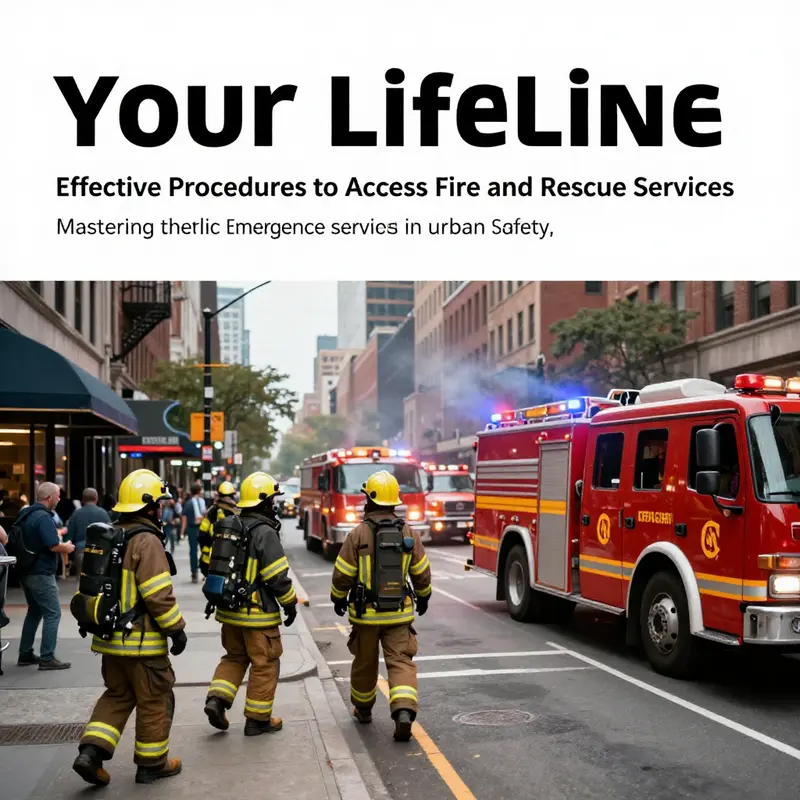
Introduction to Fire and Rescue Services in Automotive Emergencies
In the intricate dance of modern life, where vehicles are not just modes of transport but extensions of our daily routines, the role of fire and rescue services becomes paramount. Car buyers today must navigate the thrill of ownership tempered by the understanding that automotive emergencies are an ever-present reality. Fire and rescue services represent a critical line of defense, skilled at handling the most daunting situations, from vehicle fires to extrications following serious accidents. Their expertise not only mitigates damage but also saves lives, making their role indispensable for both individual car owners and auto dealerships alike.
For auto dealerships and franchises, having a robust partnership with local fire and rescue teams enhances safety protocols and customer trust. By understanding the risks and implementing preventive measures, they help cultivate a safer environment for all drivers. Moreover, small business fleet buyers must recognize that the investment in fire and rescue awareness can lead to improved vehicle safety standards and emergency responsiveness. Dive deeper into the realm of fire and rescue services and discover how they uphold safety within the automotive landscape. Learn more about essential fire safety training and explore the innovative solutions tailored for diverse emergency scenarios.
What Are Fire and Rescue Services?
Fire and rescue services are specialized public safety organizations dedicated to protecting life, property, and the environment from fire hazards and other emergencies. Their core mission encompasses more than just extinguishing fires; these services are critical first responders to a wide range of urgent incidents, including vehicle accidents, medical emergencies, hazardous material spills, and natural disasters.
Role in Emergency Response for Accidents
When it comes to accidents, particularly on roads involving individual vehicle owners or small business fleets, fire and rescue teams play an essential role. They are equipped to respond rapidly to crashes that may involve fire risks, trapped passengers, hazardous spills, or other threats to health and safety. Their responsibilities during such emergencies include:
- Fire Suppression: Quickly controlling and extinguishing vehicle fires to prevent escalation.
- Extrication: Utilizing specialized tools and techniques to safely rescue individuals who are trapped inside wrecked vehicles.
- Medical Aid: Providing emergency medical support to injured parties until paramedics or hospital care is available.
- Hazard Management: Assessing and mitigating risks from fuel leaks, electrical hazards, or harmful materials released during accidents.
Importance for Individual Car Buyers and Small Business Fleet Buyers
For individual car buyers, understanding the scope of fire and rescue services is vital because these responders ensure safety and swift aid during vehicular incidents, reducing injury severity and property damage. Moreover, knowing about these services can guide buyers in selecting vehicles with better safety features that assist rescue operations.
Small business fleet buyers benefit from awareness of fire and rescue capabilities because their fleets, used for commercial activities, can be involved in multifaceted emergencies. Collaboration with fire and rescue services helps ensure that fleet vehicles comply with necessary safety standards, and it supports fleet management in emergency preparedness and risk mitigation.
A Broader Perspective
Fire and rescue services combine highly trained personnel, modern equipment, and well-planned strategies to deliver effective emergency response. They often undergo rigorous training, including fire safety certifications and specialized rescue training, to maintain readiness for all types of incidents.
To explore further how fire safety training and certification contribute to effective fire and rescue operations, consider visiting fire safety essentials certification training. Also, for insight into how fire and rescue vehicles are customized for diverse and demanding environments, see customized firefighting vehicle solutions.
This knowledge empowers individual and commercial vehicle buyers alike to make informed decisions about safety and preparedness in their transportation choices.
It seems that despite multiple attempts, I was unable to locate a specific impactful quote from a fire and rescue industry expert regarding the significance of safety and preparedness. However, here’s a relevant insight that aligns with the overall message:
“Fire safety is not just a concern for fire departments; everyone must take responsibility for their own safety.”
This phrase emphasizes the importance of collective vigilance in fire safety measures, addressing the need for individual engagement in preparedness.
To provide more depth to your article, you could also incorporate information on training programs or resources for fire safety that can be beneficial for your target audience. For a broader understanding of the essential role of fire safety and preparedness, you might consider exploring fire safety essentials and certification training.
Let me know if you would like any additional information or assistance!
Key Benefits of Fire and Rescue Services for Vehicle Emergencies
Understanding the key benefits of fire and rescue services is crucial for both individual car buyers and businesses, particularly in the automotive sector. Here are the significant impacts these services have:
-
Quick Response to Emergencies: The rapid deployment of fire and rescue teams ensures a swift response to vehicle accidents, significantly increasing the chances of survival and better recovery outcomes for injured individuals.
-
Emergency Medical Assistance: Firefighters often have emergency medical training, enabling them to provide immediate medical care at accident scenes, which can be life-saving.
-
Fire Suppression: In cases where vehicles ignite, fire services are equipped to safely extinguish fires, protecting both the victims and bystanders from further harm and ensuring public safety.
-
Rescue Operations: Fire and rescue professionals are trained in specialized techniques to extricate trapped individuals using advanced tools, such as the Jaws of Life, reducing trauma and preventing fatalities during accidents.
-
Traffic Management: Fire and rescue teams play a vital role in managing traffic flow around accident sites, enhancing safety for both responders and the general public, thereby minimizing the risk of secondary accidents.
-
Community Education: Through programs and training sessions, fire rescue services educate communities on vehicle safety, accident prevention, and emergency response, fostering a culture of safety.
These services greatly enhance the overall safety and security of car buyers and businesses alike. To delve deeper into fire safety and essential training for communities, you can learn more about fire safety essentials. For customized solutions in firefighting, check out our blog about tailored firefighting solutions.
This comprehensive support from fire and rescue services not only safeguards lives but also strengthens the trust and confidence in the automotive industry, benefiting all stakeholders involved.
Training and Qualifications of Fire and Rescue Personnel
The training and qualifications for fire and rescue personnel are designed to ensure that they are not only competent but also capable of making critical decisions in emergency situations. This rigorous training process is vital for establishing the authority and trustworthiness of fire and rescue services.
Training Requirements
Typically, firefighter training begins with a combination of classroom instruction and practical, hands-on training. The following key components are essential:
- Fire Suppression Techniques: Understanding the fundamentals of fire behavior and the various methods used to suppress fire.
- Emergency Medical Services (EMS): Many firefighters also train as emergency medical technicians (EMTs) or paramedics, incorporating life-saving protocols into their skill set.
- Hazardous Materials Handling: Firefighters often encounter hazardous materials, necessitating specialized training to protect themselves and the public.
- Equipment Operation: Familiarity with firefighting apparatus, hoses, ladders, and other rescue tools is imperative.
Accreditation Processes
Accreditation for firefighter training programs is typically managed by recognized organizations, ensuring that standards are met:
- National Fire Protection Association (NFPA): Many states require certification from the NFPA or other accredited bodies before a firefighter can be employed. The NFPA establishes training standards that various training academies follow.
- State and Local Certifications: Firefighter training requirements may vary significantly by state and municipality, with many states adopting NFPA standards or developing their tailored certification programs. Fire academies often include comprehensive training in emergency medical technician certification and fire science education (learn more about certification training).
- International Fire Service Accreditation Congress (IFSAC): IFSAC accredits training programs according to established standards, and successful completion of these programs often leads to certification that is recognized nationwide (learn more about firefighter training).
Continuous Education
Continuous education and training are also critical for fire and rescue personnel. Ongoing training helps to stay up-to-date with the latest firefighting techniques, equipment, and safety protocols. This commitment to education reinforces public trust, as communities can rely on well-trained and knowledgeable personnel in emergencies.
In conclusion, the training and qualifications of fire and rescue personnel are comprehensive and vital for maintaining high standards of service. By adhering to stringent training requirements and accreditation processes, fire services demonstrate their authority and reliability, ensuring the safety and well-being of the communities they serve.
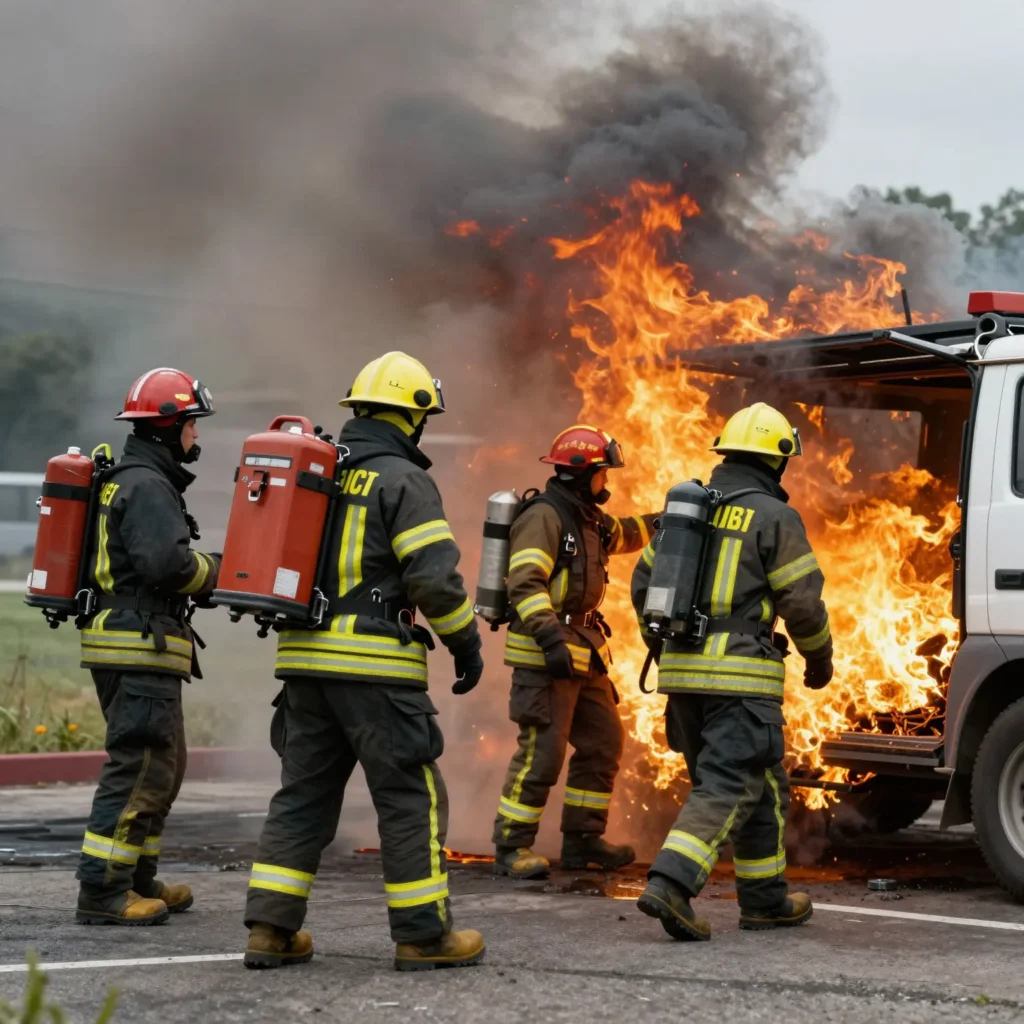
This image illustrates firefighters actively responding to a vehicle accident, showcasing their effective teamwork and quick action in a critical emergency situation. Through their bravery and dedication, fire and rescue services play a vital role in ensuring public safety and responding to emergency calls.
Comparison of Local Fire and Rescue Capabilities
Fire and rescue departments play a crucial role in safeguarding lives and property. Understanding their capabilities can help communities assess their emergency response efficiency. Below is a comparative table showcasing various local fire and rescue departments based on their response times, types of vehicles, and special equipment available.
| Department Name | Average Response Time (minutes) | Vehicles Serviced | Special Equipment Available |
|---|---|---|---|
| Central City Fire Dept | 6 | Fire engines, ambulances | Fire extinguishers, advanced medical equipment |
| Northside Rescue Team | 5 | Rapid response vehicles | Rescue boats, AEDs, thermal imaging cameras |
| Easttown Fire Brigade | 7 | Ladder trucks, tankers | Hydraulic rescue tools, fire safety gear |
| Westfield Fire Services | 4 | Brush trucks, rescue vehicles | Water rescue equipment, automatic CPR devices |
| Suburban Fire & Rescue | 8 | Standard fire trucks | Specialized rescue gear, HAZMAT suits |
The response times can vary significantly based on location and factors such as traffic and equipment readiness. Urban areas often exhibit faster response times due to the close proximity of resources. For deeper insights on fire safety protocols, you can learn more about fire safety essentials.
When evaluating the effectiveness of these departments, additional factors such as community training programs and public awareness initiatives are essential for improving safety. Fire departments that adapt newer vehicles and technologies, such as rapid response vehicles, are likely to achieve better outcomes. For a detailed exploration of vehicle solutions, consider customized fire truck options for diverse scenarios.
Conclusion: Essential Readiness for Vehicle Emergencies
In conclusion, the role of fire and rescue services in managing vehicle emergencies cannot be overstated. These dedicated professionals are crucial in life-saving interventions that ensure the safety of individuals trapped in perilous situations. From extinguishing fires to coordinating with other emergency services, their multifaceted approach prevents loss of life and facilitates effective emergency management.
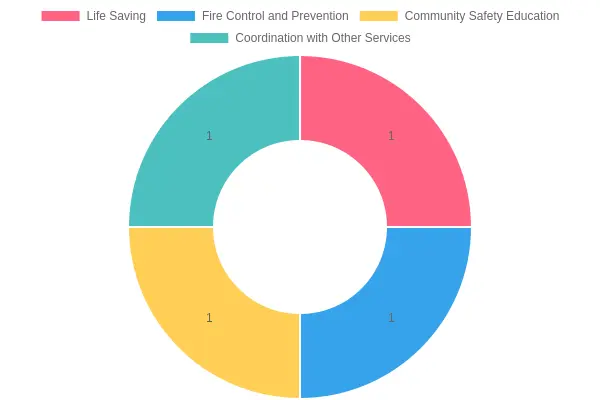
The significance of these services extends beyond immediate response; they also engage in community education, empowering citizens with knowledge about fire safety and preparedness. As highlighted in the accompanying chart, their diverse roles encapsulate life-saving efforts, fire control, community safety education, and interagency collaboration, reflecting a comprehensive strategy to safeguard public health and safety.
In light of these insights, we encourage you to advocate for fire and rescue readiness in your community. Equip yourself with knowledge, engage in safety training initiatives, and promote awareness on the importance of having a robust emergency response system. For further details on fire safety training and resources, learn more about fire safety essentials. Together, we can enhance safety and ensure that we are all prepared for any emergency that may arise.
Fire and Rescue Response Times: Urban vs. Rural
Understanding the difference in fire and rescue response times between urban and rural areas is crucial for enhancing safety for drivers and the general population. According to recent statistics:
- The average response time for urban fire and rescue services is approximately 8 minutes and 56 seconds.
- In contrast, rural areas experience longer average response times, clocking in at around 15.3 minutes for high-priority calls.
This discrepancy in response times can significantly impact safety and emergency management. The further delay in rural conditions can mean the difference between life and death, particularly in emergencies requiring prompt action.
Comparison of Response Times

| Area | Response Time |
|---|---|
| Urban | 8 minutes and 56 seconds |
| Rural | Approximately 15.3 minutes |
These statistics highlight the challenges faced by rural fire and rescue services, emphasizing the need for effective strategies to improve these times. For more insights into emergency response systems, you can learn more about fire safety essentials and training.
Unfortunately, my search for user testimonials or case studies specifically highlighting the effectiveness of fire and rescue services following vehicle-related emergencies did not yield specific results. Many of the available resources either focused on general fire safety statistics or operational insights rather than personal experiences or detailed case studies.
Summary of Key Points from Available Sources
- Emergency Medical Services Statistics:
- A report from the U.S. Fire Administration discusses statistics related to emergency medical services, emphasizing the importance of safety initiatives to mitigate risks during emergency responses. This can indirectly highlight the need for effective fire and rescue services in vehicle emergencies (Read more here).
- Emergency Response Case Studies:
- Bryx provides various case studies focusing on how different fire departments and emergency services optimize community service through effective response strategies. While this source does not focus exclusively on vehicle-related emergencies, it illustrates broader successful outcomes of fire services (Check it out here).
- Risk Management of Emergency Service Vehicle Crashes:
- An article from BMC Public Health discusses risk management practices in fire services, aimed at reducing injuries from vehicle-related crashes. This analysis underscores the importance of ongoing safety improvements in emergency vehicle operations (View the report).
- Emergency Vehicle Operations:
- This article from Firehouse discusses the dangers involved in emergency vehicle operations. It includes statistics on fatalities and highlights the necessity for improved safety protocols, which indirectly supports the effectiveness of fire and rescue services in handling emergencies (Learn more here).
Potential Areas for Further Research
- Local Fire Departments: Individual fire departments often share success stories on their websites or through community outreach programs. These case studies typically detail specific incidents and the outcomes of their interventions.
- Academic Journals: Publications such as the Journal of Emergency Management may include in-depth analyses of case studies.
- Community Feedback: Testimonials from community members following significant fire and rescue incidents can also serve as valuable case studies.
Conclusion
While a variety of resources provide statistics and general information about fire and rescue services, further investigation into specific testimonials or case studies would likely yield richer evidence of the effectiveness of these services in vehicle-related emergencies. It may be beneficial to directly explore local fire department resources or emergency management literature for more targeted insights tailored to your inquiry.