
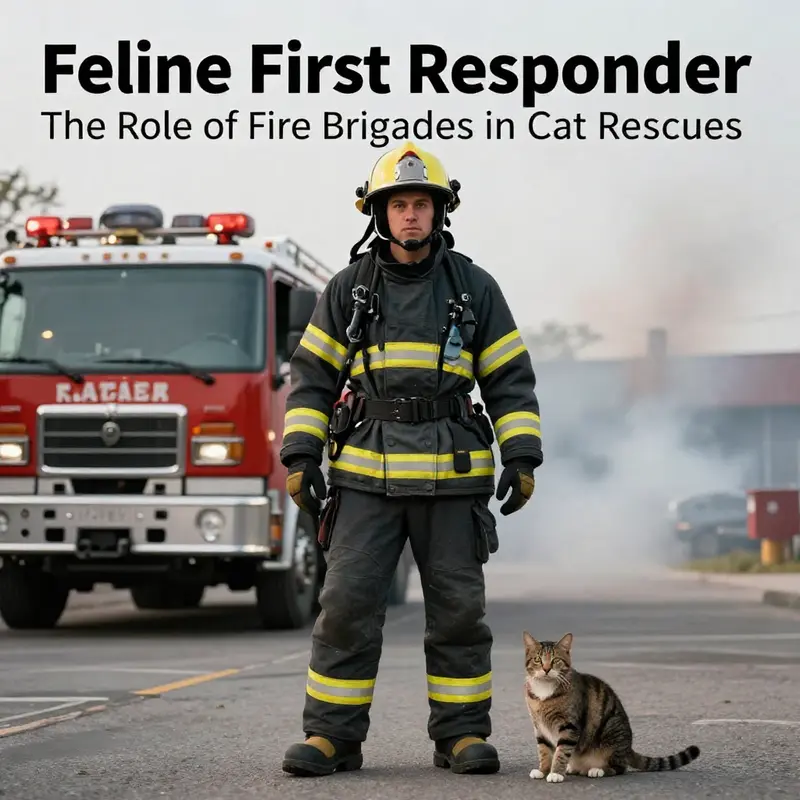
In times of crisis, the presence of a fire brigade serves as a crucial beacon of hope and safety. Their unwavering commitment to saving lives extends beyond human victims, as demonstrated in countless instances where they heroically rescue household pets, particularly cats, from harrowing situations such as fires and natural disasters. This article delves into the pivotal role that fire brigades play in safeguarding our beloved animals, particularly cats. Each chapter will explore unique case studies of successful rescues, the specific procedures employed by fire brigades in these scenarios, and the public’s perception of these life-saving efforts. As we navigate through these fascinating aspects, we will uncover a deeper understanding of why the rescue of cats during emergencies is not only a necessity but a testament to the compassion that drives fire service personnel.
Guardians in the Flames: Rescuing Feline Lives During Disasters
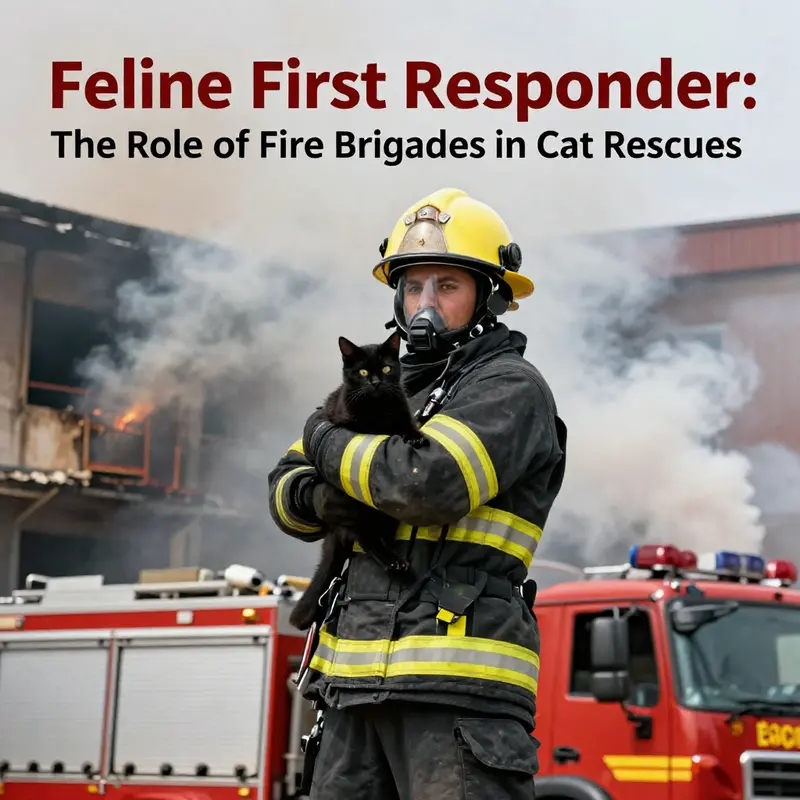
In moments when chaos reigns and flames engulf homes and natural landscapes, the bravery and ingenuity of fire brigades extend far beyond the traditional act of extinguishing fires. Today, as communities witness incredible rescues and life-saving interventions, these dedicated professionals are increasingly recognized as guardians whose expertise now includes saving the lives of vulnerable animals, especially beloved cats caught in the midst of disasters. The story of feline rescues is one of compassion, technical innovation, and rapid decision-making that underscores the interconnection between human and animal well-being.
Firefighters are no strangers to adversity, training rigorously to face dangerous structural fires and wildfires alike. However, recent years have witnessed a paradigm shift within emergency response teams. The focus has expanded to account for the safety of every living being impacted by fire. Behind every triumphant rescue of a trapped cat lies a coordinated effort that blends traditional firefighting techniques with specialized measures tailored expressly for animal rescue. This transformation reflects a growing acknowledgment that in crisis situations, the lives of pets and other animal companions are integral to the social fabric of affected communities.
An illustrative case unfolds in London, where firefighters encountered a dilemma that many pet owners dread. During a formidable fire incident, a cat found itself stranded in a perilous situation amid swirling smoke and intense heat. Recognizing the dual urgency of addressing both the structural threat and the animal’s distress, fire service members mobilized a pilot program that employed specially designed animal oxygen masks. Developed with careful consideration for the unique physiology of pets, these masks provide immediate oxygen therapy ensuring that the animal continues to breathe during the critical minutes of rescue. This innovation, pioneered in part by collaborative efforts with non-profit organizations dedicated to animal welfare, underscores how modern firefighting is evolving to integrate preventive and emergency care for animals.
Traditional firefighting methods have long concentrated on saving human lives and property, but the inclusion of animal rescue protocols has redefined the scope of emergency response. Firefighters now arrive at scenes with an additional sense of responsibility; they know that many owners are unable to rescue their pets themselves due to the danger involved. This nurturing aspect is more than a symbolic gesture—it reflects a commitment to valuing the bond between people and their pets, as well as the understanding that an animal’s life is intertwined with the emotional well-being of its human family.
Behind the scenes, the integration of new equipment and procedures showcases the ingenuity of modern fire departments. A hallmark of this evolution is the implementation of the animal oxygen mask initiative. In a notable incident in Paddington, brave London firefighters successfully saved a cat using these masks. The masks, available in different sizes to accommodate animals from small cats to even tiny rodents and snakes, are now a part of specialized rescue kits that are carefully managed and maintained. The masks work by delivering a defined concentration of oxygen to critically injured animals, buying precious time until further medical care can be provided. This invention tells a powerful story of how adversity spurs innovation on the front lines of disaster management.
In another dramatic narrative unfolding far from London, wildfires in Chile have put the spotlight on the melding of veterinary care with firefighting efforts. In regions such as Lircay, where wildfires have disrupted entire communities and left devastation in their wake, mobile veterinary clinics have become indispensable tools. Accompanied by agile firefighting units, these mobile facilities ensure that animals found amid the wreckage receive immediate, professional care. Veterinarians on the scene assess injuries, administer intravenous fluids, and stabilize conditions as swiftly as possible. The mobile units act as temporary hospitals, where every minute counts, and every intervention is a step toward recovery. The integration of firefighters and veterinarians working side by side illustrates how life-saving measures have truly become a team effort, transcending traditional roles to nurture all lives touched by disaster.
The personal heroics of firefighters during these crises deserve special recognition. It is not uncommon for firefighters to risk their own lives to rescue animals. Their efforts help prevent secondary tragedies, where pet owners might otherwise endure the heartache of losing a cherished companion in a blaze. When these rescue operations succeed, they do more than just save lives—they restore hope. On one tragic day in an American disaster on the Hawaiian island of Maui, rescue teams unearthed a small, shivering kitten from a collapsed structure. The kitten, later affectionately named “Phoenix,” became a symbol of rebirth and resilience. In its rescue, many saw that even in the midst of overwhelming loss, new beginnings are possible. Stories like Phoenix’s resonate deeply within communities, reminding everyone that the values of empathy and bravery are universal.
The evolution of fire brigades into multi-faceted emergency response teams is not an isolated phenomenon. It echoes a broader trend toward holistic crisis management in which every casualty—human or animal—receives attention. The emphasis on animal rescue is reflective of broader cultural changes where societies place increasing importance on the life and well-being of pets. Modern fire departments have taken note that their communities’ fabric is woven as much through shared emotions and relationships as it is through physical infrastructures. Consequently, when a fire rages, the rescue mission is no longer solely about fighting flames but also about healing hearts. Every successful feline rescue adds to a legacy of compassion, technical ingenuity, and brave teamwork that transcends conventional firefighting.
The training protocols introduced to support these lifesaving initiatives are rigorous and innovative. Firefighters must now learn techniques that allow them to handle scared or injured animals with care, manage specialized equipment, and work in coordination with veterinary professionals. Training programs incorporate realistic simulations of fire emergencies, including scenarios where animals are trapped, injured, or in need of urgent oxygen therapy. Such practical exercises ensure that in the critical moments of an actual emergency, every firefighter is prepared to act efficiently and compassionately. For further insights into the comprehensive nature of this training, one may explore a detailed discussion on the significance of specialized equipment and methods in firefighter training through an article on firefighter training tower dedication available at this link.
Each successful rescue reinforces the evolving identity of the fire brigade as more than just first responders to physical disasters; they are becoming symbols of hope and resilience. Their actions during emergencies reflect an understanding that the preservation of life, in all its forms, is a responsibility that transcends the boundaries of traditional service. The stories emerging from London, Chile, and even remote islands in Hawaii speak to a world increasingly aware of the interconnected destinies of humans and the animals they cherish. It is a profound, moving reality: when flames threaten to sever the ties that unite families, the response from our firefighters often rekindles a collective hope.
The narrative of compassionate rescue is also one of technical adaptation. The challenges of delivering oxygen to a small animal in the midst of a raging fire are significant; they require precision, rapid response, and a deep understanding of both human and animal physiology. Firefighters now deploy tools that were once considered niche, and the investment in such specialized equipment signals a future where emergency response is as much about empathy as it is about extinguishing flames. This forward-thinking approach ensures that the window for effective rescue does not close even in the face of nature’s fury.
Moreover, the emotional impact on the communities served by fire brigades cannot be overstated. Homeowners who once only imagined heroic rescues now witness firsthand the dedication with which their rescuers work. Neighbors and local media focus on the dramatic moments of doubt and relief when a pet is saved from a burning building. Such rescues speak directly to the hearts of people who see in their pets a treasured member of the family. In every rescue operation, firefighting personnel often witness the deeply emotional reunion between a pet and its owner—a moment that validates the extensive efforts, training, and resources invested in these rescue programs.
The integration of animal rescue into standard firefighting operations has also sparked discussions among emergency management professionals. Strategic planning sessions now routinely include scenarios that account for the needs of animals. As cities grapple with population growth and the accompanying increase in pet ownership, emergency response frameworks are evolving. Such measures include public awareness campaigns that encourage pet owners to plan ahead for emergencies, ensuring that both human and animal lives have the best chance at survival. Partnerships between fire services and veterinary organizations are being formalized in many regions, with joint exercises and shared technologies paving the way for more effective responses.
Public sentiment around these efforts has been overwhelmingly positive. Community members express gratitude when news emerges of a feline rescue, and such acts of service often become rallying points, inspiring further engagement with fire safety initiatives. The sight of firefighters cradling rescued cats embodies a powerful message: no life is too small or insignificant when it comes to emergency response. This message resonates across the board, fueling public support that translates into policy backing and increased funding for these crucial programs. As the community rallies behind its fire brigades, there is a shared recognition that safety extends to every living being in times of crisis.
Beyond the act of rescue, the broader implications of these new protocols are far-reaching. In many ways, the inclusion of animal rescue has redefined the relationship between citizens and emergency services. When the fire brigade steps in, it is not merely a display of bravery; it is a declaration that every aspect of community well-being, from physical safety to emotional security, is taken to heart. Ecosystems of trust build between the public and their protectors, affirming that in moments of dire need, assistance will come not only to shield one’s body but also to comfort one’s soul. The holistic approach embraced by these services is a model for other public service sectors, one where empathy, innovation, and technical prowess converge in the service of all vulnerable lives.
The synthesis of technical improvements and heartfelt commitment is perhaps best observed in the stories that provide the human context for these operations. In a quiet neighborhood marked by a history of tight-knit families and community gardens, a catastrophic fire once threatened to uproot the lives of many. Amid the turmoil, a dedicated fire team located a frightened cat clinging to a damaged balcony. With calm determination, the team utilized an oxygen mask specially crafted for animals, stabilizing the cat and allowing it to be safely transferred to a veterinary care unit. This incident, among many others, illustrates that every rescue is a battle won against both the physical ferocity of fire and the emotional devastation it causes.
In these transformative moments, firefighters transcend their roles as mere responders and become champions of interspecies survival. Their decision-making under pressure, skilled execution of rescue techniques, and the compassionate care they extend long after the flames subside, collectively tell a story of valor and dedication that is both timeless and deeply moving. It is a story that continues to evolve as emerging technologies and refined techniques further empower these heroes to safeguard all lives. With every rescued cat and every reunited pet, the fire brigade reinforces a legacy that is as much about saving hearts as it is about saving lives.
The ongoing evolution of firefighting should be embraced as a forward-thinking model for modern emergency management. New training modules, state-of-the-art equipment, and coordinated inter-agency cooperation reflect the lessons learned from past tragedies and successes alike. These measures champion a future where no life is overlooked. The path forged by these innovative approaches demonstrates that traditional roles are continually being re-imagined to suit the pressing demands of a dynamic world. One can observe the ripple effects of these changes in communities that are now more resilient, better prepared, and more united in the face of adversity.
In a final testament to their comprehensive mission, fire brigades serve not only as the first line of defense against raging fires but also as symbols of hope, nurturing, and unwavering commitment. Their multifaceted approach—ranging from immediate rescue and emergency care to subsequent support programs—ensures that the safety net they provide is as expansive as the communities they protect. As new challenges arise and the nature of disasters evolves, so too does the role of firefighting personnel, who now stand at the forefront of an inclusive emergency response framework that spares no effort in saving lives.
For communities seeking deeper insight into the methods and technologies that define these modern rescues, it is worth noting that innovative ideas continue to shape the future of emergency services. In essence, every rescued cat, every moment of rapid response, and every innovative piece of equipment tells a story of progress and resilience. The journey from traditional firefighting to integrated lifesaving measures is not just a tale of technical achievement; it is a celebration of what it means to care for every creature when disaster strikes.
For those who wish to explore further narratives and practical details about the indispensable work of firefighting teams and the evolution of rescue techniques, additional perspectives are available in various specialized discussions online. The comprehensive adaptations in rescue technology as well as the expanding scope of firefighter responsibilities provide a rich context for understanding modern emergency responses. As fire brigades innovate and adapt to new challenges, the bridge between technology and heartfelt service continues to solidify, ensuring that every life touched by disaster has a chance to be saved.
In conclusion, though moments of crisis are fraught with uncertainty and peril, the actions of fire brigades during emergencies reveal the best of human dedication and technological ingenuity. Their evolving strategies now include specialized equipment, enhanced training, and coordinated animal rescue operations that collectively illustrate a deep-seated commitment to preserving life. The rescue efforts for cats during moments of disaster illuminate a broader societal shift toward recognizing the inherent value of compassion in emergency services. Each story—from the groundbreaking use of animal oxygen masks in London to the dynamic deployment of mobile veterinary clinics in wildfire-stricken regions—underscores the powerful message that all lives are worthy of care.
For a detailed account of the pioneering technologies and rescue innovations being implemented by fire brigades, readers can consult the external resource provided by the BBC, which chronicles the remarkable incident in London: https://www.bbc.com/news/uk-england-london-62479813.
As communities rebuild from devastation, the legacy of these mighty guardians endures. Their commitment, resourcefulness, and compassion shine through in every rescue. The narrative of saving lives through a blend of technical mastery and heartfelt empathy serves as a vivid reminder that hope can be kindled even in the darkest hours. The unmistakable bond between a rescued cat and the firefighter who risked everything to save it continues to inspire and nurture trust in the resilience of communities worldwide. In the heat of the flames and the chill of despair, these unsung heroes stand as living proof that compassion and courage are the most enduring legacies we can embrace.
Heroes in the Flames: How Fire Brigades Save Lives—And the Feline Friends Left Behind
In moments when disaster strikes and flames consume precious lives, there is a story often hidden in the chaos—a story of compassion and courage that extends beyond human rescue. Firefighters, renowned for their determination in battling roaring infernos and saving people, have repeatedly shown that they also have a heart for those who cannot speak for themselves. As fires rage and smoke fills the air, these unsung heroes risk everything to rescue creatures who, like their human companions, depend on them for survival. Among these stories are the memorable rescues of beloved cats who found themselves trapped in perilous conditions. If a cat is stuck behind debris or hidden in smoke-filled rooms, these dedicated crews pursue every possibility to bring them to safety, emphasizing that no life is less important when all are threatened by disaster.
One remarkable example unfolded in California in 2025, when a heroic act was captured on video during a high-intensity blaze in a residential apartment. Amid roaring flames and thick, choking smoke, a brave firefighter risked his life to enter a precarious building, navigating through collapsed structures and billowing embers to reach two frightened cats. The dramatic rescue was not an impulsive decision but a testament to months of rigorous training, swift decision-making, and an unyielding commitment to preserving life. As the video circulated, viewers were left stunned by the calculated precision of the rescue operation and the profound emotional connection between the rescuer and the rescued animals. The firefighter’s courageous maneuver not only saved the precious lives of the two cats but also highlighted the evolution of firefighting techniques and the expanding scope of their duties. In a world where the unexpected becomes routine in the face of ferocious blazes, this incident served as a clear reminder that firefighters continuously adapt their strategies to meet unique challenges. Their readiness to go beyond the call of duty, especially in safeguarding animals, instills hope not only in pet owners but also within the community at large.
Behind every such rescue lies an unwavering dedication fueled by specialized training tailored to handle eclectic emergencies. The artistry of rescuing lives, regardless of species, starts with exhaustive preparation, simulation exercises, and a keen awareness of the unpredictable nature of fire emergencies. Firefighters are trained not only in the conventional methods required to extinguish flames but also in innovative rescue techniques that account for the specific vulnerabilities of pets, especially small animals like cats. Part of this robust training includes maintaining calm under extreme pressure, rapidly assessing risks, and applying first aid when necessary. By embracing continuous learning and cross-disciplinary rescue methods, firefighters ensure that they are equipped with tools and techniques that meet the evolving landscape of public emergencies. Moreover, many fire departments are now undertaking pilot projects and incorporating new equipment designed specifically for animal rescue. This technical evolution, combined with the instinctual drive to help, fosters an environment where innovation and human empathy converge on the frontlines of disaster response. For instance, archived training methodologies and ongoing courses in fire safety, such as those found on resources like fire safety essentials certification training, bolster the skills necessary to manage such critical incidents.
Another landmark moment in the realm of animal rescue occurred in London in 2022, when the London Fire Brigade set a new precedent by using specialized animal oxygen masks to treat a critically injured cat rescued from a devastating house fire in Paddington. This pioneering effort was part of a pilot program introduced in several boroughs including Brixton, Richmond, and Hammersmith, and it revolutionized how firefighters respond to emergencies involving pets. The oxygen masks, crafted to provide veterinary-grade support to animals suffering from smoke inhalation and respiratory distress, proved indispensable at a critical time. When the rescue unfolded, every second was a battle against time as the cat’s survival teetered on the precipice of severe injury. Firefighters, well-versed in emergency protocols, quickly administered the innovative treatment that stabilized the cat and paved the way for further veterinary care. This case not only underscored the technical advancements in emergency animal care but also fortified public trust in firefighting services. The initiative evoked a powerful image of resilience, where technology and compassion merged seamlessly to protect a vulnerable life. It also sent a resounding message to pet owners everywhere: their furry friends would receive the same level of professionalism and empathy during a crisis as any other member of the community.
The images of brave rescuers carrying frightened cats out of smoldering structures provide a window into the evolving role of modern firefighters. Each dramatic rescue is a narrative steeped in both peril and hope—a narrative continually shaping public perception of emergency services. This integrated approach, where machine-aided techniques and human instinct go hand in hand, mirrors the transformative journey of emergency response systems worldwide. The California rescue, for example, has become a blueprint for future operations in densely populated urban areas, where rapid evacuation and precise maneuvering are essential. Similarly, the London initiative not only pioneered innovative use of equipment but also invigorated the development of best practices in animal emergency medicine. The successes of these efforts highlight the crucial need for preparedness and flexibility, which in turn inspire training programs and encourage the introduction of advanced safety measures. These case studies are more than isolated incidents; they represent a commitment to evolving the standards of emergency response and proving that every life, whether human or animal, is worth saving.
As communities continue to grapple with the realities of severe fires and natural disasters, the dual focus on human and animal safety plays an increasingly important role in public education and policy making. The success of these rescues, powered by both innovation and unwavering dedication, reinforces the idea that emergency services are comprehensive in their mission. In many households, a pet cat is not just an animal but a cherished family member, and the removal of such a bond during a crisis could be devastating. Recognizing this, fire departments have made significant efforts to communicate their readiness to handle delicate rescue operations through community outreach and public demonstrations. These efforts are vital in building trust and assuring citizens that their pets are in safe hands. Furthermore, the portrayal of such rescues in local and global media helps shape a narrative that values empathy as much as heroism.
Media coverage of these incidents often sparks an outpouring of gratitude and respect from the public, who see the value of investing in advanced firefighting tools and extensive training. In addition, community programs educate pet owners on how to prepare disaster plans that include detailed steps for the safe evacuation of pets. This collaborative spirit between public service and community awareness creates an environment where the mutual goal is clear: saving lives in the most comprehensive manner possible. The integration of animal rescue practices within firefighting units not only aids in the immediate emergency response but also fosters a long-term relationship built on mutual trust and shared responsibility. Each rescue, characterized by its blend of technical acumen and compassion, reinforces the notion that every life is precious, regardless of form. Observing the success of these operations, local governments and fire departments are now more inclined to invest in training improvements and to bolster their equipment repertoire. These measures ensure that firefighters remain equipped to address the intricacies of modern emergencies while nurturing community safety and resilience.
The stories of the triumphant rescues in California and London serve as a crucial reminder that, in the face of adversity, innovation and compassion are the driving forces behind every emergency intervention. These narratives have captured the imagination of communities and set the stage for future advancements in rescue operations. The evolution of firefighting protocols to include specialized equipment for animal rescues is a significant milestone that echoes the broader mission of emergency services: to protect and preserve life, irrespective of species. By integrating the use of state-of-the-art tools such as animal oxygen masks, firefighters are not only pioneering new methods of trauma care but also sending a clear signal of their commitment to holistic rescue. The continued emphasis on training, backed by lessons learned from past emergencies, underpins an operational framework where preparation and empathy are intertwined. In effect, these case studies stand as enduring symbols of hope, prompting further research and fostering community involvement in disaster preparedness.
In reflecting upon these detailed case studies, it becomes evident that the role of the fire brigade extends far beyond battling physical flames—it is a fight to save every cherished life. The dedication seen in the California incident, where a firefighter risked life and limb to secure the safety of two vulnerable cats during a raging fire, is emblematic of a broader ethos in emergency response. Similarly, the innovative use of animal oxygen masks by the London Fire Brigade represents not only an evolutionary step in rescue technology but also a compassionate commitment to treating animals with the care and urgency they deserve. These heartening gestures serve as both technical milestones and emotional touchstones that bridge human and animal welfare. They emphasize that in the midst of a crisis, every life is intertwined, and the spirit of rescue is ageless and all-encompassing. For further detailed insights into innovative firefighting strategies and the evolving landscape of emergency response, interested readers may refer to external updates available on the London Fire Brigade’s official page at London Fire Brigade’s Use of Specialised Animal Oxygen Masks.
In the end, as we recount these extraordinary rescue operations, we come face-to-face with a message of shared humanity and responsibility—one that transcends the boundaries between species and underscores the intrinsic worth of every life. Firefighters, armed with advanced training, innovative equipment, and a deep sense of duty, stand ready to confront danger head-on. Their actions in the heart of chaos not only safeguard lives but also inspire communities to value every life, from the smallest cat to the largest human. As we move forward, let these stories remind us of the profound impact of compassion in the most challenging of times, and let them be a call to continue nurturing the connection between technological advancement and human empathy. The evolution of these rescue missions into systematic practices affirms that the future of emergency services is one where preparedness, innovation, and heart work in unison.
This narrative, woven with threads of valor, innovation, and deep-seated compassion, invites reflection on what it means to serve a community in every sense of the word. The bravery of the California firefighter and the pioneering spirit of the London team together illustrate that modern emergency response is as much about embracing new techniques as it is about holding onto the human values that inspire them. Their stories, filled with both technical prowess and tender care, illuminate the path toward an inclusive emergency service framework—one determined to protect every form of life. It is in these harrowing moments that the true character of fire brigades shines through, redefining heroism in a way that equally honors human lives and the silent lives of our cherished animal companions. As communities become more prepared and resilient, the continuing evolution of these practices will remain a cornerstone of public safety, demonstrating that in every blazing inferno there is always a flicker of hope, waiting to be nurtured by genuine acts of courage and kindness.
Courage and Compassion: The Fire Brigade’s Art of Rescuing Cats Amid the Blaze
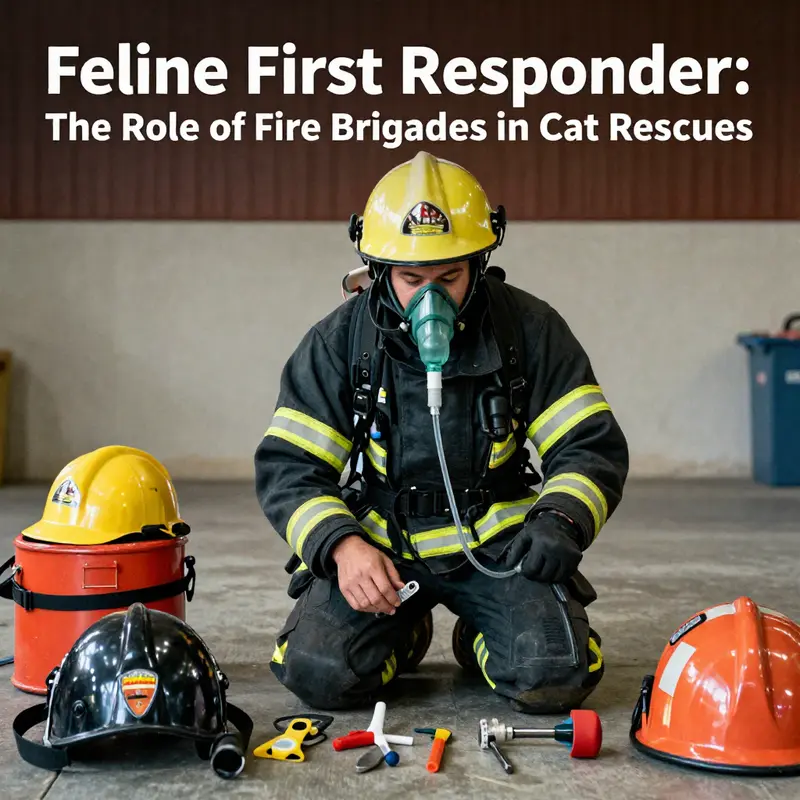
In the midst of searing flames and billowing smoke, the fire brigade’s rescue operations often emerge as quiet tales of compassion and bravery. When a fire strikes a building, each second becomes a crucial moment in the fight to save lives. This narrative focuses on the extraordinary dedication of firefighters who undertake the delicate task of rescuing cats. Their process is not only about quelling the flames but also about protecting the vulnerable lives trapped inside. This situation presents unique challenges and calls for a blend of technical expertise, tactical decision-making, and empathy. Firefighters have honed specialized procedures that allow them to locate, secure, and provide immediate care to animals caught in disasters, all while ensuring the safety of their own teams.
The procedure begins the moment a fire is reported. Firefighters quickly mobilize and head to the scene, where they perform an initial assessment. They analyze the structure, the intensity of the fire, and any hints that might indicate the presence of pets such as cats. This initial assessment is critical; it informs the tactical decisions that follow. Firefighters communicate with individuals present or nearby to gather any information about the location of the pet. Whether details are received from a frantic pet owner or a witness, any piece of information can make a life-saving difference. The strategy deployed must factor in the nature of the building, be it a multi-story residential complex, an aging structure with hidden nooks, or even a commercial facility where various hazards may be present.
A crucial aspect of this early stage is understanding the environment. Cats, known for their agility and often secretive nature, can disappear into the narrowest of spaces. They might hide in closets, under furniture, or even inadvertently slip into areas like attics or behind walls. These hidden spots pose additional challenges during an emergency. In response, modern fire brigades are increasingly equipped with advanced technologies such as thermal imaging cameras. This technology detects the heat signatures of cats, even when they become obscured by dense smoke or debris. The images produced by these devices allow firefighters to pinpoint locations that might otherwise be overlooked. With every scan, the officers grow more confident that no life is left behind, underscoring their commitment to preserving every living creature.
Once safety measures have been enacted and known hazards addressed, the team shifts its focus toward personal safety. Equipping themselves with protective gear is not merely a formality—it is an urgent requirement. Firefighters ensure they have donned their full personal protective equipment, including self-contained breathing apparatuses and fire-resistant gear, so they can enter breathing-challenged zones safely. These precautions safeguard the rescuers against not only the heat and flames but also the potential for structural collapse. Such equipment allows them to carry out intricate search and rescue operations even in the direst of circumstances. The safety protocols established for human rescuers serve a dual purpose: they preserve the health of the firefighter and increase the likelihood that they can successfully rescue the animals in distress.
In the chaotic environment of an active fire, high-tech search tools are indispensable. The utilization of thermal imaging technology stands out among these. Firefighters depend on these devices to scan surroundings quickly. When darkness and thick smoke create a disorienting and volatile environment, thermal images rise as beacons of hope. Cats, with their relatively small body sizes, emit distinct heat patterns that can be easily detected by these devices. As firefighters move methodically through the building, the digital readouts allow them to isolate areas where cats may be hiding. This method significantly reduces the time spent searching through potential hiding spots and prevents unnecessary risks that might occur if rescuers blindly venture into dangerous spaces.
Upon successful detection of a stranded cat, the challenge then shifts towards calming and controlling the animal. The environment is panicked, and the animal’s heightened stress levels pose a risk to both itself and the rescue team. Firefighters are trained to adopt a calm, soothing approach in these high-stress situations. They speak in gentle, steady tones and move with deliberate slowness. These measured actions help in reducing the fear and anxiety experienced by the cat. Tools such as soft towels, blankets, and even gentle capture nets are employed to secure the animal safely without causing further trauma. In many instances, especially when dealing with kittens or cats that appear severely injured, the use of a specialized carrier or box becomes necessary. This carrier not only protects the animal during extraction but also facilitates immediate medical attention once outside the danger zone.
The extraction process is one of the most critical phases and demands both speed and precision. Firefighters must navigate the hazards of intense heat, unstable structures, and residual flames while ensuring that the rescued animal is not exposed to further danger. The act of extraction is conducted with careful coordination, where every step is designed to minimize additional stress on the animal. As the rescued cat is moved into a relatively safe area, immediate care is provided. It is not uncommon for cats to suffer from smoke inhalation, thermal burns, or the shock associated with a traumatic event. Firefighters are trained in first aid for animals and offer crucial interventions such as oxygen therapy, which may involve specialized small masks designed for pets, or even cardiopulmonary resuscitation (CPR) if needed. These life-saving measures often determine the difference between a full recovery and a tragic outcome.
Once the animal is stabilized, the next phase involves safely transitioning the cat out of harm’s way and setting the stage for further medical evaluation if required. In some cases, rescued animals are taken to nearby veterinary facilities for thorough examinations and treatments. For other scenarios, if the owner is present, prompt reunification becomes the priority. In many communities, local animal shelters or welfare organizations are integrated into the rescue network, ready to care for displaced or stray animals until a permanent solution can be found. Some fire departments even adopt rescued cats as part of their team, recognizing the symbolic importance of these animals as living testimonies to resilience and hope. In such cases, the rescued cat often becomes a “firehouse pet,” frequently seen as a heartening emblem of community spirit and the unyielding commitment of emergency responders.
Beyond the immediate rescue and care, fire brigades also contribute to public education and safety awareness. After an emergency, many departments take time to speak with community members about best practices regarding pet safety. This educational effort is an essential aspect of fire safety strategy. Homeowners are encouraged to adopt preventive measures such as installing window screens, securing vents, and maintaining an accessible carrier or harness for their pets during emergencies. Firefighters emphasize that attempting to rescue a pet on one’s own in a burning building is extremely dangerous. Instead, they advise that residents call emergency services immediately. These educational initiatives are part of a broader community effort to minimize risks and ensure that every member, regardless of species, benefits from the comprehensive safety protocols in place. For anyone interested in a more detailed exploration of various fire rescue operations, the Fire Rescue Blog offers insightful narratives and additional safety tips.
Integral to every rescue operation is meticulous documentation and follow-up. Modern fire departments have embraced detailed record-keeping as a method to review and enhance their techniques consistently. Each incident is thoroughly documented, with notes outlining the conditions encountered, the equipment used, and the recovery outcomes. These records serve not only as testimonials of bravery and compassion but also as educational tools that refine future operations. Documentation ensures that every nuance, from the use of thermal imaging to the specific methods of calming and securing animals, is recorded for future training purposes. This process of continuous improvement ensures that as challenges evolve, so too do the strategies, making each subsequent operation more efficient and less hazardous for both the rescuers and the rescued.
It is worth noting that these carefully orchestrated procedures have far-reaching impacts. The successful rescue of a cat from a fire is not merely a testament to technical proficiency; it is also emblematic of a broader commitment to community and empathy. Over time, fire departments have evolved from being seen solely as human lifesavers to becoming advocates for all creatures in distress. The public’s expectation has grown, and with it, the pressure to ensure that even the smallest, most vulnerable lives receive care. By continuing to integrate advanced technologies and compassionate care into their protocols, fire brigades reaffirm their mission to save every life, regardless of size or species.
Significant real-world incidents underscore the necessity of these efforts. In one memorable event that occurred in London on August 15, 2022, a dedicated firefighter risked his own well-being to rescue a cat trapped in a building engulfed in flames. Utilizing a specially designed oxygen mask for animals, the firefighter managed to stabilize the cat, granting it a chance at recovery. This incident, widely reported in the media, not only elevated the status of animal rescue within the emergency services but also highlighted the technical innovations now employed in these critical situations. Similarly, on the Hawaiian island of Maui in 2023, a resilient rescue team recovered a small cat from the ruins left by a devastating wildfire. The cat, aptly named Phoenix, was celebrated as a symbol of hope and rebirth in the community—a living reminder that even amidst calamity, the spark of life endures.
Firefighters stand on the front lines in a struggle not only against fire but against the inevitability of suffering during emergencies. Their extensive training, which often encompasses both technical and compassionate care aspects, prepares them to act swiftly and decisively even when the clock is ticking against them. The blend of modern technology and emotional intelligence is what makes each rescue a remarkable feat. It is this synergy that transforms a seemingly routine operation into an act of heroism and profound community service. Stories like those of the rescued cats provide an intimate glimpse into the emotional toll and the immense satisfaction that comes with saving a life, regardless of its form.
Moreover, the procedures that govern these rescues are in constant evolution. The lessons gleaned from each operation contribute to a living body of knowledge that not only improves future responses but also fosters innovation in rescue techniques. As fire departments continue to refine their approaches, emerging technologies and improved training protocols ensure that every rescue becomes a stepping stone toward a safer and more responsive emergency system. The evolution of rescue operations is a testament to the relentless pursuit of excellence that defines emergency services worldwide. These efforts are an enduring testament to the ethos that every life is precious and deserving of protection.
In reflecting on the technical aspects of these operations, it becomes clear that while the equipment and methodologies are advanced, the underlying philosophy is deeply rooted in compassion. Each rescue is imbued with a sense of urgency that transcends protocol; it is an instinctual drive to defend the defenseless. Firefighters enter dangerous territories not only with the intent to extinguish fires but to preserve the fabric of community trust and kindness. Even as they navigate precarious circumstances, their focus remains sharp on the task of saving lives. They understand that every rescued animal contributes to a larger narrative of resilience—a story where hope shines as brightly as the flames that attempt to consume it.
Beyond the immediate moments of heroism, communities benefit from an enriched awareness of safety and rescue readiness. The knowledge that compassionate rescue efforts extend to our four-legged companions reassures residents and galvanizes community support for local fire services. The educational outreach provided after such incidents equips citizens with practical advice and reinforces a collective responsibility toward emergency preparedness. This dynamic creates a positive feedback loop: as community members take proactive steps to safeguard their pets, the overall risk during emergencies decreases, making future rescues more straightforward. The synergy between public cooperation and professional expertise stands as a model for effective emergency management, where every participant plays a crucial role in ensuring safety.
In this light, the role of the fire brigade transcends the traditional image of fire-fighting. It encapsulates a mission that embraces life in all its forms and reflects a deep social commitment. Through each rescue, these brave teams illustrate that their responsibilities extend well beyond the flames—they are custodians of community welfare and protectors of every vulnerable soul. Their story is one of intertwined valor and kindness that leaves an indelible mark on every life they touch. As this narrative continues to unfold, it becomes a compelling reminder of what it means to serve with empathy and skill under the most challenging conditions.
For further insights into the evolving nature of fire rescue operations and the innovative strategies employed on the front lines, readers may wish to review articles on modern firefighting methodology, as detailed in a comprehensive CBS News Report. This report provides an in-depth look at how continuous improvements in technology and training are making significant differences in saving lives, cat or human.
Thus, the story of each cat rescued is not just one of survival, but a grand narrative of hope, technical mastery, and the relentless spirit of those who stand ready to fight the flames. Every accessory in their toolkit—from thermal imaging cameras to specially tailored oxygen masks for pets—plays a pivotal role in turning a disastrous situation into an opportunity for miraculous recoveries. The fire brigade’s commitment to preserving life, no matter how small, stands as a shining example of community solidarity in the face of disaster. Their approach, combining strategic planning with heartfelt care, continues to evolve, ensuring that the delicate lives caught in the frenzy of fire are given every chance to live on. It is a legacy of courage, responsibility, and an unwavering promise to ensure that when calamity strikes, nobody, not even the smallest creature, is left behind.
Rescue Beyond the Flames: Cat Tales of Courage, Compassion, and Community
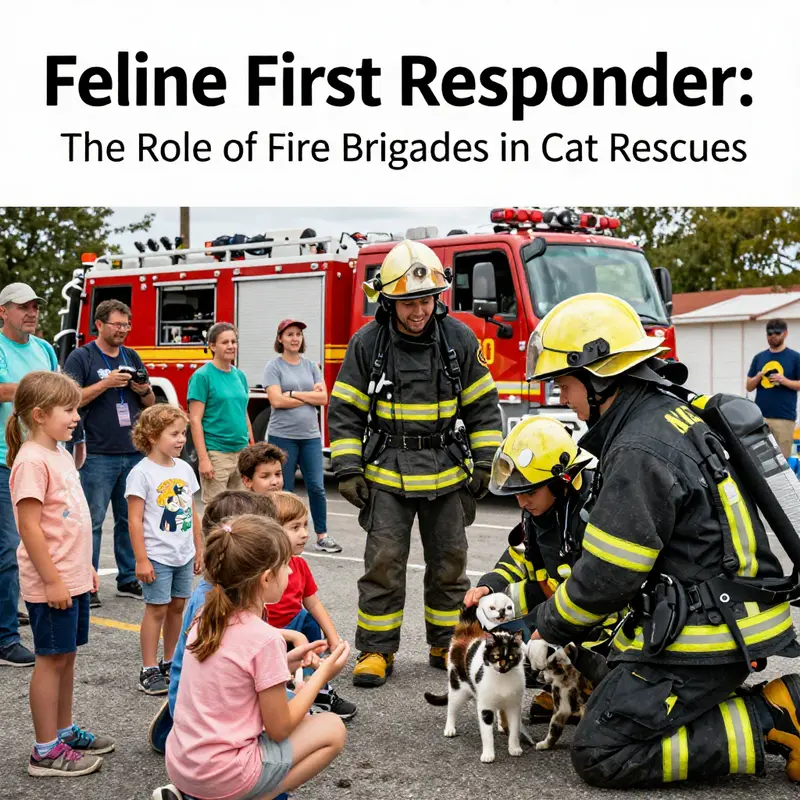
There is something profoundly moving about the manner in which firefighters risk their lives not only to save human beings but also to rescue our small, often misunderstood companions. The dramatic rescue of a cat in London during the summer of 2022, where a firefighter braved a blaze with a specialized animal oxygen mask to treat the feline, stands as a vivid example of the deep empathy and technical expertise embedded in modern fire service operations. This singular incident, alongside others such as the daring rescue of a kitten named Phoenix from the severe wildfires on Maui in 2023, has helped shape a narrative that reaches far beyond traditional images of firefighting. These rescues have woven into the public conscience a powerful message: that the safety of every living being matters, and that the fire brigade operates with profound compassion and dedication.
When flames threaten the fabric of a community, citizens naturally look towards the fire brigade for safety and reassurance. Yet in today’s world, the image of a rescue is never limited to extinguishing physical flames; it has grown to encompass acts of empathy that reach out to every corner of life. The public, inundated with images and stories of firefighters rescuing pets—especially cats—has come to view these heroes in a new light. Videos filmed during rescue operations often depict moments of quiet tenderness: a firefighter cradling a frightened cat or gently removing smoke from its fur. Such images stir deep emotions among viewers and promote an understanding that these brave souls are as dedicated to preserving the lives of the defenseless animals caught in disasters as they are to protecting human lives.
Social media has played an integral role in magnifying these heartfelt actions. In an era where a single video clip can become a global phenomenon, stories of daring rescues spread rapidly. An emotional portrayal of a firefighter making eye contact with a traumatized kitten, as if seeking reassurance for both parties, has been shared across continents and news platforms. This visual testament to the bond formed between rescuer and rescued elevates the public’s perception of fire brigades to ideals of compassion, self-sacrifice, and community unity. The public rarely sees heroes without a humanizing moment. Instead, through these shared experiences, the image of the firefighter shifts from a utilitarian figure in heavy gear to a guardian of life, irrespective of species.
What underlies these heroic acts is not just a reaction to crisis but a longstanding dedication that extends to every facet of community life. Many fire departments today are increasingly recognizing that their mission transcends the traditional realms of property protection and emergency response. This commitment is clearly reflected in the substantial resources allocated to animal rescue operations. For example, during the 2015–2016 fiscal year, the London Fire Brigade reported a significant investment of over £200,000 to rescue and treat hundreds of animals trapped in dangerous situations. Such numbers underscore not only a financial commitment but a moral one, reaffirming that life in every form is cherished and worth saving.
Over the years, the heroic rescue of animals, particularly cats, has transformed public discourse surrounding firefighting. The narrative is no longer limited to an image of smoke, sirens, and chaos; instead, it has evolved into a story of tenderness amid adversity. The act of rescuing a vulnerable creature—a small cat rescued from peril—becomes a metaphor for hope and renewal. When firefighters respond to disasters, every saved animal imparts a message that even in destruction, care and preservation are at the heart of community service. Such stories of rescue are often accompanied by a quiet restorative moment that heals wounds, both visible and invisible. It is this narrative of compassion in the midst of crisis that resonates deeply with the public.
In many communities, the impact of these rescue operations extends long after the flames have been extinguished. Fire stations themselves, as bastions of safety and perseverance, have become home to resident animals, often referred to as “firehouse cats.” These feline companions, rescued in earlier operations or adopted from local shelters, now reside within the precincts, symbolizing resilience and survival. They provide comfort and serve as an ever-present reminder that the fire brigade’s responsibilities are as much about nurturing life as they are about quelling the fury of a blaze. For families who depend on these institutions, the presence of a quirky, cuddly mascot within a fire station becomes a beacon of trust in times of crisis, reinforcing the belief that no life is too small to be saved. These animals often feature in local lore and community events, further solidifying the bond between the fire service and the residents it serves.
The heartfelt dedication displayed by firefighters strengthens a reciprocal relationship between emergency responders and local residents. Witnessing the humane side of firefighting fosters an environment of mutual respect. Locals are not merely recipients of service; they become active participants in a shared mission. Volunteer initiatives, community outreach programs, and educational campaigns focusing on animal safety have emerged as natural extensions of this relationship. Initiatives that include tours of fire stations and interactive sessions with rescue personnel contribute to a deeper understanding of the challenges and triumphs inherent in the work of these heroes. More importantly, such programs instill a sense of community responsibility where every individual, whether young or old, learns the value of preserving life under any circumstances.
Behind every rescue lies rigorous training and an unwavering commitment to excellence. Firefighters undergo extensive instruction that prepares them not only for the ignition of flames but also for the careful handling of fragile lives. Beyond the physical challenges, the psychological toll of responding to emergencies demands resilience and emotional intelligence. Stories of compassionate action, like those involving the rescue of cats from burning buildings, serve as powerful motivators and reminders of the rewards of such dedication. The resilience of these professionals is celebrated in historic accounts, and their training is continuously refined to address emerging scenarios in an increasingly complex world. For those interested in the broader scope of this training and the culture of courage, there are numerous accounts and inspiring narratives available, including some detailed in stories like these that underline the human spirit behind the gear. One can find more about these heartening stories of firefighter dedication in the comprehensive discussion available in this firefighter training tower dedication article.
These acts of bravery have also ignited discussions about the importance of emotional support and mental health among first responders. When a firefighter encounters the fear in an animal’s eyes—a silent cry for help—they are often reminded of the fragility of life itself. Such experiences maintain a potent influence on the personal lives of those who run headlong into danger day after day. The emotional gratification achieved from saving a life, no matter how small or seemingly insignificant, reinforces their commitment. At the same time, these moments have a ripple effect through the community, inspiring fundraising efforts, volunteer work, and renewed support for comprehensive fire safety programs. The collective response is not limited to governmental or institutional support; it also emerges organically from the community that sees itself as an extended family, united by the shared endeavor of protecting what matters most.
Firefighters’ willingness to extend themselves beyond the call of duty has also led to broader discussions about resource allocation and training methodologies. Their involvement in animal rescue underlines an adaptive approach to emergencies—one where unconventional challenges meet innovative solutions. The adoption of specialized equipment, such as tailored oxygen masks for pets during rescues, demonstrates a proactive approach in ensuring that the well-being of every life is prioritized. Investment in such technology is reflective not just of advanced planning but of compassionate foresight. In turn, these advancements contribute to the public perception of the fire brigade as forward-thinking institutions dedicated to continuous improvement and community welfare.
Moreover, the symbolism inherent in these rescues cannot be overstated. The successful extraction of a life from the jaws of a raging fire is emblematic of renewal and second chances. It is a reminder that, even in the midst of overwhelming adversity, there exists the potential for recovery and rebirth. Take the kitten named Phoenix, rescued from the ashes on Maui—its name encapsulates the spirit of regeneration. Stories like these invite the public, in all their diversity, to reflect on the deeper values of hope and perseverance that are central to the mission of emergency services. They tell a story of cyclical existence, where each saved life contributes to the legacy and narrative of resilience that defines our communities.
The cultural impact of these narratives is both profound and multifaceted. In communities that have experienced significant loss through disasters, the act of a firefighter rescuing a small animal can help rebuild the collective spirit. It serves as a potent counterpoint to the despair that often accompanies tragedy, offering instead a narrative imbued with hope. This cultural infusion of optimism does more than uplift—it galvanizes community action, prompting both governmental and grassroots responses aimed at prevention, education, and support. As the public rallies behind these heroic tales, there emerges a renewed commitment to safety measures and community resilience planning. The narrative of firefighter rescues demonstrates that true leadership often means caring for the most vulnerable, thereby setting an example of holistic protection that encompasses all facets of life.
Equally important is the way these rescue stories influence media portrayals of first responders. Far from being one-dimensional figures of authority and power, firefighters are now increasingly depicted as nurturing caregivers. Movies, television shows, and even short social media clips capture the tender interplay between a firefighter and the distraught animal in their care, making headlines and often sparking widespread debates on the nature of heroism. This conscious shift in storytelling has broader ramifications, inspiring future generations to view such careers as both technical and profoundly humane. The integration of empathy into what was once seen as a strictly tactical occupation inspires many young people to consider public service as a dynamic field where both courage and compassion are equally vital.
In essence, the public’s perception of fire brigade rescues is a mosaic of valor, empathy, and steadfast community commitment. When a firefighter rushes into a burning building to extract not only embattled occupants but also vulnerable animals, they communicate a message of inclusivity and unwavering care. The resulting imagery—of a brave soul risking everything for a frightened animal—transcends the immediate context of a rescue and touches upon deeper truths about the human condition. Through these courageous acts, the fire brigade embodies a promise: that every life, whether human or animal, is deserving of protection. The passion to save lives nurtures a profound respect among communities and fosters a shared belief that, together, we can withstand any inferno.
Over time, these stories will undoubtedly continue to evolve and inspire. They remind us that the true essence of heroism is not merely found in the grand gestures made in the face of danger, but in the quiet, compassionate moments that restore hope and dignity to life. As communities grow closer to their local fire services, the relationship transforms into one of mutual support, education, and celebration of shared values. The flame of bravery, once ignited in the heart of a rescue, continues to burn brightly, warming the collective spirit of a society that looks upon its fire brigade as a guardian of life, a symbol of resilience, and an enduring beacon of compassion. For those interested in further in-depth statistics and insights into these heartwarming rescue efforts, additional detailed information is available at the London Fire Brigade Animal Rescue Statistics (2016) page.
In conclusion, while the vivid images of roaring fires and billowing smoke remain potent reminders of the destructive power of nature, it is the tender moments of rescue—the careful handling of a frightened cat, the comforting embrace offered to a fearful creature—that serve as the truest testament to the human spirit. These acts are a fitting reminder that heroism is multifaceted. It is defined not only by the valor required to face the flames, but by the compassion and empathy that underlie every rescue. They embody the understanding that every life, irrespective of its form, is a spark of hope waiting to be revived. In every leap into a burning building, in every carefully orchestrated rescue, there lies a narrative of care that binds communities closer together, ensuring that when the unthinkable occurs, no life is left behind.
Final thoughts
In conclusion, the commitment of fire brigades to rescue cats during emergencies reflects a broader dedication to preserving all forms of life. Their proactive approach, specialized training, and successful case studies exemplify an understanding that every rescue matters. The narrative surrounding these brave actions enhances the public’s perception of fire services, further strengthening community trust and support. As pet owners and community members, it is vital to recognize these efforts, understanding that in moments of crisis, fire brigades prove to be champions not only for humans but also for our beloved cats.