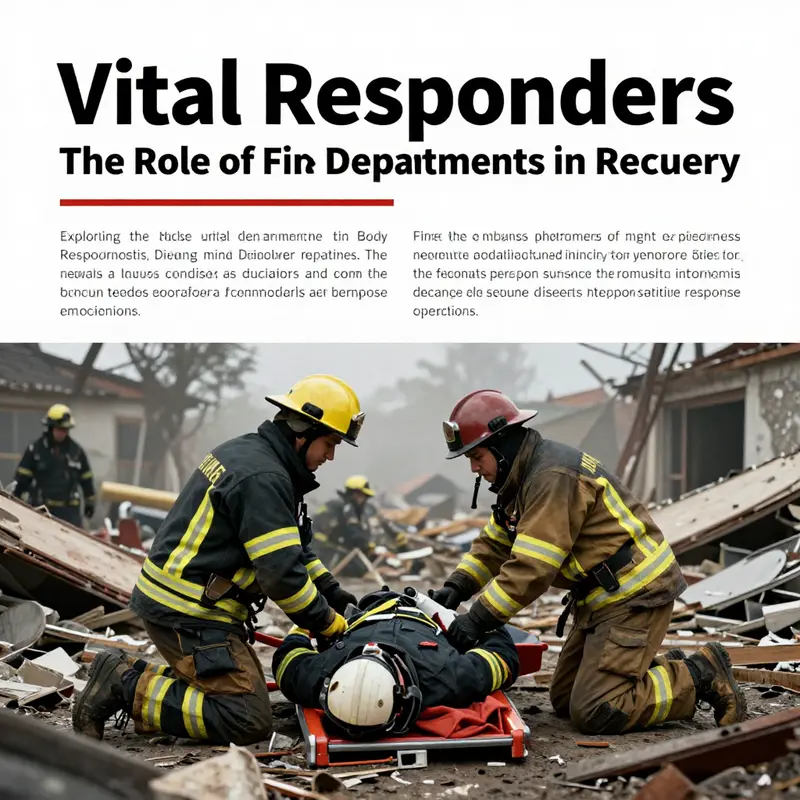
Understanding the multifaceted responsibilities of fire department search and rescue teams is essential, especially when it comes to the sensitive duty of body recovery. In disaster scenarios, such as landslides or earthquakes, these personnel are often called upon to not only search for survivors but also to recover deceased victims with dignity and respect. Each chapter in this discourse unravels a specific aspect of their role, delving into their responsiveness, the legal and ethical considerations surrounding recovery, the comprehensive scope of their efforts during disaster recovery, and the groundbreaking technological advancements that support their critical mission. By examining these elements, we gain insight into the unwavering commitment and compassion that define fire department operations in these harrowing circumstances.
From Search to Reverent Recovery: How Fire Departments Navigate the Removal of the Deceased in Disaster Response
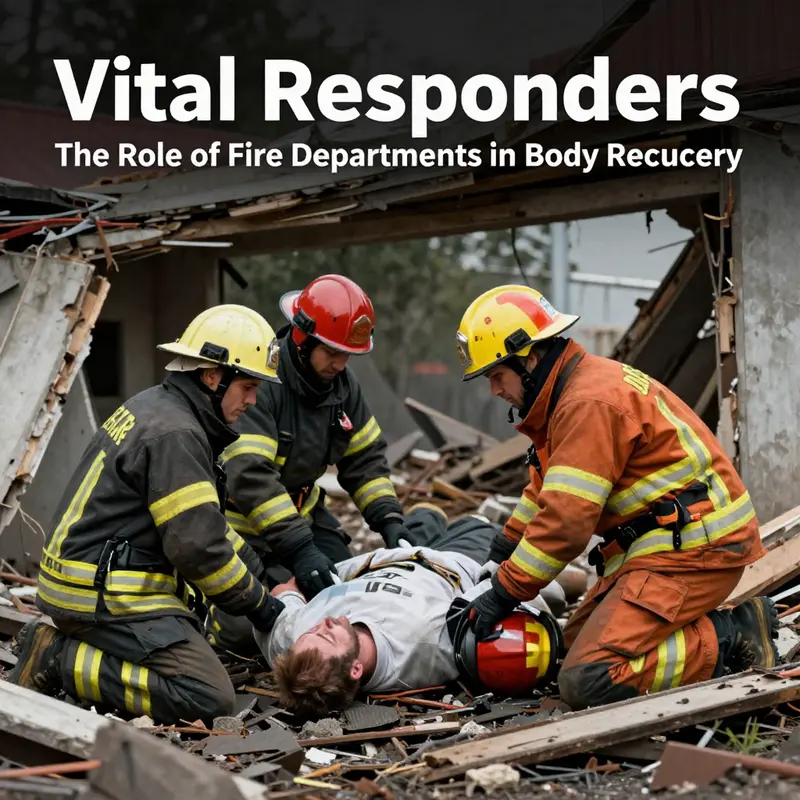
When disaster strikes, the image most people carry is of firefighters sprinting toward danger to pull survivors from rubble or floodwaters. Yet the mission of fire departments in the aftermath often extends beyond the immediate push to save lives. As the chance of finding living victims diminishes, responders transition to recovery operations, and a crucial but quieter aspect of their duty comes into clear view: the careful, respectful removal of deceased individuals. This shift is not a mere escalation of effort; it is a reorientation of purpose, a recalibration of techniques, and a deepened engagement with humanitarian standards that govern how society treats the dead in the chaos of mass casualty events. Across urban centers and rural regions alike, the process is guided by discipline, training, and a shared ethic that honors both the fallen and the living who remain to grieve and rebuild.
The on-scene dynamics of a disaster response are a complex choreography of speed, safety, and sensitivity. Fire department teams enter an environment that may be unstable, acoustically hostile, or laden with toxins, and they must quickly establish a modular workflow that can accommodate survivors, secondary hazards, and the ultimate need to recover bodies with care. This requires a preparedness that goes beyond basic fire suppression or rapid extraction. It demands an understanding of scene management, risk assessment, and the legal and ethical frameworks that govern the handling of human remains. The goal is not to hurry through a grim task, but to execute it methodically, minimize the potential for further harm, and preserve dignity for those who have died and for the families awaiting confirmation of loss.
Central to this capability is a comprehensive set of guidelines that training programs and agencies widely adopt. The Revised Practical Guidance for First Responders, for instance, has become a touchstone reference in many jurisdictions. It lays out a full-spectrum approach—from the initial scene assessment to the identification of victims, to the safe and respectful removal, and on to the handoff to forensic teams and authorities who carry forward with identification, documentation, and. ultimately, disposition. The guidance emphasizes reducing secondary injury, avoiding contamination of evidence, and maintaining a coherent chain of custody for remains and any associated artifacts. In practice, this means responders must be vigilant about how they move, package, and transport bodies, while simultaneously coordinating with coroner offices, medical examiners, and legal authorities to ensure that the process aligns with investigative needs and humanitarian considerations.
The day-to-day reality of this work is perhaps made most tangible when the pace shifts from rescue to recovery. In the wake of large-scale landslides, earthquakes, or collapsed structures, the search operation often yields signs of life that, regrettably, may prove illusory. As investigators determine the likelihood of survivors, responders ration their focus toward locating all victims, confirming death where required, and removing the remains to safer zones for identification and documentation. This transition is not arbitrary; it is guided by evolving intelligence on the site, evolving weather and terrain conditions, and the timing dictated by both safety and investigative imperatives. The fire department, in this context, serves as a bridge between the immediate imperative to protect living people and the longer process of accounting for those who did not survive.
Recent field practice underscores how this balance is achieved in real operations. In high-profile incidents such as the 2023 landslide in Ecuador, fire department and military personnel alike were actively engaged in search and rescue efforts for potential survivors. As the operation progressed and the probability of resuscitating survivors declined, teams transitioned toward victim recovery. This required not only technical proficiency in lifting and moving bodies through treacherous terrain but also a heightened sensitivity to the emotional weight of each recovery, the ethical obligation to protect the dignity of the deceased, and the procedural coordination with forensic and judicial authorities. The Ecuador example illustrates a broader principle: effective recovery is as much about the human dimensions of the work—the respect shown to families, the careful handling of remains, the transparent documentation—as it is about the mechanics of hoisting, tagging, and transporting.
To perform this duty well, responders rely on meticulous on-site practices that integrate safety, respect, and efficiency. First, there is scene safety and stabilization. Debris fields, unstable structures, and shifting masses of earth or rubble create ongoing hazards. Teams must secure the area, establish exclusion zones, and control access to prevent new injuries while the bodies are being located and removed. This safety posture protects survivors who may still be in danger, protects investigators who will later rely on the integrity of the scene, and protects the dignity of the deceased by ensuring that their remains are not compounded by avoidable harm during recovery. In this environment, every movement is deliberate. The weight of a body, the stability of a stairwell, the angle of a crane or hoist, and the integrity of a transport device all become variables in a calculus that prioritizes safety without sacrificing respect.
Once a body is recovered, the procedural focus shifts to dignified handling and careful documentation. For many departments, this involves the use of standardized packaging and transport protocols that minimize exposure and preserve evidence. Bodies are moved with attention to posture and placement, often on rigid platforms or stretchers that can be secured for transport without compromising the body’s condition or the scene’s evidentiary value. At the same time, responders perform rapid, respectful identification steps, collecting distinguishing features and, where feasible, confirming identity through documents or identifiers carried by the deceased or recovered from the scene. The procedures are designed to be compatible with forensic workflows, meaning that the information gathered by first responders is structured to support later official identification and cause-of-death determinations, while avoiding unnecessary delays that could intensify distress for families awaiting news.
The human element of this work cannot be overstated. Fire department personnel bring a blend of technical skill and emotional intelligence toRecovery work. They must maintain professional composure under the weight of loss, communicate clearly with colleagues to coordinate movement across difficult terrain, and, most importantly, preserve a compassionate demeanor for grieving families and communities. Debriefings and psychological support services are integral components of a responder’s career, recognizing that the act of recovering remains can carry a lasting emotional toll. This is not a weakness but a professional acknowledgment that resilience in disaster response includes ongoing care for those who do the hard work and for the communities that depend on them.
A remarkable aspect of modern recovery work is the collaboration with forensic teams and local authorities. The removal of bodies is not a standalone task; it is part of an integrated operation that requires precise communication, shared terminology, and synchronized timing. Forensic teams require exacting data about the scene, the placement of remains, and any items that might link a body to an individual. Fire departments, therefore, must develop an efficient transfer protocol that keeps bodies secure, labeled, and traceable from the moment of discovery through transport to a designated facility. This chain of custody is essential for preserving the integrity of investigations and ensuring that families receive accurate and timely information about their loved ones. In practice, it means a carefully choreographed handoff—first from field responders to the hospital or morgue team, and then to the coroners who bear the ultimate responsibility for identification and disposition.
Beyond the technical and procedural dimensions, there is the cultural and ethical fabric of recovery work. Communities differ in rituals, beliefs, and preferences regarding the handling of the dead. Effective responders recognize that sensitivity to these differences is a core component of professional duty. That sensitivity manifests in simple acts: speaking with families with clarity and empathy, avoiding sensational or sensationalized portrayal of remains, and coordinating with community leaders or religious representatives when needed to honor customs that may surround the dead. The recovery operation is thus not only a technical exercise but a ritual of sorts—one that affirms the value of every life and reinforces public trust in the institutions that respond when disaster strikes.
In this broad panorama, a quiet but powerful influence comes from the availability of robust training resources and ongoing professional development. Training is not a one-off event but a continuum that builds muscle memory for the most challenging moments. It includes practical exercises that simulate unstable debris fields, realistic handling of human remains, and coordination drills with partner agencies. It also emphasizes the importance of humanitarian standards and the need to maintain humane practices under pressure. A key takeaway from contemporary curricula is that preparedness for recovery is inseparable from preparedness for life-saving rescue. The same base of competencies—risk assessment, precise communication, and disciplined execution—underpins both missions. And the better prepared responders are, the more efficiently they can pivot between saving lives and honoring those who do not survive.
The Ecuador scenario, along with accounts from major urban departments like New York City, demonstrates how varied environments test the same core capabilities. In dense urban cores where collapse patterns can trap people beneath concrete, steel, and dust, the physical challenges of locating and removing bodies are matched by the urgency of moving swiftly to open roadways, preserve access for medical teams, and maintain emotional sensitivity with families who may be following the incident in real time. In more remote or difficult terrains, such as mountainsides or unstable slopes, the technical demands grow as responders negotiate gravity, weather, and limited equipment. Across these contexts, the aim remains consistent: to recover with precision, to document with accuracy, and to treat every victim with dignity as part of a broader commitment to the living who rely on the responders for safety, information, and closure.
The responsibilities described here also highlight the value of public-facing transparency. Fire departments increasingly emphasize communicating roles and expectations to the communities they serve. By articulating how search, rescue, and recovery operations unfold—without compromising sensitive details—these agencies build trust that a community’s best interests are at the heart of every decision. When families see that responders are following established guidelines, balancing speed with care, and prioritizing humility and respect, confidence in the responders’ integrity grows. This transparency complements the technical proficiency on display in the field and reinforces the social contract that underpins emergency services.
From the vantage point of the broader disaster-response ecosystem, the recovery phase is a test of how well interagency collaboration functions under pressure. The process hinges on clearly defined roles, interoperable communication systems, and a shared language that helps diverse teams—from fire, police, and emergency medical services to forensic specialists and local authorities—work as a seamless unit. The lesson that continually emerges is that recovery success rests not only on muscle and machinery but on cooperation, discipline, and an ethic that every life deserves respectful treatment, even after death. This ethic informs equipment choices, procedural steps, and the cadence of operations, ensuring that the work honors both the living and the dead while supporting investigative and humanitarian outcomes alike.
For readers interested in exploring how these principles translate into daily practice, consider the practical training resources that echo these values. One such resource emphasizes the foundational elements of safety, rescue, and recovery and includes modules on the humane handling of remains, the importance of environmental awareness, and the necessity of maintaining the dignity of the deceased at every stage. It is not a distant theory but a set of actionable guidelines that frontline responders can apply in the most challenging scenes. As disasters continue to evolve with climate dynamics and urbanization, the capacity to adapt recovery operations while preserving ethical standards remains a hallmark of professional fire service leadership.
In closing, the removal of dead bodies within disaster response embodies a profound intersection of technical skill, procedural discipline, and human compassion. The fire department’s role in this delicate work reflects a maturity of practice that acknowledges the dual imperatives of life-saving urgency and respectful reverence for those who have died. It is a reminder that the measure of a robust emergency response lies not only in the number of lives saved but also in how a community honors its dead and supports its survivors in the aftermath. The narrative from the field—whether in a bustling metropolis like New York or in remote landslides across the Andes—speaks to a shared commitment: to recover with care, to document with integrity, and to move forward with a sense of collective responsibility for every person touched by catastrophe. For further insight into the policy and mission that guide these efforts, see the official guidelines and duties outlined by dedicated municipal agencies. As responders continue to refine techniques and reinforce ethics, the chapter of recovery remains a central testament to professional service that endures beyond the moment of danger and into the quiet, dignified work of returning the deceased to their families with respect and honesty.
External reference: https://www.nyc.gov/site/fdny/about/mission.page
Internal linkage: As part of ongoing professional development, many departments encourage crews to engage with core training resources that reinforce the balance between lifesaving action and recovery duties. A relevant resource on fire safety essentials and certification training provides foundational perspectives that support responders in both domains. fire safety essentials certification training.
Between Rescue and Reverence: Ethical and Legal Dimensions of Recovering the Deceased in Fire-Rescue Operations
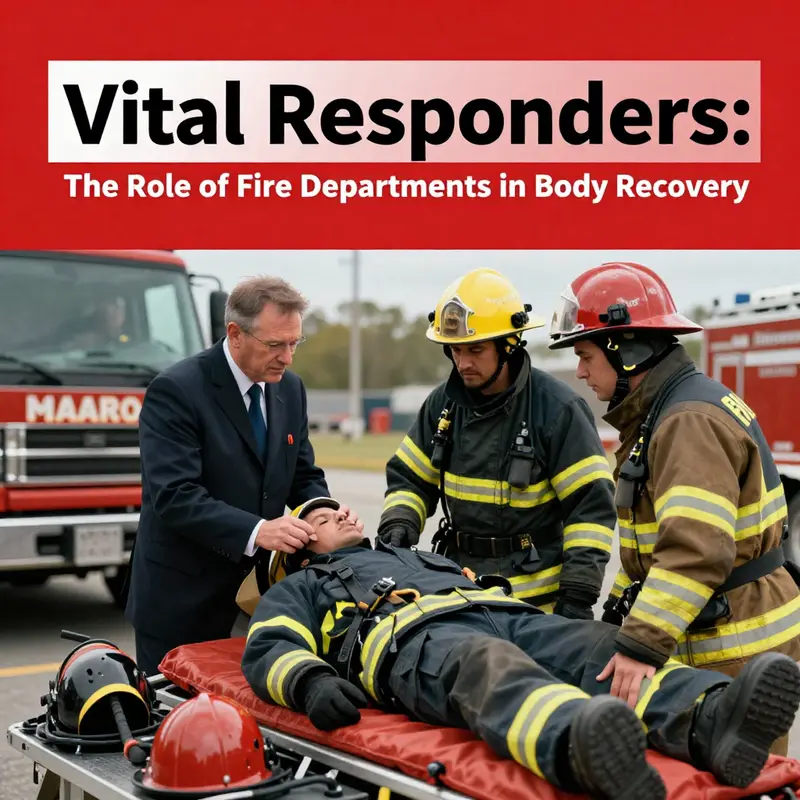
In the smoke and rubble of disasters, where every moment can mean the difference between life and loss, fire department search and rescue teams move with an urgency that is tempered by restraint. They are trained to push into danger, to locate survivors, and to stabilize environments that confound planners and families alike. Yet as the search unfolds and the likelihood of survival diminishes, another obligation emerges with equal gravity: the respectful recovery of those who did not survive. The chapter that follows considers what it means, in practice, to manage this transition with dignity, legality, and humanity. It treats not as a mere afterthought but as a core component of professional responsibility, one that shapes how communities heal and how justice is pursued in the wake of collapse, landslides, or other catastrophes. The ethical and legal dimensions are not abstract debates; they echo in every careful touch of a body bag, in every line drawn to document a scene, and in the conversations that accompany families awaiting news that may never come in the form they hoped for.
Ethical care begins at the body, but its roots extend into the entire operation. The handling of human remains requires a deliberate posture that respects both the dead and those who mourn. This is not merely a matter of personal virtue; it is a series of practices governed by standards that protect the dignity of the deceased while enabling investigators to establish facts that matter for identification, forensic analysis, and the eventual closure that families seek. The integrity of the remains must be preserved as far as possible during removal, transport, and documentation. Even in hazardous environments where every inch of space is contested by debris, gravity, and shifting material, responders strive to minimize disturbance. Small acts—careful lifting, mindful placement, and the avoidance of unnecessary exposure—become acts of respect that reverberate beyond the scene. In many jurisdictions, these practices are codified into procedures that require precise chain-of-custody steps, meticulous note-taking, and clear labeling of evidence alongside the remains. The ethical charge is thus twofold: to honor the person who died and to provide a reliable foundation for the investigations that follow.
At the heart of this charge lies the balance between the imperative to save lives and the duty to recover the dead faithfully. Rescue work operates under a dynamic calculus. Every decision about where to search, how long to extend the search, and when to shift focus toward recovery must weigh the probability of survival against the necessity of securing the site for forensic work. This balancing act is rarely a simple ledger; it is a fluid calculation shaped by shifting conditions: collapsing structures, compromised air quality, evolving hazards, and the emotional state of families waiting for news. The ethical framework recognizes that life-saving efforts deserve priority, but it also recognizes that once a body is located, the process of recovery becomes a critical step in documenting what happened, identifying the deceased, and supporting the legal and ceremonial needs of the affected community. In practice, this means that teams must transition from aggressive search patterns to careful extraction protocols, from rapid scene clearing to procedures that maintain evidence integrity, and from immediate response to deliberate, coordinated recovery with forensic teams and local authorities. The shift is not a surrender to tragedy but a recognition that the work must proceed with a dual aim: protect living responders and honor the dead with a dignified, methodical process.
Legal dimensions underpin every action in this domain. The chain of custody becomes more than a procedural phrase; it is a living discipline that ensures the body and any associated evidence are handled, stored, and transferred in a manner that preserves legal rights and enables accurate forensic conclusions. Documentation becomes a backbone of operation: time stamps, personnel involved, locations of recovery, and the states of the remains. These records support not only identification processes but also potential judicial inquiries, insurance claims, and, for families, the right to understand what happened. The legal requirements vary across jurisdictions, but common threads run through most systems: respect for the deceased, transparency in reporting, and accountability for every action taken at the scene. When investigators later request access to the site, responders must be able to demonstrate that procedures were followed, that no unnecessary disturbance occurred, and that the continuity of evidence remains intact. This is why training emphasizes not only the physical mechanics of lifting and transporting but also the procedural architecture that supports legal outcomes.
The emotional and psychological load carried by responders is an essential, sometimes overlooked, element of ethical practice. Repeated exposure to death, the sight of multiple casualties, and the stress of operating under life-or-death pressure can leave deep traces on individuals. Ethical response policies increasingly integrate mental health supports, including access to debriefings, counseling, and peer support networks designed to mitigate trauma. Departments that fail to address these needs risk compromised decision-making, diminished vigilance, and longer-term harm to their personnel. The psychological dimension intersects with ethics in subtle but powerful ways: a rescuer who is exhausted may misinterpret a scene, a team member who feels responsible for a missed survivor may experience guilt that colors subsequent decisions, and the entire unit may carry forward a climate of hyper-vigilance or desensitization. Ethical practice, therefore, demands proactive care for responders as an integral part of mission readiness. It also requires periodic review of policies, ensuring that they reflect evolving understanding of trauma, evidence-based approaches to support, and the cultural diversity of populations affected by disasters. In many areas, departments are strengthening formal policies that provide post-exposure counseling and structured resilience-building, recognizing that the legitimacy of the response rests on the well-being of those who carry it out.
Mass disaster scenarios intensify both the ethical and legal challenges. In events that produce large numbers of casualties, the orchestration of identification, documentation, and family communication takes on heightened significance. The ethical objective expands from the individual to the community. Authorities must strive to restore a sense of order and closure while maintaining rigorous forensic standards. The scale of the operation demands coordination with multiple agencies, from forensic laboratories to customs and immigration authorities in some contexts, and it requires sensitivity to the diverse backgrounds of those affected. Families deserve clear, timely information about the process of identification and the status of their loved ones. Yet information must be conveyed with care to prevent misinformation and to protect those who may be at risk of further harm in the wake of a catastrophe. In such events, the role of the responder extends beyond technical skill; it becomes a conduit for compassion and accountability. The ethical lens insists that families be treated with honesty and patience, even when answers are slow or incomplete, and that cultural and religious considerations be respected in the handling of remains and notification procedures.
The issue of victim identification sits at the intersection of science, law, and human experience. Identification methods—ranging from fingerprints and dental records to DNA analysis—are often indispensable, but they must be employed within a framework that respects the dignity of the deceased and the rights of the family. The work is sensitive and time-consuming, and it can become emotionally charged for those who fear a loved one has not been accounted for. Procedural norms emphasize accuracy and transparency. Debriefings, cross-agency coordination, and clear protocols for notifying families help ensure that the process supports healing rather than adding to the trauma. The ethical imperative to identify the dead is not merely about solving a puzzle; it is about restoring some measure of certainty to families who search for meaning in the aftermath. This urgency is balanced by caution: identification must be pursued with the utmost scientific rigor to avoid misidentification, which can compound grief and trigger legal complications. The process may involve delicate conversations, and it requires responders to be trained not only in technical tasks but also in empathetic communication, so that families hear the truth with dignity and respect.
In keeping with professional standards, responders also confront the practical realities of what it means to work within a community’s moral framework. Standard operating procedures increasingly incorporate input from legal advisors, forensic experts, and cultural liaisons who help tailor practices to the expectations and norms of local populations. This integration helps ensure that procedures do not inadvertently marginalize communities whose traditional burial practices or beliefs about death are central to their coping mechanisms. The ethical aim is to marry scientific objectivity with cultural sensitivity, so that the recovery process serves both the needs of investigators and the emotional needs of families. The World Health Organization’s Guidelines on the Management of Mass Fatalities provide a framework for these efforts, emphasizing dignity, respect, and the legitimate role of mass-fatality management in preserving public health, safety, and justice. Those guidelines, though developed for broad international contexts, offer broadly applicable principles: careful handling of remains, transparent communication, and methodical coordination among agencies to ensure that the living are protected while the dead are treated with reverence and factual integrity. For further guidance on the ethical and procedural frameworks guiding the identification of deceased individuals in disasters, see the WHO guidelines.
The practical implications of these principles extend into professional development and organizational culture. A robust ethical stance requires that departments embed these values into training, policies, and daily routines. This is where the link to ongoing education becomes meaningful. Through consistent, scenario-based training, responders develop muscle memory for both rescue and recovery tasks and for the respectful treatment of remains. They learn to recognize when to extend a search and when to pause for careful recovery, how to document each step, and how to communicate with families in a manner that conveys both competence and compassion. The emphasis on training is not about avoiding difficult decisions; it is about equipping responders to make those decisions with clarity and humanity under pressure. In practice, this means simulation exercises that incorporate not only technical proficiency but also ethical decision-making, family notification protocols, and post-incident care for personnel. It means supervisors who model transparent decision-making, who ensure that recovery operations are conducted with the least possible harm to those involved, and who prioritize the mental health of their teams as a core operational concern. It also means fostering a culture where questions about procedure are welcomed, where concerns about ethical dilemmas can be openly discussed, and where accountability is continuous rather than punitive.
In reflecting on the Ecuador landslide of 2023, where fire department and military crews faced the grim task of locating survivors and then recovering the deceased, the essential balance described above becomes palpable. The operation required a disciplined approach to search and rescue, followed by a measured, respectful transition to recovery work as the chances of saving lives dwindled. The aims were clear: protect the living, identify the dead with rigor, and communicate with families with honesty and care. The incident underscores how ethical and legal considerations are not theoretical concerns but practical imperatives that shape every action. It also illustrates the primacy of collaboration. Recovery of the dead is not a solitary task; it unfolds within a network of professionals, from on-scene responders to forensic experts, from medical examiners to social workers who support families. Coordinated action helps ensure that remains are treated with dignity, that evidence remains intact for investigations, and that the emotional needs of those affected are addressed in a timely, sensitive manner.
The connection between training and ethical practice is not incidental. Ongoing professional development, including specialized courses and real-world drills, strengthens a responder’s ability to navigate ethically complex scenes. It builds confidence in the procedures that protect both the living and the dead and reinforces the sense that every action can contribute to justice, closure, and healing. Those who serve in these roles come to understand that rescue work is not finished when the initial call ends; the chapter of care continues through the careful handling of remains, the documentation of the scene, and the respectful communication with families who seek answers. The ethical horizon expands with each operation, inviting agencies to refine policies, invest in mental health supports, and reaffirm a shared commitment to dignity, legality, and human decency in the face of catastrophe.
For readers seeking a concise anchor to these principles in a broader public-health and forensic context, the World Health Organization’s guidelines provide a foundational reference. They remind us that the management of mass fatalities, while technically demanding, is fundamentally about humanity under pressure. The guidelines emphasize dignified handling of remains, transparent and respectful communication with families, and the critical role of coordination among diverse agencies. They also reinforce the obligation to protect responders from harm while acknowledging the heavy emotional toll of working with death on a scale that few people encounter in ordinary life. In this way, the ethical and legal dimensions of recovery are not isolated concerns but essential components of a resilient, accountable public safety system that seeks to honor the dead while safeguarding the living.
Internal link: for practitioners interested in the practical aspects of ongoing professional preparation, see the resource on fire safety essentials certification training, which helps shape the readiness and mindset required for ethical and effective response in challenging environments: fire safety essentials certification training.
External resource: for a comprehensive international framework that informs national and local practices, consult the World Health Organization guidelines on mass fatalities: https://www.who.int/publications/i/item/9789241516307
From Search to Reverent Recovery: The Dual Duty of Fire Department SAR in Disaster Response
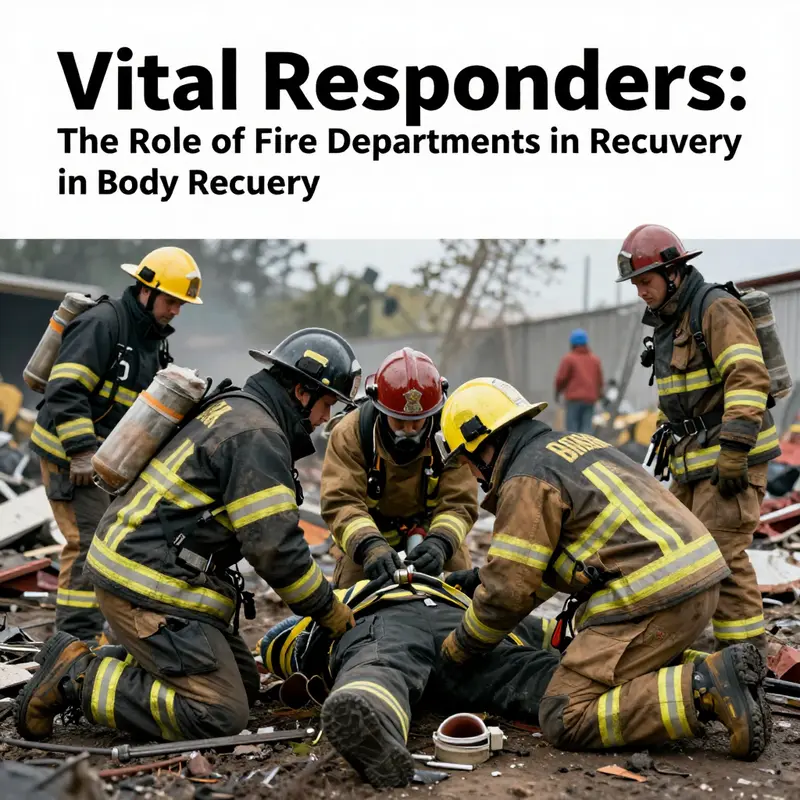
Disaster scenes collapse into a place where the ground itself seems to tremble and the air carries grit, aftershocks, or the smell of burned timber. In such moments, fire department search and rescue personnel step forward not only to save lives but to bear witness to loss. Their work blends rapid, technically demanding action with a steady, disciplined approach to recovery that respects both the dignity of those affected and the demands of forensic investigation. The sequence of tasks in a major disaster often follows a familiar arc: locate and stabilize any survivors, extract them when possible, treat injuries, and then, when the window for survival narrows, shift to locating and recovering remains with careful handling and methodical documentation. This is not a shift that happens abruptly; it is a transition that unfolds under the same canopy of safety, coordination, and professionalism that marks life-saving missions. In this sense the role of fire department SAR teams encompasses a continuum from rescue to recovery that is essential for public health, legal accountability, and the healing of communities.
In real terms, the 2023 Ecuador landslide serves as a poignant illustration. Fire department crews and military units moved through a landscape of unstable slopes and obstructed roadways, a scene where every movement carried risk both to responders and to any potential survivors. The initial focus was survival: locate living victims who could be aided by rapid extrication and medical treatment; deploy triage, ensure airway management, stop bleeding, and arrange transport to clinics or hospitals. The tools of the trade in such circumstances are varied and highly specialized. Rope systems were set up to stabilize and ascend or descend into precarious voids; drones provided a bird’s-eye assessment of the scale of debris and the relative likelihood of finding signs of life in a given sector. The use of lightweight, portable stabilization equipment enabled responders to secure a collapse zone and prevent further movement that could harm anyone beneath or within the rubble. Each action was supported by a team of technicians trained in land, water, or structural rescue, all operating under incident command that coordinates the different agencies involved.
As time passed and the chances of reaching survivors diminished, the mission naturally shifted toward body recovery. This shift does not imply a halt in compassion or urgency; instead, it demands a careful recalibration of technique and focus. The same SAR units that locate a struggling survivor also locate a body more precisely than most would expect, because debris fields can preserve or conceal remains in places that look deceptively safe. The process begins with an expansion of the search plan to include a thorough sweep of areas previously deemed unlikely. Canine units, if available, continue to contribute by following scent trails that might indicate a presence beneath the rubble. Thermal imagers reveal hot spots that could correspond to body heat, a clue in a landscape that presents many other heat sources. Ground-penetrating radar can reveal voids and changes in density that betray hidden remains. Hand probing, though slower, remains essential when fragile sections of debris must be moved with maximum care and with the gentlest possible touch to prevent disturbing evidence or worsening injuries if a living person is found.
These search techniques operate within a broader framework of safety and respect. Responders never work in isolation; they rely on risk assessments, structural engineers, and forensic specialists to ensure that the area remains stable and lawful protocols are observed. They also rely on medical and psychological support personnel who understand that the work is emotionally demanding. The relief that accompanies a rescue can give way to the somber routine of recovering remains, and this emotional transition must be managed with the same discipline that governs technical operations. A key element in this dynamic is the handling of human remains with dignity. The procedures are designed not only to preserve evidence for identification and legal processes but also to honor the person who has died and to provide the families with answers, closure, and a sense of respect. The chain of custody is not a mere procedural formality; it is the backbone of justice and accountability, ensuring that every item recovered becomes part of an officially documented record that can withstand scrutiny in forensic laboratories and courts.
The practical aspects of body recovery are as important as the ethical ones. Once remains are located, responders follow established protocols for removal and transport. In many settings this involves a staged approach: first secure the location to protect all evidence and preserve the scene; then carefully remove the remains using appropriate stretcher systems or improvised devices that minimize jostling. In collapsed structures, teams may need to scout for stable routes and create a clear path that avoids further collapse while allowing the remains to be moved to a staging area where they can be examined by forensic specialists. At all times, the responders communicate with medical examiners or coroners, who provide the official determination of cause and time of death, a determination that can matter not only for families but for broader investigations and public records. The collaboration with forensic teams ensures that evidence gathered at the site is documented in a way that supports later analysis. This is particularly important when remains are intermingled with personal effects or are buried under multiple layers of debris, where each item can carry crucial information.
The human dimension of body recovery cannot be overstated. Fire department SAR teams are trained to separate the technical aspects of extraction and evidence collection from the emotional realities of loss. They practice body recovery with a sense of ritual, as if each gesture is a bridge between science and memory. They learn to manage personal fear, fatigue, and grief in a professional setting that still honors human dignity. Training programs emphasize not only the mechanics of search and extraction but also the etiquette of contact with families who await news. Clear, compassionate communication is a critical skill, one that helps families understand what has happened while avoiding sensationalism that can arise in the aftermath of disasters. Debriefings, peer support, and access to mental health resources are integral to maintaining resilience among responders who repeatedly face scenes of tragedy. The culture within SAR units increasingly recognizes the toll that body recovery can take, encouraging a culture of mutual care and professional support that sustains teams through long operations.
In terms of organizational structure, fire department SAR units are not isolated islands but nodes within broader emergency management networks. Their ability to adapt to a range of environments—urban collapses, landslides on uneven terrain, riverine rescues, or alpine or maritime settings—demonstrates the flexibility that makes these teams so valuable. The interagency coordination that accompanies large-scale disasters is essential for success. Law enforcement provides scene security, essential for the integrity of investigative work and for the safety of the responders. Medical and EMS units deliver triage and treatment for the living, while investigators and coroners perform the crucial work of examining remains and gathering evidence. The continuity between rescue and recovery relies on consistent communication protocols, shared incident command structures, and clearly defined roles so that no one works at cross purposes. In many regions, national or regional disaster management authorities work alongside local fire departments to coordinate the allocation of resources, training, and specialized equipment. The model that emerges from these collaborative efforts is in which SAR units are not only capable of quick, decisive action on day one of a disaster but are also prepared to contribute meaningfully to the long, meticulous process of recovery and documentation.
The ethical and public health dimensions of body recovery are threaded through every decision made in the field. Locating remains is not an end in itself; it enables families to receive closure and gives communities a factual account of the disaster. It also helps public health officials monitor potential risks associated with exposed remains, such as contamination from chemicals, biological hazards, or mold growth in damp debris. The process is designed to minimize risks to the living while ensuring that the dead are treated with due respect. The careful handling of remains reduces the risk of secondary infections and preserves trace evidence that may one day solve questions regarding who was found, when they were discovered, and how they were affected by the disaster. In the long run, the expertise that is developed in body recovery informs future improvements in equipment, training, and protocol for all kinds of disasters. This continuous learning loop is one reason why SAR teams remain on the front lines of emergency response; their experiences generate knowledge that improves both rescue and recovery for future incidents.
Finally, the story of disaster response would be incomplete without acknowledging families and communities. The presence of responders at a site often becomes part of a shared memory of the tragedy, a memory that will be processed differently by different individuals and cultures. Transparent communication about what is known, what remains unknown, and what will happen next helps families navigate the upheaval of uncertainty. When cultural practices or religious beliefs intersect with the procedures of body recovery, responders make a deliberate effort to accommodate those differences wherever possible, coordinating with Chaplains, cultural liaisons, or family representatives to honor the deceased in ways that are meaningful to the loved ones left behind. All of these considerations can affect how a disaster is perceived by the public, and they shape how communities rebuild trust in the institutions charged with safety and care.
In this light, the question of whether fire department SAR personnel remove dead bodies is answered with nuance. They do, in the sense that they participate in the meticulous and dignified recovery of the deceased, a function that sits alongside their life-saving duties. Their work does not replace the role of medical examiners or coroners, nor does it supersede law enforcement investigations. It is a coordinated, multi-agency effort that ensures disasters are handled with rigor, compassion, and accountability. The ability to transition from rescue to recovery is a marker of a mature emergency response system, one that recognizes that the most human outcomes of any disaster are not limited to the possibility of saving lives but also include the respectful recognition of those who did not survive and the provision of closure for their families. When done well, this work communicates to communities that safety does not stop with the last beacon of hope glimpsed through smoke; it continues through the careful, measured, and compassionate return of those who have died, and through the clear, respectful documentation that makes their stories legible to investigators, historians, and kin.
To further explore the broader context and structure of how fire departments organize their roles in emergency response, readers may consult general overviews such as the ScienceDirect Topics article on Fire Department, which provides a comprehensive framework for understanding the scope of SAR and related activities within disaster settings. For readers who want a more practical, ground-level sense of what these teams do and how they train for the unpredictable, the Fire Rescue blog provides accessible narratives that connect the theory with real-world practice Fire Rescue blog. The blog’s stories about training, readiness, and the challenges of field operations complement the technical material here, offering a sense of the daily realities that SAR squads face. Together, these sources help illuminate how fire departments conceive their dual mission of saving lives and recovering the dead, all within a framework of safety, ethics, and community service.
As the field evolves, the core message endures: who responds in a disaster matters, and how they respond matters even more. The people who work on search and rescue and on recovery are guided by a professional ethic that places human dignity at the center of every move, every cut of rope, every careful lift. Their work does not erase loss, but it can give communities a route toward understanding and closure, and it can reinforce the social contract that safety institutions are there for all stages of catastrophe, not only the initial alarms but also the long, quiet work that follows.
External resource: https://www.sciencedirect.com/topics/engineering/fire-department
Technology, Dignity, and Duty: How Modern Fire Department SAR Reaches the Deceased in Disaster Recovery
In the wake of disaster, fire department search and rescue teams carry a burden that extends far beyond the immediate peril of living victims. Their work spans the high-octane urgency of saving lives to the slow, careful cadence of recovering the deceased with dignity. This is not a contradiction but a continuum of duties that define modern rescue operations. When the initial wave of frantic searching yields fewer signs of survival than hopeful readers might wish, responders pivot. They shift from locating living bodies to locating the remains of those lost, enabling families to begin bereavement, authorities to document facts, and communities to heal. The evolution of this recovery work over recent years has been shaped not only by courage and discipline but also by technology that amplifies what human hands can accomplish without sacrificing respect for the person at the center of the operation. The 2023 landslide in Ecuador stands as a stark illustration: during the earliest hours, crews combed for survivors, and as the collapse zone settled into a narrative of loss, the same teams, with the guidance of forensic specialists and local authorities, undertook the careful, methodical work of recovery. In such moments, the duty to remember and to provide closure becomes as interwoven with technical precision as with the solemnity that accompanies removing a body from a disaster scene.
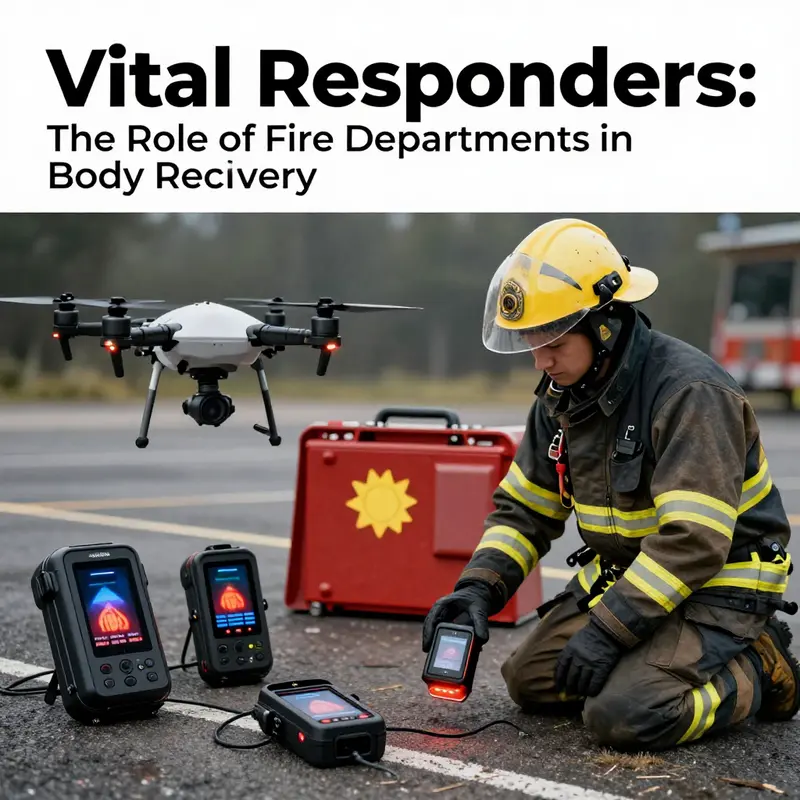
Technology has entered this realm not as a replacement for experienced responders but as its most faithful ally. The tools are deployed with an ethic that emphasizes preservation—of the dignity of the deceased, of the integrity of evidence, and of the safety of the teams who must operate in unstable environments. Aerial assets, for example, enable a commander to see patterns that a single ground unit could never discern. Drones equipped with high resolution cameras and thermal sensors sweep broad swaths of debris and terrain, creating a layered map of risk and opportunity. The thermal data is particularly valuable in low visibility conditions—dust, smoke, and shifting rubble can obscure perception, but a heat signature can reveal the linger of a human form beneath a pile. Yet the aim is not simply to identify. The operator translates the signal into a plan: where to deploy a ground team, how to approach, and how to minimize disturbance to the scene while preserving evidence and supporting a respectful removal.
Once a probable site is identified from the air, the ground team steps in with a different kind of expertise. The work becomes intimate and exacting. Rescuers move with deliberate caution, using controlled lifting techniques and protective equipment that safeguard both the remains and the responders. The process is guided by protocols that emphasize dignity, cultural sensitivity, and the sanctity of the individual who has died. The body is handled with care, wrapped, and prepared for transport in a manner that respects the beliefs and practices of diverse communities. The transition from identification to removal requires a seamless crew dynamic—air and ground teams synchronized by radio, by mapped coordinates, and by a shared sense of purpose. In this choreography, technology serves as a steady conductor: it provides the tempo, but it does not replace the human touch that marks every action as conscientious practice rather than mere procedure.
The role of data in these scenes cannot be overstated. Real time analytics weave together streams from drones, handheld sensors, and communications networks to produce a living picture of the recovery operation. When a drone captures a heat signature that could indicate a body, the data does not sit idle on a screen. It becomes actionable intelligence: coordinates are relayed, the terrain is re-evaluated, and the plan is adjusted. AI and machine learning systems help responders sift through the vast amounts of information generated during a complex SAR mission. They identify patterns, correlate event data with past incidents, and suggest targeted search zones that might otherwise go unnoticed amid rubble fields and shifting debris. This is not a cold automation of tragedy but an informed augmentation of judgment. The human decision maker remains at the center, reading the nuance of a flickering image or a tremor in the ground and deciding how best to proceed in accord with safety, legality, and respect for the person who has died.
The practical toolkit of modern recovery operations is diverse by design, built to endure the harsh realities of disaster sites. Unmanned aerial systems offer a vantage point that ground observers simply cannot achieve safely. They help to establish a plan for access into unstable structures, ventilate areas of concern, and create a durable record of the scene that can be revisited for ongoing recovery efforts or for investigative purposes. Ground equipment remains indispensable, especially when it comes to the delicate handling of remains and the enforcement of evidence preservation. Handheld thermal imagers, gas detectors, and compact sensors provide responders with a tactile sense of the environment. They validate the presence of a heat source beneath debris, confirm the removal path, and support decisions about where to set temporary staging zones. The synergy between air and ground tools is a core strength of contemporary SAR operations, ensuring that recovery is not a hurried extraction but a disciplined process that honors the person who has died and the family awaiting word.
Communication networks function as the nervous system of this integrated approach. The IoT framework linking devices across the field creates a coherent, real time map of activity, hazards, and progress. Operators know exactly where each drone is, where teams are deployed, and how equipment is performing. This clarity is essential when duty calls responders to act quickly without compromising safety. It also safeguards evidence integrity by ensuring that the sequence of actions is documented and reproducible for investigators. The aim is a recovery that is as transparent as possible, a demonstration that the team has done all they can to preserve life, and yet, in the absence of survivors, has acted with the utmost respect for those who did not make it out alive. The careful articulation of what was found, where it was found, and how it was handled becomes a resource for authorities, for families, and for communities that seek to understand what happened and why the course of events unfolded as it did.
The human dimension remains paramount in this technologically enhanced landscape. A drone operator might be tempted to view every signature as a potential body, yet the discipline of SAR teaches restraint and accurate interpretation. The most capable responders are those who balance technical proficiency with quiet confidence, who know when to advance and when to pause. They cultivate a culture of ethical practice, where the goal is not to maximize speed but to maximize correctness, safety, and respect. This is a subtle proficiency that grows through training, experience, and mentoring. Training programs increasingly incorporate simulated recovery scenarios that mirror the emotional and ethical complexity of real events. They stress not only how to use devices and software but how to communicate with families, how to document the process for post incident review, and how to maintain the humanity that lies at the heart of every rescue operation.
As technology evolves, the future promises even more integrated systems with stronger safeguards for responders and clearer pathways to evidence preservation. Sensor fusion could combine thermal data, acoustic cues, and high fidelity imagery to yield a single, reliable representation of a scene. More robust communication protocols will keep air and ground teams synchronized even in environments where interference and signal loss are common. In the long term, there is optimistic potential for autonomous systems to handle the most dangerous tasks, such as inspecting unstable voids or delivering light lifting tools, while human teams maintain supervision and oversight. Even with these advances, the core call remains unchanged: act with urgency when lives are at stake, and if a life cannot be saved, recover with care, dignity, and accountability.
There is value in pausing to acknowledge the knowledge produced by practice and literature. A comprehensive guide to firefighting drones for 2024, referenced in professional circles, offers a structured look at procedures, ethics, and operational deployment across a range of scenarios, including victim recovery in disaster zones. While this chapter does not catalog every device or technique, it situates the discussion within a broader ecosystem of evolving practice. For readers seeking to connect theory with ongoing field learning, professional blogs and knowledge bases provide timely reflections from practitioners in the field. In particular, the Fire Rescue Blog serves as a touchstone for discussions about training, certification, and frontline experiences. See Fire Rescue Blog for broader context on training and professional standards Fire Rescue Blog.
The real world is the ultimate proving ground for these technologies and practices. The Ecuador operation illustrates how the elements come together under extreme pressure: drones map and monitor, thermal imaging guides attention, ground teams apply careful handling, and officials coordinate to ensure that every action serves the family, the community, and the pursuit of truth. The objective of these efforts is not simply to conclude a rescue operation but to restore a sense of order to a landscape that has been disrupted by chaos. The recovery phase is a bridge between the shock of loss and the process of remembrance. It is where the methodological discipline of response meets the intimate, human need for closure. The tools, protocols, and trained professionals described here are not abstract concepts; they are the daily realities that shape how communities endure, mourn, and eventually move forward.
Moving forward, the field will continue to refine the balance between rapid, life saving action and respectful, methodical recovery. The dual aims of expediency and reverence will, in many ways, define the next generation of fire department SAR missions. As sensors become more sensitive, algorithms more discerning, and networks more robust, responders will be able to survey even the most challenging landscapes with greater confidence. The risk calculus will incorporate not only the technical hazards but the ethical considerations that govern how remains are treated, how evidence is preserved, and how families are kept informed with clarity and compassion. The chapters to come will explore related themes, including how communities organize to support those affected by disaster and how post incident analyses translate into better public safety practices. The ongoing integration of technology with humane practice has the potential to transform even the most sorrowful tasks into experiences of accountability, learning, and, where possible, affirmation of life.
For readers who wish to explore further the mechanics of how drones reshape firefighting and rescue operations, a broader literature is available. The external resource Firefighting Drones: An In-Depth Guide offers a detailed perspective on procedures, ethics, and practical deployment in varied scenarios, including victim recovery in disaster zones. It stands as a reminder that technology and ethics must travel together when the stakes involve life, death, and the memory of those who cannot be saved. As we turn toward the next chapter, the narrative will continue to unfold how communities, responders, and families navigate the long arc from disaster response to recovery, remembrance, and resilience. The journey is ongoing, and the promise lies in the sustained commitment to do good with the tools at hand, to honor what has been lost, and to learn so that future responses are both safer and more humane.
External resource: Firefighting Drones: An In-Depth Guide (https://www.dronedepot.com/firefighting-drones-guide-2024/).
Final thoughts
The indispensable role of fire department personnel in the removal of dead bodies during disaster recovery cannot be overstated. These brave responders carry out their duties with empathy and professionalism amid challenging circumstances, integrating legal, ethical, and technological dimensions into their work. Each effort to recover victims not only reflects their commitment to service but underscores the profound respect for human dignity even in life’s most tragic moments. As communities continue to face disasters, the operational protocols and advancements in rescue technology promise to enhance the effectiveness and sensitivity of these crucial missions.

