Introduction to Fire Department Technical Rescue
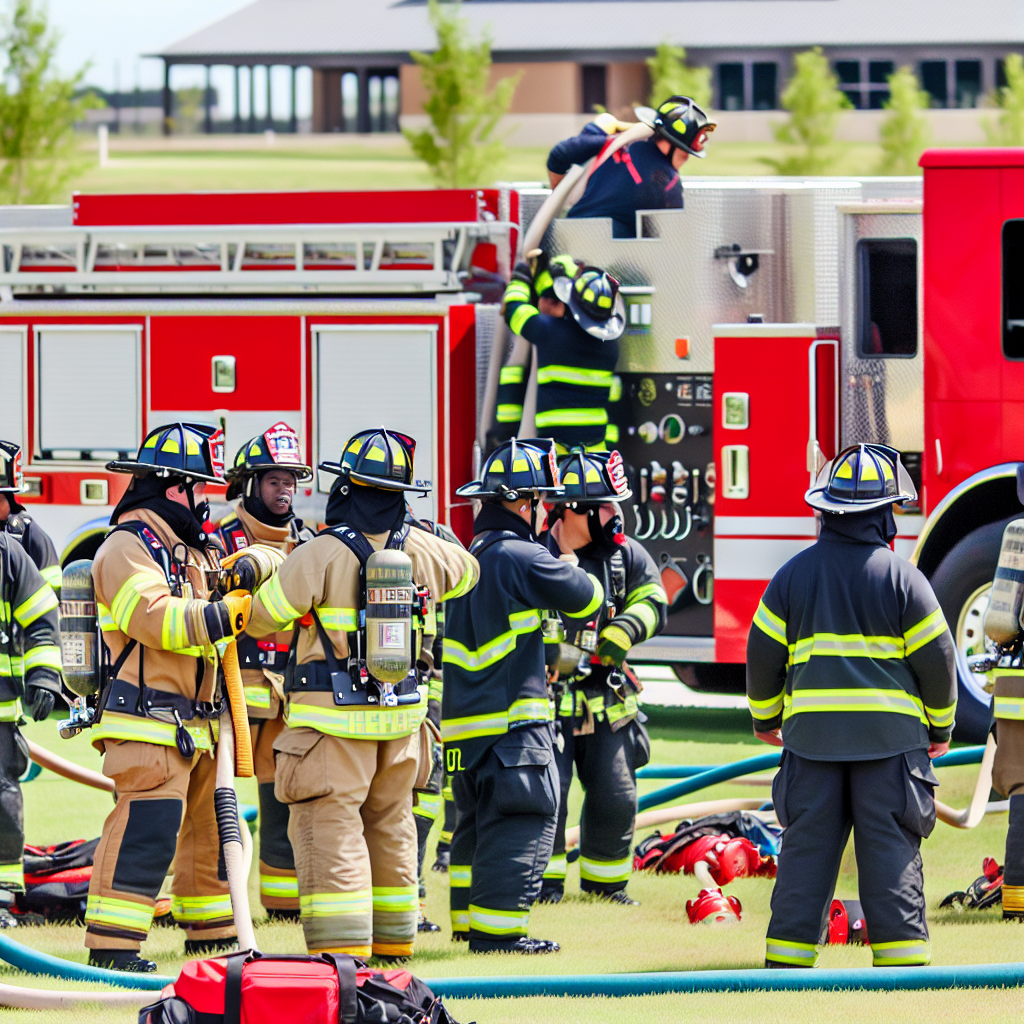
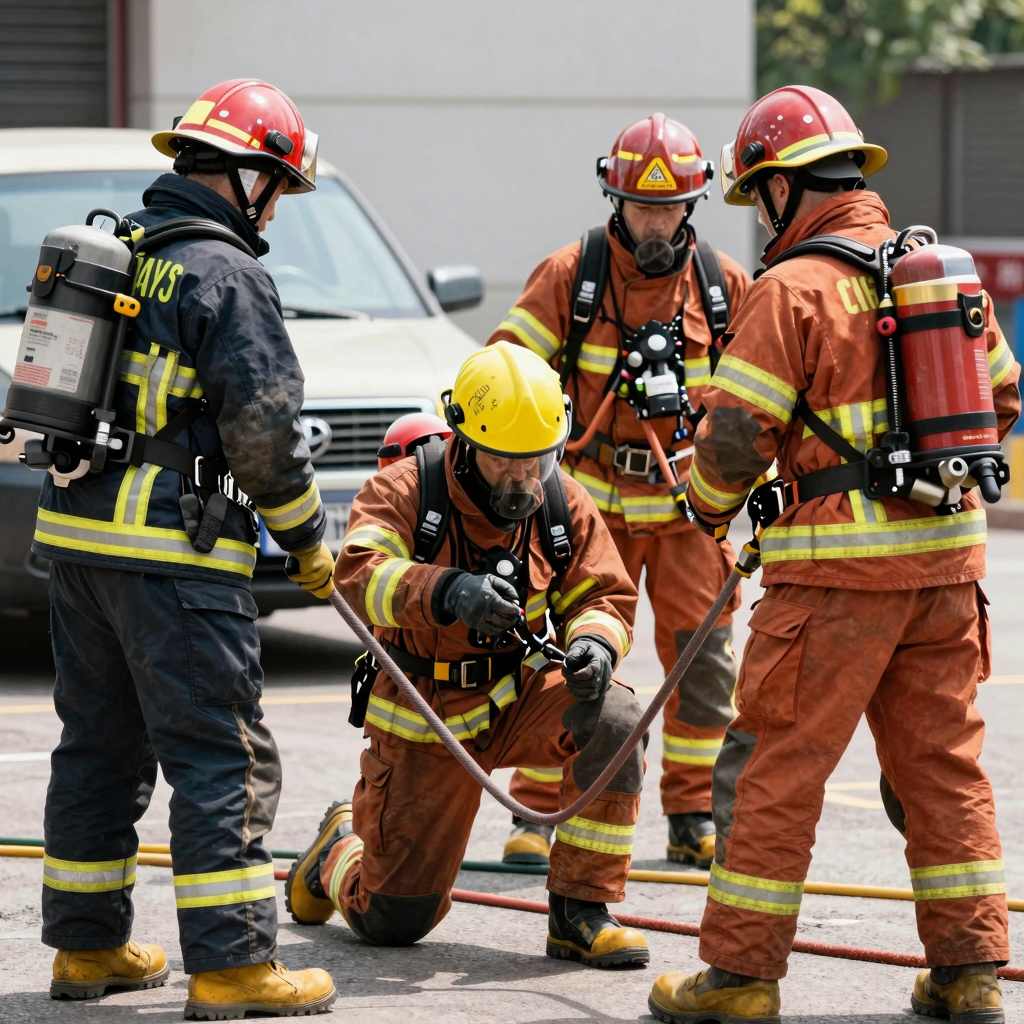
Fire department technical rescue is a specialized branch of emergency services focusing on saving lives and property in critical situations that demand advanced skills and equipment. Unlike traditional firefighting, technical rescue encompasses a range of operations including high-angle rescues, confined space rescues, water rescue, and vehicle extrication. The importance of this field cannot be overstated, as these highly trained personnel are often called to respond to situations that pose significant risks not just to the victims, but to their own safety as well.
As urban environments grow increasingly complex and diverse, the likelihood of technical rescue scenarios also rises. Firefighters engaged in these operations are equipped with specialized training and tools that empower them to tackle an array of challenges, from rescuing trapped individuals in steep terrain to safely unearthing victims from collapsed structures.
In this article, we will delve deeper into the various types of fire department technical rescue operations, exploring the skills, training, and equipment that are vital for success in these high-stakes situations. By understanding the significance of this field, we can better appreciate the crucial role that technical rescuers play in safeguarding our communities. For more insights on fire safety and certification training, check out our article on fire safety essentials and certification training.
Understanding the Various Types of Technical Rescues Relevant to Auto Dealerships and Small Business Fleet Buyers
Types of Technical Rescues
Technical rescues encompass a variety of specialized operations undertaken by fire departments to address challenging rescue scenarios. Each type of rescue is tailored to specific circumstances and often requires advanced training, equipment, and techniques. Below, we categorize and describe some prominent types of technical rescues performed by fire departments.
Vehicle Extrication
Vehicle extrication is perhaps the most common technical rescue, especially in urban areas. This involves rescuers removing trapped occupants from vehicles involved in accidents. Firefighters utilize hydraulic tools, such as the Jaws of Life, to safely access and extricate individuals. The effectiveness of vehicle extrication not only saves lives but also emphasizes the importance of vehicle safety features for individual car buyers and fleet managers, as safer designs can reduce the risk of injury during accidents.
High-Angle Rescue
High-angle rescue operations are essential in scenarios involving steep terrains, such as cliffs or construction sites, where individuals may be trapped at considerable heights. Firefighters equipped with ropes and specialized gear perform these rescues to safely retrieve victims. For small businesses, understanding the risks associated with high-altitude work and ensuring proper safety protocols are in place is critical to prevent accidents that could lead to costly downtime and liability issues.
Confined-Space Rescue
Confined spaces-including tanks, silos, or trenches-pose unique risks due to limited access and ventilation. Firefighters trained in confined-space rescue techniques navigate hazardous environments to save individuals trapped within. This type of rescue underscores the importance of safety practices in industries that frequently engage in confined-space operations, where proper training can minimize potential accidents and enhance overall safety culture.
Water Rescue
Water rescues entail a range of incidents, from rescuing individuals from drowning situations in lakes or rivers to recovery operations after flooding. Fire departments may deploy specialized teams equipped with boats and rescue gear. For car buyers and small businesses, knowing that local fire departments have trained personnel for water rescues can provide peace of mind, especially for those operating in flood-prone areas.
The Importance of Technical Rescues
The demand for technical rescues is evident, with vehicle extrications alone accounting for over 60% of all technical rescue incidents reported by the National Fire Protection Association (NFPA). Understanding the nature of these rescues-while also considering their implications on safety for individuals and businesses-can motivate car buyers and fleet managers to invest in preventative measures. Moreover, being aware of local resources and readiness can enhance overall resilience in crisis situations.
For more information on fire safety training and essential resources, learn more about our training programs.
Essential Technical Rescue Equipment
The safety and efficiency of fire department technical rescues heavily depend on specialized equipment designed to handle various situations. Here’s a list of essential equipment commonly used in technical rescue operations:
- Hydraulic Rescue Tools: Powerful tools that can cut, spread, or lift heavy debris, crucial for extricating victims from accident scenarios.
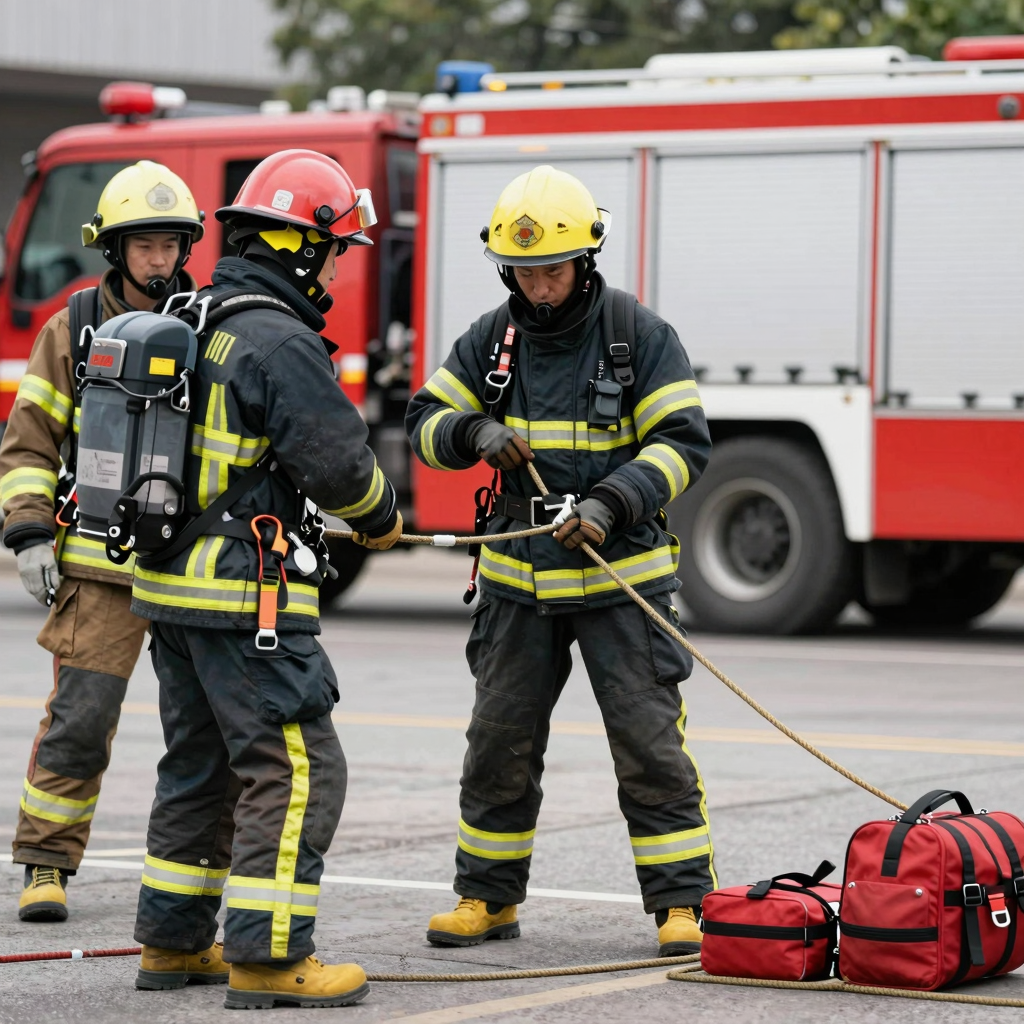
- Ropes and Rigging: High-strength ropes and rigging systems used for securing personnel and equipment during rescues, ensuring safe descents and ascents in precarious environments.
- Harnesses: Safety belts designed to secure rescuers and rescuees, crucial in preventing falls during operations that involve height or unstable ground.
- Stabilization Equipment: Devices such as chocks and struts that help stabilize vehicles and structures before rescue operations, preventing further injury and damage.
- Lighting Equipment: Portable lighting systems to illuminate dark environments during rescues, ensuring visibility and safety for rescuers and victims alike.
These tools not only enhance the safety of the rescue personnel but also help save lives more effectively. For additional insights on safety standards and training, learn more about fire safety essentials
The Significance of Technical Rescues in the Community
Technical rescues play a vital role in enhancing community safety, particularly during auto-related incidents. These specialized rescues involve the use of advanced tools and techniques to safely extricate individuals trapped in vehicles as a result of accidents. According to the National Fire Protection Association (NFPA), efficient technical rescue operations are essential for significantly reducing injury severity and mortality rates. With well-trained teams, emergency responders can provide rapid access to trapped individuals, leading to better medical stabilization at the scene and improved survival outcomes.
In addition to saving lives, the significance of technical rescues extends to auto dealerships and related businesses. Dealerships that engage in technical rescue training for their staff gain a strategic advantage over competitors. They not only enhance their reputation as community safety advocates but also foster customer trust through visible commitment to safety. As noted in a white paper by the Automotive Aftermarket Industry Association (AAIA), trained personnel can effectively assist during vehicle recovery operations, thus supporting insurance assessments and completing necessary protocols following accidents.
Moreover, technical rescues contribute to local infrastructure safety. A study published in the Journal of Trauma and Emergency Medicine highlighted that technical rescue teams had a 42% faster extrication time and a 28% lower secondary injury rate compared to non-specialized teams. This not only minimizes healthcare costs for affected individuals and families but also reduces long-term impacts on local businesses, including automotive repair facilities and emergency service responders.
By integrating technical rescue training into local emergency response plans, communities can enhance public safety, reinforce trust in local services, and bolster the infrastructures needed for efficient emergency management – all critical components for a resilient community.
| Benefit | Description | Impact |
|---|---|---|
| Faster Resolution Times | Quick extraction of personnel ensures minimal exposure to hazards, leading to faster emergencies resolutions. | Reduces injury rates and minimizes disruption to business operations. |
| Enhanced Safety | Specialized rescue teams are trained to handle hazardous situations, enhancing workplace safety protocols. | Reduces the risk of workplace accidents and fatalities. |
| Cost Savings | Investing in technical rescue training can lead to significant long-term savings by reducing liability and potential lawsuit costs. | Savings on insurance premiums and fines related to workplace injuries. |
| Regulatory Compliance | Technical rescue services help businesses meet OSHA requirements, avoiding fines associated with non-compliance. | Ensures safer work practices and legal compliance. |
| Reduced Downtime | Rapid response capability minimizes downtime, allowing businesses to resume operations quickly following incidents. | Improves productivity and maintains business continuity. |
For more information on fire safety protocols, visit Fire Safety Essentials and Training.
Additionally, explore How Technical Rescue Minimizes Business Liability.
“The integration of technologies such as unmanned aerial vehicles equipped with thermal imaging cameras represents a critical evolution in emergency response, enabling firefighters to locate heat sources, victims, and the dynamics of fire spread effectively, even in conditions of low visibility.”
- Maciej Zawistowski
This statement highlights the advancements in rescue operations and the significance of technology in enhancing the effectiveness and safety of firefighters during technical rescues. For further reading on fire safety practices, you can check this blog on fire safety essentials and certification training.
In conclusion, fire department technical rescues play a crucial role in safeguarding lives and property during emergencies. These specialized operations encompass a wide range of scenarios, from high-rise evacuations and confined space rescues to swift water rescues. Each incident requires extensive training, advanced equipment, and effective teamwork among firefighters to ensure mission success and minimize risk to victims and responders alike. The ongoing education and preparation that fire departments engage in are vital for maintaining high standards and readiness for any situation they may encounter.
As we reflect on the complexity and importance of these rescue operations, it becomes evident that being prepared for emergencies is not just the responsibility of first responders but also of the communities they serve. We urge everyone, including individuals, businesses, and organizations, to prioritize emergency readiness by investing in training, emergency plans, and keeping emergency contacts readily available.
Let’s cultivate a culture of preparedness to enhance our collective ability to respond effectively in crises. To learn more about essential fire safety training and resources, visit our article on fire safety essentials and certification training. Together, we can improve safety and resilience in our communities.
When considering your next vehicle purchase, don’t overlook the critical importance of technical rescues. For individual car buyers and dealership staff, awareness of a vehicle’s safety features can be a life-saving decision. Not only do technical rescues represent the ability of emergency services to respond effectively during crises, but they also reflect on the reliability and safety of vehicles you’re evaluating. As you explore your options, remember to factor in vehicles designed with robust safety measures and technical support in emergencies. For more tailored solutions, check out Summit Fairings for innovative offerings that meet high safety standards. Your choice can have vital implications, so make it count!