
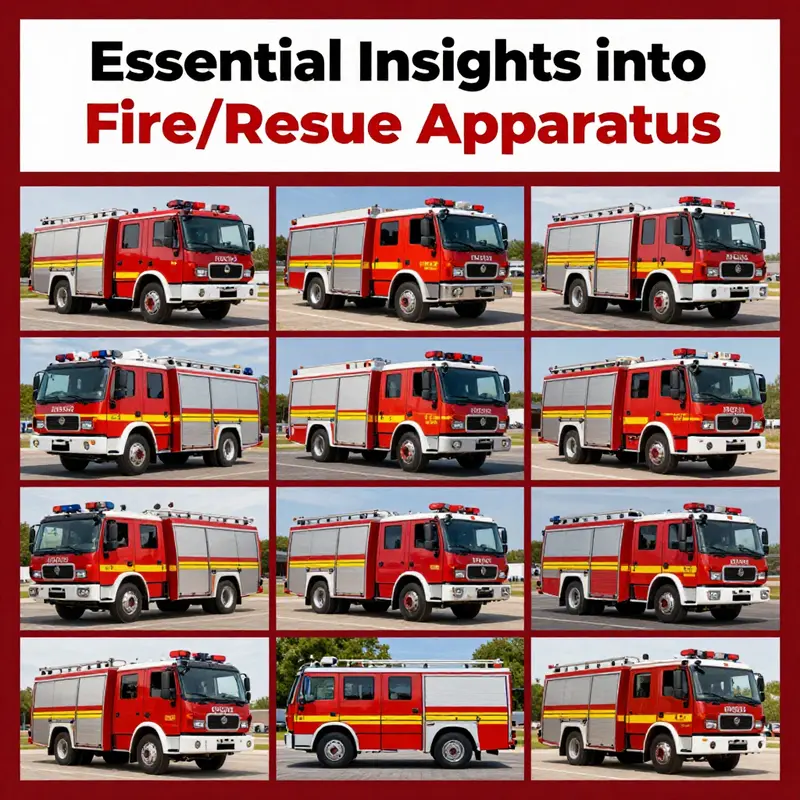
Fire/rescue apparatus plays a critical role in ensuring the safety and effectiveness of emergency responses. Designed for firefighting and emergency medical services, these specialized vehicles are integral to first responders, offering a variety of functionalities tailored for diverse incidents. In this comprehensive exploration, we will delve into the various types of fire/rescue apparatus, the intricate design and engineering that define each vehicle, the operational significance they hold during emergencies, and the stringent safety regulations guiding their construction and use. By understanding these aspects, stakeholders—from individual car buyers to auto dealerships and small business fleet buyers—can appreciate the vital role of these vehicles in public safety and emergency response efficiency.
Under Pressure, On the Move: Demystifying Fire/Rescue Apparatus and Their Roles in Modern Response
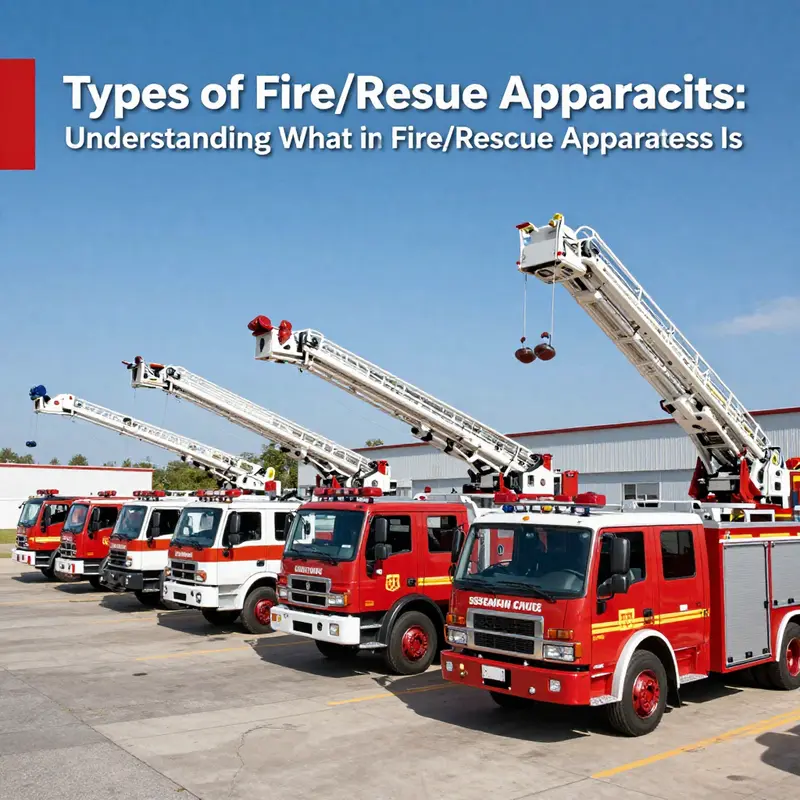
Fire/rescue apparatus is more than a vehicle with a siren; it is a platform that translates strategy into action at the moment of crisis. It is a family of purpose built machines designed to deliver specific capabilities under extreme conditions and to bring the right tools, in the right quantities, to the right place while keeping responders safe and increasing the chances of saving lives and protecting property. The apparatus concept integrates vehicle design, equipment selection, crew training, and organizational doctrine into a single mobile asset that embodies readiness. At its core, an apparatus must adapt to a scene while maintaining a disciplined approach to the problem, balancing weight, space, payload, power, and stability with rapid deployment. Departments tailor configurations to geography, risk, and the most probable emergency types, so a city with dense high rises and limited hydrants looks different from a rural district with expansive terrain. The major types include pumpers (fire engines) that deliver water and support suppression, aerial ladder trucks that provide height and vantage points for rescue and water delivery, HazMat units for hazardous substances, and specialized rescue platforms for vehicle extrication and confined-space work. In all cases equipment is organized for fast access, and the vehicles carry onboard computers and communications that connect crews to incident command and hospital partners. The result is a coordinated system in which each unit contributes a complementary function, turning a chaotic scene into one where action can be organized, deliberate, and effective. Standards and guidance from bodies like NFPA establish the baseline for construction, performance, and safety, ensuring that departments across jurisdictions can rely on a common level of capability.
From Alloy to Action: The Materials and Engineering Behind Fire/Rescue Apparatus
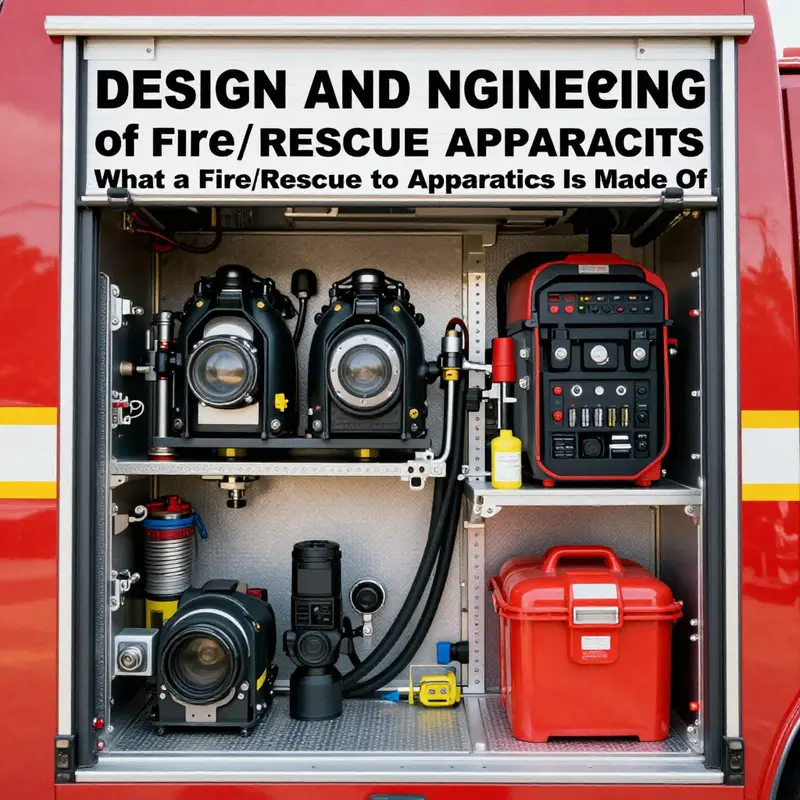
A fire and rescue apparatus is more than a moving toolkit. It is a precisely engineered system designed to endure extremes of heat, load, vibration, and atmosphere while delivering water, rescue tools, medical supplies, and life-saving capabilities where seconds count. The chapter that follows traces the threads of design and engineering that bind the vehicle’s outer shell to its innermost hydraulics, castings, composites, and sensors. It is a narrative of choices—of materials, geometry, and interfaces—that together shape performance, durability, and safety in the most demanding environments. The apparatus emerges not from a single discipline but from a composite, cross-disciplinary approach that aligns structural strength, functional layout, and operational support with the department’s mission profile and the realities of the incidents it confronts. At the heart of this approach lies a simple yet rigorous principle: the vehicle must deliver reliable performance under tough conditions, protect crew and equipment, and do so with predictable maintenance and lifecycle costs. The real engineering, then, is not only about what the chassis can bear or how fast it can deploy a ladder, but about how every material choice interacts with every system to create a coherent, survivable platform for frontline responders.
The core structure of a fire/rescue apparatus rests on a heavy-duty chassis designed to carry substantial payloads and to maintain stability across varied road grades and terrains. This foundation is then enveloped by a purpose-built body optimized for strength, weight, and access. In modern designs, lightweight yet robust materials play a central role. Aluminum alloys are increasingly common because they reduce overall vehicle weight without sacrificing rigidity or crash resistance. This weight savings translates into better fuel efficiency and enhanced maneuverability, which are particularly valuable for departments that operate in urban environments with tight streets or in rugged areas where response times are critical. The choice of metal is balanced against corrosion resistance, heat exposure, and the need to withstand environmental challenges across a vehicle’s service life. High-strength steel remains in use where maximum rigidity and impact resistance are paramount, especially in zones of the body that endure the highest stresses during travel, braking, and rough terrain. The interplay between aluminum and steel in a single vehicle is a deliberate engineering compromise, designed to optimize weight distribution, stiffness, and durability without imposing excessive maintenance burdens.
The body design itself emphasizes protection, accessibility, and the orderly stowage of diverse equipment. Panels are reinforced with internal bracing to withstand impacts and rough handling. Inside, the layout focuses on rapid access to tools and a protected environment for sensitive gear. The interior materials reflect harsh realities: shelving, racks, and flooring must resist chemical exposure, moisture, and abrasion. Fiberglass-reinforced plastics (FRP) are common for certain panels and components because they combine strength with resistance to heat and chemicals. Stainless steel is widely used in weather-facing surfaces and in tool compartments where corrosion resistance is non-negotiable. Specialized composites provide a lighter yet stiff solution for interior panels and cabinetry, helping to reduce noise and vibration while resisting the corrosion and degradation often encountered in firefighting environments. The net effect is a durable, modular interior that firefighters can navigate with confidence, reach for without hesitation, and clean efficiently after chemical exposure or water encounters.
The pump system stands as a cornerstone of firefighting capability. Its materials are chosen for reliability under high pressures and for resistance to wear from water, additives, and sediment. Cast iron and bronze have long been standard choices for core pump components due to their robust wear characteristics and ability to maintain performance under demanding flow conditions. These metals tolerate repeated cycles of high pressure and resistance to cavitation, a critical consideration when the pump must deliver a steady, pressurized stream across distances to reach the fire. Stainless steel parts may be incorporated in areas where corrosion resistance is essential, particularly in components exposed to aggressive chemicals or repeated wet-dry cycling. The pump’s architecture reflects a balance between robustness and serviceability. Components are designed for straightforward inspection, simple disassembly for maintenance, and compatibility with standard testing procedures that verify flow, pressure, and reliability in line with enforced standards.
Hydraulic systems power a broad swath of apparatus functionality, from aerial ladders to extension platforms, from stabilizers to ground ladders. The hydraulics rely on high-performance hoses, seals, actuators, and fluid reservoirs that can withstand wide temperature swings, pressure fluctuations, and exposure to firefighting fluids. Synthetic rubber and reinforced polymers are prevalent in seals and hoses because they maintain elasticity and integrity under repeated heating and cooling while resisting chemical degradation. Actuators and control valves employ materials chosen for low friction, long life, and resistance to contaminants. The hydraulic framework is carefully integrated with the vehicle’s electrical and electronic architecture to ensure precise, responsive control during high-stress operations. The result is equipment that can reach, extend, retract, and position payloads with predictable behavior, even as heat, moisture, and dust challenge the system.
When the mission shifts toward rescue operations, the engineering emphasis grows more specialized. Rescue-specific apparatus must accommodate heavy hydraulic rescue tools, winches, cutting equipment, and other devices used to extricate victims, stabilize vehicles, or breach barriers. These tools are mounted with secure quick-release systems, protecting them during transport while enabling rapid deployment when responders reach a scene. The integration balances accessibility with safeguarding against inadvertent activation, which could endanger occupants inside a vehicle or bystanders around the scene. Powering these tools may rely on onboard electrical systems or hydraulic power sources, and the design must ensure that the weight and footprint of rescue gear align with the vehicle’s overall balance and handling characteristics. The challenge is to place power, torque, and reach at the firefighter’s fingertips without creating clumsy or hazardous handling during vigorous, uncertain operations.
Beyond raw materials and mechanical arrangements, the modern fire/rescue apparatus is a sophisticated system of systems. Onboard electronics, communications suites, and data processing capabilities align with a tradition of field practicality and rising demands for situational awareness. Modern cabs and compartments may host computer-based inventory management, maintenance alerts, and real-time status indicators for pumps, hydraulics, and fuel systems. The integration of electronic controls into hydraulic and mechanical subsystems requires rigorous attention to safety, reliability, and fault tolerance. As incident scenes demand rapid decision-making, the vehicle’s information backbone helps leaders allocate resources, monitor equipment health, and coordinate with other responders. The engineering challenge in this domain is not merely adding more sensors, but ensuring that data streams remain robust under vibration, shock, and electromagnetic interference that are typical in active incident environments.
Designers also account for environmental and operator safety through every stage of development. The NFPA standards provide a defining framework for the design, construction, and performance of fire apparatus. These guidelines emphasize crashworthiness, control integrity, braking performance, lighting, and communications. The standards also cover procedures for testing pumps and hoses, ensuring that a vehicle meets consistent safety criteria regardless of its department or its geographic setting. The practical consequence of these standards is a shared baseline that enhances interoperability and reliability across jurisdictions. In the United States, NFPA 1901 has long guided the essential specifications for fire apparatus, while NFPA 1917 addresses standards specifically for automotive apparatus. These documents are not merely paperwork; they are living prescriptions that shape how manufacturers select materials, design layouts, and implement testing regimes to guarantee that each vehicle behaves as expected when it matters most. To researchers and practitioners, these standards map the opportunities and constraints of material choices, geometry, and integration strategies into a coherent, auditable process. As with any high-stakes engineering discipline, the aim is to translate blueprint logic into field performance, with safety as the non-negotiable constant.
A closer look at materials reveals the subtle but consequential trade-offs that define a vehicle’s life cycle. Aluminum’s lighter weight reduces stress on the drivetrain and improves fuel economy, yet it can be more sensitive to dents and certain forms of galvanic corrosion if not properly protected. Modern protective coatings, anodizing, and careful joinery mitigate these concerns while preserving the structural advantages of aluminum. Steel, particularly high-strength variants, lends itself to zones of the vehicle where resilience under impact is paramount. The combination of materials in a single chassis—often a hybrid approach—requires careful appraisal of galvanic effects, fastener compatibility, and thermal expansion differences. These considerations matter not only at the factory but during years of field service, where exposure to salt across coastal environments or road salt in winter can accelerate deterioration if protective measures are not diligently applied.
Interior organization is more than a matter of neatly arranged shelves. It is about reducing fatigue and saving seconds in a crisis. Durable, chemically resistant surfaces shorten cleanup times and help maintain a professional, ready-for-action appearance. Non-slip flooring reduces the risk of slips during a chaotic scene. The placement of compartments, drawers, and toolboards is guided by ergonomic principles so that a firefighter can retrieve the right tool with one confident, practiced motion. In some systems, modular designs enable departments to tailor the interior to evolving mission profiles—adding or removing storage bays as the range of typical equipment shifts, without sacrificing overall strength or safety. This kind of adaptability is a practical acknowledgment that a fire/rescue apparatus is a long-term investment, one that must remain relevant in the face of changing incident patterns and evolving toolsets.
The story of rescue equipment itself is a story of secure integration. Jaws of life and other hydraulic rescue tools require reliable power delivery, protective housing, and rapid accessibility. The vehicle’s layout must anticipate the rare but pivotal moment when responders must cut, pry, or lift a vehicle to reach trapped occupants. The mounting systems for these tools are designed to withstand the rigors of road travel and the jolt of a rough scene. A winch, cut-off tools, and auxiliary lighting must all work in concert under stressful conditions, with redundancies that minimize the risk of simultaneous failures. Safety interlocks and locking mechanisms are essential to prevent accidental activation during transport or when the vehicle is on the move, a feature that underscores the balance between readiness and restraint that governs effective emergency response design.
All of these design choices converge in the calibration of safety, maintenance, and lifecycle costs. Materials are selected not only for performance but for serviceability. The best designs anticipate wear patterns, simplify inspection routines, and facilitate field maintenance with readily available components. Coatings, sealants, and liners are chosen with an eye toward ease of cleaning and resistance to firefighting chemistry, fueling, and moisture. The result is a vehicle that not only performs well on day one but remains dependable after thousands of miles and hundreds of deployments. The continuous interaction between design intent, material capability, and field feedback is what yields an apparatus that can endure the rigors of daily service and the extraordinary demands of the worst days.
As the field evolves, designers increasingly consider the implications of global contexts and differing operational realities. In regions where budgets, terrain, and maintenance capacity vary widely, the concept of customizable firefighting vehicle solutions becomes a practical pathway to achieving reliable performance without compromising safety. Departments can balance initial costs with life-cycle savings by opting for modular interiors, adaptable pump configurations, and scalable hydraulic systems. These approaches demonstrate that engineering is not only about maximizing performance in a single scenario but about enabling versatile, durable responses across diverse environments. The idea is to build a platform that can be refitted, upgraded, or reconfigured as needs shift while maintaining alignment with safety standards and core reliability metrics. This pragmatic flexibility is a core virtue of modern apparatus design and a reminder that engineering, at its best, serves enduring public safety needs.
To connect these design threads to real-world practice, consider the importance of standards as a shared language among engineers, fire departments, and manufacturers. NFPA 1901 establishes the framework for the construction and performance of fire apparatus, driving consistency in how vehicles are built, tested, and evaluated. NFPA 1917 complements this by addressing automotive apparatus specifics, reinforcing the expectation that critical subsystems—such as pumps and hydraulics—operate within well-defined parameters. Compliance with these standards is not merely bureaucratic; it translates into a predictable, auditable level of performance that responders can rely on during the most demanding operations. When a department evaluates a potential vehicle, the standard-driven design criteria provide a transparent baseline for comparing materials, structural topology, and subsystem integration. In other words, standards shape risk, and by shaping risk, they influence the everyday realities of firefighting and rescue work.
A practical takeaway from the material and engineering discussion is this: the fire/rescue apparatus must be comprehensible to the people who use it. It must feel like an extension of a firefighter’s body and a trusted partner in danger. That comprehension arises from a consistent feel across departments, a familiar response to familiar controls, and a predictable performance envelope that is understood through training, practice, and maintenance. The vehicle’s materials, geometry, and integration work together to create a platform that responds not with hesitation but with confident, repeatable action. The training tower, the certification courses, and the hands-on maintenance routines all hinge on this shared design reality. When crews arrive at a scene, the apparatus should not demand mental gymnastics to access a tool or operate a system; instead, it should react with muscle memory—a direct, intuitive link between human intention and machine response. This is the essence of engineering in emergency services: it is the art of making complex systems behave simply under pressure.
For readers who wish to explore further, the official standards provide the authoritative map of what is possible and expected. They connect the everyday craft of sheet metal, welding, and hydraulics to the broader discipline of public safety. The standards frame not only what is required but what is possible when engineering discipline, manufacturing discipline, and frontline experience converge. As technology advances—through improved corrosion-resistant coatings, smarter electronic controls, and more capable power systems—the core principle remains constant: every material choice and every interface is an opportunity to improve outcomes for responders and the people they serve. The result is a vehicle that embodies resilience, reliability, and readiness, built to endure the long arc of service that defines a fire department’s mission.
To deepen the reader’s connection to the broader conversation about adaptable and resilient apparatus design, consider a resource focused on customizable firefighting vehicle solutions. This resource discusses how departments in varied contexts can tailor vehicle configurations to diverse terrains and budgets, while keeping reliability and service support at the forefront. See: customizable-firefighting-vehicle-solutions-for-developing-countries-reliable-cost-effective-and-fully-supported/ for a detailed exploration of adaptive design strategies that complement the core principles outlined above. While the examples emphasize global contexts, the underlying engineering priorities—weight management, corrosion protection, modular interiors, and robust hydraulic systems—remain universal. And for a broader, standards-based understanding of how these concepts translate into practice, consult the NFPA standards database for the official Fire Apparatus Standard (NFPA 1901) at nfpa.org, which provides the authoritative reference point for design, construction, and performance expectations across jurisdictions.
External resource: https://www.nfpa.org/Standards/Fire-Apparatus-Standard-(NFPA-1901)
Lifelines on Wheels: How Fire/Rescue Apparatus Orchestrates Speed, Strategy, and Safety in Emergencies
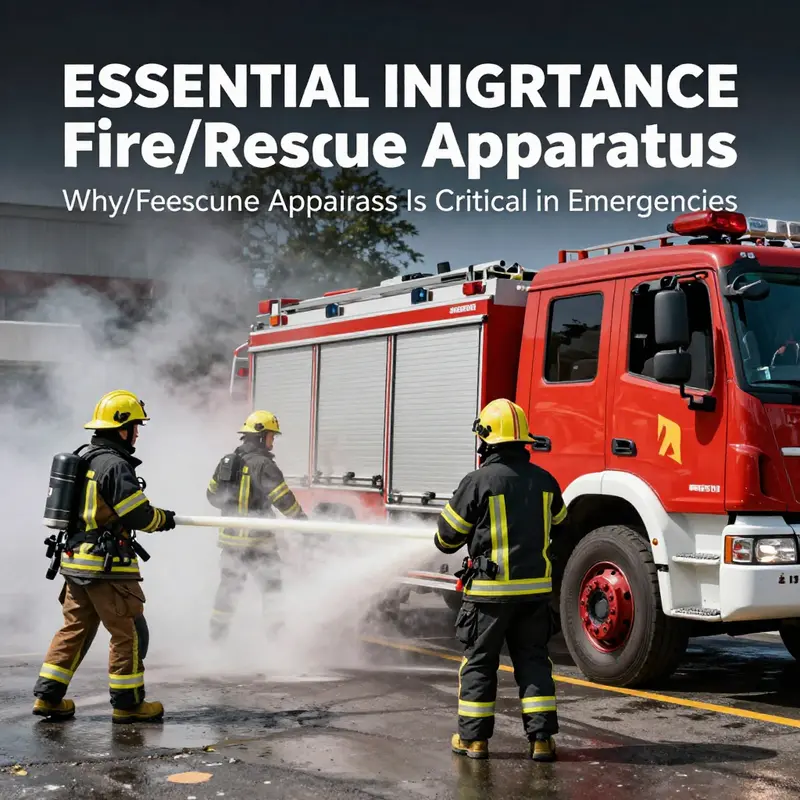
When the alarm cuts through the noise of a city street or a rural lane, the kind of vehicle that arrives on scene can shift the odds in seconds. A fire/rescue apparatus is more than a conveyance; it is a mobile instrument of decision-making, a compact command center, and a rolling toolbox that translates training into tangible action. In its steel frame and carefully organized compartments, a complex array of capabilities waits to be deployed: water and foam for firefighting, ladders for reaching heights no human can safely climb, hydraulic rescue tools for extrication, medical supplies for immediate care, and the protective gear that keeps responders in the fight long enough to save lives. The design of these vehicles is not incidental; it is a deliberate fusion of rugged durability, modular adaptability, and rapid accessibility. Each department’s needs shape the configuration, but the core mission remains constant: bring the right tools, to the right place, at the right time, with the right information to guide action.
The architecture of a modern fire/rescue apparatus reflects a deep recognition that emergencies are dynamic, often unfolding in unpredictable ways. A pumper, for instance, is built around a reliable water supply and the ability to pressurize hoses so crews can attack a blaze with control from the outset. Its bays must accommodate hoses of varying diameters, couplings, foams, and nozzles, while cockpit ergonomics prioritize quick access to controls and a clear line of sight for the driver and officer in charge. Aerial ladder or platform trucks, by contrast, emphasize reach and stability. They carry extendable booms and elevated work areas that allow firefighters to combat fires from above, conduct rescues in high-rise environments, and illuminate scenes that would otherwise be hampered by darkness or debris. Rescue units widen the spectrum further still; they are conceived for the most stubborn extraction tasks—vehicles crushed in collisions, collapsed structures, or cramped spaces where patients cannot be reached through conventional means. The common thread among these configurations is not only the tool kit but the intentional placement of equipment so that trained hands can operate with speed and precision under pressure.
Beyond the physical kit, the apparatus carries a philosophy of readiness. Modern vehicles are designed to withstand the rigors of extreme heat, wet weather, and rough terrain while remaining mission-ready. They house water tanks, pressurized hoses, foam systems, and breathable air supplies, and they safeguard life-saving devices such as oxygen tanks and defibrillators. The onboard storage is arranged so that life-saving equipment is within arm’s reach of the crew entering a scene, rather than buried behind a wall of gear. This is not a cosmetic concern; it translates directly into outcomes. In a medical emergency within a smoke-filled structure, for example, every second saved by swift access to a chest seal or airway kit can determine whether a patient is stabilized before transport. In a vehicle collision, the rapid deployment of a hydraulic rescue tool can mean the difference between a slow, painful extrication and a controlled, compassionate rescue that minimizes further injury.
Alongside these life-critical elements, the vehicles stand as centers of coordination. Sirens and lighting are not mere theatrics; they signal intent, establish scene priority, and help align multiple responding units under a single plan. Two-way radios, interoperable communications, and onboard computer systems knit together the dynamic picture of an unfolding incident. A single incident command can view real-time status updates, track resource allocations, and adjust tactics as conditions change. GPS-based routing directs crews away from congested corridors, prioritizing paths that preserve precious minutes when every moment counts. The ability to share data between the apparatus, the dispatch center, and mutual-aid partners creates a web of situational awareness that is essential as incidents evolve from a single flame to a multi-scene, multi-team operation.
However, the speed and reach of an apparatus are only as good as the people who operate it. The equipment, no matter how advanced, becomes meaningful only when a crew understands its logic, its limits, and its maintenance regime. Training is the hinge that connects potential to performance. Fire/rescue personnel practice not only the mechanical steps of deploying lines, raising ladders, or cutting through metal but also the cognitive choreography of risk assessment, tactical sequencing, and resource triage. They learn how to read a scene in minutes, anticipate complications, and adapt plans while maintaining crew safety and patient care. The apparatus, therefore, is a partner in training as much as in operation; its design codifies standard procedures, while its flexibility accommodates the improvisation that real emergencies demand.
The operational value of fire/rescue apparatus compounds when it operates within the broader ecosystem of emergency response. In a structure fire, the apparatus serves as a moving anchor for incident command, driving the tempo of entry, fire attack, exposure protection, and eventual overhaul. In vehicle collisions, its combination of stabilization equipment, lighting, and rapid extrication tools accelerates patient access and safe removal. In hazardous-materials scenarios, specialized compartments and containment capabilities enable responders to secure and mitigate threats before they spread. In medical emergencies, crews can deliver advanced life support in the safest possible environment, even when seconds matter. This breadth of capability is not accidental; it is the result of decades of evolving standards, engineering refinements, and field feedback that have been distilled into a pragmatic, mission-ready platform.
A crucial aspect of this operational efficiency lies in the accessibility and organization of equipment. Compartments are not merely storage; they are the architecture of action. The layout dictates how quickly a tool can be retrieved and deployed without compromising safety. The order in which hoses coil, the placement of heavy equipment relative to doors, and the routing of power and hydraulic lines collectively shape the crew’s ability to execute a plan under duress. In practice, this means that a well-designed apparatus reduces cognitive load during a crisis. When a driver, a captain, or a firefighter consults a plan of attack, they must not fight with the vehicle as they work; they must be able to work with the vehicle in concert with the plan. In that sense, equipment design and interior ergonomics function as force multipliers, turning human skill into tangible, faster outcomes on the ground.
Technology also plays a central role in translating battlefield lessons into safer, smarter responses. Onboard computers, integrated with GPS and digital mapping, enable real-time situational awareness and resource management. A crew can pull up hydrant locations, nearby water supply sources, or structural layouts while en route and adapt their approach before they arrive. This digital layer helps spread information across incident scenes and across departments, supporting coordinated action during complex events. The result is not merely faster action but more disciplined action: a defense in depth that reduces exposure to danger and increases the likelihood of a successful outcome for both civilian and responder safety.
With this frame in mind, it is useful to consider the broader standards that govern the construction and operation of these vehicles. The National Fire Protection Association’s standards for automotive fire apparatus set out specifications for vehicle construction, performance, and safety features, ensuring a baseline of reliability and interoperability across departments and regions. These standards influence not only the physical build of the apparatus but also the expected capabilities, maintenance requirements, and safety procedures that accompany ordinary use and extraordinary incidents alike. The objective is clear: to create vehicles that can be depended upon in the most demanding situations, while remaining adaptable to local contingencies and evolving tactics. For more information on these standards and related guidelines, refer to the NFPA and USFA resources that guide nationwide practice and compliance.
In many discussions about how best to deploy and optimize fire/rescue apparatus, the question of adaptability comes to the fore. Not every department operates in the same climate, geography, or budget, and the most effective solutions acknowledge those realities. In some regions, the emphasis may be on rugged reliability and cost efficiency, while in others, advanced technology and modular configurations may be prioritized to meet high-volume urban demand. The core principle, however, remains consistent: the right combination of vehicle design, equipment, training, and coordination translates into faster response, more precise execution, and safer outcomes for the people and places that depend on rescue services. A useful way to understand this balancing act is to explore how specialized fleets respond to local conditions without compromising the overall standard of care.
In this vein, one can find thoughtful discussions about tailoring firefighting and rescue fleets to diverse environments, including resources that detail customizable firefighting vehicle solutions for developing countries. These conversations emphasize reliability, cost-effectiveness, and sustained support as essential pillars of a successful program. They remind us that the core goal is not simply to equip a truck with bells and whistles but to ensure that the apparatus remains a dependable partner over years of use, maintenance demands, and shifting operational needs. For readers interested in these localized design considerations, a detailed exploration is available at Customized firefighting vehicle solutions for developing countries.
As the scene evolves, the integrity of the apparatus becomes a live measure of what a department can achieve under pressure. The ability to mobilize quickly, reach the right location, provide immediate care, and support a coordinated response across multiple units depends on a chain of reliability—from the driver’s skill and the captain’s command to the chassis’ robustness and the equipment’s readiness. The science of turning these elements into consistent, dependable performance rests on a shared commitment to training, maintenance, and continuous improvement. It is an iterative process: field experience informs design refinements, standards codify minimum expectations, and ongoing education reinforces the decision-making framework that keeps crews safe while saving lives.
In the end, the operational importance of fire/rescue apparatus is about more than transporting gear. It is about translating knowledge into momentum, plans into action, and teamwork into outcomes. The vehicle an incident response team arrives in is a symbol of the organization’s capability—an embodiment of the commitment to public safety. When crews learn to leverage the full range of a vehicle’s capabilities—water delivery, elevated reach, rapid extrication, lighting for visibility, and data-driven routing—they are able to turn uncertainty into structure. The most effective responses emerge not from a single heroic moment but from a synchronized sequence of actions, each supported by the instrument that carries the team into the future of emergency management.
External resource: For broader standards and guidelines, see NFPA: https://www.nfpa.org/Standards/1917
Safeguards on the Front Line: Standards and Safety Regulations That Make Fire/Rescue Apparatus Safe and Reliable
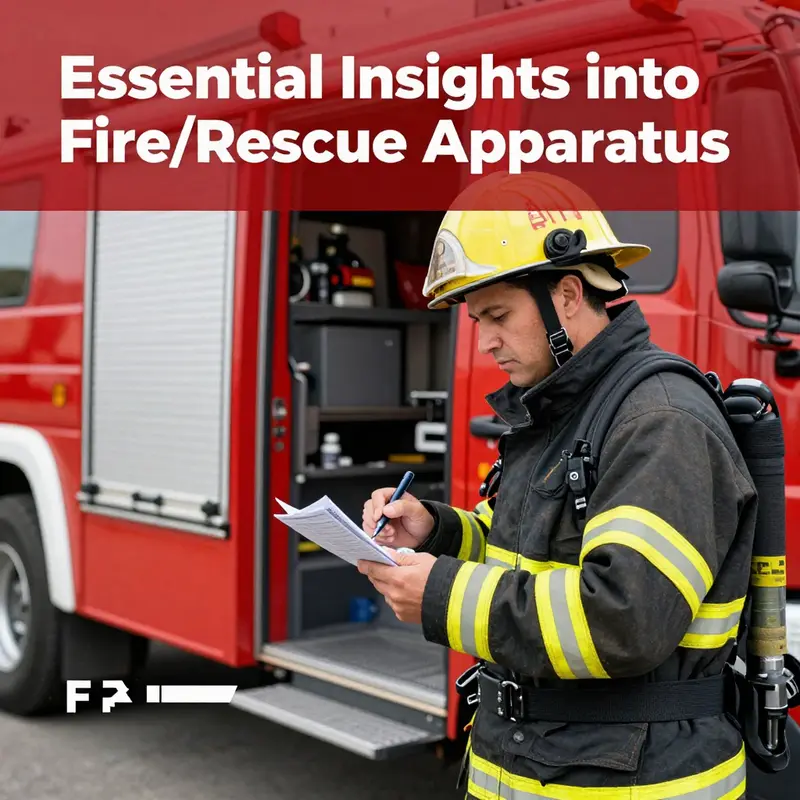
A fire and rescue apparatus is more than a rolling toolbox; it is a mobile platform built to sustain life at the worst moments of a community’s emergency. The chapter that follows links the practical immediacy of incident response with the architecture of safety that underpins every mission. At its core lies a web of standards and regulations that bind design, construction, maintenance, and operation into a coherent system. These rules are not abstract. They shape the way responders are protected, how quickly a crew can reach a scene, and how reliably the vehicle will function when every second counts. The most foundational framework in the United States is the NFPA 1917 Standard for Automotive Fire Apparatus, a document that delineates, with exacting care, the expectations for chassis, body structure, pump functionality, aerial devices, lighting, and operator controls. NFPA 1917 does not merely specify how a vehicle should look; it codifies how it must perform under stress, how it must endure repeated use, and how it must safeguard the people who operate it and the citizens who depend on it. The standard’s reach extends beyond the factory floor into the shop bays of every department, guiding maintainers, trainers, and inspectors through every phase of a vehicle’s life.
To truly appreciate the gravity of these standards, it helps to start with the broad scope NFPA 1917 covers. The chassis and body structure are addressed with a clarity that reflects one primary aim: the vehicle must hold up under the physical demands of real-world firefighting and rescue operations. The tests and criteria consider how a vehicle should respond to rough terrain, heavy loads, and abrupt maneuvers. The pumping system, a critical lifeline at incidents, receives detailed attention to ensure that flow rates, pressures, and priming performance meet predefined benchmarks. Aerial devices, which enable elevation and access in multi-story environments, are held to the same rigorous scrutiny to verify stability, reach, and control in dynamic conditions. Lighting and warning equipment are not afterthoughts but essential elements of visibility and safety, designed to be unmistakable in rain, smoke, or glare. Operator controls must be intuitive, allowing responders to access critical functions quickly even in the most stressful moments. The document’s insistence on these components speaks to a larger principle: safety is built into capability.
Within NFPA 1917, the notions of crashworthiness, structural integrity, and operational reliability arise as distinct yet interconnected pillars. Crashworthiness is about more than survivor protection in a collision. It encompasses the entire occupant safety concept—seat design, seat belts, restraint systems, airbag equivalents in commercial terms, and how the interior layout reduces the chance of injury when a dash or cab experiences kinetic impact. The goal is to preserve life and permit responders to function immediately after a jolt or impact. Structural integrity, meanwhile, ensures that the body and chassis can bear the cumulative loads of water, ladders, hoses, and equipment deployed in the field. It’s about resisting the bending, twisting, and fatigue that come from regular use in unpredictable environments. The emphasis on structural durability acknowledges that these vehicles live through long careers, often in environments that test every bolt and seam. Operational reliability is the thread that holds these ideas together in practice. A rescue call may hinge on the dependable operation of electrical systems, hydraulics, communication gear, and cooling mechanisms during hours of strenuous activity. NFPA 1917 expects that critical systems perform when called, not merely in a controlled environment.
A concrete example of how these standards translate into everyday practice can be seen in the testing procedures for pumps and the requirements for emergency lighting. The standard prescribes testing protocols that validate that pumps deliver specified water flow at target pressures, under varied temperatures and load conditions. It also requires that emergency lighting meet visibility criteria across environments—night, day, rain, or smoke—so that responders can be seen and can see their own instruments and surroundings. The insistence on such observable performance is not cosmetic; it is a direct line to reduce on-scene hazards and to increase a team’s ability to operate cohesively in the face of danger.
Beyond NFPA 1917, state-level regulations provide an additional layer of governance that connects federal and national benchmarks to local realities. In Washington State, for example, RCW 46.44.190 reinforces the idea that all firefighting apparatus must comply with applicable federal and state vehicle operating and safety criteria. This is not a mere formality. It ensures that local departments, which are the first line of accountability for the equipment they deploy, operate vehicles that have undergone external vetting for safety and performance. State statutes like RCW 46.44.190 shape procurement, maintenance cycles, inspection schedules, and the responsibilities of the Authority Having Jurisdiction (AHJ) within a given district. They also create consistency across neighboring jurisdictions, so mutual aid responses do not become a patchwork of incompatible equipment and safety practices.
The interplay between national standards and state laws creates a robust regulatory architecture that minimizes risk during critical operations. On the ground, this means a department that acquires a new vehicle, or that refurbishes an older one, must ensure compatibility with NFPA 1917’s criteria while satisfying state-specific mandates. Procurement teams and fleet managers translate these requirements into checks during the bidding process, selecting chassis, body configurations, pump mechanisms, and safety features that align with the standard’s expectations. Once a vehicle is in service, ongoing compliance becomes a daily discipline: preventive maintenance checks, routine inspections, and periodic recertifications. The AHJ evaluates whether a given vehicle remains compliant through inspections and audits, acting as the final gatekeeper that preserves safety for operators and the public alike. This lifecycle approach embodies a philosophy that safety is not a one-time achievement but a continuous obligation.
The governance framework also drives how departments approach training and competency. While NFPA 1917 focuses on the vehicle as a system, the human operators who manage, drive, and deploy its equipment operate within the same safety-first culture. The standard interacts with training standards and certification programs to ensure that responders understand the capabilities and limits of their apparatus. The equipment becomes meaningful in the hands of trained personnel who know how to optimize pump operations, deploy aerial devices, and manage critical electrical and mechanical subsystems under the pressure of an emergency scene. In this sense, the standard’s value is amplified when paired with robust training that interprets its requirements into real-world proficiency. For those pursuing careers in fire and rescue, engaging with and internalizing these standards is foundational—almost a prerequisite to effective service. A resource that reinforces this link between standards and practical training is a widely used training hub that offers fire safety essentials and certification pathways. Readers who are navigating their professional development can explore materials such as Fire Safety Essentials Certification Training, which provides practical guidance and credentialing avenues aligned with the safety mindset NFPA 1917 embodies. Fire Safety Essentials Certification Training.
Procurement and maintenance practices are another visible manifestation of how standards shape daily operations. When departments select an apparatus, they are guided by a matrix of requirements that encompasses not only the core performance metrics but also the ease of maintenance, the availability of spare parts, and the predictability of service intervals. The standard’s emphasis on reliability translates into design choices that favor redundancy and fault tolerance. Designers and engineers must consider how critical systems can be isolated for service without compromising protective features or response times. Routine maintenance schedules, inspections, and defect reporting are not bureaucratic afterthoughts; they are the heartbeat of a fleet that must be immediately ready for service after every mission. In practice, this means that departments invest in trained mechanics, standardized repair procedures, and documentation that tracks the apparatus’s life story—from initial testing to last service—so that any emerging issue can be traced to root causes and addressed before it becomes a constraint during a future incident.
Another layer of consideration arises when reflecting on how these standards accommodate ongoing technological advances. Modern firefighting and rescue operations increasingly rely on integrated systems: advanced communications, onboard data collection, diagnostic interfaces, and even sensor-driven health monitoring for equipment. NFPA 1917 and related regulatory expectations accommodate such evolutions by embracing modularity and interoperability. While some departments may adopt incremental upgrades, the overarching requirement remains that the core safety and performance thresholds are met in every configuration that enters service. This approach protects against a drift toward feature-only improvements that might compromise structural or operational integrity. In effect, standards act as a brake and a guide: they prevent dash improvements from overshadowing essential safety properties while inviting innovation that truly strengthens responders’ capabilities.
The regulatory framework also recognizes the diverse environments in which departments operate. A city with dense urban cores, a rural district with long response times, or a region with varied terrain all deserve vehicles that can fulfill their roles without sacrificing safety for speed. The standards acknowledge this by allowing for customization within structured limits. Designs may adapt to geography, climate, and mission mix, as long as the resulting configuration remains compliant with the essential safety and performance criteria. This balance between uniform safety benchmarks and local adaptability is what makes the system robust. It ensures that no matter where a department operates, the vehicle will perform predictably when needed most, while also accommodating the practical realities of budgets, maintenance capacity, and mission priorities.
The regulatory conversation does not end with the vehicle itself. It extends to the broader ecosystem of operation, training, and culture within a department. An effective AHJ will couple inspections with clear corrective action processes, ensuring that any mismatch between a vehicle’s capabilities and an incident’s demands is identified and resolved promptly. Departments often pursue formal certification programs that confirm technicians and operators possess the knowledge required to maintain and operate specialized equipment safely. In this way, standards catalyze a living ecosystem where design, maintenance, training, and operation reinforce one another. The end result is a fleet of apparatus that is not only technically compliant but also trustworthy in the field—a critical asset for communities that rely on rapid, coordinated responses to emergencies.
The regulatory landscape is dynamic, with standards periodically revised to reflect new evidence, lessons learned from field experience, and innovations in materials and propulsion. Keeping pace with revisions requires a disciplined approach: planned updates to procurement specs, scheduled refurbishments, and ongoing professional development for operators and maintenance personnel. In the end, the shared goal remains constant. The apparatus must be ready to perform when called upon, with safety features verified, structural integrity maintained, and critical systems prepared for the unpredictable nature of emergencies. The public relies on that readiness, and the responders depend on the confidence that the vehicle will not fail at a critical moment. The regulatory framework, then, is not a formality but a pledge to the safety of all who rely on these machines, from the first responders who enter a scene to the neighbors who wait for a return of normalcy.
For readers seeking the authoritative, up-to-date landscape of these standards, the NFPA’s standards portal is the definitive resource. It hosts the current edition of NFPA 1917 and surrounding guidance, ensuring that departments, manufacturers, and inspectors operate from a common baseline. As these standards evolve, so too does the practice of safety management in fire and rescue operations. The result is a profession that continually raises the bar for what it means to be prepared, protected, and reliable on the road and at the scene. To the extent that readers may want to pursue further reading or connect to broader professional networks, consider engaging with the linked training resource noted above and, when ready, consult the official NFPA codes and standards repository for the latest information. The rigorous interplay of design, enforcement, and education embodied here serves as a compelling reminder that a fire/rescue apparatus is a mission-critical tool whose safety and reliability are earned through disciplined standards compliance, ongoing training, and unwavering attention to maintenance and governance. For ongoing reference to the latest standards, visit the NFPA’s official codes and standards hub.
External reference: The latest edition and official guidelines are available through the NFPA standards portal at https://www.nfpa.org/codes-and-standards/
Final thoughts
Understanding fire/rescue apparatus is essential for recognizing their critical role in public safety and emergency services. From the diverse types tailored for specific functions to the meticulous design and engineering that ensure reliability, these vehicles are indispensable tools for first responders. Moreover, operational effectiveness and adherence to safety standards are paramount, reinforcing the importance of these apparatus in safeguarding lives and property during emergencies. As individuals and organizations engaged in vehicle procurement, recognizing these elements allows for informed decisions that enhance community safety and effective response capabilities.

