

The entry into a fire rescue career is a path laden with both challenges and rewards, particularly when navigating starting salaries. New firefighters in the United States typically earn between $30,000 and $40,000 annually, yet various factors such as regional cost of living, departmental funding, and specialized roles can create notable variability in this range. Understanding these aspects is essential not only for aspiring firefighters but also for stakeholders within the automotive industry integrally involved with fire rescue operations. Each chapter will discuss regional salary variations, the significance of benefits beyond mere wages, national averages and their implications, controversial pay structures in specialized roles, and projected job market trends—providing a comprehensive overview of fire rescue salaries.
Regional Currents and the Pay Curve: How Local Budgets Shape Starting Salaries in Fire Rescue Careers
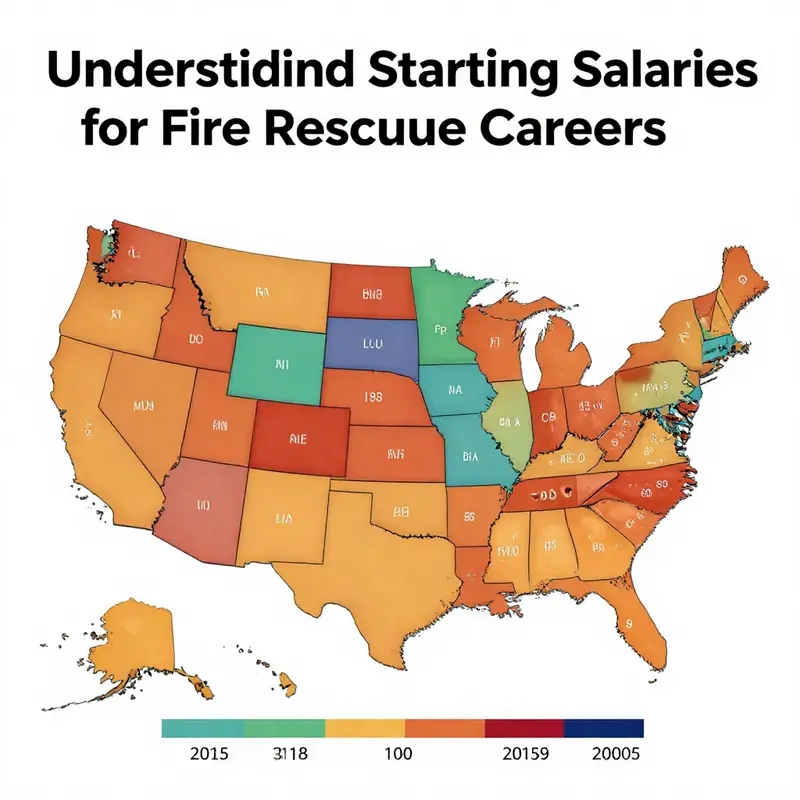
Across fire and rescue services, the starting pay for new firefighters is far from uniform. In England, the formation of Regional Management Boards (RMBs) has aimed to streamline governance, share resources, and modernize operations. Yet this regional governance structure also highlights a crucial reality for aspiring firefighters: starting salaries hinge as much on where you work as on what you bring to the job. The latest data from 2025 places entry-level firefighters with zero to five years of experience in a broad band, typically around £30,000 to £40,000 per year. But that band is not a universal ceiling, and the distance between the top and bottom of it can stretch or compress depending on region, budgeting cycles, and how quickly RMBs are implemented and valued by local councils. When people ask about the cost of entering a fire career, they are not just asking about the headline figure; they are asking to understand how a local economy, a regional strategy, and a national framework come together to shape a fresh recruit’s first paycheck and, importantly, the total value that role can offer over time.
From a practical standpoint, regional variation arises from several interconnected forces. First, the economic health of a region matters. Areas with higher living costs—often in a corridor around major cities or in districts with significant housing demand—tend to push baseline pay upward to attract and retain talent. Conversely, regions facing tighter budgets may offer lower starting figures, even as service demands remain constant. The RMBs complicate this landscape in a constructive way: they are designed to coordinate procurement, share training resources, and align modernization plans across multiple local authorities. When RMBs function effectively, they create bargaining power and leverage for enhanced pay scales, clearer progression routes, and more predictable recruitment packages. When their progress stalls or remains uneven, some fire services can experience slower progression in pay policy, which translates into a flatter starting salary landscape and a slower pathway to improved compensation in the early career years.
Consider two broad regional narratives within this framework. In the Northeast, where RMBs have gained traction and where there is a track record of consolidated budgeting and strategic prioritization, departments often channel funds toward staffing with a view to long-term resilience. That approach can translate into more competitive starting packages for new recruits, a willingness to piggyback on modernization schemes, and a faster route to enhanced pay as experiences accrue. Recruiters who emphasize regional planning may also highlight additional benefits tied to regional contracts, joint training facilities, and shared equipment programs, all of which can enhance the overall value of a starting role beyond the annual salary alone. In the Southeast, meanwhile, some areas report slower progress in implementing RMBs or stricter adherence to local austerity measures. Here, even when the day-to-day duties are the same, the starting salary for a new firefighter may appear more modest, reflecting the local authority’s budgeting constraints and prioritization choices. The same role, the same call load, but the number on the pay slip can vary when the regional governance environment is not as fully developed or as aggressively funded.
This is not merely a matter of regional pride or policy nuance. For individuals weighing a career in fire rescue, the regional pay picture interacts with cost of living, housing markets, and the broader benefits package offered by a service. A starting salary in the range of £30,000 to £40,000 can be a solid entry point, especially when complemented by benefits such as pension schemes, health coverage where applicable, paid leave, and provisions for training and professional development. Other pieces of compensation—tuition reimbursement, access to advanced training, and opportunities to apply for specialized roles—often rise in tandem with the governance and funding strength of a region. In some parts of the country, a favorable regional framework can accelerate both salary growth and career mobility, while in others, the same salary might come with limited upward movement if a department faces ongoing budgetary pressures.
For someone early in their career, the pay picture must be read in conjunction with the complete compensation ecosystem. The tangible cash figure is only part of the story. In many services, the value of the pension plan, healthcare provisions, and paid time off can significantly shape long-term financial security. Training opportunities, tuition reimbursement, and access to state-of-the-art equipment also contribute to a career’s overall appeal, potentially tipping the scales when deciding between two otherwise similar vacancies. The regional variation thus becomes a reminder that a starting salary is a first impression, not the full portrait. When evaluating offers, prospective firefighters should weigh not only the headline salary but also the structure of pay progression, the strength of the retirement package, and the clarity of the career ladder within a region.
This nuanced landscape invites practical guidance for job seekers and career planners. If a candidate is focused on long-term earning potential, they should investigate how regional pay scales align with cost-of-living indices and housing markets in the area where they intend to work. Local authority budgeting reports, budget consultation documents, and annual pay reviews published by the Fire and Rescue Services Pay Review Body offer essential signals about where pay evolutions may be headed. It is advisable to compare not only current starting salaries but also the typical growth trajectory over the first five years, including any increments tied to qualifications, certifications, or specialized postings. In many cases, a department with a slightly lower starting pay but robust progression opportunities may yield greater cumulative earnings over the same initial period.
For those seeking a clearer lens into the practical implications of these regional dynamics, the linked resources provided by official channels can be invaluable. In particular, the UK government’s pay review framework offers the most authoritative, up-to-date picture of how shifts in policy and funding translate into actual pay scales across regions. Prospective applicants can also consult local fire service postings to understand the exact salary bands and the geographic nuances they reflect. And there is value in broader contextual reading as well: professional narratives about training and career development illuminate how early investments in certificates and qualifications translate into long-term earnings and job security. For readers who want a concise, accessible overview of how training feeds into career progression and pay, the FireRescue blog offers clear, practical commentary that complements official pay data. FireRescue blog
As a practical takeaway, aspiring firefighters should approach the region as a critical variable in their career planning, not as an afterthought. Where a role sits within the RMB-informed ecosystem can shape the pace of salary growth, the ease of access to advanced training, and the likelihood of early-step promotions. The regional differences also underscore the importance of selecting a service that aligns with one’s personal and professional priorities. If the goal is to maximize early-career compensation, it may be worth prioritizing regions with stronger RMB alignment and documented progression paths. If the goal is to build a broader base of experience, a department that offers superior training and a clearer ladder to higher ranks, even with a modest starting salary, could prove more valuable over the medium term.
For readers who want to triangulate these insights, official sources remain essential. The Fire and Rescue Services Pay Review Body provides the formal framework for wage development, and local fire services publish current pay scales and progression routes. Cross-referencing these sources with regional planning documents can yield a robust view of what starting salaries mean in practice, including the likely trajectory over the first five years. It is also worth noting that the UK system emphasizes ongoing professional development as a key component of career advancement, meaning that early investment in training can amplify earnings and job satisfaction long after the initial pay is set.
In sum, the starting salary for a new firefighter in the UK sits within a defined band, but the real-world experience of that pay is colored by regional governance, local budgets, and the pace at which RMBs are able to modernize and coordinate services. Northeast regions with stronger regional governance may offer more robust early compensation and faster progression, while areas where RMB rollout is slower or budgets are tighter may see more modest starting figures. When map-reading the early career landscape, one should look beyond the headline number to the broader package, the opportunities for advancement, and the regional strategic priorities that shape how a fire service invests in its newest recruits. This awareness equips applicants to make informed choices and, eventually, to navigate toward roles that align with both financial goals and professional aspirations. For more practical context on how training and certification feed into your early career, explore the linked resource above and consider how your own qualifications might accelerate your trajectory within a region that values modernization and people-centered leadership. External resource: https://www.gov.uk/government/organisations/fire-and-rescue-services-pay-review-body.
Beyond the Paycheck: Elevating the Start of a Fire Rescue Career Through Benefits

Beginning a career in fire and rescue is a decision shaped as much by what you gain beyond the first paycheck as by the base salary itself. The starting salary for entry-level firefighters in the United States typically ranges from $30,000 to $40,000 per year, and this band reflects differences in location, department funding, and the local cost of living. In large, high-cost regions such as bustling coastal metros, the base pay tends to approach the upper portion of that range, while smaller towns and rural departments often begin closer to the lower end. Yet these numbers are only the surface of a much larger equation. When evaluating a fire and rescue position, many applicants discover that the day-to-day realities, long-term security, and personal well-being hinge on a set of benefits that extend far beyond the annual figure. In practice, the true value of a first job in this field emerges through a holistic view of compensation, one that balances salary with health protections, retirement security, time off, and professional growth opportunities that keep a career both sustainable and meaningful.
Health insurance and retirement plans form the bedrock of this broader compensation picture. Departments typically offer robust health coverage designed to protect the physical health required by one of the most demanding public safety roles. A solid health plan reduces the risk of financial strain when illness or injury occurs, which is especially important given the physically taxing nature of firefighting and rescue work. Alongside medical coverage, most departments provide retirement savings plans that help protect financial stability long after the badge is worn. For many firefighters, a defined benefit or a strong employer contribution to a defined contribution plan translates into a reliable foundation for retirement, turning today’s shifts into tomorrow’s security. Imported into this framework are paid time off provisions—vacations, sick leave, and personal days—that acknowledge the importance of rest and recovery in a job that demands peak performance under stress. PTO is not merely a luxury; it’s essential for maintaining mental and physical health over a career that can span decades. In addition to time off, tuition reimbursement or forgiveness programs commonly accompany entry-level roles, signaling an investment in long-term skill development. The chance to pursue higher education or advanced certifications without shouldering crushing debt adds a meaningful layer of value that reverberates through every promotion and role‑specific duty you may take on later.
The value of benefits expands further through structured opportunities for professional development and advancement. Fire and rescue agencies increasingly recognize that ongoing learning isn’t optional but integral to public safety. From foundational training that ensures operational readiness to advanced certifications that broaden leadership capabilities, a career ladder forms as much through education as through on-the-job experience. In practice, this means departments may support you as you pursue additional courses, specialized training, and leadership credentials that open doors to promotional opportunities, task force assignments, or community safety initiatives. A seasoned professional can become an instructor, a program developer, or a liaison for emergency planning—paths that leverage experience into influence and impact. In this context, the value of the starting position grows as you gain expertise, command more complex scenes, and contribute to the department’s evolving needs.
Mental health support is another critical, sometimes overlooked, component of total compensation. The nature of emergency response work exposes responders to trauma, stress, and demanding shifts that can weigh on emotional well-being. Recognizing this, many fire and rescue departments now offer counseling services, peer support programs, and stress-management resources designed to preserve long-term mental health. Access to these services not only supports daily resilience but also enhances career longevity by reducing burnout and promoting healthier coping strategies. The normalization of mental health care within the profession signals a broader cultural shift toward sustainable service, ensuring that responders can remain effective in the field while preserving personal well-being for years to come.
Beyond health and mental wellness, the sense of camaraderie and mission-driven culture within fire and rescue organizations represents another form of compensation that is deeply valued by practitioners. Teamwork is not simply a operational necessity; it can become a defining element of job satisfaction. The close-knit bonds formed on the fireline translate into a shared purpose that sustains morale through dangerous calls, long hours, and the demanding physical environment of the job. This culture—built on loyalty, integrity, and service—often offers a kind of professional capital that compounds over time. The support networks within a department can help new recruits navigate the transition from training to active duty, turning early career uncertainty into confident performance and a growing sense of belonging.
Leadership opportunities naturally extend from this culture of service. For those who aspire to influence policy, shape training programs, or lead community outreach efforts, the starting job can become a platform for impact. Early involvement in departmental initiatives, safety campaigns, or disaster preparedness planning can pave the way for roles that influence how emergency services operate. The chance to contribute to the design of training curricula, participate in departmental governance, or lead neighborhood safety projects illustrates how an initial salary can be complemented by meaningful authority and responsibility. This combination of hands-on work, continuous learning, and leadership potential makes a starting position more than a financial entry point; it becomes the seedbed for a durable career with breadth and purpose.
To the practical observer, a fair appraisal of a firefighter’s compensation must account for regional cost of living and the total package rather than the base salary alone. The starting range of $30,000 to $40,000 serves as a baseline, but the richer picture includes health benefits, retirement security, time off, tuition support, mental health resources, camaraderie, and leadership pathways. When readers compare offers, they should weigh how those elements interact with their personal circumstances—where they live, whether the department provides additional pay for night shifts or hazardous duties, how much time off is available, and the ease of accessing ongoing training. Reliable guidance often comes from checking local department postings and respected labor or industry resources. For a broader industry perspective on compensation and workforce development, organizations like the IAFF provide detailed resources that illuminate how benefits contribute to sustainable service. (External resource: https://www.iaff.org.)
An additional lens through which to view compensation is the broader national landscape. Data from established employment platforms indicate that the average annual salary for a firefighter in the United States sits around $58,241, a figure that aggregates experiences across varying levels of seniority and specialization. This contrast highlights a common dynamic: what a new hire earns in year one is just one facet of a much larger trajectory. Early career earnings combine with the department’s benefits and development opportunities to determine both short-term quality of life and long-term financial security. It’s not unusual for once the experience base grows and leadership duties are assumed, the total remuneration to rise through certifications, specialized assignments, overtime opportunities, or shift differentials, depending on local policies and labor agreements. In this sense, the starting salary is less a final answer than the opening door to a comprehensive compensation journey that aligns with personal goals and community needs.
For readers crafting a candid assessment, internal resources can also offer practical pathways. One meaningful way to grow within the profession is to pursue certifications and training that improve readiness and expand scope of practice. The door to these opportunities often opens at the department level and is supported by structured in-house programs or external courses, underscoring a practical approach to building a career that remains resilient in changing public safety landscapes. For those who are curious about formal paths that bolster professional development, consider exploring topics like fire safety essentials certification training as a core step toward broadening skills and advancing toward leadership roles. See: Fire Safety Essentials Certification Training.
In the end, the starting salary is just the first chapter of a longer story. The value of a fire rescue career rests not solely on the amount earned at the outset but on the cumulative benefits that sustain health, security, and growth over time. When the total package—salary, benefits, training, mental health support, camaraderie, and leadership opportunities—is weighed together, the profession reveals a compelling case for long-term commitment. This perspective helps prospective firefighters move from a narrow focus on immediate pay to a more nuanced understanding of how a career in public safety can deliver stability, purpose, and a lasting impact on both personal life and the communities served.
Internal link: Fire Safety Essentials Certification Training
Beyond the Badge: Navigating National Pay Benchmarks for Beginning Fire Rescue Careers
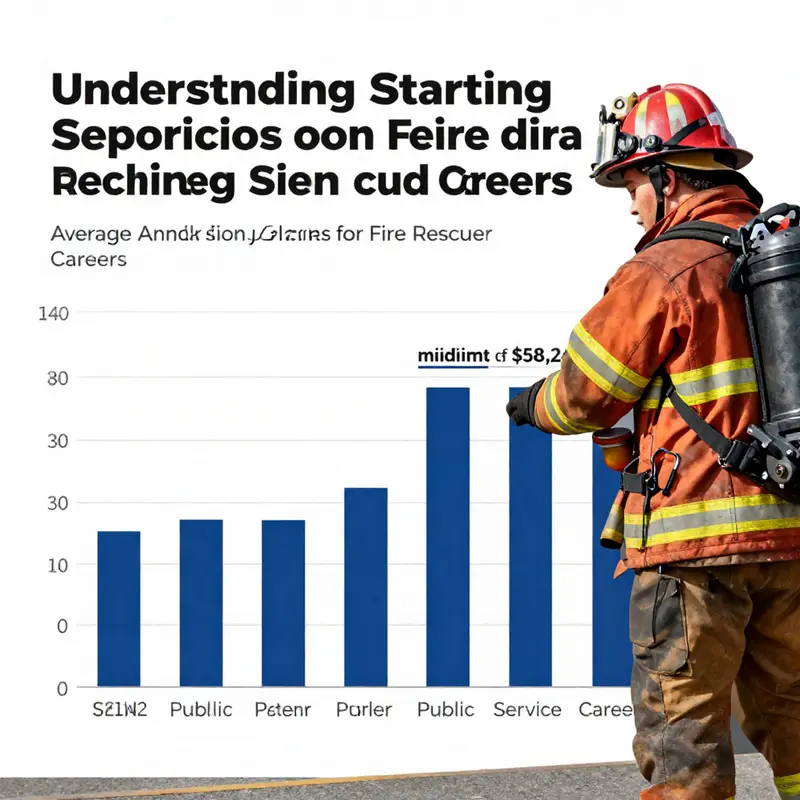
On the surface, starting pay for a fire rescue career seems straightforward, but the reality is shaped by location, department structure, and the full compensation package.
In 2026, the national average starting salary for firefighters sits in the mid to high fifty thousands, but this average masks wide variation.
In many communities entry level salaries may fall in the $30,000 to $40,000 range, especially in smaller departments or rural areas.
Base pay is only part of the picture; health benefits, retirement plans, paid time off, tuition reimbursement, and overtime or shift differentials can tilt the overall financial outlook.
In larger departments with more overtime options and faster paths to promotion, total earnings can surpass those in smaller departments even when base pay is lower.
Regional contexts matter. High cost urban centers tend to push starting wages upward to attract candidates, while rural and smaller communities may offer lower base figures but more predictable schedules and lower living costs.
The bottom line is that pay scales reflect local economies, funding priorities, and union bargaining power, and there is no single national ladder.
Beyond the United States, consider Canada. In British Columbia, the base hourly rate for a full time wildland firefighter is about 30.17 per hour, which translates to roughly 62,760 per year on a standard 2080 hour schedule. This demonstrates that compensation is closely tied to local policy, job type, and risk profile, even within fields that share a public safety mission.
What does this mean for someone mapping a practical path into a fire rescue career? To plan effectively, compare complete compensation packages rather than base pay alone. Prioritize departments with solid benefits, tuition support, and opportunities for advancement. Credentials such as EMT certification, firefighter I and II, and specialized competencies can accelerate progression and unlock higher pay bands or more overtime opportunities.
Finally, approach is to study local postings, talk to current personnel, and consider the ergonomic and logistical realities of a department’s workload. A department with steady call volumes and predictable scheduling can support better long term financial planning, even if its initial pay is not the highest.
A note on resources: focusing on targeted certifications in shaping an early career can be valuable. See Fire Safety Essentials Certification Training for a sense of how essential competencies translate into readiness and career benefits. The takeaway is that starting pay is only one piece of the total compensation puzzle, and the best path blends base pay, overtime, benefits, and ongoing professional development toward a sustainable financial trajectory.
Pay and Peril: The Controversy of Starting Wages in Specialized Fire Rescue Roles
For anyone evaluating a career in fire rescue, the starting salary is only one part of the compensation story. Most entry-level firefighters in the United States begin their careers with salaries in a modest band, typically between $30,000 and $40,000 per year. This range varies widely by location and department, reflecting the cost of living, local budgets, and how a city or county values emergency services. In high-cost regions such as certain coastal metropolitan zones or state capitals, the initial pay can push toward the upper end of that range, while smaller towns or rural departments may lean toward the lower end. Yet even with the geographic variation, the package often includes more than the base wage. Many departments offer health insurance, retirement plans, paid time off, uniforms, and sometimes tuition reimbursement or education incentives. When you add these benefits, the relative financial picture shifts from a simple paycheck to a broader, more resilient compensation ecosystem. This is a critical nuance for anyone weighing whether to pursue the profession as a long term career, and it becomes even more central when considering the pay dynamics within specialized fire rescue roles.
The chapter’s focus broadens beyond the door of a typical fire engine. Within many fire departments, specialized units such as hazardous materials (HazMat), urban search and rescue (US&R), swiftwater rescue, and various technical rescues such as confined space, high-angle rope work, or cave rescues carry reputations for demanding training and elevated risk. Those perceptions are not unfounded. These roles require extended certifications, ongoing practice, and a high tolerance for unpredictable, dangerous conditions. Yet the reality of compensation for these specialized positions often fails to align with the extra complexity and danger. In some jurisdictions, pay scales still privilege seniority over skill, tenure over training, which can produce a sense of inequity among highly trained specialists who see little financial recognition for their enhanced capabilities. The tension between the value of advanced training and the constraints of municipal budgets fuels a quiet but persistent debate: how to fairly reward the people who shoulder the most demanding, high-stakes tasks without undermining the broader staffing and budgeting framework that keeps fire services sustainable.
A defining feature of this debate is the use of volunteer or part-time personnel in specialized units. In several departments, volunteers carry out a substantial share of high-risk duties or provide critical support in complex operations, sometimes in concert with full-time staff. The ethical and practical implications of this model are hotly contested. Volunteers may perform many of the same dangerous tasks as their paid counterparts, yet their compensation in some places is limited to stipends, benefits, or none at all. The result can feel unfair to full-time specialists who carry the same operational risk but see little difference in pay at the end of the month. The broader consequence touches retention and professional development. When specialized skills are expected and repeatedly exercised but not consistently rewarded, motivated, highly capable personnel may seek opportunities elsewhere—whether in other departments, in private sector safety roles, or in jurisdictions that place a higher premium on expert skill.
The misalignment between risk, skill, and compensation has tangible effects on morale and workforce stability. Talent drain becomes a real concern when departments compete for a shrinking pool of trained rescuers who can perform delicate, technically demanding tasks under pressure. In places where older systems reward longevity more than progressive skill milestones, newer generations may perceive a ceiling on earnings that does not reflect the personal investment required to achieve and maintain high-level credentials. This is not merely a question of fairness; it is a matter of public safety. If a department underinvests in the advanced training necessary for HazMat isolation or US&R deployment, it risks gaps in mission-critical capabilities just when communities rely on them most. The tension between fiscal prudence and the public duty to be ready for the worst-case scenario is why advocates push for performance-based pay, role-specific stipends, or clearly defined compensation ladders tied to certifications and responsibilities rather than to tenure alone.
Efforts to address these concerns have emerged in several forms. Some departments explore performance-based pay structures that recognize completed certifications and demonstrated proficiency in specialized tasks. Others advocate for role-specific stipends that compensate for the extra duties associated with HazMat response or high-risk rescues, separate from general firefighter pay grades. Still others argue for a more explicit link between compensation and the recency and relevance of training, with formal recertification requirements driving salary adjustments. All of these proposals confront real-world constraints: municipal budgets, labor agreements, and political realities that can slow or stall reform. The evidence suggests a multifaceted approach is required—one that preserves fiscal responsibility while signaling a meaningful value for specialized expertise. In jurisdictions with constrained resources, the challenge is even sharper, and the debate tends to pivot between immediate wage outcomes and long-term organizational talent strategy.
For aspiring firefighters weighing starting salaries, the conversation about specialized roles should be framed as part of a broader, holistic view of compensation. Starting pay remains a modest figure, but the total package often shifts the balance. Benefits such as comprehensive health coverage, retirement security, paid time off, and tuition reimbursement contribute to a more favorable long-term financial trajectory. Moreover, the pursuit of specialized skills can open doors to career advancement and higher earning potential, as certifications become tangible leverage in salary negotiations and job opportunities. This reality underscores why a prospective recruit should not only examine the headline starting wage but also consider the total value proposition offered by a department and the clarity of its career ladder for specialized tracks. It is sensible to review local postings, consult the Bureau of Labor Statistics for broader trends, and compare not just pay but the structure of benefits and opportunities for growth over time. And as a practical step, those who want to explore the role of certification more deeply can read discussions on the vital role of fire safety certificates in your career journey, which offers practical guidance on how credentials translate into real-world advantages. See also an example at https://firenrescue.net/blog/unlocking-your-future-the-vital-role-of-fire-safety-certificates-in-your-career-journey/.
As readers navigate these considerations, it is helpful to remember that the starting salary is just the entry point. The figure often represents a doorway into a broader ecosystem of compensation, work-life balance, training, and professional fulfillment. The ready availability of benefits can meaningfully raise the effective value of the package, and specialized training can, over time, convert into higher earnings and greater job security. Still, the core question remains for many: how much should a new firefighter expect to earn, and how quickly can that wage reflect the added burdens of specialized work? While the general starting range provides a baseline, the more important measure is the trajectory: the speed at which a department recognizes and rewards advanced skills, the consistency of opportunities to climb the ladder, and the willingness of the system to align pay with responsibility and risk. When these factors align, a career that begins in the $30,000-to-$40,000 band can evolve into a profession whose long-term earnings and security justify the early cost of training and the day-to-day demands of the job. Financing the necessary certifications, dedicating time to practice and drills, and staying current with evolving rescue techniques are investments that can yield dividends, not only in pay but in professional credibility and the public trust that fuels a department’s mission. External perspectives illuminate this dynamic as well. For a broader structural view of how fire departments organize compensation and labor relations, see the comprehensive overview in the external resource linked below, which frames the organizational and financial complexities that underlie the pay debates discussed here: https://www.sciencedirect.com/topics/engineering/fire-department
Starting Paychecks and Tomorrow’s Paychecks: Charting the Hiring Landscape in Fire Rescue
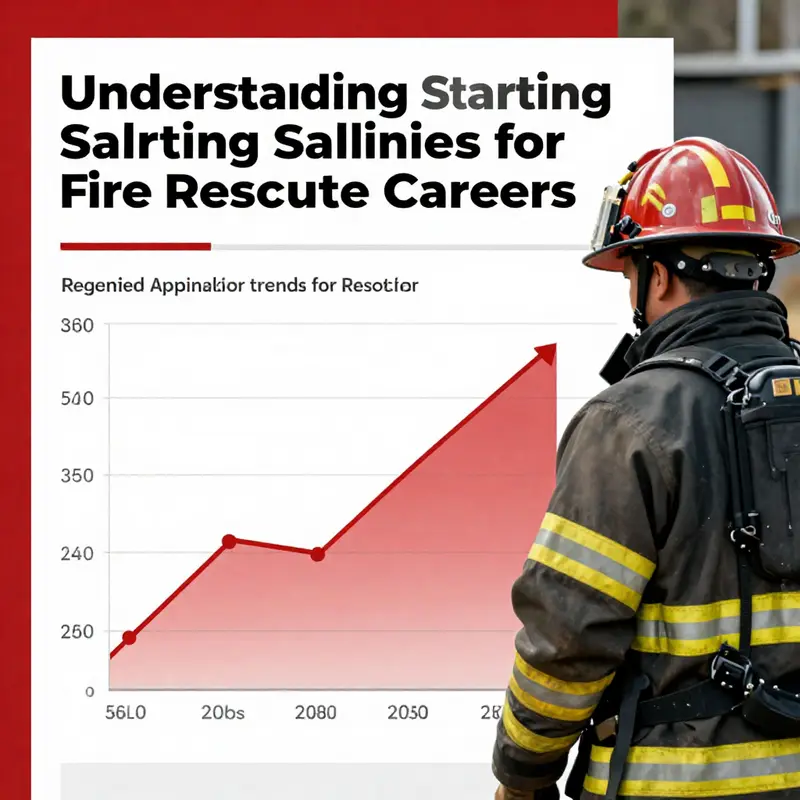
Entering the fire rescue profession means stepping into a long arc that begins with a paycheck and unfolds into a career that blends public service with continuous training, risk, and evolving technology. For most entry-level firefighters in the United States, the starting salary sits within a clear band, typically around $30,000 to $40,000 per year. This range is not a fixed ceiling or floor; it reflects the patchwork of local budgets, cost of living, union contracts, and regional funding priorities that shape how departments reward new recruits. In high-cost metropolitan areas, especially those with substantial living expenses, starting wages tend toward the upper end of that band. In smaller towns or rural departments, starting pay often lands toward the lower end. Yet the bigger picture isn’t only about the base figure. A compelling part of the compensation story lies in the benefits that accompany the wage, such as comprehensive health insurance, retirement plans, paid time off, and tuition reimbursement, all of which can substantially augment the value of a first job in firefighting. When these benefits are weighed alongside the base pay, the total compensation package can be meaningfully different from the raw salary alone, and this is a reality many aspiring firefighters learn only after they have begun the process of negotiating or evaluating offers.
Beyond the starting line, the profession carries a broader salary narrative. National data often cites an average annual salary for firefighters that is notably higher when it includes the entire range of experience, leadership roles, and special assignments. For example, Indeed’s figures show an average around $58,241, a figure that captures the realities of workers who have progressed through years of duty, training, and responsibility. That average is not a forecast for a newcomer; it is a reminder that progress through training, certification, and on-the-job experience tends to recalibrate earnings upward as skill sets broaden and leadership responsibilities increase. It is also worth noting that not all firefighting positions value pay on the same scale. Some specialized or state-supported programs can produce different trajectories, sometimes with strong benefits attached, but there are cautions within the broader landscape. Private or niche arrangements, such as certain specialized roles, have drawn scrutiny in some contexts for compensatory practices that diverge sharply from standard public firefighting positions. These cases are not representative of the typical entry path, but they underscore the importance of looking at the full package rather than the headline salary alone.
For recruits, a practical way to frame the wage question is to map the expected path from that initial number into the next five to seven years of training, certification, and assignment changes. The entry phase often involves completing required certificates, gaining experience on the bench and on the fireground, and proving readiness for more demanding calls and responsibilities. As responders move into roles such as urban fire suppression, technical rescue, hazmat awareness, or community risk reduction, many departments shift compensation through step increases, specialty pay, or overtime opportunities. Even when base pay remains within a given band, the structure of overtime pay, bonuses for night shifts or holiday coverage, and premium pay for hazardous duties can noticeably alter take-home earnings over a year. The important takeaway for aspiring firefighters is that the first paycheck is a starting point in a longer, potentially reshaping journey; the strength of your compensation plan often hinges on your ongoing training, the departments you choose to join, and the geographic context in which you work.
Looking across the field, several forces are changing how fire and rescue work is organized and how compensation is perceived. The fire and rescue job market is being transformed by technology, with artificial intelligence and data analytics reshaping staffing credibility and shift coverage. Rostering systems that optimize crew availability and respond to real-time demands are becoming more common, and the effect can be felt in reliability and safety on the ground. A 2025 NFPA report notes that departments adopting AI-powered scheduling have experienced up to a 30% improvement in crew availability and shift coverage accuracy. This kind of efficiency gain helps departments deploy resources more effectively, potentially lowering burnout and overtime pressures while maintaining service levels. The practical effect on pay, however, is indirect; it is usually experienced through the stability and productivity of departments that can manage budgets more predictably and invest in career development pathways that lead to higher pay grades or targeted certifications. In turn, this ecosystem supports a broader compensation narrative where starting salaries are part of a living system that evolves with efficiency, risk, and demand.
The broader horizon for salaries also reflects a global perspective on how fire and rescue professionals are valued in different contexts. For example, looking at urban centers outside the United States, shifts in compensation often mirror local economic conditions and the scale of public investment in safety. In a city like Xi’an, China, projections for fire rescue personnel show a monthly average that sits above the city’s overall average wage, signaling a growing emphasis on attracting skilled responders in international markets. Forest management and emergency response technicians in other parts of the world sometimes command higher compensation bands as the scope of responsibilities broadens and the stakes of prevention and response increase. These international benchmarks, while not directly transferable to the U.S. context, help illuminate a global pattern: when the demand for capable, reliable fire rescue teams rises, compensation tends to rise in tandem where governments and agencies compete for talent.
Within the United States, the near-term career outlook remains favorable for those entering the field. The U.S. Bureau of Labor Statistics projects ongoing growth in fire protection jobs, with a steady increase through the next decade. The growth is not merely a factor of population increase; it is driven by expanding roles in disaster response technology, hazardous materials handling, and community risk reduction. As the spectrum of duties broadens, so too does the potential for salary progression through new assignments, certifications, and leadership opportunities. The behind-the-scenes evolution—ranging from better data-driven decision-making to more sophisticated incident management—enables departments to attract and retain talent in high-demand metropolitan areas and in regions facing elevated risk from wildfires or industrial hazards. For new entrants, this means a forward-looking landscape where the initial offer is just the opening chapter of a longer, increasingly rewarding career.
For anyone weighing the decision to pursue fire rescue work, practical consideration should accompany the financial numbers. Cost of living is a decisive factor. A starting salary that seems adequate in a moderate-cost area may feel stretched in regions with higher housing costs or insufficient public transport. Prospective firefighters should compare not only the raw wage but the full compensation package, including health insurance, retirement contributions, paid time off, tuition reimbursement, and any overtime or premium pay structures. Time invested in training and credentialing often pays dividends later through access to higher-rated positions and targeted pay differentials. It can also be worth tapping into community and professional resources—like the FireRescue Blog, which offers ongoing career guidance and insights drawn from current practice and policy. The practical value of such resources is that they translate abstract market trends into actionable steps for a recruit who is calculating a budget, planning a move, or negotiating a first contract. FireRescue Blog
As recruits plan for the long haul, localization remains a central theme. The same department may offer generous benefits but may also enforce stringent schedules or limited advancement opportunities that depend on performance, certifications, and departmental needs. Conversely, a department with a modest starting wage can produce meaningful long-term value through clear progression ladders, steady overtime, and a robust retirement plan. In any case, the right move for most aspiring firefighters is to enter a program with a strong base of benefits and a transparent path for professional development. A wholesome approach blends attention to the current starting pay with an honest assessment of the routes that lead to salary growth—whether through specialization, leadership tracks, or expanding the scope of responsibility within the same organization. The evolving field, shaped by technology and enhanced by targeted training, offers a trajectory where early financial expectations are balanced by the promise of sustained professional growth.
For readers seeking to deepen their understanding of how rostering technology, training, and policy shape compensation, a broader perspective is useful. The NFPA’s ongoing examination of trends in fire and rescue rostering provides context for how departments manage staffing and resource allocation as they adopt new tools. External research in this space points to improvements in efficiency that can support more predictable staffing and, over time, more predictable career pathways. To explore these trends in greater depth, see the NFPA resource: Trends Shaping the Future of Fire and Rescue Rostering.
Final thoughts
As the demand for fire rescue professionals grows, understanding the starting salary landscape is integral for those entering this noble field. While new firefighters can expect starting salaries that vary significantly by region and department, the value of associated benefits should not be underestimated. Awareness of national averages, the implications of specialized roles, and future job market trends are essential for informed career decisions. By equipping themselves with this knowledge, aspiring firefighters can better navigate their careers, while stakeholders within relevant industries can anticipate evolving engagements with these essential first responders.

