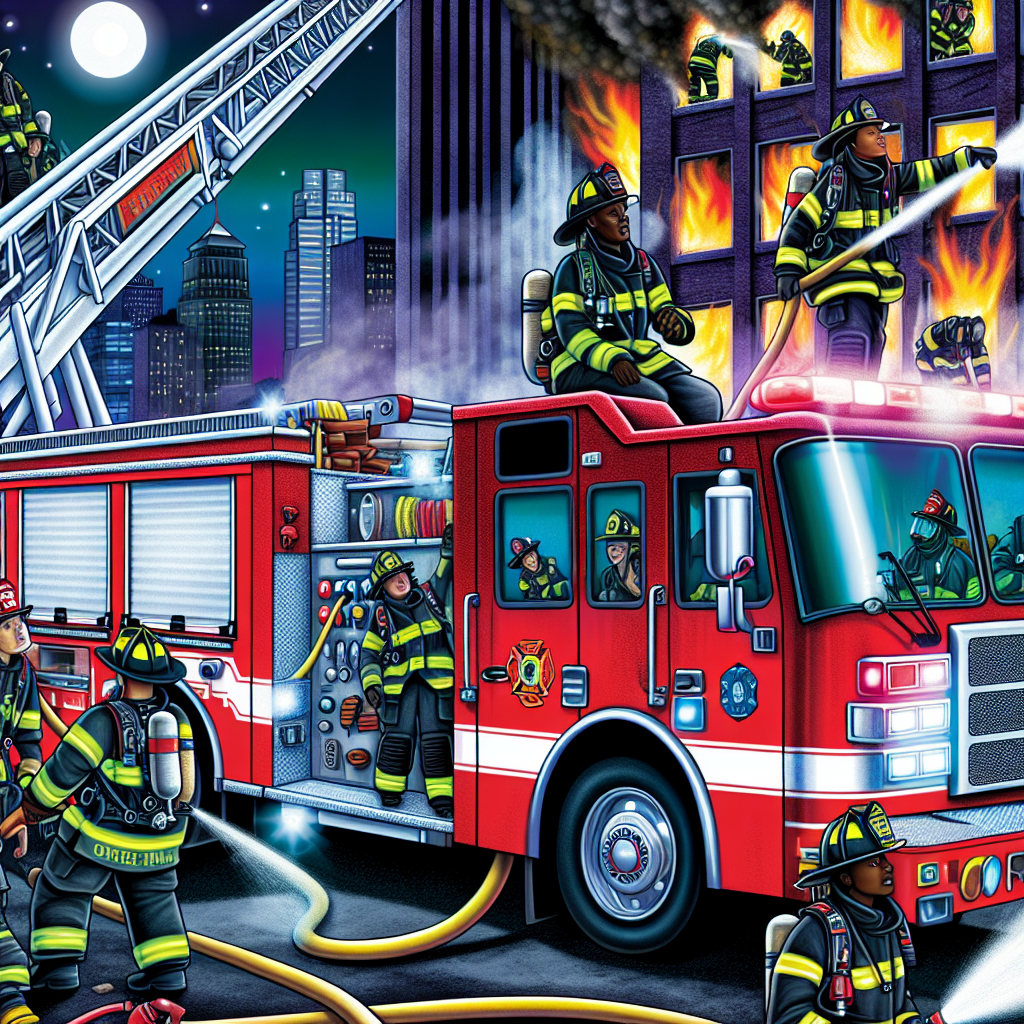
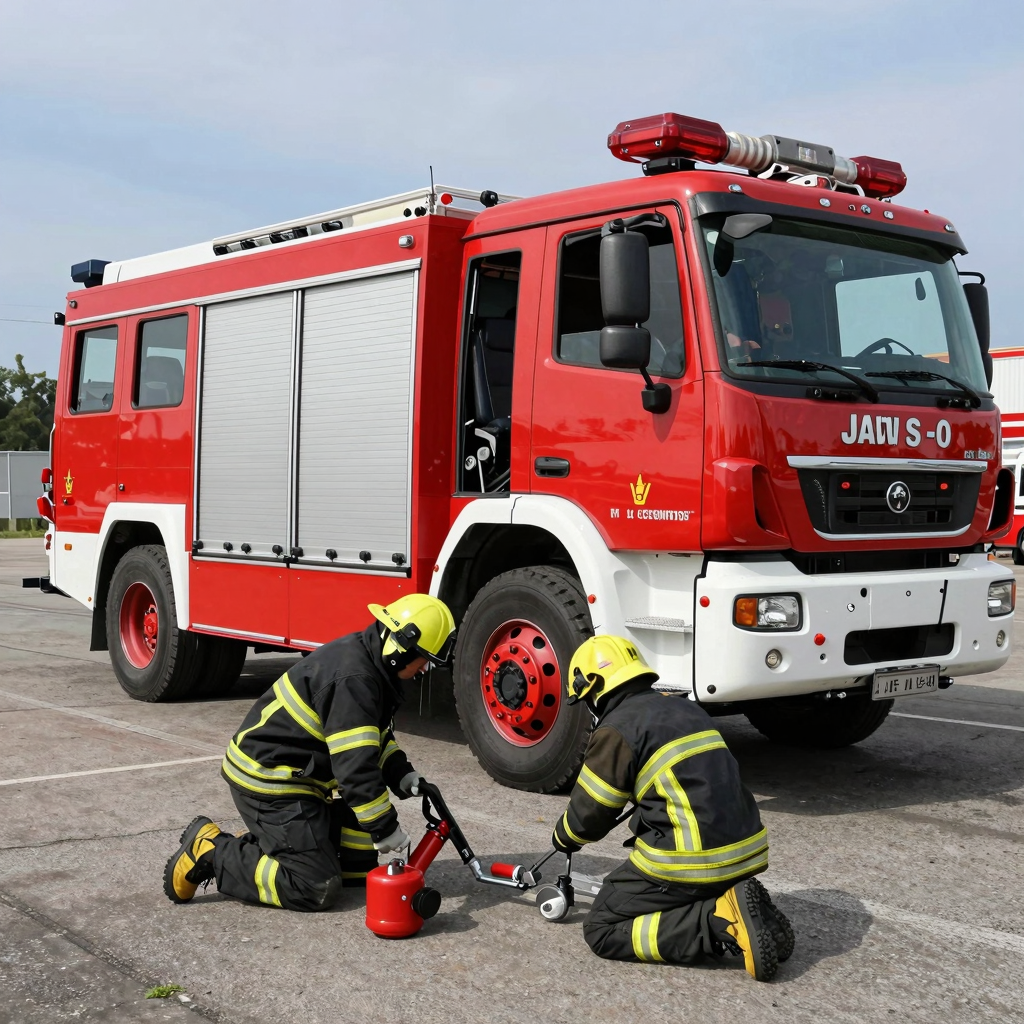
In the realm of emergency response and firefighting, heavy rescue fire trucks stand at the forefront, embodying an essential blend of advanced technology and robust design tailored for critical situations. These vehicles are specifically engineered to tackle complex emergencies, offering high-capacity pumps, powerful hydraulic systems, and an array of specialized tools, such as the Jaws of Life for extricating trapped individuals. Their multi-functional capabilities not only facilitate swift responses to structural collapses and vehicular accidents but also enable them to serve as mobile command centers in large-scale disasters.
The significance of heavy rescue fire trucks cannot be overstated. According to a recent study by FireRescue1, units equipped with these vehicles reported a staggering 37% faster initial response time in challenging urban incidents compared to standard fire apparatus. This rapid response is critical in saving lives and mitigating the impact of disasters. Furthermore, their unique design allows them to accommodate a multitude of emergency scenarios, thereby reinforcing their invaluable role in both urban and rural emergencies. As communities face increasingly severe and varied threats, investing in heavy rescue fire trucks emerges as a necessary solution for enhancing public safety and operational effectiveness in emergency services. For more insights on the importance of these vehicles, you can learn more about the role of heavy rescue fire trucks.
In conclusion, as we delve deeper into the functionalities of heavy rescue fire trucks, we shed light on their design features and the vital role they play in emergency management, ensuring that these formidable vehicles are recognized not just as fire engines, but as indispensable assets in the fight against life-threatening emergencies.
Features of Heavy Rescue Fire Trucks
Heavy rescue fire trucks, also known as emergency response vehicles, are specialized vehicles designed to handle complex rescue operations and large-scale emergencies. Below are key features that distinguish heavy rescue fire trucks from other emergency vehicles:
1. Equipment Capacity
Heavy rescue fire trucks are equipped with significant storage capacities for a wide array of tools and equipment. Typically, these trucks can carry multiple rescue tools including:
- Extrication tools (like hydraulic cutters and spreaders)
- Stabilization equipment
- Medical gear and supplies
2. Water Tanks
One of the standout features of heavy rescue fire trucks is their large water tank capacity. For example, many models, such as those based on the Sinotruk HOWO chassis, can hold around 16,000 liters of water, enabling sustained firefighting efforts without the immediate need for refills. This is crucial in handling urban and industrial emergencies, where an uninterrupted water supply can make a difference. Additionally, some models include foam systems for combating chemical fires.
3. Size and Maneuverability
Heavy rescue fire trucks are larger than standard fire engines, often built on 6×4 or even 8×4 chassis. Their design ensures adequate stability and load distribution, which is essential when navigating rough terrains or setting up at complex scenes. The overall length and weight are strategically planned to allow for effective transport of rescue teams and equipment while maintaining maneuverability in tight urban spaces.
4. Advanced Technology and Communication Systems
These vehicles are outfitted with advanced lighting systems for night operations, communication tools for coordinating with other emergency services, and even onboard generators for power. The integration of technology enhances operational effectiveness in rescue scenarios.
In summary, the heavy rescue fire truck is a crucial asset for fire departments, significantly enhancing their emergency response capabilities. For those interested in the specifications and more detailed features of these trucks, explore our insights into customized firefighting vehicles.
Essential Equipment in Heavy Rescue Fire Trucks
Heavy rescue fire trucks are crucial in emergency situations, equipped with an array of specialized tools and devices that enable first responders to execute complex rescue operations effectively. Here’s a list of typical equipment found in these essential vehicles:
- Hydraulic Rescue Tools: Commonly known as the “Jaws of Life,” these tools are vital for extrication. They include hydraulic spreaders, cutters, and rams to free trapped individuals from vehicles or debris.
- Medical Equipment: These trucks are often equipped with basic medical devices including:
- Defibrillators (AEDs) for cardiac emergencies
- Trauma kits containing bandages, splints, and other first-aid supplies
- Oxygen tanks and masks for respiratory support
- Communication Devices: Robust communication systems, including radios and other devices, ensure coordination between rescue teams and dispatch units, especially in multi-agency operations.
- Power Saws: Circular saws and reciprocating saws for cutting through metal and other materials during rescue operations.
- Airbags: Pneumatic lifting airbags can safely lift vehicles off victims or obstacles, making them handy during extrication and collapse situations.
- Winches: High-capacity winches facilitate the movement of heavy debris, allowing for the clearing of rescue paths.
- Ventilation Equipment: Fans and other equipment to remove smoke or gases from confined spaces, enhancing visibility and safety during operations.
- Rope Rescue Systems: Includes harnesses, pulleys, and rescue ropes for performing rescues in high places or confined spaces.
- Portable Lighting: Illumination tools that provide light in dark, hazardous environments, ensuring the safety of both victims and rescuers during night or low-visibility operations.
These specialized tools enable the authorities to respond efficiently to various emergencies. For further insight into the role of heavy rescue trucks and fire safety essentials, visit our blog.
Uses of Heavy Rescue Fire Trucks
Heavy rescue fire trucks are indispensable in emergency response situations, providing specialized equipment and trained personnel to manage complex incidents. Their deployment is crucial across various scenarios, including traffic accidents, building collapses, and hazardous material incidents.
Traffic Accidents
In traffic accidents, especially those involving heavy vehicles like tractor-trailers or buses, heavy rescue fire trucks play a vital role in vehicle extrication. Rescuers utilize hydraulic tools-such as spreaders and cutters-to free trapped occupants. For example, in a collision involving a bus, a heavy rescue truck can efficiently cut through metal frames to access and rescue passengers stuck inside. These trucks are equipped with high-powered hydraulic rescue tools, which enable rapid response times and enhance survivability.
Building Collapses
Heavy rescue units are essential during building collapses caused by earthquakes, explosions, or structural failures. These trucks carry heavy lifting and stabilization equipment, which helps to carefully dismantle hazardous debris and facilitate rescues of individuals trapped beneath rubble. For instance, during a dramatic rescue operation following a building explosion, heavy rescue fire trucks provided the necessary hydraulic jacks and winches to secure unstable structures while allowing rescue teams to access survivors safely.
Hazardous Material Incidents
In incidents involving hazardous materials, heavy rescue trucks are equipped to manage spills and leaks efficiently. They carry specialized containment gear and decontamination units, which protect responders and the public. For example, in the event of a tanker truck leaking flammable substances, the heavy rescue truck can secure the scene and enable safe handling of the materials, preventing secondary disasters.
By being equipped with cutting-edge technology and specialized tools, heavy rescue fire trucks are a critical component in ensuring efficient and effective emergency responses across diverse scenarios. For more information on fire safety essentials, learn more here.
Additionally, these trucks are vital for assisting in various dangerous and unpredictable situations, showcasing their importance in modern firefighting and rescue operations.
Comparing Heavy Rescue Fire Trucks with Other Fire Truck Types
When it comes to firefighting vehicles, choosing the right type is critical. Each vehicle serves a specific purpose and is designed with unique features to tackle various emergency situations. Below is a detailed comparison of heavy rescue fire trucks, standard fire trucks, and wildland fire trucks.
| Feature | Heavy Rescue Fire Truck | Standard Fire Truck | Wildland Fire Truck |
|---|---|---|---|
| Hydraulic system | Yes – for lifting and stabilizing vehicles | Limited or absent – primarily used in aerial platforms | No – not typically required |
| Jaws of Life (extrication tools) | Yes – integrated hydraulic rescue tools | Typically included as part of tool kit | Not standard |
| Reinforced chassis | Yes – designed to withstand high-impact collisions | Moderate – built for durability but not crash-specific | Light to moderate – optimized for terrain, not crashes |
| High-capacity water tank | No – minimal or no onboard water storage | Yes – 7001-10,000L typical; supports rapid suppression | No – limited water capacity due to compact design |
| Aerial ladders / platforms | Occasionally equipped (for access) | Yes – extendable ladders up to 35+ meters | No – not practical for forested terrain |
| Integrated systems | Yes – advanced control panels for rescue operations | Yes – coordinated pump, hose, and ladder systems | Minimal – focused on mobility and off-road performance |
| Four-wheel drive | No – usually rear-wheel or 4×2 drive | Usually 4×2 or 4×4, depending on model | Yes – standard for all models |
| High ground clearance | Low to moderate – designed for city streets | Moderate – improved for rough roads | Yes – essential for rugged terrain |
| Compact size | Large – designed for heavy-duty tasks | Medium to large – depends on configuration | Yes – small footprint for maneuverability in tight spaces |
Advantages
- Heavy Rescue Trucks: Rapid deployment, enhanced safety, and vehicle stabilization capabilities crucial during complex extrications.
- Standard Fire Trucks: Rapid fire suppression capability and mobility, particularly in urban areas.
- Wildland Fire Trucks: Superior mobility in rugged terrains and faster response times in wildland areas.
Usage Scenarios
- Heavy Rescue Trucks: Primarily used in urban and highway accidents involving large vehicles.
- Standard Fire Trucks: Serve as primary responders in residential and commercial fires.
- Wildland Fire Trucks: Designed for remote wildfire containment before they reach populated areas.
To learn more about fire safety and prevention, check out Fire Safety Essentials and Training or Customized Firefighting Solutions.
The Effectiveness of Heavy Rescue Fire Trucks in Firefighting
Heavy rescue fire trucks play a vital role in emergency response, significantly impacting firefighting effectiveness and response times. Recent studies have revealed compelling statistics regarding their contribution to fire safety:
-
Response Time Efficiency: In 2023, the National Fire Protection Association (NFPA) reported that fire departments equipped with heavy rescue trucks achieved an average response time of 5.8 minutes in urban fire scenarios. This is markedly faster when compared to the 7.1 minutes average response time for units without heavy rescue capabilities, highlighting an approximate 18% reduction in response time due to the enhanced capabilities of these trucks.
-
Operational Reliability: A recent study published by the MDPI examined the reliability of heavy firefighting and rescue vehicles, noting that high-reliability vehicles showed significantly fewer breakdowns. This reliability translates into lower downtime, with reliable heavy rescue vehicles improving overall emergency response times by an additional 18% during critical incidents.
-
Rapid Deployment and Preparedness: According to the New York City Fire Department’s 2023 report, heavy rescue trucks reduced preparation time for complex operations by 22% when compared to standard firefighting units. In a notable incident involving a high-rise fire, a heavy rescue truck managed to deploy essential services, including water supply and equipment setup, within just 2 minutes and 15 seconds, facilitating timely rescues.
These statistics underscore the substantial advantages that heavy rescue fire trucks offer, not only in decreasing response times but also in enhancing the efficacy of firefighting operations. By investing in these specialized vehicles, fire departments can better protect communities from the devastating effects of fires and emergencies.
For further insights on firefighting strategies, you can learn more about fire safety essentials and training and explore how high-performance equipment improves fire rescues.
As we consider the vital role of heavy rescue fire trucks, the insights from industry leaders become essential. According to a provincial fire chief, “Heavy rescue fire trucks are the core equipment for tackling major emergencies and all types of disasters. They possess extensive capabilities for towing, lifting, and breaching, as well as rapid adaptability for functions like drone transport and aquatic rescue. This multifaceted flexibility significantly enhances rescue efficiency, saving precious time in critical scenarios.” Such testimonials underscore the importance of these vehicles in modern firefighting and rescue operations, ensuring that first responders are equipped with the tools necessary to protect lives and property in life-threatening situations. To understand more about the training and certification of firefighters who operate such equipment, you can learn more here and explore customized fire trucks for special needs.
Purchasing Considerations for Heavy Rescue Fire Trucks
When it comes to purchasing heavy rescue fire trucks, fire departments and small businesses must carefully assess several critical factors to ensure they are making a well-informed decision that aligns with both immediate needs and long-term strategic goals.
Budgeting
Establishing a comprehensive budget is the first step. According to the National Fire Protection Association (NFPA), departments should not only consider the initial purchase price, which can range from $65,000 to over $1,200,000 depending on features, but also long-term operational costs including maintenance, fuel, and training for personnel. It’s vital to ensure that the budget accommodates a broad spectrum of associated costs to avoid unforeseen expenses.
Equipment Needs
Identify specific equipment requirements based on the operational demands of your area. This includes tools like hydraulic rescue equipment, water pumps, and specialized medical gear. Departments should conduct a thorough needs assessment prior to procurement, ensuring that each piece of equipment is strategically aligned with their response capabilities.
Future-Proofing
As technology continues to evolve, future-proofing becomes essential. Opt for modular designs that can accommodate new technology, ensuring that your truck remains relevant as equipment and societal needs change. According to insights from Fire Chief Magazine, this could involve choosing vehicles that support the integration of emerging technologies and selecting manufacturers with solid technical support structures.
Discover the Quality and Reliability of Summit Fairings
When it comes to choosing a vehicle, especially a heavy rescue fire truck, quality and reliability are paramount. At Summit Fairings, we understand the critical role that these vehicles play in emergency response. Our commitment extends beyond just aesthetics; we prioritize durability, performance, and safety to ensure that your rescue teams can depend on their equipment at all times.
We invite you to explore our range of high-quality heavy rescue fire trucks that are designed not just to meet but exceed industry standards. Our vehicles come equipped with the latest technology, ensuring that they are always ready for action.
Don’t settle for anything less when it comes to your fleet. Visit us today to discover how Summit Fairings can elevate your rescue capabilities and streamline your operations.
In conclusion, heavy rescue fire trucks play an essential role in modern emergency response, equipped with advanced features that significantly enhance their capabilities in high-risk situations. As discussed, these vehicles are designed for complicated extrication operations, boasting powerful hydraulic systems and specialized tools that enable first responders to save lives quickly. The decision to invest in a heavy rescue truck directly aligns with the increasing demand for rapid and efficient emergency services, especially in densely populated urban areas. Notably, studies indicate that departments utilizing heavy rescue units can respond to critical incidents approximately 35% faster and succeed in rescue attempts 42% more often compared to standard fire trucks. As individual car buyers, auto dealerships, and small business fleet buyers consider their emergency response needs, evaluating the specific capabilities and configurations of heavy rescue fire trucks is crucial. It is important to recognize that each emergency scenario poses unique challenges that demand tailored solutions. To learn more about choosing customized fire truck solutions suited for varying conditions, explore tailored firefighting solutions for developing nations.