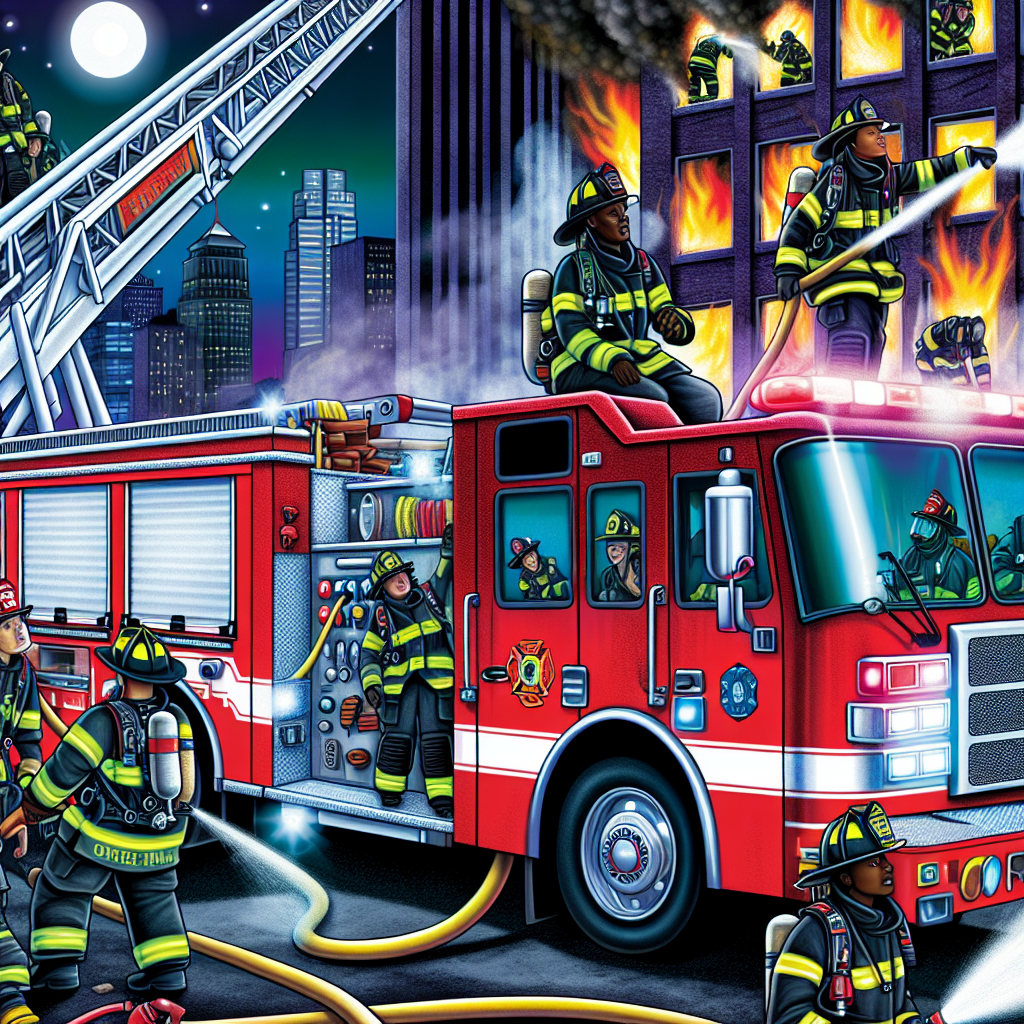
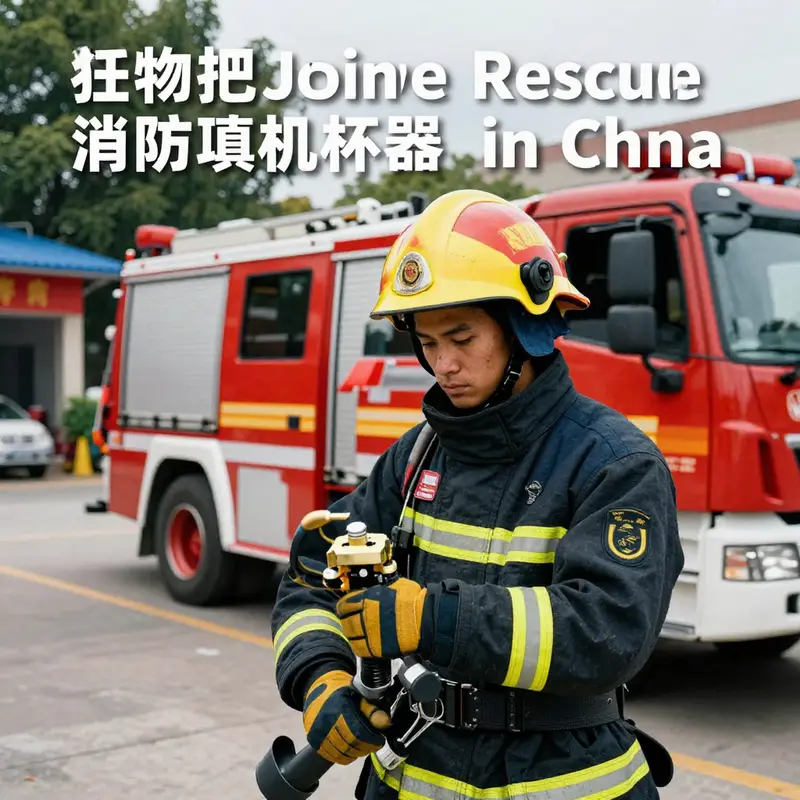
Joining a rescue squad fire department in China offers an opportunity to serve and protect the community in critical situations. This comprehensive guide will illuminate the requirements and processes involved in becoming a part of this vital service. In the following chapters, we will examine the different types of fire departments, elaborate on the eligibility requirements you must meet, outline the application process, and detail the selection and training stages to prepare you for this rewarding career.
Choosing Your Path: National Rescue Squad, Professional Units, or Volunteer Teams — Which Fire Department Fits You?

Understanding the landscape matters before you commit. China’s fire services are organized into clear types, each with distinct missions, entry routes, and career shapes. If your goal is to join a rescue squad or a fire department, you benefit from seeing the system as a set of pathways rather than a single door. This chapter explains those pathways and shows how the National Comprehensive Fire Rescue Team differs from professional and volunteer units. It also guides you through eligibility rules, recruitment rhythms, and practical steps that turn interest into an accepted application.
The primary backbone of national emergency response is the National Comprehensive Fire Rescue Team. This force handles major urban and regional emergencies, large-scale rescues, and complex disaster relief. It is a professional, full-time service under the Ministry of Emergency Management. Joining this team typically means becoming a uniformed firefighter with structured ranks, formal training, and deployment across provinces when needed. Recruitment for the National Comprehensive Fire Rescue Team is periodic and centralized, often announced through the national recruitment platform. Candidates compete for posts that are allocated by province and by recruitment category, such as college graduates, veterans, or social youth. Age limits are strict for most recruits, but exceptions exist for college graduates and specialists. Selection emphasizes physical standards, psychological stability, political reliability, and readiness for the disciplined life of a national squad member.
Local professional fire departments are a second, practical path. These units are formed by local governments or enterprises to protect specific facilities, industrial clusters, ports, or airports. They require technical competence tailored to the site: hazardous material handling, high-risk industrial fire prevention, or airport rescue procedures, for example. Professional teams may recruit on a different schedule from the national force. They often look for candidates with specific technical training or relevant certifications, and they may offer more flexible age or education requirements depending on local needs. Employment terms can vary because these teams are integrated with local administrative structures or corporate management. If you prefer a role that combines firefighting with specialized technical work, a professional fire department can be a good fit.
Volunteer fire departments form the third pillar of China’s fire safety ecosystem. Volunteers offer grassroots prevention, initial suppression, and community education. They are essential where professional coverage is thin, such as rural townships or remote communities. Volunteer membership does not typically follow the recruitment calendar of professional forces. Instead, local volunteer groups form through community organizations, village committees, or municipal public safety initiatives. Volunteers gain experience, build networks, and sometimes transition into professional roles. If you want local impact and a pathway toward formal service, volunteering is an effective start.
Understanding eligibility and the application rhythm is crucial. For national recruitment, citizenship of the People’s Republic of China is required. Age limits for national recruits historically sit in a narrow band for social youth, often between 18 and the early twenties. College graduates usually enjoy a modest age extension, and specialists or veterans may see broader allowances. Education requirements begin at a high school diploma for many roles, while technical or leadership positions demand higher qualifications. Physical and mental health standards are strict. Expect medical checks that mirror military recruitment standards, and a psychological assessment tailored for emergency responders. A clean conduct record — no criminal history, no major credit issues, and no prior dismissals for misconduct — is mandatory. The job requires willingness to serve under a rotating, 24/7 duty model and to accept hazardous missions when called.
How do you actually apply? The national recruitment platform is the central hub. Register an account, choose target provinces, and complete the online application. Upload identification, diplomas, driving licenses, and any certificates that demonstrate specialized skills. The platform publishes deadlines and stage-by-stage notices, so monitor it closely during recruitment months. Local government and municipal fire detachments often post their own announcements; some use official WeChat channels and municipal portals to notify candidates. Each announcement spells out age bands, the number of slots per category, and any unique local preferences. For example, many detachments prioritize veterans, university graduates, and candidates with prior firefighting experience.
Selection unfolds in clear stages. Your online application first undergoes a basic eligibility check. If you pass, you enter document verification, then physical and psychological testing. Fitness tests measure endurance, strength, and functional abilities relevant to rescue work. Interview panels probe motivation, team fit, and behavioral traits. A political and background review follows, examining personal history and affiliations. Finally, successful candidates complete formal training and probation. Training ranges from several weeks to months and covers technical rescue skills, vehicle operation, equipment maintenance, and discipline specific to the unit you join. After probation, you are formally assigned and begin active duty.
Veterans and specialists have real advantages. Former military personnel often meet physical and conduct standards and are eligible for relaxed age limits. Professionals with niche skills — medical first responders, communication technicians, and vehicle mechanics — may be recruited through targeted channels. Local detachments sometimes open positions specifically for drivers with relevant licenses and experience, raising age ceilings for those roles. If you have professional certificates or a university degree, highlight them. Recruiters prioritize candidates who reduce training time or fill immediate technical gaps.
Practical preparation tips matter. Build physical resilience with a structured routine: cardiovascular workouts, strength training, and functional drills that replicate carrying, climbing, and sustained effort. Practice push-ups, sit-ups, timed runs, and simulated hose handling. Simulate shifts to learn discipline and sleep patterns. Gather documents early: original diplomas, ID, military discharge papers if applicable, and driving licenses. Ensure your credit record and background checks are clean. Take basic first aid and fire safety courses to show commitment and relevant knowledge. Community volunteer work strengthens your resume and signals willingness to serve.
Career considerations distinguish the pathways. Joining the National Comprehensive Fire Rescue Team places you on a national grid. Transfers and deployments may take you across provinces. The job emphasizes large-scale rescue, heavy equipment, and cross-disciplinary coordination during disasters. Professional fire departments often keep members local or industry-focused, offering stability and specialized technical roles. Volunteer service lets you build local reputation, gain experience, and sometimes transition to paid positions. Consider your long-term goals: national mobility versus local stability, technical expertise versus broad rescue skills, or public service versus community engagement.
A few procedural reminders help avoid pitfalls. Use only the official recruitment platform when applying for national posts. Deadlines are strict. Do not rely on unofficial recruitment intermediaries. Keep copies of every uploaded document and verify that scans are clear. Attend scheduled medical checks and interviews on time. If you have a medical condition or prior injury, obtain a detailed medical report. Be honest about prior service and conduct history; omissions can disqualify you later during political review.
There are concrete advantages to cross-path strategies. Volunteering while preparing for national tests strengthens your application. Gaining a professional certificate in fire protection or vehicle maintenance can make you competitive for both professional units and national posts. Many successful candidates combine college study or vocational training with simulated fitness preparation and early document collection. Use available training resources to sharpen both technical and psychological readiness.
If you want a quick next step, pursue recognized fire safety and certification courses. These improve your technical literacy and show initiative. For more structured training content and certificate options, see this practical guide on fire safety essentials certification training. That resource outlines common certificates and training modules that align with recruitment priorities.
Finally, always refer to the official sources for the latest rules and announcements. National recruitment windows and provincial quotas change. Recruitment rules, age limits, and preferential policies for veterans or professionals are updated periodically. For national recruitment details and official announcements, consult the National Comprehensive Fire Rescue Team recruitment platform: https://xfyzl.119.gov.cn. That site publishes recruitment plans, registration windows, and procedural clarifications you must follow.
Choosing which fire department to join is both a strategic and personal decision. The National Comprehensive Fire Rescue Team offers a disciplined, national-scale career with rigorous selection. Professional units provide technical specialization and local integration. Volunteer teams offer meaningful community service and a springboard into professional roles. Prepare physically, gather your documents, obtain relevant certifications, and follow official announcements closely. With focused preparation and an understanding of the differences among the pathways, you can select the route that fits your abilities, ambitions, and life plans, and move confidently toward becoming a member of a rescue squad or fire department.
From Aspiration to Assignment: Navigating Eligibility and Pathways to the Rescue Squad Fire Department
Choosing to pursue a life in the rescue squad fire department means embracing a calling that blends courage, discipline, and service. The narrative of a would-be rescuer begins long before the first interview room and the first drill; it starts with a clear understanding of the two main tracks that shape every recruit’s possibilities in modern China. On one side stands the National Comprehensive Fire Rescue Team, the official national fire service that recruits full-time firefighters for a nationwide mission. On the other side are government-professional firefighters—local, city, and provincial crews that serve with the weight of municipal backing. For someone drawn to the rescue squad, this distinction matters because it sets the tempo and the horizon of opportunity. The rescue squad is not merely about fighting flames; it is about readiness to respond at any hour, to stand in the breach when circumstances demand technical skill, teamwork, and stoic endurance. The journey toward this vocation unfolds through a structured doorway, one that is both rigid and fair: the National Comprehensive Fire Rescue Team Firefighter Recruitment Platform. Accessed through a single official channel, it is where the path begins, where the documents are collected, and where the screening takes on its formal shape. The step is not a whim but a framework that rewards patience, preparation, and alignment with the department’s mission. The official platform, National Comprehensive Fire Rescue Team Firefighter Recruitment Platform, is more than a website. It is a gateway to a community that values reliability, physical fitness, and a steady moral compass as much as a willingness to serve under demanding conditions. As aspirants consider whether the rescue squad is their future, they must first map their own readiness against a set of criteria that are explicit, public, and consistent across regions. The criteria are not a set of hidden hurdles; they are a clear declaration of what the fire service expects from those who would join its ranks. In practice, the eligibility framework begins with citizenship and loyalty, then moves through age, education, health, and character. The eligibility text is not merely bureaucratic phrasing; it is a reflection of duties that are 24/7, unpredictable, and physically demanding. The first principle is citizenship: applicants must be citizens of the People’s Republic of China. This is not a symbolic bar but a recognition that rescue squads operate within a national system that requires alignment with laws, governance, and the overarching public interest. Alongside citizenship comes a political and ethical qualification that may appear as a quiet operational prerequisite. Applicants are expected to respect the Constitution and laws, support the leadership of the Communist Party of China, and uphold the socialist system. This is not a test of political ideology but a demonstration of the alignment required to work within a tightly coordinated public safety machine, where the margin for error is measured in seconds and lives. The call to service is framed as voluntary commitment to join the National Comprehensive Fire Rescue Team, a declaration that the applicant understands the 24/7 duty rhythm and the possibility of hazardous assignments. This is the heart of the vocation: readiness to enter a life of continuous readiness, where personal plans may be interrupted by urgent emergencies and where teamwork becomes the only sustainable answer to complex, dangerous scenarios. The age rules accompany these commitments. General applicants are typically 18 to 22 years old, a window that corresponds to the early stage of physical development and the long arc of a firefighting career. For those who bring a college degree or higher, or who have served in the PLA or the Armed Police Force, or who have more than two years of firefighting experience as government-professional firefighters or forestry personnel, the door widens a little—allowing an extension of the upper age limit to 24. In cases involving special skills urgently needed for firefighting work, and with the Ministry of Emergency Management’s approval, the age limit can be extended further, though generally not beyond 28. This flexibility exists because the mission often needs the convergence of specialized competencies—medical first response, communications, IT, and heavy vehicle maintenance—into the same operational fabric. The education requirement aligns with this logic: a minimum of a high school diploma or equivalent is standard, while certain roles may demand a college degree or higher. The educational line is not an ornament; it supports the foundation of critical thinking, situational awareness, and the acquisition of technical literacy that training programs build upon. Equally essential is a robust assessment of physical and mental health. The recruitment process presumes that candidates can endure the extraordinary demands of firefighting and rescue work without compromising safety or team performance. A comprehensive physical examination accompanies a psychological assessment to ensure that the chosen individuals possess the resilience, steadiness, and emotional regulation necessary to operate in high-stress environments. The requirement for good character and conduct reflects a long-standing trust that is built over years of personal responsibility. A clean background, absence of criminal history, no history of drug use, gambling, or serious financial issues, and a record of reliability are not trivial details; they are integral to maintaining the chain of trust within a unit that must function flawlessly under stress. For those exploring the rescue squad option, these criteria form a lattice that is clear and non-negotiable. They are the guardrails that help ensure that every recruit not only survives training but also contributes to a safety culture that prioritizes the lives of civilians as well as colleagues. Once an applicant comprehends the scope of eligibility, the next horizon is the application itself. The official platform is the sole channel for submitting applications, which distinguishes this process from more informal or regional recruitment efforts. The application steps are straightforward in design, but they require diligence and accuracy. The candidate begins by visiting the official site and registering an account, using an identification number and contact details. The next move is selecting the target position. The platform differentiates between national firefighter roles and government-professional roles, such as firefighter, driver, communications operator, or equipment maintainer. This choice directs the subsequent documentation and the specific medical and technical checks the candidate will undergo. The form itself requests a portrait of the candidate’s background: educational background, work experience, and all required documents, which typically include an identification card, diploma or transcripts, and, depending on the role, a driver’s license. The submission must be completed before the deadline, and deadlines reflect the rhythm of recruitment cycles across the year. National firefighter recruitment to the rescue squad is typically announced in a two-month window around June and July, a cadence that aligns with the end of the academic year and the logistics of nationwide staffing. Government-professional recruitment, by contrast, varies by city and can occur throughout the year, depending on regional staffing needs and project timelines. Candidates should monitor the official platform during the window and also stay alert to local announcements through city fire departments or municipal channels. The platform’s design makes the path transparent: after submission, candidates pass through several phases that gradually separate the wheat from the chaff while still preserving fairness. An online preliminary review checks basic eligibility, followed by a qualification review that validates education, military service, and driving licenses. If the candidate clears these doors, the process moves into more demanding stages: a physical examination and psychological assessment at designated medical facilities, a rigorous physical fitness test that includes push-ups, sit-ups, running, and other strength-endurance tasks, and an interview designed to gauge motivation, communication, and the fit with a team-based working culture. The political review enters at this juncture as well, because a background check may examine family connections and broader social associations. This sequence is not merely ceremonial. It is a practical scaffold that assesses an applicant’s ability to endure the unpredictability of rescue missions, to communicate under pressure, and to collaborate with colleagues who count on one another in crisis moments. For veterans and professionals, the arc can be somewhat different. Veterans and former members of the national team or the armed forces often receive priority or experience more lenient age constraints. Those who bring specialized skills—medical response, IT support, or vehicle maintenance—may be fast-tracked or given priority if their competencies align with urgent firefighting needs. Universities and colleges also play a role, because higher education and professional certifications can accelerate consideration for postings requiring analytical aptitude or technical mastery. The Meishan and Yuxi examples cited in public announcements illustrate this preference for qualified candidates: a bachelor’s degree, or firefighting experience, often enhances selection prospects. After a successful series of assessments, candidates enter a training and probation phase. Training for a national role typically lasts several months, often three to six months, during which recruits learn core firefighting skills, rescue techniques, and the operational protocols of the team. The training is not a simple audition; it is a transformation process designed to inoculate new members with the discipline, physical conditioning, and procedural literacy needed for real missions. The probation period offers a structured transition from trainee to full member, allowing mentors and instructors to gauge how recruits apply lessons in controlled environments before they face the unpredictability of field operations. Beyond the mechanics of eligibility and selection, there is a lived dimension to joining the rescue squad that deserves emphasis. The life of a firefighter is built on a 24/7 duty system, with rotating shifts and the certainty that storms, fires, accidents, and hazards will interrupt personal plans. The willingness to serve in such a system is itself a qualification. It is reflected not only in the formal paperwork but in the daily choices a candidate makes—maintaining fitness outside the gym, staying free of nonessential risks, demonstrating consistent reliability, and cultivating a readiness to respond that never wavers. For aspirants who do not yet meet every criterion, there are practical ways to strengthen their case. Pursuing higher education or professional certifications related to fire protection, emergency medical response, or communications can widen options and align with the priority given to skilled candidates. Building a track record of community service, volunteer firefighting at a local level, or participating in public safety initiatives demonstrates a genuine commitment to the profession and helps cultivate the character and leadership that the selection process assesses. The pathway to the rescue squad is exacting, but it is also navigable for those who plan with purpose. The official portal is the north star, guiding applicants through a transparent process that rewards preparation, honesty, and resilience. To keep the narrative anchored in real-world practice, many aspirants turn to shared experiences and practical guidance present in wider resources on fire safety careers. One way this material travels is through internal resources that discuss the training journey and the evolving role of firefighters within developing contexts. For readers seeking a deeper understanding of the continuous learning involved in this field, a focused piece on training towers and hands-on practice underlines the importance of practical drills and muscle-memory readiness in modern firefighting. You can explore more about firefighter training towers and dedicated practice spaces in the dedicated article linked here: firefighter training tower dedication. This resource, while not China-specific, captures the spirit of training discipline that repeats across systems and geographies, reminding us that preparation is the scaffolding that supports every operational decision. The recruitment process, therefore, is not simply a gatekeeping exercise; it is a deliberate architecture meant to shape individuals who can face danger, remain calm, coordinate with teammates, and execute life-saving actions with precision. A candidate who envisions a long future in rescue missions should approach the journey as a blend of preparation and participation. Document collection, skill development, and physical conditioning are not merely prerequisites; they are ongoing commitments that extend into the daily lives of recruits as they navigate college programs, vocational courses, and community service opportunities that align with firefighting competencies. The road to the rescue squad can be long, but it is also incremental. Each stage—eligibility, application, screening, testing, and training—builds toward a professional identity anchored in service, teamwork, and unshakable readiness. The chapter thus invites aspirants to imagine their future in the context of a city’s safety net and a nation’s emergency response framework, which rely on disciplined individuals who can respond, adapt, and persevere when seconds count. For those who want to keep exploring the broader implications of fire safety as a career path, credible external standards and guidelines provide a complementary lens. Within the wider ecosystem of public safety, organizations that publish fire safety standards offer guidance on training, equipment, and operational safety that illuminate the expectations behind recruitment. For a global perspective on safety standards that inform firefighting practice, see the NFPA guidelines at https://www.nfpa.org/. This external resource helps frame the technical and ethical boundaries of firefighting training and operations, reinforcing the message that eligibility and preparation are the first steps in a longer journey toward professional excellence. In sum, joining the rescue squad fire department demands more than ambition; it requires a disciplined plan, a clean record, physical and mental readiness, and a steadfast willingness to commit to a demanding schedule and high-stakes mission. The official pathway provides clarity and fairness, guiding candidates through a process that values capability, character, and consistency as much as courage. As the next cohort of recruits begins their journeys, the door remains open to those who meet the criteria, commit to training, and carry the sense of duty that defines the rescue squad. For anyone who is seriously considering this path, the strategic move is to engage with the official recruitment platform early, gather the necessary documentation, prepare for the physical and psychological assessments, and view the process as a structured, supportive progression rather than a single hurdle. The rescue squad awaits those who are ready to answer the call—and who understand that answering it means embracing a life of service that extends far beyond the flames and the sirens.
Navigating the Rescue Squad Application: A Practical Guide to the Fire Department Recruitment Process

How to prepare, apply, and pass the selection for a rescue squad position
Applying to join a rescue squad or the National Comprehensive Fire Rescue Team requires a clear plan and steady preparation. Start by treating the process as a professional application, not a one-off signup. The official recruitment platform is the only entry point. Create an account, read every announcement carefully, and plan your timeline around the published schedule. The national recruitment window usually opens in June or July. Local government and city-level announcements can appear at other times. Monitoring the official site and local channels keeps you ahead of deadlines and requirement changes.
Begin with eligibility. Citizenship, age, education, and health make the basic gate. Most positions require Chinese nationality and a minimum education level of high school or equivalent. Age limits vary by role and candidate profile. Typical ranges start at 18 and extend to the late twenties for most roles. College graduates, veterans, or people with frontline experience often get extended limits. Drivers and highly specialized talents may see higher age thresholds. Carefully compare the job announcement to your profile before you invest time in documents and training.
Documentation is the backbone of a successful application. You will need a valid ID, your highest academic certificate, a recent photo, and certificates for any special skills. If you hold a driving license relevant to a driver role, upload it and note the required years of experience. Military service records help veterans claiming veteran preference. Keep scanned copies organized, clear, and legible. Any mismatch between uploaded files and later checks can remove you from consideration. Maintain both digital and physical copies of every document.
Registering on the official platform means more than filling fields. Your account information becomes part of the verification chain. Use consistent names, dates, and addresses that match your ID and certificates. Select your preferred recruitment unit carefully. Some cities list multiple units with different expectations and training paths. If you are open to relocation, indicate it; flexibility can increase your selection chances. Once submitted, monitor your application status and email closely. The selection process is multi-stage and time-sensitive.
Physical conditioning matters. The fitness test evaluates strength, endurance, and agility. Typical components include timed runs, push-ups, sit-ups, and task-based activities that mimic rescue work. Prepare with a balanced program focusing on cardiovascular fitness, functional strength, and mobility. Train for test-specific standards and for real-life scenarios like climbing, carrying loads, and short intense efforts. Test simulations under timed conditions build both skill and confidence. Remember to simulate test logistics: warm-up routines, hydration, and recovery strategies.
Medical fitness is equally important. A formal health check and a psychological assessment are mandatory. The medical exam screens for conditions that could impair duty performance or safety. Issues such as color blindness, uncontrolled chronic illness, or unfit cardiovascular status can disqualify candidates. Prepare by documenting past medical records and by following basic preventive health habits before the exam. Sleep well, avoid extreme diets, and bring any medical documentation that clarifies previous diagnoses or treatments.
The interview and political review evaluate character, motivation, and social background. Interviews test communication skills, teamwork orientation, and situational judgment. Expect questions about past teamwork, crisis handling, and your reasons for joining. Keep answers concise and genuine. Demonstrate a commitment to public service and a clear understanding of the role. Political reviews include background checks on criminal records, financial behavior, and social ties. Transparency helps. If there are complex situations in your history, prepare truthful explanations supported by documents.
Understand the different recruitment tracks. The national Comprehensive Fire Rescue Team uses the central platform and follows uniform standards. Local governments may recruit government-dedicated firefighters with different requirements. Some city announcements include wider age bands and specialized skill needs. If you qualify for both national and local tracks, choose strategically. The national route offers standardized training and clearer mobility. Local employment can give faster entry, long-term residency benefits, or higher age flexibility for experienced personnel.
Specialized skills get noticed. Medical first responders, communication technicians, vehicle mechanics, and IT specialists often follow adjusted age or qualification rules. If you hold a professional certification relevant to fire and rescue, include it in your application. Certifications in emergency medical care, fire safety systems, or vehicle maintenance strengthen your profile. For candidates seeking to upgrade their appeal quickly, targeted certification courses can be an efficient investment. Learn more about essential certifications and training pathways in fire safety at this resource on the vital role of fire safety certificates: the vital role of fire safety certificates in your career journey.
Veterans and former service members often have preferences. Military experience demonstrates discipline, teamwork, and exposure to operational stress. Many recruitment notices explicitly allow extended age limits for veterans and former national fire personnel. If you are a veteran, prepare to submit service records and discharge papers. Translate military roles into civilian terms when you describe your experience. Highlight leadership, technical training, and any rescue or logistics tasks you performed.
Expect a multi-stage verification. After your online application, authorities perform a preliminary eligibility check. Then they verify documents in a formal qualification review. The physical fitness and medical tests usually happen at designated centers. Successful candidates move to interviews and political reviews. Finally, recruits undergo training and a probation period. Probationary training typically lasts several months. It combines classroom learning, hands-on drills, and scenario-based exercises. Use this time to learn standard operating procedures, vehicle operations, radio discipline, and rescue techniques.
Prepare a realistic timeline. From application submission to final assignment, expect weeks to months of processes. The national window concentrates many applicants, which can lengthen evaluation times. Local recruitments may move faster but still involve thorough checks. Plan for the possibility of multiple attempts. If you fail a fitness test, rework your training plan and retake the next local recruitment. If medical issues block you, seek professional advice on corrective measures before the next application.
Avoid common pitfalls. Missing documents or mismatched information are frequent disqualifiers. Late applications, poor-quality scans, and unclear photos draw negative attention. Underestimating the interview or fitness components is common. Overconfidence in one area can lead to weak overall performance. Treat every stage seriously. Prepare a checklist and have a trusted contact review your complete application package before submission.
Practical tips for the interview and selection day keep nerves low. Arrive early and in professional attire that matches the role. Bring hard copies of your uploaded documents. Stay hydrated, but avoid excessive caffeine. During interviews, speak clearly and keep answers focused. Use short stories that show your initiative and teamwork. During fitness tests, pace yourself. Warm up properly and follow instructions carefully. Safety on the test ground protects you and others.
Once you receive an offer, review the terms. Understand your probation length, salary, benefits, housing assistance, and rank progression. Many departments provide training accommodations. Ask about uniform issuance, medical insurance, and shift patterns. Clarify transfer rules and post-probation evaluations. If you accept a local government firefighter post, confirm the details on service contracts and long-term prospects.
Joining a rescue squad is a commitment to public service and continuous learning. Beyond initial recruitment, career advancement depends on ongoing training, certifications, and field performance. Embrace every training module, volunteer for extra drills, and seek mentorship from experienced colleagues. The work is demanding and rewarding. It requires physical readiness, mental resilience, and a service-oriented mindset.
For those serious about a career in firefighting, use official channels and maintain discipline in preparation. Keep your application materials complete, train to the test standards, and polish your interview presence. Monitor the official recruitment portal for updates. The single authoritative source for the application process is the National Comprehensive Fire Rescue Team platform: https://xfyzl.119.gov.cn
With steady planning and disciplined effort, you can move through the recruitment stages with confidence. Focus on what you can control—fitness, documentation, and attitude—and respond constructively to setbacks. Rescue work demands reliability and calm under pressure. Start building those qualities now, and your application will reflect them.
Rising Through the Ranks: The Selection and Training Path to China’s Rescue Squad Fire Department
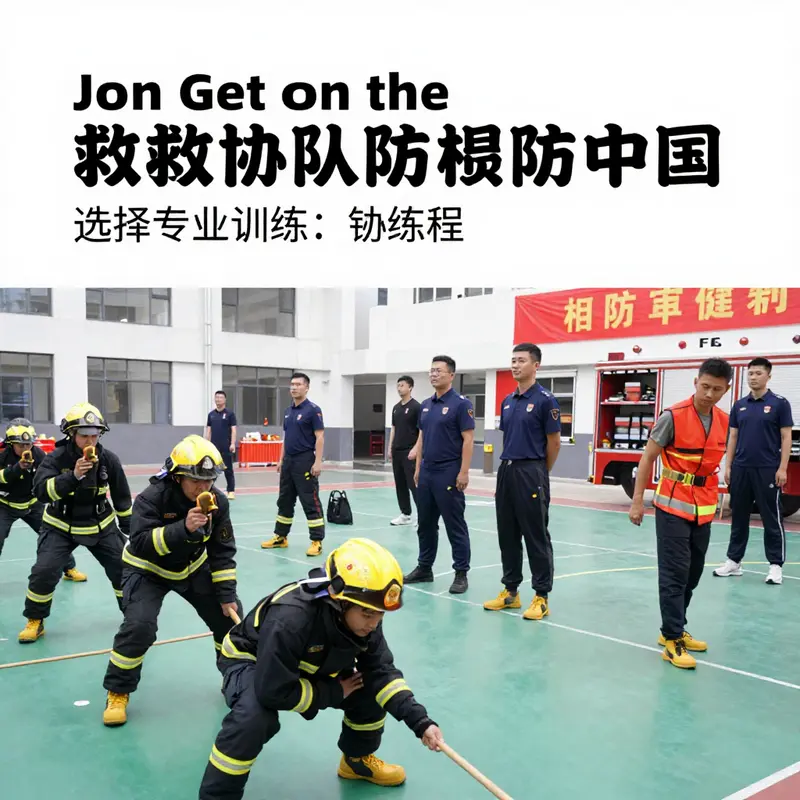
On a quiet street that leads to a district fire station, a hopeful figure imagines what lies beyond the drill yard: the rhythm of a real rescue, the clack of gear, the sun gleaming off a helmet, and the trust of a crew moving as one. The life of a rescue squad firefighter in China is not a single moment of passing an exam; it is a carefully choreographed journey through eligibility, application, assessment, and training. It is built on a framework that blends national standards with local realities, a structure designed to ensure that every recruit arrives ready to face emergencies that demand both nerve and judgment. In this chapter, we trace that path with the precision it requires, threading together the public rules, regional variations, and the kind of disciplined preparation that turns aspiration into service.
The first decision a candidate faces is straightforward in theory, yet consequential in practice: which door into the firefighting world should one pursue. There are two primary routes in China’s current system. The most visible is the national track, formally known as the National Comprehensive Fire Rescue Team. This is the official national service that recruits full-time firefighters to serve across the country. The second route is the government-professional track, a pathway through local government fire departments stationed in cities and prefectures. These local units often run their own recruitment drives and may have distinct timelines and slightly different eligibility criteria, even as they share the same overarching mission of protection, rescue, and rapid response. The choice between these doors is not just about scale or prestige; it shapes the entire experience of training, deployment, and career progression.
From the outset, eligibility becomes the practical filter that guides a candidate’s plan. The basic gatekeepers are straightforward: the applicant must be a Chinese citizen; the age range is relatively narrow, and the exact window depends on which door you aim for. For the general or broad-entry positions, the typical frame has been 18 to 22 years old, a boundary set to ensure that entrants can sustain a long career in the demanding life of firefighting. In many cases, there is room for a modest extension—up to 24—if the applicant brings a college degree, veteran status, or more than two years of firefighting experience. This blend of youth and experience seeks to balance physical readiness with a learning curve; it recognizes that mature perspectives and prior exposure to dangerous work can be a meaningful advantage in the field.
Education is a touchstone as well. A high school diploma is the minimum, though some positions, particularly specialized roles, require higher education or specific professional credentials. The physical and mental health of a candidate is assessed through formal medical examinations and psychological evaluations. The firefighting environment is unforgiving; strength, endurance, coordination, and stability under stress are essential. A clean record is another non-negotiable criterion. Applicants are screened for criminal history, drug usage, and serious financial or disciplinary issues, along with a history of being dismissed from prior jobs or military service. The emphasis on background integrity is not merely bureaucratic; it is about ensuring a team can protect the public without collateral concerns or conflicts of interest.
In addition to these general rules, the path has special lanes for those who bring particular skills. Roles such as drivers, communications officers, or maintenance technicians may require extra qualifications. A valid driver’s license of an appropriate class can be a requirement for driving specialized fire service vehicles. Technical certifications or professional experience in related fields can accelerate the recruitment process for qualified candidates. The latent message is clear: while the core mission is universal—save lives and protect property—the department values skills that extend beyond pure firefighting, including medical response, logistics, and mechanized operations.
Once a candidate clears the door, the journey truly begins online. The primary recruitment platform—the National Comprehensive Fire Rescue Team Firefighter Recruitment Platform—serves as the registration and information hub for both national and government-professional positions. While the exact interface may evolve, the essential steps remain consistent. An applicant visits the platform during the official annual window, typically in late spring to early summer, creates an account, and selects the target position. The form requires standard biographical data, educational background, and work experience, along with the upload of documents such as identification, diplomas, and any relevant licenses. The process is designed to be transparent yet exacting, with a paper trail that will be scrutinized at several later stages.
The recruitment window for national roles is often concentrated in June or July each year, a cadence that organizations align to with budgets, training capacity, and the expectations of readiness for the upcoming cycle. Government-professional recruitment, by contrast, can be more variable, with localities scheduling drives throughout the year to meet local staffing needs. The rule of thumb is simple: apply early, verify that every document is in order, and stay alert for notices on the local stations that you aim to join. The system works through a sequence of checks that become increasingly stringent as you move deeper into the process.
The selection process unfolds in a series of stages, each designed to verify a combination of physical capability, skill, and character. After the online submission, candidates enter an online preliminary review. This stage is a first pass, ensuring that basic eligibility has been met before the heavier tests commence. The subsequent qualification review is more detailed, with documents cross-checked for education, work history, military service, and any supporting licenses. Only after this gate is passed does the candidate proceed to the more demanding screens.
The physical and psychological components form the heart of the assessment. A standardized physical examination screens for fitness and health, while a more targeted physical fitness test puts stamina and speed to the test—think running, push-ups, and other strength and endurance tasks that mimic the physical realities of firefighting. The psychological evaluation probes resilience, temperament, and the capacity to stay calm and decisive in high-pressure scenarios. These tests are not merely hurdles; they are windows into the daily realities of the job, where split-second decisions can determine life or death outcomes.
An interview adds a personal dimension to the evaluation. It explores motivation, teamwork, communication, and the candidate’s sense of purpose within a mission that is inherently communal. A political review—often the most delicate part of the process—investigates background details, family connections, and broader social contexts. While it may feel intrusive, it is part of a broader risk management framework intended to ensure trust and cohesion within a team that operates in dangerous, unpredictable environments. The whole sequence culminates in a training and probation phase, a proving ground where theory yields to practice and a recruit’s character is tested under the actual demands of the job.
Training for new recruits is a comprehensive, time-bound program designed to convert potential into capability. The duration varies, but a typical entry path includes several months of intensive instruction that covers the core competencies of firefighting and rescue. Recruits learn firefighting tactics, vehicle and equipment operations, and the practical application of first aid and medical response. They also participate in leadership development and teamwork drills, recognizing that successful rescue operations depend as much on collective discipline as on individual skill. The physical conditioning that begins in the selection phase continues, with drills calibrated to build endurance, strength, and agility for long shifts and challenging missions.
As recruits progress through training, they begin to assume real duties under supervision. The transition from classroom learning to field work is gradual but tangible: more time in live drills, closer supervision by senior instructors, and increasing responsibility in rescue simulations. The aim is to graduate recruits who can function effectively as part of a cohesive unit—people who can think clearly under pressure, communicate precisely, and execute tasks with confidence and care. The path from trainee to full member is not instantaneous; it requires proving one’s reliability, adaptability, and readiness in the line of duty. Only after successful completion of the training and probationary period do new firefighters officially join the ranks.
A crucial layer of the narrative concerns how veterans and professionals are treated within the recruitment ecosystem. Veterans and former NCFRT members are often given priority, reflecting both experience and proven reliability in hazardous environments. People with specialized skills—such as medical first responders, IT specialists, or vehicle mechanics—may find entry faster or be placed into roles that leverage those competencies directly. In practice, this means that someone with a bachelor’s degree or a track record in firefighting can carry advantages through selection, especially when competition is intense or when the city’s needs are specialized. These considerations underscore a broader truth: the fire service seeks not only physically capable individuals but also people who bring diverse knowledge, disciplined work habits, and a readiness to cross-train in multiple domains.
The terrain of recruitment is not uniform across the country. Local differences—economic, demographic, and administrative—shape the recruitment tempo and the emphasis on particular qualifications. A city that anticipates a high call volume or a complex urban environment may prioritize drivers with license certifications or recruitment of technicians with mechanical aptitudes. Meanwhile, more rural or developing regions may place emphasis on general readiness and broader physical fitness. The two-track system thus accommodates a spectrum of communities, ensuring that every region can field a capable fire service that responds promptly to emergencies while reflecting local needs and resources.
Beyond the formal steps, the real life of a rescue squad firefighter is marked by a constant training mindset and a culture of service. The job requires staying physically sharp, rehearsing response protocols, and maintaining mental readiness for the unexpected. It demands teamwork and trust, because every operation is a delicate balance of risk and responsibility. Recruits learn to operate under pressure, to communicate under stress, and to make decisions with limited information and high stakes. They learn to read a scene, coordinate with colleagues, and adapt to evolving risks as a mission unfolds. They learn to persevere through the long hours, the heavy gear, and the emotional weight of rescue work; and they learn to celebrate the small, incremental gains that make a crew more effective over time.
The road to joining is not a single rite of passage but a sequence of milestones—each one building toward a stable, lifelong vocation in public service. After completing training, firefighters enter active duty at a station where they continue to learn under the mentorship of seasoned teammates. The experience ripples outward: with one year of service, individuals can become eligible for annual leave and further promotions based on demonstrated performance. High achievers may be recommended for national recruitment or advanced training programs, continuing a trajectory that can lead toward leadership roles within the service or into specialized fields that demand deeper expertise. The career path, though ladder-like, remains dynamic; a well-prepared firefighter can transition across stations, assume different responsibilities, and contribute to a broader culture of readiness and safety.
In contemplating this path, candidates should keep in view a few practical touchstones. The online platform is the beginning, but preparation continues long before submitting an application. Physical conditioning, for instance, is not a one-off test; it is a habit that sustains performance across dozens of drills, shifts, and missions. A candidate’s medical readiness must be kept current, as a minor health issue can interrupt a career that prizes continuity and reliability. Mental resilience is equally vital; the psychological assessments aim to identify the capacity to navigate trauma, maintain clarity under stress, and retain composure in life-and-death moments. Ethical integrity and a sense of public service are not abstract qualities here; they are the underpinnings of trust within the team and the broader community.
The narrative of selection and training is also a narrative of regional adaptation. The Meishan and Huangshan examples in public announcements illustrate how local governments implement the same overarching framework with context-sensitive details. While the core criteria—citizenship, health, education, and a commitment to a 24/7 duty cycle—remain constant, the nuances of age limits, the weighting of specialized qualifications, and the timing of recruitment can shift from one city to another. A candidate must therefore stay attuned to both the national platform and the local channels to understand when and how to pursue a particular post. This dynamic ecosystem ensures that the rescue squads can recruit not only from the broad pool of entrants but also from the pool of people whose unique experiences align with the needs of a given station.
To readers who are charting this path, the practical takeaway is straightforward: approach the journey as a process of building capability and credibility. Earn the necessary education and licenses where required; cultivate physical and mental fitness; and cultivate a compelling narrative about public service and teamwork. Throughout, remember that every step—from the online application to the final probationary period—is a test of character as much as a test of skill. The person who emerges on the other side is not merely someone who can fight fire; they are someone who can stand with others in danger, make rapid judgments, and carry the weight of responsibility with humility and resolve. And the process is designed to reveal those qualities in a fair, standardized way that upholds the safety of communities and the integrity of the service.
For readers who want a glimpse of the training environment and the culture that sustains it, the broader body of practice offers valuable moments to consider. The training tower, in particular, serves as a focal point where theory and muscle memory fuse. Through the dedicated drills and the repeated practice of rescue sequences, recruits see how confidence grows and how fear can be transformed into disciplined action. The experience is not merely physical; it is an education in situ, where learners confront the real texture of emergency work and come to understand what it means to serve others under pressure. For those curious to learn more about the training environment and the ethos it represents, a deeper look at the training tower and related drills can be found in dedicated reflections and case studies available in the sector’s training resources: firefighter training tower dedication.
As this chapter closes its turn, the path to joining a rescue squad fire department in China remains clear: a disciplined entrance through a rigorous, multi-layered selection; a demanding but ultimately transformative training period; a probationary phase that cements professional identity; and a career that grows through performance, experience, and opportunity. The system’s design—two routes, uniform standards in core areas, and flexibility to accommodate regional needs—reflects a service that must be ready everywhere, every hour, for any scene that demand courage, skill, and teamwork. For aspiring firefighters, the map is straightforward, even if the terrain can be challenging. Seek clarity about eligibility, prepare with method, engage with the official channels, and step into a profession that remains as vital as the communities it protects.
External resource: https://xfyzl.119.gov.cn
Final thoughts
Embarking on the journey to join a rescue squad fire department in China is both rigorous and rewarding. By understanding the types of departments, meeting eligibility requirements, navigating the application process, and successfully completing the selection and training phases, you can position yourself for a fulfilling career dedicated to public safety. Your ability to serve your community in emergencies can make a significant difference, and the process begins with informed decisions and collective preparation.