
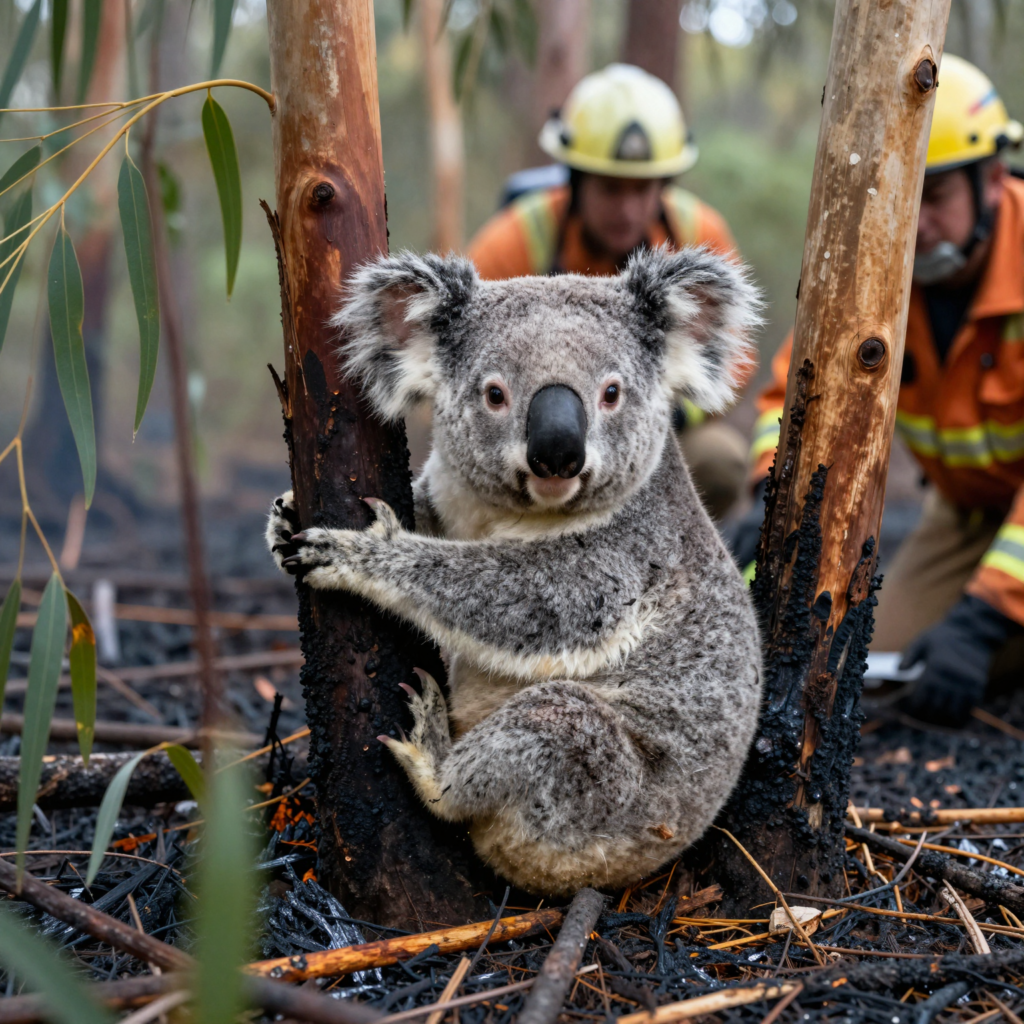
In the heart of Australia, amidst the choking smoke and crackling flames of the devastating bushfires, a small, disoriented koala emerged as a symbol of hope and resilience in wildlife rescue efforts. This koala, which had been caught in the inferno, eventually found its way into the hands of compassionate rescuers, demonstrating the emotional and physical toll that wildfires can exact on our precious fauna. The devastating Australia fires have not only claimed the lives of countless animals but have also sparked an urgent call to action for wildlife rescue and conservation efforts, highlighting the delicate balance between nature and disaster. Each rescued creature tells a story of survival, struggle, and the relentless spirit of life, as communities come together to rehabilitate these furry survivors. As we reflect on the resilience of the koala, we are reminded of the importance of our collective responsibility to protect these iconic Australian creatures while advocating for more robust conservation efforts. This story is not just about rescue; it is about nurturing hope for a future where wildlife thrives amidst the challenges posed by climate change.
The Emotional Journey of a Koala in Crisis
In the heart of Australia, amidst the thriving eucalyptus trees, a disaster was unfolding-a wildfire that would transform the serene landscape into a scene of despair. The once vibrant forest, home to countless creatures, fell victim to the fierce flames that devastated both the environment and its inhabitants. Koalas, the iconic marsupials of Australia, found themselves among the casualties, facing an unprecedented threat to their survival.
As flames danced towards the canopy, a young koala named Lewis was forced to flee from his tree. The heat was unbearable, and smoke filled the air, suffocating his tender lungs. With each step, the ground beneath him crackled, a ghostly reminder of the destruction that surrounded him. In that moment of chaos, Lewis was not just a creature escaping fire; he was a symbol of the delicate balance of nature that humans have continuously disrupted.
The Horrors of the Fire
The fires raged through the southeastern parts of Australia from the end of 2019 into early 2020, and the statistics were alarming. Over 1000 koalas were reported dead, and approximately 80% of their habitat went up in flames. Wildlife operators and volunteers sprang into action, determined to save as many lives as possible, showcasing extraordinary bravery and commitment.
Trapped in a desperate situation, Lewis was ultimately found by one such wildlife rescuer, Toni, who risked her own safety to rescue him. In a moment that would be etched in her memory forever, she saw Lewis clinging weakly to a blackened tree, his fur scorched and his spirit dwindling. Without hesitation, Toni removed her jacket and wrapped it around Lewis, gently mouthing words of comfort as she poured water from her bottle onto his parched body.
The Rescue Efforts
Once safely extracted, Lewis was rushed to the nearby wildlife rescue center, where the chilling reality of his condition became apparent. He suffered severe burns, and the psychological impact of the traumatic experience weighed heavily on him. The staff at the center, equipped with expertise in wildlife rehabilitation, faced a daunting task. They recognized that recovering from such trauma would involve not only treating Lewis’s physical wounds but also addressing his emotional scars, which included showing symptoms of PTSD-difficulty climbing trees and a loss of appetite became his companions in the recovery process.
The team’s dedication to Lewis’s recovery was profound. They created a nurturing environment that simulated his natural habitat, allowing him to engage in activities that would restore his confidence. Each day brought challenges, but also victories. Slowly, Lewis regained his strength. His fur started to grow back, and his spirit began to spark once more. Wildlife operators worked diligently to ensure that he was prepared not just for survival, but for a return to the wild-a wild that, while still charred, represented a second chance.
A Journey of Resilience
Eventually, the day came when Lewis was ready for release. As he clambered up a tree, the sun glimmering through the leaves, there was a sense of hope and triumph in his every movement. Tears glistened in Toni’s eyes as she watched Lewis venture into the treetops, free once again. It was a moment that underscored the resilience of wildlife in crises and the capabilities of dedicated humans. While not all koalas could be saved, Lewis’s story became a beacon of hope amid a narrative laden with loss.
The impact of the bushfires on the koala population continues to reverberate. Thousands of koalas still struggle to find refuge, their habitats scarred and diminished. Organizations are working tirelessly to provide aid, and the need for ongoing support in wildlife conservation is crucial. The touch of a caring hand can save lives, just as Toni saved Lewis. Every small action contributes to a larger movement of healing and restoration. This is not just about saving koalas; it’s about protecting our environment, our planet, and the future of wildlife.
Conclusion
The journey of koalas like Lewis emphasizes the profound connection between humans and nature. Our responsibility extends beyond mere observation. We need to engage actively in wildlife conservation efforts. To learn more about supporting efforts for wildfire recovery, you can check out fire safety essentials and training or explore customized solutions for wildlife rescue efforts. The resilience of our wildlife mirrors our own as we face challenges together.
Rehabilitation Process for Rescued Koalas
The rehabilitation process for koalas rescued from devastating bushfires is a critical phase in their recovery, requiring specialized care and a comprehensive approach to ensure their successful return to the wild. Key organizations, such as the Port Macquarie Koala Hospital and various wildlife care centers, play significant roles in this recovery journey.
Stages of Rehabilitation
Upon rescue, the first step is emergency care, which involves assessing the koala’s injuries and initiating immediate medical treatment. Common issues include burns, dehydration, and malnutrition due to the lack of food sources. This stage is crucial as it stabilizes the animal’s condition.
Following the initial treatment, the koala enters a clinical diagnosis phase, where veterinary professionals conduct thorough examinations to identify any underlying health issues. This process often includes blood tests and X-rays to assess the animal’s overall health.
Once stabilized, the koala moves into long-term nutritional management. Koalas are highly specialized feeders, primarily consuming eucalyptus leaves. Therefore, nutritionists in wildlife care facilities ensure that the koalas receive a carefully controlled diet rich in essential nutrients. The type and freshness of eucalyptus leaves are critical, as the wrong type can lead to further health issues.
Psychological adaptation is another vital aspect of the rehabilitation process. Koalas are solitary animals, but those raised in captivity may require behavioral training to prepare them for life in the wild. This includes minimizing human interaction and promoting natural behaviors, such as climbing and foraging.
The final phase of rehabilitation is field survival skills training, where koalas are gradually acclimatized to their natural habitats. This training is essential for teaching them how to avoid predators and find food independently.
Challenges in the Rehabilitation Process
Rehabilitation is not without its challenges. Many rescued koalas are affected by chlamydia, a significant health issue that can lead to infertility and blindness. The treatment can be long and complicated, requiring ongoing medical support. Additionally, the limited availability of suitable release sites due to habitat destruction poses a significant hurdle. In some cases, if a koala cannot return to the wild due to health issues or habitat loss, it may remain in care permanently.
Furthermore, the psychological effects of their trauma can manifest as stress or behavioral issues, complicating the rehabilitation process. The skilled team at the Koala Hospital meticulously monitors each animal’s progress, employing advanced technologies and behavioral assessments to address these challenges effectively.
Conclusion
The commitment to koala rehabilitation not only involves the physical recovery of these animals but also their emotional and psychological wellness. By leveraging the expertise of wildlife care organizations and the dedication of volunteers, the rehabilitation efforts strive to return koalas to their natural habitats, supporting the conservation of this beloved Australian icon. The process may be arduous, yet it remains an essential effort in preserving the future of koalas in the wild.
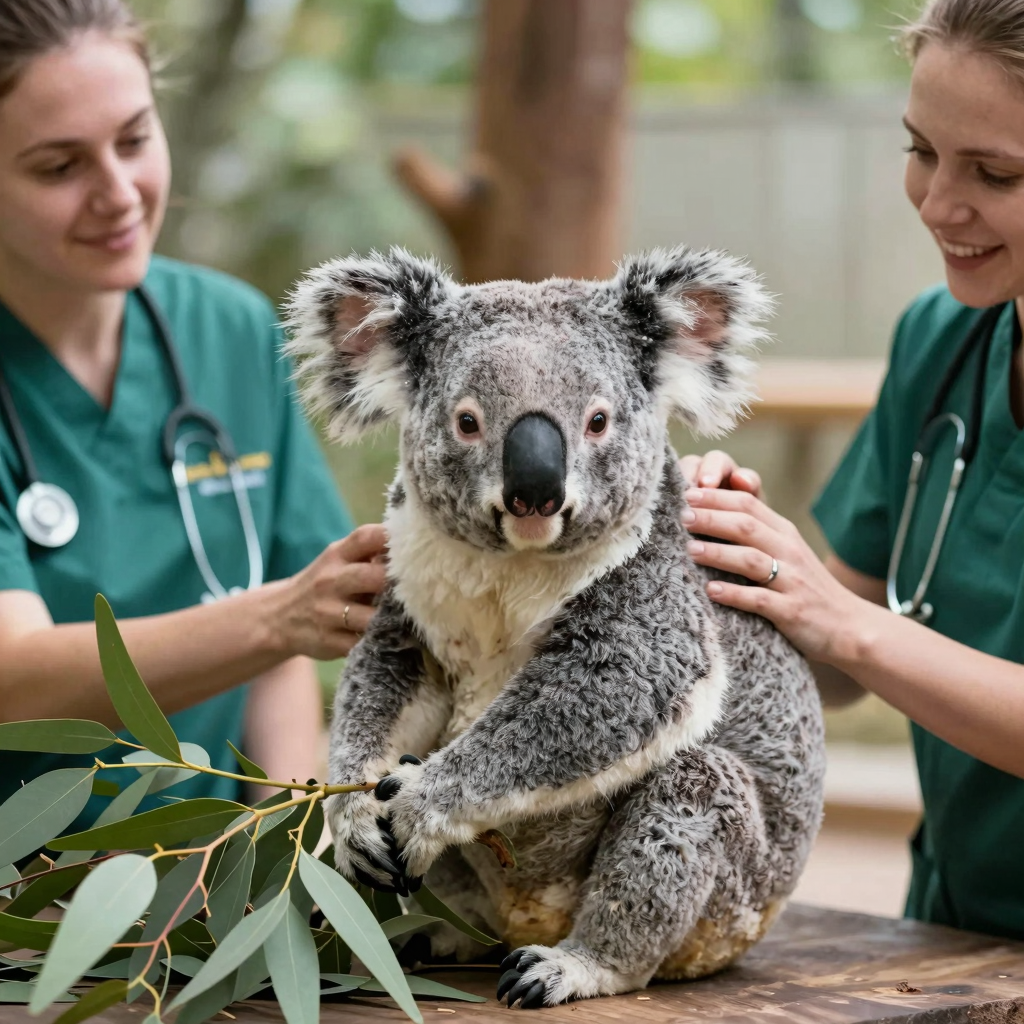
Rehabilitation Stages of Koalas
Below is a visual representation of the rehabilitation stages for koalas at facilities like the Port Macquarie Koala Hospital.
Koala Conservation Efforts in Australia Post-Fires
Recent years have seen devastating impacts on koala populations in Australia, largely due to the 2019-2020 bushfires, which destroyed vast areas of habitat. The survivors of these fires, however, have prompted a robust response from government and conservation organizations aimed at protecting the species and restoring their habitats. This article summarizes the key initiatives, partnerships, and policies focused on koala conservation, with a focus on habitat restoration and wildlife protection strategies.
Major Initiatives and Funding
- New South Wales Government Plan
In September 2023, the New South Wales government unveiled a $107.1 million conservation initiative under its Koala Strategy, focused on enhancing, protecting, and restoring koala habitats across the state. Core activities include:
- Expanding protected areas
- Planting native eucalyptus trees
- Enhancing wildlife corridors
- Involving local communities in habitat stewardship
This significant investment reflects a commitment to addressing the effects of the catastrophic bushfires, with the aim of stabilizing remaining koala populations. Learn more about this strategy here.
-
Federal and State Partnerships
The Australian federal government has prioritized partnerships with state agencies, Indigenous rangers, and NGOs to accelerate koala habitat recovery. In a recent initiative, $45 million was allocated for reforestation projects in fire-affected regions of New South Wales, Queensland, and Victoria. This program emphasizes the incorporation of traditional ecological knowledge from Aboriginal communities, which plays a crucial role in effective habitat restoration. As of mid-2024, over 2 million trees were planted, showcasing the collaborative efforts in wildlife protection. Further details on this initiative can be found here. -
Indigenous Ranger Programs
The Indigenous Land and Sea Rangers Network expanded its koala monitoring and habitat protection programs in 2023, supported by federal grants. These ranger-led teams engage in:
- Regular population surveys
- Restoration of degraded bushland
- Cultural burning practices to reduce future fire risks
Their involvement is pivotal in identifying surviving koala populations and in implementing targeted conservation measures. Find out more about their programs here.
Policy Updates for Improved Koala Protection
In June 2023, the Australian government strengthened legal protections for koalas through an updated National Koala Conservation Strategy. Key aspects include:
- Stricter land-use regulations in high-priority koala zones
- Mandatory environmental assessments for development projects
- Enhanced penalties for habitat erosion
- A national koala database to track population trends
These legal frameworks aim to ensure robust protection of koala habitats, which is crucial for their long-term survival. More on this policy update can be accessed here.
Current Status: Population Assessment
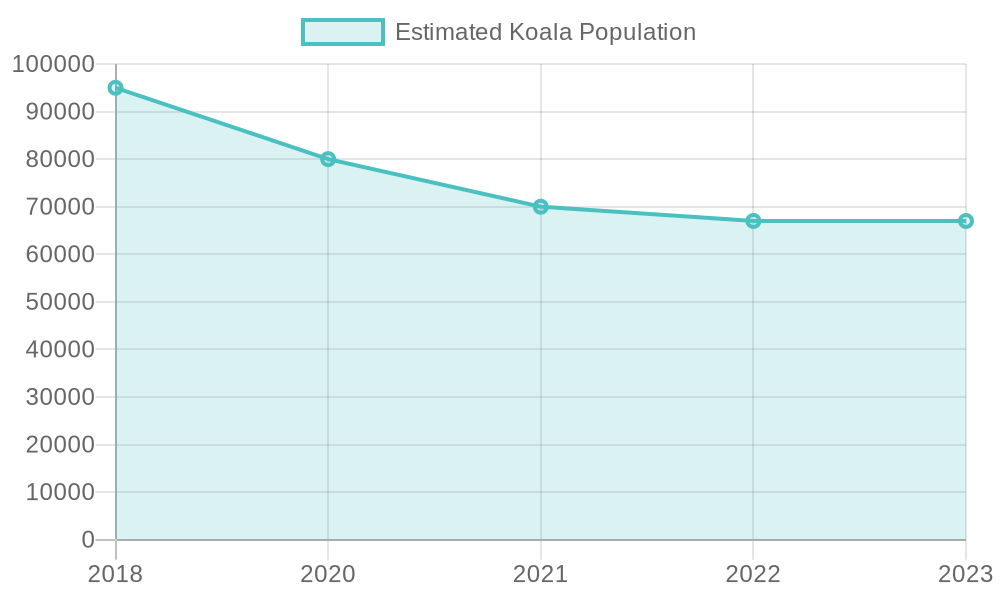
According to the Australian Department of Agriculture, Fisheries and Forestry (DAFF) in December 2023, only about 67,000 koalas remain in the wild, a sharp decline from previous estimates. Despite localized successes in recovery efforts, challenges such as ongoing habitat loss and disease (notably chlamydia) persist. Notably, conservation initiatives in regions like Queensland demonstrate a 15-20% increase in local koala populations due to effective habitat restoration strategies.
Conclusion
The coalition of government bodies, Indigenous communities, and conservation organizations embodies a comprehensive approach to koala conservation, underlining the value of partnerships in wildlife protection and effective habitat restoration. Moving forward, continuous efforts and enhanced policies are essential to sustain the remaining koala populations and to mitigate the threats they face.
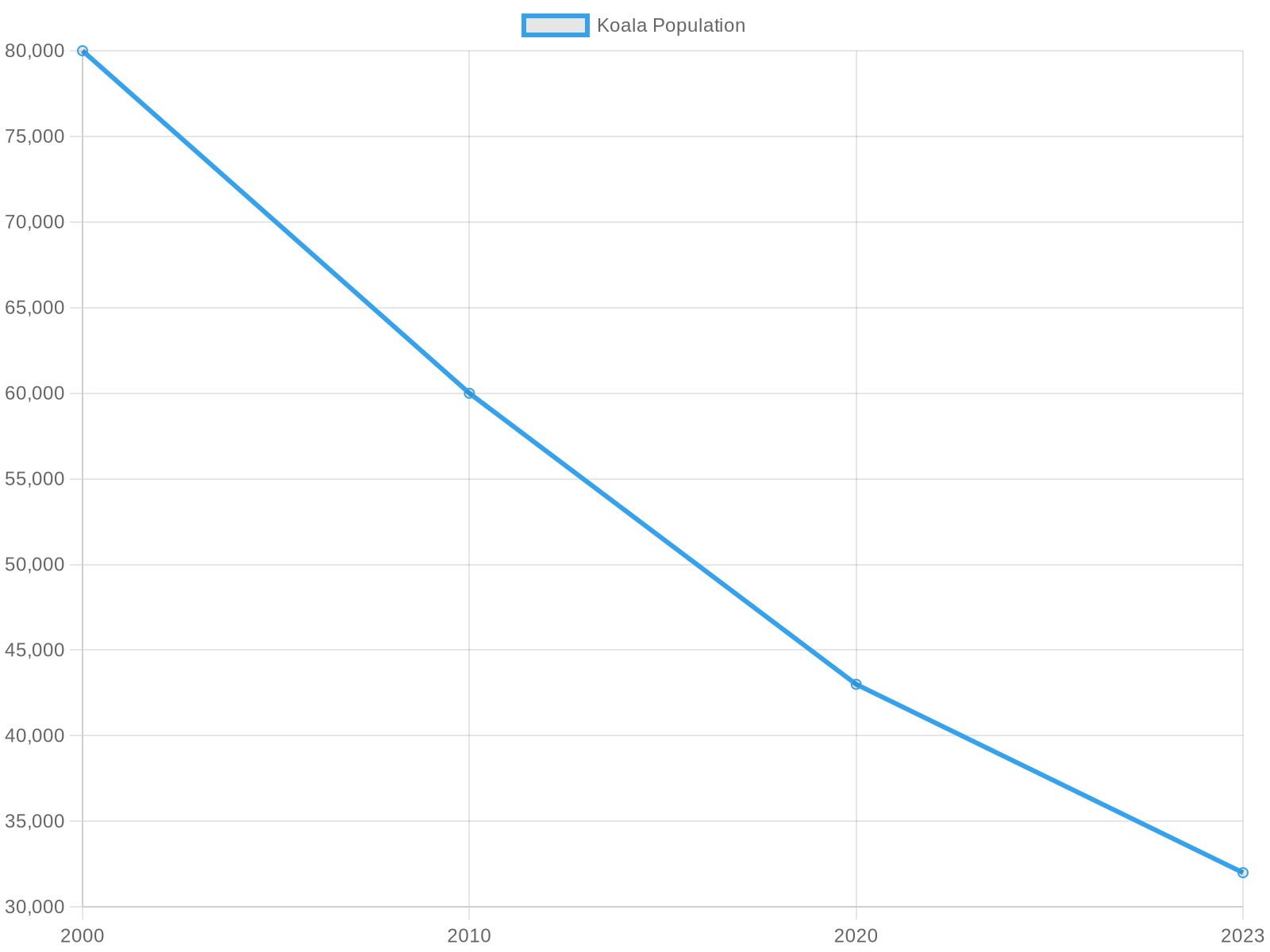
This bar chart illustrates the serious decline in the koala population over the years due to various factors, including habitat destruction and bushfires. The figures highlight a concerning trend that emphasizes the need for urgent conservation efforts.
| Year | Koala Population |
|---|---|
| 2000 | 80,000 |
| 2010 | 60,000 |
| 2020 | 43,000 |
| 2023 | 32,000 |
Sources:
Ways the Community Can Support Koala Conservation Efforts
The plight of koalas in the wild, exacerbated by habitat destruction, bushfires, and diseases, calls for urgent community involvement to help save these iconic Australian marsupials. Here are five actionable suggestions on how you can support koalas in your local area:
-
Volunteer Opportunities: Joining local wildlife rescue centers as a volunteer is a powerful way to get involved. Organizations such as the Australian Koala Foundation and WWF Australia offer opportunities for community members to participate in tree planting, habitat restoration, and monitoring koala populations.
-
Donation Programs: Financial contributions enable crucial research and rehabilitation efforts. Donations to programs focused on koala health and habitat protection are often tax-deductible. Consider supporting organizations like the Koala Hospital in Port Macquarie or government-backed conservation funds that play a vital role in habitat restoration.
-
Spreading Awareness: Use social media platforms to raise awareness about the challenges faced by koalas. Schools and community groups can organize educational campaigns to inform their peers about the importance of protecting koalas and their habitats.
-
Advocating for Policy Changes: Engage in advocacy for stronger environmental protections and policies aimed at koala conservation. This includes promoting land management strategies that take into account koala habitat connectivity and opposing developments that threaten these areas.
-
Participating in Community Events: Many organizations host events focused on conservation efforts, like tree planting days and wildlife awareness workshops. Joining these events helps to unite community efforts towards koala protection and fosters collaboration among local residents.
By taking these actions, individuals can significantly contribute to ongoing efforts to support koalas and ensure their survival in the face of numerous threats. The collective power of community involvement plays a critical role in reversing the decline of koala populations.
The Importance of Rescuing Koalas
The koalas of Australia are facing unprecedented challenges, particularly in the wake of devastating bushfires that have ravaged their natural habitats. As wildlife conservationists mobilize to rescue these beloved creatures, the urgency of their plight cannot be overstated.
“The fires are a tragedy for our wildlife. We have these unique animals that exist nowhere else on Earth, and we are failing to protect them. This should serve as a massive wake-up call for everyone.”
- Cheyne Flanagan, clinical director of the Koala Hospital
The Guardian
Cheyne Flanagan emphasizes the critical need for coordinated conservation efforts. The survival of koalas is increasingly precarious, and without significant intervention, their future remains uncertain.
The Role of Technology in Koala Rescue
Recent advancements have also supported koala rescue efforts. For instance, the development of solar-powered ear tags is aimed at tracking koalas’ movements in real-time, thereby facilitating quicker responses to emergencies such as bushfires. Tanya Pritchard, a wildlife expert on this project, remarked,
“At this point, every koala counts.”
These initiatives highlight the synergy between technology and wildlife conservation, essential for protecting these iconic marsupials from extinction.
For those interested in detailed insights regarding fire safety essentials in wildlife protection, consider reading our fire safety essentials certification training articles.
As we reflect on the plight of koalas rescued from devastating fires in Australia, it becomes clear that wildlife conservation is not just a responsibility but a shared mission among all of us. These iconic creatures, beloved for their unique charm and ecological significance, are increasingly at risk due to habitat destruction, climate change, and human interference. The recent initiatives aimed at koala rescue underscore the urgency for sustained efforts that protect their habitats and support their recovery.
Supporting wildlife conservation is crucial, especially in light of the recent bushfires that have ravaged vast areas of their habitat. According to the World Wildlife Fund (WWF) – Australia, individuals can make a significant impact by donating to reputable organizations that fund rescue operations and habitat restoration. Moreover, advocacy for policies promoting land protection and sustainable practices plays a vital role in ensuring that koalas and other wildlife are safeguarded against future threats.
Every individual has the power to contribute to this important cause. Simple actions, such as choosing sustainable products, participating in community-led initiatives, and raising awareness through social media, can collectively foster a culture of conservation. The Australian Government encourages the public to report sick or injured koalas to ensure timely interventions, emphasizing that community support is key to their survival.
Businesses, too, have a pivotal role in wildlife conservation. They can support koala rescue efforts by investing in eco-friendly practices, sponsoring local conservation programs, or even engaging employees in volunteer activities that benefit wildlife and their habitats. Collaborating with conservation groups not only enhances a company’s social responsibility profile but also builds a community of informed advocates who value biodiversity and environmental health.
In conclusion, the call for action is clear. The future of koalas and countless other species hinges on our collective efforts in wildlife conservation. By taking meaningful steps today, individuals and businesses can create a ripple effect of positive change that empowers communities to protect and restore our natural heritage. Together, we can ensure that these gentle creatures not only survive but thrive in a sustainable and supportive environment. Let us unite in the spirit of koala rescue and make a lasting impact on wildlife conservation.
Choose Quality Motorcycle Fairings for Your Ride
Motorcycle fairings are not just about aesthetics; they play a crucial role in safety and performance. High-quality fairings reduce wind resistance, improve fuel efficiency, and enhance stability at high speeds. They provide vital protection from wind and debris and contribute to rider comfort, reducing fatigue during long rides.
When selecting motorcycle fairings, opting for premium materials like ABS plastic or carbon fiber ensures durability and weather resistance. These components not only add to the bike’s appearance but also maintain its resale value due to their premium finish and custom fit.
Ready to enhance your ride? Learn more about the benefits of quality motorcycle fairings at Summit Fairings and discover how the right fairing can transform your motorcycle experience.