
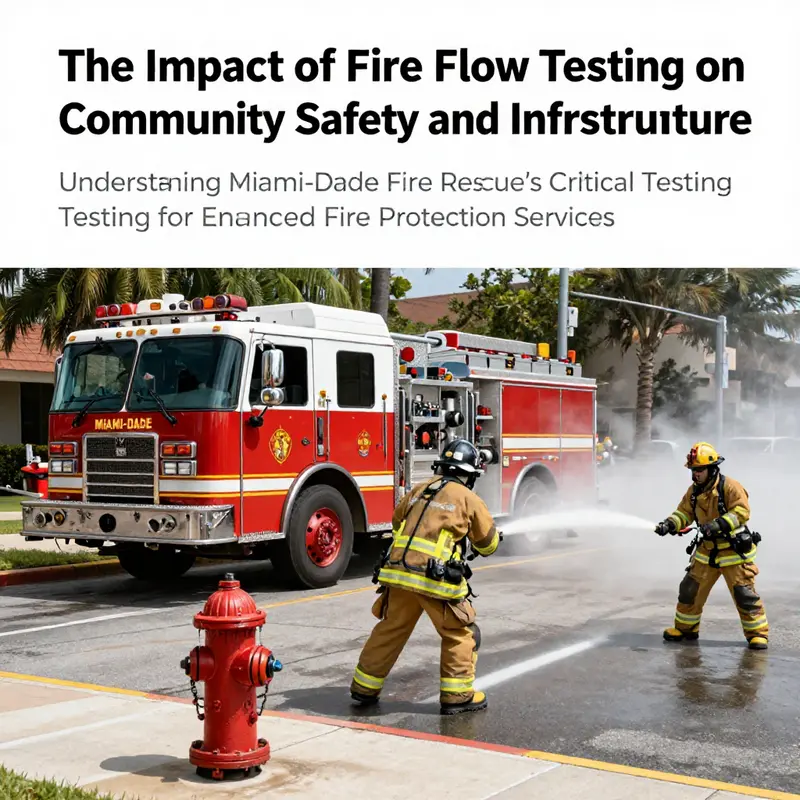
Fire flow tests performed by the Miami-Dade Fire Rescue Department play a crucial role in ensuring robust firefighting capabilities across the region. By evaluating water supply systems, these tests provide essential data that enhances both operational efficiency during emergencies and community safety. This article delves into critical hydraulic principles underpinning fire flow tests, their operational significance, and broader community impacts. Additionally, we will explore the challenges faced by the Miami-Dade Fire Rescue in conducting these tests and outline future strategies for improvement. Through a comprehensive understanding of these elements, stakeholders, including individual car buyers and businesses, can gauge the importance of water supply systems in effective fire response and emergency planning.
Hydraulics in Action: The Miami-Dade Fire Rescue Fire Flow Test and the Readiness of Water Supply for Firefighting
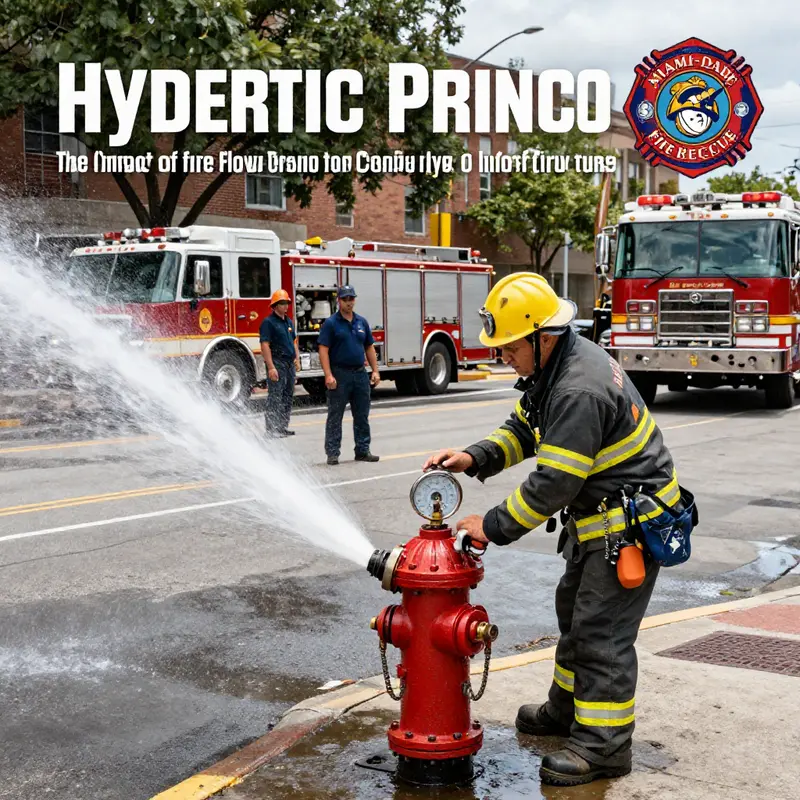
In the dense and interconnected fabric of Miami-Dade’s water system, fire flow tests are more than technical rituals. They are fundamental checks on a lifeline that must deliver both pressure and volume under demanding conditions. The Miami-Dade Fire Rescue Department (MDFR) commits to these tests to verify that hydrants, mains, and the broader distribution network can sustain the demands of firefighting operations when every second counts. The objective is not only to confirm that a hydrant can deliver a high rate of water, but also to understand how the surrounding network behaves as water moves through pipes, around bends, and over elevations. The results become the basis for decisions about infrastructure investment, maintenance priorities, and emergency preparedness strategies. This transparency—publicly accessible fire flow data that accompanies each test—ensures that the community can see how the system is performing, where it excels, and where there is room for improvement. In a county of growing population and evolving risk, the ability to translate hydraulic measurements into concrete action strengthens trust between responders, engineers, officials, and residents alike. It also anchors a culture of accountability in which data guide not just immediate fixes but long-range planning for resilience.
The procedural heart of a typical MDFR fire flow test blends simplicity with precision. In practice, one hydrant is opened to simulate flowing conditions, while a downstream hydrant remains closed as a nonflowing reference. This configuration mirrors a controlled stress test of the network, capturing how pressure and flow respond when water begins to move from the source toward a firefighting scenario. The nonflowing hydrant is usually positioned roughly halfway between the flowing hydrant and the source along the pipeline. This strategic placement helps isolate the friction and elevation effects that accumulate as water travels through the system. As water begins to move, observers track static pressure, which reflects the starting energy of the system, and residual pressure, which shows how much energy remains at the hydrant under flow. The flow rate itself—the volume of water moving through the hydrant during the test—completes the trio of measurements that define the test’s diagnostic value. When these readings are collected across multiple locations, they construct a geographic and hydraulic map of how the county’s water supply can sustain firefighting operations during an emergency. The syntax of the test is straightforward, yet the interpretation demands a nuanced understanding of how real-world conditions—like valve configurations, nearby elevations, and pipe characteristics—shape the outcomes.
At the core of the hydraulic reasoning lies a set of practical principles. Pressure is more than a single number: it represents the energy available to drive a column of water through the system. When water starts to flow, velocity increases, and the pipe’s interior walls exert friction on the moving fluid. This friction loss—reduced pressure along the path—depends on several interrelated factors: pipe diameter, pipe length, material roughness, and the presence of fittings or bends that introduce additional resistance. Elevation changes further complicate the picture. As water moves uphill, the energy needed to gain head reduces the pressure available at downstream hydrants; conversely, water moving downhill can maintain higher residual pressures more readily. In MDFR’s testing environment, these effects manifest as measurable drops in pressure as the flow travels from source toward the hydrants in question. The resulting data must then be reconciled with the physical realities of the distribution network. Larger-diameter mains typically incur less friction loss per unit length, while longer, more complex routes accumulate loss. The differences between a flowing hydrant and a nonflowing reference illuminate how the network handles friction and elevation in real conditions, not just theoretical models. Although the math behind these calculations can be intricate, the guiding logic remains clear: preserve pressure and sustain flow by minimizing resistive losses through thoughtful design, maintenance, and operation. The MDFR context emphasizes adherence to established firefighting hydraulics practices, and professionals frequently cross-check their methods against widely accepted standards in fire protection engineering. To dive deeper into the normative framework behind these principles, practitioners often turn to authoritative resources that elaborate on fire flow testing and hydraulics, including standards developed by NFPA.
The implications of fire flow testing extend far beyond the immediate moment of measurement. The data feed directly into decisions about where to invest in water main upgrades, hydrant spacing, pump capacity, and system-wide resilience. If residual pressures fall below the thresholds necessary to sustain effective firefighting at a given flow rate, planners may consider reinforcing the network with additional mains or improved valve control to optimize water distribution during peak demand. Conversely, consistently strong readings at key locations can validate current configurations and support targeted maintenance rather than wholesale relocation. In either case, the tests help align the county’s firefighting capabilities with the risk landscape it serves. They also shape response planning by identifying critical nodes where pressure must be maintained to ensure successful hose lays and nozzle performance under realistic fire scenarios. The public availability of these test results reinforces the principle that readiness is a collaborative endeavor. When residents understand that hydrants are tested, and when engineers and responders can correlate site conditions to measured outcomes, the entire community benefits from a shared, transparent view of emergency preparedness.
From a training and workforce development perspective, fire flow testing offers a valuable bridge between theory and practice. Reading and interpreting a test report requires familiarity with how static pressure, residual pressure, and flow rate relate to the practical ability to make a fire attack. It should be noted that these concepts extend into the everyday learning journey of firefighting professionals and those pursuing safety credentials. For individuals exploring career pathways or seeking to deepen their technical literacy, practical resources tied to safety training provide essential scaffolding. One such resource, focused on building a robust foundation in fire safety concepts, offers structured guidance on certification and essential training for professionals in the field. Fire Safety Essentials Certification Training illustrates how formal education supports on-the-ground work by clarifying how hydraulic principles translate into the tools and tactics used during a fire response. The linkage between training and field performance underscores a broader truth: every reliable flow reading starts with a well-prepared team that understands the physics of water and the procedures that render that physics actionable on the street. This connection between learning, readiness, and real-world outcomes is a core thread tying MDFR’s testing program to the safety and resilience of the communities it serves.
Ultimately, MDFR’s fire flow program embodies a disciplined integration of theory and practice. It anchors daily operations in a methodical, repeatable approach that clarifies how water moves from source to nozzle under the stress of a fire. It also represents a bridge to public accountability: digits that might once have lived in arcane engineering reports now populate dashboards for community insight, informing residents about the readiness of their water system to support life-saving actions. The test results become a shared language that aligns the firefighting mission with the city’s water infrastructure, the maintenance schedules of utilities, and the strategic investments that keep the system resilient against growth, climate variability, and evolving risk. In this sense, hydraulics is not a theoretical curiosity but a practical compass. It guides the placement of hydrants, the sizing of mains, and the deployment of pumps in ways that ensure that when a call comes in, confidence, rather than hesitation, defines the first moments of response. And because MDFR makes its fire flow data accessible, the chapter of the county’s firefighting story remains open to scrutiny, learning, and continual improvement. These orientations—data-driven decisions, transparent reporting, and alignment with standards—form the backbone of a system designed to protect lives and property when every second matters.
To connect these field practices with broader standards, practitioners refer to the principles outlined in fire protection engineering resources that address both the physics of flow and the procedural frameworks used during testing. It is through this lens that the Miami-Dade tests gain their authority: not merely as numbers, but as a structured approach to understanding and strengthening a vital public service. The gravity of pressure, the velocity of a water column, and the friction of miles of pipeline converge in a single moment when a hydrant opens, and the system responds with a measure of its fidelity. In the end, a fire flow test is a meticulous exercise in reliability. It reaffirms the county’s commitment to ready water for the men and women who battle flames, while also reaffirming the shared obligation to keep communities informed and prepared. This is why the data, the methodology, and the ongoing dialogue surrounding these tests matter—because they translate hydraulic theory into tangible, life-saving action.
External reference: NFPA Fire Flow Testing and Hydraulics standard.
Flowing Toward Readiness: The Miami-Dade Fire Rescue Fire Flow Test
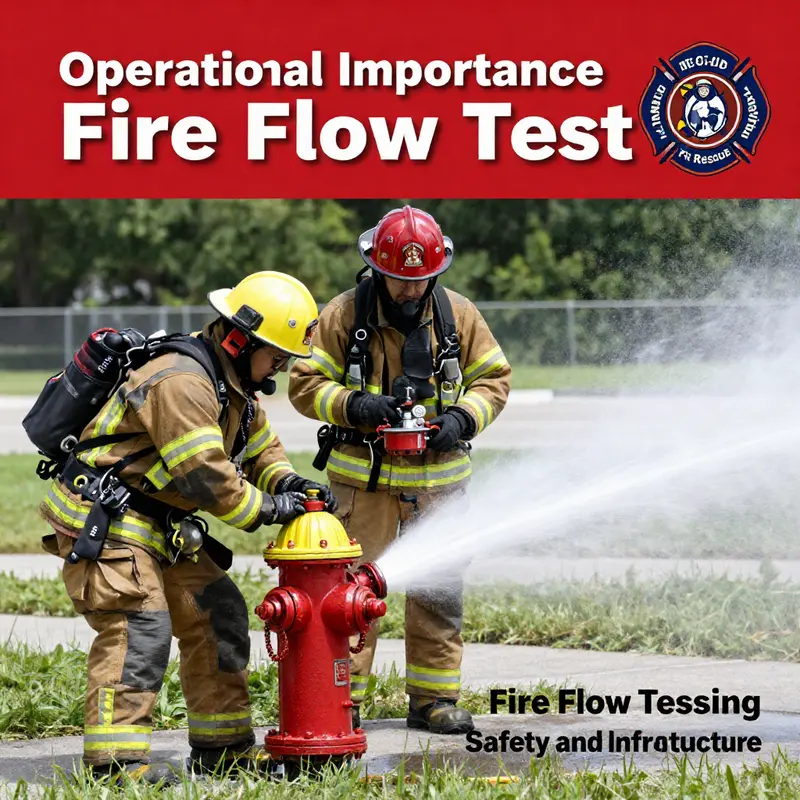
The flow test conducted by Miami-Dade Fire Rescue is a disciplined procedure that translates water pressure and capacity into actionable knowledge for responders who may face a real blaze. By opening hydrants in a controlled way, technicians measure static pressure, residual pressure, and gallons per minute. The difference between those figures creates the available water flow that can guide firefighting tactics. The test’s value lies in reliability: can the system sustain the high demand of a large incident without dropping pressure? When the readings are favorable, planners can validate current configurations and adjust incident plans. When results show gaps, engineers can propose hydrant additions, booster pumps, or piping changes to improve head and reduce friction losses. The broader purpose is to map the county’s fire protection backbone so that, in an emergency, every link in the water supply chain works together. The data also supports transparency and community trust, with schedules and results shared with public stakeholders. In short, the fire flow test is an ongoing, proactive investment in readiness rather than a one-off check. External resources provide a deeper framework for technical details and standards.
Pressures, Puddles, and Preparedness: The Community Footprint of Miami-Dade Fire Rescue Fire Flow Tests
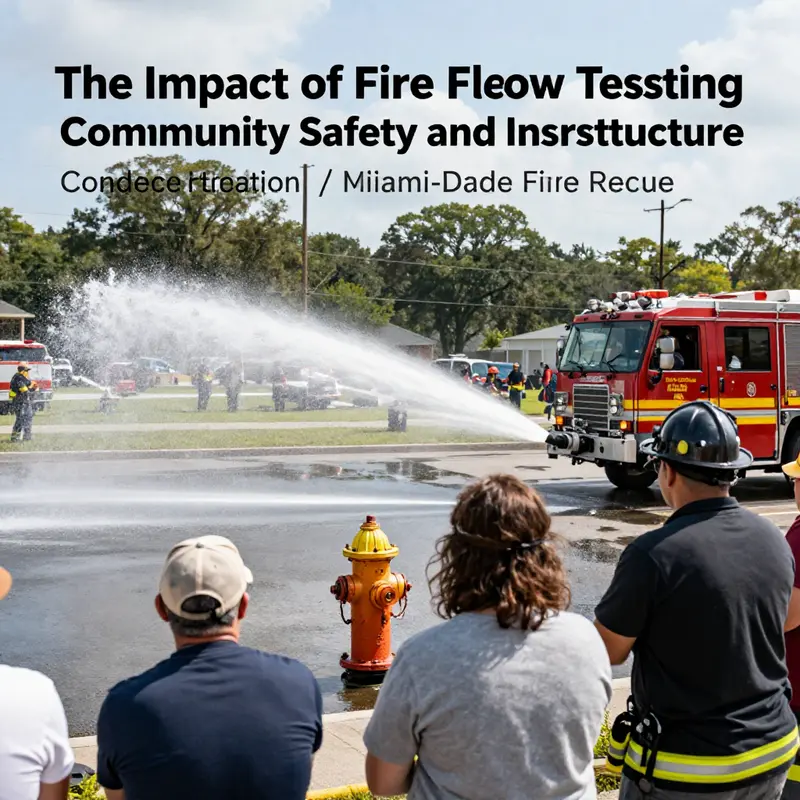
Every city builds resilience through everyday work that stays largely unseen by most residents until the moment when a siren wails or a hydrant releases its burden in dramatic steam of water and steam-cut noise. In Miami-Dade County, that quiet, methodical work is the fire flow test conducted by Miami-Dade Fire Rescue. It is not a spectacle to entertain the neighborhood; it is a calculated, data-driven procedure designed to verify that the water supply system can deliver sufficient pressure and volume during the worst moments of a fire emergency. The test is a bridge between the abstract assurance of a hydraulic grid and the concrete certainty that a family trapped in a high-rise stairwell or a street corner blocked by a burning car can be reached with enough water to save lives. In that sense, a fire flow test embodies the county’s commitment to preparedness that remains accountable to the people who rely on it every day.
The practice centers on hydrants—the most visible articulation of the water system’s capacity. Fire flow testing involves releasing water at controlled, high pressures from selected hydrants across diverse parts of the county. Engineers and firefighters monitor real-time metrics: how fast water moves through pipes, how much pressure remains as demand spikes, and how the network behaves when multiple lines draw water simultaneously. The data gathered from these tests is not anecdotal; it is a statistical portrait of the system’s performance under stress. It helps determine whether a particular neighborhood’s hydrant coverage meets the standards necessary to sustain effective firefighting operations during a large incident. It also reveals weaknesses that, if left unaddressed, could translate into delayed response times or insufficient force to control a blaze. The underlying philosophy is simple and exacting: measure, learn, and improve so that responders can act with confidence when every second counts.
For residents, the idea that water pressure could dip during a test might seem to be an inconvenience, but it is a familiar paradox of public safety. To ensure public confidence and minimize disruption, the testing process is carefully choreographed. Hydrant locations are chosen to reflect a range of street configurations, elevation changes, and historic demand patterns. The testing sequence is scheduled with attention to weather, traffic patterns, and community calendars. When a hydrant is opened, a surge of water courses through the local distribution network. The resulting pressure drop, if any, is anticipated, monitored, and quickly corrected through the action of valve controls and pressurized storage within the system. Yet even with planning, there are tangible consequences that ripple through neighborhoods. Temporary road closures may redirect traffic, and onlookers may hear the abrupt roar of water as a hydrant releases its stored energy. In some cases, street runoff can create brief puddles or minor localized flooding, particularly if a drainage system is overwhelmed by a sudden, high-volume discharge.
The community’s experience of these disruptions is a critical dimension of the test. The department recognizes that an informed public is an empowered one. Therefore, advance communication is a cornerstone of the process. Notices appear in local media, posts circulate on social platforms, and residents within the vicinity of scheduled tests receive direct alerts. The aim is to provide clear expectations about approximate timelines, potential changes in water pressure, and the temporary reasons behind any disturbances. This transparency is essential not only for practical reasons—such as scheduling parking restrictions or coordinating with local businesses—but also for preserving trust between residents and the agencies tasked with public safety. When people understand why a test is happening and how it contributes to a safer environment, the disruption becomes a temporary, acceptable trade-off for long-term security.
Noise is another observable byproduct of the testing process. The sudden release of water at high pressure creates an auditory reminder that critical infrastructure operates with vigor behind calm façades. For some, the early morning or late-night timing might be intrusive. The department mitigates this by thoughtful scheduling whenever possible and by coordinating with property owners, schools, and businesses to minimize disturbances. The sound is not the primary objective of the exercise; it is a consequence to be understood, mitigated where feasible, and accepted as part of a broader safety program. The broader effect—public safety—outweighs the temporary annoyance of noise or minor traffic delays, especially when the data collected could translate into more effective emergency responses and better water service planning.
Beyond the immediate disruptions and sensory experiences lies a longer arc of public benefit. Fire flow tests feed into a cycle of evaluation and improvement for the county’s water distribution network. By measuring how hydrants perform across different zones, the fire department and the water utility can identify pressure pockets, flow limitations, and hydraulic bottlenecks. These insights guide proactive infrastructure investments, such as pipe replacements, valve upgrades, or adjustments to pump capacities, all aimed at preserving adequate pressures during a real fire event. In this way, each test becomes a diagnostic instrument that informs capital programs and emergency preparedness strategies. The results, while technical in nature, are not abstract numbers. They translate into practical improvements that enhance the ability of responders to reach those in need and sustain suppression efforts under challenging conditions.
The public-facing aspect of fire flow testing is equally important. Miami-Dade Fire Rescue maintains a repository of test data and related hydrological information accessible to stakeholders and the wider community. This openness supports accountability and community awareness, reinforcing the understanding that public safety is a shared enterprise. When residents read about the performance of the local water network, they gain a more nuanced view of how firefighting readiness translates into everyday security. They also learn about how departments coordinate with one another and how data informs maintenance schedules and emergency response planning. This transparency is not merely about satisfying curiosity; it is about enabling informed participation from community members, local officials, and researchers who study urban resilience.
Within the chapter of public engagement, there is an opportunity to connect the practical reality of fire flow testing with the broader culture of safety and continuous learning. The knowledge gained from each test underscores the value of training, preparedness, and the right kind of vigilance that keeps communities safer. In this context, the study of fire flow is not just a mechanical exercise in measuring water pressure. It is a narrative about how a city negotiates the delicate balance between maintaining normal life and ensuring preparedness for extraordinary events. It speaks to a professional ethos that values meticulous data collection, transparent reporting, and a steadfast commitment to public service. To those who pursue careers in fire safety or urban resilience, the testimony of each hydrant test offers a concrete lesson in how technical proficiency, operational coordination, and community trust intersect to produce outcomes that matter when it matters most.
For those seeking opportunities to deepen their understanding of safety certification and training, the field offers pathways that emphasize both technical skill and civic responsibility. The professional arc—from classroom concepts to field application—reaches its peak when the same knowledge that enables a fire engine to respond quickly also informs residents about how to prepare for emergencies in daily life. The connections between formal education, hands-on drills, and community engagement create a holistic approach to safety that extends beyond the fire station. In this regard, the discipline encourages ongoing dialogue with residents through public briefings, open houses, and educational programs that demystify the operations behind fire flow testing. A practical takeaway for readers is the recognition that safety is a shared discipline that thrives on communication, training, and a willingness to translate complex data into actionable advice for families and neighborhoods. For readers interested in pursuing related safety credentials and understanding how such certifications complement professional duties, consider the broader resources available at the Fire Safety Essentials Certification and Training hub, which provides context and pathways for those who wish to contribute more meaningfully to community safety.
As the county continues to balance the need for rigorous testing with the daily rhythms of urban life, the narrative of fire flow testing remains a testament to the principle that prevention is proactive. The data collected from hydrants, the careful scheduling, the outreach to residents, and the transparent sharing of results all converge toward a common purpose: to ensure that when a fire begins, the system behind it is capable, the responders are ready, and the community understands both the why and the how of the measures taken in service of public safety. The practice, in its disciplined routine, becomes a quiet engine of resilience that supports the health, safety, and confidence of every neighborhood in Miami-Dade County.
For ongoing learning and deeper engagement with related safety topics, readers can explore broader resources on fire safety training and its role in building competent, prepared communities. This connection to education and credentialing reinforces the idea that safety is a continuous journey rather than a one-off event. By embracing the full spectrum—from hydrant performance to public outreach and training opportunities—residents gain a clearer picture of how the county protects its people through informed, data-driven decision making. The chain of impact stretches from the most technical measurements of flow and pressure to the everyday actions residents take to prepare for emergencies, and it culminates in a shared commitment to a safer, more resilient community. External perspectives and official data sources complement local efforts, offering a fuller understanding of how fire flow testing sustains both the readiness of responders and the confidence of the public they serve. See the official county fire-rescue portal for primary resources and test schedules, and consider following the guidelines and links provided to stay informed about future testing cycles and how communities can participate in the dialogue around safety and preparedness.
External resource: https://www.miamidade.gov/fire-rescue
Flow Under Pressure: Navigating the Challenges of Miami-Dade Fire Rescue’s Fire Flow Tests
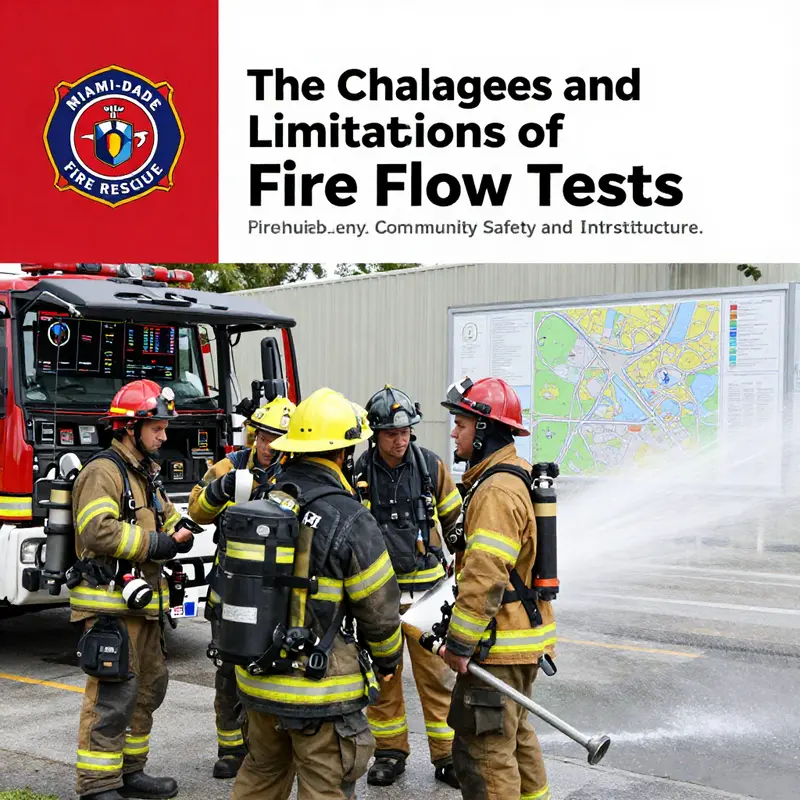
When a fire department like Miami-Dade Fire Rescue sets out to test the capacity of the water supply to sustain a high-stakes firefighting operation, the act is more than a technical procedure. It is a careful balance of precision, safety, and public service. Fire flow tests are designed to reveal how much water a system can deliver at a given pressure without undermining the reliability of daily service. They measure flow rates and pressure at hydrants, and they do so across a landscape of urban density, aging pipes, and variable weather. The goal is not merely to certify current readiness; it is to illuminate where the system can be reinforced so that the first line of defense is robust when a real emergency arrives. Yet this work unfolds in a complex environment, and the challenges MDFR faces reveal why fire flow testing is as much a strategic planning exercise as a field exercise. The test results feed into decisions about maintenance, capital improvements, and even the way emergency responders coordinate with the communities they serve. In short, fire flow tests are a critical diagnostic tool, but they sit at the intersection of infrastructure, operations, and timing, where every variable can tilt the interpretation of a single hydrant’s performance.
Infrastructure limits loom large in a county as diverse as Miami-Dade. Some neighborhoods sit atop older portions of the water network, where pipe diameters, materials, and the age of the system create a natural cap on how much water can be drawn in a single moment. A high-flow test can push these old arteries to their limits, and in some cases, the results may reflect the system’s stress more than its ideal capacity. This reality requires a careful approach: test locations are selected to capture a representative picture without risking damage to aging lines or causing undue disruption to service. The outcome is a paradox familiar to utilities everywhere. You need high-flow data to guide improvements, yet high-flow testing itself can expose the vulnerabilities you are trying to prevent. That tension underscores why MDFR continually refines its test strategies, aiming to separate genuine capacity issues from temporary constraints caused by the test setup or the subsystems being momentarily pushed to their breaking points.
Logistics and safety form another axis of challenge. Fire flow tests demand temporary shutoffs or significant flow redirection in targeted areas. The decision to interrupt service, even briefly, carries consequences for residents and businesses, and it demands meticulous coordination with water utilities, city departments, and public communication teams. The timing of calls, the notification windows, and the route of the test must be orchestrated so that risk to the public is minimized and the testing window aligns with demand patterns in the area. The stakes expand when the test is conducted in dense urban corridors or near critical facilities where any unexpected pressure drop could ripple into street-level disruption. The department’s experience shows that safety protocols cannot be an afterthought; they are embedded in every step—from pre-test briefings with crews to post-test debriefs that capture near-misses and refine procedures for the next cycle. In practice, this means that a single hydrant is not just a measurement point but a node in a broader safety network, where every action connects to the welfare of the community and the reliability of emergency response.
Environmental and weather factors further complicate measurement. Temperature, humidity, wind, and even precipitation can influence water behavior once it leaves a hydrant. Water temperature can affect friction losses in the pipes, while wind can distort the perception of a spray pattern during visual or gaged measurements. In a region like South Florida, heat and humidity often accompany the testing day, altering both the physical dynamics of the water stream and the staff’s ability to work efficiently. These variables introduce natural variability into the readings and must be accounted for during interpretation. The challenge is not to pretend that the environment does not exist but to model its impact, so that the data reflect meaningful comparisons over time and across locations. The most reliable conclusions emerge when environmental conditions are documented alongside readings, allowing analysts to adjust expectations and reconcile anomalies with the larger hydraulic picture.
False positives and systemic errors are another reality that MDFR must address. A test might indicate an apparent deficiency in flow when the underlying issue lies in the testing configuration rather than in the water distribution system itself. Temporary pressure drops caused by valve operations, hydrant selection, or the sequence of opening master and branch lines can mimic an inadequacy that does not exist under normal firefighting conditions. Conversely, a test might mask a latent problem if the circumstances artificially inflate flow—such as favorable temperature, a low demand period elsewhere in the network, or the absence of competing users during the test window. Recognizing these possibilities requires a disciplined approach to data collection, cross-checks with hydraulic models, and an understanding that a single test point rarely tells the full story. The department’s analysts must triangulate measurements with known system characteristics, historical data, and hydrant maintenance records to avoid misdirected upgrades or overlooked vulnerabilities.
Resource intensity is a practical barrier that shapes how MDFR conducts tests. High-quality fire flow testing requires trained personnel, calibrated equipment, and time—resources that must be allocated alongside ongoing emergency response duties and routine inspections. In a county as populous and geographically dispersed as Miami-Dade, the logistics of deploying teams to multiple jurisdictions while maintaining readiness for real emergencies is a constant balancing act. This constraint does not diminish the importance of testing; it elevates the need for an efficient testing cadence, prioritization of critical locations, and innovative methods to maximize data yield with minimal disruption. The department often relies on standardized procedures that streamline field operations, but even standardized operations demand deliberate scheduling, backup plans, and the flexibility to adapt when conditions change. The result is a testing program that evolves, not a one-off series of measurements, with each cycle refining the balance between thoroughness and practicality.
Interpreting the data presents its own set of complexities. Hydraulics is a field in which numbers tell a story, but the same numbers can be interpreted in multiple ways. Flow rates, residual pressures, and network impedance must be analyzed in context: the geometry of the distribution network, the location of parallel lines, the presence of storage or booster pumps, and the demand imposed by nearby fire protection systems. A misinterpretation can lead to unnecessary upgrades, misallocation of funds, or a false sense of security. MDFR’s exam preparation materials and guidelines emphasize strategic thinking and methodical assessment procedures, signaling that the purpose of testing is not just to capture a snapshot but to illuminate a plan for improvement. The Miami-Dade Fire Rescue Exam Preparation Guide, though external to the day-to-day field work, embodies the disciplined mindset that underpins sound interpretation—an approach that treats data as a thread in a larger tapestry of fire protection planning. As those who design and implement fire safety programs know, data without context is only half the answer. The other half is understanding how that data informs decisions that improve resilience across neighborhoods, from dense urban cores to more spread-out residential areas.
In practice, MDFR’s response to these challenges is systemic and iterative. The department leans on a combination of rigorous procedures, cross-disciplinary collaboration, and continual improvement. Pre-test planning is thorough, with checklists that account for known infrastructure limitations and potential environmental influences. During tests, crews remain vigilant for anomalies, ready to pause and reassess if readings drift beyond acceptable tolerances. After tests, analyses are attentive to both singular results and patterns across multiple locations and timing windows. This deliberate process aligns with a broader philosophy: testing should reveal where the water supply can keep pace with the demands of firefighting, while also identifying where investment and maintenance are needed to close any gaps. By documenting the challenges openly and applying lessons learned, MDFR strengthens both its technical capability and its accountability to the public it serves.
The integration of training and preparation with test design is another important thread. The department’s approach to risk management, public safety communication, and operational readiness reflects a mature understanding that fire flow testing is a public service activity as much as a hydraulic assessment. When communities see that tests are planned with attention to safety, transparency, and minimal disruption, trust grows—and so does the willingness of residents and businesses to support essential infrastructure investments. The practical value of these tests extends beyond immediate emergency response; it informs maintenance schedules, capital improvement programs, and emergency preparedness strategies that together form a resilient framework for the county. In that sense, the challenges described here are not merely obstacles; they are signposts pointing toward continuous refinement of the water system, the testing process, and the partnerships that make effective firefighting possible.
For readers who want to explore the broader practice of safety training that underpins these activities, consider the resource fire-safety-essentials-certification-training. It provides foundational context for the mindset that informs how MDFR approaches testing, interpretation, and community engagement. While fire flow tests are technically specific, the underlying emphasis on safety, preparedness, and disciplined analysis resonates across the discipline of firefighting and public safety. Finally, for a deeper dive into the examination and preparation aspects that shape how responders think through complex scenarios, the department’s preparation materials, including the Miami-Dade Fire Rescue Exam Preparation Guide, offer useful insights into the strategic thinking behind rigorous assessment procedures. An external reference that outlines those frameworks is available here: https://quizlet.com/_1w8d9v7t.
Flowing Forward: Evolving Fire Flow Testing at Miami-Dade Fire Rescue to Strengthen Fire Suppression
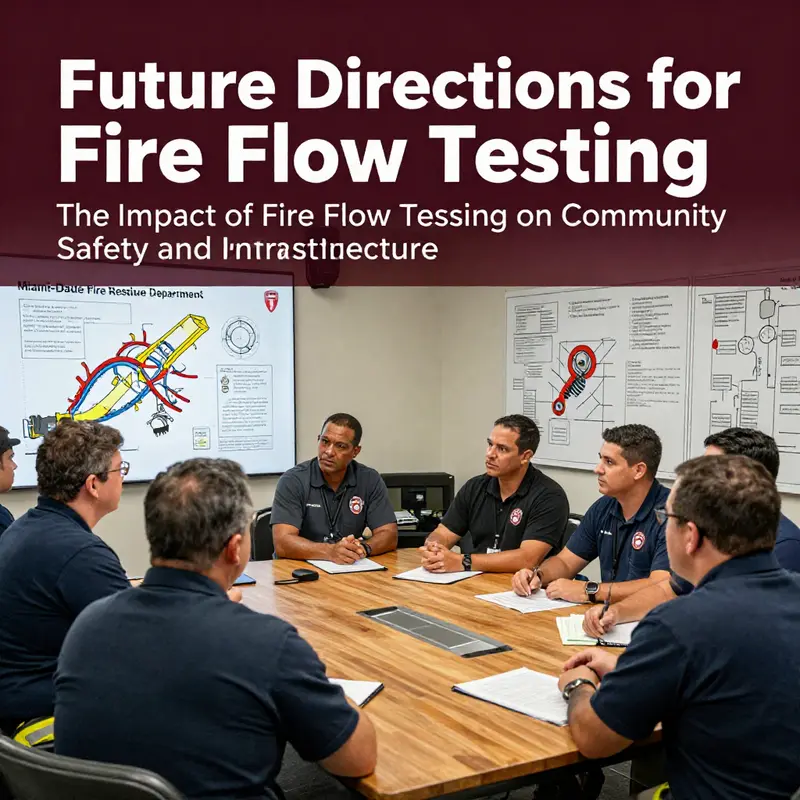
In Miami-Dade, a county of diverse neighborhoods and rising humidity, fire flow testing is not just a routine check; it’s a pillar of readiness. The MDFR uses hydrants across the county to verify that water supply can meet the demands of a large-scale fire operation, from a warehouse blaze to a multi-structure response in a dense urban corridor. Tests measure the heart of firefighting capability: pressure and volume. They reveal how the system behaves when a pumper attaches to a hydrant, how long it can sustain a high flow, and where pressure drops might undermine an engine’s ability to deliver water at the nozzle.
The testing approach is methodical, data-driven, and integrated with the electrical grid of the water network. At selected hydrants, technicians record static pressure before any water leaves the system, then monitor residual pressure as a flow test begins. The flow rate, expressed in gallons per minute, is tracked as test teams open the hydrant and record the dynamic response. Each measurement is tied to a precise location in the county’s hydraulic model, so planners can map performance across geography, elevation, and road layout. From those records, planners can identify bottlenecks—pipes that cannot supply the needed volume without a significant pressure drop—and prioritize upgrades to valves, mains, and hydrants. In practice, the results do more than validate a single point; they feed a rolling program of water service improvements and emergency preparedness strategies that aim to keep supply robust under the stress of a major incident.
The emphasis on reliability goes hand in hand with a strong standards framework. MDFR follows NFPA guidelines for apparatus performance and testing, a commitment that anchors the department’s testing philosophy in widely recognized best practices. The reference to NFPA 1900 and NFPA 1910 underscores a broader doctrine: even as the county updates its hydrant network, the firefighting fleet must maintain its original capability over time. This means in-service testing, ongoing calibration, and routine verification of pump curves, hose loads, and tool readiness. The standards push the department to align field reality with documented expectations, ensuring that when a call comes, the apparatus will respond in a predictable way. In this sense, the fire flow tests are part of a larger system that links street-level hydrants, municipal water supply, and the performance of the apparatus crew as they transition from response to suppression.
The modern drift in testing is toward digital integration. MDFR’s operating environment now embraces data-rich tools that capture not only the numbers from a hydrant test but the context that shapes those numbers. Hydraulic models, GIS layers, and real-time dashboards allow engineers and incident commanders to see how a given hydrant behaves within the entire distribution network. The trend toward data-driven, real-time performance monitoring systems opens possibilities for predictive maintenance, proactive infrastructure replacement, and better resource allocation during shortages or droughts. When a test reveals a marginal hydrant or a stressed valve, the system can trigger maintenance workflows that prevent a failure during a live incident. In this progression, the fire flow test becomes a continuous feedback loop rather than a standalone event, a shift that mirrors broader changes in public safety operations where learning and adaptation occur at the speed of data.
Looking ahead, MDFR’s trajectory seems to be moving toward a more resilient and intelligent testing regime. The department is likely to expand its protocols to incorporate ongoing monitoring of pumping performance, hydrant wear, and pipe integrity in near real time. The aspiration is not merely to document what is happening during a planned test but to forecast how the water supply will respond under a spectrum of scenarios—disaster, extreme heat, prolonged firefighting, or the aftershocks of a major incident that strain the network for days. This anticipatory posture aligns with NFPA’s emphasis on reliability and lifecycle performance, and it recognizes that climate variability and urban growth will continually stress the system. In practice, this means more frequent testing at diverse locations, more granular reporting, and perhaps even joint drills with water agencies to simulate joint failures and shared flow paths. The aim is to convert every hydrant into a data point that informs not only fire operations but also utility planning, land-use decisions, and public safety messaging.
The social value of such an evolution should not be overlooked. Public access to fire flow test data via the MDFR website creates a transparency loop that strengthens community trust and preparedness. When residents see that the department’s testing is systematic and aligned with national standards, they gain confidence that local firefighting resources are robust and ready to scale. The data also support interagency collaboration and community planning. For example, developers, utility managers, and emergency planners can inspect the same test results, understand where gaps may lie, and coordinate improvements that benefit not just fire protection but everyday water service reliability. In this context, training and culture become as important as hardware. A workforce versed in data interpretation, hydraulic reasoning, and risk-based planning can translate numbers into better policies, better maintenance cycles, and smarter capital investments. The department’s emphasis on training and safety is reflected in the broader continuum of career development described in stories about certification programs and ongoing education for firefighters and engineers alike. For readers seeking practical growth paths, consider the resources that emphasize core safety competencies and certifications, such as fire-safety essentials certification training.
Finally, the trajectory of fire flow testing in Miami-Dade must be understood as an investment in both the present and the future of public safety. The county’s geography—with coastal zones, inland hills, and dense urban corridors—presents unique challenges to water delivery during emergencies. Hydrant density, the layout of the distribution network, and the age distribution of pipes all influence how much water can reach a fire scene in the critical minutes after ignition. Tests conducted today reveal not only current performance but also where improvements will yield the highest returns in response time and suppression effectiveness. As the MDFR looks ahead, the emphasis on data-driven stewardship suggests a future where routine hydrant testing is synchronized with digital asset management, where pump curves are updated as age and use modify performance, and where the information produced by field tests informs capital plans that ensure more uniform pressure pockets across high-demand neighborhoods. It is a continuity that binds the daily work of firefighters who lay the initial lines of defense to the longer arc of community resilience, infrastructure investment, and public trust.
External resource: NFPA Fire and Emergency Apparatus Testing and Certification
Final thoughts
In conclusion, fire flow tests conducted by the Miami-Dade Fire Rescue Department play a vital role in enhancing the community’s safety and emergency preparedness. Understanding the hydraulic principles, recognizing operational importance, and addressing challenges allow for ongoing improvements. The community’s engagement highlights the collaborative approach toward fire safety, driving awareness and readiness among residents. As Miami-Dade continues to innovate its testing protocols, stakeholders—including individual car buyers and businesses—must acknowledge how a robust water supply system directly correlates with effective firefighting capabilities. By fostering a culture of preventative measures and ongoing assessment, we can ensure a safer environment for all.