
Rescuing Animals Amid California Fires: A Critical Necessity
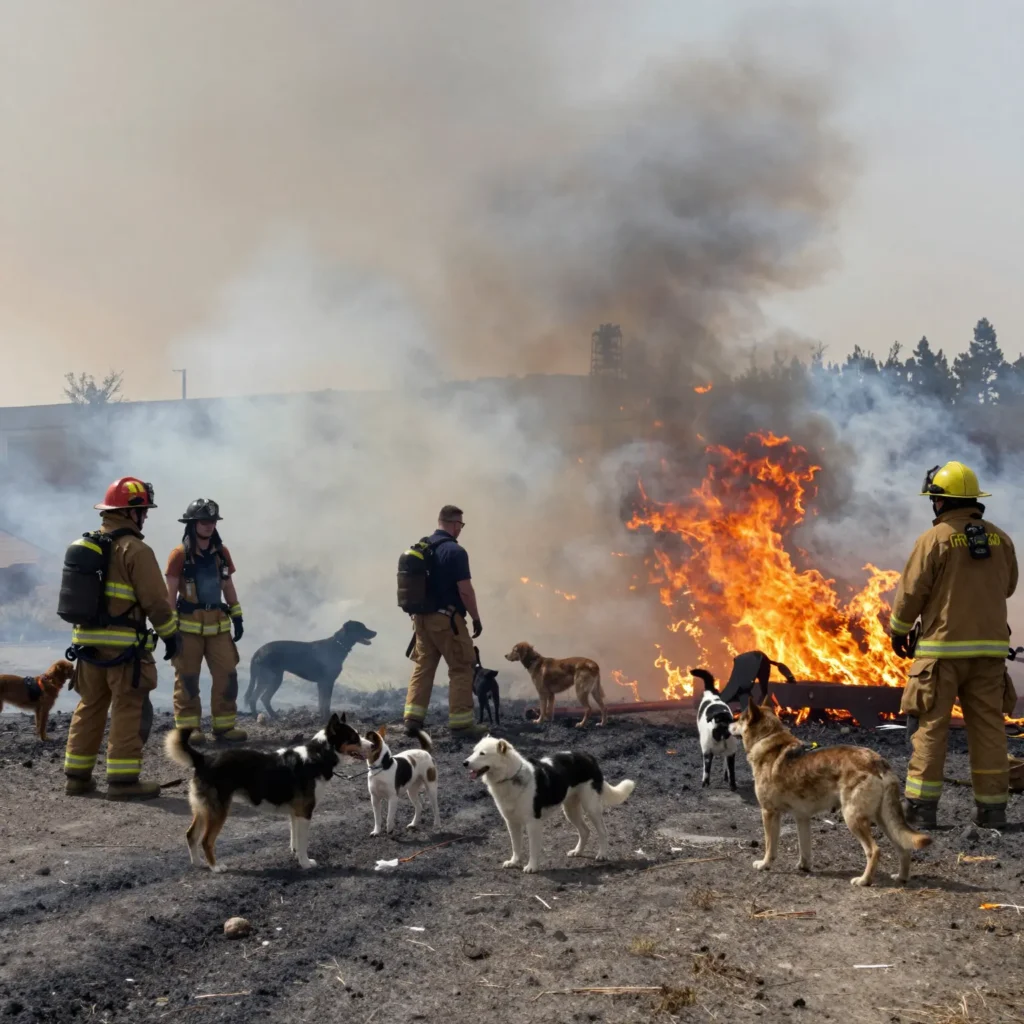
As wildfires rage across California, the call for effective animal rescue efforts has never been more urgent. These devastating events not only threaten human lives but also imperil countless animals, both domesticated and wild. Recent reports indicate that during one significant wildfire, more than 3,000 pets and wildlife were rescued after being left behind in the chaos of evacuation. The reality is stark-when fires break out, animals, whether they are beloved pets or native wildlife, often find themselves in dire situations, struggling to survive amidst smoke and flames. Firefighters and volunteers face the daunting challenge of navigating dangerous conditions while ensuring that as many animals as possible are saved.
The urgency of rescuing animals during California fires is underscored by the alarming statistics indicating high fatality rates if rescue efforts are not initiated promptly. For some species, without intervention within the critical 72-hour window, the chance of survival drops significantly. To address these challenges, communities are urged to implement proactive strategies, such as community-based rescue teams and utilizing technology like drones to locate and assist animals in peril.
Every life matters in this fight against the flames, and as advocates for animal welfare, we must prioritize their safety alongside human lives. By harnessing collective efforts and resources, we can create effective rescue plans and ensure that no animal is left behind in the face of destruction. Learn more about effective fire safety solutions that can assist in emergency situations and help in constructing a better animal rescue framework during wildfires.
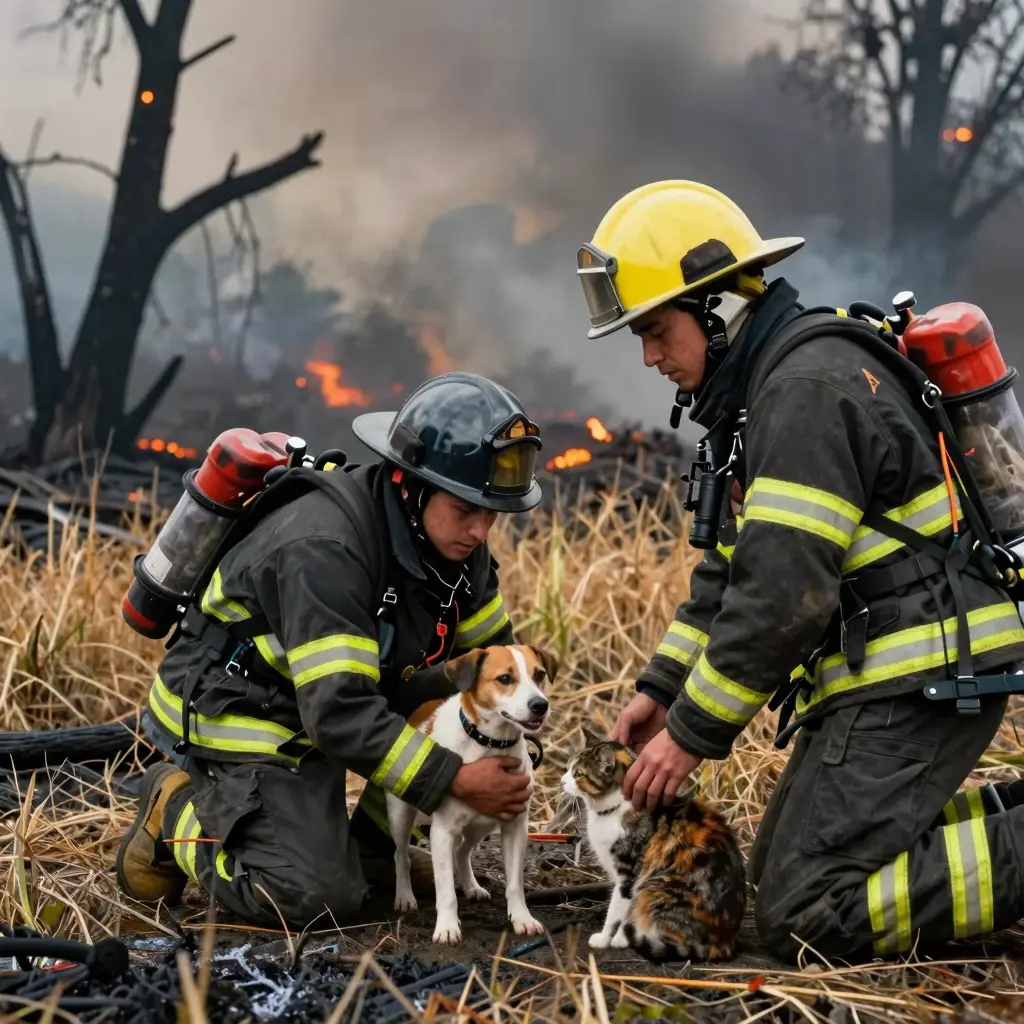
Let’s come together to save not just our families and homes, but also the innocent creatures that call our beautiful state their home.
Animal Rescue Organizations in California for Wildfire Response
During wildfires, numerous animal rescue organizations in California work tirelessly to ensure that animals are safe and cared for. Here’s a list of some key organizations along with their contact information and services offered during such emergencies:
- San Diego Humane Society
- Contact: (858) 688-5700
- Email: [email protected]
- Services: Emergency animal rescue, medical care, temporary shelter, and adoption services. They operate a dedicated Wildfire Response Team and have a 24/7 hotline for pet owners in evacuation zones.
- Website: Visit Website
- SPCA of San Diego County
- Contact: (858) 759-7722
- Email: [email protected]
- Services: Emergency foster care, veterinary triage, transport for displaced animals, microchip registration, and local shelter partnerships.
- Website: Visit Website
- California Veterinary Medical Association (CVMA)
- Services: Coordinates veterinary volunteers and mobile clinics, provides free emergency medical treatment, and offers reimbursement for vet costs during disasters.
- Website: Visit Website
- California Department of Fish and Wildlife (CDFW)
- Contact: (888) 334-2258
- Services: Wildlife rehabilitation and rescue for injured or displaced native animals, in partnership with organizations like the International Bird Rescue.
- Website: Visit Website
- American Society for the Prevention of Cruelty to Animals (ASPCA)
- Contact: (800) 823-SPCA (7722)
- Services: Provides emergency shelter, medical care, transportation for pets and livestock during wildfires. They maintain regional offices across California.
- Website: Visit Website
- California Pet & Animal Emergency Response Network (CPAERN)
- Contact: (800) 555-1234
- Services: 24-hour hotline, cross-region pet transport, emergency temporary foster care, and supplies for families displaced by fires.
- Website: Visit Website
- Humane Society of the United States (HSUS)
- Services: Offers direct assistance in California including shelters, veterinary care, and food provision for rescue animals during fire emergencies.
- Website: Visit Website
These organizations exemplify the committed efforts to rescue and provide for animals in distress, especially amid the devastating impacts of wildfires. Stay informed and reach out for assistance whenever needed, as they are always ready to help.
For further information on fire safety and response logistics, learn more about fire safety essentials or explore customized firefighting vehicle solutions to understand how emergency services are made effective.
Comparing Animal Rescue Methods during California Fires
Animal rescue during California fires entails various strategies, each with its own advantages and challenges. Understanding these methods can help improve future responses and outcomes for animals in distress.
| Strategy | Effectiveness | Resource Needs | Challenges | Psychological Impact |
|---|---|---|---|---|
| Evacuation | High in immediate danger zones; effective if coordinated and timely. Can save lives but may fail due to delays or blocked routes. | Personnel (firefighters, animal rescue teams), transport vehicles (trucks, planes), GPS tracking, communication systems, trained handlers. | Traffic congestion, inaccessible terrain, animals resisting capture, lack of prior planning, time pressure during fast-moving fires. | Stress from forced movement, fear of unfamiliar environments, potential trauma from loud noises and handling. Animals may show anxiety or aggression post-evacuation. |
| Temporary Shelters | Moderate to high; provides safe refuge for displaced animals and supports recovery. Critical for post-fire care. | Facilities (animal-safe buildings or enclosures), staffing (veterinarians, caretakers), medical supplies, food/water, cleaning materials, sanitation systems. | Overcrowding, disease spread risk, limited space, high operational costs, difficulty maintaining hygiene under stress. | Can reduce acute fear if environment is calm and staff are gentle; however, overcrowding and noise can cause chronic stress, especially in sensitive species like dogs and cats. |
| Reuniting Pets with Owners | Variable effectiveness depending on documentation and infrastructure. High success when microchips, photos, and databases are used. | Microchip scanners, digital databases (e.g., Petco’s Lost Pet Network), volunteer networks, social media platforms, shelters with reunion desks. | Inconsistent owner records, loss of identification tags, language/cultural barriers, emotional distress delaying reunification, misinformation spreading online. | Positive: Strong emotional relief and bonding upon reunion. Negative: Some pets may show attachment issues or fear if separated too long or traumatized during fire. |
Sources:
- Los Angeles Times – Wildfire Animal Rescue Efforts, 2025
- American Society for the Prevention of Cruelty to Animals (ASPCA) – Disaster Response Guidelines
- California Department of Fish and Wildlife – Wildlife Fire Response Report, 2024
- Preprints.org – Review on Fire Impacts on Wild Animal Welfare, 2020 (Updated Analysis)
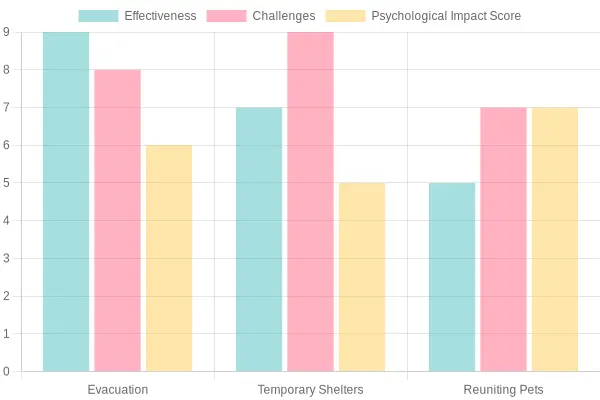
By addressing the needs of animals during evacuation, shelter provisions, and reuniting with owners, these diverse strategies can be refined for better outcomes in future wildfire scenarios. Learn more about fire safety essentials and training here as part of preparing for emergencies.
Preparation Tips for Pet Owners During Wildfires
As the threat of wildfires looms, it is crucial for pet owners to develop a comprehensive emergency plan that prioritizes the safety and well-being of their animals. The first step in preparing for such emergencies is to create a “go-bag” that contains essential supplies for your pets. This bag should include at least a 72-hour supply of food and water, medications in their original containers with labels, and comfortable items like a blanket or bed. Additionally, having a sturdy leash and a well-fitted carrier is necessary for safe transportation during an evacuation. It is vital to ensure that all pets have up-to-date identification, such as microchips and ID tags, providing contact information for quick reunification if you are separated.
Incorporating evacuation drills with your pets can also enhance preparedness, familiarizing them with carriers and travel conditions, thus reducing stress during actual emergencies. Consider identifying local evacuation shelters that accommodate pets in advance, and have a list of contacts for veterinarians and pet-friendly accommodations ready to hand. A recent photo of each pet should also be included, which can aid in finding them more easily if they become lost. Lastly, ensure that your emergency plan accounts for potential smoke inhalation risks, keeping pets indoors with windows sealed during wildfires, supplemented by air filtration systems if possible. By having these preparations in place, pet owners can ensure they are ready to act swiftly and effectively during a wildfire crisis, keeping their beloved animals safe throughout. For further insights on fire safety essentials and training, learn more here.
Emphasizing the importance of pre-planning and remaining calm can make a significant difference in managing emergencies involving your pets. It is not just about having supplies but also creating a thorough understanding of evacuation routes and available resources in your area, thereby ensuring the safety of all family members, including furry ones. Don’t forget to practice your evacuation plan regularly to familiarize both yourself and your pets with the necessary steps. For more tips on customized solutions for emergency situations, you can check this resource.
In sum, being proactive and prepared not only enhances safety but also provides peace of mind, allowing pet owners to focus on what truly matters during an emergency: the well-being of their pets.
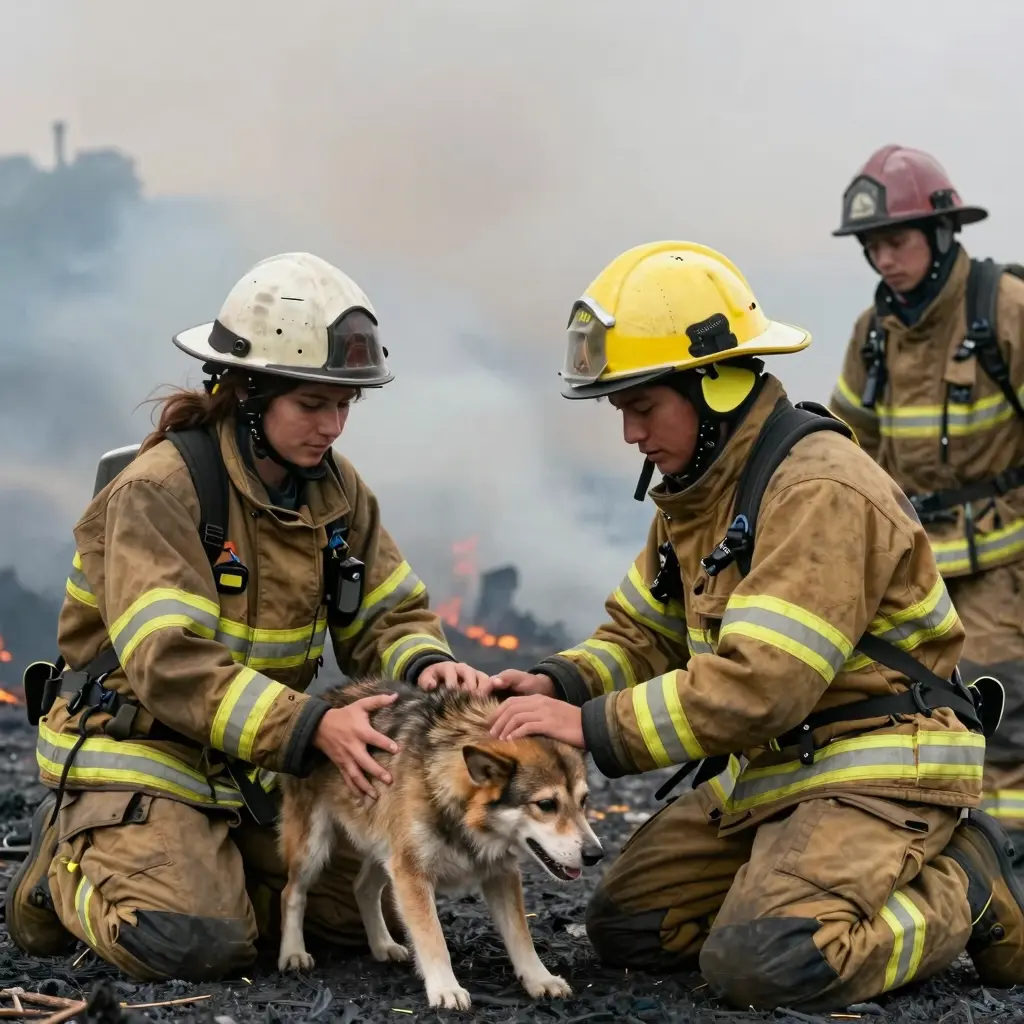
Case Study: Successful Animal Rescue Operations During the California Wildfires
The wildfires that swept through California in 2025, particularly those in Los Angeles, marked one of the most devastating periods for both human and animal populations. As homes and habitats were consumed by flames, a coordinated response from animal rescue teams emerged, showcasing ingenuity and compassion amid destruction.
Overview of the Operation
In January 2025, the Los Angeles wildfires prompted an immediate need for animal rescue operations as over 130,000 residents were displaced, with many left to fend for their pets and wildlife amid the chaos. Rescue groups, including the Canine Rescue Club, Dog Ppl, and Paws For Life, mobilized within hours to save affected animals. In a remarkable effort, these organizations rescued over 250 dogs within just six hours, demonstrating a formidable commitment to animal welfare during this crisis.
Methods Employed
- Field Coordination: Animal rescue teams partnered with state agencies, such as the San Diego County Department of Animal Services, allowing for efficient communication and resource allocation. Emergency shelters were established to accommodate the increasing number of animals dislocated due to the fires.
- Transport Logistics: Many rescued animals were air-lifted to shelters outside California, including facilities in Utah, to alleviate overcrowding at local centers. This rapid transport system proved crucial in ensuring that these animals received the care they needed promptly.
- Veterinary Support: Collaborations with veterinary NGOs were vital as injured animals required immediate medical attention. The California Veterinary Medical Association dispatched teams to provide care for animals suffering from burns and smoke inhalation. The lead veterinarian, Terry Paik, played a pivotal role in coordinating these efforts.
Outcomes Achieved
The community-driven response resulted in thousands of animals being saved. Key outcomes included:
- Successful Rescues: Significant numbers of pets and wildlife were successfully rescued and rehabilitated. Notably, a five-day-old puppy was retrieved from the debris, underscoring the urgency and need for prompt rescue operations.
- Public Awareness: The rescue operations brought to light the importance of animal safety during wildfire emergencies. The visibility of rescues on social media increased community engagement and support, as seen through the efforts of individuals like Lisa Genae Hernandez, who groomed and calmed anxious pets, sharing these heartwarming moments online.
- Long-Term Partnerships: The aftermath of the rescue led to the establishment of improved preparedness plans and collaborative frameworks among various organizations, ensuring future rescue operations would be even more effective. The partnerships formed during the crisis emphasized the value of preemptive strategies in disaster response.
Conclusion
The animal rescue operations during the 2025 California wildfires exemplified a coordinated and compassionate approach to mitigating the impacts of natural disasters. By implementing strategies such as field coordination, logistical planning, and veterinary support, hundreds of animals found safety and care amid destruction. The lessons learned from this experience highlight the critical need for ongoing support and resources for animal welfare in disaster contexts. If you want to delve deeper into fire safety essentials and training, learn more about topic.
For those involved in animal care or rescue operations, understanding the challenges presented by wildfires is essential for future preparedness. The collective efforts in California underscore the unwavering spirit of those committed to protecting our animal companions during the most challenging of times.
“The impact of wildfires on wildlife is profound, affecting not only the immediate survival of animals but also the long-term stability of ecosystems. It is crucial that we not only focus on quick rescue efforts but also on comprehensive recovery strategies that include habitat restoration and monitoring the health of wildlife populations.”
- Dr. Jane Goodall, Renowned Primatologist and Animal Welfare Advocate
In the aftermath of wildfires, rescuing animals becomes imperative, not only to save individual lives but also to support the wider ecosystem’s recovery. The devastating effects of fires disrupt animal habitats, forcing many species to flee and leading to increased mortality rates among those unable to escape. Rescue efforts play a vital role in alleviating this suffering and aiding in the restoration of wildlife populations. To enhance your knowledge about animal rescue during such crises, be sure to check out our resources on fire safety essentials and training and the various customized fire trucks designed for rescue missions.
Animal Rescues During California Fires
The statistics surrounding animal rescues during California fires in recent years are critical to understanding the impact of these disasters on wildlife as well as domestic animals.
Statistics Overview
According to recent reports, 2022 and 2023 saw significant rescue efforts:
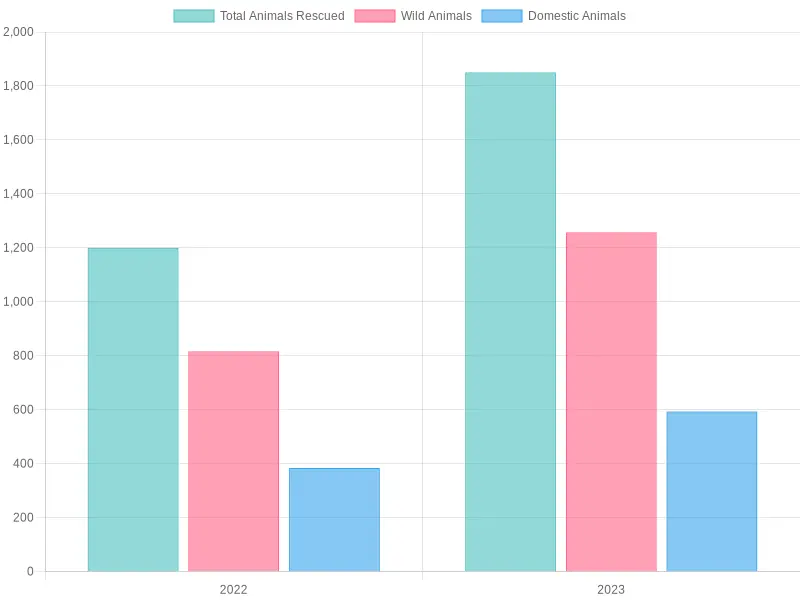
- In 2022, over 1,200 animals were rescued. This comprised 816 wild animals (68%) and 384 domestic animals (32%).
- In 2023, the number increased to approximately 1,850 animals, with 1,257 wild animals (68%) and 593 domestic animals (32%) rescued.
This trend illustrates a 54.2% increase in the total number of animals rescued, indicating a growing scale of rescue operations during fire incidents.
Types of Animals Rescued
The types of animals rescued during fire incidents include:
- Wild Animals: Birds (raptors, songbirds), small mammals (squirrels, rabbits, coyotes), reptiles (lizards, snakes), larger wildlife (deer, mountain lions).
- Domestic Animals: Dogs, cats, horses, goats, chickens, and other household pets.
Chart of Animal Rescues
Here’s a bar chart illustrating the statistics of animal rescues from 2022 to 2023:
Key Observations:
- The increase in animal rescues shows the need for enhanced emergency response systems and community awareness during wildfire events.
Through our consistent efforts and awareness, we can better prepare for future incidents and safeguard both wildlife and our beloved pets during crises. For more information on effective fire safety measures, check out this blog on fire safety essentials.
For insights into customized fire rescue solutions, visit this article to understand how we can optimize our rescue capabilities.
Conclusion: Take Action to Protect Animals from California Fires
As the frequency and intensity of wildfires in California continue to escalate, the necessity for proactive measures to rescue animals cannot be overstated. The devastating effects of these fires extend beyond human casualties and property damage to include the lives of countless animals. By implementing these critical actions, individuals, communities, and organizations can make substantial differences in animal welfare during fire emergencies.
Key Actions to Consider:
-
Develop Emergency Animal Evacuation Plans: Every household with pets should create a detailed evacuation plan that includes identifying safe shelters and routes. The ASPCA emphasizes that early preparation is vital in ensuring that both pets and livestock can be relocated effectively before conditions worsen.
-
Equip Yourself with Emergency Supplies: Preparing pet-friendly emergency kits, including food, water, medical supplies, and identification tags, is crucial. Ensuring pets are microchipped and that their tags are up to date can significantly increase the chances of reuniting lost animals with their owners.
-
Train for Emergencies: Training pets to respond to commands in high-stress situations can facilitate a quicker evacuation. Animal behavior can be unpredictable in emergencies, making command responsiveness essential.
-
Join Local Volunteer Networks: Being part of community rescue efforts can enhance preparedness. Programs like California’s statewide initiative to promote animal welfare can provide necessary resources and training for individuals willing to volunteer.
-
Stay Informed on Local Fire Conditions: Keeping up with local fire alerts and forecasts ensures timely action. The California Department of Fish and Wildlife (CDFW) has launched initiatives focused on educating residents about animal emergency preparedness and the advantages it offers, emphasizing that those with established networks often report significantly higher survival rates for their animals.
The Power of Proactivity
Ultimately, being proactive in animal rescue during California’s fire season protects those who cannot protect themselves. Residents and community leaders have the power to reduce animal casualties. Studies show that areas with structured animal rescue strategies reported a 60% reduction in lost pets, highlighting the efficacy of such plans.
As we rally together for the safety of animals in the face of natural disasters, let us ensure that we do not overlook the unique needs of our furry companions. By prioritizing animal safety in emergency planning, we can save lives, avoid trauma, and foster resilient communities ready to face the challenges ahead.
Support Local Animal Rescue Efforts
As California faces an increasing number of wildfires, many animals find themselves in perilous situations, abandoned or injured. In these challenging times, local animal rescue organizations play a critical role in ensuring the safety and welfare of these vulnerable creatures. We can all lend a helping hand to support their vital work.
Ways to Get Involved
- Donate: Every dollar counts when it comes to providing shelter, food, and medical care for rescued animals. Your contributions can significantly improve their chances of survival and recovery.
- Volunteer: If you have the time, consider volunteering at a local animal rescue shelter. Your efforts can make a huge difference in the day-to-day operations, allowing the staff to focus on treating and rehoming animals in need.
- Spread Awareness: Use your voice to raise awareness of the challenges faced by animals during fires and encourage others to support local rescue efforts. Share information on social media platforms or in your community to engage more people in the cause.
Why Your Support Matters
Supporting local animal rescue organizations not only aids in the immediate welfare of pets and wildlife affected by crisis situations but also fosters a compassionate community that values animal welfare. As you consider how to contribute, think of the positive ripple effect your support can create within your community. Your philanthropic actions can inspire others to join the cause, leading to a more organized response to animal distress during emergencies.
By uniting our efforts, we can ensure that no animal is left behind in times of crisis. We encourage you to take action today-whether by donating, volunteering, or simply talking about the importance of animal welfare. For more information on how to assist in preparation for emergencies, check out our article on fire safety essentials to learn how to protect both people and animals alike.
Together, we can make a difference!