
A campfire emergency can threaten both humans and wildlife, frequently leading to distress for far greater than just ourselves. Recognizing the importance of animal safety in such crises, it becomes crucial to approach the situation with a mindset centered on preserving life, both human and animal. Understanding the nuances of how to rescue animals from campfires begins with a focus on safety, exploring various techniques for safe extraction, and highlighting the pivotal role of professional help. Each chapter will build on these essential components, fostering empathy and preparedness in times of urgent need.
Guarding Life at the Ember Edge: A Safety-First Guide to Rescuing Animals from Camp Fires
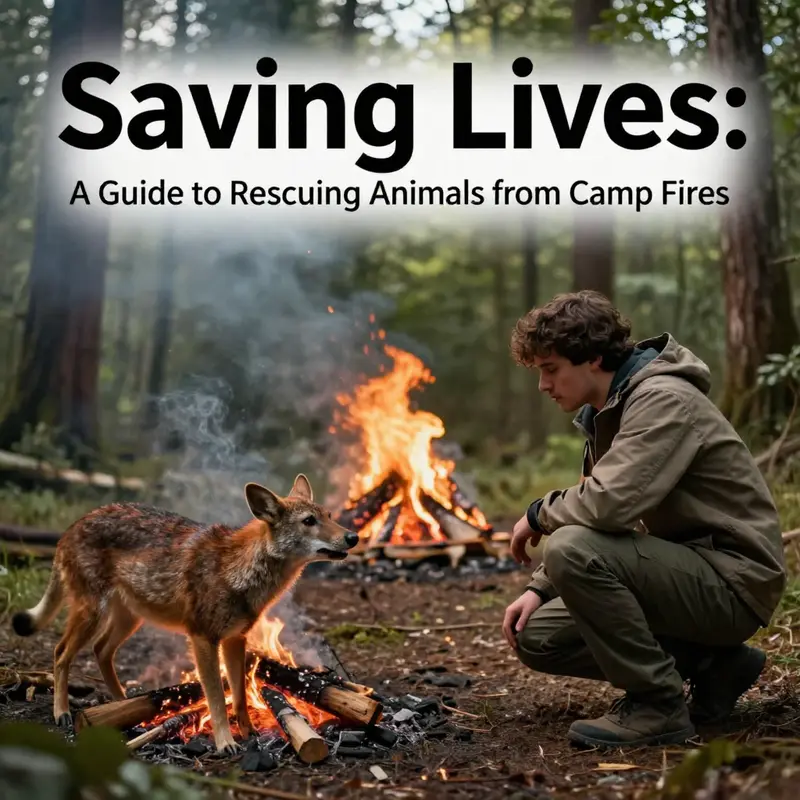
In the glow of a campfire, the impulse to help can feel instinctive, but safety must come first. The warmth draws people near, yet embers, smoke, and shifting terrain create real risks for both humans and animals. This chapter emphasizes a safety-first mindset as the foundation of any rescue. It outlines clear steps: assess your own safety, move only if you can do so without risk, and call in trained responders when a fire is active. When there is time to intervene, use calm, non-threatening techniques to guide an animal away from danger without placing yourself in harm’s way. Remember that professionals have protective equipment and incident command structures to manage chaotic scenes. Preparation, not bravado, often makes the difference between life and loss. Pet owners and animal caregivers should maintain up-to-date identification, a ready evacuation kit, and practiced plans for relocating animals to safety. The goal is to reduce panic, support reunification, and rely on responders for the heavy lifting while you offer safe assistance when appropriate. This approach aligns with wildfire safety guidance and local emergency protocols, and it honors the dignity and welfare of both wildlife and domestic animals.
When Flames Reach the Pines: Humane Strategies for Saving Animals in Camp Fire Crises
The crackle of a campfire can seem harmless, a ritual of storytelling and starlit skies. Yet when a blaze spills beyond the perimeter of a campsite, the scene becomes a rapid, perilous crisis for animals that live in or around the area. This chapter threads together the ethical duty to protect animal life with the practical necessity of safeguarding human responders. It argues for preparation, disciplined action, and a deep respect for animal behavior, recognizing that rescue work is as much about restraint and coordination as it is about speed. In the heat of an emergency, calm, measured, and well-informed steps are the difference between a hopeful outcome and a tragic misstep. Core to the approach is the maxim that rescuers should not endanger themselves or others. If the situation is unsafe, or if you lack proper equipment or trained personnel, the safest act is to leave animals to professional response teams and focus on protecting people and infrastructure. When conditions permit, however, there are practical, humane ways to help animals that align with best practices from wildlife safety and wildfire response authorities. A solid starting point is to internalize a mindset of preparedness that extends beyond the immediate crisis and into ongoing community resilience. As you read this, consider how your local networks—neighbors, wildlife rehabilitators, shelters, and land managers—can be organized to act quickly and compassionately when animals appear during a camp fire scenario. For those seeking to sharpen their readiness with a structured, certified framework, look to training resources such as fire safety essentials certification training. This kind of preparation equips volunteers with the calm, methodical approach that a dangerous scene demands, helping to translate empathy into effective action without compromising safety. The guiding principle is clear: do not risk your life for an animal, and do not place others at risk to perform a rescue. If it is safe to intervene, proceed with a plan, a quiet voice, and a steady hand that can reassure panicked creatures and guide them toward safety rather than into new danger. The following synthesis blends preparation, on-scene technique, animal behavior insight, and post-rescue care into a cohesive, humane approach that respects both animal welfare and human limits.
The bedrock of any rescue effort during a camp fire is preparation that starts long before ignition events. This means more than having a leash and a pet carrier; it requires clear evacuation routes, knowledge of nearby shelters and emergency centers, and a well-stocked, species-aware emergency kit. A plan that anticipates the diverse needs of pets, livestock, and wildlife is essential. For example, a family with a dog, a cat, and a few horses may require multiple modes of transport and multiple handling strategies. An effective plan also identifies safe zones, such as areas with minimal smoke exposure or locations backed by established command posts where responders can operate. Planning should embrace the possibility of temporary sheltering in place if conditions worsen, as long as animals remain safe and are monitored. The emphasis is on flexibility; a rigid plan can fail when smoke shifts or wind drives the fire into an unexpected direction. Arming yourself with knowledge about individual animal needs—medications, dietary requirements, and special accommodations for disabled animals—reduces the need to improvise under pressure. In practice, this translates into a simple, practical checklist: know where the nearest official evacuation routes run, identify pet-friendly shelters or emergency centers in advance, and assemble emergency kits tailored to your animals’ needs. A thoughtful kit includes water, non-perishable food, a first-aid kit, lighting, collapsible crates or carriers, leashes and halters, bedding material, and basic veterinary records that may be required for rapid intake at a shelter. The more information you have about your animals beforehand, the more quickly you can act when time is scarce. It is equally important to connect with local authorities and wildlife professionals before a crisis occurs. These connections can streamline decision-making during an emergency, enabling responders to locate animals promptly and to implement interventions that align with official safety protocols.
In the moment of danger, the second pillar is safety—yours and the animals’. The adage to never enter an active fire zone is not merely caution; it is a professional standard that protects lives and resources. No rescue is worth a near-miss or a hazardous escape that could injure multiple animals or people. If the fire near you is active or the environment is too smoky or unstable, your best contribution is to clear the area and relay information to authorities, allowing trained teams to perform the extraction with specialized equipment. When conditions permit a controlled intervention, use a calm, methodical approach. Thermal imaging, for example, can reveal hotspots and the location of animals without requiring human proximity to flames. While such technology is beyond the reach of most households, it underscores a broader truth: modern rescue work increasingly relies on tools and coordination that minimize risk while maximizing visibility into the field. If you have access to any equipment that improves safety—such as a drone with thermal capabilities—coordinate with official responders rather than acting independently. The ethics of rescue require a careful balance between compassion and prudence; rushing to save an animal at the cost of a human life or the stability of a response operation undercuts the very welfare we seek to protect. The point is not to abandon animals but to ensure that every action is choreographed with professional support and established safe zones.
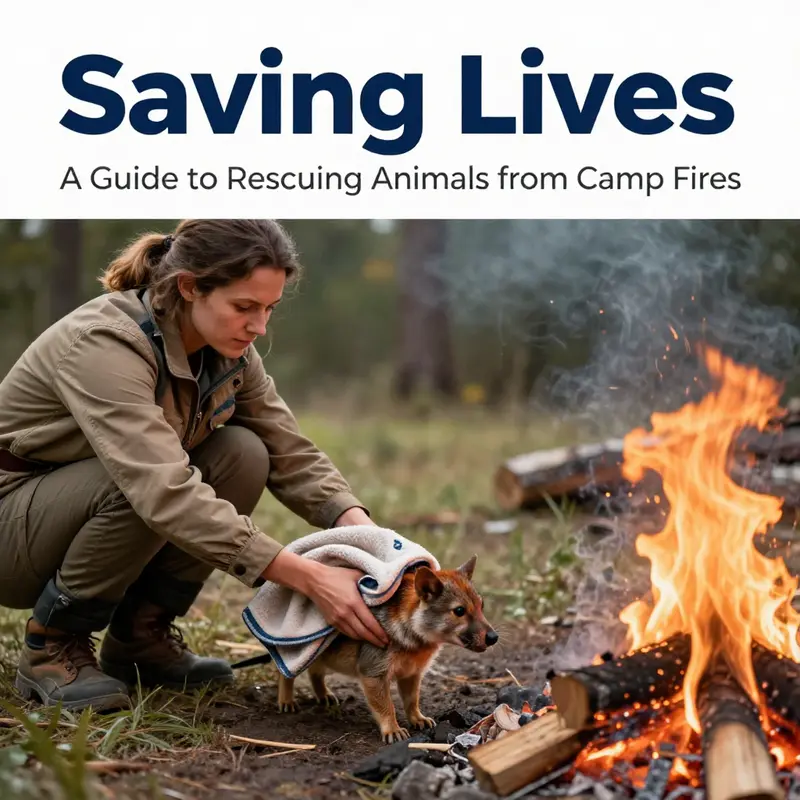
The practical techniques of extraction depend heavily on species, disposition, and the environment. For small pets such as dogs, cats, or pocket pets, the approach is often to create a calm, familiar air and gently guide the animal toward safety. A blanket or towel, draped over the animal in a slow, nonthreatening motion, can help reduce stress and provide a sense of shelter as the animal is guided away from smoke and heat. For dogs, a quick, secure leash and a soft, reassuring voice can make a significant difference in preventing bolting or panic. For cats, it is crucial to minimize restraint that could provoke a defensive reaction; patience and a gentle, low-stress approach often work best, with the animal guided toward a carrier rather than being scooped up in a way that triggers fear. For reptiles and other less common species, the handling should respect their needs and natural defenses, with careful placement into secure containers and minimal handling whenever possible. These small steps reduce the risk of injury to both animal and handler and set the stage for medical evaluation and recovery.
When large animals are involved, the dynamics change dramatically. Horses, cattle, and sheep can bolt, become disoriented, or injure themselves in the confusion of fire and smoke. In such cases, the use of specialized equipment becomes essential. Rescuers must rely on trained personnel equipped with sturdy, purpose-built restraints, trailers, and humane handling tools designed to move large animals without compounding fear. The behavior of large animals under stress is highly individual, and a one-size-fits-all approach can backfire. A key insight from volunteers and veterinarians is that understanding each species’ unique stress signals—evidence of tension in a horse’s posture, the way an ox shifts weight or a sheep’s instinct to freeze—translates into more effective, safer extraction. The emphasis is on controlled, slow movements, avoiding loud noises or sudden movements that can trigger flight responses. Before attempting such moves, responders should establish a clear path to the transport vehicle and ensure that bystanders remain at a safe distance. In practice, this means coordinating with a team to guide the animal toward a trailer using calm vocal cues and, when possible, familiar textures or scents that can help reduce anxiety. The process may require multiple handlers with specific roles: one to lead, one to flank, and one to monitor the animal’s breathing and eye cues. The outcome depends on preparation, discipline, and teamwork more than brute force.
Behind the on-the-ground tactics lies a web of community networks that makes rescue operations workable in real time. Effective rescue responses rely heavily on collaboration with local organizations, shelters, veterinarians, and parks staff who have experience with wildfire events. Community volunteers coordinate through hotlines, online updates, and in-person command posts, sharing precise information about animal locations, species, and the resources available. Social media often plays a pivotal role in the rapid dissemination of information, but it also requires careful moderation to prevent misinformation from spreading. In many locales, dedicated hotlines connect people reporting stranded animals with trained responders who can triage and allocate resources. The human element—volunteers who stay organized, calm, and compassionate—becomes the backbone of these networks. When responders have a clear picture of where animals are and what they require, they can deploy the right equipment and personnel efficiently, reducing chaos and increasing the likelihood of successful extraction.
Post-extraction care begins the moment the animal crosses the threshold into safety and continues long after the ember smoke clears. Immediate care should focus on burns, smoke inhalation, dehydration, and potential trauma. Even animals that appear to recover quickly may harbor underlying injuries or stress-induced complications that require veterinary evaluation. A rapid triage in a safe area—monitoring breathing, pulse, skin condition, and temperature—helps determine what immediate medical actions are needed. Transport to a veterinary facility or shelter for ongoing care is often essential, and shelters will typically provide initial stabilization, wound care, and respiratory support as needed. The transition from field rescue to shelter intake is a critical juncture, where continuity of care and accurate records can influence recovery outcomes. For animals that will be separated from their owners, shelters and rescue groups play an indispensable role in reunification and accountability. They can store medical histories, facilitate introductions to owners, and coordinate foster placements or long-term care for animals whose owners are temporarily unable to care for them due to property damage or displacement. The emotional and logistical complexity of this stage cannot be underestimated; the best outcomes occur when caregivers and authorities work together to ensure the animal’s comfort, safety, and sense of security.
Even as animals are supported in the moment, the broader recovery narrative requires ongoing support. Post-rescue care often extends into foster care, veterinary treatment, and assistance with the costs of medical care or property repair. Rescuers become advocates for these animals, tracking their progress, documenting outcomes, and helping to ensure continued welfare as owners work to rebuild and reestablish routines. This phase also highlights the importance of pre-emptive planning for future fires, including better barriers to prevent animals from entering hazard zones, more accessible water and shelter options along evacuation routes, and community education that emphasizes risk reduction and rapid reporting during emergencies. The strength of a successful chapter in animal rescue lies not only in the moment of extraction but in the ripple effects that reach shelters, veterinary clinics, and the families who care for displaced pets and livestock.
In the long arc of a wildfire crisis, the story of rescue reveals a tapestry of courage, science, and human empathy. Volunteers who understand animal behavior—who can read a horse’s shifting weight, a dog’s trembling body, or a cat’s tension in the whiskers—are invaluable. Their work is supported by teams that stabilize and transport, by shelters that provide medical care and safe housing, and by communities that share information and resources with discipline and transparency. The California fires of recent years underscored how quickly an ordinary evening can become an emergency that tests every layer of preparedness. From this experience, a principle emerges: resilience is built through preparation, coordinated action, and respect for the lives we seek to protect. The rescue story is not a triumph of a single hero but a chorus of informed volunteers, professional responders, and animal advocates who choose to act with restraint and compassion when danger erupts. The chapter ends, in effect, where it began—with a call to readiness that honors animal welfare as an integral part of public safety. The more communities invest in planning, training, and collaboration, the more animals—both wild and domestic—will have a chance to survive, recover, and thrive after a camp fire.
For those who want to deepen their practical readiness, a disciplined training pathway—such as the fire safety essentials certification training—offers a framework that translates compassion into action while maintaining safety as the core value of every operation. This kind of preparation helps ensure that when a fire threatens, individuals and communities respond in ways that are humane, effective, and aligned with official guidelines. It also reminds us that the responsibility for animal welfare in wildfire contexts is shared—across families, volunteers, shelters, and agencies—and that the best outcomes are achieved when each actor understands their role within a coordinated system. In the end, rescue is a collective act of care, grounded in knowledge, humility, and the steadfast belief that life deserves protection—even in the most intimidating heat of an advancing fire.
External resource: NPS wildfire guidance
When Kindness Needs a Team: Why Professional Animal Rescuers Are Essential in Camp Fire Emergencies
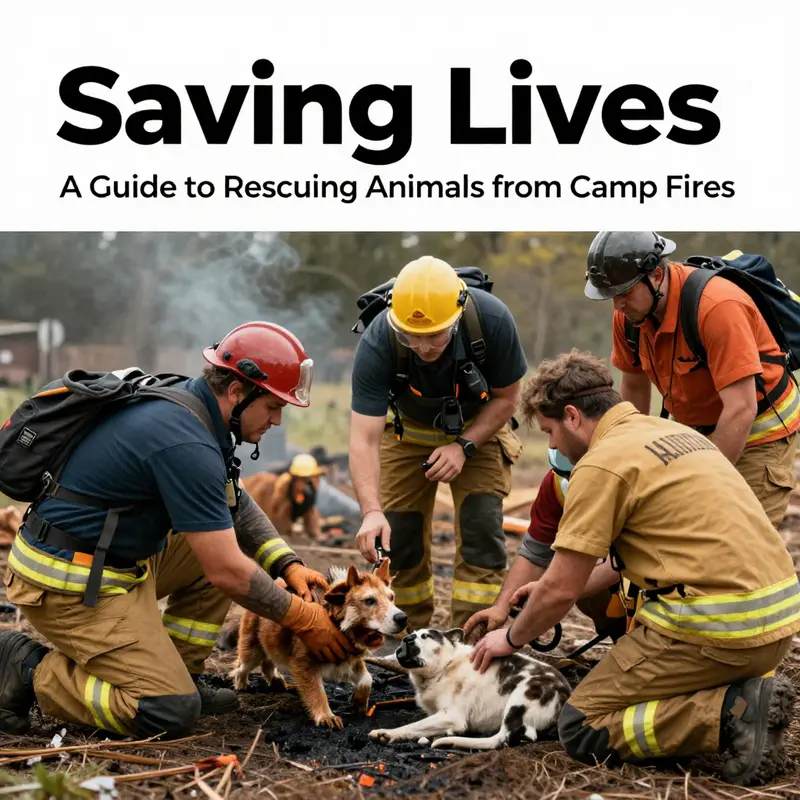
Why professional animal rescuers are essential in a camp fire emergency
A wildfire creates an environment that looks deceptively simple: flames, smoke, and heat. In reality, every second is unpredictable. Animals respond to that danger with survival behaviors that can make rescue attempts hazardous. When you see a frightened dog, a trapped horse, or wildlife caught near the perimeter, the impulse to help is natural and humane. Yet effective rescue in those moments depends on skill, equipment, and coordination. Professionals bring all three. They reduce risk to people and animals, provide immediate medical care, and create the best chance for reunification with owners. This chapter explains what trained responders do, why they matter more than individual good intentions, and how members of the public can support their work without endangering themselves.
Wildfires change conditions fast. Wind shifts can push flames into unexpected areas. Heat can collapse structures and warp terrain. Smoke hides hazards and impairs breathing. Animals behave unpredictably when frightened or injured. These combined dangers mean an unplanned attempt at rescue can become a second emergency. Professional animal responders train for chaotic scenes. They practice situational awareness, read fire behavior, and operate inside safety margins set by incident commanders. Their presence reduces the chance that a rescuer becomes another victim and ensures decisions follow an established safety plan.
Equipment is another major differentiator. Professionals wear protective clothing designed to reduce burn risk and limit smoke inhalation. They use thermal imaging cameras to locate animals obscured by smoke or darkness. They carry species-specific capture tools, such as nets for small animals, large animal hobbles and stock trailers for livestock, and specially designed crates and stretchers to move injured pets safely. They bring veterinary supplies to treat burns, airway damage from smoke, and shock. These resources are expensive and require training to use safely. The presence of such gear means animals receive timely, appropriate care that bystanders cannot match.
Beyond gear, responders know how to handle stressed animals without escalating danger. A burned, terrified animal can lash out. Animals injured by heat or debris may bolt into traffic or dense brush. Trained rescuers read stress signals and use calming approaches. For dogs, they may apply towel wraps or muzzles to prevent bites while minimizing further distress. For cats, they deploy quiet, darkened carriers to reduce overstimulation. For livestock and horses, rescuers use trained herding techniques, safe restraint methods, and calming signals to move groups without causing trampling or panic. Improper handling not only risks further harm to the animal, but it also jeopardizes human safety. Professionals balance urgency with care and know when to stabilize and withdraw rather than force a dangerous extraction.
Medical evaluation is immediate and vital. Smoke inhalation, burns, and dehydration are common. Even animals that appear alert may silently suffer airway damage or internal injuries. Professional teams include veterinarians or veterinary technicians who can triage on site. They assess the airway, breathing, and circulation of each animal, start oxygen if needed, flush wounds, and administer intravenous fluids for shock. Early stabilization before transport greatly improves survival. Untrained intervention often delays this care or applies treatments improperly, compounding injuries.
Coordination is essential in a wildfire response. Animal rescue teams do not operate in isolation. They attach to the incident command structure and coordinate with fire crews, law enforcement, and emergency managers. This alignment ensures rescues follow safe evacuation corridors, respect containment lines, and do not jeopardize firefighting efforts. Professionals share situational updates so resources move efficiently. They also coordinate shelter locations and transport logistics to prevent bottlenecks at holding facilities. A single call placed to a coordinated response can mobilize veterinary care, shelter space, and transport that an individual acting alone cannot arrange.
Rescue teams also protect legal and ethical integrity during emergencies. Wildfire scenes often involve ownership disputes. Animals found wandering may not have immediate identification. Professionals document rescues, record microchip data, and log chain-of-custody information. These procedures preserve legal rights and increase the likelihood of successful reunification. They also ensure animals are handled in line with local laws and sheltering policies. Unauthorized removal or relocation of animals can create complex legal problems and impede organized recovery efforts.
Specialized teams exist precisely because animals vary so widely in needs. A cat’s anatomy and instincts differ from a horse’s. Wildlife carries different risks than domesticated pets. Professional responders train across species and across scenarios. They learn safe capture of urban wildlife, ethical euthanasia when suffering is unrelievable, and humane methods for mass animal evacuations. During the Camp Fire and similar events, teams that included animal control officers, shelter staff, and volunteer veterinarians formed mobile clinics. These mobile units stabilized large numbers of animals, provided vaccinations, and prepared pets for transport to foster homes. This level of response cannot be improvised on the line by well-meaning but untrained volunteers.
Public participation still has high value. The best outcomes occur when the public supports professionals rather than attempting unsanctioned rescues. If you encounter an animal in danger and the area is unsafe, the correct action is to report. Provide exact location details, photo or video if safe, and note visible injuries and behavior. Do not chase or corner animals; this increases their risk and yours. If you can safely offer temporary shelter away from the fire—such as placing a terrified, friendly dog in your vehicle and waiting in a secure area—that helps. But even then, call responders and report your action so professionals can log the animal.
When rescue is possible without immediate risk, use low-stress techniques and minimal intervention. Move slowly, avoid loud noises, and speak softly. Offer a blanket or towel to calm and shield an animal from sparks. A towel can also be used as a makeshift muzzle for a fearful dog, applied loosely to avoid restricting breathing. For cats, allow them to enter a carrier or box on their own; do not force them. For large animals, never attempt to lift or haul an injured horse or livestock without equipment and training. In short, do what reduces immediate danger and keeps people safe, then hand the situation over to professionals.
There are constructive ways to help from a distance. Supply donations are crucial. Professionals need carriers, leashes, blankets, towels, kennels, bottled water, and animal-appropriate food. They also require medical supplies such as saline flushes, bandages, oxygen masks sized for animals, and IV fluids. Financial donations to verified organizations allow emergency teams to buy what they need most, quickly. If you choose to volunteer, sign up through established disaster response networks. Many organizations use credentialing systems to place volunteers where they can serve safely, such as fostering once animals are stabilized. Untrained volunteers at an active wildfire scene can become liabilities. Registered volunteers, however, fill vital roles in shelters, transport, and long-term care.
Communication matters. Provide accurate information and avoid speculation. Share updates to responders, not to social platforms, unless you are directing people to official channels. Misinformation spreads quickly and can divert resources. If you post a photo, include the location, time, and a clear statement that professionals have been notified. When reporting an animal in danger, offer details: behavior, visible injuries, and any identification tags seen. These details help incident commanders prioritize calls and deploy suitable teams.
Reunification processes hinge on documentation. Professionals tag animals, record microchip numbers, take photographs, and collect owner contact details when possible. Owners separated during evacuations will likely look first to official shelter lists and then to social media groups. A thorough, recorded intake increases the chance of a quick reunion and prevents unnecessary adoption of lost pets. Professionals also follow protocols for long-term care, vaccination, and placement, ensuring animals recover without creating public health issues.
Mental health of responders and volunteers is a serious but sometimes overlooked aspect. Animal rescuers witness traumatic scenes. They develop strategies to cope and to prevent burnout. When working with professionals, respect their need for breaks and rotation. If you are a volunteer or owner affected by the fire, seek resources for stress and grief counseling. Professional teams often coordinate with mental health providers for both staff and the public.
Training and preparedness for communities reduce the load on responders during disasters. Local outreach programs that teach microchipping, pet evacuation kits, and family evacuation drills make rescue simpler. If an animal is already microchipped and registered, reunification becomes faster. Preparedness also means including animals in evacuation plans, keeping transport crates accessible, and storing essentials like leashes, food, and veterinary records in a single, grab-and-go location. Community education encourages people to wait for professionals or to provide helpful, non-harmful assistance when appropriate.
Ethical decisions are complex in the field. Responders sometimes must choose between saving many animals or one severely injured animal. They balance resource availability, safety, and the animal’s quality of life. These decisions are guided by triage principles similar to human medical protocols. Professionals are trained to make these judgments under pressure. This training prevents chaotic, emotion-driven choices that can worsen outcomes.
Accountability and continuous improvement shape professional response. After-action reviews are routine. Teams analyze what went well, what failed, and how to adapt. These reviews lead to better equipment, refined procedures, and improved coordination with fire agencies. Communities that support these reviews through funding and partnerships directly increase the effectiveness of future rescue efforts.
When you encounter a wildfire-affected animal, keep a simple checklist in mind: ensure personal safety first, call official hotlines, provide precise information, avoid risky hands-on rescue if the scene is unsafe, and offer non-harmful assistance only when it reduces immediate danger. Donate supplies and time through verified channels, and consider fostering to relieve shelter space. Trust trained responders to perform dangerous extractions and medical stabilization. Your actions matter most when they enable professionals to work safely and effectively.
Professionals turn compassion into sustainable action. They bring training, specialized tools, medical care, legal procedures, and coordination with emergency systems. They minimize risk and maximize the number of animals saved. In any camp fire, the bravest step by a member of the public is often the simplest: call the experts and follow their guidance. This approach multiplies the impact of every good intention and gives animals the best possible chance of survival and recovery.
For organizations that lead disaster animal response and for guidance on how they operate during wildfire incidents, see Pasadena Humane’s disaster response resources: https://www.pasadenahumane.org/disaster-response
If you want to learn more about broader fire and rescue work and community engagement, the fire rescue blog offers additional insight and resources: fire rescue blog
Final thoughts
The interplay between human action and animal welfare during a campfire emergency demands careful consideration and understanding. By prioritizing safety as the first step, employing effective techniques for extraction, and recognizing the invaluable assistance that professionals provide, individuals can truly make a difference for animals during such critical situations. Awareness and preparation can transform distressing incidents into stories of survival and recovery. Every moment counts in a fire emergency; being equipped with knowledge about animal rescue could save a life, proving that compassion and responsibility go hand in hand.