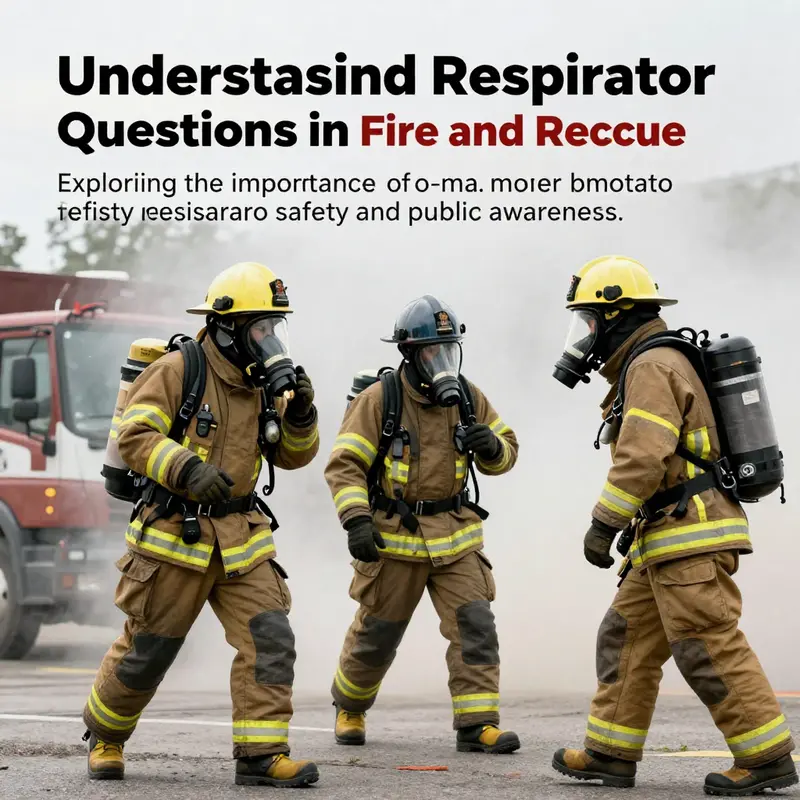
Fire safety and the proper use of respirators play a crucial role in ensuring the safety of firefighters and the public alike. This article delves into the often overlooked aspects of respirator questions relevant to fire and rescue operations. It highlights the significance of enhancing awareness about respirators within the community and their implications for effective fire response. As we explore various facets including community knowledge, firefighter training standards, public engagement, and essential resources, we aim to provide a comprehensive understanding of these crucial questions that can shape policy, training, and awareness programs effectively. Each chapter will illuminate a specific angle of this multifaceted issue and underline how proper awareness and training can contribute to improved safety in fire-related emergencies.
Breathing Under Pressure: Deciphering Respirator Proficiency Questions in Fire and Rescue Questionnaires
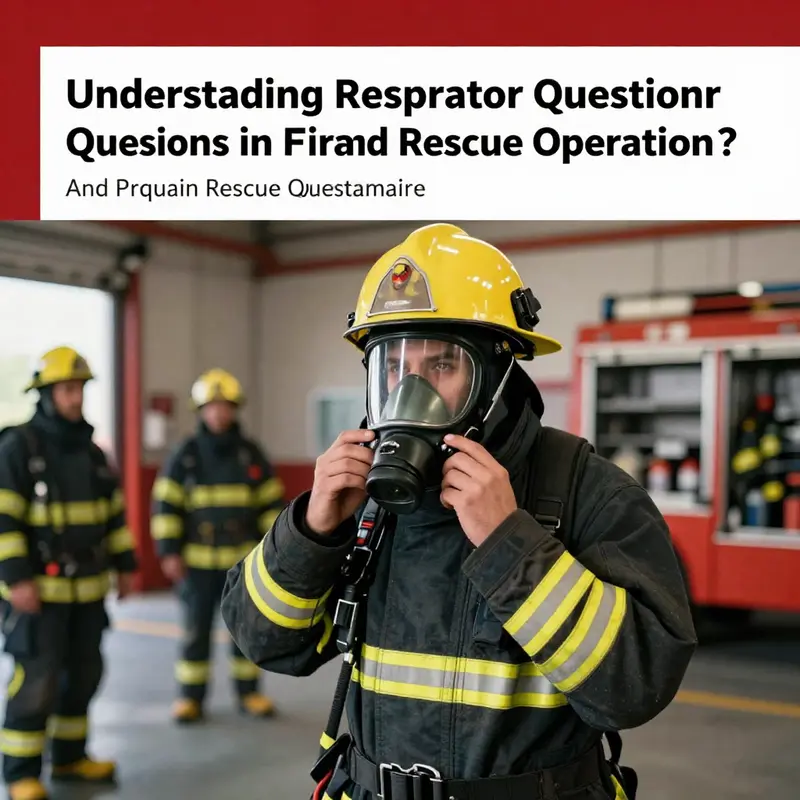
Respiratory protection sits at the core of firefighter safety, a line of defense that can determine whether a person survives a life-threatening environment or succumbs to the toxic mix of smoke, heat, and confusion. Yet the way we measure understanding of respirator use often reveals as much about training culture as about technical know-how. When researchers or educators design a questionnaire for fire and rescue operations, a dedicated set of respirator questions emerges not as a standalone test but as a window into how well individuals grasp the shift from ordinary breathing to a specialized, high-stakes practice. These questions are not simply about memorizing steps; they probe how a responder reasons under pressure, interprets risk, and adheres to a disciplined sequence of actions that protect the airway. In this sense, respirator questions function as a mirror reflecting the priorities of modern fire service training, where airway management is recognized as a foundational skill rather than a niche specialty. The practical purpose behind such questions is clear: to assess whether a person can recognize when a respirator is necessary, how to deploy it correctly, and what constraints or hazards might limit its effectiveness. A typical item asks about the primary reason for wearing a respirator during a fire. Correct responses emphasize protection from inhaling toxic smoke and gases, maintaining breathable air in environments with low oxygen, and shielding against harmful byproducts of combustion. However, a robust questionnaire goes beyond a single facts check. It tests comprehension of the breathing apparatus as a system, including how the device interacts with human physiology, environmental conditions, and operational demands. The best questions frame respirator use within realistic scenarios. They might describe a hallway thick with smoke, inches from a heat source, and ask what considerations should guide the decision to don or remain in a respirator. Such questions aim to reveal whether the responder understands that donning timing, air supply status, and the task at hand influence whether the protection should be kept in place or adjusted. It is equally important that these items address limitations and potential pitfalls. For example, a well-constructed question could probe knowledge about heat buildup, dehydration, and fatigue, which can compromise respirator performance and decision making. The responder who can articulate risks related to heat stress or fogging of facepieces demonstrates awareness that protection is not a guaranteed shield but a dynamic element in a broader safety plan. In practice, this translates into a recognition that respirators are not a substitute for safe tactics. A question set that couples respirator use with sheltering, exit strategies, and buddy checks reinforces the message that airway protection works best when integrated with situational awareness. The public-facing research findings available on this topic show a gap that is easy to overlook. A survey from the Etuokeqianqi Fire Rescue Brigade in Inner Mongolia focuses on fire safety awareness among the general public rather than on professional rescue capabilities. Its scope includes actions during a fire, safe handling of electrical appliances, escape routes, and home fire prevention. While the survey is valuable for prevention and early education, it does not include respirator-specific items tailored to rescue operations. This absence underscores an important distinction: public safety messaging differs from professional training content. When the question is about protecting workers who must operate in toxic environments, the knowledge base becomes more technical, more procedure-driven, and more closely tied to standards and training protocols. For accurate information on respiratory protection in fire and rescue contexts, practitioners often turn to established authorities such as the National Fire Protection Association and related agencies. NFPA guidance and USFA materials provide comprehensive materials on the proper use, training, and limitations of respiratory devices used by firefighters. These sources emphasize not only the mechanics of donning and doffing but also the critical steps of fit testing, buddy checks, air supply management, and post-use decontamination. Such guidance helps frame a questionnaire in terms of measurable competencies rather than rote recall. In designing respirator questions for a fire and rescue questionnaire, it helps to think of the respirator as a tool with four interdependent elements: the device itself, the user, the environment, and the task. Each element raises specific questions that can be tested. For the device, items might cover how a self-contained breathing apparatus seals, how to verify an adequate air supply, and how to detect leaks or tangles in hoses. For the user, questions can address proper donning and doffing techniques, the ability to read instrument readings, and awareness of signs of heat stress or oxygen deficiency. For the environment, items could probe understanding of when smoky conditions require respirators versus when evacuation or alternative routes are prioritized. For the task, questions may explore how different objectives—searching a room, performing advanced rescue, or managing a hazardous material incident—alter the decision calculus about respirator use. A well-rounded set of questions also delves into maintenance and care. The responder should know the importance of routine inspection, cleaning, and storage procedures to preserve fit and function. They should understand the role of alarms, regulators, and indicators that signal the need for replacement or service. The training implications extend beyond the test itself. When agencies prioritize respirator literacy, they reinforce a safety culture that treats airway protection as an everyday professional obligation rather than a special-case precaution. A questionnaire can be a catalyst for deeper learning if it prompts responders to reflect on their own experiences and to connect theory with practice. Bringing in scenario-based questions helps bridge the gap between knowledge and action. A respondent who can describe a thoughtful sequence—assessing the scene, communicating with teammates, verifying air status, donning promptly, and maintaining situational awareness—demonstrates readiness to handle real-world pressures. At the same time, questions should acknowledge the human factors that influence performance. Cognitive load, fatigue, heat, and stress can affect judgment and dexterity. Including questions that touch on these factors invites participants to articulate strategies for mitigating them, such as structured checklists, paused decision points, and the value of teamwork. The literature on respiratory protection for firefighters consistently emphasizes the interplay between knowledge, skill, and attitude. A responsibly constructed respirator questionnaire does not merely test memory. It seeks to understand how well an individual can apply protective principles under duress, adapt to evolving conditions, and maintain a safety-first mindset even when the mission demands swift action. In this sense, respirator questions become a lens through which training effectiveness is evaluated. They reveal whether the education delivered through drills, classroom sessions, and field exercises translates into confident, correct behavior when the smoke is thick and visibility is poor. The cultural dimension is also central. A department that values safety will embed respirator proficiency in its core training and performance standards. The questions used to gauge understanding will reflect that priority, reinforcing expectations about preparedness, teamwork, and accountability. To keep practitioners aligned with best practices, it helps to reference reliable resources as a baseline. The official NFPA website and related materials offer foundational guidance that training designers can adapt into their questionnaires. These resources outline the expected competencies for respiratory protection, including the critical points about protection efficacy, human factors, and procedural rigor. For readers who want to explore practical training resources, a useful starting point is a dedicated repository of fire safety training materials that focuses on essential certifications and hands-on drills. A suggested resource path includes accessible courses and guidance that reinforce the core concepts behind respirator use in high-risk environments. For readers seeking actionable training content, consider exploring Fire Safety Essentials Certification Training. It provides practical insights into core safety practices that support the development of confident, capable responders who can rely on respirators when the situation demands it. Internal links can help readers connect theory with practice, guiding them toward structured learning experiences that complement test-focused materials. As with any complex skill, the aim is to embed respirator proficiency into everyday readiness, not merely to pass a questionnaire. Until responders regularly exercise correct donning, effective air management, and disciplined communication under simulated stress, the respirator remains a potential liability rather than a proven safeguard. This is why a robust question set should be part of a larger, ongoing training strategy that includes hands-on drills, peer coaching, and regular evaluation against standards. In the end, the value of respirator questions lies in their potential to elevate safety outcomes. They are not trivia; they are tests of judgment, discipline, and the ability to protect the lungs that power every other action on the fireground. By focusing on practical understanding, acknowledging human factors, and aligning with established standards, these questions help ensure that respirators fulfill their central role: enabling responders to move through smoke and danger with confidence, clarity, and care. External resource: https://www.nfpa.org
Breath and Readiness: Exploring Public Perception and the Missing Respirator Questions in Fire and Rescue Preparedness
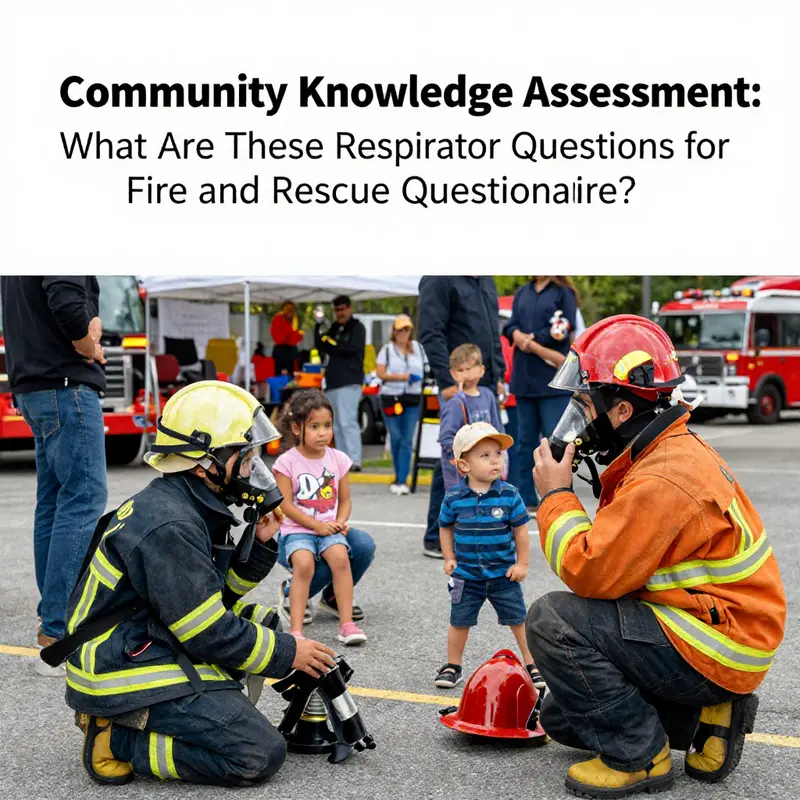
Respiration is not a luxury in a smoke-filled environment; it is a lifeline. Yet the public’s understanding of when and how to rely on respiratory protection in emergencies often sits at the edge of awareness, blurred by a mix of intuitive fear, media myths, and incomplete safety messaging. The question at the heart of this chapter—what would a respirator-focused questionnaire for fire and rescue contexts look like, and what purpose would it serve—takes us into a more nuanced space where public knowledge meets professional practice. The current research landscape reveals a surprising gap: there is no widely recognized, standardized questionnaire dedicated to respirator questions for fire and rescue operations that is used across departments or jurisdictions. Instead, what surfaces in available materials is a broader fire safety awareness survey aimed at the general public. One illustrative example comes from Inner Mongolia, where a fire safety awareness survey emphasizes what everyday citizens should know about fire prevention, safe evacuations, the use of electrical appliances, and the maintenance of home safety systems. That instrument is designed to reduce risk by shaping behavior, not to train responders in the use of complex respiratory equipment. The distinction matters because it highlights two complementary but distinct aims: equipping the public with protective actions during a fire, and preparing responders with the technical competence to operate life-sustaining equipment in extreme conditions. In this context, a respirator-focused public questionnaire would occupy a unique space—bridging comprehension, behavior, and practical constraints, while remaining anchored to authoritative guidance for protective devices used by trained personnel.
If we imagine the contours of a community-oriented respirator questionnaire, several topics would emerge without needing to turn this into a technical manual for firefighters. First would be public awareness of when respiratory protection is appropriate. In real-world scenarios, exposure to smoke and harmful particulates varies with location, weather, and building materials. A well-designed instrument would query whether residents recognize that respiratory protection is not a universal safeguard for every smoky situation and that certain devices are designed for specific use cases. It would probe understanding of the difference between inhalation protection offered by air-purifying devices and the broader protection provided by supplied-air systems used by responders under extreme conditions. Second, the questionnaire would cover knowledge of respirator types in general terms, including limits and contraindications, without naming brands or models. Respondents might be asked to distinguish, in lay terms, a device meant to filter air from the environment from a system that provides clean air from an outside source, and to identify scenarios where each type would be insufficient or inappropriate. Third, maintenance, fit, and disposal—cornerstones of effective respirator use—would be essential components. Questions could illuminate whether people understand that a respirator is only as good as its seal, that a poor fit compromises protection, and that certain devices require professional fit testing and routine checks. The public’s understanding of disposal and replacement timelines could also be explored, addressing concerns about reuse, contamination, and the storage of respiratory gear during non-emergency periods. Fourth, behavioral responses during smoke exposure would be a natural focus. In a home fire, for example, people often make rapid, sometimes erroneous decisions about escaping, sheltering in place, or sheltering for a moment to don protection. A robust instrument might assess common misconceptions, such as the belief that any mask will protect equally well in all smoky environments or that wearing a respirator creates an invincible shield against all hazards. Such questions would invite respondents to reflect on what they would do in a high-stress scenario, thereby revealing gaps between knowledge and likely behavior.
The absence of a standardized public respirator questionnaire should not be interpreted as a verdict on its relevance. On the contrary, it underscores the need for authoritative, credible resources that can shape public understanding in ways that align with professional practice. For accurate information about respiratory protection in fire and rescue contexts, it is prudent to consult established organizations that publish comprehensive standards and guidance. The National Fire Protection Association (NFPA) and the US Fire Administration (USFA) provide extensive materials on protective equipment, training, and best practices for responders. In parallel, the U.S. National Institute for Occupational Safety and Health (NIOSH) offers in-depth information about respirators, their selection, use, maintenance, and limitations. The interplay between these sources helps ensure that any public-facing questionnaire can be anchored to scientifically sound concepts while remaining accessible to non-professionals. To readers who want a credible starting point, a visit to the NIOSH respirators topic can illuminate the core principles behind respiratory protection and its appropriate application. NIOSH Respirators
Designing a community instrument with these guardrails involves balancing clarity with practicality. It is not about turning the public into frontline technicians, but about equipping individuals with the right questions to ask, the right actions to take, and the right expectations to hold about what respiratory equipment can and cannot do in a fire emergency. A useful public questionnaire would avoid jargon and focus on scenarios that people are realistically likely to encounter—an apartment fire, a wildfire plume near a community, or a sudden home alarm shortly after starting a kitchen appliance. It would also emphasize the concept that smoke inhalation risk is composite, involving heat, toxic gases, and reduced oxygen, and that respirators have specific protective envelopes that may or may not align with those risks. In this sense, the instrument becomes a catalyst for broader safety behaviors: plan, practice, and participate in training. It nudges communities toward engaging with local safety education resources, practicing evacuation plans, and understanding how to interpret official air quality advisories during incidents.
Within fire-rescue organizations, there is value in integrating respirator education into broader safety training rather than keeping it segregated. Programs that teach core safety competencies—egress, shelter-in-place concepts, and the mechanics of staying safe during a fire—can weave in respiratory protection as a critical but contextual layer. The integration is not purely academic; it translates into practical messaging and community outreach. For example, a department might embed respiratory protection literacy within general safety curricula to reinforce that civilians should rely on official instructions, seek safe exit routes, and avoid unnecessary exposure whenever possible. In this vein, some fire-rescue agencies incorporate respiratory protection components into their ongoing education initiatives, including structured training modules that align with public safety requirements and community risk reduction objectives. A related example worth exploring within the field’s learning ecosystem is Fire Safety Essentials Certification Training, which can serve as a bridge between fundamental safety concepts and more specialized protective technologies. See the program details at the linked resource for a sense of how foundational training materials shape broader safety literacy. Fire Safety Essentials Certification Training.
Beyond design and messaging, the real-world impact of a respirator-focused public questionnaire hinges on ensuring that information conveyed to the public is actionable, consistent with national guidance, and delivered through trusted channels. Local emergency services often tailor communications to their communities, taking into account language diversity, housing stock, and common sources of exposure. In such contexts, the questionnaire becomes not merely a diagnostic tool but a springboard for targeted outreach. For instance, if survey results reveal widespread confusion about when to don respiratory protection, the ensuing education campaign can emphasize the difference between staying low and filtering air versus escaping promptly and relying on safe egress routes. If results indicate misperceptions about the protective scope of masks in smoke, the education plan can focus on the limitations of consumer-grade respirators and the importance of professional protection during structural firefighting. The ultimate goal is to elevate community readiness without creating a false sense of security.
As this chapter threads together the observed absence of a standardized public respirator questionnaire with the existence of robust professional guidance, it becomes clear that public education should be designed with both accuracy and practicality in mind. The most effective approach respects the expertise embedded in NFPA, USFA, and NIOSH publications while translating that expertise into questions and scenarios that ordinary people can relate to and act upon. The effort to craft such a questionnaire should be collaborative, drawing on input from community risk reduction officers, communications specialists, health educators, and members of the public. It should also be dynamic, capable of evolving with advances in respiratory protection technology, changes in fire behavior understanding, and shifts in public health messaging. In this sense, the instrument is less a static test and more a living framework for cultivating a culture of informed, proactive safety. The journey from a general fire safety awareness survey to a dedicated respirator-focused public instrument reflects a maturation of public safety education—one that recognizes that readiness is built through clear knowledge, realistic expectations, and repeated, guided practice. And as departments share experiences across jurisdictions—learning from what works and what does not—the chapter of public safety literature will gradually assemble a more coherent picture of how communities understand respirators, how people respond to smoke, and how education can align public behavior with best practices for safety and survival.
Breath and Benchmark: Reframing Respirator Questions Within Firefighter Training Standards and Rescue Readiness
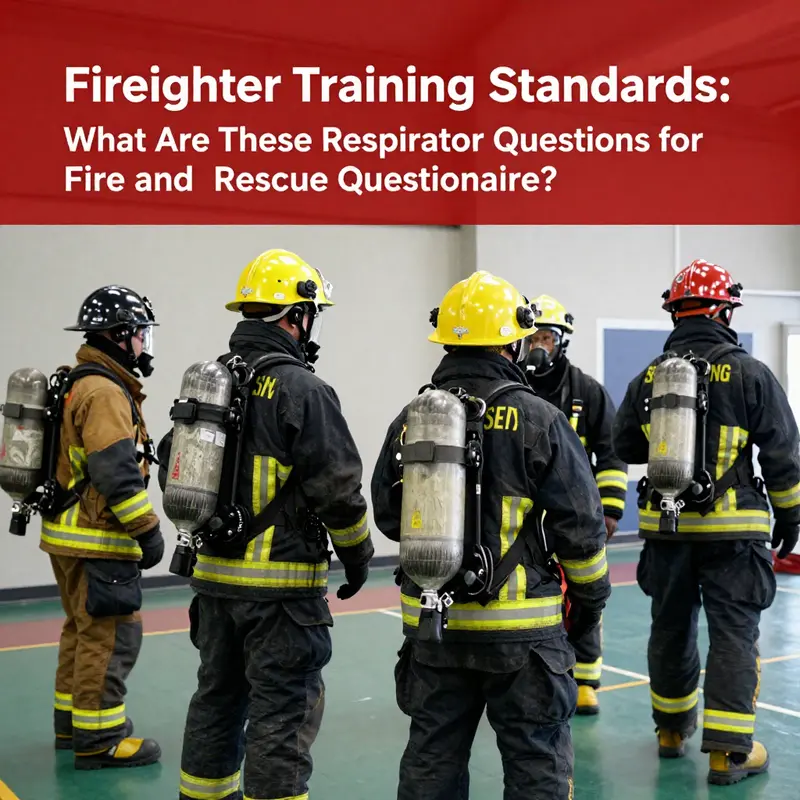
The absence of a clearly defined set of respirator questions in general fire and rescue questionnaires does not signify a gap in safety knowledge so much as a misalignment of the questionnaire’s purpose with the realities faced by responders wearing breathing apparatus under extreme stress. Public fire-safety surveys often emphasize awareness—evacuation routes, electrical safety in the home, and how bystanders should react during a house fire. These instruments educate the public; they are not designed to assess the nuanced competencies demanded of firefighters who must don, deploy, and manage air supply in shifting toxic environments. To understand what respirator questions should seek to measure, one must look beyond broad public awareness and into the training standards and operational data streams that keep respirators effective in action. In this sense, the question “what are these respirator questions for fire and rescue questionnaire?” becomes a prompt to refine the very idea of assessment within professional training and mission readiness rather than to replicate a consumer-safety survey for first responders.
The recent scholarly and field-based findings underscore a paradox already familiar to training designers: the equipment is sophisticated, yet the feedback systems that quantify a trainee’s use of that equipment lag behind the physiological realities of real operations. A study published in early 2026 highlights two interlocking gaps. First, although fire service training systems—such as those provided by national training academies—offer diverse skill-trades and scenario-based testbeds, there remains a noticeable shortfall in quantifying training performance through physiological feedback. Second, the current generation of air respirators, especially self-contained breathing apparatuses (SCBAs), lacks a reliable means to wirelessly transmit internal state data—such as pressure consumption, remaining air, or flow rate—to an external control center during training or live-fire exercises. This lacuna matters because the ability to monitor respirator status in real-time can transform an evaluator’s ability to distinguish between mere competence and precise, data-driven performance.
What the research suggests, in practical terms, is a path forward that integrates wireless communication with respiratory protection to produce a feedback-rich training environment. The wireless system would capture key metrics from the SCBA and transmit them to a centralized dashboard where instructors and evaluators can observe how a trainee manages air supply as the simulated or real hazard escalates. The evidence from experimental validation is promising: the data collection is accurate, timely, and sufficiently robust to support real-time performance metrics. In other words, the respirator-focused portion of a questionnaire—whether used in training assessment or post-scenario debriefs—should not be a simple recall of procedures. It should be a lens into how the equipment behaves under authentic stress, how the wearer responds to dwindling air, how effectively the voice communications are maintained as pressure drops, and how equipment management options influence safety and task completion.
To translate this into a coherent standard, the literature emphasizes the breadth of equipment within modern firefighting systems. Beyond the SCBA, responders rely on long-duration breathing devices, voice-enabled facepieces, exit-assist devices, entry control apparatus, portable gas detectors, and thermal imaging to navigate smoke-choked environments. The SCBA remains central; its correct use and ongoing management dominate life-safety outcomes. This awareness shapes what a respirator-oriented assessment should address: the integrity of air supply, the reliability of alarms and indicators, the crew’s ability to communicate amidst equipment noise and restricted visibility, and the synchronization of respiratory protection with other protective and detection tools. A questionnaire that aspires to gauge readiness must therefore probe not only knowledge of the device but also the practical competency that comes from repeated exposure to realistic, data-informed feedback loops. The goal is to evolve from episodic checks of knowledge to enduring assessments of performance under pressure.
In that spirit, one can envision a respirator section within firefighter training standards that centers on four interrelated strands. First, real-time monitoring capability would be a non-negotiable criterion. Trainees should demonstrate the ability to read and react to dashboarded respirator data during a progression of tasks that mimic real incidents. Second, the integration of wireless data transmission must be accepted as part of standard operating practice, not as an optional enhancement. This requires robust wireless coverage in training facilities and standardized protocols so external controllers can interpret data accurately while safeguarding privacy and safety. Third, assessments should analyze performance through physiological data—such as changes in internal pressure, breathing rate, and air consumption—so that training can quantify efficiency, endurance, and decision-making under gas exposure. Fourth, equipment interoperability must be part of the evaluation. The respirator does not operate in isolation; it interacts with communication systems, gas detectors, visibility aids, and the tactical decision-making framework guiding entry and exit. A well-rounded questionnaire would reflect this ecosystem rather than isolate the respirator from the surrounding apparatus and the human factors at play.
All of this points toward a more purposeful use of respirator questions within training and evaluation. Rather than a single question or a modest checklist, training standards could embed a narrative of respirator use that mirrors field reality. For instance, a scenario might require a trainee to respond to a drop in supply pressure while maintaining radio contact and following a team’s entry plan. The trainee’s performance would then be scored not only on technique—how quickly and correctly a mask seal is achieved, how well the facepiece remains oxygen-tight under movement—but also on how efficiently air is managed, how soon the trainee recognizes alarms, and how effectively they communicate their status to the team and to the control center. Such an approach treats respirator use as a dynamic system rather than a static set of procedures. It aligns with the broader push in credentials and career development toward demonstrable competencies rather than declarative knowledge alone. For practitioners and instructors, this means shifting the design of assessment tools from rote recall to data-informed observation, from isolated skill checks to integrated performance narratives.
In practical terms, that shift requires supportive resources and clear standards. The National Fire Protection Association’s open-access codes and standards provide the benchmark for respirator design, performance, testing, and maintenance—most notably NFPA 1981, which governs open-circuit SCBAs for fire service. These standards detail the technical specifications that respirators must meet, but they also imply a framework for evaluating a trainee’s ability to operate within those specifications under realistic conditions. The emphasis on design integrity, system reliability, and post-use maintenance translates into an assessment philosophy that values reliability, situational awareness, and adherence to safety protocols as much as technical recall. In effect, a respirator questionnaire anchored in training standards becomes a tool for validating that a firefighter can not only know what to do but also execute it with consistent reliability in the face of uncertainty. That depends on a training ecosystem that includes modern data-enabled devices, skilled instructors, and a culture that treats respiratory protection as an integrated element of mission readiness rather than as a separate discipline.
This is where the conversation about public-facing questionnaires and professional training converge. A public survey that asks about “what would you do if your respirator fails?” serves a different purpose than a professional assessment that asks, in a controlled scenario, how a trainee handles a simulated loss of air while maintaining communications, evaluating surroundings with gas monitoring equipment, coordinating with teammates, and exiting to safety. The respirator questions that belong in training standards should be designed to reveal how a trainee manages the entire respiratory protection system under pressure, not merely to verify that they know the rulebook. They should capture the interplay between equipment state, physiological response, cognitive load, and teamwork. In practice, this means that instructors may incorporate experiential data streams into the evaluation rubric and use the feedback to calibrate both training content and skill progression. It also implies that the design of training modules will continue to evolve as wireless capabilities and sensor fusion mature, enabling richer, more actionable feedback for learners.
For readers seeking practical pathways to apply these ideas, there is value in connecting the theory to resources that emphasize certification, training, and professional development. One accessible entry point is the Fire Safety Essentials Certification Training resource, which offers foundational guidance on safety principles and training pathways. Engaging with such material can help practitioners, trainers, and policymakers appreciate how a respirator-focused assessment fits into broader curricula and credentialing frameworks. By aligning respirator questions with recognized standards and real-world practice, training programs can deliver more meaningful evaluations that translate into safer operations under fire and rescue conditions. You can explore resources of this kind at the linked training hub: Fire Safety Essentials Certification Training.
Ultimately, the goal is to anchor respirator questions within a holistic, performance-oriented standard that respects the complexity of fire-ground work. An effective questionnaire—whether used in formal testing, live drills, or post-incident debriefs—should illuminate how a responder uses the respirator in concert with performance data, team dynamics, and environmental cues. It should measure not only technical competence but the ability to adapt—how a firefighter maintains air supply while negotiating heat, how quickly the team responds to dwindling air, and how the control center interprets real-time sensor data to guide decisions. This approach honors the dual reality of respiratory protection: it is both a personal safeguard and a critical element of a broader system that includes communications, gas detection, thermal imaging, and controlled access. And because respirator technology continues to evolve, assessments must be designed to adapt as new capabilities emerge, ensuring that the questions remain relevant, rigorous, and grounded in the actual demands of fire and rescue work. The literature and standards framework support this evolution by emphasizing real-time data, device interoperability, and scientifically grounded performance feedback as core components of training and certification.
For those who want to verify the authoritative baseline, turn to NFPA’s codes and standards pages, which host the latest versions of key documents like NFPA 1981. While the landscape of respiratory protection is technical, the guiding principle for a respirator-focused questionnaire in fire and rescue contexts remains straightforward: it should illuminate how well a responder can manage air supply, communicate under duress, and integrate respirator use with a broader suite of sensors and procedures that together sustain safety and mission success. As training platforms expand their capabilities to capture physiological and device data, the future of respirator assessment will become less about ticking boxes and more about narrating a trainee’s capacity to stay alive and perform under pressure. In this sense, the apparent absence of respirator questions in some public questionnaires is less a statement about their irrelevance and more an invitation to design more sophisticated, outcome-focused measures that align with the realities of modern firefighting and rescue work. A well-crafted respirator question set, embedded within robust training standards and supported by real-time data, can become a dependable compass for safety, proficiency, and professional growth in the fire service.
External resource for further reference: For authoritative standards, refer to NFPA 1981 and related documents on the NFPA codes and standards portal: https://www.nfpa.org/codes-and-standards/
Breath, Policy, and Readiness: Unpacking Respirator Questionnaires in Firefighting and Rescue Operations
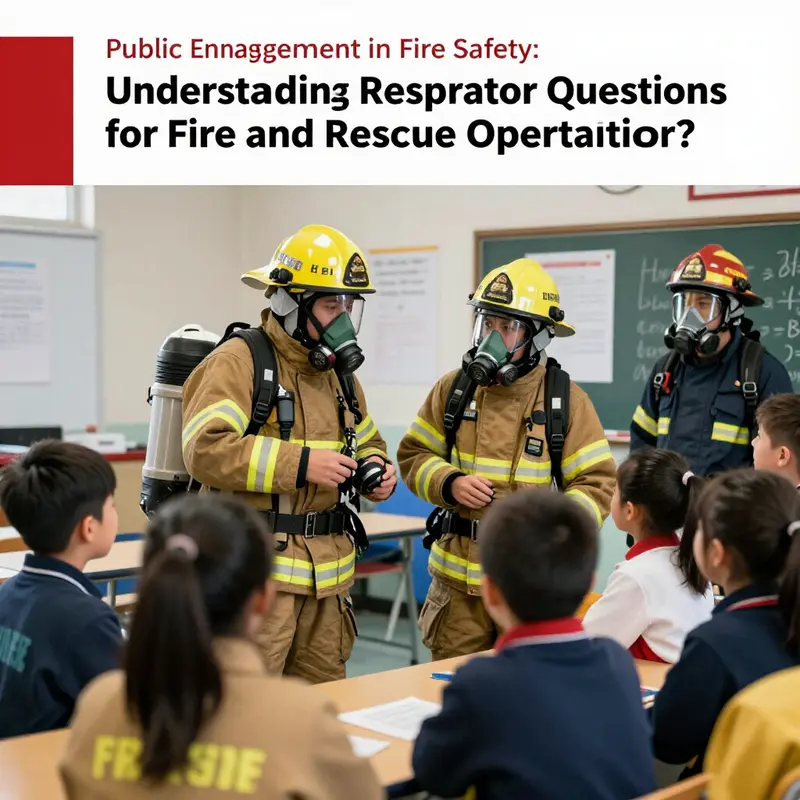
A question about respirator questions in a fire and rescue questionnaire can sound oddly simple, yet it sits at the crossroads of medicine, policy, and frontline safety. In explores of public fire safety awareness, researchers often encounter surveys aimed at the general public, focusing on actions to take during a fire or how to keep homes and families safe. But when we shift the lens to the people who actually wear breathing apparatuses in smoky, hazardous environments, the questions become more specialized, and the stakes rise accordingly. The material under review makes this distinction clear. It notes that a public fire safety awareness survey—such as the one designed by the Etuokeqianqi Fire Rescue Brigade in Inner Mongolia—deals with everyday knowledge and practical behavior for nonprofessionals. It does not probe the medical or physiological readiness needed to operate in conditions where a self-contained breathing apparatus (SCBA) is mandatory. In contrast, the respirator-related questions that matter to firefighters and rescue personnel sit within a formal medical and occupational health framework. They are part of a broader Respiratory Protection Program that governs how personnel are screened, cleared, and maintained for duties that demand heightened respiratory protection and endurance. The distinction matters not just for policy makers but for the culture of safety that permeates every call and drill. When the public reads about respirator questions, they may assume these are the kinds of inquiries they would encounter in everyday life. In reality, the questions facing firefighters are about risk, fitness, and the capacity to tolerate the physical load of a respirator during peak stress. The questions are designed to prevent medical events on the job and to ensure that the equipment does not become a liability. A well-structured respirator questionnaire screens for conditions that could be worsened by wearing a respirator or by exposure to smoke and other contaminants in a burning building. The logic is practical and precise: identify conditions that could compromise oxygen delivery, circulation, or gas exchange when the body is already under strain, and then address those risks before a person is assigned to an operation that requires SCBA use. This is not about disqualifying people; it is about matching the right person to the right risk, at the right time, with the right protections in place. In this way, the questionnaire functions as a frontline safeguard within a comprehensive safety program that includes medical evaluations, ongoing monitoring, and training that aligns with the realities of firefighting and rescue work. The broader takeaway is clarity: the respirator-related questions are not a public outreach tool but a professional instrument designed to protect both the rescuer and the people they serve. They reflect a philosophy of proactive health management, where prevention and preparedness are inseparable from technical skill and tactical decision-making. The public survey, by contrast, aims to increase general fire safety literacy. It is a vital piece of community resilience, teaching people how to evacuate, check electrical systems, and avoid common hazards. But the public-facing survey does not substitute for the medical and physiological screening that a Fire Department or equivalent rescue organization conducts for those who must operate with SCBA in the field. The two kinds of tools share a common language—safety, prevention, and readiness—but they apply that language to different audiences and purposes. The nuanced role of respirator questions within a professional program is well captured in authoritative sources such as OSHA, which frames the medical evaluation as an essential component of respiratory protection for firefighters. The emphasis is on ensuring medical fitness to tolerate the demands of protective equipment, including strong metabolic loads, elevated heart rate, and heightened respiratory effort. The objective is not merely to comply with a rule but to maintain operability under conditions that push the limits of human physiology. The typical domains of inquiry—cardiovascular health, respiratory health, and general health—reflect this. A firefighter might be asked about a history of heart disease, high blood pressure, or chest pain; about asthma, chronic bronchitis, emphysema, or other lung conditions; and about recent illnesses, fatigue, or other factors that could impair physical performance. Each category has practical consequences. For instance, a history of heart disease or uncontrolled hypertension can increase the risk of adverse cardiac events under the stress of strenuous activity and hypoxic conditions. Respiratory conditions like asthma may influence airway reactivity and demand closer monitoring or alternative protective strategies. General health questions capture the broader picture of stamina, recovery, sleep quality, and susceptibility to fatigue, all of which affect a rescuer’s performance during long, arduous incidents. Taken together, these inquiries enable medical professionals and shift supervisors to tailor protection plans, determine fitness-for-duty, and schedule periodic reassessments. They also contribute to the broader safety culture by signaling when adjustments in equipment, training, or operational protocols are warranted. In practice, the Firefighter Medical Evaluation Respirator Questionnaire sits within a layered safety framework. It is not a solitary document but a portal into a chain of protections designed to reduce risk. The Respiratory Protection Program couples the questionnaire with medical examinations, objective fitness testing, fit testing for respirators, and ongoing surveillance. The aim is to ensure that wearing an SCBA does not become a source of harm but instead becomes a reliable shield enabling firefighters to perform critical lifesaving tasks. This framework also aligns with regulatory expectations from OSHA and similar agencies, which emphasize medical clearance, hazard analysis, and appropriate use of protective equipment. The practical implications are clear: the questionnaire helps departments allocate resources, schedule medical oversight, and maintain compliance while protecting personnel from avoidable health events during response operations. For readers seeking deeper, policy-level guidance, the OSHA Firefighter Medical Evaluation Respirator Questionnaire serves as a cornerstone reference. It anchors the discussion in a standardized approach that has evolved in response to the real-world demands of firefighting. While the public safety awareness survey remains essential for community education, the respirator questionnaire addresses a different realm—one where medical history and physiological capacity determine readiness to operate in environments with smoke, heat, and toxic gases. The distinction is not a divide but a spectrum of safety responsibilities that span from the public square to the fire station and into each incident scene. In bridging these worlds, it helps to examine how departments translate the theory of respiratory protection into everyday practice. Training programs, medical oversight, and equipment maintenance converge to create a resilient system. A vital piece of this mosaic is credible communication—ensuring that recruits and veteran personnel alike understand why certain medical questions are asked, what the results imply, and how the findings influence duty assignments and protective strategies. For readers who want to connect these ideas to broader training and certification narratives, a practical touchpoint lies in the ongoing journey of professional development and safety culture. The path from medical screening to on-the-ground readiness requires clear pathways for interpretation, early intervention, and continuous improvement. It also demands accessible, accurate information about how respirators affect the body under stress. When these elements align, the respirator questionnaire becomes less about a hurdle and more about a precise instrument of safety. In that sense, it complements public fire safety education rather than competing with it. The public awareness work, including the survey work noted in Inner Mongolia, builds a culture of prevention that supports readiness by encouraging safe habits and protective actions in daily life. The professional respirator questionnaire, meanwhile, builds readiness inside the fire and rescue ecosystem, ensuring that individuals are medically equipped to bear the burden of respirator use when lives are on the line. This synergy—between broad public engagement and targeted professional screening—helps explain why the topic often surfaces in discussions about fire and rescue questionnaires. It also offsets a common misperception: that all questions about safety are the same. In reality, the questions designed for respirator use demand a medical and physiological lens that public surveys do not require. Recognizing that difference is essential for readers who want to understand not just what these questionnaires ask, but why they ask it, and how the answers shape safety outcomes on the ground. For those seeking more context on how safety training translates into real-world readiness, consider exploring resources that tie general fire safety education to specialized training pathways, such as the dedicated programs highlighted in Fire Safety Essentials Certification Training. This linkage underscores a practical continuum from awareness to action, from community education to professional screening, and from policy to performance in the field. External resources and policy documents remain indispensable tools in this continuum, offering guidance that keeps safety practices aligned with current standards and evolving threats. Readers can consult the official OSHA documentation for the Firefighter Medical Evaluation Respirator Questionnaire to see the precise questions and scoring used to assess fitness for duty. External resource: https://www.osha.gov/SLTC/firefighters/respiratorquestionnaire.html
Breathing Under Pressure: Crafting Respirator-Competence Questions for Fire and Rescue Assessments
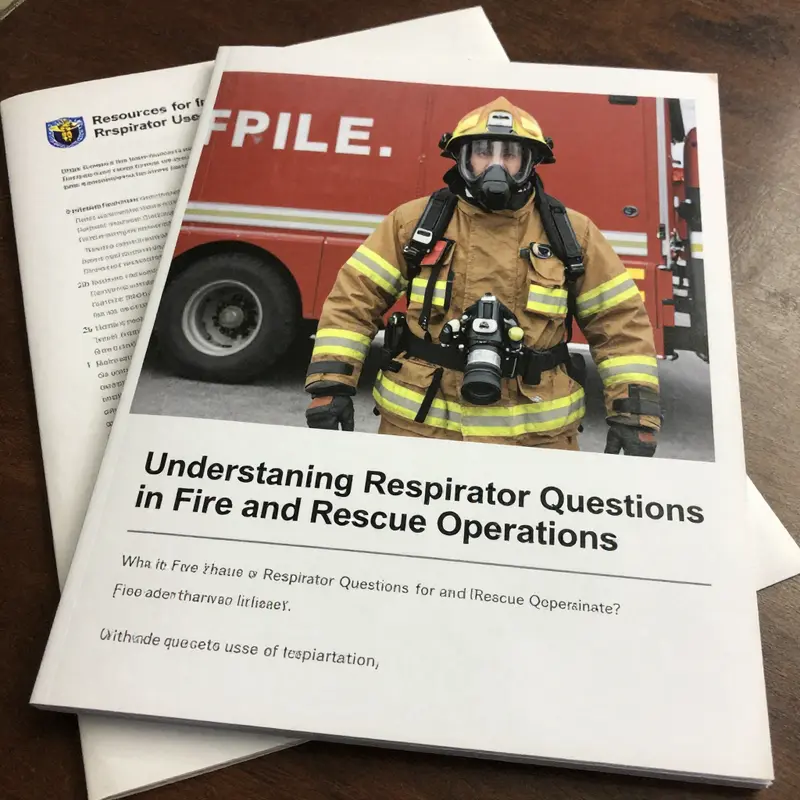
Breathing under pressure is not simply about comfort; it is the difference between survival and tragedy in the most dangerous moments of a fire rescue operation. In the world of firefighting, respirators are the most intimate piece of equipment a responder carries. They shield the lungs from heat, smoke, and toxic gases, yet they also demand disciplined use, precise maintenance, and sound judgment. When a chapter on respirator use is woven into a broader discussion of fire and rescue readiness, the aim shifts from public awareness to professional competence. The question then becomes not what a resident should know about escape routes, but what a responder must know about breathing safely when entering a hostile environment. The literature highlights a clear distinction: public safety questionnaires can raise awareness and preventive behavior, while professional assessments must drill down into procedure, timing, and technical accuracy. In this sense, the respirator questions a fire and rescue questionnaire should contain are less about general fire safety and more about the operational realities of entering and working inside smoke laden spaces. The Etuokeqianqi Fire Rescue Brigade example, a public safety survey from Inner Mongolia, illustrates how broad questions can shape awareness and routine behaviors for nonprofessionals. It does not, however, illuminate the detailed decision making and equipment management that characterize professional respirator use. To build a questionnaire that truly serves responders, it helps to anchor it in the language of trusted standards and the practical demands of shift work, incident command, and rescue operations. This is where established bodies and technical guidance come into play, offering structure for training, evaluation, and ongoing competency. The aim is not to intimidate with arcane technicalities but to clarify essential actions, decision points, and fallback procedures when air becomes compromised or equipment signals trouble. In practice, that means a questionnaire must test a responder’s ability to inspect, fit, monitor, and act with confidence when the stakes are high, while also reinforcing the culture of safety that keeps crews intact during complex operations. The core distinctions between respirator types set the groundwork for what a well constructed assessment should cover. Self contained breathing apparatus, or SCBA, provides an independent air supply that allows a firefighter to breathe safely in environments with low oxygen or high contamination levels. This independence is the essence of protection, but it also creates a chain of responsibilities: timely donning, proper seal, correct air management, and rapid recognition of alarms. By contrast, air purifying respirators rely on filtering ambient air but cannot compensate for insufficient oxygen; they are not suitable for enclosed, oxygen deficient, or extremely toxic environments. When a question asks about the appropriate use of a respirator, the correct answer is grounded in this fundamental difference. A responder must understand not only how a device functions, but where it should never be used. The knowledge check, therefore, should probe both theory and practice, linking the two in a way that mirrors real-world decision making. Training material from reputable sources emphasizes several recurring themes: how to perform a fit test and seal check, how to interpret pressure readings and alarm signals, how to manage air supply time, and how to evaluate environmental conditions before entry. The practical discipline is clear: you do not enter a fire scene with a questionable seal or a depleted air cylinder. You do not depend on filters alone in oxygen deficient environments. You do not wait for an alarm to become critical before acting; you anticipate and respond to warnings before risk escalates. A well designed questionnaire will reflect these themes through scenarios, prompts, and direct queries that require precise recall and applied thinking. In a training or assessment setting, questions might explore the mechanics of a proper airtightness check on an SCBA. For example, a responder could be asked to explain what indicators signal a good seal and what steps to take if the seal appears compromised. Another common line of inquiry concerns entry parameters: what readings on a gauge or what indicators on a monitor should trigger reevaluation of entry conditions? How should a team coordinate if a low air alarm activates, and what is the immediate action to protect both the wearer and the crew? These questions are not about memorizing equipment brands but about understanding the logic of respiratory safety. They require the responder to articulate a plan, identify failures, and execute recovery procedures with calm precision. The resilience of a fire team rests on the ability to monitor not only the atmosphere but also the human factors that influence performance. Fatigue, heat stress, and time pressure can erode judgment, making it vital that training and assessment emphasize clear decision rules. A typical questionnaire in this realm also covers maintenance and replacement cycles for filters and components, an area frequently overlooked by casual readers but central to safety. Responders should be able to determine when a filter needs replacement, how to verify that parts are within service life, and what signs of deterioration to look for during routine checks. The difference between a well maintained respirator and a malfunctioning one can be the difference between a successful rescue and a compromised outcome. Beyond the mechanics of equipment, effective assessment centers on the protocols around monitoring air quality and adjusting strategies as conditions evolve. A question about how often to monitor the environment and who in the team is responsible for interpreting air quality data can reveal whether a crew has internalized the dynamics of a changing scene. The best questions test not only knowledge count but also situational reasoning: when does the team switch to a different respirator or exit the scene, and who makes that call under pressure? In formulating a Fire and Rescue questionnaire that truly supports competence, it is essential to anchor questions in credible standards and ongoing professional development. Organizations like national fire protection and administration bodies provide the framework for what responders should know and be able to do. These standards describe the training, inspection, fit testing, alarm recognition, air supply management, and post incident debriefing that constitute a complete respirator program. They also emphasize the value of continuous education, drills, and competency validation. For practitioners, translating these standards into reliable assessment items requires a careful balance: questions must be concrete enough to assess knowledge and procedure, yet flexible enough to accommodate evolving best practices and equipment configurations. When designing a questionnaire for a fire and rescue team, it helps to integrate practical vignettes that mirror what crews actually encounter. A vignette might describe a scenario in which smoke conditions begin to degrade rapidly, prompting questions about the sequence of actions: verifying a seal, checking the air gauge, communicating with teammates, initiating a planned exit, and calling for support if alarms indicate a compromised supply. Such narrative prompts help ensure that responders demonstrate not only what they know but how they apply it under stress. The goal is to cultivate a shared mental model of respiratory safety that can guide decision making during chaotic incidents. In addition to technical proficiency, the questionnaire can reinforce a culture of safety across the department by linking respirator competency to other critical procedures. For example, a responder might be asked how respiratory protection intersects with hand tool usage, buddy system protocols, or rapid evidence collection in a hazardous environment. The questions should reinforce that respirators are not isolated devices but integral to the overall strategy for preserving life and reducing exposure. To readers seeking practical avenues for aligning training with field realities, consider exploring targeted professional resources and training modules. For those interested in the broader educational ecosystem that supports frontline responders, a related path is to engage with fire safety training communities and certification programs. For readers looking to deepen their understanding of essential training and safety practices, see the fire safety essentials certification training resource. This internal reference provides a conduit to practical guidance that complements the formal standards discussed above, helping ensure that respirator knowledge translates into reliable on the ground performance. Additionally, practitioners and educators may wish to consult authoritative technical resources that elaborate on respirator capabilities, limits, and maintenance requirements. External guidance from leading manufacturers and manufacturing guidelines offers detailed explanations of how to interpret alarms, manage air supply, and recognize wear or damage to components. While the exact equipment may vary, the underlying principles—fit integrity, air management, environmental assessment, and prompt, coordinated action—remain constant. By integrating these principles into a well crafted questionnaire, organizations can build assessment tools that not only test memory but also cultivate the judgment and discipline essential for safe and effective firefighting. The end result is a more resilient team, capable of protecting both themselves and others when the smoke clears and the incident endures. For those who want to explore the depth of respirator technology in firefighting, consider consulting reputable external resources on respirator use in fire contexts. You will find authoritative information that complements the practical training and assessment practices described here at comprehensive technical references. External resource: https://www.draeger.com/en/firefighting/air-purifying-respirators
Final thoughts
In summary, the exploration of respirator questions in the fire and rescue context is essential for improving safety standards and public awareness. Each chapter has highlighted various aspects of this critical issue, from community knowledge assessments to the key resources available for effective respiratory training. The importance of equipping firefighters with the necessary knowledge and tools cannot be overstated. As both active participants in fire safety and informed members of the community, we must remain vigilant about the practices surrounding respiratory safety. This not only enhances the effectiveness of firefighting operations but also builds a safer environment for the public. Collectively, by prioritizing education and training, we can significantly mitigate risks associated with firefighting and foster a culture of safety and preparedness.