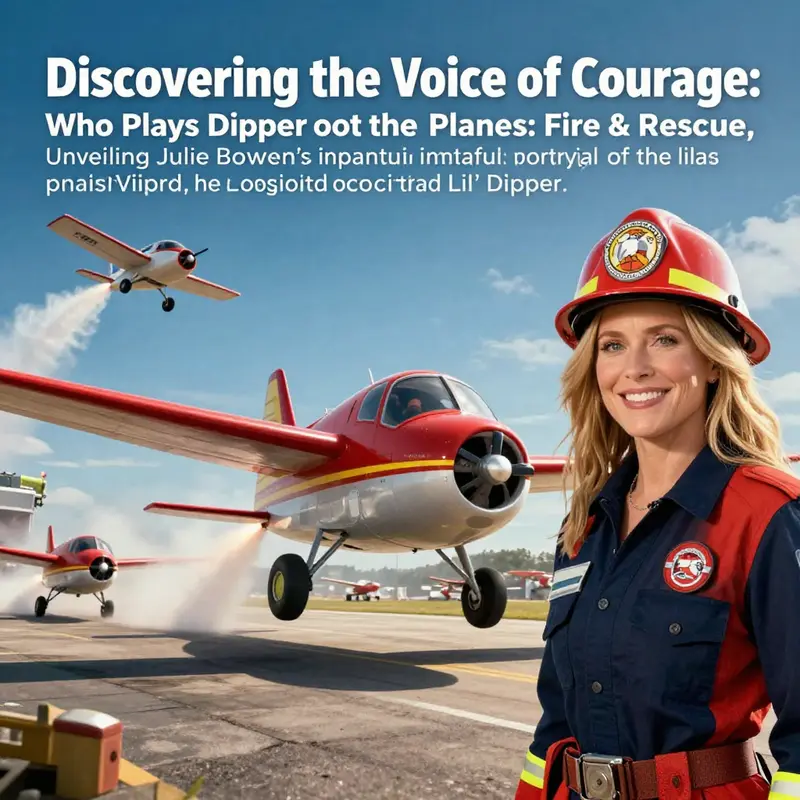
The animated film Planes: Fire & Rescue highlights the essential roles firefighters play in safeguarding communities, with a cast of characters that showcase teamwork and resilience. Among them, Lil’ Dipper, a confident water bomber, stands out, brought to life by actress Julie Bowen. This article delves into who exactly plays Dipper, exploring her character’s nuances, and analyzing how Bowen’s performance shapes the film’s engaging narrative. In the following chapters, we will unravel the qualities of Lil’ Dipper, her relationships with other characters, and the impact of Bowen’s seasoned voice acting on audiences and the film’s overall reception.
The Voice Behind Lil’ Dipper: Julie Bowen’s Role in Planes: Fire & Rescue
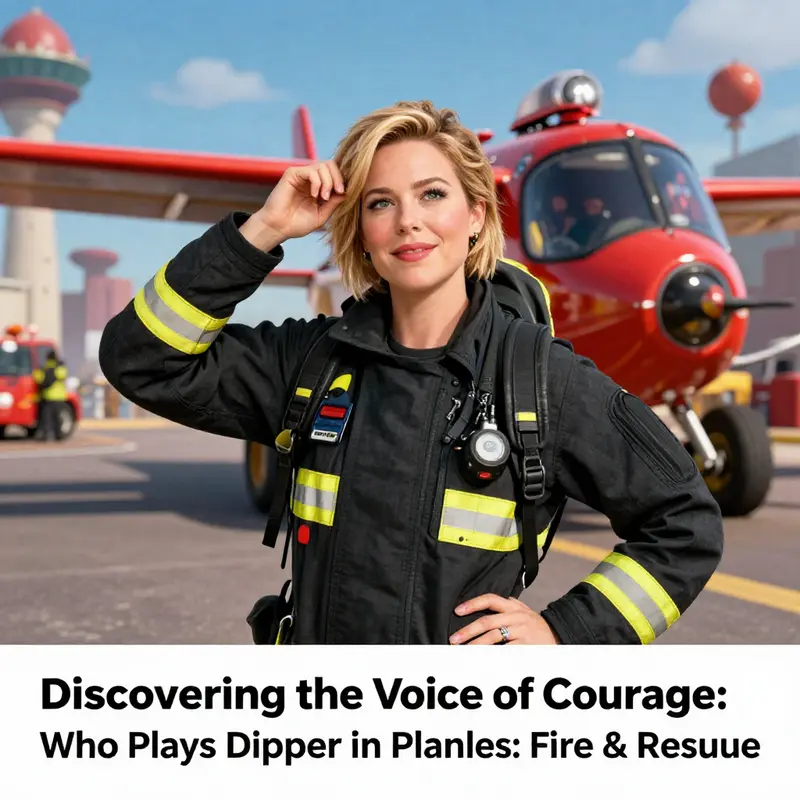
When viewers ask who plays Dipper in Planes: Fire & Rescue, they mean the small but fierce firefighting plane called Lil’ Dipper. The answer is Julie Bowen. Her voice brings muscle, clarity, and attitude to a character that helps anchor the film’s theme of courage and teamwork.
Julie Bowen was already known for her sharp comedic timing and confident delivery before she took on Lil’ Dipper. Those qualities translated well to a voice role. Lil’ Dipper is a CL-415 firefighting water bomber. On screen she is energetic and determined, and Bowen’s performance gives the character its spark. She doesn’t simply read lines. She builds a persona with tone, pace, and emotional nuance. That persona complements the film’s broader message about community service and cooperation.
The casting choice was intelligent. Animated films need voices that can do more than sound pleasant. They need voices that can carry personality. Bowen’s style matches Lil’ Dipper’s temperament: self-assured, a little bold, and ultimately compassionate. In scenes when the firefighting team rallies to battle a wildfire, Bowen’s voice helps sell the urgency. She can be stern without seeming unkind, playful without losing credibility. That balance matters in a story about service and sacrifice.
Voice acting differs from on-camera work, but Bowen’s experience as a screen actor helped. Animated voice roles demand precise control of timing and emphasis. Without facial expressions or physical actions, the actor must convey everything through voice. Bowen uses subtle shifts in pitch and rhythm to mark changes in mood. Short, clipped sentences convey focus. Slightly raised pitch adds excitement. Longer, softer phrases show concern. Those small choices deepen Lil’ Dipper beyond a simple archetype.
The character’s design and role in the film also shaped Bowen’s delivery. Lil’ Dipper is compact and agile, traits reflected in her vocal energy. She often speaks fast and decisively. Yet the film gives her moments to show solidarity with other characters. Bowen modulates her energy at those points. She lets empathy shine through. That contrast makes Lil’ Dipper feel well-rounded. It turns a supporting role into a memorable presence.
This performance sits within an ensemble cast. Animated sequels build on relationships established earlier while adding new dynamics. Bowen had to match that tone. She needed to be distinct while fitting into the film’s vocal palette. In group scenes, every voice must land cleanly. Bowen’s clarity helps. Directors can rely on her to deliver lines with precise timing. That reliability matters in scenes where characters trade rapid dialogue while engaging in coordinated action. Voice actors must sync with animation cues and the emotional rhythm of a scene. Bowen’s experience improved the synergy.
The film also required technical considerations. Recording for animation often happens in short sessions. Actors record lines in fragments. They sometimes work alone, without fellow cast members. That isolation demands imagination. Bowen brought emotional continuity to those isolated takes. She maintained consistent characterization across sessions. For scenes that required intense action or shouting, recording engineers used specific techniques to preserve vocal health. Bowen shifted registers without strain. Her control kept Lil’ Dipper believable even in the most dramatic moments.
Another factor was audience expectations. The Planes movies aim to entertain families while honoring themes of bravery and service. Parents and children watch together. Voice performances must be layered. A child might enjoy Lil’ Dipper’s energetic banter. An adult may appreciate the maturity behind her concern for others. Bowen’s work navigates those levels. She imbues the role with a kind of friendly competence. Viewers sense that Lil’ Dipper is both capable and approachable.
Critical and audience responses to the film noted the ensemble’s strength. While the movie’s plot and animation received mixed reviews, several performances stood out. Bowen’s contribution was subtle. She didn’t dominate. Instead, she reinforced the film’s emotional core. Supporting characters like Lil’ Dipper create texture in animated worlds. They provide moments of comic relief and emotional resonance. Bowen ensured those moments landed.
Casting a recognizable actor can shape marketing, but it also shapes performance expectations. Bowen’s name may attract viewers familiar with her prior work. Yet she resisted leaning on celebrity persona. Instead, she adapted her craft to fit Lil’ Dipper’s wiring. That adaptability reflects a hallmark of strong voice work: the ability to disappear into a character. Bowen’s choices were about serving the story, not showcasing her fame.
The relationship between character design and voice is reciprocal. Animators sometimes adjust expressions and movement to match vocal inflection. When a voice actor delivers a line with unexpected humor, animators can amplify the visual beat. Conversely, a vocal take can be shaped to fit an established animation sequence. Bowen’s energetic takes likely provided animators with fruitful material. Little gestures and vocal tics can inspire visual flourishes. Those collaborative sparks elevate a character from a drawing into a living presence.
Lil’ Dipper’s role as a water bomber ties directly to the film’s firefighting theme. The film portrays firefighting as cooperative and skilled work. Lil’ Dipper represents the specialized skill set required to fight wildfires. Bowen captured that professional confidence in voice. The result is a character who respects her role and her teammates. That respect underlines the film’s moral: service requires trust and competence.
Outside of the film’s fictional context, Lil’ Dipper’s portrayal resonates with real-world firefighting values. Fire professionals understand that equipment and personnel must work in harmony. The movie simplifies complex tactics for younger audiences. Yet it emphasizes essentials: clear communication, trust in training, and respect for community. Bowen’s voice embodies those essentials in approachable ways. When the characters coordinate a water drop or discuss containment strategies, the dialogue avoids heavy technical jargon. Bowen helps translate technical intent into human stakes.
For fans curious about the actor behind the voice, Bowen’s career provides helpful context. She has balanced comedy and drama across many roles. That range enabled her to shift from brisk, humorous beats to earnest, emotional moments without missing a beat. Her background in ensemble casts also made her comfortable sharing scenes with multiple actors. In voice acting, that translates to reactive listening. Bowen’s timing and adaptability allowed her to complement the ensemble rather than compete for attention.
The production itself followed industry norms for animated sequels. Writers crafted new arcs for established and new characters. Directors guided vocal performances to fit the film’s tone. Bowen participated in that creative loop. She worked with directors to iterate takes until they found the right emotional pitch. The end product reflects those refinements. Lil’ Dipper’s vocal identity holds steady across her scenes.
Audience members sometimes ask whether voice actors for animated characters record together. Practices vary. For Planes: Fire & Rescue, many takes were recorded individually. Bowen still maintained interaction through imagined cues and direction. That ability to imagine and react is a skill set distinct to voice work. Bowen’s performance demonstrates that skill. She acts into silence and makes the silence believable.
The movie’s themes extend beyond firefighting technique. It explores belonging and purpose. Lil’ Dipper plays a role in those themes. Her confident exterior sometimes masks vulnerability. Bowen gives hints of that vulnerability with small vocal inflections. Those moments make the character more relatable. Children watching can see a model of competence and compassion. Adults can appreciate the layered performance.
Voice acting careers often intersect with stage and screen work. Bowen moved between mediums. That cross-pollination informs her performances. Stage training fosters projection and breath control. Screen acting teaches subtlety. Voice work synthesizes both. Bowen’s lines benefited from that synthesis. She could deliver robust exclamations without losing nuance. She could whisper a confession that still read clearly to the microphone.
Being part of a family-friendly film meant altering certain choices. Voice actors balance realism with stylization for younger audiences. Bowen selected an approach that was authentic but accessible. Her diction remained clear. Her pacing matched the film’s editing. Those small calibrations ensured younger viewers could follow the plot and connect emotionally.
Lil’ Dipper also contributes to the film’s humor. Bowen’s timing fuels the lighter moments. Comedy in animation often relies on rhythm and clean enunciation. Bowen used both. She punctuated punchlines with slight pauses and crisp consonants. Those micro-timings make humorous lines land without undercutting seriousness. The film’s writers and directors shaped the humor, and Bowen’s delivery elevated it.
After the film’s release, viewers searching for who plays Dipper in Planes: Fire & Rescue encountered Bowen’s name across credits and fan sites. The voice credit highlighted how established screen actors frequently cross into animation. It also spotlighted voice acting as a craft worth recognizing. For fans interested in the real-world aspects of firefighting, the film’s depiction opens a door. Those viewers may seek more information about firefighting training and equipment. A good starting point is the Fire N Rescue blog, which explores service, safety, and training topics in accessible detail.
The credit reads simple on-screen, but the work behind it is layered. Bowen’s vocal performance required technical control, emotional clarity, and collaborative adaptability. She created a character who supports the film’s narrative and resonates with audiences. Lil’ Dipper’s presence shows how a supporting role can reinforce a film’s themes through consistent characterization and well-placed emotional beats.
For anyone tracing the voice credits, Bowen’s role is an example of how talent can shape animated storytelling. It demonstrates the importance of casting choices. A well-cast voice actor can lift a character from a neat idea to a memorable presence. In Planes: Fire & Rescue, Julie Bowen’s Lil’ Dipper does just that. She stands as a small but impactful figure within a movie about bravery, skill, and community.
For additional details about Lil’ Dipper as a character, her role in the film, and fan-curated background information, consult the Disney Wiki entry on the character.
External reference: https://disney.fandom.com/wiki/Lil%27_Dipper
Lil’ Dipper: Julie Bowen’s Voice Behind the Firefighting Heart of Planes: Fire & Rescue

Lil’ Dipper stands out in Planes: Fire & Rescue as a portrait of quiet competence, and Julie Bowen brings her to life with a voice that balances warmth, authority, and steady resolve. The character is often referred to simply as Dipper, or Lil’ Dipper, and she is portrayed on screen as a CL-415 water bomber whose primary mission is service. Bowen’s vocal performance anchors Dipper’s identity. It gives the character a human cadence that audiences can read as experience, care, and practical courage. Listeners hear more than lines; they hear a temperament shaped by training and a purpose rooted in community protection. This voice is crucial, because in an animated ensemble, vocal nuance creates a sense of history for a character who otherwise might have been little more than a functional member of the firefighting crew. Bowen’s work makes Dipper feel lived-in and real. She is not simply an efficient machine; she is a thoughtful responder who understands risk, responsibility, and the emotional stakes of rescue work.
Dipper arrives in the film as one of the Piston Peak Fire Department crew. Her design suggests both agility and strength. The red-and-yellow livery signals urgency and visibility. Her lines show devotion to duty and a modest pride in competence. Bowen communicates that pride by keeping Dipper’s tone steady and assured rather than boastful. When Dipper says she is a huge fan of Dusty, the delivery is genuine and unselfconscious. It conveys respect without losing composure. That balance matters because it positions Dipper as someone who admires excellence while remaining fully present in the responsibilities at hand.
The relationship between Dipper and Dusty Crophopper demonstrates how a supporting character can shape the protagonist’s arc. Dusty arrives seeking a different life. He is damaged, uncertain, and in need of purpose beyond personal acclaim. Dipper recognizes qualities in him that she respects. Bowen’s vocal choice to make Dipper warm, encouraging, and occasionally wry, makes her a believable ally. She nudges Dusty toward humility and competence. She does not simply cheerlead; she tests and mentors. That measured support underscores a theme the film embraces: redemption through service. Dipper helps Dusty find meaning by offering him responsibilities that require discipline and teamwork. Bowen’s voice sells the sincerity of that offer. It reads as professional faith in another pilot’s capacity to grow, rather than as naive enthusiasm.
In rescue sequences, Dipper’s voice becomes a tool of calm. Bowen calibrates it so that panic never overrides command. This choice is important. In animated emergencies, the soundtrack and visual spectacle often dominate. A voice that remains clear and guided can focus the audience. When a mission intensifies, Dipper’s vocal steadiness cues viewers to trust the crew’s competence. That trust heightens the drama because the audience then invests in the outcome. Bowen creates this effect by using a controlled timbre that carries urgency without hysteria. The result is a character who embodies the composure essential to real-world firefighting.
Dipper’s narrative role also reflects a deeper representation of emergency responders. She embodies service as vocation. Some characters in the film are seeking fame, others want to escape an old life, and some simply love flying. Dipper’s satisfaction comes from practical success in saving lives and land. Bowen’s vocal choices reinforce that motivation. There is no need for inflated heroics in her speech. Instead, her lines often land with the plainspoken gravity of someone who knows the stakes. That subtlety makes her a model of professional identity in a film that could otherwise lean on caricature.
Voice casting for animated films matters because a single performance must read across varied audiences and ages. Julie Bowen’s background as an actor gives Dipper a voice that balances adult credibility and family-friendly charm. Her delivery contains enough nuance to engage older viewers while remaining accessible to children. This dual appeal is hard to achieve. It requires restraint. Bowen avoids overemphasis, which would trivialize Dipper’s competence. Instead, she opts for clarity and inflection that mark both technical skill and human sympathy. This approach keeps Dipper grounded and prevents her from becoming a mere plot device.
Dipper’s impact is also visual and symbolic. Her CL-415 model is recognizable to aviation enthusiasts, and the film’s animators use design details to suggest function. Her payload bay, hull shape, and drop mechanism are stylized, but they read like real tools of the trade. The voice performance and visual design work together. Bowen’s cadence mirrors the predictable reliability that the aircraft design implies. The result is a cohesive character, one whose looks and voice tell a consistent story about purpose.
The film uses ensemble dynamics to explore what it means to be part of a rescue community. Dipper’s interactions with other crew members reveal leadership traits. She is not always the loudest voice, but she is a steadying presence. In practice, that translates into scenes where she steps in at the right moment to coordinate water drops or reassure fellow pilots. Bowen gives these lines a tone of quiet command. She rarely needs to shout to be heard. Instead, her presence is conveyed through measured, decisive phrasing. That choice elevates the film’s portrayal of teamwork. It shows that leadership in crisis is often an exercise in calm, precise action.
Dipper’s admiration for Dusty serves another purpose in the story. It humanizes her. A character who admires someone else’s accomplishments becomes more relatable. Bowen leavens Dipper’s professionalism with moments of genuine fandom. Those beats are small, but they matter. They show that even experienced responders can experience awe and inspiration. When Bowen allows Dipper’s voice to brighten in those moments, the film underscores an important psychological truth: respect motivates improvement. Dipper admires Dusty, and that admiration becomes a vehicle for mutual growth. Dusty rebuilds his identity through service, and Dipper’s regard helps validate his emerging competence.
The movie also explores the consequences of mistakes and recovery. When Dusty errs during a water drop and crashes, the crew must respond as a unit. Dipper’s demeanor in those sequences is instructive. Bowen’s voice suggests focus, not blame. That reaction models how professional teams operate under stress. The emphasis is on problem solving. Dipper’s steadiness helps the team recover and reengage. That approach to crisis reinforces the film’s central message: resilience and cooperation matter more than individual glory.
Beyond the film’s narrative, Dipper’s character offers talking points about representation. Animated films often compress real-world professions into archetypes. Dipper resists simple classification. She is skilled, compassionate, and experienced. She is also female-coded in a role sometimes stereotyped in media. Bowen’s performance normalizes women in leadership positions within emergency services. That normalization has cultural value. It subtly challenges assumptions about who gets to be a protector. For young viewers, seeing a competent female firefighter on screen can broaden ideas about career possibilities. For older viewers, it reconfirms that professionalism transcends gender.
Dipper’s Dutch-language counterpart, voiced by Leona Philippo, indicates the character’s international reach. The fact that local dubs were used underscores the filmmakers’ commitment to retaining the character’s emotional impact across cultures. Different voice actors bring unique inflections and cultural resonances. Yet the core of Dipper’s personality — her competence, calm, and modest pride — translates. That universality supports the idea that values like duty and teamwork resonate across language barriers.
Audiences remember memorable supporting characters because they add texture to the protagonist’s journey. Dipper fits that mold. Bowen’s lines are economical but telling. A brief exchange can communicate experience or ethical stance. This economy of dialogue is a skillful aspect of voice acting. Bowen displays it by knowing when to hold back. The silence behind a line implies contemplation and history. Those pauses are as important as the spoken words. They create space for viewers to infer background and motivation.
Thematically, Dipper embodies the film’s respect for community service. The narrative frames firefighting as a calling that benefits both the individual and the wider environment. Bowen’s portrayal strengthens that framing. Her voice suggests a person who has chosen a demanding path and finds meaning in it. The audience can sense the pride in a job well done. That pride is not self-aggrandizing. It is a steady satisfaction derived from competence and care. Such portrayals can inspire interest in real-world firefighting careers, training, and safety practices. For readers curious about practical preparation in the field, resources like the film’s spirit in public safety align with topics covered in pieces about training and certification. For example, exploring Fire Safety Essentials: Certification & Training can provide grounded context for how professionals prepare for demanding roles similar to Dipper’s.
Julie Bowen’s contribution to Dipper is subtle, but it is foundational. In ensemble animation, every voice matters because it shapes the social ecology of the story. Bowen’s performance creates a credible peer for Dusty and a believable professional in a high-risk vocation. She makes the character more than a plot facilitator. Dipper becomes a representative of a larger ethic of service. Bowen achieves this through tonal control, clarity of delivery, and an ability to marry warmth with authority.
In sum, the role of Dipper in Planes: Fire & Rescue is an example of how voice acting and character design combine to create compelling secondary characters. Dipper is notable because she anchors the film’s depiction of firefighting as teamwork, responsibility, and quiet heroism. Julie Bowen’s voice work supplies the emotional intelligence that lets Dipper function as a mentor, a colleague, and a model of steady leadership. Her performance adds depth to the film’s narrative about second chances and communal duty. For viewers asking who plays Dipper, Bowen’s name is the key. To explore further details of the casting and the character’s filmography, see the character profile on IMDb: https://www.imdb.com/title/tt3279860/characters/nm0001595/.
Julie Bowen’s Lil’ Dipper: The Voice that Gave Heart to Planes: Fire & Rescue
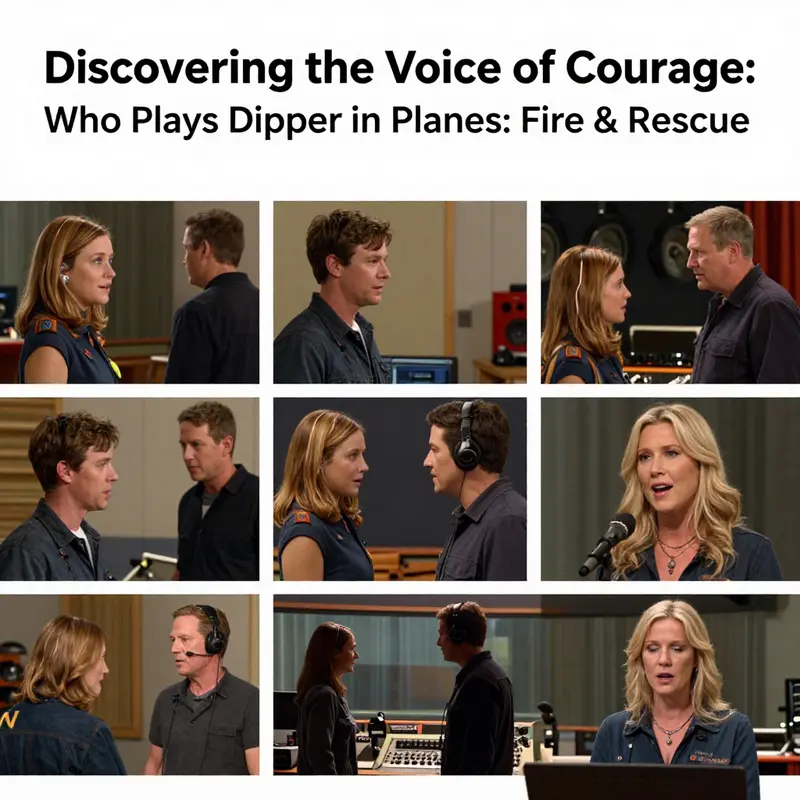
Julie Bowen’s Lil’ Dipper: The Voice that Gave Heart to Planes: Fire & Rescue
In Planes: Fire & Rescue, a character does more than fill screen time. Lil’ Dipper, a CL-415 water bomber, emerges as a small but pivotal presence. Her arc and personality deepen the film’s emotional core. Much of that depth comes from Julie Bowen’s vocal performance. Bowen’s voice work gives Dipper a mix of warmth, humor, and vulnerability. Those qualities transform a supporting role into a memorable character.
From the moment Lil’ Dipper speaks, Bowen establishes a personality. Dipper is confident but quietly anxious. She cares about the team, and she cares about the job. Bowen balances those traits with precise timing. When Dipper overthinks, Bowen lets the audience into her interior life. When Dipper stands by her friends, Bowen’s tone conveys fierce loyalty. This balance makes Dipper relatable to both children and adults.
Voice acting in animated films can be deceptively difficult. Actors cannot rely on facial expressions or body language. They must create emotion through sound alone. Bowen uses subtle shifts in pacing and pitch. She modulates breath, softens consonants, and stretches syllables for comedic effect. Those small choices reveal Dipper’s habits. A stutter here, a quick laugh there, becomes character-defining. They allow viewers to perceive Dipper as a complete being.
Bowen’s background as a performer supports her success in this role. Known for sharp comedic instincts and a warm presence, she brings seasoned craft to an animated part. She understands rhythm and timing, especially in dialogue with another character. This skill shows in scenes with Dusty Crophopper. Their exchanges feel natural and unforced. Bowen reacts rather than declares. She supports the scene and lifts it.
The dynamic with Dusty is central to Dipper’s importance. Dusty’s arc moves from show plane to community helper. Dipper helps him shift that identity. Bowen’s voice suggests empathy without sentimentality. She voices encouragement and realism. Those elements make the friendship believable. When Bowen’s Dipper describes danger or stakes, listeners trust her assessment. That trust is crucial in a film about rescue work.
Beyond interpersonal chemistry, Bowen also affects the film’s tone. Planes: Fire & Rescue blends action with human emotion. Bowen’s performance smooths the transition between the two. During intense firefighting sequences, her voice retains a grounding steadiness. In quieter moments, it opens up into warmth. This versatility helps the film avoid extremes. It prevents the movie from becoming either relentlessly loud or overly saccharine.
Dipper’s characterization reflects certain real-world virtues. She is diligent, practical, and skilled at a specialized task—firefighting. Bowen communicates respect for the profession. Even in a world of talking aircraft, Dipper feels authentic. Her dialogue often contains procedural clarity. Bowen delivers those lines with the right blend of authority and humility. The result honors the concept of community service that the film explores.
Representation matters in family entertainment. Dipper stands out as a competent female firefighter in a male-dominated toolkit of characters. Bowen’s performance reinforces that representation. She avoids caricature and offers sincerity. Children watching the film see a role model who is capable and caring. Bowen’s voice helps that figure land as credible and admirable. It subtly expands notions of who can be heroic.
Critics and fans have noticed Bowen’s contributions. Reviews highlighted how supporting characters enriched the film. Audiences responded to Dipper’s layered personality. Social commentary and fan forums often praised the way Bowen created emotional specificity. That praise matters for a sequel seeking to justify its existence beyond spectacle. Bowen’s nuanced portrayal gives the storyline more weight.
Voice work also supports worldbuilding. Through Dipper, viewers gain a sense of the firefighting community. Her language includes jargon and practical terms. Bowen pronounces them with confidence, conveying insider knowledge. Even small details—like how she mentions water-bomber technique—feel lived-in. That texture helps the film’s fictional community feel coherent.
Humor is another tool Bowen uses well. Dipper’s quirks—her tendency to overthink, her earnestness—become comedic assets. Bowen times the beats to maximize humor without undercutting sincerity. She can deliver a sharp, funny line and follow with a gentle, vulnerable moment. The contrast makes both elements stronger. When comedy and heart coexist, the audience remains emotionally engaged.
The animation team also benefits from Bowen’s performance. Animators often craft facial expressions and gestures around vocal cues. Bowen’s inflections give animators room to add subtle touches. The synergy between voice actor and animator amplifies the character’s believability. In scenes where Dipper hesitates, animators can accentuate that pause. Bowen’s choices create opportunities for nonverbal storytelling.
Another important element is pacing within ensemble scenes. Planes: Fire & Rescue contains many character-driven moments. Bowen gives Dipper a distinct rhythm so she stands out without dominating. That rhythm matters in a film with many voices. Bowen’s control of tempo prevents lines from overlapping. It ensures clarity. In group scenes, her measured delivery helps audiences track emotional beats.
The emotional stakes of rescue work require credibility. The film asks viewers to care about lives and landscapes. Bowen’s performance makes caring contagious. She speaks with conviction when discussing consequences. Her tone makes the rescue efforts feel urgent. But she never overplays desperation. Bowen avoids melodrama. She keeps emotions grounded and accessible.
A deeper look reveals how Bowen cultivates empathy through small choices. She uses quieter dynamics to signal reflection. When Dipper worries, Bowen’s voice becomes smaller without losing clarity. That delicate touch makes viewers lean in. Empathy grows from exposure to nuanced feeling. Bowen provides that exposure consistently.
Character growth is subtle, but present. Dipper does not undergo a dramatic transformation. Instead, she becomes more assured in her role over time. Bowen’s performance suggests this gradual development. Her early lines carry a hint of self-doubt. Later lines show steadier resolve. The progression feels earned. It gives Dipper an arc that complements the film’s larger narrative.
Economy of performance is another hallmark. Animated films often demand broad gestures. Bowen chooses restraint where appropriate. That restraint makes key moments resonate more. When a scene calls for intensity, her voice can expand without feeling inconsistent. The measured approach builds trust between actor and audience.
Bowen’s comedic instincts also serve emotional truth. Her capacity to find humor in small situations humanizes Dipper. Laughter becomes a bridge between characters and viewers. When Bowen lets Dipper joke, it eases tension without diminishing stakes. The humor is always character-driven, not gratuitous.
Casting Bowen for this role was a deliberate choice. A familiar, steady voice can anchor an ensemble. Bowen’s experience in television and film gives her a knack for connecting with varied audiences. Families watching the film find in her voice a recognizable warmth. That recognition can deepen engagement with the story.
Voice acting provides unique career opportunities for established performers. Bowen’s participation expands the film’s appeal. Parents who know her work can appreciate the nuanced performance. Children experience a vibrant, well-drawn character. That dual engagement is valuable in family entertainment.
Reception and legacy are intertwined. While Lil’ Dipper is not the film’s lead, she leaves a strong impression. Bowen’s voice becomes an identifying feature. Fans recall specific lines and moments. The character continues to appear in discussions about the film’s strengths. That lingering memory shows the power of a committed voice performance.
Dipper’s portrayal also intersects with broader public perceptions of firefighting. The film celebrates community service and collective responsibility. Bowen’s voice underscores those themes. She gives Dipper the credibility to embody public-spirited values. For viewers, that representation helps frame firefighting as skilled, compassionate work.
For performers, roles like Lil’ Dipper highlight the artistry of vocal storytelling. Bowen demonstrates how an actor can convey history, personality, and belief through a single instrument. The voice becomes a palette for emotional shading. Her work reminds audiences that animated characters can be as complex as live-action ones.
In sum, Julie Bowen’s performance as Lil’ Dipper elevates Planes: Fire & Rescue. She creates a character who is funny, loyal, and emotionally real. Bowen’s choices—timing, tone, restraint—give Dipper life beyond lines on a page. This contribution enriches the film’s themes of teamwork and duty. It also offers viewers a model of quiet competence.
For readers interested in the film’s treatment of firefighting and training in a fictional context, there are real-world resources that explore how training environments shape readiness. See the firefighter training tower dedication for one perspective on practical preparedness. https://firenrescue.net/blog/firefighter-training-tower-dedication/
For more about Julie Bowen, and her wider body of work that informs her vocal choices, see her official profile on IMDb: https://www.imdb.com/name/nm0001538/
Final thoughts
The character of Lil’ Dipper, voiced by Julie Bowen in Planes: Fire & Rescue, embodies attributes that resonate deeply with audiences, from bravery to unwavering support for her fellow firefighters. Bowen’s performance not only enhances the character’s personality but also bridges the gap between animation and emotional depth, making Dipper a role model and an endearing figure in the firefighting community within the film. Understanding how Bowen brings this character to life enriches our appreciation of the film and its underlying messages about teamwork and courage in adversity.