
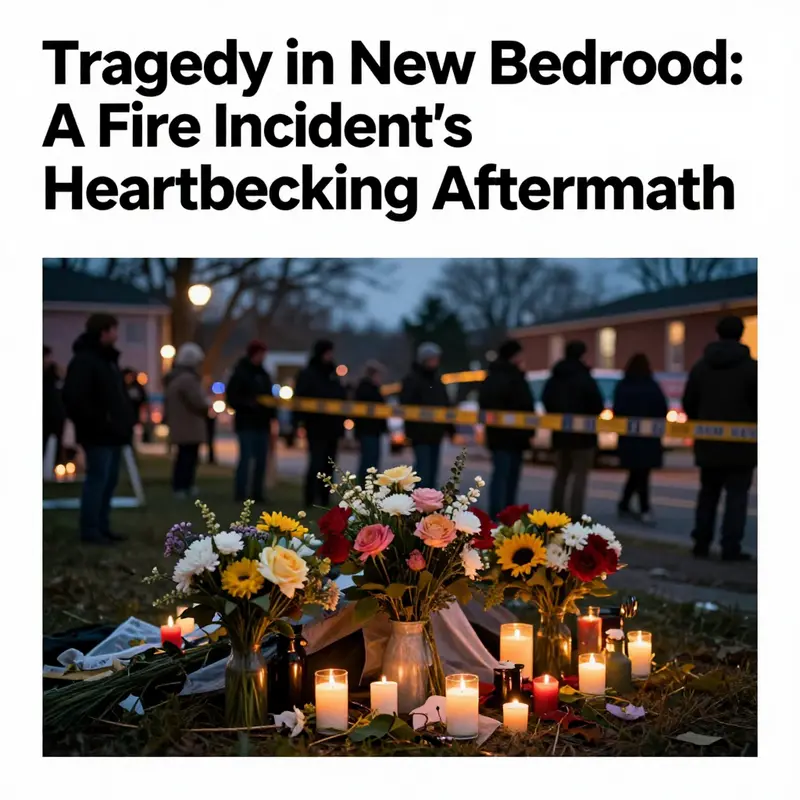
In what has become a heart-wrenching incident for the New Bedford community, a woman who was rescued from a devastating fire has succumbed to her injuries, leading to a profound inquiry into the events that transpired. On February 12, 2026, firefighters rapidly mobilized in response to a house fire, saving this woman from flames that would ultimately claim her life two days later. As authorities continue their investigation into the cause of the fire, the urgent need for enhanced residential safety measures is underscored. This article journeys through the unfolding narrative of the tragic fire incident, the medical responses that followed, the ongoing investigation, critical community safety messages, and essential discussions surrounding fire safety regulations. Together, these chapters offer crucial insights aimed at preventing such heartache in the future.
From Rescue to Loss: The Human Toll of a New Bedford House Fire
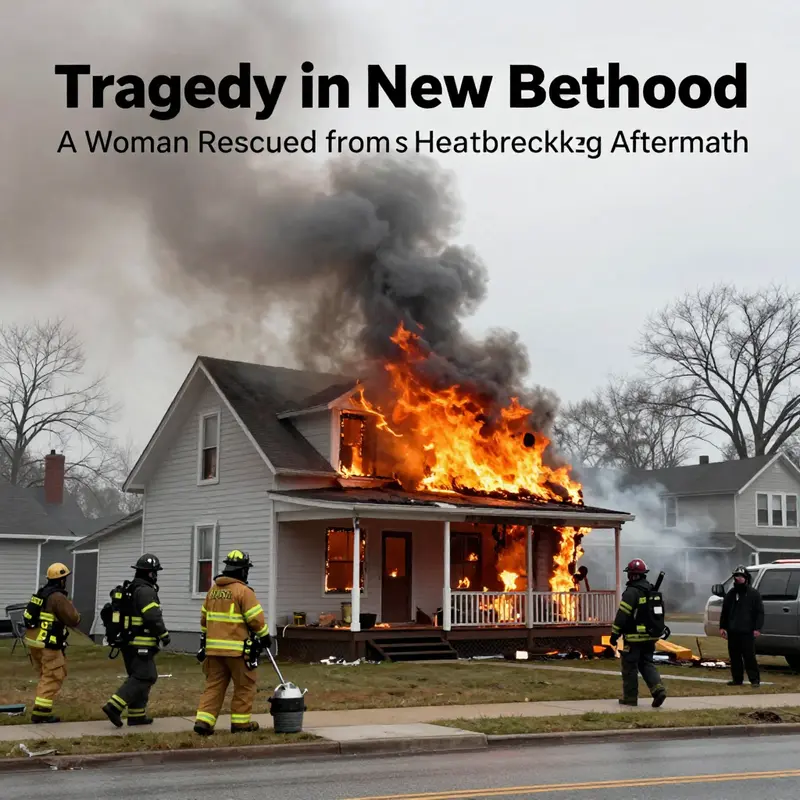
Flames crawled up the South Street house. The air filled with heat and acrid smoke. On February 12, 2026, New Bedford faced a residential blaze that would test the city’s emergency response. A life was at risk at the doorway of a burning home. Fire crews arrived within minutes. Their boots crunched on snow and debris as they moved into action. A woman was trapped inside. Flames blocked her path to safety. In a coordinated effort, firefighters pulled her from the inferno. They rushed her to a hospital where doctors fought to stabilize her lungs. The machines and the team worked together, fueled by years of training.
Despite skilled care, the injuries from severe burns and smoke inhalation proved fatal. By February 14, the hospital confirmed the loss. The news fell over South Street with a heavy stillness. The death is not a statistic. It is a reminder that a moment’s heat can erase years of ordinary life. It can end a family’s plans and dreams in a single breath.
The investigation will not rush. Investigators from the New Bedford Fire Department and the Massachusetts State Fire Marshal’s Office are pursuing every lead. They seek to understand how the blaze began and spread so quickly. Officials have said that rapid spread was likely aided by materials inside the home that burned with unusual intensity. The phrase covers furnishings, household items, and other combustibles that release heat and fumes when heated. Focus remains on environment, ignition sources, and the sequence of events. The work involves scene examination, interviews, and careful timeline reconstruction.
Beyond the technical work, the human story sits at the center. The woman’s family grieves. The incident prompts a broader conversation about safety and prevention. For many households, it reinforces a quiet fear: a single fire, even if quickly attended, can erase life and alter a neighborhood’s rhythm. Firefighting is a discipline that blends courage with precision. Responders faced heat that could break a person down. They navigated smoke as dense as a fog over a city street. They carried a life-saving mission forward with discipline. But they could not prevent the outcome for another. The weight of that juxtaposition sits with those who watch and listen to updates hour after hour.
The incident invites a broader reflection on home safety. A routine alert, such as a working smoke detector, often seems invisible until a moment when it becomes the line between life and death. Public safety messaging will emphasize alarms that function, a practiced evacuation plan, and two clear routes out of every room. In older neighborhoods, safety becomes more than guidance. It is a lifeline. The investigation will yield concrete recommendations. Those recommendations can shape education campaigns and prevent future tragedies. Community outreach programs, neighborhood drills, and targeted information for families with children or elderly relatives help translate fear into practical behavior. The aim is not to assign blame, but to convert sorrow into safer habits for tomorrow.
Resilience takes shape in small, steady actions. For readers facing similar situations, the story emphasizes a simple truth: preparedness reduces fear and increases the odds of a timely escape. Detectors must be functional. Batteries must be replaced. Every sleeping area needs two exits. A written evacuation plan, practiced with family, becomes a rehearsed response. It can be carried out even when the world feels thick with smoke. These measures are practical, not sensational. They save lives when seconds matter. Two exits may seem obvious, but they are often overlooked in the heat of a crisis. Let the quiet competence of planning become an everyday habit, a silent shield around those you love.
Days ahead will bring more updates. The fire department’s statement and the official inquiry will guide communities beyond South Street. Public response will likely include safety training and home maintenance resources. For readers who want practical guidance, credible resources exist that connect safety to daily life. For instance, Fire Safety Essentials Certification Training offers foundational knowledge. It helps people recognize hazards, implement prevention strategies, and respond confidently in emergencies. The link to this resource is here: Fire Safety Essentials Certification Training. This kind of education grounds personal safety in everyday readiness, complementing the work of firefighters and investigators.
As the community absorbs the tragedy, there is a call for informed action rooted in empathy. The loss should not fade into silence. The NB Fire Department’s ongoing inquiry will determine origin, sequence of events, and factors shaping the blaze. The findings may inform future policy, outreach, and home-safety programs. The arc of this chapter mirrors the arc of the firefighting profession: a constant pursuit of truth, a sequence of high-stakes decisions under pressure, and a steady accumulation of knowledge to prevent as much as to respond. The inquiry’s outcomes will refine prevention, guide code improvements, and support families who bear the heaviest weight when a fire claims a life.
If there is a final takeaway, it is this: public action rooted in empathy and practical preparation can save lives. A community that stays informed, that trains, and that rehearses exit routes becomes more resilient. The city’s emergency services have shown readiness and dedication in the face of danger, and their work continues even after the sirens fall silent. For residents, preparation is a form of civic care—an ongoing commitment to ensure routines of safety stay ahead of danger. The incident, as it unfolds in official documents and in neighbors’ memories, will remain a reference for how to organize, educate, and act when a home fire disrupts life.
Official updates are available from the New Bedford Fire Department at https://www.newbedfordfire.org/news/2026-02-13-woman-rescued-from-fire-dies
From Rescue to Recovery: The Medical Pathway in a Bedford Fire Tragedy
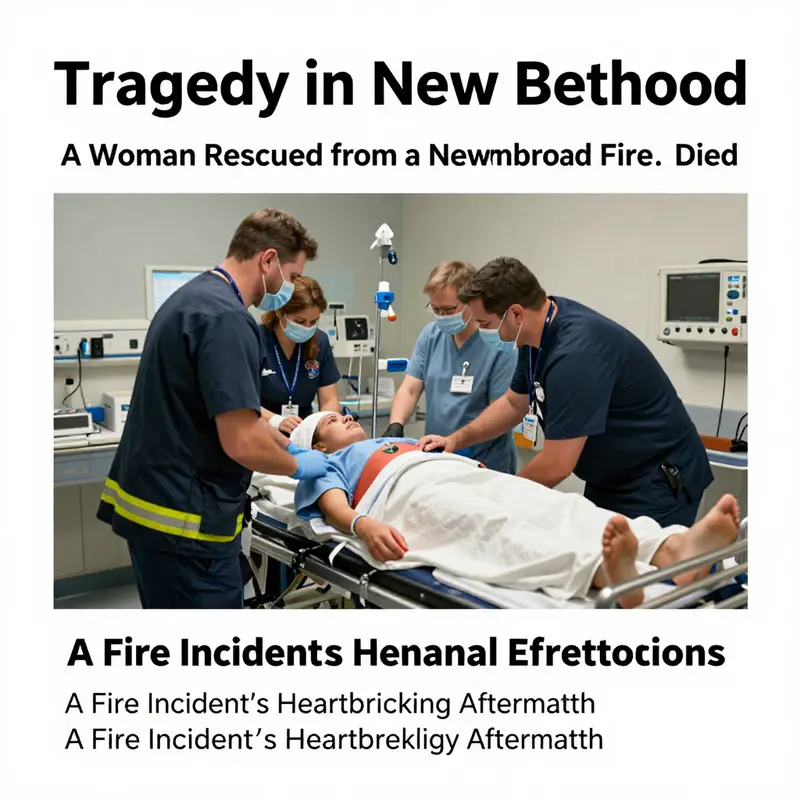
When a blaze tore through a residential building on North Street in Bedford, the drama of the rescue was only the opening act of a longer, grimmer story. Firefighters arrived swiftly, their routines precise as they searched through heat and smoke to locate the resident who remained inside. It was a moment braided with urgent decisions: clear debris, assess airways, and prepare for transport. The woman who was found amid the embers was pulled to safety and handed to emergency medical responders with the same urgency that had marked every second of the fire attack. What followed was not a single moment of salvation but a path of care that stretched across hours and days, a path defined by the persistence of medical teams, the gravity of injuries, and the unpredictable course of burn and inhalation injury.
From the scene to the hospital doors, the chain of care reflected a coordinated, high-stakes effort. EMS personnel evaluated breathing, stabilized circulation, controlled pain, and prepared for definitive treatment, all while protecting the airway. The emergency department admitted the patient to a system designed for the most serious burn and inhalation injuries, where burn specialists and critical care teams work in concert. The resuscitation room, the operating rooms, and the ICU are part of a continuum in such cases, with every decision carrying weight and every intervention a potential turning point.
The severity of the injuries dictated a demanding medical trajectory. Severe burns involve not only the visible toll on the skin but also the body’s systemic response, requiring aggressive wound management, debridement when necessary, meticulous infection prevention, and careful monitoring for organ dysfunction. Inhalation injury adds further complexity, threatening the airways and oxygen delivery. The combination often demands ventilatory support, careful fluid management, and ongoing assessment for delayed complications such as pneumonia and respiratory distress.
Even with advanced interventions, prognosis remains nuanced. Burn and critical care teams pursue every avenue that might improve survival, with specialized units bringing together surgical care, wound healing, rehabilitation, and long-term support. Yet the trajectory can be unforgiving; the body’s healing demands rise with injury extent, and the patient’s needs grow with each passing day. In those moments, clinicians balance aggressive treatment with assessments of quality of life, potential complications, and the likelihood that continued interventions will meaningfully change the outcome.
The timeline makes the gravity of the situation tangible. The incident occurred in the early days of February, and the medical narrative stretched across several days. Despite relentless care, the injuries proved too severe, and clinicians judged that recovery was unlikely. Families faced grief in hospital corridors as rounds continued, a sober reminder that survival is not guaranteed even with swift rescue and expert care.
In this frame, the broader significance of the incident extends beyond the individual tragedy. Residential fires test community readiness and highlight the immediate damage from smoke inhalation and burns, as well as the risks that emerge days later. The case underscores the importance of rapid, coordinated emergency response, effective acute care, and the capacity of health systems to deliver specialized treatment under pressure. It also underscores preventive measures that can alter outcomes: early fire detection, clear evacuation plans, and functioning smoke detectors. Officials emphasize these steps, urging households to rehearse safety plans.
As the community processes the loss, families and responders navigate the emotional and physical toll. Survivors contend with uncertainty and the long road of recovery, while responders carry professional responsibilities long after the sirens fade. The narrative of one fire becomes a lens for resilience: how families cope, how crews reflect on practice, and how public messaging can translate danger into prevention, readiness, and care. It invites a renewed commitment to prevention, to education, and to coordinated action that makes the difference between escape and tragedy.
External resources provide a factual frame for reflection, including the official incident report and public safety communications. The report offers a precise account of the response, timeline, and actions taken by responders in the days that followed, a sober reminder of the limits of emergency medicine and the ongoing need for vigilance in home safety.
From Rescue to Tragedy: Investigating the Bedford Fire and Its Aftermath
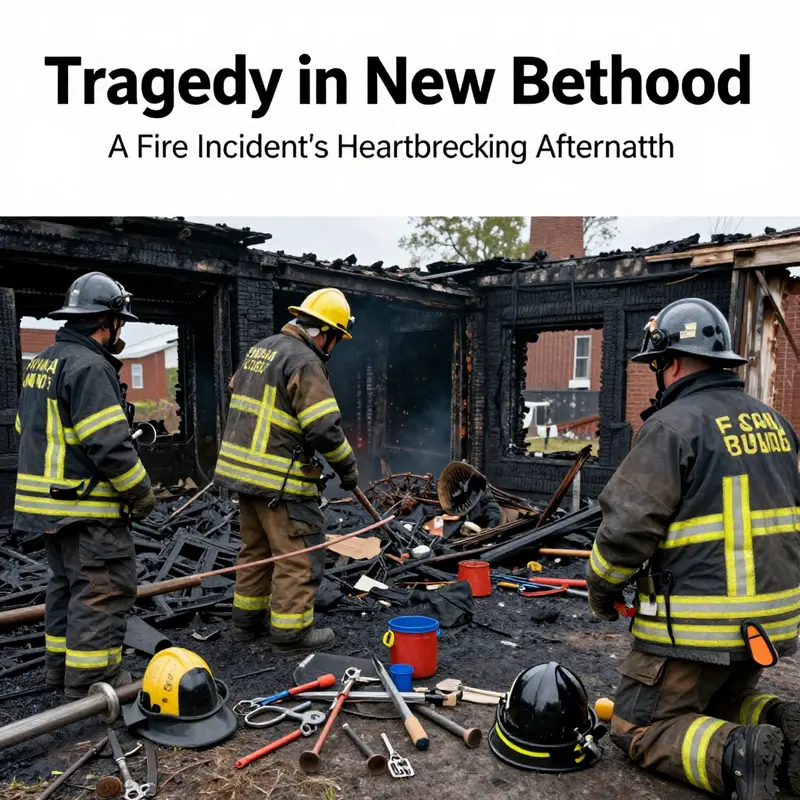
When a woman was pulled from a burning home in Bedford, the immediate relief of onlookers and responders gave way to a deeper, more troubling silence as the hours passed. Firefighters at the scene had acted with practiced speed, extracting several occupants and racing them to nearby hospitals where doctors fought to halt the damage from smoke inhalation and burns. In the days that followed, the community waited with heavy hearts for word on her condition. Then came the news no one wanted to hear: the woman had died, two days after the rescue. The change from rescue to loss punctuated a larger, unsettled question for Bedford, one that authorities have been pursuing through a careful, methodical inquiry into the fire’s origins. The tragedy is not simply a single event of sorrow; it is a case study in how a single blaze can reveal gaps in safety that towns must face together, as neighbors, as residents, and as participants in a shared responsibility for one another’s well-being.
From the outset, the situation on South Street unfolded with the kind of imperfect clarity that often accompanies fire events. Preliminary reports suggested the blaze began in the basement area, a location that can harbor hidden hazards and complicate both extinguishment and subsequent investigation. Fire crews battled the flames and navigated smoke-filled stairs, prioritizing the rapid evacuation of people inside the home. The woman who survived the initial extraction carried injuries that authorities described as related to smoke inhalation, a stealthy antagonist that can cause lasting damage even when burns appear less severe at first glance. The medical teams’ efforts were relentless, yet the trajectory of her injuries ultimately proved too severe. Her death, occurring a few days after the rescue, underscored a painful truth: the consequences of a fire extend beyond the flames themselves and into the delicate, sometimes fragile paths to recovery.
The formal investigation into the fire’s cause is already underway, with the New Bedford Fire Department partnering with the Massachusetts State Fire Marshal’s Office. This collaboration reflects a standard but exacting process that seeks not to assign blame, but to understand how the event unfolded in order to prevent similar tragedies. Investigators are examining multiple potential pathways that could have sparked the blaze. Electrical issues, for instance, are among the most common in residential fires and are especially likely to be found in basements where old wiring, overloaded outlets, and space constraints can create hidden risks. Heating equipment malfunction is another persistent concern, particularly in colder months when residents rely on heaters to keep living spaces warm. Yet investigators recognize that many fires do not emerge from a single fault; more often, they are the result of a confluence of factors—an aging electrical system, a temporary heating solution, and a moment of human error or oversight. As the inquiry progresses, officials stress that precise determinations require careful analysis of burn patterns, material residues, and the sequence of events observed by those who responded on the scene.
In a case like this, the basement origin hypothesis matters not only for the sake of closure but for the practical lessons it can offer to nearby homeowners. Basements often house electrical panels, furnaces, water heaters, and other equipment that, if not properly maintained, can become combustible or malfunction in ways that escalate quickly once flames take hold. The investigators’ attention to these details is not an exercise in speculation; it is a disciplined effort to map risk and reduce it for others. In the search for answers, investigators also examine human factors—how residents used space heaters or other temporary heating devices, whether smoke detectors were present and functioning, and how quickly occupants were alerted to the danger. These are not merely bureaucratic checklists. They inform the everyday choices residents make about how to safeguard their homes and how to respond when alarms sound in the night.
The public conversation that follows such an incident often broadens into a broader call to action. Bedford residents, and communities like it, face a dual imperative: prevent the kinds of faults that can start fires and foster a culture where people know precisely how to respond when alarms ring. Local officials have underscored the importance of working smoke detectors, a simple, hence sometimes overlooked measure that saves lives when every second counts. They have also emphasized the value of an evacuation plan that every household can practice. These steps are not a matter of faith in a fortunate outcome but a practical, repeatable routine that can help preserve life even when the fire is fast-moving and uncertain. In this spirit, the city’s safety advisory channels encourage families to perform regular checks on detectors, replace batteries, and review their escape routes with all occupants, including children and elderly residents who may require additional assistance. The goal is not fear, but readiness—a state of mind and an action plan that can reduce the chance that a familiar residence becomes a place of tragedy.
As the investigation unfolds, the community’s response has been shaped by two distinct but interconnected currents: a commitment to factual clarity and a steadfast sense of solidarity. Neighbors have organized outreach and support for the family affected by the loss, while volunteers and public safety professionals continue to share knowledge about prevention and preparedness. In this moment of collective processing, it is natural to search for explanations, but it is more constructive to translate inquiry into concrete safety improvements. The fire service has long championed education as a key line of defense, and families can bolster their readiness by engaging with programs that teach the fundamentals of home fire safety. For example, one practical pathway is to pursue resources that address the essentials of prevention and response, such as the training opportunities highlighted in community safety networks. These offerings can provide residents with essential skills—how to install and maintain detectors, how to create a family evacuation plan, and how to practice drills that keep everyone in the home prepared even under pressure. fire safety essentials certification training is one such resource that a household might consider to strengthen its preparedness without sacrificing practicality.
The tragedy also invites a careful reflection on the role of documentation and transparency in public safety. The public-facing updates from the fire department emphasize that while preliminary conclusions may point toward a basement origin or equipment malfunction, the official determination requires thorough, methodical work. In a time when information can spread quickly through social and traditional media, officials are careful to balance the need for timely guidance with the necessity of accuracy. This balance matters because residents rely on credible, measured updates when making decisions about their own homes. The ongoing investigation will, in due course, outline findings and, when appropriate, offer specific recommendations tailored to similar residences. Until then, the best-available guidance centers on practical prevention measures, situational awareness, and clear planning for emergencies. The community’s patience in awaiting results is not passive; it is an active engagement in learning how to reduce risk while honoring the person whose life we now seek to remember and understand.
In the weeks ahead, the chapter of Bedford’s story will likely emphasize the human dimension alongside the forensic one. A life lost to smoke and flame ripples through the fabric of a neighborhood, shaping conversations about housing safety, aging infrastructure, and the resources communities need to respond effectively. Yet within that sorrow there is a stubborn, forward-facing impulse: to convert grief into resilience. The work of investigators, the vigilance of residents, and the diligence of safety professionals all contribute to a cycle of improvement that makes future homes safer for families who share similar settings. As authorities continue to pursue a definitive cause, families and neighbors are encouraged to keep the dialogue open, to share useful safety practices, and to support each other in times of uncertainty. The aim is not merely to solve a mystery, but to prevent the same tragedy from recurring, to ensure that every rescue is followed by a safeguard that protects life.
For further official context on the investigation as it evolves, readers can consult the New Bedford Fire Department’s official statement. In this moment of collective mourning and methodical inquiry, the community bears witness to a process that seeks truth while honoring the very real human cost of fires. The hope is that such clarity will translate into quieter nights for families and sturdier, safer homes for all who call Bedford home. Official details and updates will continue to emerge as investigators review evidence and corroborate findings with state fire marshals and other authorities. In the meantime, the essential lessons endure: test your detectors, rehearse your exit plans, and recognize that safety is an ongoing practice that begins long before danger arrives. If you would like to learn more about practical safety education and training, explore the linked resource above—or seek information through local public-safety channels about community courses and contractor-approved safety programs. For those seeking direct, official information, see the ongoing updates from the New Bedford Fire Department: https://www.newbedfordfire.org/news/2026-02-14-woman-rescued-from-fire-dead-investigation-ongoing
null
null
When Rescue Turns Fatal: Reassessing Fire Safety Standards in New Bedford’s Historic Homes
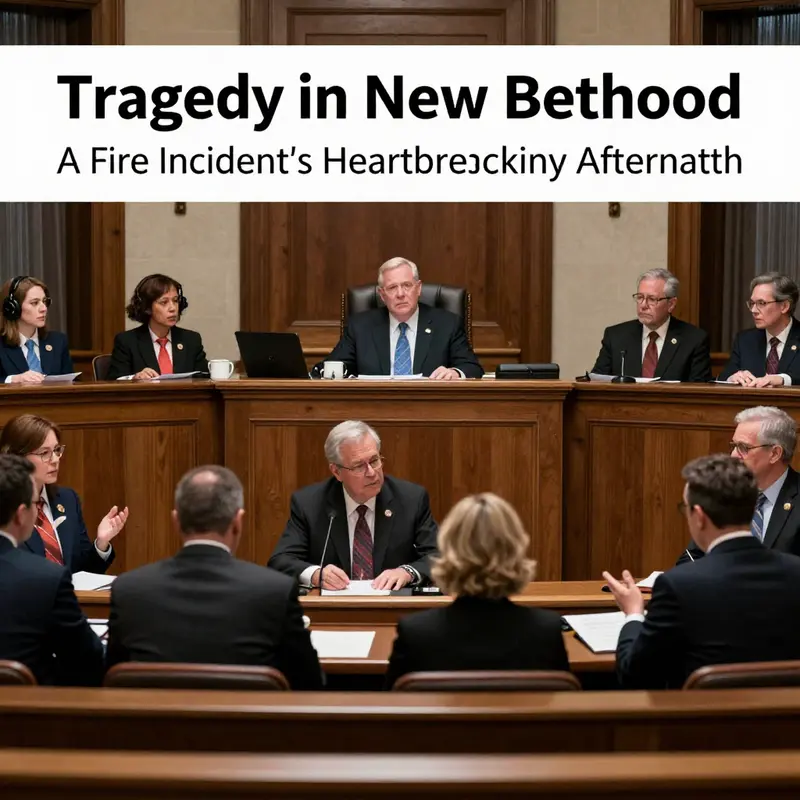
In mid-February 2026, a fire on South Street in New Bedford drew a swift response from firefighters and a crowd of onlookers. The scene was chaotic and urgent, a moment when rescue efforts are measured in minutes and someone’s life hangs on the ability to reach a safe corridor or functioning alarm. A resident was rescued but later died in hospital, underscoring questions about structural safety, building codes, and protections for people in historic neighborhoods. The tragedy prompted a broader conversation about how quickly a home fire can become a crisis and how quickly a city must adapt its rules to reduce risk in aging housing stock.
New Bedford’s historic waterfront area features homes and multi-unit buildings dating back decades, with layouts and materials that once satisfied older safety norms but may fall short of modern standards. Officials emphasize that escape routes can be narrow, stairways steep, and doors prone to compromise when smoke fills living spaces early. Smoke alarms must remain reliable as homes age and are reconfigured for new tenants. Even with a successful rescue, rapid heat spread and dense smoke can thwart evacuation plans that aren’t regularly tested.
Following the incident, city leaders examined whether existing codes adequately address the risks in older, multi-unit housing. A key focus is smoke alarm installation and interconnection, which can provide critical time for neighbors to evacuate in a coordinated way. Interconnected alarms are seen as a buffer that can determine whether a smoke-filled corridor becomes a fatal trap or a survivable route. The accessibility of exits and the condition of escape paths also receive sustained attention in historic districts where old layouts challenge rapid retreat.
Efforts extend to the materials used inside older homes. Fire-resistant construction and better compartmentalization are discussed as policy levers to slow flame spread and reduce heat in travel paths, while recognizing that retrofit costs must be balanced against preserving historical character. The city has announced a program of inspections targeting pre-1980 multi-unit buildings, with the aim of identifying gaps in safety and fostering dialogue between tenants, landlords, and inspectors about feasible improvements.
State lawmakers are weighing proposals for annual fire safety checks and for requiring interconnected detectors and extinguishers in rental units. Advocates stress the importance of public education that translates policy into practical actions, such as routine detector testing, clear exit notices, and simple evacuation drills that family members can perform together. The goal is to create a culture of safety that endures beyond the next inspection cycle.
The human dimension matters: renters and owners alike benefit from predictable enforcement and supportive incentives that encourage upgrades without displacing residents. In cities with dense historic housing, safety requires collaboration among residents, property managers, and city agencies to ensure that life-saving resources are accessible to all. The evolving story invites readers to connect local tragedy with broader questions about risk, preparedness, and how communities learn to live with safety responsibilities. For readers seeking more context, coverage in local and regional outlets continues to document the policy pathways under discussion.
Final thoughts
The tragic death of a woman rescued from a New Bedford fire serves as a tragic reminder of the risks associated with residential fires and underscores a collective responsibility to enhance fire safety measures within our communities. As investigations continue and the investigation yields more information, it’s imperative that we engage in proactive discussions regarding the implementation of effective fire safety regulations and community outreach programs. Let us remain vigilant, ensuring that our homes are equipped with smoke detectors and that our families know how to respond in emergencies to prevent such heartbreak from recurring.