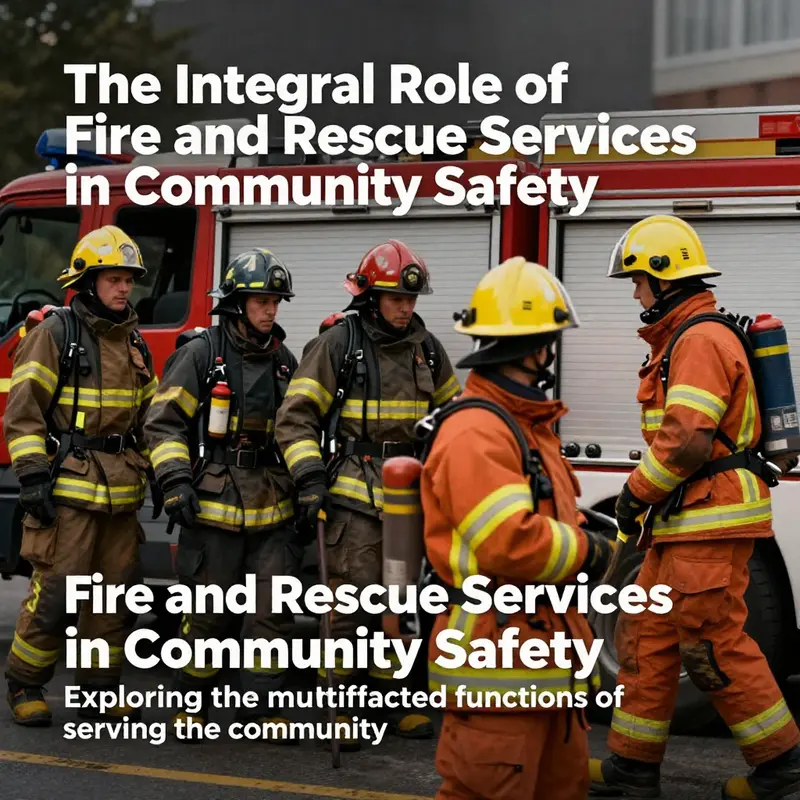
Fire and rescue services serve as a vital pillar in emergency response and community safety. Their extensive roles encompass not only firefighting but also rescue and medical aid, ensuring public well-being in various emergency situations. From responding to fires to handling hazardous materials, these organizations adapt to the diverse needs of modern society. Each chapter will delve deeper into the operational systems, community engagement, educational efforts, and future challenges faced by fire and rescue services, illuminating their critical importance and dynamic nature in our communities.
Guardians of Life and Community: Understanding the Fire and Rescue Service at Work in Emergencies
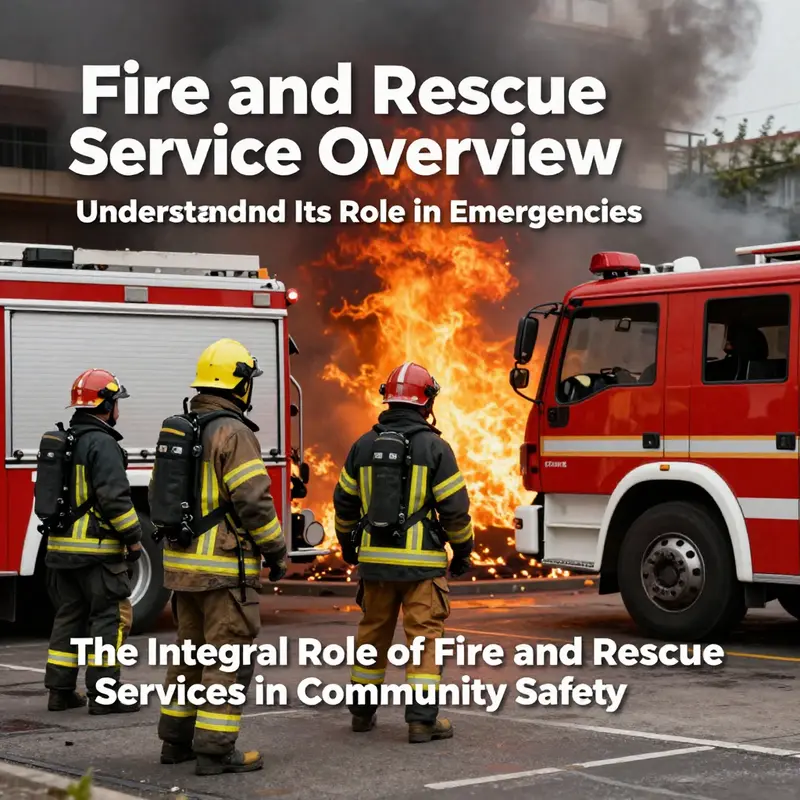
The Fire and Rescue Service stands as a cornerstone of public safety, a complex and adaptive network that translates training into action the moment danger emerges. It is not merely a hooded figure dashing toward a flame; it is a coordinated force built to prevent harm, manage chaos, and restore normalcy after disruption. In many places, the service operates under a framework of government oversight that delineates responsibilities, allocates resources, and sets standards for response times, training, and public protection. Within that framework, a blend of career professionals and volunteers forms the backbone of day-to-day readiness. This mix ensures that communities—whether dense urban neighborhoods or far-flung rural towns—have rapid access to skilled people who can assess risk, deploy appropriate tools, and make difficult decisions under pressure. The service’s reach goes far beyond the siren’s call; it encompasses prevention, detection, response, and recovery, each facet reinforcing the others in a continuous cycle of safety and resilience. Firefighting remains a central function, but the scope is broader and more nuanced than popular imagination often acknowledges. When a blaze threatens lives or property, teams bring disciplined technique to bear, balancing speed with care to protect both responders and the public. Yet fires are only one dimension of the service’s daily work. Technical rescues in collapsed structures, vehicle extrications, and dangerous situations in which people are trapped or immobilized demand specialized training and equipment. Hazardous materials incidents require responders who can identify substances, isolate risks, and coordinate with other agencies to prevent exposure and contamination. In the most pressing medical emergencies, firefighters often provide life-saving care in the moments before paramedics arrive, bridging the gap between the incident and hospital care. The breadth of these duties reveals a system designed to adapt to the contours of danger as they arise. A key feature of modern fire and rescue services is their integration with broader emergency and public safety networks. They routinely work in concert with police, ambulance services, and local authorities to deliver a unified response. This collaboration ensures that incident command remains clear, communication stays open, and resources are allocated where they can do the most good. The result is a response that is not only swift but coherent, with roles and responsibilities understood across agencies and jurisdictions. In many regions, this interoperability is formalized through regional or national strategies that prescribe joint training, shared protocols, and common terminology. Such alignment is essential when large-scale events overwhelm one system’s capacity or when incidents cross geographic boundaries, as in coastal storms, wildfires that spread across jurisdictions, or multi-site emergencies that demand a synchronized, multi-agency approach. The everyday operation of the service also reflects a commitment to prevention and education. Fire safety is not a separate activity but an embedded discipline that informs inspections, code enforcement, and community outreach. Fire prevention officers visit schools, workplaces, and housing developments to assess risks, advise on improvements, and support residents in making safer choices. Public education campaigns, home fire drills, and accessible information about fire escape plans empower communities to reduce the likelihood of events becoming disasters. Inspections and safety checks on buildings, equipment, and electrical systems help identify vulnerabilities before they can be exploited by fire or accident. This preventive work has a practical economics to it as well: reducing risk lowers the demand for emergency response, preserves property, and minimizes harm to the people who depend on these services. The service’s public-facing role extends into the realm of risk reduction, a strategic shift that recognizes the root causes of emergencies and seeks to alter the trajectory of risk before it manifests as an incident. Such a shift emphasizes collaboration with planning authorities, housing departments, and community organizations to foster safer neighborhoods. It also requires transparent communication with the public, explaining not just what is being done after a crisis but why certain measures are pursued in the first place. When disaster strikes on a larger scale—whether a localized event like a community fire or a significant international catastrophe—the Fire and Rescue Service often stands at the forefront of crisis response and early recovery. Responders assess immediate threats, establish safe zones, triage injured people, and coordinate with other agencies to address the urgent needs of survivors and rescuers alike. In these moments, the service is more than a technical unit; it becomes a social institution that helps communities navigate fear, grief, and disruption. The structural framework governing these responses tends to emphasize a regime of truth—an established pattern of official actions, communications, and accountability that public agencies rely upon to maintain trust in crisis situations. This is not a rhetoric of control but a demonstration of credibility: when people hear consistent messages, see transparent conduct, and witness visible commitment to safety, confidence in the response strengthens. The public’s trust, in turn, becomes a strategic asset that supports ongoing recovery efforts and civic solidarity. The human dimension of the service—its people, culture, and practices—deserves close attention. Firefighters and rescue personnel train to think and move as a cohesive unit, valuing discipline, courage, and compassion in equal measure. They learn to interpret evolving conditions, adapt tactics to changing environments, and balance the urgency of action with the caution required to avoid additional harm. This requires ongoing education, realistic drills, and a culture that places safety first while maintaining readiness for the next call. As technology advances and communities evolve, the Fire and Rescue Service must continuously refine its methods. New reporting systems, improved communications, and enhanced protective gear broaden capabilities while also imposing demands for additional training and mental preparation. The service must be adaptable to varied contexts, from high-rise urban landscapes to remote countryside, from complex chemical hazards to delicate urban search and rescue missions in the aftermath of disasters. In many parts of the world, this adaptability is shaped by regional realities. Some regions confront resource constraints or geography that demand tailored approaches—specialized vehicles designed to travel difficult terrain, equipment suited to limited budgets, and training programs that maximize efficacy without overburdening local organizations. The concept of customization becomes more than a matter of equipment; it reflects a philosophy of service that seeks to meet local needs while preserving universal standards of safety and professionalism. Within this frame, the importance of continuous learning becomes evident. Training pathways, certification programs, and professional development opportunities are not mere formalities; they are essential mechanisms for maintaining competence across a broad spectrum of incidents. The idea that learning never ends is embedded in the service’s culture, a recognition that each response offers new lessons and every drill revisits core principles with fresh perspectives. For individuals considering a career in the field, this emphasis on education translates into practical opportunities: initial training that builds fundamental skills, followed by specialization in areas such as high-angle rescue, confined-space operations, or hazardous materials response. The path may include part-time volunteering, then full-time duty, and ongoing requalification as techniques and standards evolve. The human and organizational dimensions of the Fire and Rescue Service are inseparable from its public function. Trust is earned not only by the speed and effectiveness of responses but by the consistency of behavior, the transparency of decision-making, and the visible commitment to safeguarding life and property. Communities expect that responders will act with integrity, communicate clearly, and respect the dignity of those affected by emergencies. When those expectations are met, the service becomes more than an emergency function; it becomes a cornerstone of civic resilience, a symbol that communities can depend on in times of fear and uncertainty. References to the broader literature on emergency services underscore a shared understanding of this mission. A foundational view describes the service as a structured, multi-agency system charged with preventing, managing, and extinguishing fires, as well as addressing a range of other emergencies and disasters. This perspective highlights the central tasks—fire suppression, rescue operations, medical assistance, and hazardous materials management—while also acknowledging the evolving responsibilities that include public education, risk assessment, and coordinated responses to complex incidents. The overview emphasizes that the service operates within a network of planning and governance, aligning local practice with regional and national policies and collaborating closely with police, ambulance services, and municipal authorities. This alignment is essential for credible and effective action, ensuring that responses are not only rapid but integrated and accountable. For readers seeking a deeper disciplinary frame, the field offers extensive analyses of organizational structures, protocols, and the ethics of public safety work. The themes of leadership, teamwork, communication, and resilience recur across studies and real-world accounts, reinforcing the view that the Fire and Rescue Service is a living system, continually shaped by experience, science, and community expectations. The practical implications of this understanding are clear. Communities benefit when planning incorporates robust emergency management, when training remains current with best practices, and when public engagement reinforces prevention and preparedness. The service’s enduring value lies in its capacity to translate risk into action, fear into informed choice, and disruption into a pathway toward recovery. Taken together, these elements illuminate why fire and rescue services occupy a central place in modern safety strategies and public life. They are not static institutions but dynamic partners in every neighborhood’s welfare, capable of guiding people through danger while protecting the social fabric that sustains daily life. For readers who wish to explore further, a comprehensive overview of the structure, responsibilities, and operational protocols of fire and rescue services globally is available in external scholarly resources. See the detailed overview at ScienceDirect Topics: https://www.sciencedirect.com/topics/engineering/fire-and-rescue-service. In addition, practical insights into the career and training pathways that feed this essential service can be found in designated educational resources such as fire safety essentials certification training.
Inside the Engine Room: How Fire and Rescue Services Are Organized and Operate
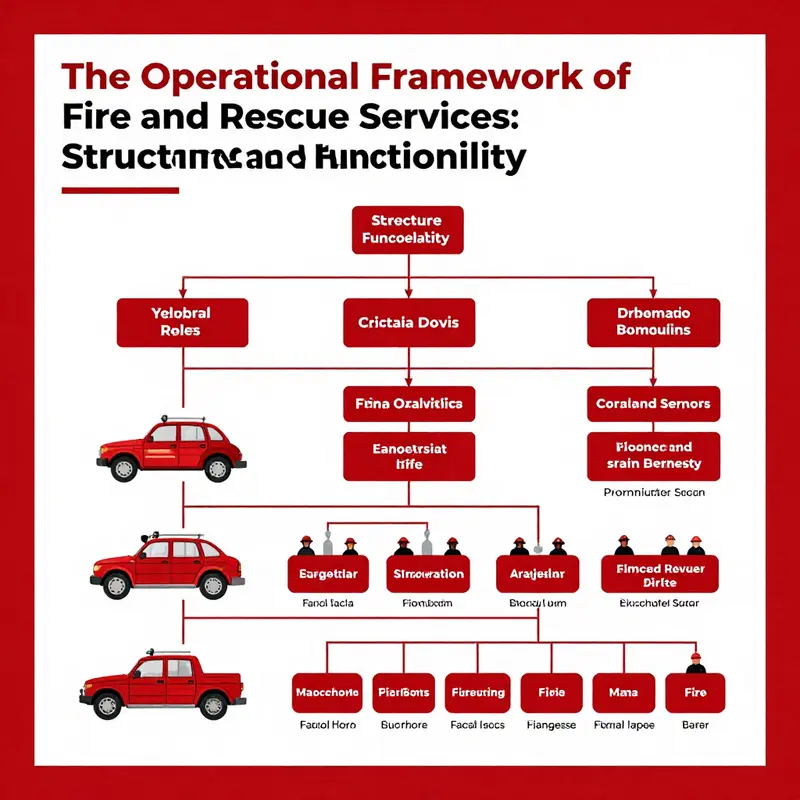
The Operational Framework of Fire and Rescue Services
A modern Fire and Rescue Service functions like a living system engineered to reduce risk, save lives, and protect property. Its effectiveness depends less on single acts of heroism and more on a disciplined framework that shapes every decision, training cycle, inspection, and response. At the heart of that framework is a clear structure of roles, responsibilities, and processes that ensures the right people, equipment, and information reach the right place at the right time.
Leadership sets the tone. An executive head—often titled chief, commissioner, or director—provides strategic direction and accountability. This role is not merely ceremonial. It determines resource priorities, shapes risk reduction strategies, and ensures legal and fiscal compliance. Supporting the chief are specialized deputies or assistant chairpersons who manage the core functions that keep the service operational. These functions typically cluster around six key pillars: Fire Safety, Administration, Prevention, Operations, Training, and Community Engagement. Each pillar translates strategic intent into practical actions, and each depends on the others to deliver a coherent public safety service.
Fire Safety and Prevention work side by side but have distinct focuses. Fire Safety concentrates on building regulations, code enforcement, and technical reviews that limit the chance of a conflagration spreading. Specialists within this unit inspect fire alarm systems, evaluate escape routes, and advise on passive and active fire protection measures. Prevention, on the other hand, is outward-facing. It delivers education campaigns, targets vulnerable populations for intervention, and analyzes incident trends to shape outreach. Together, these units reduce incident frequency and severity by making the community physically and behaviorally safer.
Administration is the invisible backbone. It handles budgeting, procurement, human resources, and legal affairs. A dependable procurement process ensures engines, hoses, gear, and personal protective equipment meet standards and arrive on time. Human resources manage recruitment pipelines, maintain fitness and wellness programs, and enforce policies that keep teams capable and accountable. Good administration protects the operational core by providing predictable logistics and sustainable staffing models.
Operations is the engine room where planning meets action. This unit organizes responses to fires, rescues, hazardous materials incidents, and large-scale emergencies. Operations staff develop response plans, manage station rosters, and coordinate multi-agency responses. They also maintain incident command systems so that when a complex event unfolds, roles are clear and resources are used efficiently. In practice, operations must balance rapid response times with safety protocols, ensuring that crews arrive quickly without taking unnecessary risks. The mix of tactical knowledge and real-time judgment in Operations defines the service’s capacity to manage emergencies.
Training transforms policy into practiced capability. Continuous, realistic training creates muscle memory for complex tasks—entering smoke-filled buildings, stabilizing collapsed structures, or managing chemical exposures. This pillar designs curricula for recruits and continuous professional development for experienced personnel. Training often leverages live-fire scenarios, simulation centers, and dedicated facilities such as towers for high-angle and rooftop drills. Investment in training reduces on-scene errors and improves interagency coordination, because shared exercises create common language and trust among partners.
Community Engagement closes the loop between the service and the people it protects. Engagement is not limited to leaflets or social media posts; it includes school visits, business partnerships, and targeted support for at-risk groups. A well-run engagement program translates technical fire safety advice into actionable steps for households and organizations. It also gathers local knowledge that informs risk assessments. When community members trust their Fire and Rescue Service, reporting of hazards increases, and compliance with safety guidance improves.
The six pillars must not operate as silos. Their integration is achieved through standardized procedures, shared communication systems, and cross-functional teams. Standard operating procedures (SOPs) codify actions during common scenarios. SOPs create reliability under pressure, ensuring that crews follow proven steps even when conditions evolve rapidly. Advanced communication systems—digital radios, interoperable data links, and central dispatch platforms—enable situational awareness across units and with partner agencies. These systems ensure that a hazmat specialist, a ladder crew, and ambulance crews all receive the same incident picture and can coordinate safely.
Interoperability extends beyond technology. Joint exercises with police, medical services, and emergency planners build operational fluency. These exercises reveal gaps in command relationships, equipment compatibility, and logistical support. When a major incident occurs—flooding, a multi-vehicle crash, or a building collapse—pre-established relationships make multi-agency responses smoother and faster.
Risk management is woven through every function. Risk assessments combine historical incident data, demographic information, and building stock analysis to prioritize prevention and resource placement. Fire stations and specialist units are sited not only by population density but by calculated risk, travel times, and terrain. Resource allocation decisions weigh probability and consequence; a low-probability, high-consequence event may justify a specialist team, such as urban search and rescue, even if it is rarely deployed.
Personnel models vary. Many services combine full-time professional firefighters with retained or volunteer personnel. Career firefighters offer predictable coverage in high-demand areas. Volunteers extend reach into rural zones where call volumes do not justify a permanent crew. Each model demands tailored training and management to ensure consistent standards. Regardless of employment type, the same principles apply: clear command structures, well-documented procedures, and robust supervision.
Equipment and logistics are engineered to support varied missions. Fire appliances range from pumping engines to aerial platforms and foam units, each serving a mission. Specialist tools—thermal imaging cameras, hydraulic rescue tools, hazardous materials monitors—enable precise interventions. Maintenance cycles and testing regimes guarantee readiness. Logistics plans include spare parts provisioning, fuel management, and staging areas for large incidents. A well-run logistics system prevents equipment failures from becoming operational failures.
Modern services increasingly rely on data. Incident records, near-miss reports, and inspection outcomes feed analytics platforms. These platforms reveal patterns that inform prevention campaigns, station placement, and training priorities. For instance, analytics might show a cluster of kitchen fires in a neighborhood, prompting targeted education and distribution of smoke alarms. Data-driven decision-making turns operational experience into strategic reduction of harm.
Governance and accountability ensure alignment with public expectations. Oversight may come from municipal councils, national ministries, or independent inspectors. Governance frameworks set performance metrics—response times, outcomes, and safety indicators—and require regular reporting. Transparency builds public trust and supports funding decisions, while independent reviews drive continuous improvement.
Human factors receive growing attention. Fatigue management, psychological support, and safety culture programs acknowledge that human resilience underpins operational effectiveness. Structured debriefs, mental health resources, and peer-support networks reduce long-term harm and preserve institutional knowledge. A service that protects its people is more likely to protect the public.
Finally, adaptability is essential. New threats—climate-driven extreme weather, evolving building materials, and novel industrial chemicals—demand flexible capabilities. A resilient Fire and Rescue Service anticipates change through horizon scanning and invests in modular capabilities. Cross-training, mutual aid agreements, and scalable incident plans allow services to surge when needed.
These elements together create a system that is predictable in process yet flexible in application. The operational framework embeds prevention into everyday work, ensures that rescue operations are competent and safe, and fosters relationships that allow the service to integrate with community resilience efforts. This integrated approach, documented in contemporary research, underpins the trust communities place in their Fire and Rescue Service.
For a closer look at the structural design and functional dynamics that inform these practices, consult the original research by ML Ivanov: https://www.mdpi.com/2076-3263/13/12/2198. For insights into how training facilities translate policy into practiced skill, see the dedicated piece on firefighter training tower dedication.
From Education to Empowerment: How Fire and Rescue Services Build Safer Communities
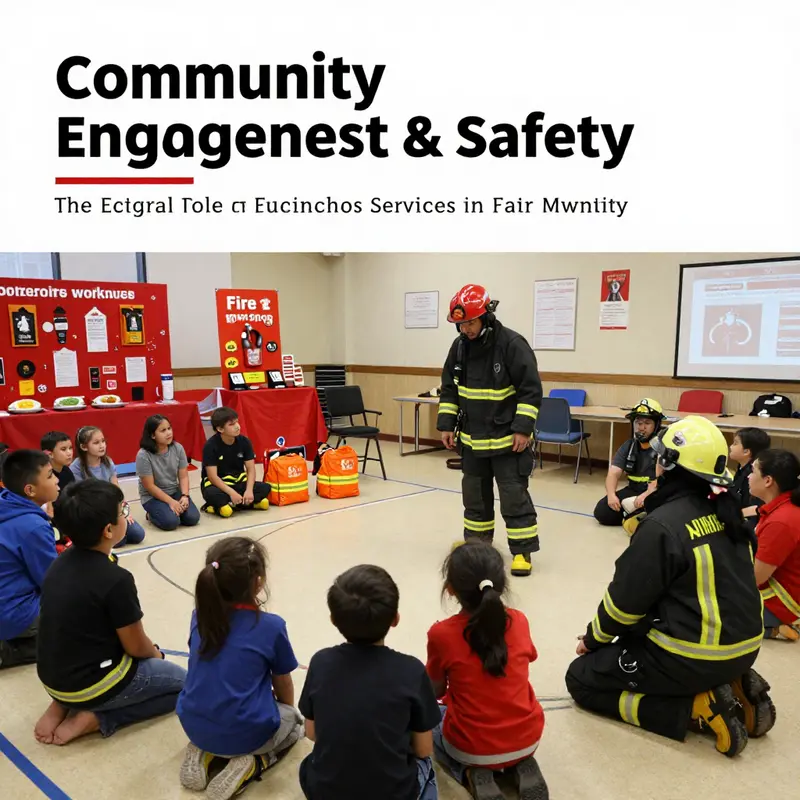
Fire and Rescue Services exist to save lives and protect property, yet their work begins long before an alarm sounds. Central to modern fire services is a sustained commitment to public education. This chapter traces how education, outreach, and partnership transform reactive firefighting into proactive risk reduction. It explains the methods fire services use, the audiences they reach, and the measurable benefits that follow when communities become informed, prepared, and engaged.
Across neighborhoods, schools, and workplaces, the essential message is simple: many emergencies are preventable. Fire and Rescue Services translate that simple truth into practical action. They teach people to recognize hazards, adopt safer habits, and prepare for emergencies. They deliver these lessons through multiple channels: home visits, classroom sessions, community events, social media campaigns, and targeted outreach to high-risk groups. Each interaction is designed to change behavior. Installing a functioning smoke alarm, planning an escape route, and testing devices regularly are small steps that prevent tragedies. Public education focuses on these achievable actions and explains why they matter.
This education is not generic. Modern fire services use data to shape their approach. They analyze incident statistics, identify hotspots, and prioritize resources where the risk is highest. Areas with older housing, high rates of smoking, or limited mobility among residents often receive focused programs. Children and older adults receive tailored messaging for different cognitive and physical capacities. For example, schools host age-appropriate demonstrations that teach children what smoke alarms sound like and how to act when they hear them. For older residents, home safety visits assess risks and may include installing alarms, removing trip hazards, or advising on safer heating alternatives. The result is targeted prevention that reduces fire incidents and saves lives.
Community engagement goes beyond advice. Fire and Rescue Services build trust through visible presence and partnership. Fire stations open their doors for tours and hands-on demonstrations. Firefighters lead workshops on fire safety and emergency preparedness. These interactions humanize the service and reinforce the message that firefighters are allies in safety. They show residents that the service understands community realities and is committed to supporting them. Over time, trust strengthens cooperation during emergencies. People who trust their local service are more likely to follow advice during incidents and to engage with prevention measures beforehand.
Education also includes enforcement and inspection. Fire safety officers carry out building inspections, review evacuation plans, and enforce regulations designed to reduce risk in public and commercial spaces. Those inspections are educational as well as regulatory. Inspectors explain deficiencies and recommend practical fixes. They help business owners understand the consequences of non-compliance and the benefits of proactive maintenance. The goal is not punishment but lasting improvements in safety culture. When inspections are combined with accessible guidance, businesses and institutions adopt safer practices more readily.
Fire and Rescue Services extend their reach through partnerships. They coordinate with schools, local councils, health services, housing providers, voluntary groups, and businesses. These partnerships expand capability and multiply impact. For example, working with schools embeds fire safety into curricula and reaches children at an early age. Collaborating with health services helps identify vulnerable individuals who may need extra support. Housing associations and social services can integrate fire safety assessments into routine welfare checks, ensuring at-risk households receive timely interventions. Such cross-sector cooperation ensures that education is part of a broader safety net rather than a standalone program.
Technological tools augment traditional outreach. Digital platforms deliver targeted safety messages and allow residents to access resources quickly. Fire services publish guidance on smoke alarm maintenance, escape planning, and hazard reduction. Interactive tools let people assess their home risk and receive tailored recommendations. Social media campaigns amplify timely safety alerts, such as guidance during extreme weather or wildfire seasons. Technology supports broad reach while enabling personalization. It also helps collect feedback and measure engagement, informing continuous improvement.
Volunteerism and community champions are powerful multipliers. Many services work with volunteers who help run campaigns, install alarms, and deliver workshops. Community champions often share culturally relevant messages and speak trusted local languages. These grassroots advocates improve accessibility and uptake. In diverse communities, culturally tailored materials and bilingual outreach can make the difference between a message being heard or ignored. Fire services that invest in culturally competent education find the community responds more positively and comprehensively.
Measuring impact is essential. Fire services monitor outcomes such as reduced incident rates, fewer fatalities, and lower property loss. They track intermediate indicators like the number of smoke alarms installed, escape plans completed, and educational sessions delivered. Evaluation helps identify which programs work best and where resources should shift. Evidence shows that well-designed education programs reduce incidents and save public funds by preventing emergencies. These savings can then be reinvested into further outreach, creating a virtuous cycle of prevention.
Training also extends inward. Firefighters receive education in community engagement techniques, communication skills, and cultural awareness. This training ensures outreach is respectful and effective. Firefighters learn to explain technical risks in clear, relatable terms. They practice delivering concise, actionable advice. The result is consistent public messaging that bridges technical expertise and everyday decision-making.
Emergency preparedness is another pillar of education. Fire and Rescue Services teach households and organizations how to plan for emergencies. They promote creating a simple escape plan, choosing a safe meeting point, and maintaining essential supplies. For businesses and public facilities, education covers evacuation procedures, alarm testing, and staff training. Preparedness reduces panic and speeds up effective response when incidents occur. It empowers citizens to act calmly and safely, often preventing escalation.
Education also addresses non-fire emergencies. Modern services respond to floods, road collisions, hazardous materials, and technical rescues. Public outreach includes guidance on how to act during these varied incidents. For example, flood preparedness campaigns explain how to protect property and when to evacuate. Road safety initiatives highlight the role of safe driving in preventing rescue incidents. Hazardous materials advice helps people recognize risks and report them without approaching danger. By broadening educational scope, Fire and Rescue Services increase community resilience across multiple threats.
Equity is central to effective education. Services must ensure vulnerable groups receive attention. This includes people with disabilities, those who face language barriers, and socially isolated individuals. Targeted programs reduce disparities in outcomes. For instance, providing tactile alarm options for the deafblind, or offering bilingual materials, removes barriers that would otherwise elevate risk. When services prioritize equity, the benefits of prevention reach everyone.
Career pathways and public education intersect. Fire and Rescue Services frequently run recruitment drives and youth engagement programs that inspire careers in fire safety. These activities promote long-term community resilience by building local capacity. Young people exposed to safety education may pursue training and join the service. This continuity ensures knowledge stays within communities and evolves with changing risks.
Finally, the culture of continuous learning keeps educational efforts relevant. Fire and Rescue Services adapt programs based on incident trends, technological advances, and community feedback. They pilot new approaches and scale successful initiatives. Learning from domestic experience and international best practice improves outcomes. This iterative process keeps prevention strategies fresh and effective.
Education and outreach are not optional extras. They are core to the mission of Fire and Rescue Services. By preventing incidents, they save lives and preserve resources. By partnering with communities, they build trust and resilience. By tailoring messages to people’s needs, they ensure advice is understood and applied. When education succeeds, fewer alarms sound for preventable incidents. That quiet reduction in demand is a powerful sign of impact.
For practical resources and best practices used by services across the region, see the UK Fire Prevention Association for guidance and case studies on community engagement and fire safety education: https://www.ukfpa.org.uk/
For further reading on certification and training that supports these educational roles within fire safety careers, see the Fire Safety Essentials: Certification & Training resource.
Steering the Flame Forward: Navigating Technological Shifts and a Changing Environment in Fire and Rescue
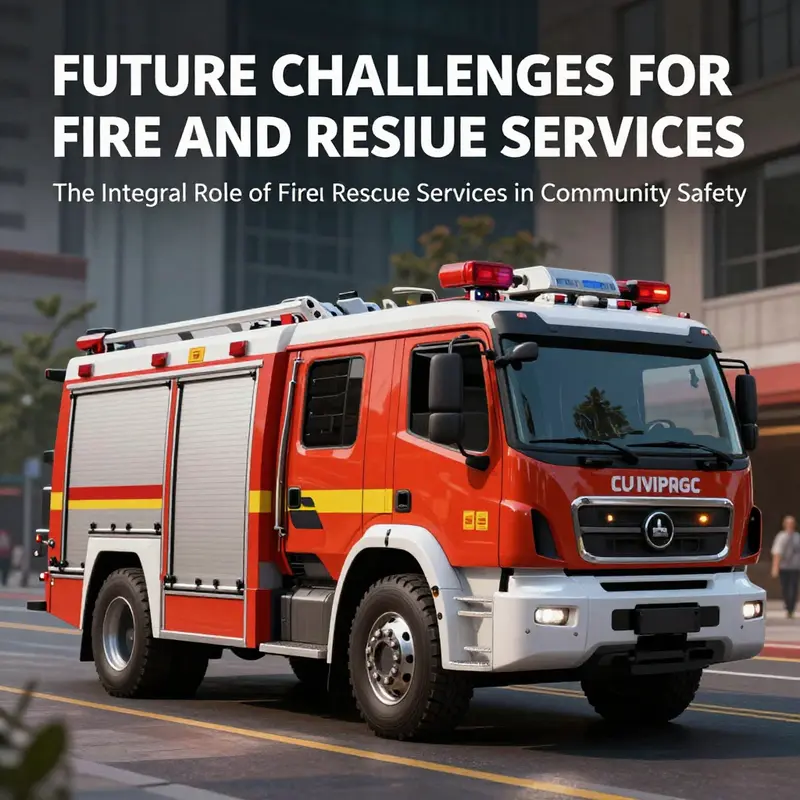
The fire and rescue service has long stood as the frontline guardian of communities, a role built on courage, rapid response, and the stubborn insistence that safety can be salvaged even from the most perilous situations. Yet the scope of that responsibility is expanding in ways that demand more than swift extinguishing power. In today’s world, the service must blend firefighting with prevention, rescue with risk reduction, and traditional tactics with a relentless embrace of new science and new technologies. This evolution is not a marginal adjustment; it is a fundamental transformation in how emergencies are understood, anticipated, and managed. It requires a shift from a solely reactive model to a proactive, data-driven system that can anticipate hazards, allocate resources intelligently, and operate safely in environments that are increasingly complex and volatile. The demands are not only technical but organizational. They call for new kinds of training, new forms of collaboration, and new kinds of leadership that can steer large, diverse teams through the uncertainties of a world where fires are fed by materials far more dangerous than those of the past, where energy storage systems can release heat with astonishing ferocity, and where the weather itself can escalate risk with unprecedented speed and range. In grappling with these realities, the service is learning to see fires and other emergencies through a broader lens—one that combines prevention, response, and resilience, all supported by a growing ecosystem of sensors, analytics, and intelligent decision-making tools. The chapter that follows looks at the most pressing hazards—new fire fuels, thermal runaway in batteries, and multi-hazard industrial risks—and then considers how technology is changing the way responders plan, train, and collaborate. It is a narrative of adaptation, not merely of reaction, and a reminder that the core mission remains constant: to protect lives and property while safeguarding those who stand on the front lines when danger arrives.
The most visible challenge comes from the materials that populate modern buildings and facilities. Insulation blends, foams, and plastics that offer energy efficiency can also burn with extraordinary intensity. Polyurethane foam and extruded polystyrene, for example, can create vertical, fast-spreading fires that push heat and toxic smoke through concealed channels, complicating both detection and suppression. The real-world consequences of these hazards are stark. A 2024 fire at a cold storage facility in XinYu, Jiangxi Province, illustrates how static electricity can ignite polyurethane insulation, releasing lethal gases such as carbon monoxide and hydrogen cyanide. In that incident, the rapid spread of smoke and heat trapped occupants and overwhelmed early response efforts, resulting in significant loss of life. That tragedy is not a sole outlier; it is a warning that many modern structures demand protective equipment and entry conditions specifically engineered to filter and manage toxic gases, along with training that recognizes these novel ignition pathways and smoke characteristics. In practice, this means more than better gear; it means a disciplined approach to scene assessment that accounts for evolving fuel loads, altered ventilation dynamics, and the potential for sudden, high-energy releases in vertical spaces and concealed cavities.
A second formidable challenge arises from the proliferation of lithium-ion batteries across vehicles, energy storage systems, and consumer devices. The fires they ignite are characterized by extreme heat and rapid energy release. They can reach temperatures well above 1,000°C and can evolve into secondary fires far from the initial ignition site. Water, the default extinguishing agent for many fires, often falls short in these scenarios. It can worsen chemical reactions, trigger hydrogen release, or spread electrolytes that sustain the blaze after flames appear to be controlled. Even when visible flames have been quenched, the risk of re-ignition—thermal runaway—can endure for hours. Responders must plan for prolonged cooling with large volumes of water, sometimes eight to ten tons per incident, and they must adapt their tactics to manage battery packs in vehicles, energy storage modules, and building-integrated systems. This reality demands not only specialized cooling strategies and containment planning but also robust information on battery health, chemistry, and the status of surrounding materials. The implications ripple outward: public safety messaging must convey the potential for delayed hazards, and incident commanders must coordinate with risk analysts and utility providers to prevent cascading failures that can overwhelm local response capacity.
Beyond these modern fuels, the landscape of industrial danger has grown more intricate. Contemporary processes in coal chemical, silicon chemical, alkali chemical, and fine chemical sectors involve a wide array of reactive substances and tightly coupled reactions. A single incident can trigger a cascade of disasters: a leak that evolves into a fire scene, a toxic gas cloud, a chemical spill that corrodes containment, and a structural failure all occurring in close proximity. The result is a multi-hazard environment that exceeds traditional firefighting boundaries and calls for specialized knowledge, procedures, and equipment. The responders of the future must be prepared to operate within a tightly coupled risk matrix where a minor fault can precipitate multiple, simultaneous emergencies. Doing so requires not only technical prowess but also the ability to interpret complex chemical data, manage evolving exposure pathways, and coordinate with industrial safety teams who understand the specifics of each facility’s process chemistry.
To meet these shifting hazards, fire and rescue services are turning to the most cutting-edge tools of modern governance. Digital platforms and artificial intelligence are changing the calculus of risk and response. AI can synthesize streams of sensor data, investigative reports, and historical incident records to forecast where fires may start, how quickly they may spread, and which resources should be deployed where and when. Smart command centers integrate live feeds from cameras, drones, and environmental sensors to deliver a holistic picture of a scene, permit event chain analysis, and illuminate secondary risks that might otherwise go unseen. This data-driven approach enhances decision-making under pressure, enabling teams to anticipate bottlenecks, prevent resource shortages, and reduce the time to effective intervention. Simultaneously, autonomous technologies are expanding the tactical repertoire. Robotic systems can advance into zones too dangerous for humans, providing reconnaissance, sampling, and smoke management without exposing responders to acute hazards. Drones can map sites with high-resolution imagery and thermal data, revealing critical heat signatures and vulnerabilities before firefighters step inside. The promise of this tech-assisted approach is not novelty for novelty’s sake; it is a practical answer to the core limitation of fire and rescue work: the need to see more of the scene earlier and to de-risk operations wherever possible.
Yet technology alone cannot deliver safe, effective outcomes. The frontline must be matched by a robust culture of training and continuous learning. The most successful agencies are those that treat education as an ongoing mission rather than a one-off rite of passage. Training now must cover not only the fundamentals of suppression and rescue but also the interpretation of advanced hazard profiles, the operation of protective systems designed for toxic atmospheres, and the management of complex incidents that unfold across multiple domains. This training extends to the integration of new tools, from the use of 3D modeling to rehearsing response scenarios in simulated environments that reflect real-world, multi-hazard dynamics. In this sense, technology transforms not only how teams react but how they think about risk before it becomes a crisis. It shifts the emphasis from a purely physical response to a broader preparedness paradigm in which data literacy, interagency collaboration, and intelligent planning are core competencies just as essential as hose handling or ladder work.
A critical component of this evolving safety architecture is cross-sector collaboration. The fire and rescue service no longer operates in isolation. It is part of an interconnected public safety ecosystem that includes police, ambulance services, public health authorities, utility operators, and industrial safety professionals. When Hazards interact across domains—such as a fire involving an energy storage system within an industrial setting—the response requires a synchronized, multi-disciplinary strategy. This means standardized communication protocols, shared situational awareness platforms, and joint training programs that align workflows across agencies. It also means broader partnerships with private sector entities and academic institutions to access specialized expertise, data, and research advances. By embedding these partnerships into daily practice, fire services can accelerate learning, improve safety margins, and extend resilience across communities.
The Hangzhou practice, as highlighted in recent discussions about AI-enabled emergency management, illustrates a practical blueprint for this convergence. Intelligent agents, algorithm warehouses, and three-dimensional modeling combine to generate robust emergency command scenarios that reveal how various hazards interact and how cascading risks can unfold. While the specifics of that practice lie beyond the scope of any single jurisdiction, the underlying principle is clear: decision-makers benefit from a synthetic view of risk that captures the interdependencies and potential derivatives of an incident. This perspective is especially valuable when confronting the multi-hazard realities of modern industry and energy storage. It reinforces the argument that the future fire and rescue service must be proactive, data-informed, and collaborative at scale, able to leverage the best available science while staying grounded in the practicalities of field operations.
All these shifts demand more than upgraded gear or fancier gadgets. They require an organizational metamorphosis that respects the realities of budget constraints, workforce diversity, and the pressures of aging infrastructure. Agencies must invest in scalable training that transcends traditional boundaries, build governance models that encourage rapid knowledge exchange, and establish decision-making processes that embrace uncertainty rather than pretend it does not exist. The objective is not to replace the human core of firefighting with machines, but to augment human judgment with reliable information, faster perception, and safer strategies. In this transformation, the core values endure: protection of life, preservation of the environment, and the ethical use of powerful technologies in service of the public good. The result is a fire and rescue service that is more capable, more resilient, and better prepared to meet the hazards of a world where danger evolves as quickly as technology itself.
For practitioners, the path forward lies in a careful balance of preparation and pragmatism. Invest in protective gear and atmospheric monitoring systems capable of handling toxic gases and smoke from modern materials. Build response plans that accommodate the realities of battery-driven fires and their extended cooling requirements. Develop multi-hazard response playbooks that anticipate cascading failures in industrial environments. Simultaneously, harness AI and digital platforms to improve forecasting, resource allocation, and scene management. Foster cross-agency partnerships and ongoing training that keep pace with innovation. And, perhaps most important, maintain a culture of learning—one that treats every incident as an opportunity to refine procedures, test assumptions, and strengthen the bonds that connect responders to the communities they serve.
In the end, the future of fire and rescue is not merely about keeping flames at bay. It is about shaping a resilient framework in which communities can thrive amid evolving risks. It is about ensuring that responders carry into every operation a blend of courage, knowledge, and the right tools to assess and manage uncertainty. As hazards become more complex and the pace of change accelerates, the service’s ability to adapt will determine not only how quickly fires are suppressed, but how effectively they are prevented, how risks are communicated, and how safety is preserved from the first alarm to the final recovery. This is the essence of modernization done with purpose: a continuous cycle of learning, applying, and refining that strengthens the capability of the fire and rescue service to protect lives and property in a world that demands more from it than ever before.
Internal resource note: As the field evolves, practitioners may find practical guidance in dedicated training platforms that discuss hands-on preparation and certification pathways. See the firefighter training tower dedication resource for a focused exploration of immersive, tower-based practice that complements field operations and risk assessment. firefighter-training-tower-dedication
External resource for further reading: AI-driven emergency management and the Hangzhou model illustrate the potential of integrating advanced analytics with practical rescue operations. External readers are encouraged to review material on intelligent emergency command and risk analysis for multi-hazard environments, which can broaden the understanding of how technology reshapes response strategies. External resource: https://www.example.org/ai-empowers-smart-emergency-hangzhou
Final thoughts
The fire and rescue services embody a crucial aspect of community safety and emergency management, continually evolving to meet the demands of modern emergencies. Their integration of technology, community education, and structured operational frameworks illustrates their steadfast commitment to saving lives and mitigating disasters. With challenges on the horizon, including climate impacts and technological advancements, these services must adapt and innovate to maintain their essential role in society.