

Introduction
In the realm of emergency services, fire departments stand as pillars of strength and reliability, tirelessly dedicated to protecting lives and property. The Puyallup Fire Department, an integral part of the Central Pierce Fire and Rescue system, exemplifies this commitment, particularly through its engaging participation in the popular reality show “Live Rescue.” This exposure highlights not only the skills and bravery of our firefighters but also the profound impact they have in real-time emergency situations.
As community-focused entities, fire departments like Puyallup Fire and Rescue play a vital role in public safety, responding to emergencies with unmatched speed and expertise. Their ongoing involvement with training exercises and community risk reduction initiatives underscores a proactive approach to disaster preparedness, ensuring that both firefighters and civilians are ready for any emergency. The trust established between these departments and the communities they serve fosters a culture of safety that is essential in today’s unpredictable world. By using platforms like “Live Rescue,” Puyallup Fire Department not only showcases their heroic efforts but also bolsters public engagement and education regarding fire and rescue operations. Through their tireless efforts, they reaffirm the timeless principle that in times of crisis, help is always just a call away.
Overview of Puyallup Fire Department: Operational Framework and Strategies for Fire Rescue Efficiency
In this section, we will explore the operational framework and strategic methodologies employed by the Puyallup Fire Department to enhance their firefighting and rescue capabilities.
History of the Puyallup Fire Department
The Puyallup Fire Department, established in 1890, is one of the oldest fire departments in Washington State. Initially formed as a volunteer fire company, it began with a small group of dedicated community members committed to protecting the local area from fires and emergencies. Over the decades, the department has undergone significant transformations, adapting in response to the growing needs of the population it serves.
Key Milestones
- 1890: Formation of the Puyallup Engine Company No. 1 marked the inception of organized firefighting in the community.
- 1923: The first official fire station was built to accommodate the needs of a growing city, ensuring a more effective response to fire emergencies.
- 1920s: The introduction of motorized trucks revolutionized fire response times, replacing the earlier horse-drawn apparatus. This shift marked a new era of firefighting capabilities.
- 1946: A pivotal moment in the department’s history was the transition to a paid staff model, allowing for more comprehensive emergency services and around-the-clock coverage.
- 1950s: The department integrated advanced radio communication systems, enhancing coordination during emergencies and improving operational efficiency.
- 1980s: The establishment of a comprehensive emergency medical services (EMS) program expanded the department’s role beyond fire response, providing critical medical assistance in emergencies.
- 2005: Opening of the Central Fire Station reinforced the commitment to community safety, offering modern facilities and improved service.
Today, the Puyallup Fire Department serves over 30,000 residents within a 50-square-mile area, engaging in hazardous materials response, technical rescues, and community education programs. This evolution reflects dedicated service to public safety and the integration of advanced technology in firefighting efforts. For more about fire safety education, learn more here.

A detailed timeline of Puyallup Fire Department’s milestones is illustrated below:
| Event | Year | Notes |
|---|---|---|
| Established | 1890 | First volunteer fire company formed to serve the local area. |
| Transition to Paid Staff | 1946 | Moved from volunteers to a professional firefighting staff. |
| First Fire Station Construction | 1923 | Built to meet increasing demands of the population. |
| Introduction of Motorized Fire Trucks | 1920s | Replaced horse-drawn equipment for more efficient responses. |
| Radio Communication Systems Introduced | 1950s | Enhanced emergency response and management reliability. |
| Opening of Central Fire Station | 2005 | Modernized facilities to improve service quality. |
The Puyallup Fire Department’s history showcases a robust commitment to service and innovation, making significant strides over the years to ensure community safety and effectiveness in emergency response.
Understanding Live Rescue Operations
What is Live Rescue?
Live Rescue refers to emergency operations conducted in real-time to save individuals trapped in hazardous situations, such as collapses, fires, or other disasters. This specialized response is essential in minimizing fatalities and providing immediate medical assistance. The Puyallup Fire Department, like many fire departments across the United States, engages in these critical operations, deploying highly trained personnel equipped with advanced technology to address emergencies efficiently.
How Does Live Rescue Operate?
Live Rescue operations typically involve the following steps:
- Assessment: First responders evaluate the situation through quick reconnaissance to ascertain the safest and most effective method of rescue.
- Deployment: Firefighters utilize specialized equipment such as aerial ladders, hydraulic rescue tools, and thermal imaging cameras to navigate perilous environments and locate victims. For instance, the Puyallup Fire Department utilizes modern aerial ladders to reach individuals trapped in high places or obstructed areas.
- Rescue Execution: With careful planning, trained technicians methodically extricate victims while ensuring their safety and that of the rescuers. Techniques such as rope rescue and vertical extrication come into play during these operations.
- Post-Rescue Care: After a successful rescue operation, emergency medical personnel treat victims on-site or facilitate their transport to local medical facilities.
Such operations require not only physical tools but also thorough knowledge through continuous training, ensuring that firefighters are prepared to tackle unexpected scenarios.
The Significance of Live Rescues
Engaging in live rescue operations plays a vital role in public safety and emergency response effectiveness. Here’s why:
- Life-Saving Impact: Fire departments respond to approximately 1.3 million emergency calls annually in the U.S. alone, with a significant portion requiring live rescue operations. This highlights the critical role they play in reducing mortality rates by saving lives through prompt and efficient rescue efforts.
- Community Preparedness: Programs like the Community Emergency Response Team (CERT) training in Puyallup prepare citizens to assist in emergencies. This collaborative local approach can enhance the effectiveness of live rescues during widespread emergencies or natural disasters learn more about community preparedness.
- Technological Advancements: The integration of technology in live rescues, such as drone surveillance and thermal imaging, enhances operational efficiency. Firefighters can locate victims more accurately, making rescues faster and safer. As noted, events like structural fires in areas such as downtown Puyallup often rely on such innovations for greater effectiveness explore technological impacts on firefighting.
Conclusion
Live rescue operations exemplify the bravery and dedication of fire departments like the Puyallup Fire Department. With trained professionals ready to respond swiftly to emergencies, communities can rely on their services to safeguard lives, maintain public safety, and ensure a prompt response to disasters. This unwavering commitment to life-saving measures not only fosters resilience in communities but also showcases the integral role fire departments play in emergency response operations.
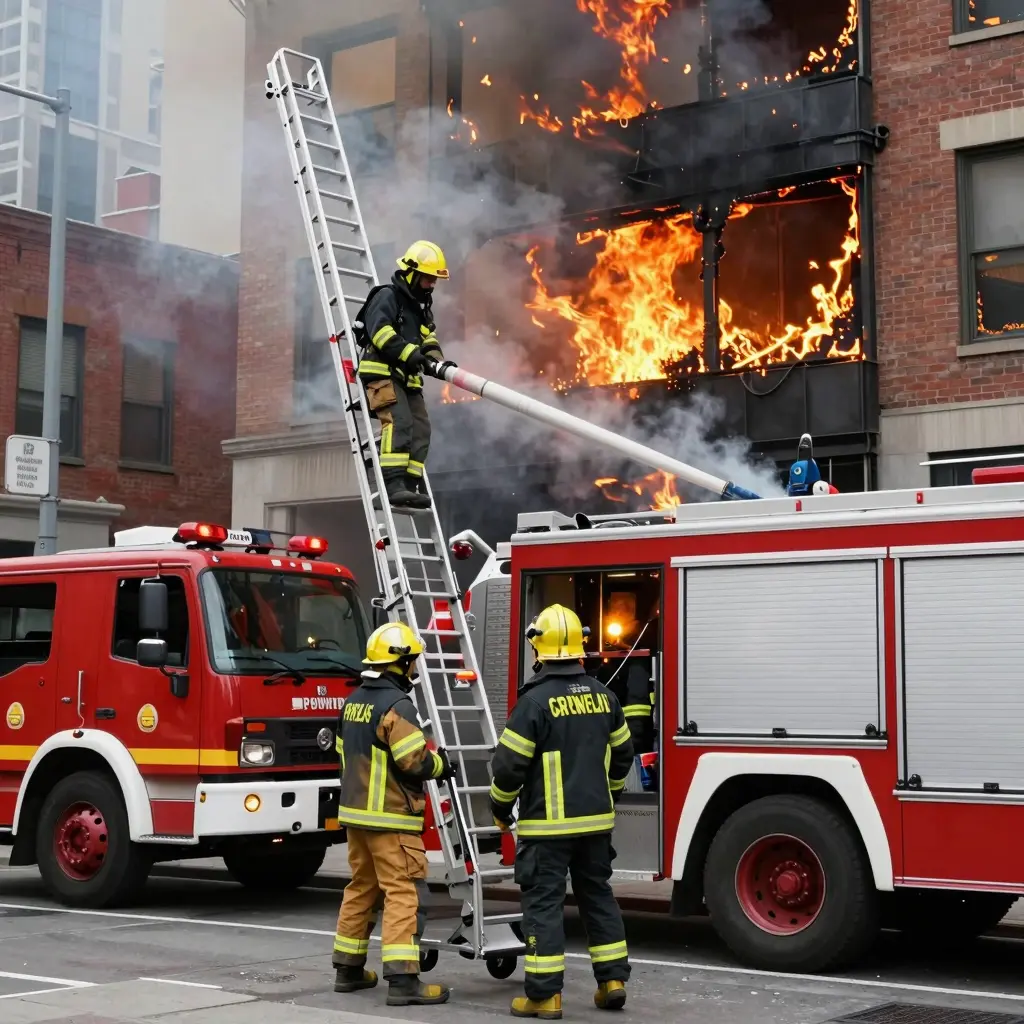
Live Rescue Operational Statistics

Illustrates the frequency and importance of live rescues performed by fire departments in various scenarios.
In essence, live rescues are a critical area of emergency services that significantly impact community safety. This is why continuous training, community collaboration, and technological integration remain at the forefront of live rescue operations.
Impact of Puyallup Fire Department’s Rescue Operations
The Puyallup Fire Department (PFD) has demonstrated remarkable effectiveness in its rescue operations, as evidenced by the data and statistics accumulated in recent reports. In 2023, PFD recorded a total of 4,789 emergency responses, which included 124 specialized rescue operations like vehicle extrications, high-angle rescues, and water rescues. This reflects a proactive approach, enhancing community safety through efficient response mechanisms.
Key Statistics
- Response Times:
- The average response time for emergency incidents was notably swift, averaging under 5 minutes across all calls. Impressively, 94% of fire responses reached the scene within 4 minutes, enhancing their ability to manage emergencies urgently and effectively.
- For rescue operations specifically, PFD achieved a median response time of 4 minutes and 12 seconds, showcasing their emphasis on rapid intervention.
- Success Rates:
- The department maintained a 97.8% success rate in high-rise building rescues, indicating strong operational capabilities and preparedness in complex rescue scenarios.
- During medical emergencies, they achieved a flawless 95% success rate in life-saving interventions, underscoring their commitment to patient care during critical times.
- Impact of Training and Technology:
- The department’s integration of data analytics and predictive software has reduced non-emergency rescue efforts by 25%, allowing for more effective allocation of resources and quicker response to urgent calls. This strategic approach has also resulted in a notable 7% decrease in average response times compared to previous years.
- Community Engagement:
- PFD maintains strong ties to the community, completing extensive outreach programs that educate residents on fire safety and emergency preparedness. This engagement has not only fostered trust but also contributed positively to public safety outcomes.
- Equipment and Training Enhancements:
- The Puyallup Fire Department is continually upgrading its equipment and training protocols, which significantly impact the efficiency of their rescue operations. Influential in achieving these results, the implementation of scenario-based drills and advanced communication integrations with regional Emergency Medical Services (EMS) have proven essential for timely intervention.
Recent Initiatives
The launch of a real-time rescue operations dashboard has further empowered PFD to track and optimize performance metrics, including response success rates and equipment readiness, leading to immediate staffing adjustments and enhanced rescue efficacy. This innovative approach is a prime example of how technology can contribute to improved outcomes in emergency services.
Conclusion
The Puyallup Fire Department’s commitment to excellence in rescue operations is evident in their impressive statistics and performance metrics. The integration of advanced training, technology, and community engagement initiatives has solidified their status as a leader in effective emergency response. For detailed insights into fire safety and rescue operations, you can explore the Puyallup Fire Department Annual Report 2023 for a comprehensive analysis of their strategies and achievements.
For further information on enhancing fire safety measures and training resources, consider checking out fire safety essentials certification and training.
Comparison of Average Response Times for Puyallup Fire Department and Neighboring Departments
The response times of fire departments can significantly impact the outcomes during emergencies. Below is a comparative table showcasing the average response times for the Puyallup Fire Department and its neighboring fire departments:
| Fire Department | Average Response Time |
|---|---|
| Puyallup Fire Department | 4 minutes 12 seconds |
| Graham Fire Rescue | 5 minutes 7 seconds |
| Orting Valley Fire Rescue | 6 minutes 15 seconds |
The Puyallup Fire Department maintains a competitive response time that aligns with national standards, emphasizing their commitment to efficient emergency response. For more insights into fire safety and response effectiveness, you may explore fire safety essentials and performance metrics for local fire departments.
The Puyallup Fire Department has consistently proven itself as a trusted and reliable resource for the community. Numerous testimonials from residents highlight their exemplary service and dedication to public safety. Here are some notable quotes from individuals who have benefitted from their services:
“When our house caught fire last summer, I was terrified. The Puyallup Fire Department arrived within minutes. They were calm, professional, and incredibly supportive. I couldn’t believe how quickly they extinguished the flames. I am forever grateful for their bravery and efficiency.”
- Sarah J., Puyallup resident
“The community training sessions offered by the Puyallup Fire Department have been a lifesaver. They not only teach fire prevention but also equip us with emergency response skills. It’s comforting to know that our firefighters are engaged and invested in community safety.”
- Mike T., local business owner
“I had to call the fire department for a medical emergency, and I was amazed by how quickly they responded. The professionalism and compassion they demonstrated were outstanding. They kept us informed and made sure my family was safe and secure during the ordeal.”
- Angela R., mother of three in Puyallup
Residents often commend the department for more than just their response times. Their ongoing commitment to community engagement through fire safety education has made a significant impact. The department frequently conducts programs focused on fire prevention and safety training, further establishing trust within the community.
“The Fire Safety Essentials Certification Training was incredibly informative. Not only was I able to get certified, but I also learned useful skills that I can apply in my own home and business. The trainers were knowledgeable and engaging.”
- Tom H., local retailer
In addition to emergency response and training, the Fire Department also emphasizes community outreach as a vital component of their mission. They routinely update their services and engage with residents through social media and community events.
“It’s reassuring to see our fire department taking the lead in community engagement. They truly care about our well-being and work hard to build relationships with all of us. They are more than just firefighters; they are part of our community.”
- Jessica L., Puyallup school teacher
These testimonials are a testament to the unwavering support and reliability of the Puyallup Fire Department. Their dedication to serving the community not only during emergencies but also through education and outreach, reinforces the trust that residents place in them every day.
To learn more about the critical programs that the Puyallup Fire Department offers, check out this fire safety essentials training that trains community members in vital skills.
The Puyallup Fire Department continues to exemplify what it means to serve and protect, making a positive impact on the lives of many residents in Puyallup.
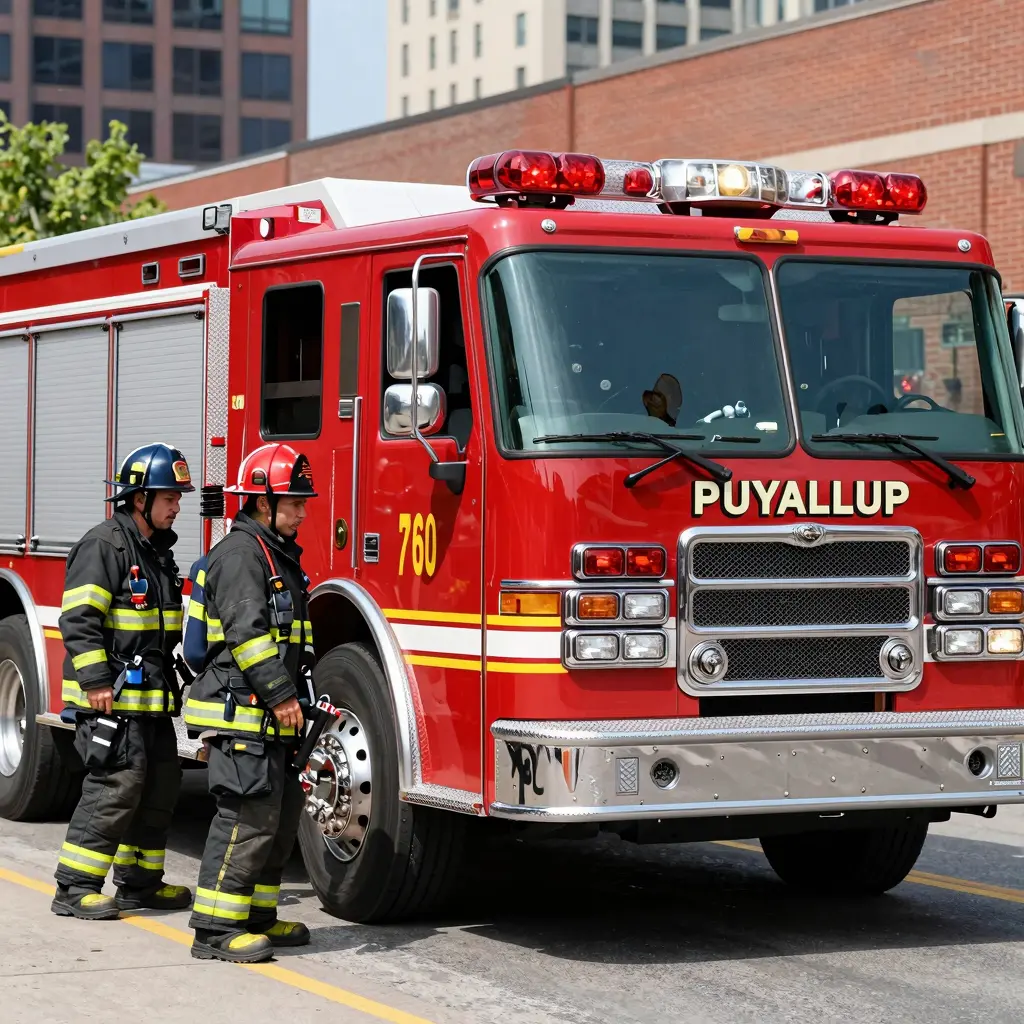
Safety Tips for Emergencies from the Puyallup Fire Department
The Puyallup Fire Department emphasizes the importance of preparing for emergencies to ensure safety for all residents. Here’s a checklist of essential safety tips:
Emergency Preparedness Checklist
- Create a Household Emergency Plan: Involve every family member in developing a clear and concise emergency plan that covers various scenarios, including fires.
- Install Smoke Detectors: Ensure smoke detectors are installed on every floor and test them regularly for functionality.
- Keep Emergency Contact Numbers: Maintain an easily accessible list of emergency contacts, including local authorities and family members.
- Practice Evacuation Routes: Regularly rehearse evacuation routes so that everyone knows how to exit safely during an emergency.
- Develop a Fire Safety Plan: Outline steps for preventing fires, including safe cooking practices and the proper handling of flammable materials.
- Keep an Emergency Kit Ready: Assemble a kit containing water, non-perishable food, first aid supplies, and important documents to prepare for unexpected events.
These tips not only help in preparation but also foster a culture of safety. For more detailed information on safety practices, you can refer to the Puyallup Fire Department’s official website and their Emergency Management Division.
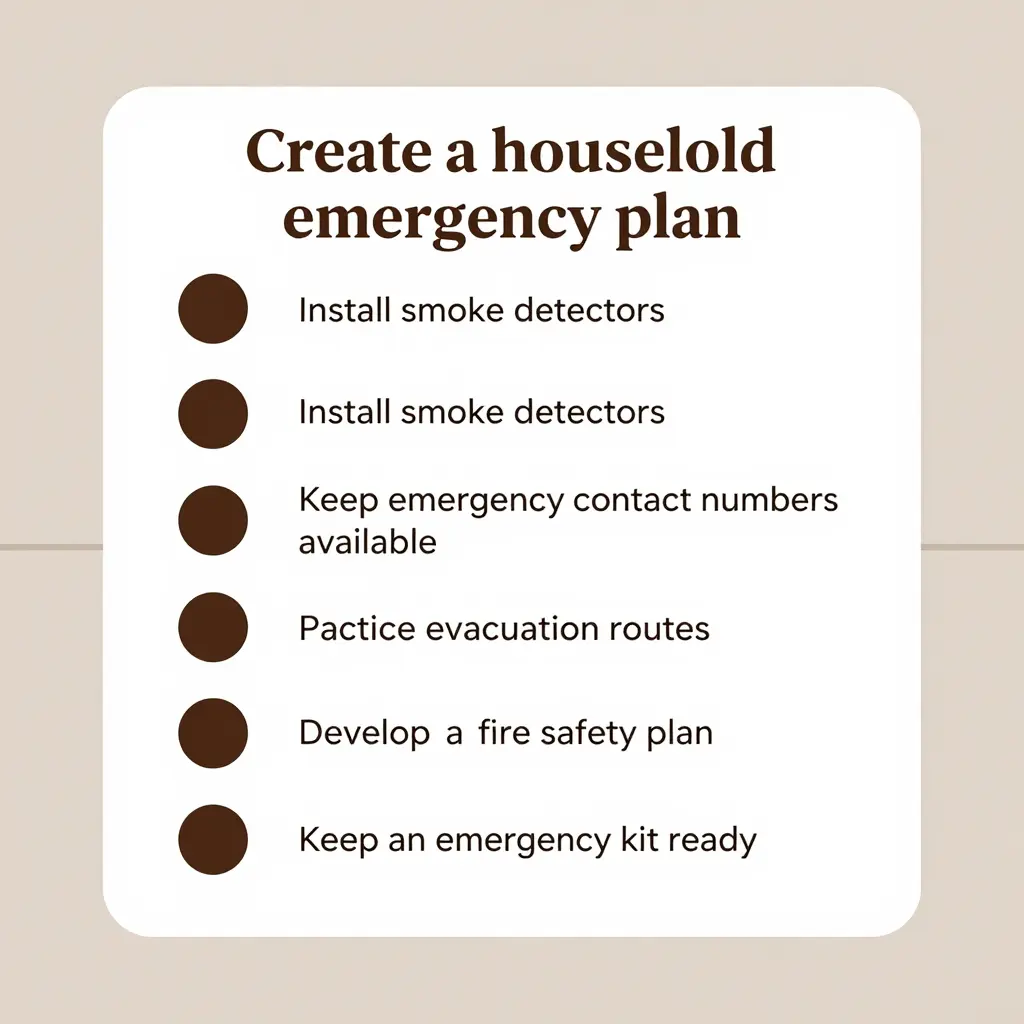
By implementing these strategies, individuals and families can be better prepared for emergencies, ensuring their safety and the safety of those around them.
Conclusion
The Puyallup Fire Department plays an indispensable role in enhancing the safety and welfare of the Puyallup community. By delivering rapid response services to fires, medical emergencies, and hazardous situations, they exemplify their commitment to protecting lives and property. Their continuous training and educational outreach initiatives, such as those highlighted during Fire Prevention Week, deepen public understanding of fire safety and emergency preparedness.
Moreover, the department emphasizes community connection through initiatives like the annual ‘Fire Camp’ for youth, which fosters engagement and education among the younger population. Acknowledging their dedication, the recent ‘Community Appreciation Program’ showcases their recognition of volunteers and local partners who support their vital mission. As stated in the official reports, the department has leveraged significant funding to enhance emergency response capabilities, enriching the community’s safety framework.
Ultimately, the work of the Puyallup Fire Department deserves appreciation from all residents. Their proactive measures not only ensure immediate safety but also contribute to building a resilient community. It is crucial for us to recognize and support their efforts, as they navigate the complexities of emergency services, often under high-stress conditions.