In the heart of California lies Sonoma Valley, where the Sonoma Valley Fire and Rescue Authority stands as a beacon of safety and service. Their partnership with the California Public Employees’ Retirement System (CalPERS) is essential, influencing not just operational capabilities but also the welfare of the firefighters who protect the community. Understanding this connection is crucial as CalPERS not only provides retirement benefits to emergency service personnel but also contributes significantly to their health insurance. These systems are designed to ensure that firefighters receive the support they need long after their active duty ends.
As California grapples with increasingly severe wildfire seasons and other emergencies, the financial sustainability of agencies like the Sonoma Valley Fire and Rescue Authority becomes paramount. With rising insurance costs and the complex interplay of funding from bodies like CalPERS, it is imperative to examine how these relationships affect not only the institutions but also the longevity and effectiveness of emergency services. This article delves into the nuances of this partnership, highlighting the importance of robust retirement and insurance systems within the framework of California’s emergency response landscape. For those seeking more information, you can learn more about firefighter training and safety and understand how effective financial management can ensure these vital services thrive.
Importance of CalPERS for Fire and Rescue Services
Membership in the California Public Employees’ Retirement System (CalPERS) is crucial for fire and rescue authorities for several reasons. Primarily, it offers significant advantages in terms of retirement security and health benefits that are vital for personnel who face the relentless demands of their profession.
Retirement Security
CalPERS provides a robust retirement system that is built to support public employees, including firefighters and rescue personnel, who dedicate their lives to public service. The retirement benefits are calculated based on the employee’s years of service, final compensation, and age at retirement, ensuring that members receive a fair pension. Employees can retire as early as age 50 with enough service credit, making it easier for them to enjoy a secure retirement. For detailed benefits, you can read about CalPERS retirement benefits.
Health Benefits
In addition to retirement security, CalPERS offers comprehensive health care benefits that are essential for the well-being of fire and rescue personnel and their families. This coverage is invaluable, as firefighters often face higher health risks due to the nature of their work. Health insurance plans through CalPERS are not only generous but also highly regarded for their breadth of coverage, meeting critical health care needs both during and after a career in public service.
One relevant source discusses how public employees have relied on strong union-negotiated health benefits to protect against budget cuts that threaten these essential services. More information about these health benefits can be found here.
Conclusion
In summary, joining CalPERS significantly enhances the financial stability and health security of fire and rescue services personnel, making it a critical component of their professional lives. The peace of mind provided by a secure retirement and comprehensive health benefits cannot be overstated, ensuring that those who serve the community are adequately cared for in their later years.
Comparison of CalPERS and Other Retirement Plans
When it comes to selecting the right retirement plan, public safety employees, particularly those in fire and rescue agencies, have specific needs and considerations. Here, we will highlight the benefits of CalPERS compared to other commonly used retirement plans, focusing on key metrics such as employee contributions, employer matches, and retirement payout rates.
Retirement Plan Benefits Comparison
| Retirement Plan | Employee Contribution | Employer Match | Retirement Payout Rates |
|---|---|---|---|
| CalPERS | Typically 7-12% | Varies by agency | Based on years of service, usually around 2%@55 or 2%@60 |
| 401(k) | Employee decides (max $20,500 per year in 2023) | Up to 6% depending on the employer policy | Based on account balance and investment performance |
| Other Pension Plans | Varies widely (e.g 3-10%) | Varies by plan | Usually a formula based on salary and years of service |
Visual Representation
Below is a graphical representation of the employee contributions and employer matches for these retirement plans:
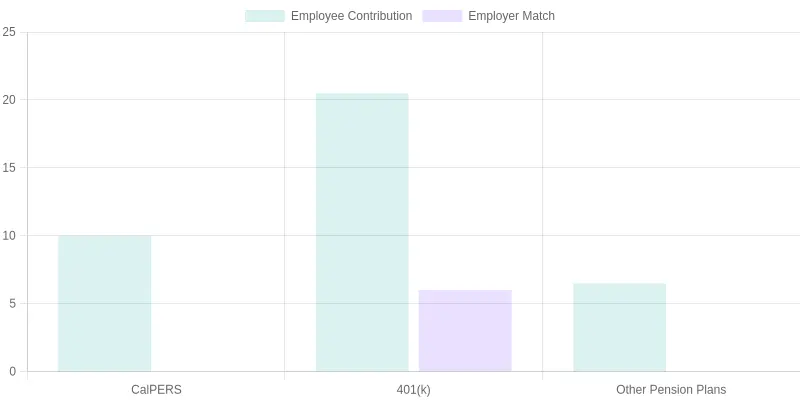
This comparison demonstrates that CalPERS offers structured contributions and reliable returns, making it a viable choice for fire and rescue employees. For those looking for a traditional pension plan, CalPERS often provides substantial benefits compared to other options available in the market.
For more information on retirement planning and benefits for firefighters, consider checking out this resource which discusses in-depth the pension structures and related benefits specifically designed for public safety personnel.
Additionally, if you’re interested in understanding the broader implications of retirement planning, you may refer to these insights.

Challenges Faced by Sonoma Valley Fire and Rescue Authority in Relation to CalPERS
The Sonoma Valley Fire and Rescue Authority grapples with complex challenges that stem from its participation in the California Public Employees’ Retirement System (CalPERS). These challenges significantly impact operational efficacy and service delivery, which are crucial for ensuring community safety.
Rising Contribution Rates
One of the most immediate concerns is the rising contribution rates to CalPERS. As pension costs escalate, the Authority is forced to allocate a larger portion of its budget to cover these retirement expenses, diminishing available funds for operational needs and frontline services. According to Firehouse, California firefighters are already contributing more to their pensions due to these growing costs.
Budget Constraints and Operational Limitations
Furthermore, the increasing financial burden translates into budget constraints that can lead to significant operational limitations. Fire departments across California, including Sonoma Valley, are experiencing tough decisions, such as potential service reductions or station closures to cope with these rising costs. For instance, the Stanislaus Consolidated Fire Protection District had to close a station due to budget deficits exacerbated by CalPERS costs.
Management Complexities
Additionally, the complexities involved in managing these pension obligations add layers of challenge for fire chiefs. The need for enhanced financial planning and management strategies grows, as cities strive to balance retirement costs with service delivery demands. This is compounded by the necessity of ensuring that the workforce remains adequately staffed to respond effectively to emergencies, which is critical for community safety.
“CalPERS stands as one of the largest pension plans in the U.S., dedicated to bolstering the financial security of public employees, particularly those in critical sectors like fire and rescue services. Our mission is not merely to provide benefits but to secure a stable future for all members.”
This emphasis on security and care is crucial for individuals in the fire and rescue services who commit their lives to public safety. By advocating for sustainable policies, CalPERS ensures that these professionals receive the retirement benefits they rightfully earned through their service. Through comprehensive retirement planning and innovative reforms, CalPERS remains a steadfast ally in protecting the interests of its members.
Case Study: Stanislaus Consolidated Fire Protection District’s Experience with CalPERS
Overview
The Stanislaus Consolidated Fire Protection District (SCFPD) represents a striking example of the challenges and benefits associated with participating in the California Public Employees’ Retirement System (CalPERS). This case study highlights the significant impacts that rising pension costs have had on the agency’s operational capabilities and overall fiscal health, providing relevant insights for the Sonoma Valley Fire and Rescue Authority as they navigate similar waters with CalPERS.
Challenges Faced
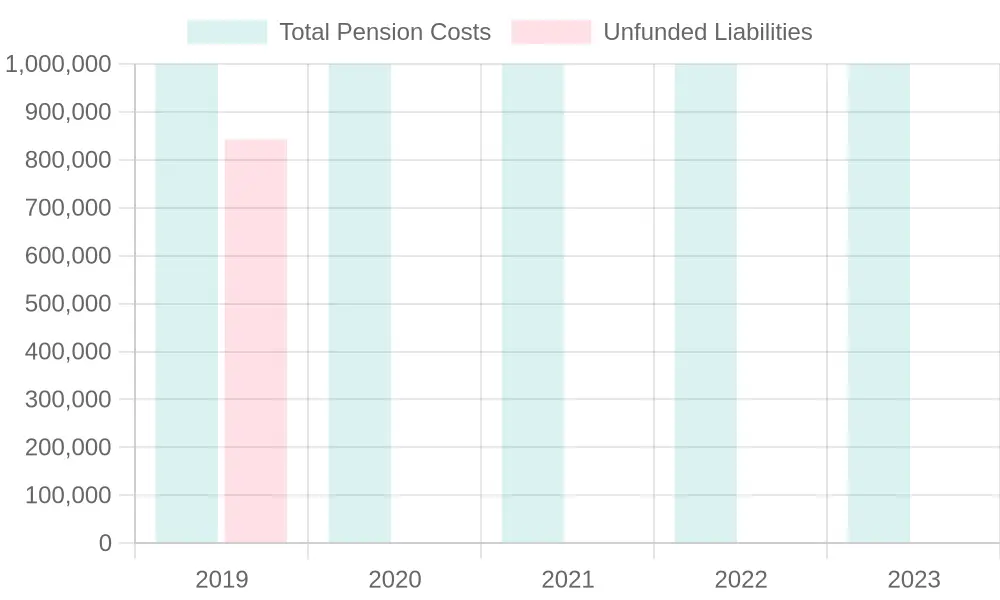
In recent years, the SCFPD has encountered formidable financial challenges primarily attributed to escalating pension obligations. Initial estimates indicated that the total pension costs had reached approximately $1 million in 2019. Despite various attempts to offset these costs, projections suggested that the unfunded liabilities were set to increase significantly in the subsequent years, pushing budgetary constraints even further.
One of the most pressing issues reported was that $842,404 of the district’s budget was allocated toward unfunded liabilities (UAL), effectively limiting the funds available for essential services. As expenditures for pensions rose, the SCFPD was forced to consider reductions in staffing and operational capacity, leading to broader service cuts.
“The rising pension costs have forced us into a difficult position where we must choose between maintaining service levels and meeting our financial obligations to CalPERS,” stated a representative of the district.
The direct implications of these financial strains include operational deficits totaling $925,000 in 2019 alone. As the situation deteriorated, the SCFPD’s leadership had to make tough decisions about prioritizing resource allocation and sustaining vital firefighting services.
Graphical Overview
Here’s a graphical representation of the rising pension costs and unfunded liabilities faced by SCFPD from 2019 to 2023:
Strategic Solutions and Lessons Learned
Despite these challenges, the SCFPD has employed several strategic solutions to mitigate the adverse effects of rising pension costs:
- Budget Re-evaluation: The agency has conducted comprehensive reviews of its budget allocation to identify areas where cost savings can be achieved without compromising service quality.
- Community Engagement: Engaging with the community to delineate the importance of firefighting services and the financial implications of pension obligations, raising awareness among local stakeholders.
- Collaborative Solutions: Partnering with other regional fire services to share resources, training, and equipment can potentially alleviate some financial burdens caused by high pension costs.
Conclusion
The SCFPD’s experience highlights critical lessons for the Sonoma Valley Fire and Rescue Authority. As fire agencies navigate the multifaceted challenges posed by CalPERS, fostering financial transparency, community support, and innovative budgetary strategies will be vital in ensuring that essential services remain operational and responsive to community needs. For more insights on operational excellence and funding solutions, you can learn more about fire safety certification training or explore high-performance equipment for fire rescues.
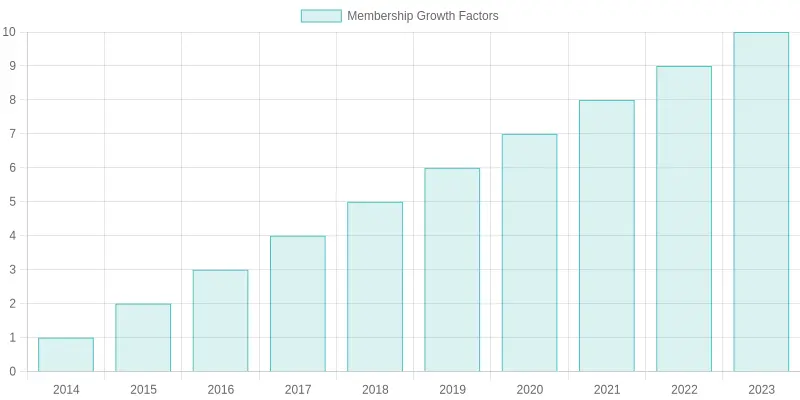
This chart visually represents the membership growth factors and key milestones of the Sonoma Valley Fire and Rescue Authority in CalPERS over the past decade, highlighting significant initiatives such as grant awards, training expansions, and community engagement events that influenced their growth trajectory.
Insights and Strategic Directions
The Sonoma Valley Fire and Rescue Authority’s membership in the California Public Employees’ Retirement System (CalPERS) offers significant advantages that can enhance both personnel welfare and operational efficiency. Key benefits include:
-
Retirement Security: Membership in CalPERS provides firefighters with a defined benefit pension, ensuring a stable income post-retirement, which is particularly crucial in retaining skilled personnel. Each member’s retirement benefit is calculated based on their years of service and final compensation. This structure promotes long-term service within the department, leading to greater institutional knowledge and operational effectiveness.
-
Health Benefits: CalPERS offers comprehensive health benefits tailored for public safety employees, mitigating health-related costs that could otherwise burden both employees and the department. Access to these benefits can significantly improve morale among personnel, ensuring that firefighters are both physically and mentally supported in their demanding roles.
-
Financial Security: The security provided by CalPERS to its members can also result in more efficient budgeting for the Sonoma Valley Fire and Rescue Authority, allowing for better allocation of funds towards essential equipment and training initiatives.
Action Steps
To maximize these benefits, the Sonoma Valley Fire and Rescue Authority should consider the following strategic directions:
- Enhanced Communication: Ensuring all personnel are fully informed about their CalPERS benefits can help improve satisfaction and retention. Providing regular workshops or informational sessions could enhance understanding and usage of available resources.
- Tailored Financial Planning: Offering personalized financial planning sessions may empower personnel to make the most of their retirement options, aligning their career goals with financial outcomes. This initiative could be complemented by specialized training in areas such as investments or health care planning.
By leveraging the strengths of being part of CalPERS, the Sonoma Valley Fire and Rescue Authority can enhance its operational capabilities while securing the well-being of its firefighters. For a deeper understanding of safety training, see our article on fire safety essentials which emphasizes the significance of effective training programs for emergency personnel.
Call to Action: Support Fire and Rescue Services
Understanding the crucial role of fire and rescue services like the Sonoma Valley Fire and Rescue Authority is paramount in ensuring community safety and effective emergency response. These brave individuals dedicate their lives to protect and serve, often requiring community support to enhance their capabilities and resources.
We encourage you to take action:
- Explore our services: Visit Fire & Rescue to learn more about our mission and how we serve the community.
- Get involved: Consider supporting your local fire and rescue services through donations or volunteer work, making a tangible difference in your community.
- Stay informed: Follow our blog for fire safety essentials and other relevant topics to better understand how you can prepare and respond to emergencies.
Together, we can ensure that our fire and rescue services are equipped to handle any challenge that arises. Every act of support counts!