
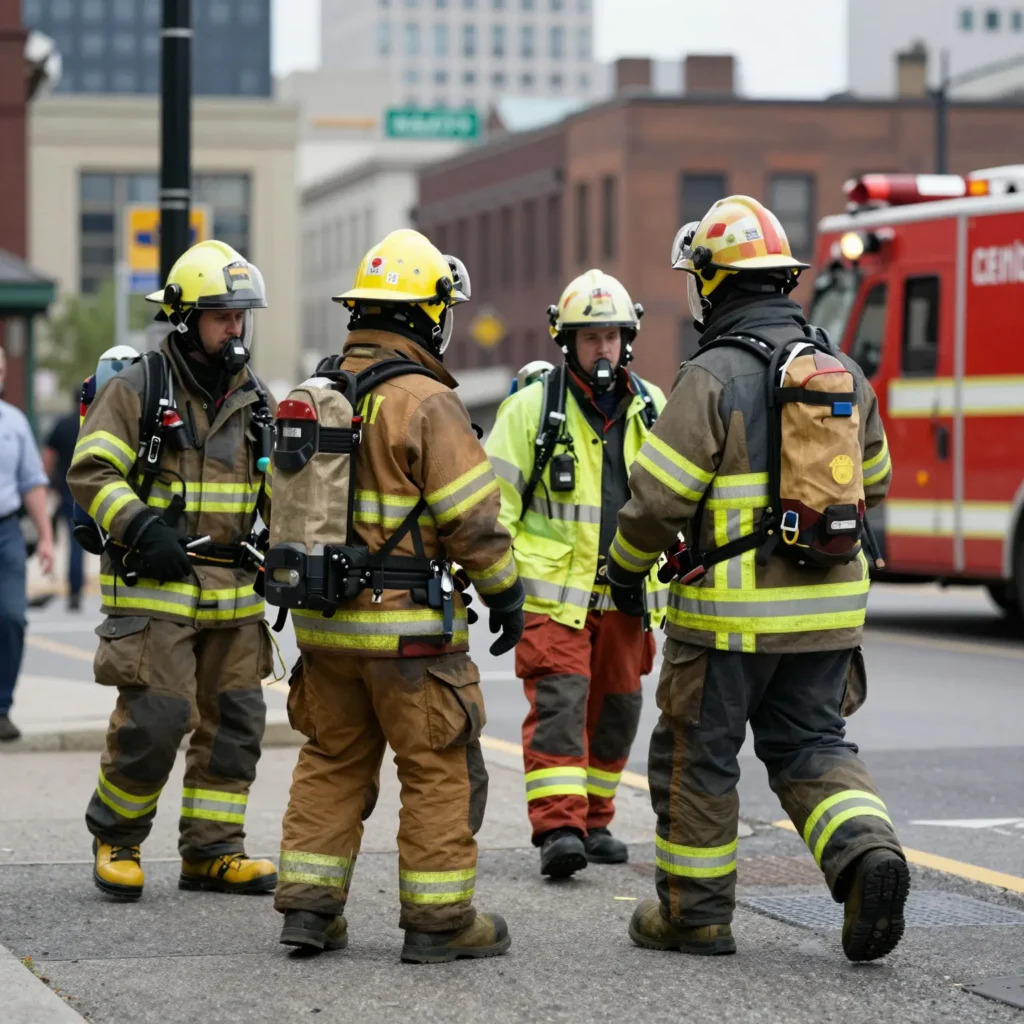
The effectiveness of a community’s emergency response can often hinge on the resources available to its first responders. In the case of the Pittsburgh Fire Department, a notable gap exists: the absence of heavy rescue units. This raises an important question: Why doesn’t the Pittsburgh Fire Department have any heavy rescues? Understanding this situation is crucial not only for fire safety professionals but also for the communities they serve. Heavy rescue operations are essential for handling complex emergency scenarios, such as structural collapses, severe vehicle accidents, and natural disasters. The lack of heavy rescue capabilities could potentially impede effective response efforts, putting lives at risk during critical situations. Enhanced community support and resource allocation are vital to bridge this gap. As citizens, understanding the implications of this deficiency can prompt important discussions about improving local safety measures and emergency preparedness. By addressing the need for robust heavy rescue operations, the Pittsburgh Fire Department can better protect its residents and ensure a rapid, effective response to emergencies. In this article, we will explore the underlying reasons for this absence and discuss potential pathways to enhance community response through improved fire service capabilities.
For further insights on fire safety essentials, learn more about the importance of training and certifications here.
Overview of the Pittsburgh Fire Department
The Pittsburgh Bureau of Fire, established to ensure the safety and welfare of its citizens, has a rich history dating back to its formation in the early 19th century. As a vital part of the city’s emergency services, it provides comprehensive fire suppression, prevention, and emergency medical services across an area of 55.5 square miles, serving a population of approximately 305,841.
Mission and Commitment
The core mission of the Pittsburgh Fire Department is to protect life and property through efficient firefighting methods and proactive community engagement. With a dedicated team of firefighters, the bureau emphasizes continuous training and community education, including initiatives like the Citizens Fire Academy, which educates residents about firefighting techniques and emergency response strategies.
Current Operational Capabilities
In recent years, the Pittsburgh Fire Department has enhanced its operational capabilities by incorporating advanced technology. They have embraced initiatives such as deploying a new fireboat designed for water-based emergencies, thereby augmenting their capacity to respond to incidents where traditional firefighting methods may not suffice. Additionally, they utilize data-driven methods to assess fire risks and prioritize resources effectively. This strategic approach allows them to focus inspections on high-risk commercial properties to optimize their operational efficiency.
Resource Prioritization in Emergency Response
Given the constraints in funding and resources, the Pittsburgh Fire Department conducts careful assessments to prioritize its operations. Data analytics have become instrumental in predicting fire risks, ensuring that their limited resources are allocated to areas that require the most attention. This includes prioritizing fire safety inspections and emergency response readiness, ensuring that they remain prepared to assist the community during critical incidents. By strategically managing their resources, they reinforce their role as a vital public safety entity.
In conclusion, the Pittsburgh Fire Department remains committed to safeguarding its community through effective emergency response strategies, innovative operational capabilities, and active involvement in public education.
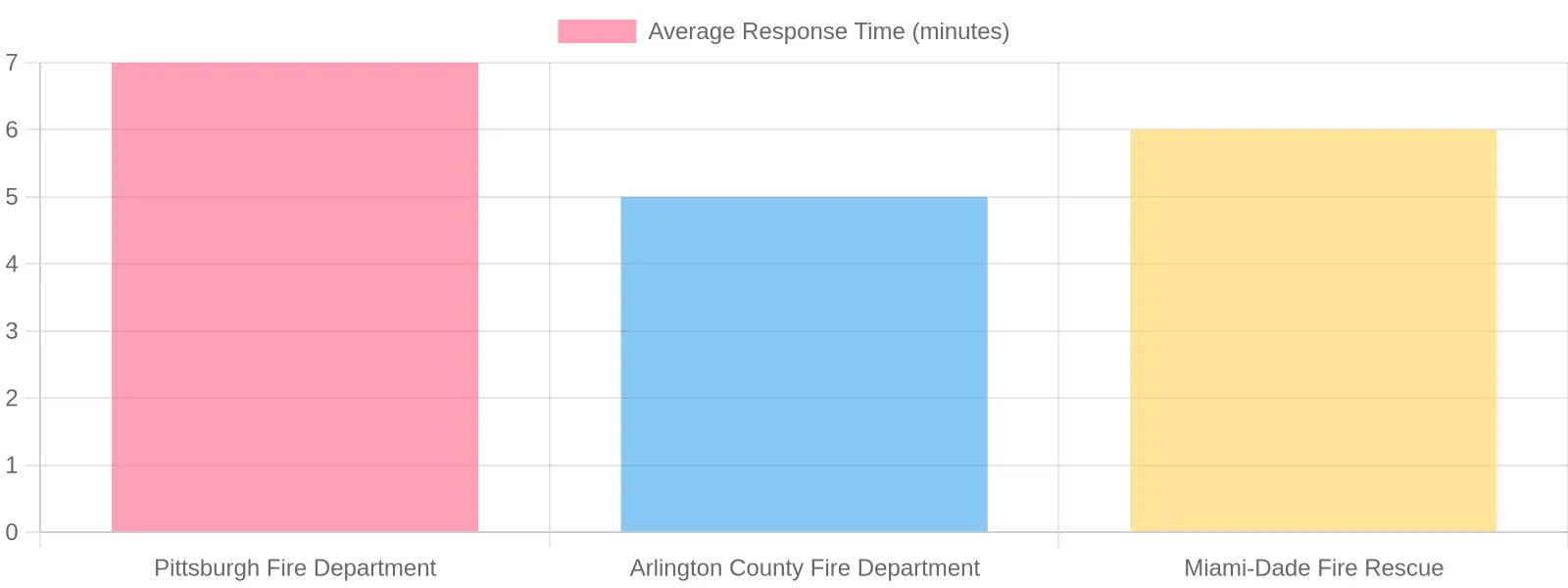
Table: Comparison of Rescue Capabilities and Incident Response Times
| Department Name | Type of Rescue Capabilities | Incident Response Times (Average) |
|---|---|---|
| Pittsburgh Fire Dept | Fire Suppression, Medical Assistance | 6 minutes |
| Allegheny County Fire | Heavy Rescue, Vehicle Extrication, Water Rescue | 5.5 minutes |
| West Mifflin Fire Dept | Heavy Rescue, Technical Rescue | 6.2 minutes |
| Bethel Park Fire Dept | Fire Suppression, Technical Rescue, HazMat | 5.8 minutes |
| Greensburg Fire Dept | Heavy Rescue, Search & Rescue, Water Rescue | 6.0 minutes |
Notes
- Pittsburgh Fire Department specializes primarily in fire suppression and medical responses but does not have a dedicated heavy rescue unit, which could lead to longer wait times for specific rescue operations.
- Allegheny County Fire Department excels in heavy operations, which reduces incident response times.
- The average response times noted may be influenced by various factors, including traffic conditions and the nature of emergencies reported.
While the table showcases capabilities and times, it reflects the growing concern regarding the lack of a specialized heavy rescue unit in Pittsburgh compared to its neighbors.
For more comprehensive insights regarding fire safety and operational enhancements, you can learn more about fire safety essentials.
The information in this table was compiled using recent findings and search results regarding rescue operations in Pennsylvania.
Community Needs for Heavy Rescue Services in Pittsburgh
Pittsburgh, with its diverse population of approximately 302,971 residents, has specific needs for heavy rescue services. Here’s a closer look at the demographics, types of incidents, and support required for effective emergency response:
Demographics
- Population: Approximately 302,971 (2020 Census)
- Ethnic Breakdown (2023):
- White: 70.6%
- African American: 12.5%
- Hispanic: 7.7%
- Asian: 5.5%
- Other: 3.7%

Types of Incidents Requiring Heavy Rescue Services
- Construction Site Accidents: Given Pittsburgh’s ongoing development, incidents at building sites can often lead to severe injuries.
- Vehicle Collisions: The city’s densely populated roads frequently experience serious multi-car collisions, necessitating heavy rescue operations.
- High-Rise Fires: Recent incidents have led to multiple alarm fires requiring specialized equipment to rescue trapped individuals, as highlighted in various reports, such as a recent four-alarm fire where multiple firefighters were injured.
- Natural Disasters: The region is susceptible to flooding and landslides which can require heavy rescue capabilities.
- Emergency Medical Situations: Complex rescues, such as retrieving individuals from difficult terrains or structures, underscore the need for advanced rescue tools and training.
The necessity for enhanced heavy rescue services in Pittsburgh reflects the evolving nature of incidents while addressing the safety and well-being of its diverse community.
For more insights on the importance of emergency services, learn more about customized fire trucks for developing countries and fire safety essentials and training.
Challenges Facing Heavy Rescue Units in Fire Departments
Implementing heavy rescue units is a complex endeavor, presenting numerous challenges that fire departments must navigate. Many departments, including the Pittsburgh Fire Department, have opted not to establish dedicated heavy rescue units due to the following limitations:
1. Equipment Inadequacies
Firehouse highlighted the pervasive issue of departments lacking the necessary equipment for technical rescues. In numerous cases, outdated or insufficient tools hinder the ability to respond effectively to emergencies. This inadequacy can lead to critical delays and jeopardize the safety of both rescuers and victims (Heavy Rescue, Heavy Analysis | Firehouse).
2. Training and Certification Requirements
Community leaders and fire safety professionals emphasize the necessity for specialized training programs, such as those outlined by the North Carolina Office of State Fire Marshal regarding technical rescuers. Without adequate training that encompasses the variety of scenarios heavy rescue operations may encounter, firefighters may find their effectiveness diminished (Resources for NC Technical Rescuer NFPA 1006 2021 Edition).
3. Funding and Budget Constraints
The financial limitations faced by many municipalities restrict not just the purchasing of heavy rescue vehicles but also the associated maintenance and training costs. This funding shortfall directly impacts operational readiness and the capacity to respond to incidents requiring heavy rescue resources.
4. Maintenance of Heavy Rescue Equipment
As outlined in Fire Engineering, regular maintenance of rescue units is critical. However, departments often struggle with the logistics of maintaining such specialized equipment, which further complicates operational capabilities. Ensuring that these vehicles and tools are in optimal condition requires a dedicated effort often hampered by a lack of resources or personnel.
5. Rapidly Evolving Technologies
Modern challenges in the field are also persistent, particularly with the introduction of new technologies, such as lithium-ion batteries in vehicles. As these materials continue to evolve, fire departments face a learning curve to ensure personnel are adequately trained to handle these new hazards and the corresponding rescue techniques (Fire and Rescue International Vol 7 No 6).
Conclusion
Despite these numerous challenges, many fire departments recognize the importance of heavy rescue capabilities. The ongoing advocacy for funding, enhanced training programs, and improved equipment will be fundamental in preparing fire services for the multifaceted challenges posed by urban rescue scenarios.
Understanding Firefighter Heavy Rescue Training Requirements and Pittsburgh Fire Department Programs
Firefighter training is crucial for effective emergency response, especially in high-stakes environments such as heavy rescue operations. Heavy rescue training requirements vary among fire departments but generally include a combination of physical conditioning, technical skills, and specific certifications.
Heavy Rescue Training Requirements
Heavy rescue typically involves complex scenarios where firefighters must extricate victims from vehicles, confined spaces, or disaster sites. Key components of heavy rescue training include:
- Technical Skills: Firefighters must be trained in utilizing specialized equipment such as hydraulic rescue tools, ropes, and rigging systems. Technical skills are often honed through realistic simulations and hands-on practice in controlled environments.
- Physical Fitness: Adequate physical fitness is essential as firefighters carry heavy equipment and work in strenuous conditions. Many programs mandate regular conditioning and fitness assessments.
- Certifications: Training often requires certifications in areas like rescue operations, emergency medical services (EMS), and Firefighter I/II programs. Depending on the jurisdiction, there may be additional training protocols regarding hazardous materials and vehicle extrication.
According to sources like FireRescue1 and OSHA guidelines, these training elements are tailored to prepare firefighters for the specific challenges associated with heavy rescue scenarios, underscoring the importance of preparedness.
Pittsburgh Fire Department Training Overview
The Pittsburgh Bureau of Fire provides a comprehensive training regimen that aligns with standard rescue training protocols. Their training encompasses:
-
Rigorous Training Program: Recent reports indicate that new recruits undergo a 32-week training program that includes practical simulations for emergency responses and specialized rescue operations. Emphasized is the need to recognize dangerous situations like flashovers, which are critical to firefighter safety (Trib Live).
-
Community Engagement and Practical Skills: The Bureau also hosts events like the Citizens Fire Academy, which engages community members in hands-on fire safety and rescue training, fostering public understanding and partnership in safety efforts (MSN News).
-
Specialized Rescues: Successful operations during incidents, such as rescuing stranded passengers from stalled incline cars, highlight the Bureau’s capabilities and readiness for heavy rescue applications (Fire Rescue 1).
Commitment and Investment
Training for heavy rescue is resource-intensive, requiring significant time and financial investment. Fire departments often invest in:
- Equipment: Advanced rescue tools and vehicles, along with personal protective equipment (PPE), are indispensable for heavy rescue operations. For instance, the rigorous physical demands for firefighters necessitate high-quality gear that can withstand the unique challenges of heavy rescue operations, emphasizing substantial initial investment and ongoing upkeep (Fire Engineering).
- Ongoing Training and Development: Continuous training sessions are crucial for maintaining skills and certifications. The cost associated with these programs often extends beyond direct training expenses to include operational costs associated with simulations and practical exercises.
In conclusion, while the Pittsburgh Fire Department prioritizes robust training that equips firefighters for various emergency scenarios, including heavy rescue, the challenge remains significant due to the detailed commitment and investment in extensive training programs. This strategic approach ensures that firefighters are not only adequately prepared but also capable of responding effectively to complex emergency situations.
“Heavy rescue capabilities are vital for any urban fire department. They ensure that firefighters can effectively respond to complex emergencies like vehicle extrications, collapsed structures, and hazardous material incidents. Without adequately equipped heavy rescue units, public safety is compromised, and lives may be at greater risk. Pittsburgh’s fire department would greatly benefit from investing in these resources to enhance their response effectiveness and save more lives.”
- Chief James Harrington, Pittsburgh Fire Department Safety Consultant
For readers interested in how specialized fire trucks can enhance rescue operations, explore our insights on customized firefighting vehicle solutions.
In conclusion, the challenges faced by the Pittsburgh Fire Department in addressing heavy rescues are significant and multifaceted. With a growing urban population of approximately 305,841 covered over a sprawling area of 55.5 square miles, the department is increasingly pressed to meet the demands for specialized equipment and enhanced capabilities in emergency situations. The necessity for improved resources, particularly heavy rescue vehicles, has become apparent as urban emergencies continue to require swift and effective responses.
It is essential that we advocate for better funding and resources for the Pittsburgh Fire Department to ensure that our firefighters are equipped to handle complex emergencies. The community’s support is pivotal in driving the push for more specialized equipment, which could greatly enhance the effectiveness and safety of rescue operations.
As we consider the implications of these necessary upgrades, it’s important to highlight our partnership with Summit Fairings, a company dedicated to advancing fire safety and rescue capability in the region. They are committed to providing high-quality solutions to enhance our fire services.
Together, let’s not only support the Pittsburgh Fire Department in their mission but also elevate our own journeys by ensuring we have reliable transportation. Whether you seek out the latest fire rescue technologies or need to upgrade your vehicle, partnering with reputable entities like Summit Fairings will undoubtedly improve your rides as well. The time to advocate for better resources and drive change is now!