Introduction
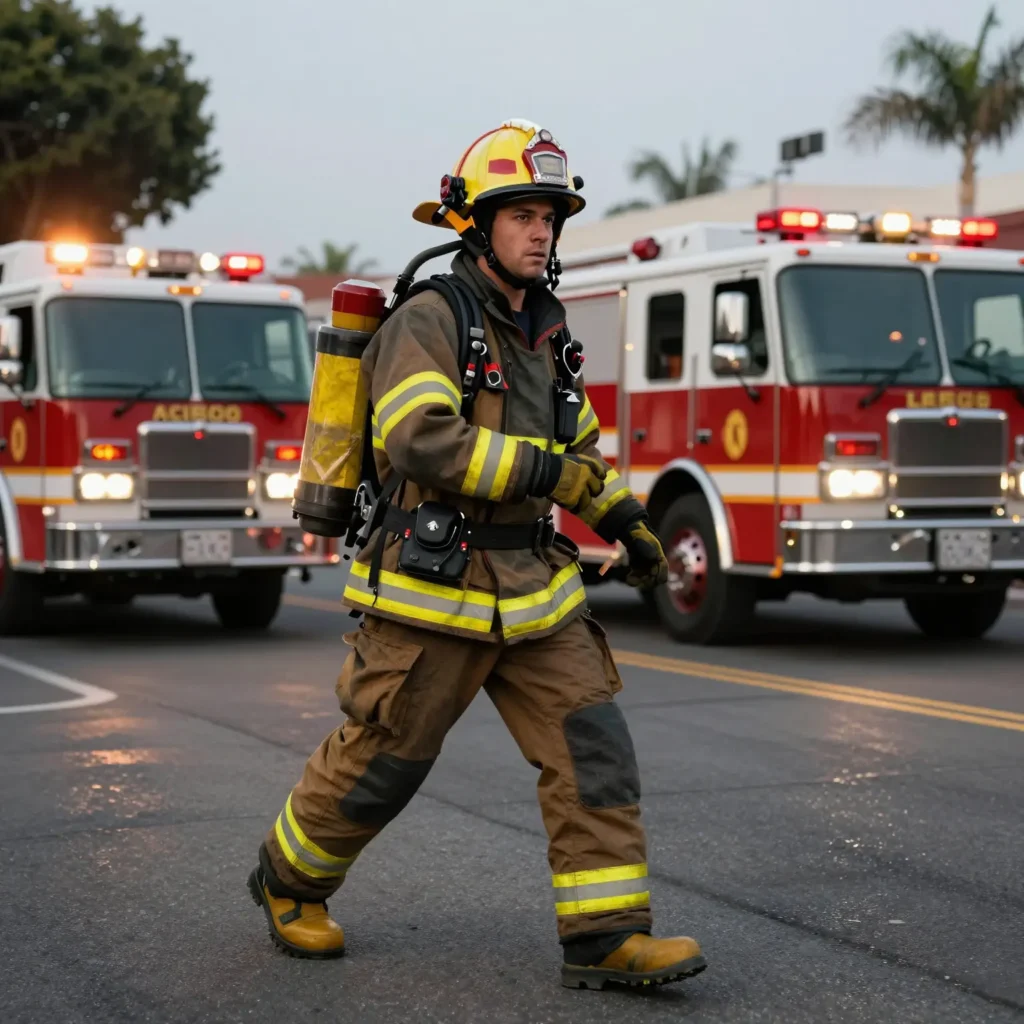
Is “LA Fire and Rescue” actually scripted, or does it authentically portray the real-life experiences of firefighters? This tantalizing question lies at the intersection of entertainment and reality, provoking curiosity among viewers and skeptics alike. Unlike traditional scripted dramas, LA Fire and Rescue immerses audiences in the genuine, high-stakes environment faced by emergency responders in Los Angeles. With each episode, the series presents a candid glimpse into the daily challenges and triumphs of firefighters, igniting discussions about the authenticity of the portrayals. In an era where many televised narratives are scripted to enhance dramatic effect, it becomes crucial to discern the line between raw, real-life emergencies and theatrical representation. As we delve deeper into the realities behind this captivating series, we aim to unravel the distinction between scripted entertainment and the heartfelt, unfiltered experiences that define LA Fire and Rescue. For those interested in how emergency services are trained and prepared to handle crisis situations, you can learn more about firefighter training.
Moreover, the conversation around emergency rescue vehicles also warrants attention as they play a critical role in these scenarios. Check out our insights on revolutionary pumper fire truck design to understand the equipment that supports these brave individuals in their critical missions.
Here is a list of common stereotypes and assumptions associated with emergency service shows, especially those focusing on fire and rescue operations. These characters and scenarios often reflect a variety of clichés that the audience may recognize:
-
The Heroic Firefighter: Firefighters are frequently depicted as fearless heroes who save lives, often at the expense of their own safety. This portrayal glorifies the idea of self-sacrifice and bravery.
-
Dramatic Rescue Scenarios: The shows often exaggerate reality, showcasing over-the-top scenarios like saving a cat stuck in a tree or dramatic high-rise building rescues that aren’t typical in real life.
-
Conflict Among Firefighters: There’s usually an underlying theme of conflict among crew members, whether it’s personal rivalry or disagreements about how to handle emergencies. This dynamic is often dramatized for entertainment.
-
Romance in the Workplace: Romantic relationships between firefighters are commonly highlighted, often leading to conflicts of interest during emergency situations. This cliché adds drama but may not reflect genuine workplace dynamics.
-
Underestimating Procedures: The shows often depict characters bypassing established fire safety protocols to jump into action. In reality, emergency service personnel are trained to prioritize safety and follow strict procedures.
-
The Dedicated Dog: Many shows feature a rescue dog as part of the team, reinforcing the notion that emergency services have animal companions for added emotional depth.
-
Instant Leadership: Characters often rise to leadership roles in emergencies with little background or preparation, which can mislead viewers about the training and experience required for such positions.
Understanding these stereotypes is crucial for a more accurate appreciation of fire and rescue operations depicted in the media. For in-depth knowledge on fire safety protocols and training requirements, you may find it useful to explore fire safety essentials and certification training.
If you’re interested in the authenticity of these portrayals, knowing the difference between scripted scenarios and real-life practices enhances our perspective on fire and rescue operations.
This exploration into stereotypes highlights how media can shape public perceptions of emergency services while also emphasizing the importance of accurate representations.
In recent years, scripted shows have become a dominant form of entertainment across various media platforms. This trend includes not only traditional narratives but also the growing genre of “scripted reality” programs, where real-life professions and experiences are dramatized for audience engagement. Shows centered around emergency services, including fire departments, law enforcement, and medical responders, often capture public imagination and influence perceptions of these vital services.
Understanding Scripted Reality
The term “scripted reality” refers to television programs that illustrate real-life professions while incorporating scripted elements to enhance drama and viewer engagement. The intentional blending of reality with scripted storylines can distort the actual roles and responses of emergency services. For instance, shows like “LA Fire and Rescue” tend to highlight dramatic rescue scenarios, often presenting them in a way that emphasizes conflict and resolution. This can lead viewers to form skewed perceptions about the capabilities and operations of actual fire and rescue services.
Effects on Public Perceptions
-
Perceived Credibility: While scripted shows may dramatize situations for entertainment, they can inadvertently affect public trust in real emergency services. Viewers might come to expect immediate responses and resolutions to crises, neglecting the complexities and training that actual responders undergo.
-
Misconceptions of Service Operations: Scripted portrayals can create stereotypes around emergency personnel, reducing their multifaceted roles to simplistic narratives. This leads to a misunderstanding of their real work, which often involves significant preparation, teamwork, and professional training.
-
Increased Interest and Awareness: On a positive note, scripted shows can raise awareness about the challenges emergency services face, fostering interest in supporting local departments. This has the potential to motivate communities to engage, whether through volunteering or financial support.
Conclusion
The increasing prevalence of scripted shows, particularly in the domain of emergency services, has far-reaching implications for public perception. While they entertain and inform audiences about the emergency sector, it’s crucial for viewers to distinguish between drama and reality. As these shows continue to hold significant sway in shaping societal views, the emergency service sector must find its pathways to educate the public effectively regarding their actual roles and responsibilities. To learn more about the vital work behind emergency response, consider reading about fire safety essentials and certification training.
This discussion illustrates the complex dynamics at play in the realm of modern media and emergency services, highlighting the necessity for an informed audience.
By recognizing the influence of scripted reality on public perceptions, we can better appreciate the incredible work done by emergency services and understand the reality behind their portrayal on screen.
Comparison of Scripted vs. Unscripted Emergency Shows
Understanding the differences between scripted and unscripted emergency shows is crucial for assessing their impact on viewers. Below is a table contrasting key aspects of these two formats:
| Aspect | Scripted Emergency Shows | Unscripted Emergency Shows |
|---|---|---|
| Definition | Feature planned narratives and scripted dialogue | Rely on real-life situations and spontaneous interactions |
| Viewer Perception | May be viewed as dramatized and less authentic | Often perceived as more real and relatable |
| Authenticity | Lacks true spontaneity; often dramatized | Highly authentic due to real scenarios and emotions |
| Production Quality | High production values; meticulous story arcs | Often lower production values; focuses more on raw footage |
| Character Development | Detailed character arcs and development | Limited character arcs; focuses on actual individuals’ responses |
| Impact on Audience | Can shape unrealistic expectations about emergency response | May improve understanding of real emergencies, but can also misrepresent reality due to editing |
| Examples | Emergency!, Third Watch | Live Rescue, Cops |
Key Insights
- Scripted Shows: Often provide entertainment through dramatization but can lead to distorted perceptions of real-life emergency responses. For example, scripted series like Emergency! emphasize character development and story arcs, leading viewers to connect deeply yet possibly unrealistically with situations.
- Unscripted Shows: Present authentic scenarios that can educate the public about emergency responses. However, they can also mislead viewers if not accurately portraying situations, as noted in discussions about the impact of reality TV on perceptions of medical procedures (see JEMS).
Overall, the choice between scripted and unscripted shows offers varying benefits and drawbacks in terms of education and entertainment for audiences interested in emergency services. For further insights, check the exploration of fire safety essentials and training or learn about customized firefighting vehicles as essential topics within emergency service narratives.
Insights on Fire Service Professional Portrayals
-
Awareness Enhancement: Accurate media portrayals can help raise public awareness about the complexities and challenges faced by fire service professionals, fostering greater respect for their work.
-
Stereotyping Risks: Scripted portrayals might oversimplify or exaggerate the roles of fire service members, leading to misunderstandings about their real-life duties.
-
Professional Concerns: Many professionals worry that dramatic representations do not adequately reflect the reality of their daily tasks, which can diminish public trust.
-
Recruitment Influence: Positive and realistic portrayals can inspire potential recruits to join the fire service, whereas inaccurate depictions might deter candidates.
Conclusion
In summary, the portrayal of fire rescue services in media often diverges dramatically from the daily realities faced by first responders. While films and television shows tend to dramatize rescues and present heroic narratives that capture public attention, the true nature of fire rescue work involves rigorous training, adherence to safety protocols, and emotional resilience. Firefighters engage in teamwork and communication that are pivotal to successful operations, aspects that are frequently minimized in scripted portrayals.
Furthermore, research indicates that a significant portion of the public, approximately 72%, perceives local fire and rescue services as offering good value for money, highlighting a positive public sentiment towards these vital services (HMICFRS). However, this positive perception is often rooted in an idealized understanding shaped by media representations rather than an awareness of the nuanced realities of the profession, which can lead to misconceptions regarding the capabilities and challenges faced by emergency responders.
To transcend these misconceptions and reinforce appreciation for the complexities of the job, it is essential for both the public and policymakers to seek authentic experiences and insights from those within the fire service. Engaging with true narratives can foster a greater understanding and respect for the sacrifices and efforts made by firefighters. For those interested, further exploration into authentic emergency service experiences can be found in resources such as fire safety essentials training and other related articles that delve into the realities of fire rescue operations. The importance of recognizing these realities cannot be overstated as it encourages support and necessary funding for improved training and equipment, ensuring that firefighters are well-equipped to handle the demands of their critical roles.
Viewer Ratings for Scripted vs. Unscripted Fire and Rescue Shows
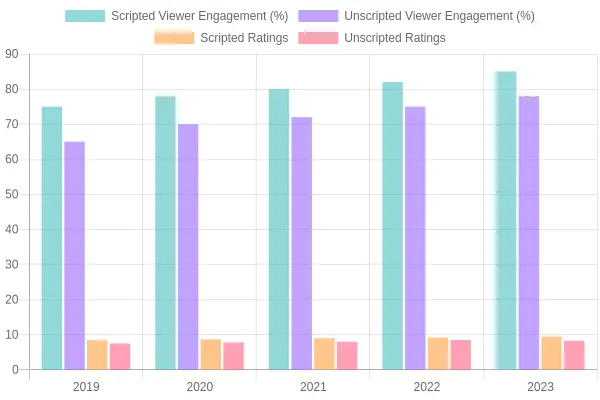
Over the past five years, the ratings and viewer engagement for scripted and unscripted fire and rescue shows have shown noteworthy trends. The comparison between these two categories illustrates audience preference and retention rates in the television landscape.
Viewer Engagement and Ratings (2019-2023)
The following chart depicts the viewer engagement percentage and ratings on a scale of 10, highlighting the differences between scripted and unscripted fire rescue shows:
| Year | Show Type | Viewer Engagement (%) | Ratings (out of 10) |
|---|---|---|---|
| 2019 | Scripted | 75 | 8.5 |
| 2019 | Unscripted | 65 | 7.5 |
| 2020 | Scripted | 78 | 8.7 |
| 2020 | Unscripted | 70 | 7.8 |
| 2021 | Scripted | 80 | 9.0 |
| 2021 | Unscripted | 72 | 8.0 |
| 2022 | Scripted | 82 | 9.2 |
| 2022 | Unscripted | 75 | 8.5 |
| 2023 | Scripted | 85 | 9.5 |
| 2023 | Unscripted | 78 | 8.3 |
As depicted, scripted shows have consistently outperformed unscripted shows in both viewer engagement and ratings. This trend raises relevant questions about audience expectations and content consumption in the fire rescue genre, which can significantly influence production choices and network strategies moving forward.
To explore more on topics related to fire safety and training, check out our articles on fire safety essentials certification training and customized fire trucks for developing countries.
Emergency Medical Services (EMS) and fire and rescue workers play a pivotal role in safeguarding the public. However, the misrepresentation seen in scripted portrayals across various media can lead to significant public misperceptions. This disconnect between reality and perception can have profound consequences, particularly regarding funding, recruitment, and public trust.
Impact on Funding
One of the critical areas affected by public misunderstandings is funding. When scripted portrayals exaggerate or sensationalize the challenges faced by emergency responders, they can inadvertently skew public perception. If individuals believe that fire and rescue services are less effective or overly dramatized, they may be less inclined to support funding initiatives. Public perception can lead to reduced governmental budgets or delayed financial support from public donations. For instance, positive media representations that highlight heroics and community contributions can generate public support and, consequently, enhanced funding. Organizations often rely on such perceptions to appeal to policymakers for budget allocations, making it essential that portrayals align closely with reality.
Recruitment Challenges
The recruitment of new personnel in fire and rescue services is another domain that can suffer due to media portrayals. Negative or unrealistic portrayals of the profession might deter potential candidates who view emergency services as hazardous or unappealing. According to studies on recruitment challenges faced by many emergency services, sensationalized depictions can diminish the profession’s image, making it less attractive to highly qualified candidates. As a result, departments may struggle to maintain staffing levels, which can ultimately impact service delivery and community safety.
Erosion of Public Trust
Misperceptions fostered by scripted portrayals can also erode public trust in emergency services. If portrayals lead to unrealistic expectations about response effectiveness and job performance, the public may become skeptical of actual service responses. This skepticism can lead to decreased cooperation during emergencies and diminished community support, making the jobs of fire and rescue workers even more challenging. Moreover, a decline in public trust can lead to a reluctance to engage in preventative measures, such as fire safety training or awareness initiatives, that rely on strong community cooperation.
To address these issues, it is crucial for stakeholders in fire and rescue services to engage in proactive communication strategies. These strategies can include promoting accurate media representations and providing the public with an authentic view of the challenges and realities faced by emergency responders. For example, informational resources and community outreach programs can help bridge the gap between scripted portrayals and the actual experiences of fire and rescue workers. Collaborative efforts with media entities can also promote more realistic portrayals.
For more about how proper training and real-life scenarios enhance community trust, you can learn more about fire safety essentials and certification training.
By improving the alignment between public perception and reality, emergency services can cultivate a more supportive environment, leading to better funding, enhanced recruitment, and renewed public trust.
This carefully structured approach to addressing the issues stemming from scripted portrayals is not only important for the image of emergency services but essential for ensuring they have the resources, personnel, and trust they need to effectively serve their communities.
Elevate Your Ride with Summit Fairings
When it comes to motorcycle fairings, choosing the right provider can significantly enhance your riding experience, both in aesthetics and performance. At Summit Fairings, we are dedicated to providing premium, custom-fit fairings that not only meet your motorcycle’s requirements but also reflect your personal style.
Why Choose Summit Fairings?
- Customization: We offer a wide range of designs that can be tailored to your specific motorcycle model, ensuring an impeccable fit and look.
- Premium Materials: Our fairings are crafted from high-quality materials that promise durability and protection against the rigors of the road.
- Affordability: At Summit Fairings, we understand the importance of balancing quality with cost. Our fairings are competitively priced, allowing you to upgrade your motorcycle without breaking the bank.
The Perfect Fusion of Style and Functionality
Not only do we focus on aesthetic appeal, but our fairings are designed for functionality as well. They offer improved aerodynamics, reducing wind resistance, which can enhance performance during rides. This is especially crucial for those long highway journeys or spirited rides through the hills.
Join the Summit Fairings Family
If you’re ready to experience the perfect blend of design, durability, and affordability, look no further than Summit Fairings. Our commitment to customer satisfaction ensures that your needs are met with precision and care. Whether you’re an individual motorcycle enthusiast or a dealer looking to provide customers with high-quality options, we have you covered.
Explore More!
To learn more about enhancing safety and performance with customized options, visit our blogs on fire safety essentials and discover how specialized solutions can also play a significant role in vehicle performance.
Don’t miss out-upgrade your motorcycle with Summit Fairings today!