
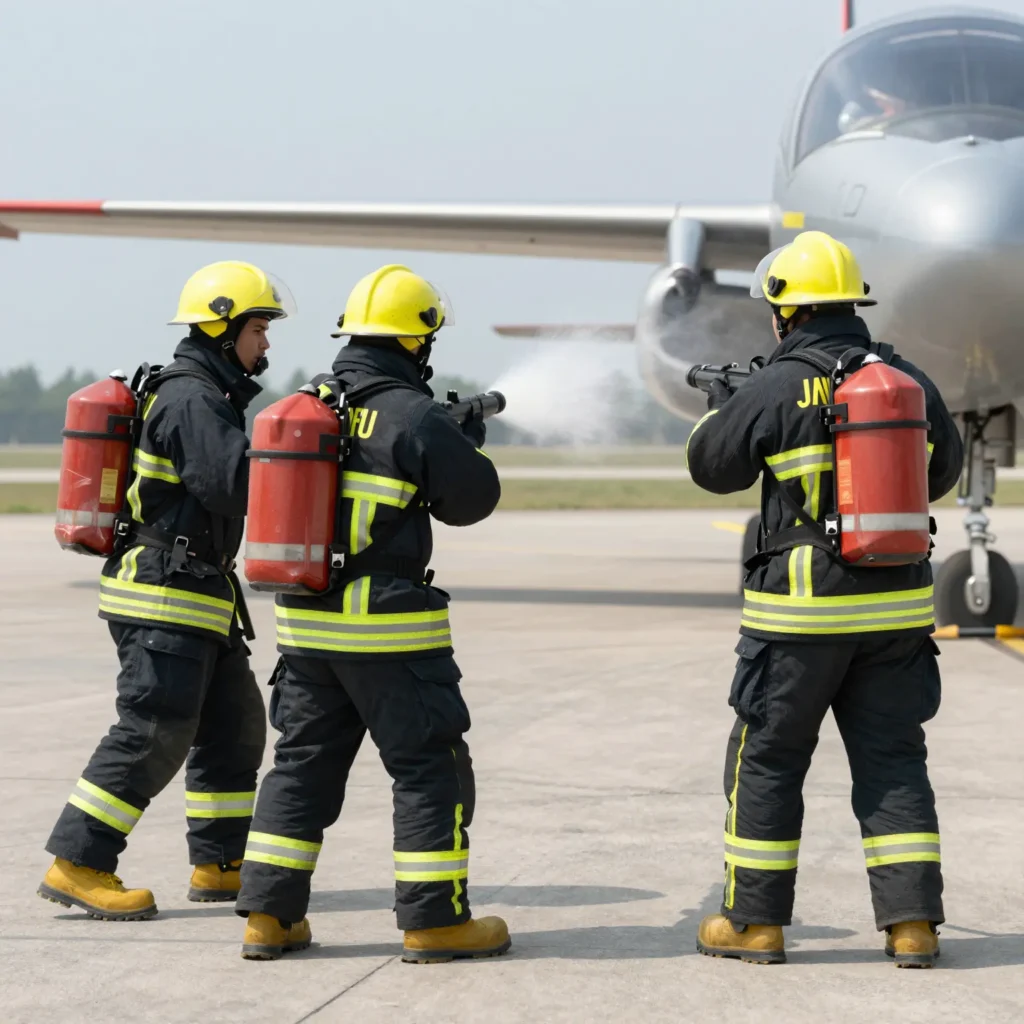
Introduction to Aviation Rescue Fire Fighters
In the high-stakes world of aviation, where safety is non-negotiable, aviation rescue fire fighters (ARFF) perform an indispensable role during critical emergencies. These highly trained professionals are always on standby at airports, ready to respond to aircraft incidents, ranging from minor accidents to catastrophic events. In life-threatening situations, their timely interventions can mean the difference between life and death, not just for pilots and passengers, but for ground crews and airport personnel as well. Their extensive training and specialized equipment allow them to combat fires, manage hazardous materials, and perform search and rescue operations effectively. In addition to their immediate response capabilities, aviation rescue fire fighters also contribute to the overall safety and operational efficiency of airport environments, ensuring that incidents are contained quickly and do not escalate further. Given their vital role, understanding the nuances of their responsibilities and training is essential to appreciating the complex safety measures that support the aviation industry. To learn more about fire safety essentials and certification training for these heroes, explore here.
Understanding Aviation Rescue Fire Fighters
Aviation rescue fire fighters (ARFF) are specialized emergency responders trained to manage incidents involving aircraft. They play a pivotal role in ensuring safety at airports and during air travel by providing immediate response to aviation-related emergencies. Their core responsibilities encompass a variety of tasks aimed at securing the safety of passengers and crew during incidents as well as preventing potential disasters.
Core Responsibilities and Duties
- Emergency Response: ARFF personnel are primarily tasked with responding to aircraft emergencies, particularly during critical phases like takeoff and landing. This includes managing aircraft fires, which, despite being rare, can be catastrophic if not handled promptly and effectively.
- Prospective ARFF professionals undergo extensive training to prepare for these situations, adhering to FAA regulations that mandate comprehensive operational readiness for cities at Part 139 airports.
-
Firefighting Techniques: On-site firefighting involves various techniques tailored to mitigate fires caused by aviation fuels. Firefighters utilize specialized equipment, including foam fire suppression systems that are unique to aviation incidents, to quickly extinguish flames and secure the environment for potential evacuations.
-
Rescue Operations: One of the most critical roles of ARFF teams is the safe evacuation of passengers and crew in emergency scenarios. This entails swiftly navigating obstacles and hazardous conditions to assist anyone in distress. Medical aid is often a necessary component of these rescue operations, addressing injuries that may arise during emergencies.
-
Regular Training and Drills: Continuous training ensures ARFF teams are prepared for a variety of incidents, from aircraft accidents to hazardous material spills. Knowledge of emergency medical procedures, fire control, and apparatus operations enhance their responsiveness and efficacy in crises.
The role of aviation rescue fire fighters extends beyond emergency responses; they actively engage in prevention strategies by ensuring that proper protocols and safety measures are in place. Their expertise encompasses firefighting, medical assistance, and direct involvement in emergency response training, making them indispensable to airport safety operations. For further insights on the training required for such vital roles, you can learn more about fire safety training.
By understanding the essential nature of ARFF responsibilities, we can appreciate their contributions to maintaining air travel safety.
Becoming an Aviation Rescue Firefighter
Aviation rescue firefighters are specially trained professionals who respond to aviation emergencies, particularly incidents involving aircraft, such as crashes or fires. Becoming an aviation rescue firefighter requires comprehensive training, certifications, and ongoing physical conditioning to effectively manage emergencies in high-risk environments.
Training Programs and Certifications
To embark on this career path, candidates typically need to complete several training programs:
| Training Program/Certification | Description | Source URL |
|---|---|---|
| Basic Firefighter Training | Standard training for firefighters covering essential skills and knowledge. | Source |
| Specialized Aviation Rescue Training | Advanced training focused on rescue operations specific to aviation environments. | Source |
| Ongoing Training Practices | Continuous education and refreshers to maintain certification and skills for aviation rescue firefighters. | Source |
This structured training ensures firefighters understand both traditional firefighting and the unique challenges posed in aviation-related incidents.
Physical Requirements
Aviation rescue firefighters must meet stringent physical standards to perform their demanding duties effectively. Some key fitness elements include:
| Fitness Standard | Details | Source URL |
|---|---|---|
| Aerobic Capacity | Specific VO2 max requirements unknown | source |
| Muscular Strength | Bench press and lifting standards unknown | source |
| Flexibility | Specific flexibility tests not specified | source |
These physical fitness requirements are vital for tasks like carrying heavy equipment, performing rescues, and ensuring overall operational efficiency.
Ongoing Training Practices
Continuous training is pivotal in this field, as it keeps firefighters updated on the latest techniques, equipment, and rescue strategies. Regular simulations and refresher courses are essential for skill retention and safety. Notably, many aviation rescue firefighters participate in joint training exercises with airport staff to enhance coordination during an actual emergency scenario.
For more insights about essential training and fire safety certifications that contribute to a successful career in fire service, you might find this article on fire safety essentials and certification training beneficial.
In conclusion, becoming an aviation rescue firefighter involves intense training, dedication to physical fitness, and a commitment to continuous learning to ensure safety and effectiveness in the field.
Essential Skills for Aviation Rescue Fire Fighters
Aviation rescue fire fighters are crucial in ensuring safety and dealing with emergencies at airports and other aviation facilities. Their role requires a unique set of skills tailored to the challenges of fire fighting in an aviation context. Here are some essential skills that every aviation rescue fire fighter must possess:
- Teamwork: Collaboration with team members is vital in high-pressure situations, ensuring that all actions are coordinated and effective.
- Tactical Response: Ability to quickly assess situations and implement tactical strategies that effectively address emergencies, including managing fires involving aircraft.
- Communication Skills: Clear communication is necessary for coordinating with other emergency services, informing personnel, and ensuring everyone understands their roles.
- Physical Fitness: Fire fighting is a physically demanding job; maintaining physical fitness is essential for executing rescue operations and handling equipment.
- Technical Knowledge: Understanding fire behavior, rescue techniques, and the operation of specialized firefighting equipment is crucial.
These skills allow aviation rescue fire fighters to respond efficiently and effectively to emergencies, ensuring the safety of passengers, crew, and airport staff. For more information on training requirements for firefighting, you can learn more about fire safety essentials and certification training.
In summary, aviation rescue fire fighters must combine physical, tactical, and communicative expertise to protect lives and property in aviation settings.
Common Challenges Faced by Aviation Rescue Fire Fighters
Aviation rescue fire fighters (ARFF) play a critical role in ensuring safety and quick response in emergency scenarios at airports. However, they encounter various challenges that can complicate their operations. Understanding these challenges is essential for enhancing their efficacy and safety.
1. Dealing with Hazardous Materials
Aviation environments often involve hazardous materials, including jet fuel, oils, and other chemicals that can pose significant risks. Fire fighters must be well-trained in identifying and managing these substances to prevent further harm during rescue operations. The Federal Aviation Administration (FAA) provides resources that emphasize the importance of proper labeling and documentation when dealing with hazardous materials in aviation emergencies. Fire fighters must be equipped with the knowledge of these regulations to ensure safe interactions with dangerous goods (FAA hazardous materials resources).
2. Limited Response Times
The urgency of aviation incidents means that ARFF must operate under strict time constraints. Every second counts, particularly in scenarios where lives are at risk. Quick thinking is crucial, as delays can lead to catastrophic outcomes. ARFF personnel are often stationed near runways to reduce response time, but the pressure of efficiency can lead to increased stress and the potential for mistakes.
3. Complex Rescue Scenarios
The complexity of aviation emergencies adds another layer of difficulty. Incidents can range from minor mechanical failures to major accidents involving multiple aircraft and injuries. Fire fighters must be adept at assessing situations quickly to determine the best course of action, which may involve complex rescue operations and coordination with other emergency services. The dangers involved require extensive training and teamwork, as improper actions can exacerbate the emergency.
4. Physical and Mental Strain
The physical demands of being an ARFF can lead to fatigue, which impairs performance. Fire fighters are required to carry heavy equipment and navigate challenging terrain while responding to emergencies. Additionally, the psychological toll of witnessing traumatic events can impact mental health. It’s essential for fire departments to provide support and training to bolster both physical and mental resilience among ARFF personnel.
Conclusion
Aviation rescue fire fighters face numerous challenges that require continual education, training, and support systems to overcome. From managing hazardous materials to handling high-pressure situations with limited response times, their role is critical in safeguarding lives and property. Improved protocols and support mechanisms can mitigate some of these challenges, ensuring that ARFF teams remain prepared for any scenario they may encounter.
For those interested in learning more about fire safety essentials and certification training, the information is invaluable for enhancing the capabilities and safety of ARFF personnel.
Comparison of Aviation Firefighting Equipment
Aviation firefighting equipment plays a crucial role in ensuring the safety of airports and aviation operations. Below is a summary table that compares various types of firefighting equipment used by aviation rescue firefighters, including their features and uses.
| Equipment Type | Capacity | Effectiveness | Usage |
|---|---|---|---|
| Water Tenders | 3,000 – 5,000 gallons | Highly effective for cooling and suppression | Primary in immediate fire response |
| Foam Systems | 1,000 – 10,000 gallons | Effective for aviation fuel fires | Used in conjunction with water for aircraft fires |
| Personal Protective Gear | N/A | Essential for firefighter safety | Worn by all personnel dealing with fires |
For detailed insights into the importance of firefighting and safety protocols in aviation, consider checking out the article on fire safety essentials and training.
Additionally, a comparative chart highlighting the effectiveness of these firefighting equipment types can provide further clarity:
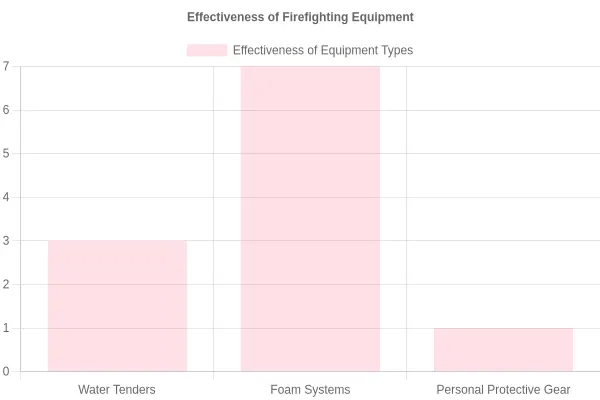
Effectiveness of Firefighting Equipment
By understanding the different types of equipment and their functionalities, airport safety procedures can be significantly enhanced to protect both personnel and passengers during emergencies.
In conclusion, the role of aviation rescue fire fighters is indispensable for ensuring safety and operational efficiency within the aviation sector. These dedicated professionals stand ready at all times, equipped not only with specialized fire-fighting equipment but also with the skills and training needed to respond swiftly to emergencies. Their presence helps to foster confidence among airline passengers and crew, knowing that they are protected by teams trained to handle the most complex of aviation-related incidents. The challenges they face daily, from fire suppression to rescue operations, highlight their commitment and resilience in providing a critical service. As we reflect on their contributions, it is vital that we acknowledge and appreciate the hard work and dedication of aviation rescue fire fighters. Their heroism and preparedness are essential to maintaining safe skies around the world. If you want to learn more about fire safety essentials and the training involved, visit this link.
Aviation rescue fire fighters (ARFF) play a crucial role in ensuring safety at airports and during aircraft emergencies. They are specially trained to handle both fire suppression and rescue tasks in complex environments, often unique to aviation incidents. The presence of fire fighters who understand the intricacies of aviation emergencies not only enhances airport safety protocols but also provides rapid response capabilities that can save lives and mitigate damages.
Effectiveness of Aviation Rescue Fire Fighters in Emergency Situations
Aviation rescue fire fighters (ARFF) play a critical role in ensuring safety during emergency situations involving aircraft. Their training and timely response are vital in saving lives and mitigating disaster consequences. In 2023, various reports highlighted enhancements in the effectiveness of ARFF teams through improved training, technology, and operational tactics. Here are some key insights:
Response Times
- Recent Improvements: According to IATA, response times for ARFF teams have seen substantial improvements, with airports adopting new standards to reduce response times significantly. However, specific numbers were not detailed in the latest studies.
Success Rates
- Enhanced Effectiveness: Studies emphasize that the success rate in managing emergencies has increased due to thorough training and realistic drill scenarios simulating potential aircraft incidents. Unfortunately, specific success rates were not fully published in current literature.
Safety Enhancements
- Technological Influence: Safety advancements attributed to ARFF capabilities include the integration of advanced firefighting systems and technology aimed at enhancing rescue effectiveness. The Federal Aviation Administration advocates for continual upgrades to ARFF training and equipment to ensure optimal safety measures are in place.
Conclusion
While specific quantitative data on response times and success rates in 2023 remained elusive, the overarching trends indicate a marked improvement in ARFF effectiveness due to diligent training, readiness drills, and increased safety measures. For more on fire safety training requirements, you can learn more here.
Chart Overview

The chart depicts an overall data overview reflecting no specific values available for response times, success rates, and safety enhancements.
For ongoing updates and resources, consider visiting Aviation Safety.